
Articles
കർത്താവ് വചനത്തിൽ നൽകിയിരിക്കുന്ന വാഗ്ദത്തങ്ങൾ അവകാശമാക്കിക്കൊണ്ട് അതിനനുസൃതമായി ജീവിക്കുക

ജീവിതയാത്രയിൽ അനേകം കഷ്ടതകളും പ്രയാസങ്ങളും നമുക്ക് നേരിടേണ്ടിവന്നേക്കാം. എന്നാൽ ദൈവം നമ്മുടെ പക്ഷത്താണെങ്കിൽ ഒന്നിനും നമ്മെ തോൽപ്പിക്കാനാവില്ല. ഏത് പ്രതിസന്ധികളുടെയും, ആകുലതയുടെയും നടുവിൽ, നാം ഓരോരുത്തർക്കും പറയാൻ പറ്റണം, കർത്താവ് എന്റെ വിമോചകൻ എന്ന്. ഹെബ്രായര് 13 : 6 ൽ പറയുന്നു, നമുക്ക് ആത്മധൈര്യത്തോടെ പറയാം: കര്ത്താവാണ് എന്റെ സഹായകന്; ഞാന് ഭയപ്പെടുകയില്ല; മനുഷ്യന് എന്നോട് എന്തു ചെയ്യാന് കഴിയും? നാം ഒരോരുത്തർക്കും, ലോകത്തിന്റെ സാഹചര്യങ്ങളെ നോക്കാതെ, കർത്താവിലേയ്ക്ക് പൂർണ്ണ പ്രത്യാശയോടെ നോക്കാം.
ഈ ലോകത്തിൽ നീതിയുള്ളവരായി ജീവിക്കുമ്പോൾ പല പ്രശ്നങ്ങളും പരീക്ഷണങ്ങളും നമുക്ക് നേരിടേണ്ടി വന്നേക്കാം. എന്നാൽ കർത്താവ് നമ്മെ ശക്തീകരിച്ച് അവയിൽ നിന്നെല്ലാം നമ്മെ വിമോചിപ്പിച്ച് ആത്മീകമായും ഭൗതീകമായും നമ്മെ ഉയർത്തും. നമ്മുടെ വേദനകൾ അവന് നന്നായറിയാം. അതുകൊണ്ട് വിഷമഘട്ടങ്ങൾ വരുമ്പോൾ കർത്താവിൽ പൂർണ്ണമായും വിശ്വസിക്കുക. കർത്താവ് വചനത്തിൽ നൽകിയിരിക്കുന്ന വാഗ്ദത്തങ്ങൾ അവകാശമാക്കിക്കൊണ്ട് അതിനനുസൃതമായി ജീവിക്കുക.
പ്രശ്നങ്ങൾ നേരിടുമ്പോൾ തളർന്നു പോകരുത്. നിങ്ങൾക്കുള്ള പ്രതിഫലം വലുതായിരിക്കും. കാരണം കർത്താവ് നമ്മുടെ സ്വർഗ്ഗീയ പിതാവ് ആണ്. നമ്മളെ ഒരിക്കലും കൈവിടുകയില്ല എന്ന് കർത്താവ് വാഗ്ദത്തം ചെയ്തിട്ടുണ്ട്. സങ്കീര്ത്തനങ്ങള് 18 : 2 ൽ പറയുന്നു, കർത്താവാണ് എന്റെ രക്ഷാശിലയും കോട്ടയും വിമോചകനും, എന്റെ ദൈവവും എനിക്ക് അഭയം തരുന്ന പാറയും, എന്റെ പരിചയും രക്ഷാശൃംഗവും അഭയകേന്ദ്രവും. എന്തെല്ലാം പ്രതിബന്ധങ്ങൾ വന്നാലും ഭക്തിമാർഗ്ഗത്തിൽ നിന്നും വ്യതിചലിക്കാതെ, നേരുള്ളവരായി ജീവിക്കുവിൻ! കർത്താവിൽ നിലനില്പിൻ! അപ്പോൾ നിങ്ങളുടെ കുടുംബം അനുഗ്രഹിക്കപ്പെടും.
Sources:marianvibes

Now, I’ll bet that the vast majority of you reading this think that you made a personal decision — all on your lonesome — to receive Christ, and once done, you were a child of God in the faith. John Chipman believes this, as evidenced by his article, “Which comes first in salvation order: Faith or regeneration?”
He says, “Faith precedes regeneration. Always. For everyone.”
Many think that the reverse is heresy and short-circuited. Still, I’m going to ask you to give me a few moments to make a case for the position of regeneration (the Spirit’s supernatural work of giving spiritual life to us, transforming the heart, and enabling faith, so that we become a new creation in Christ), preceding faith. I used to believe the reverse in my earlier Christian walk, but am now convinced that we can’t make that move of commitment towards God until He enables us to do it.
And few things glorify God more than that truth.
It’s not you, it’s Him
R. C. Sproul was just like me. In a short article, he reflects back on getting his theological bell rung by one of his seminary professors who taught regeneration precedes faith, saying, “These words were a shock to my system. I had entered seminary believing that the key work of man to effect rebirth was faith. I thought that we first had to believe in Christ in order to be born again.”
But Sproul got a crash course on the topic and ended up becoming one of the staunchest defenders of regeneration coming before faith. What turned him around?
First and foremost was the biblical teaching of our moral inability to choose God. Simply put, Scripture says we can’t believe and have faith in God until He acts first on our behalf.
This is why Jesus said: “I have said to you, that no one can come to Me unless it has been granted him from the Father” (John 6:65) highlighting our lack of moral power to choose God, and why Christ also showed a distinction between those granted faith and those not when He said: “To you it has been granted to know the mysteries of the Kingdom of Heaven, but to them it has not been granted” (Matt. 13:11).
It’s also why Paul writes, “You were dead in your trespasses and sins” (Eph. 2:1), indicating everyone’s initial dead-to-God spiritual state. He goes on to write elsewhere: “For the mind set on the flesh is death, but the mind set on the Spirit is life and peace, because the mind set on the flesh is hostile toward God; for it does not subject itself to the law of God, for it is not even able to do so” (Rom. 8:6–7) and “But a natural man does not accept the things of the Spirit of God, for they are foolishness to him; and he cannot understand them, because they are spiritually appraised” (1 Cor. 2:14).
If a person’s natural mind is not able to subject themselves to God, thinks “the things of God” are so foolish to the point where they “cannot understand them,” can you tell me how they’re able to pull themselves up by their own bootstraps, muster up faith that isn’t there, and receive Christ?
Augustine saw this inescapable predicament and ruffled many feathers back in his day when he summed up Christ and Paul’s points in this short written prayer: “Grant what thou commandest, and command what thou dost desire.” The second part none of his contemporaries had trouble with, but the first statement? He got the same dirty looks from them that we, who believe God must first grant us the ability to trust Him, do today.
Augustine and those holding to regeneration preceding faith acknowledge that people have free will but lack spiritual liberty when it comes to exercising our will towards God. Our initial state is one where we’ve not lost the ability to make choices — it’s just the choices are bad where God is concerned, meaning you can’t exercise faith and choose God without Him enabling you first.
Martin Luther takes this position when he writes: “Free will without God’s grace is not free at all, but is the permanent prisoner and bondslave of evil, since it cannot turn itself to good.”
Jonathan Edwards describes it like this: “Hence the work of the Spirit of God in regeneration is often in Scripture compared to the giving of a new sense, eyes to see, ears to hear, unstopping the ears of the deaf, opening the eyes of them that were born blind, and turning from darkness unto light…[it] is compared to raising the dead, and to a new creation.”
Which is exactly what the Greek word “regeneration” means “new genesis,” a “coming back from death to life.” This being true, faith is understood as the fruit of regeneration, not the cause of it.
So, given all the biblical evidence that speaks to our moral inability to exercise faith in God on our own, doesn’t it become fairly difficult to believe that some of us just muscle through, overcome our spiritual deadness, and choose God on our own? We figure it all out where others don’t?
And thus, even the weeniest bit of credit for our salvation goes to us in choosing it?
Nope. Instead, we see Christ affirming the proactive work of the Holy Spirit in bringing about our faith when He says: “The wind blows where it wishes and you hear the sound of it, but do not know where it comes from and where it is going; so is everyone who is born of the Spirit” (John 3:8). John says the same thing earlier in his Gospel when he references believers as those “who were born, not of blood nor of the will of the flesh nor of the will of man, but of God” (John 1:13).
That’s pretty clear, wouldn’t you say? Your faith and new birth are not “of the will of man, but of God.” In other words, it’s not you, but Him, where your faith is concerned.
Or as Paul wrote, any faith we have “is not your own doing; it is the gift of God” (Eph 2:8). He underscores this again and again, telling us: “When you were dead in your transgressions and the uncircumcision of your flesh, He made you alive together with Him, having forgiven us all our transgressions” (Col. 2:13, my emphasis) and “For to you it has been granted for Christ’s sake, not only to believe in Him, but also to suffer for His sake” (Phil. 1:29, my emphasis).
These truths are why Martin Luther and Jonathan Edwards referred to their books on this topic (Luther: Bondage of the Will; Edwards: Freedom of the Will) as their most important works. And why I’m laboring hard on this point, where the regeneration preceding faith debate is concerned. If you’re spiritually dead and morally unable to choose God as Scripture says, regeneration has to precede faith.
In the end, I do agree with one thing John Chipman wrote in his article: “…if we get this wrong, we start down a path that leads to an unbiblical god and a hopeless corruption of the Gospel.”
Good advice.
To avoid that, remember two things:
First, He chose you before you chose Him, just as Jesus said: “You did not choose Me but I chose you, and appointed you that you would go and bear fruit, and that your fruit would remain” (John 15:16).
Second, as much as we’d like to think we’re always on the same wavelength as God on these weighty matters, sometimes His way of doing things doesn’t jive with our human logic. As He says in the Psalms: “You thought I was just like you” (Ps. 50:21).
Give all this some prayerful thought and see if you don’t come around to embracing regeneration preceding faith.
Sources:Christianpost
When a person comes to Christ, it’s not just about being forgiven and waiting for heaven. Salvation is an ongoing process of regeneration where a person becomes a new creation, reshaped by the power of the cross. This process involves rebuilding every area of life according to God’s design. Today, we’ll explore seven key areas that are rebuilt in Christ.
1. Our personal life is no longer based on self
We are born in sin and naturally live according to the lusts of the flesh (Ephesians 2:1-3).
But in Christ, we begin to live a cross-shaped life, learning to deny ourselves and follow Jesus (Mark 8:34-36).
“And calling the crowd to him with his disciples, he said to them, ‘If anyone would come after me, let him deny himself and take up his cross and follow me’” (Mark 8:34-36).
The crucified life is a life where self is no longer at the center — God is. We are called to serve others, rather than live for self-gratification(Galatians 2:19-20).
We actually find our life when we lose it! We discover the best version of ourselves when we die to ourselves and allow Christ to live in us and through us.
2. Our families are shaped according to God’s Word
After coming to Christ, family life should be rebuilt and shaped by Scripture. One way is to disciple our children and teach them about God.
Psalm 78:5-7:
“He established a testimony in Jacob and appointed a law in Israel, which he commanded our fathers to teach to their children, that the next generation might know them, the children yet unborn, and arise and tell them to their children, so that they should set their hope in God.”
Furthermore, parents are instructed to raise their children according to the Word of God, ensuring that our homes reflect biblical values and generational faithfulness (2 Timothy 3:15-16).
3. We do business God’s way
The Bible teaches that work is not merely a means to provide for ourselves; it is an act of worship.
Genesis 2:15 illustrates that Adam was called to work even before he had a wife and children. It was an act of worship since, as His image bearer, he imitated the God who worked 6 days before He entered His rest.
“The LORD God took the man and put him in the garden of Eden to work it and keep it.”
Like Adam, we work because we are made in the image of a God who worked to create the world. In business, we walk in integrity, treat employees as partners, equip them to flourish in work, and prioritize honoring God. This means creating environments that reflect God’s kingdom values, including allowing people to worship on Sundays.
4. We use our wealth to spread the Kingdom
Deuteronomy 8:18 reminds us that God gives us the ability to produce wealth, not just for personal gain, but to advance His Kingdom. As believers, we are called to steward our finances in a way that reflects God’s mission, investing in the expansion of the gospel, meeting needs, and helping to establish justice and mercy on earth.
Money is not evil, but the love of money is evil. Money can also be used to advance the kingdom.
I.E., God was able to use “The Good Samaritan” because he had wealth (Luke 10).
God used Joseph of Arimathea who buried the body of Jesus because he had financial resources.
God used Lydia, who had her own business and started a church because she owned a home and was a business owner (Acts 16).
5. We are called to reflect Christ by serving our communities
Titus 2 and 3 show us that we are not just called to serve within the walls of the church, but to be profitable to all people.
2:7 says “Show yourself in all respects to be a model of good works …”
2:14 says Jesus purified people “who are zealous for good works.”
3:14 says “let our people learn to devote themselves to good works …”
This means our communities should see the light of Christ through our good works.
History is replete with how Christ’s followers have rebuilt cities and nations and served humanity in a way that forever impacted nations.
Isaiah 61:4 says:
“They shall build up the ancient ruins; they shall raise up the former devastations; they shall repair the ruined cities, the devastations of many generations.”
6. The Church is called to reparent and rebuild individuals
Jesus’ invitation to “follow me, and I will make you …” demonstrates the Church’s role in rebuilding lives (Matthew 4:19). Through biblical discipleship, we help people discover their God-given purpose and destiny.
Discipleship is more than instruction; it’s walking with people to see them transformed and equipped to fulfill their calling in Christ.
Jesus didn’t say, “follow me and I will give you a weekly bible study. He gave people the opportunity to do life with Him, which created the environment to make disciples and bring about personal transformation.
7. The Church participates in the renewal of all things in Christ
God called Adam to bring His influence on the whole earth.
Genesis 1:28. God’s ultimate plan with and through the church participating with Jesus is to renew all things through Christ (Ephesians 1:9-11). We are not just waiting for the second coming; we are active participants in the restoration of creation through the gospel. As we live in alignment with God’s kingdom, we anticipate the fulfillment of this promise in the climax of history with a new heaven and new earth (Revelation 21:1-8).
Five practical takeaways
1. Embrace daily denial of self: Evaluate your life and ask where you need to surrender personal desires in favor of following Christ. This is the first step toward living a cross-shaped life.
2. Create a family discipleship plan: Begin setting time aside weekly to disciple your children or encourage your family members in the Word of God. Make your home a center for spiritual growth.
3. Work with integrity and purpose: Consider how your work can reflect God’s glory. Are you treating your employees or coworkers with dignity and empowering them, or are you merely using them to get your work done?
4. Be a faithful steward of wealth: Make a decision to invest in Kingdom causes. Pray about where your resources can make a Gospel-centered impact — supporting missionaries, funding outreach, or caring for the poor.
5. Serve your community: Identify a way to serve your community this week. Whether it’s through volunteering, meeting a need, or simply being present in a meaningful way, show Christ’s love in action.
As we participate in this process of rebuilding, God transforms us, our families, our work, and, ultimately, the world around us. Let us surrender fully to Christ and trust Him to rebuild every aspect of our lives for His glory.
Sources:Christian Post


ക്രിസ്തീയ വിശ്വാസം ജീവനുള്ള ബന്ധമാണ്; വെറുമൊരു മതപരമായ അറിവല്ല: ഡോ. വിനു ജോൺ ഡാനിയേൽ
ഡാളസ്: ലോകസുഖങ്ങൾക്കും ഭൗതികനേട്ടങ്ങൾക്കുമപ്പുറം ക്രിസ്തുവിന്റെ സ്നേഹവും കൃപയും അനുഭവിച്ച് ജീവിക്കാൻ വിശ്വാസികളെ ആഹ്വാനം ചെയ്ത് പ്രശസ്ത ഭിഷ്വഗരനും വചന പണ്ഡിതനും പ്രാഭാഷകനുമായ ഡോ. വിനു ജോൺ ഡാനിയേൽ....
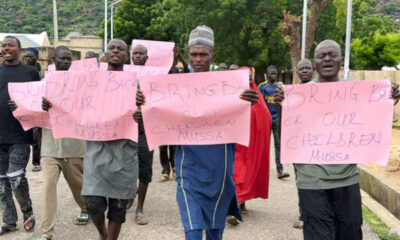

നൈജീരിയയിൽ തട്ടിക്കൊണ്ടുപോയ കുട്ടികൾക്കായി സമരം ചെയ്ത് മാതാപിതാക്കൾ
നൈജീരിയ: നൈജീരിയയിലെ ബോർണോ (Borno) സംസ്ഥാനത്ത് നിന്ന് തീവ്രവാദികൾ തട്ടിക്കൊണ്ടുപോയ കുട്ടികളെ മോചിപ്പിക്കാൻ നടപടി സ്വീകരിക്കണമെന്നാവശ്യപ്പെട്ട് മാതാപിതാക്കൾ തെരുവിലിറങ്ങി പ്രതിഷേധിച്ചു. കുട്ടികളെ തട്ടിക്കൊണ്ടുപോയിട്ട് നൂറ് ദിവസമായിട്ടും വിട്ടയ്ക്കുകയോ...


ഐ.പി.സി. നേര്യമംഗലം സെന്റർ യുവജന ക്യാമ്പ് പെരുമ്പാവൂർ കീഴില്ലത്ത് വച്ച് ഞാറാഴ്ച 6 pm ന് ഉദ്ഘാടനം നടത്തപ്പെടുന്നു
IPC നേര്യമംഗലം സെന്റർ PYPA യുടെ ആഭിമുഖ്യത്തിൽ ഞാറാഴ്ച 6 pm ന് കീഴില്ലം ഇവാഞ്ചലിക്കൽ റീ ട്രീറ്റ് സെന്ററിൽ വച്ച് സെന്റർ ക്യാമ്പ് സെന്റർ പാസ്റ്റർ:...


72-ാമത് നെഹ്റു ട്രോഫി ജലമേളയിൽ അരോമ ചുണ്ടൻ ജേതാക്കളായി.
ആരോമലായി അരോമ, പുന്നമടയിൽ പുതിയ താരോദയം! കന്നിയങ്കത്തിൽ ഫോട്ടോ ഫിനിഷിൽ നെഹ്റു ട്രോഫിയിൽ മുത്തമിട്ടു. 72-ാമത് നെഹ്റു ട്രോഫി ജലമേളയിൽ അരോമ ചുണ്ടൻ ജേതാക്കളായി. പുന്നമടക്കായലിൽ നടന്ന...


ഹൂസ്റ്റണില് എച്ച്.പി.എഫ് ഹിന്ദി കണ്വന്ഷനും സംഗീത സായാഹ്നവും ഓഗസ്റ്റ് 28, 29 തീയതികളില്
ഹൂസ്റ്റണ് : ഹൂസ്റ്റണ് പെന്തെക്കോസ്തു ഫെലോഷിപ്പിന്റെ (എച്ച്.പി.എഫ്) നേതൃത്വത്തില് ഹിന്ദി കണ്വന്ഷനും സംഗീത സായാഹ്നവും ഓഗസ്റ്റ് 28, 29 തീയതികളില് നടക്കും. വൈകിട്ട് 6.30ന് ക്രിസ്ത്യന് അസംബ്ലി...

Keith Getty says Christians must ‘sing the Bible’ in the age of AI ahead of Sing! Conference
Ten years after Keith and Kristyn Getty launched what was intended to be a one-time event celebrating a book about...
-

 us news11 months ago
San Diego pastor fatally shot in his home; congregation left in disbelief
-

 Movie12 months ago
‘Light of the World’: Animated Movie About Jesus Hits Theaters Sept. 5
-

 us news11 months ago
Erika Kirk vows to carry on Charlie’s mission: ‘The movement my husband built will not die’
-
 Movie11 months ago
Forrest Frank Posts Blunt Response After Losing 30,000 Followers Over Charlie Kirk Post
-

 us news12 months ago
Christian Comedian John Crist Gets Engaged in Nashville: ‘God’s Redemptive Plan’
-
 us news12 months ago
‘He Sat on Jesus’s Lap’: The Time God Miraculously Raised Courtney Smallbone’s Son from the Dead
-

 world news11 months ago
6 Christians Killed in Latest Fulani Militia Attack in Nigeria
-

 Travel12 months ago
പാസ്പോർട്ടോ മറ്റ് തിരിച്ചറിയൽ രേഖകളോ കാണിക്കാതെ വിമാനയാത്ര സാധ്യമാക്കുന്ന സ്മാർട്ട് കൊറിഡോർ സംവിധാനം ദുബൈയിൽ വിപുലമാക്കുന്നു