
world news
Sudanese authorities arrest, torture 7 displaced Christians

South Sudan — Intelligence agents of the Sudan Armed Forces (SAF) on Jan. 14 arrested and tortured at least seven Christians in Shendi, about 150 kilometers (93 miles) northeast of Khartoum, sources said.
The members of the Sudanese Church of Christ had sought refuge in areas controlled by the SAF from the military fighting in Khartoum, but upon arrival in Shendi, River Nile state, they were arrested by personnel from Military Intelligence, according to the Sudanese Christian Youth Union.
Military Intelligence agents accused the Christians of supporting the rival paramilitary Rapid Support Forces (RSF) and receiving stolen money, with the Christians denying both allegations. The youth union asserted that the false accusations were an excuse to arrest the Christians, and an attorney following the case said authorities tortured them into confessing.
The Christian attorney, Shinbago Mugaddam, said the seven young Christians were denied legal aid, tortured and taken to a sham trial on the same day as their arrest.
“They were arrested by the army intelligence and were subjected to beatings and interrogations,” Mugaddam, following the case from another country as a refugee from the war, told Morning Star News. “A case was opened against them where the complainant and the witnesses for the accusation were all members of the armed forces. The court did not ask them whether they needed a lawyer or had witnesses to deny this incident, knowing that they were beaten and forced to confess and provide evidence against themselves.”
The accusers and the witness were all from Military Intelligence, and they forced the Christians to plead guilty against their will, he said.
“These youths were tried under Article 174 of the Sudanese Criminal Code of 1994 relating to theft in a summary trial in the Shendi Court, River Nile state, where the conditions for a fair trial were not met,” Mugaddam said.
The Union of Sudanese Christian Youth condemned the arrests and called for their immediate release. Describing the arrests as a violation of human and religious rights in Sudan, the body urged all rights groups, regional and international organizations to intervene and protect those who have been jailed without evidence.
“We in the Sudanese Christian Youth Union hereby condemn these violations that are based on the religion, color and ethnicity” reads the statement issued on Turesday (Jan. 21).
In October, 26 Christians were arrested by Military Intelligence in Shendi after fleeing areas under RSF control in Khartoum.
Sudan’s military-led government in May approved a law restoring broad powers and immunities to intelligence officers that had been stripped after the ousting of President Omar al-Bashir in April 2019. The General Intelligence Service (GIS) Law (2024 Amendment) empowers intelligence officers to summon and interrogate individuals, conduct surveillance and searches, detain suspects and seize assets, according to the Sudan War Monitor.
The amendment granted extensive immunity, shielding agents from criminal or civil prosecution without the approval of the head of GIS. In capital punishment cases, it gave the director authority to form a special court.
“Any act committed by any member of the agency in good faith during or because of the performance of his job duties, or the performance of any duty imposed on him, or from any act issued by him under any authority authorized or granted to him under this law, shall not be considered a crime,” the law’s Article 52 states, according to the Sudan War Monitor.
Sudan was ranked No. 5 among the 50 countries where it’s most difficult to be a Christian in Open Doors’ 2025 World Watch List (WWL), down from No. 8 the prior year.
Conditions in Sudan worsened as civil war that broke out in April 2023 intensified. Sudan registered increases in the number of Christians killed and sexually assaulted and Christian homes and businesses attacked, according to the WWL report.
“Christians of all backgrounds are trapped in the chaos, unable to flee. Churches are shelled, looted and occupied by the warring parties,” the report stated.
Since April 2023 militants of the paramilitary RSF have been battling the SAF, and each Islamist force has attacked displaced Christians on accusations of supporting the other’s combatants.
The conflict between the RSF and the SAF, which had shared military rule in Sudan following an October 2021 coup, has terrorized civilians in Khartoum and elsewhere, killing tens of thousands and displacing more than 12.36 million people within and beyond Sudan’s borders, according to the U.N. Commissioner for Human Rights (UNCHR).
The SAF’s Gen. Abdelfattah al-Burhan and his then-vice president, RSF leader Mohamed Hamdan Dagalo, were in power when civilian parties in March 2023 agreed on a framework to re-establish a democratic transition the next month, but disagreements over military structure torpedoed final approval.
Burhan sought to place the RSF — a paramilitary outfit with roots in the Janjaweed militias that had helped former strongman Omar al-Bashir put down rebels — under the regular Army’s control within two years, while Dagolo would accept integration within nothing fewer than 10 years.
Both military leaders have Islamist backgrounds while trying to portray themselves to the international community as pro-democracy advocates of religious freedom.
Sudan had dropped out of the top 10 of the WWL list for the first time in six years when it first ranked No. 13 in 2021.
Following two years of advances in religious freedom in Sudan after the end of the Islamist dictatorship under Bashir in 2019, the specter of state-sponsored persecution returned with the military coup of Oct. 25, 2021. After Bashir was ousted from 30 years of power in April 2019, the transitional civilian-military government had managed to undo some Sharia (Islamic law) provisions. It outlawed the labeling of any religious group “infidels” and thus effectively rescinded apostasy laws that made leaving Islam punishable by death.
With the Oct. 25, 2021, coup, Christians in Sudan feared the return of the most repressive and harsh aspects of Islamic law. Abdalla Hamdok, who had led a transitional government as prime minister starting in September 2019, was detained under house arrest for nearly a month before he was released and reinstated in a tenuous power-sharing agreement in November 2021.
Hamdock had been faced with rooting out longstanding corruption and an Islamist “deep state” from Bashir’s regime — the same deep state that is suspected of rooting out the transitional government in the 2021 coup.
The U.S. State Department in 2019 removed Sudan from the list of Countries of Particular Concern (CPC) that engage in or tolerate “systematic, ongoing and egregious violations of religious freedom” and upgraded it to a watch list. Sudan had previously been designated as a CPC from 1999 to 2018.
In December 2020, the State Department removed Sudan from its Special Watch List.
The Christian population of Sudan is estimated at 2 million, or 4.5% of the population of more than 43 million.
Sources:Christian Post





world news
വിശ്വാസത്തിന്റെ പേരില് വധശിക്ഷ; ക്രൈസ്തവനെ വിട്ടയക്കണമെന്ന് ഈജിപ്തിനോടു യുഎസ് ജനപ്രതിനിധികള്
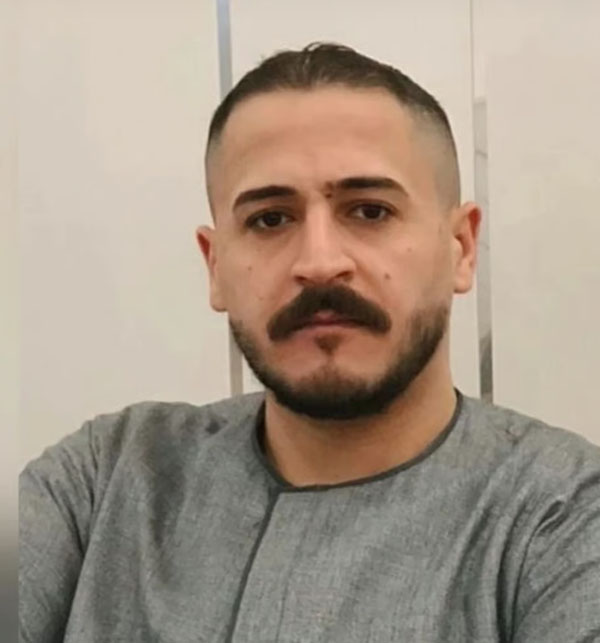
വാഷിംഗ്ടണ് ഡിസി: സമാധാനപരമായി വിശ്വാസം പ്രകടിപ്പിച്ചതിന്റെ പേരില് ഈജിപ്തില് 25 വർഷം തടവോ വധശിക്ഷയോ നേരിടുന്ന ക്രിസ്തുമത വിശ്വാസിയായ സെയ്ദ് അബ്ദുല്റസേക്കിനെ ഉടൻ വിട്ടയക്കണമെന്ന് യുഎസ് ജനപ്രതിനിധികള് ഈജിപ്ഷ്യൻ പ്രസിഡന്റ് അബ്ദുല് ഫത്താഹ് അല് സിസിയോട് ആവശ്യപ്പെട്ടു.
ഇസ്ലാം മതത്തില്നിന്നു ക്രിസ്തുമതം സ്വീകരിച്ചതിനെത്തുടർന്ന് 2025 ജൂലൈയില് അറസ്റ്റിലായ അദ്ദേഹത്തിനെതിരേ മതനിന്ദ, തീവ്രവാദം എന്നീ കുറ്റങ്ങളാണു ചുമത്തിയിരിക്കുന്നത്.ഡിസംബർ എട്ടിന് നടക്കുന്ന വിചാരണയില് അബ്ദുല്റസേക്കിന് കടുത്ത ശിക്ഷ ലഭിക്കാൻ സാധ്യതയുള്ള സാഹചര്യത്തിലാണ് യുഎസ് സെനറ്റർ ജോഷ് ഹാവ്ലി ഉള്പ്പടെയുള്ള ആറു ജനപ്രതിനിധികള് കത്തെഴുതിയത്. ജയിലില് അദ്ദേഹത്തിനു ചികിത്സ നിഷേധിക്കപ്പെടുന്നതായും പീഡനമേല്ക്കുന്നതായും റിപ്പോർട്ടുകളുണ്ട്. മതസ്വാതന്ത്ര്യം സംരക്ഷിക്കുന്നതിലെ പുരോഗതിയെ അടിസ്ഥാനമാക്കിയാണ് ഈജിപ്തിനുള്ള യുഎസ് സഹായങ്ങള് നല്കുന്നതെന്ന് ജനപ്രതിനിധികള് ഓർമിപ്പിച്ചു.
മതനിന്ദ, തീവ്രവാദ വിരുദ്ധ നിയമങ്ങള് ദുരുപയോഗം ചെയ്തു ന്യൂനപക്ഷങ്ങളെ വേട്ടയാടുന്നത് അവസാനിപ്പിക്കണമെന്നും അബ്ദുല്റസേക്കിനെതിരായ കുറ്റങ്ങള് ഒഴിവാക്കി ഉടൻ മോചിപ്പിക്കണമെന്നും കത്തില് ആവശ്യപ്പെടുന്നു. യുഎസ് സ്റ്റേറ്റ് സെക്രട്ടറി മാർക്കോ റൂബിയോയ്ക്കും കത്തിന്റെ പകർപ്പ് അയച്ചിട്ടുണ്ട്. 2018ല് ക്രിസ്തുമതം സ്വീകരിച്ചതുമുതല് അബ്ദുല്റസേക്കിന് കടുത്ത പീഡനങ്ങളും വിവേചനങ്ങളും നേരിടേണ്ടിവന്നതായി യുഎസ് അന്താരാഷ്ട്ര മതസ്വാതന്ത്ര്യ കമ്മിഷൻ വ്യക്തമാക്കുന്നു.
തുടർന്ന് 2019ല് അദ്ദേഹം റഷ്യയില് അഭയം തേടി. എന്നാല്, സ്വകാര്യ വീഡിയോ ചിത്രീകരിച്ചെന്നാരോപിച്ച് 2023ല് റഷ്യൻ അധികൃതർ അദ്ദേഹത്തെ അറസ്റ്റ് ചെയ്യുകയും 2024ല് ഈജിപ്തിലേക്ക് തിരിച്ചയക്കുകയും ചെയ്തു.ഈജിപ്തിലെത്തിയ അദ്ദേഹത്തെ 2025 ജൂലൈയില് വാറന്റില്ലാതെ വീണ്ടും അറസ്റ്റ് ചെയ്യുകയായിരുന്നു.
Sources:cchintha.in
Today, U.S. lawmakers sent a letter to Egypt’s President Abdel Fattah el-Sisi, urging him to take immediate action in the case of Said Abdelrazek, a Christian man who was imprisoned, tortured, and faces a death penalty for his conversion from Islam.
The letter, drafted by Rep. Riley Moore (R-WV), was sent ahead of the next hearing in Abdelrazek’s case, which will take place on December 8. In it, advocates stated: “Mr. Abdelrazek’s ongoing detention constitutes a grave violation of the fundamental human right to religious freedom, is a flagrant violation of international law, and is part of a very troubling crackdown on Christians and other religious minorities within Egypt.”
Abdelrazek has been held in prison for over a year, and in that time, has been subjected to brutal torture and denied proper medical care. His upcoming hearing will determine a sentence for his “crime”, which carries a punishment of up to 25 years in prison, or a death penalty. Sen. Josh Hawley (R-MO), Rep. Marlin Stutzman (R-IN), Rep. Eli Crane (R-AZ), Rep. Barry Moore (R-AL), and Rep. Buddy Carter (R-GA) were among the signatories of the letter. Alliance Defending Freedom (ADF) commends the letter to the president and is supporting Abdelrazek’s case and advocating for his immediate release.
“Egypt’s own constitution promises freedom of belief, and its international obligations demand it. Instead, the state is punishing conversion and using the courts as a weapon. Every day Said stays behind bars, Egypt shows it is willing to jail people for their faith. We urge Egypt to honor its commitments to religious freedom by releasing him without further delay and resolving to do the same for others like him who have also been unjustly punished for their beliefs.”
— Kelsey Zorzi, Senior Counsel and VP of International Advocacy at ADF
In the letter, which was also sent to U.S. Secretary of State Marco Rubio, signatories note that Abdelrazek’s case is one of many in Egypt involving the unjust and violent treatment of Christians, stating it “appears to be part of an increasing pattern of Egyptian local authorities using blasphemy and counter-terror laws to target Christians and other religious minorities for their peaceful religious practice and speech.”
The letter references the similar case of Augustinos Samaan, a scholar and Christian YouTuber who was sentenced to five years in prison with hard labor for teaching the Christian faith on his channel with over 100,000 subscribers. Another case listed was that of Abdubaqui Saeed Abdo, a Christian father who was arrested and detained for his participation in a Christian Facebook group. Abdo has since been released, but his case remains open. ADF is supporting both of their cases.
Background
Said Abdelrazek, a convert from Islam to Christianity, has faced sustained legal, social, and civil obstacles to his right to freedom of religion since his conversion in 2018. In 2019, he left Egypt for Russia, where he sought asylum on religious grounds. Russian authorities arrested him in 2023 over his connection to a privately filmed video deemed “offensive” to Islam, and in 2024 he was forcibly returned to Egypt.
Upon his return, Egyptian authorities detained him and held him for approximately 10 days, not allowing any contact with his family or lawyer. He was interrogated about his beliefs and pressured to reconsider his faith, monitor other converts, and delete his social media accounts. He was ultimately released with instructions not to speak publicly or proselytize.
In July 2025, authorities detained Abdelrazek again, without a warrant, after he resumed posting about his beliefs online. On July 22, Egypt’s Supreme State Security Prosecution charged him with “contempt for Islam,” joining a banned terrorist organization, inciting unrest, and disseminating false information. While in detention, he has been subjected to physical and psychological abuse by both authorities and fellow inmates because of his conversion.
Abdelrazek’s case has caught global attention, with The British Parliament, the U.S. State Department, and U.S. Commission on International Religious Freedom among those that have raised concerns and urged for his release.
“Egypt has made some steps forward in recent years to improve conditions for Christians and religious minorities in the country, but there is still much to be done,” Zorzi stated. “Peacefully held beliefs should never be met with prison time or death sentences. It is time for Egypt to make a change and promote religious freedom for all, not just some.”
http://theendtimeradio.com
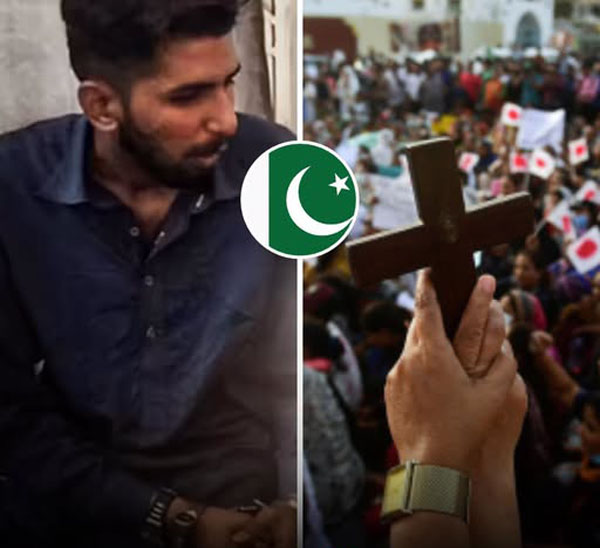
Shahzad Masih has been praying for justice since 2017.
He was just 16 years old when he was arrested on false charges, and has been waiting to be hanged since 2022.
Nine years later, the American Center for Law and Justice (ACLJ), through its Pakistani counterpart, the Organization for Legal Aid (OLA), is continuing to advocate for his release, Christian Daily International reported.
In 2017, Masih was working as a janitor at a hospital when a Muslim coworker asked him about his belief in Jesus. As he explained his faith, he mentioned a comment made by a family friend that was spoken against the Prophet Muhammad, which offended the coworker and ended the conversation.
The coworker belonged to Tehreek-e-Tahfuz-e-Islam, a conservative Islamic group in Pakistan. Members of the group heard about their conversation and confronted the Masih. Though he tried to clarify the situation, he was handed over to the police on July 13, 2017, and was questioned without legal representation before being imprisoned.
In November 2022, according to Section 295C of the Pakistan Penal Code, he was sentenced to death for the “use of derogatory remarks, etc. in respect of the Holy Prophet.” Since then, he has been waiting to be hanged for his unjust sentence.
The United Nations has called for his immediate release, stating that these decisions deny his right to “freedom of expression.” OLA has supported him and filed an appeal for his freedom four times, but the Lahore High Court has yet to hear his case.
“Shahzad Masih was just 16 years old when he was arrested, and nine years later, he remains on death row for allegedly reporting someone else’s words,” said CeCe Heil, senior counsel and international legal director for the ACLJ. “We urge Pakistani authorities to uphold fundamental human rights, overturn this unjust conviction, and bring Shahzad Masih home to his family.”
One of Many
As more stories of Christians being imprisoned for false blasphemy accusations arise this year — including Amir Peter, who was tried before by a Lahore court in 2024 and died in custody in July — ACLJ is committed more than ever to fighting for the life of this young Christian.
“This is the ultimate abominable human rights violation, and we’ll take this case all the way to Pakistan’s Supreme Court,” the advocacy group wrote.
Open Doors ranks Pakistan as the eighth most dangerous place to be a Christian in the world. They are constantly subjected to persecution through discrimination, death threats, mob violence, imprisonment, and death, through its Pakistani counterpart, the Organization for Legal Aid (OLA), continues.
Sources:persecution
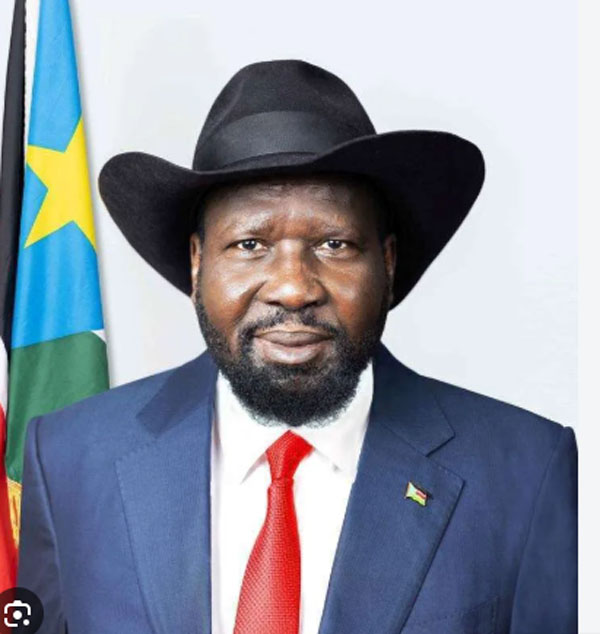
South Sudan — After being born out of decades of war, South Sudan is a nation still fighting for peace and stability.
For millions of people in the world’s youngest nation, faith is more than a Sunday ritual. In a struggling country, it is a source of hope.
For President Salva Kiir, faith is deeply personal.
As a regular at Sunday Mass, Kiir sits through services that last more than three hours.
On a recent Sunday afternoon in Juba, CBN News had an extraordinary opportunity to meet the president at his private residence.
Kiir sent a presidential police motorcade to escort CBN News through the streets of Juba.
Riding along the convoy offered a glimpse of a capital still finding its way nearly fifteen years after independence.
At his home, Kiir sat down with CBN News to talk about God, the fight for independence and the enormous responsibility of leading a country still struggling to find its footing.
Asked why he loves going to church, Kiir told us, “Because I’m a Christian and there is nothing I can do on Sunday besides going to church and pray.”
To understand this president, you must understand the country he fought to create.
For decades, the people of what is now South Sudan endured a brutal conflict with the government in Khartoum. At the heart of that struggle were deep political, cultural and religious divisions.
“We tried to convince our brothers in the north by talking but they could not understand us. So we took arms and went to the bush to fight them,” Kiir said.
As a predominantly Muslim country, Sudan pursued policies that many in the south saw as an attempt to force them to abandon their Christian faith and submit to strict Islamic law.
“We did not want to separate, but they got stuck on religion, the Islamic religion, that all of us must be Muslims and that the country to be ruled by Sharia law,” Kiir insisted.
Those in the south feared their identity, religious freedom, and way of life were under threat.
“We wanted just equality,” Kiir said.
After decades of war and enormous sacrifice, South Sudan finally won its independence in 2011.
While that moment brought extraordinary hope and optimism, the hard work of building a nation was only beginning. And independence did not bring an end to the country’s suffering.
While faith and the church continue to play a very pivotal role in the lives of millions of South Sudanese, the country faces profound challenges.
Years of conflict have left deep scars.
And despite signs of economic activity, South Sudan continues to face enormous humanitarian challenges.
Conflict, displacement, and hunger have left many depending on assistance.
In October, dozens of people died in a wave of revenge attacks involving different ethnic groups, a problem plaguing the country for years.
Clashes over territory and resources also continue to fuel instability.
Kiir is calling for an end to the violence.
“Let us stop the revenge killing; let us stop anything to do with fighting among South Sudanese,” he told CBN News.
For Kiir’s eldest daughter, Adut Salva Kiir, her father’s faith has also been a part of her life for as long as she can remember.
“One of the first things he taught us is that when we travel we have to find cathedral and pray,” she said.
She grew up watching him pray. Long before she understood the demands of leading a nation, she saw her father turn to God for guidance.
“After we grew up we understood that part of our liberation struggle was rooted as well in Christianity,” she said.
Today, Adut serves as Senior Presidential Envoy for Special Programs. She says the church’s role in South Sudan goes far beyond worship.
Across communities affected by conflict, famine and economic hardship, churches have often provided assistance and a sense of community.
“One of the things that the church provides for us is not just refuge, but it gives them dignity,” Adut said.
For young people in South Sudan, the hope for peace extends beyond simply ending conflict.
“Peace should not be just for one day only. Peace should be in our class, in our society, and in our country every day,” said Bikoyesu Samuel Justin, a student.
But the challenges go far beyond what faith and the church alone can solve.
South Sudan is preparing for presidential elections in December, which would be the first since independence in 2011.
Kiir is urging people to vote and take part in shaping their country’s future. And he believes moving forward means letting go of grievances that have kept people divided.
“Let us abandon all the grievances, something wrong that has been done to you, let it go,” Kiir said.
Asked, “Forgive them?” Kiir responded:
“Forgive them.”
After decades of war and years of struggle since independence, the stakes are enormous.
For millions of South Sudanese, the hope is that the country they fought so hard to create can finally deliver what they have waited so long for: peace, stability and a better future for their children.
Sources:CBN News

ക്രൈസ്തവർക്കെതിരായ ആക്രമണങ്ങൾ; മതപരിവർത്തന വിരുദ്ധ നിയമങ്ങൾ പുനഃപരിശോധിക്കണമെന്ന് വടക്കുകിഴക്കൻ ക്രൈസ്തവ കൗൺസിൽ
ഇന്ത്യയിൽ ക്രൈസ്തവർക്കും പള്ളികൾക്കും നേരെ നടക്കുന്നുവെന്ന് റിപ്പോർട്ട് ചെയ്യപ്പെടുന്ന ആക്രമണങ്ങളിൽ നടപടി വേണമെന്ന് North East India Christian Council ആവശ്യപ്പെട്ടു. മതപരിവർത്തന വിരുദ്ധ നിയമങ്ങൾ പുനഃപരിശോധിക്കണമെന്നും...

പി.എസ്.ചെറിയാൻ്റെ മൂന്നു പുസ്തകങ്ങൾ പ്രകാശനം ചെയ്തു
കോട്ടയം: ഗ്ലോബൽ മലയാളി പെന്തെക്കോസ്ത് മീഡിയ അസോസിയേഷൻ്റെ കുടുംബസംഗമത്തിൽ പി.എസ്. ചെറിയാൻ രചിച്ച മൂന്ന് പുസ്തകങ്ങൾ –ജെൻസി വൈബും നിർമ്മിത ബുദ്ധിയും, ജീവിതം പകുത്തു നൽകുന്നവർ, കേരള...

ചിക്കാഗോയിൽ നിന്ന് സമാഹരിച്ച നേപ്പാൾ ദുരിതാശ്വാസ ഫണ്ട് വിതരണം ചെയ്തു.
ചിക്കാഗോ: പ്രകൃതിദുരന്തം മൂലം തകർന്നടിഞ്ഞ നേപ്പാളിന്റെ ഉൾപ്രദേശങ്ങളിൽ സഹായമെത്തിക്കുന്നതിന്റെ ഭാഗമായി ചിക്കാഗോയിൽ നിന്ന് സമാഹരിച്ച തുകയുടെ വിതരണം നടന്നു. നേപ്പാളിൽ പ്രവർത്തിക്കുന്ന വിവിധ സംഘടനകൾക്ക് വേണ്ടി പാസ്റ്റർ...

യേശുക്രിസ്തുവിന്റെ തിരുവസ്ത്രങ്ങളെ ബന്ധിപ്പിക്കുന്ന പുതിയ തെളിവുകളുമായി ഗവേഷകർ
യേശുക്രിസ്തുവിന്റെ ശരീരം പൊതിയാൻ ഉപയോഗിച്ചതെന്ന് വിശ്വസിക്കപ്പെടുന്ന ടൂറിനിലെ തിരുക്കച്ചയും , മുഖം മറയ്ക്കാൻ ഉപയോഗിച്ചതെന്ന് കരുതപ്പെടുന്ന ‘സുഡേറിയം ഓഫ് ഒവിയേഡോ’ എന്ന തിരുവസ്ത്രവും ഒരാളെത്തന്നെയാണ് പൊതിഞ്ഞിരുന്നതെന്ന സൂചന...

നൊർത്തമേരിക്കൻ ചർച്ച് ഓഫ് ഗോഡിൻ്റെ പേൾ ജൂബിലി സുവനീർ പ്രസിദ്ധീകരിക്കുന്നു; രചനകൾ അയക്കാം
2027-ൽ ഓസ്റ്റിനിൽ നടക്കുന്ന നേർത്തമേരിക്കൻ ചർച്ച് ഓഫ് ഗോഡിൻ്റെ 30-ാം കോൺഫ്രൻസ് പ്രമാണിച്ച് സുവനീർ പ്രസിദ്ധീകരിക്കുന്നു. ഷാജി വെണ്ണിക്കുളമാണ് ചീഫ് എഡിറ്റർ. റവ. എബി മാമ്മൻ, റോയി...
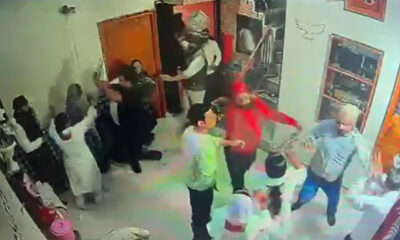

അമൃത്സറിൽ പ്രാർത്ഥനാ യോഗത്തിനിടെ പാസ്റ്റർക്കും മകനും നേരെ ക്രൂരമായ ആക്രമണം
പഞ്ചാബിലെ അമൃത്സറിലുള്ള മന്ദിർ വാലി ഗലിയിലാണ് സംഭവം. ഒരു വീട്ടിൽ ക്രിസ്ത്യൻ പ്രാർത്ഥനാ യോഗം നടക്കുന്നതിനിടെ നാലോ അഞ്ചോ പേരടങ്ങുന്ന സംഘം അതിക്രമിച്ചുകയറി ആക്രമണം നടത്തിയെന്നാണ് റിപ്പോർട്ട്....
-
 us news3 weeks ago
Millions Encouraged to Open Their Bibles for Global Bible Month
-

 us news6 months ago
Mike Winger deletes YouVersion app over ‘The Passion Translation’ controversy, urges others to ‘use caution’
-
 us news6 months ago
‘America Is Hungry’: Hundreds Born Again and Baptized as Jesus Tent Revival Sweeps the Nation
-

 Movie9 months ago
Hollywood Actor Jen Lilley Launching New Ministry After ‘Vision’ From Holy Spirit
-
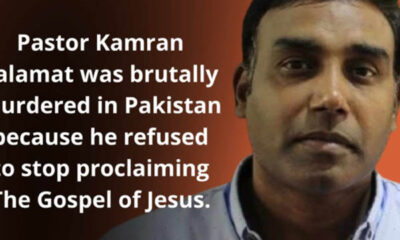
 world news12 months ago
പാകിസ്ഥാനിൽ പാസ്റ്റർ കമ്രാൻ മൈക്കിൾ തന്റെ മകളുടെ മുന്നിൽ വെച്ച് ക്രൂരമായി കൊല്ലപ്പെട്ടു.
-

 Travel11 months ago
കേരളത്തിൽ നിന്ന് ഭൂട്ടാനിലേക്ക് എങ്ങനെ ട്രെയിനിൽ പോകാം; വിസ വേണ്ട, വോട്ടർ ഐഡി മതി; ടിക്കറ്റ് നിരക്കും വഴികളും
-

 Movie8 months ago
Worship Leader Brooke Ligertwood Shares Stunning Testimony of Answered Prayer From Ukraine
-

 Movie3 months ago
Keith Getty says Christians must ‘sing the Bible’ in the age of AI ahead of Sing! Conference