
world news
Catholic population to increase by 16 million to 1.406 billion in 2023


The Vatican Publishing House (LEV) has published the Pontifical Yearbook 2025 and the Annuarium Statisticum Ecclesiae 2023, which was compiled by the Central Office of Church Statistics, a department of the Secretariat of State.
The data reported in the Pontifical Yearbook offers information regarding the life of the Catholic Church worldwide for 2024. During this period, one ecclesiastical province was created; three episcopal sees were elevated to Metropolitan Sees; seven new dioceses were established; one episcopal see was elevated to an archdiocese, and an Apostolic Administration was elevated to a diocese.
The Annuarium Statisticum Ecclesiae offers a snapshot of the main quantitative phenomena concerning the pastoral activity of the Catholic Church worldwide, including statistical insights for the biennium 2022–2023.
Global Catholic population
The global Catholic population increased by 1.15% between 2022 and 2023, rising from approximately 1.39 billion to 1.406 billion, a percentage very similar to that of the previous biennium. The distribution of baptized Catholics varies in the various geographic areas, in accordance with the different demographics of each continent.
Africa includes 20% of the Catholics of the entire planet and is characterized by a highly dynamic spread of the Catholic Church. The number of Catholics increased from 272 million in 2022 to 281 million in 2023, with a relative variation of +3.31%. The Democratic Republic of Congo confirms its first-place position for the number of baptized Catholics, with almost 55 million, followed by Nigeria with 35 million; Uganda, Tanzania, and Kenya also register significant figures.
With a growth of 0.9% over the biennium, the Americas consolidate their position as the continents to which 47.8% of the world’s Catholics belong. Of these, 27.4% reside in South America (where Brazil, with 182 million, represents 13% of the world total and continues to be the country with the highest concentration of Catholics), 6.6% in North America, and the remaining 13.8% in Central America. When the number of Catholics is compared to the total population, Argentina, Colombia, and Paraguay stand out, with a Catholic incidence exceeding 90% of the population.
The Asian continent records a growth of Catholics of 0.6% over the biennium, and its weight in 2023 is around 11% of the global Catholic population. In 2023, 76.7% of Southeast Asian Catholics are concentrated in the Philippines, with 93 million, and in India, with 23 million.
Europe, while hosting 20.4% of the world Catholic community, confirms itself as the least dynamic area, with an increase in the number of Catholics over the biennium of just 0.2%. This variation, on the other hand, in the face of an almost stagnant demographic dynamic, translates into a slight improvement in territorial presence, which reaches nearly 39.6% in 2023. Italy, Poland, and Spain boast a Catholic incidence exceeding 90% of the resident population.
The Catholics of Oceania numbered just over 11 million in 2023, an increase of 1.9% compared to 2022.
Growing number of bishops
The number of bishops in the Catholic Church has grown over the last biennium with an overall variation of 1.4%, rising from 5,353 in 2022 to 5,430 in 2023. This growth trend is observed in all continents, with the exception of Oceania, where the number of bishops has not changed over the biennium.
The relative variation is somewhat more pronounced for Africa and Asia and below the world average for Europe and America. It can also be noted that the relative weight of each continent remains nearly unchanged during the period, proportional to the relative importance of the individual continental realities, with a greater concentration of bishops in America and Europe. In Africa, the share of bishops in the world total rises from 13.8% in 2022 to 14.2% in 2023.
The number of Catholics per bishop in 2023 varied significantly from continent to continent. While the global average is 259,000 Catholics per bishop, values of 365,000 and 334,000 are recorded for Africa and America, respectively. Particularly favorable is the situation in Oceania, where each bishop is responsible for 87,000 Catholics, which, from this point of view, indicates a slight excess of bishops compared to other continents.
Fewer priests
At the end of 2023, within the 3,041 ecclesiastical jurisdictions in the Catholic world, there were 406,996 priests, with a decrease of 734 compared to 2022, equivalent to -0.2%. The analysis by geographical area highlights an increase in Africa (+2.7%) and Asia (+1.6%) and a decrease in Europe (-1.6%), in Oceania (-1.0%), and in America (-0.7%).
In addition to the continents, a comparison of the distinction between diocesan and religious priests reveals that, in Asia and Africa, the overall increase in priests is attributable to the dynamics of both diocesan and religious priests.
In Africa, in particular, the overall increase in priests results from an increase of approximately 3.3% in diocesan priests and 1.4% in religious priests. On the American continents, the increase in diocesan clergy over the biennium stands out in Central and Latin America. In Europe, however, a reduction of 1.6% is observed both overall and in its individual components (diocesan and religious); the same pattern, though with a smaller decline (-1.0%), is observed in Oceania.
The distribution in 2023 by geographical area highlights that while 38.1% of the total priests are in Europe, 29.1% belong to the American continents, while the other continental areas follow with 18.2% in Asia, 13.5% in Africa, and 1.1% in Oceania.
The structural analysis of priests can be supplemented with that of Catholics to highlight any imbalances between the demand and supply of pastoral service. In the case of a perfect balance between the presence and the need for pastoral activity, the percentage composition of priests should coincide, for each territorial area examined, with that of Catholics. In reality, a comparison between the percentage composition of priests and Catholics shows that in 2023, significant discrepancies were recorded.
In particular, the percentages of priests exceed those of Catholics in North America (10.3% of priests compared to 6.6% of Catholics), in Europe (38.1% of priests and 20.4% of Catholics), and in Oceania (1.1% of priests and 0.8% of Catholics). The most evident shortages of priests are found in South America (12.4% of priests and 27.4% of Catholics), in Africa (13.5% of priests and 20.0% of Catholics), and in the Central Continental region of the Americas (5.4% of priests and 11.6% of Catholics).
Larger cohort of permanent deacons
Permanent deacons constitute the group of clergy that is growing most vigorously. In 2023, their number reached 51,433 compared to the 50,150 recorded in 2022, with an increase of 2.6%.
Territorial disparities remain pronounced: significant growth rates are observed in Oceania (+10.8%) and the Americas (+3.8%), while slight declines are recorded in Africa and Europe. No significant changes in the global distribution of deacons are noted during the biennium considered, except for a decrease in the relative number of deacons in Europe and an increase in that of America, mainly due to substantial growth in North America. This category of pastoral worker is particularly present in the Americas (especially in North America, which accounts for 39% of all deacons worldwide) and also in Europe (31%).
To highlight the supportive role of these workers in pastoral action alongside priests, one can consider the ratio of the number of permanent deacons, area by area, to the number of priests present. It is found that the worldwide distribution of deacons per one hundred priests is 13 in 2023, ranging from a minimum of just 0.5 in Asia to a maximum of 29 in the Americas. In Europe, the ratio is around 10, while in Africa, only one permanent deacon serves alongside every one hundred priests.
The magnitude of this index, although appreciable, is still quite modest for permanent deacons to have a significant impact on balancing the demand and supply of service to Catholics in the territory. However, in evolutionary terms, it is noted that permanent deacons tend to have a greater presence in those areas where candidates for the priesthood are lower in number.
Slower rate of decline in the number of consecrated religious
The reduction of both professed religious brothers who are not priests and professed religious sisters, which has occurred over time, continued in 2023, albeit at a less intense pace.
In particular, it should be noted that regarding professed religious brothers who are not priests, while an increase was recorded in Africa between 2022 and 2023, all other continents experienced a decline. It is worth emphasizing that the decline in South America has slowed compared to the average annual decrease of the previous period and that a state of stability is observed even in Central America. The relative weight of professed religious brothers who are not priests in the various areas, when considered over time, confirms the decline in Europe, which continues to decrease in 2023.
The decline in the number of professed religious sisters also continued in 2023. At the global level, their number decreased from 599,228 in 2022 to 589,423 in 2023, with a relative variation of -1.6%. Regarding their geographical distribution in 2023, nearly 32% reside in Europe, followed by Asia with 30%, the Americas with 23% (evenly distributed across the two hemispheres), Africa with 14%, and Oceania with 1%.
The decline in the number of professed religious sisters worldwide is largely attributable to a considerable increase in deaths, resulting from a high proportion of elderly religious sisters, while the number of those abandoning religious life has become less significant over the biennium.
Africa recorded a significant increase of 2.2% between 2022 and 2023, followed by Southeast Asia with +0.1%. North America, on the other hand, saw a decline of -3.6%. South America followed closely, with -3%, while the decline recorded in the Central Continental region of the Americas and the Central Antilles was more moderate. Europe holds the negative record, with a variation of -3.8%.
These movements naturally influence changes in the continental proportions of the total number of professed religious sisters. A reduction in the presence of religious sisters in Europe and North America is observed in the 2022-2023 period, to the benefit of Asia and Africa. Specifically, while in 2022 the total number of professed religious sisters in Europe and the Americas accounted for 55.8% of the world total, in 2023 this percentage dropped to 54.8%. The most significant changes in the period were observed in Southeast Asia (from 28.7% to 29.2%) and in Africa (from 13.9% to 14.5%).
Professed religious sisters remain a substantial reality, despite the globally observed decline and that in some continental regions. The total number of religious sisters is 45% higher than the priestly population. Even though their statistical role in service provision has generally declined over the years, their contribution to the life of the Christian community remains essential, sometimes even substituting for that of priests.
Continued reduction in numbers of seminarians
The temporal trend observed worldwide in the number of major seminarians indicates an uninterrupted decline that has been recorded since 2012.
In terms of total numbers, candidates for the priesthood decreased globally from 108,481 in 2022 to 106,495 in 2023, with a variation of -1.8%. The decline observed in the global total affects all continents except Africa, where seminarians increased by 1.1% (from 34,541 to 34,924). In Europe, Asia, and the Americas, but especially in the first continent, the decreases are significant (-4.9% in Europe, -4.2% in Asia, and -1.3% in the Americas). In Oceania, the trend is negative but of minor magnitude.
The percentage distribution of major seminarians by continent shows modest changes over the biennium. Africa and Asia contributed 61.0% of the world total in 2022, a percentage that rose to 61.4% in 2023. Apart from a slight negative adjustment in Oceania, the Americas and Europe together saw their share decrease. In 2022, American and European seminarians totaled 41,199, representing almost 38% of the world total, while one year later, they dropped to 37.7%.
To highlight the positive and negative surpluses of vocations at the territorial level, it is useful to compare the percentage distribution of seminarians with the corresponding distribution of Catholics. It follows that in 2023, significant disparities were recorded.
The percentages of seminarians exceed those of Catholics in Africa (32.8% of seminarians compared to 20% of Catholics) and in Asia (28.6% of seminarians and 11% of Catholics). These continents thus tend to fully meet the need to autonomously sustain their local apostolate.
In Europe and America, however, the percentages of seminarians are lower than those of Catholics (12.0% of seminarians and 20.4% of Catholics in Europe and 25.7% of seminarians and 47.8% of Catholics in the Americas). In these two continents, therefore, it is more difficult to adequately respond to the needs of the Catholic population, particularly in terms of generational turnover in the priesthood.
Sources:vaticannews
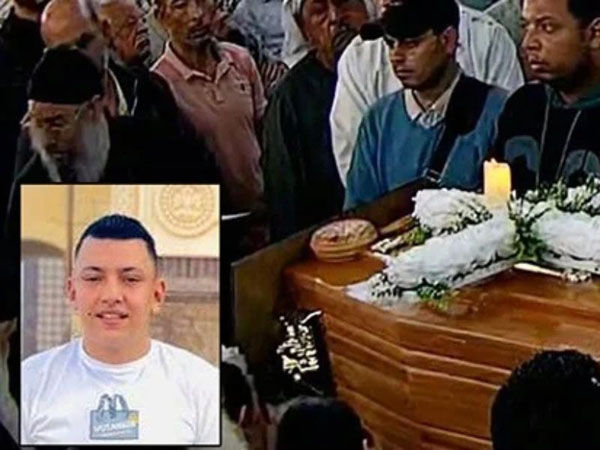
In early October, a 20-year-old Coptic Christian was kidnapped and killed at the hands of the Islamic State group.
Milad Malak lived in Sebarbay, Egypt, and served as a church deacon at a local Coptic church. However, because of the country’s economic decline, he traveled to Libya on Sept. 2 to find work.
He made a day’s journey with two Muslim friends and arrived in Zliten, where they stayed with other Egyptian migrant workers. On the morning of Oct. 4, ISIS militants kidnapped them.
The captors subjected the group to abuse while they held them hostage for ransom money. Milad’s friends were released after their families paid a $4,700 ransom. They are now receiving medical treatment at a hospital in Egypt.
Milad’s sister, Madonna Malek, told Worthy News that their family paid a ransom, but because he was the only Christian in the group, his kidnappers refused to release him and violently pressured him to convert to Islam.
Milad stood strong in his faith until the end. He told his persecutors, “Even if you cut me into pieces, I would never renounce my faith.”
When the militants realized they could not force him to abandon his God, they killed him.
Faithful Until the End
After hearing about his death from his friends, Milad’s family appealed to the Egyptian government, asking them to intervene and demand that his body be returned home.
Several weeks went by until it was finally released, and on Oct. 28, grieving family members and fellow Christians gathered to celebrate the life of their beloved son and friend.
“He was faithful to Christ till his last breath,” a family friend said.
Open Doors ranked Libya as the ninth most dangerous place to be a Christian. A Muslim-majority nation, Christians face heavy pressure to abandon their faith.
Milad’s death has reminded believers of the massacre that occurred in 2015, when 20 Coptic Christians and one Ghanaian were beheaded by militants in Libya for standing strong in their faith.
Milad joins them as yet another martyr who inspires Christians worldwide to be bold witnesses for Christ until the very end.
Sources:persecution

ഒരു സമൂഹത്തിൽ ക്രിസ്തുമത വിശ്വാസികൾ ന്യൂനപക്ഷമാണെന്നത് കൊണ്ട് അവർ പ്രസക്തിയില്ലാത്തവരോ നിസ്സാരരോ ആകുന്നില്ലെന്ന് ഓർമിപ്പിച്ച് ലെയോ പതിനാലാമൻ പാപ്പ. ഉറുഗ്വേയിലെ എസ്റ്റാഡിയോ സെന്റെനാരിയോ (Estadio Centenario) സ്റ്റേഡിയത്തിൽ തടിച്ചുകൂടിയ വൻ ജനസഞ്ചയത്തെ അഭിസംബോധന ചെയ്തു സംസാരിക്കുകവെയാണ് പാപ്പ ഇപ്രകാരം ഓർമിപ്പിച്ചത്.
“ദൈവം ബെത്ലഹേമിനെയാണ് തിരഞ്ഞെടുത്തത്. ആ ഒരു തിരഞ്ഞെടുപ്പ് മാത്രം മതി ചെറുതിനെ നമ്മൾ ഒരിക്കലും നിസ്സാരമായി കാണാതിരിക്കാൻ,” ബെത്ലഹേമിന്റെ ഉദാഹരണം ചൂണ്ടിക്കാട്ടി മാർപ്പാപ്പ പറഞ്ഞു. വ്യാപകമായ മതനിരപേക്ഷതയ്ക്കും ദൈവവിശ്വാസത്തോടുള്ള ഉദാസീനതയ്ക്കും ഇടയിൽ സ്വന്തം വിശ്വാസം ജീവിച്ചു കാണിക്കാൻ ഉറുഗ്വേയിലെ വിശ്വാസികൾ പഠിച്ചിട്ടുണ്ടെന്നും, ലോകത്തിന്റെ മറ്റു ഭാഗങ്ങളിൽ ന്യൂനപക്ഷമായി ജീവിക്കാൻ തുടങ്ങുന്ന ക്രിസ്ത്യാനികൾക്ക് ഉറുഗ്വേക്കാരുടെ ഈ അനുഭവം ഒരു വലിയ മാതൃകയാണെന്നും മാർപാപ്പ കൂട്ടിച്ചേർത്തു.
സമൂഹത്തിൽ നിന്ന് ദൈവത്തെ പൂർണ്ണമായി ഒഴിവാക്കാൻ ശ്രമിക്കുന്നതിനെക്കുറിച്ച് മുന്നറിയിപ്പ് നൽകിയ മാർപ്പാപ്പ, മനുഷ്യർ ദൈവമില്ലാത്ത ഒരു ലോകം പടുത്തുയർത്താൻ ശ്രമിക്കുമ്പോൾ, അവിടെ മനുഷ്യന് പോലും ഇടമില്ലാതെ പോകാനുള്ള സാധ്യത ഉണ്ട് എന്നും ചൂണ്ടിക്കാട്ടി. “എന്റെ യുവസുഹൃത്തുക്കളെ, വിവാഹം കഴിക്കാനും ഒരു കുടുംബം ആരംഭിക്കാനുമുള്ള ധീരമായ കാൽവെപ്പ് നിങ്ങൾ നടത്തണം. ജീവിതകാലം മുഴുവൻ ഒന്നിച്ചു ജീവിക്കുക എന്ന സങ്കൽപ്പത്തെ നിങ്ങൾ ഭയപ്പെടരുത്. പ്രിയപ്പെട്ട ദമ്പതികളെ, ഒരു കുട്ടി എന്നത് ഒരു ഭാരമാണെന്ന് ഈ ലോകം നിങ്ങളോട് പറഞ്ഞേക്കാം; എങ്കിലും നിങ്ങളുടെ വീടുകൾ ജീവനായി തുറന്നു കൊടുക്കുക” പാപ്പ ദമ്പതികളോട് പറഞ്ഞു.
Sources:azchavattom.com
It was an address that, on a cold and windy evening, warmed the hearts of the 70,000 young people who had gathered at the Estadio Centenario in Montevideo.
In a country considered the most European in Latin America, Pope Leo offered a synthesis of the Church’s missionary task in our time.
He focused particularly on those places where the transmission of the faith has been interrupted and secularization is advancing, and where Christians run the risk of turning in on themselves and beginning to judge their situation according to “purely human standards,” perhaps with nostalgia for the past, when they were stronger in numbers, more present in society and had many more structures at their disposal.
The faithful who are making their journey in Uruguay, the Successor of Peter said, “have had to learn to live and proclaim their faith in this context”; they have had to learn what it means to be a minority.
First and foremost, Pope Leo invited them to look at the life that is still being brought forth by grace: “parents who pray with their children, teachers who strive to live and bear witness to their faith, young people who have discovered Christ and wish to follow Him even when they feel alone, communities that continue to gather, and priests who travel great distances to bring the sacraments to the faithful.”
He then pointed to Bethlehem as an example through which to interpret this situation.
Little Bethlehem, which remained little even after the birth of the Saviour, invites us to embrace the logic of the Gospel in looking at reality: “God chose Bethlehem, and that choice alone is enough to prevent us from equating smallness with insignificance.”
To be few in number, to be small, and no longer to be able to rely on the power of numbers and structures does not mean being insignificant.
For, as Pope Leo XIV said, “To shed much light, we do not need to be many, but rather to reflect the Lord’s light.”
In other words, we are called to reflect the light of Another, not our own. This means placing our trust solely in God’s strength, and not in our own strength, our numbers or our structures.
For this reason, the Bishop of Rome was able to tell the younger generations of Uruguay—and, in fact, all Christians in every corner of the world—that, in every circumstance, they can, “with humility and simplicity,” reflect the light of Christ in their lives.
This, he reiterated, is the very heart of Christian witness, namely living one’s life, despite limitations and sins, in a way that allows the light of Christ to shine forth.
The Pope stirred and warmed the hearts of the 70,000 people in the stadium in Montevideo, inviting young people to dare: to start a family by saying “yes” to marriage “forever”; to open their homes to life, even when the world presents children as a burden; and not to be afraid if they sense a vocation to the priesthood or consecrated life.
He invited them to be just and honest, even when doing so comes at a price; to forgive, even when it may seem like a defeat; and to help those who suffer and those who are poor, despite what everyone says about needing to think of oneself first.
“May those who see you find themselves asking: ‘Why do they live in this way? Where do they get this freedom? Why do they love one another so much?’”
This is how the Christian faith spread and reached us: thanks to the witness of those who have looked upon the world as a field ready for harvest, rather than as an abyss of perdition, staking their lives on the Gospel and, through grace, reflecting its light.
http://theendtimeradio.com
world news
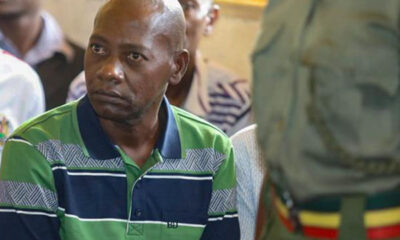
ക്രിസ്തുവിനെ കാട്ടികൊടുക്കുവാൻ ഉപവാസത്തിലൂടെ നൂറുകണക്കിന് കൊലപാതകങ്ങൾ നടത്തിയ പാസ്റ്റർ പോൾ മക്കൻസിക്ക് 200 വർഷം തടവുശിക്ഷ
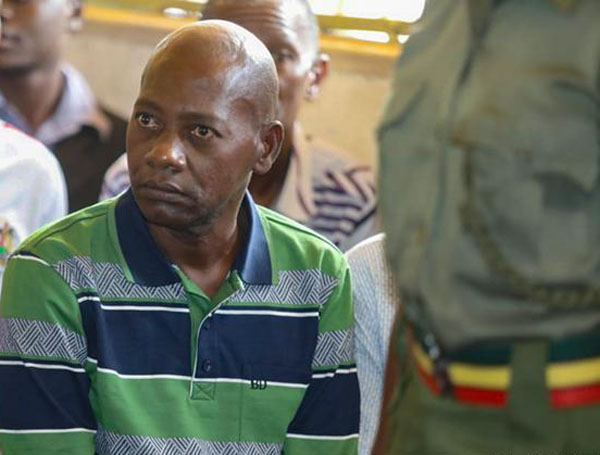
നെയ്റോബി:യേശു ക്രിസ്തുവിനെ നേരിൽ കാണിയ്ക്കാമെന്ന് പറഞ്ഞു നൂറു കണക്കിന് വിശ്വാസികളെ കൊല നടത്തിയ ഈ സംഭവം കെനിയയിൽ ആണ് നടന്നത്.യേശുവിനെ കാണിച്ചുനൽകാമെന്ന് അവകാശപ്പെട്ട് അനുയായികളെ ഉപവസിപ്പിച്ചു കൊലപ്പെടുത്തിയ പാസ്റ്റർ പോൾ മക്കൻസിക്ക് 200 വർഷത്തെ തടവുശിക്ഷയാണ് കെനിയൻ കോടതി വിധിച്ചത്.
ഗുഡ് ന്യൂസ് ഇന്റർനാഷണൽ ചർച്ച് തലവനായ പോൾ മക്കൻസിയെയാണ് 200 വർഷത്തെ തടവ് ശിക്ഷയ്ക്ക് വിധിച്ചത്.യേശുവിനെ കാണാനായി ലോകം അവസാനിക്കുന്നതിന് മുമ്പ് മരണം വരെ ഉപവസിക്കാനാണ് പാസ്റ്റർ അനുയായികളോട് ആവശ്യപ്പെട്ടിരുന്നത്. കെനിയയുടെ തെക്കുകിഴക്കൻ ഭാഗത്തുള്ള കിലിഫി കൗണ്ടിയിലെ മക്കെൻസി പള്ളിയിൽ നിന്ന് 15 ഇടവകക്കാരെ പൊലീസ് രക്ഷപ്പെടുത്തിയപ്പോഴാണ് സംഭവം പുറം ലോകമറിഞ്ഞത്. ഇയാളുടെ ആരാധന സ്ഥലത്തിന് പരിസരത്തെ വനമേഖലയിൽ നടത്തിയ പരിശോധനയിൽ 400ലേറെ കുഴിമാടങ്ങളും കണ്ടെത്തിയിരുന്നു. മൊംബാസ ഹൈക്കോടതിയാണ് പോൾ മക്കെൻസിയെ 200 വർഷത്തെ തടവുശിക്ഷയ്ക്ക് വിധിച്ചത്. ഇയാളുടെ നിർദ്ദേശം അക്ഷരാർത്ഥത്തിൽ പാലിച്ചതിനേ തുടർന്ന് 190 കുട്ടികളും ഒരു മുതിർന്ന വ്യക്തിയും ഉൾപ്പെടെ 191 പേരെ ദാരുണമായി മരണപ്പെട്ടിരുന്നു. പട്ടിണിക്കിട്ട് കൊലപ്പെടുത്തിയതിന് 100 വർഷവും നേരിട്ടുള്ള കൊലപാതകങ്ങൾക്ക് 100 വർഷവും വീതമാണ് ജസ്റ്റിസ് ഡയാന കവേദ്സ ശിക്ഷ വിധിച്ചത്.
കിഴക്കൻ കെനിയയിലെ ശാഖാഹോള വനത്തിൽ അഞ്ഞൂറിലധികം ആളുകളുടെ മൃതദേഹങ്ങൾ ആഴമില്ലാത്ത കുഴികളിൽ തള്ളിയ നിലയിലും ചിലത് ശ്വാസം മുട്ടിച്ചും മർദ്ദിച്ചും കൊല്ലപ്പെട്ട നിലയിലുമാണ് പോലീസ് കണ്ടെത്തിയത്. ദിവസങ്ങളോളം പട്ടിണി കിടന്ന കുട്ടികൾ ഭക്ഷണം മോഷ്ടിക്കാൻ ശ്രമിച്ചപ്പോൾ അവരെ ക്രൂരമായി മർദ്ദിക്കുകയും മുറികളിൽ പൂട്ടിയിട്ട് മരണത്തിന് വിട്ടുകൊടുക്കുകയുമായിരുന്നുവെന്ന് അന്വേഷണസംഘം കോടതിയിൽ തെളിയിച്ചു.2017 മുതൽ പോലീസ് നിരീക്ഷണത്തിലായിരുന്ന മക്കെൻസി 2019ൽ തന്റെ പള്ളി അടച്ചുപൂട്ടിയതിനെ തുടർന്നാണ് അനുയായികളുമായി കാട്ടിലേക്ക് മാറിയത്.
പാസ്റ്ററാവുന്നതിന് മുൻപ് ടാക്സി ഡ്രൈവറായ മക്കെൻസി കുട്ടികളെ സ്കൂളിൽ അയക്കുന്നതിനെയും രോഗികൾ ആശുപത്രിയിൽ ചികിത്സ തേടുന്നതിനെയും എതിർത്തിരുന്നു. ഉപവാസം അനുഷ്ഠിക്കാനുള്ള നിർദ്ദേശത്തെ ആരെങ്കിലും എതിർത്താൽ അവരെ അടിച്ച് സ്വർഗത്തിലേക്ക് കൊണ്ടു പോകാനായിരുന്നു മക്കെൻസി അനുയായികൾക്ക് നൽകിയ നിർദ്ദേശം. വനത്തിനുള്ളിലെ ആരാധനാക്രമത്തെ വിവാഹങ്ങൾ എന്നാണ് വിളിച്ചിരുന്നത്. ഗർഭിണിയായ ഒരു സ്ത്രീക്ക് നവജാത ശിശുവിനെ മുലയൂട്ടുന്നതിൽ നിന്ന് ഇയാൾ വിലക്കിയിരുന്നു, പിന്നീട് 12 ദിവസത്തിന് ശേഷം കുഞ്ഞ് മരിച്ചെന്നും റിപ്പോർട്ടിൽ പറയുന്നു. മരണം വരെ ഉപവസിക്കാനും മക്കളെ പിന്തുടരാനുമായിരുന്നു അമ്മയ്ക്ക് മക്കെൻസി നൽകിയ ഉപദേശം.
2003 -ലാണ് മക്കെൻസി ഗുഡ് ന്യൂസ് ഇന്റർനാഷണൽ മിനിസ്ട്രീസ് സ്ഥാപിക്കുന്നത്. അടുത്ത 16 വർഷത്തിനുള്ളിൽ, കെനിയയിലുടനീളമുള്ള സഭയുടെ ശാഖകളിലേക്ക് ആയിരക്കണക്കിന് അനുയായികളെ ആകർഷിക്കുന്ന തരത്തിൽ സഭ ജനപ്രീതി നേടി. മെക്കൻസിയുടെ സഭ ടൈംസ് ടിവി എന്ന പേരിൽ ഒരു ടെലിവിഷൻ സ്റ്റേഷൻ നടത്തിയിരുന്നു, മക്കെൻസിയുടെ പ്രസംഗങ്ങളാണ് പ്രധാനമായും പ്രക്ഷേപണം ചെയ്തിരുന്നത്.യേശുവിന്റെ പേര് പറഞ്ഞു കോടികളുടെ പണത്തട്ടിപ്പും കൊലപാതകങ്ങളും ലോകത്തു പല ഭാഗങ്ങളിലും നടന്നു വരുന്നത് ഓരോന്നായി പിടിക്കപെടുകയാണ്. കെനിയയിൽ നടന്ന ഈ സംഭവം അങ്ങേയറ്റം വിശ്വസനത്തിന്റെ പേരിൽ നടന്ന ഹീനമായ പ്രവർത്തങ്ങളിൽ ഒന്നാണ്.
Sources:expressherald
A court in Kenya has sentenced Paul Mackenzie to 200 years in prison for the murders of 190 children and an adult. He told them to starve themselves to death as part of his apocalyptic religious cult.
Kenyan religious sect leader Paul Mackenzie was sentenced to 200 years in prison on Friday, at the culmination of a trial following the discovery of hundreds of corpses in the woods.
A self-proclaimed pastor and longstanding leader of a new age Christian apocalyptic cult called the Good News International Church, Mackenzie was convicted in October of 191 counts of murder in the deaths of one adult and 190 children.
Justice Diana Kavedza said the sentence was comprised of 100 years for 183 counts of murder by starvation and another 100 years for eight counts of murder by direct homicide.
He could have faced the death penalty, which is still technically on the books in Kenya.
However, like several countries that have kept capital punishment in their legal code but stopped actually using it, Kenya has not executed anybody since 1987.
What was the case about?
While the charges against Mackenzie pertained to 191 deaths, some 400 people were found dead in what became known as the “Shakahola Forest Massacre.” Mackenzie’s so-called church had been operating since 2003, based in the coastal town of Malindi.
Mackenzie had denied the charges, saying that he did not force the cult followers to starve.
A total of 28 accomplices were given various prison sentences for their roles in the deaths.
They included guards who enforced his fasting directives and gravediggers who helped conceal the dead in shallow graves. They all denied the charges, except for one who pleaded guilty and asked for leniency.
Among them was Mackenzie’s assistant “pastor,” Smart Mwakalama, who was sentenced to 160 years.
Judge Kavedza dismissed the argument from some of the accused that the fact they had lost their own children altered the nature of their involvement in the deaths of others.
More than 60 of the bodies were positively identified and reburied by their relatives, but many of the remains were so decomposed that they could not be identified or claimed.
http://theendtimeradio.com



For King & Country’s ‘Drummer Boy’ Hits Theaters as Christmas Movie Season Begins
The holiday movie season is here, and a Grammy Award-winning duo is delivering the first big release. For King and...

2 in 3 Churchgoers Fail Bible Literacy Quiz
If churches gave pop quizzes on the Bible this Sunday, most people in the pews would fail. Lifeway Research asked...

Egyptian Christian Martyred in Libya
In early October, a 20-year-old Coptic Christian was kidnapped and killed at the hands of the Islamic State group. Milad...


ക്രൈസ്തവ സമൂഹം ന്യൂനപക്ഷമാണെങ്കിലും നിസാരമല്ല: ലെയോ പാപ്പ
ഒരു സമൂഹത്തിൽ ക്രിസ്തുമത വിശ്വാസികൾ ന്യൂനപക്ഷമാണെന്നത് കൊണ്ട് അവർ പ്രസക്തിയില്ലാത്തവരോ നിസ്സാരരോ ആകുന്നില്ലെന്ന് ഓർമിപ്പിച്ച് ലെയോ പതിനാലാമൻ പാപ്പ. ഉറുഗ്വേയിലെ എസ്റ്റാഡിയോ സെന്റെനാരിയോ (Estadio Centenario) സ്റ്റേഡിയത്തിൽ...

ക്രിസ്തുവിനെ കാട്ടികൊടുക്കുവാൻ ഉപവാസത്തിലൂടെ നൂറുകണക്കിന് കൊലപാതകങ്ങൾ നടത്തിയ പാസ്റ്റർ പോൾ മക്കൻസിക്ക് 200 വർഷം തടവുശിക്ഷ
നെയ്റോബി:യേശു ക്രിസ്തുവിനെ നേരിൽ കാണിയ്ക്കാമെന്ന് പറഞ്ഞു നൂറു കണക്കിന് വിശ്വാസികളെ കൊല നടത്തിയ ഈ സംഭവം കെനിയയിൽ ആണ് നടന്നത്.യേശുവിനെ കാണിച്ചുനൽകാമെന്ന് അവകാശപ്പെട്ട് അനുയായികളെ ഉപവസിപ്പിച്ചു കൊലപ്പെടുത്തിയ...


ഡാളസ് സിറ്റിവൈഡ് ഫെലോഷിപ്പിന്റെ നേതൃത്വത്തിൽ പാസ്റ്റേഴ്സിനും സഭാ നേതാക്കൾക്കുമായി കുടുംബ സെമിനാർ നവംബർ 14-ന്
ഡാളസ്: ഡാളസ് സിറ്റിവൈഡ് ഫെലോഷിപ്പിന്റെ ആഭിമുഖ്യത്തിൽ പാസ്റ്റേഴ്സിനും യൂത്ത് പാസ്റ്റേഴ്സിനും സഭാ നേതാക്കൾക്കും അവരുടെ കുടുംബങ്ങൾക്കുമായി പ്രത്യേക സെമിനാർ സംഘടിപ്പിക്കുന്നു. 2026 നവംബർ 14 ശനിയാഴ്ച രാവിലെ...
-

 us news5 days ago
Millions Encouraged to Open Their Bibles for Global Bible Month
-

 us news5 months ago
Mike Winger deletes YouVersion app over ‘The Passion Translation’ controversy, urges others to ‘use caution’
-
 us news6 months ago
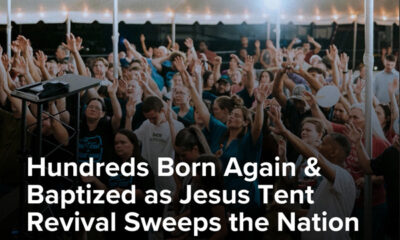
‘America Is Hungry’: Hundreds Born Again and Baptized as Jesus Tent Revival Sweeps the Nation
-

 Movie12 months ago
CBN’s Superbook Launches New Free Bible App for Kids: ‘The Power of God Is Released’
-

 Movie9 months ago
Hollywood Actor Jen Lilley Launching New Ministry After ‘Vision’ From Holy Spirit
-

 National12 months ago
ഐ.പി.സി കേരള സ്റ്റേറ്റ് ഇലക്ഷൻ 2026 മാർച്ച് 9 മുതൽ
-
 world news11 months ago
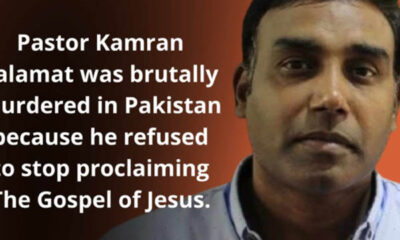
പാകിസ്ഥാനിൽ പാസ്റ്റർ കമ്രാൻ മൈക്കിൾ തന്റെ മകളുടെ മുന്നിൽ വെച്ച് ക്രൂരമായി കൊല്ലപ്പെട്ടു.
-

 Movie8 months ago
Worship Leader Brooke Ligertwood Shares Stunning Testimony of Answered Prayer From Ukraine