
us news
The biggest contradiction in the Bible that’s not a contradiction


There was a time when I would get so jacked up about supposed contradictions in Scripture.
Whenever I would run up against an alleged inconsistency in the Bible (and there are plenty of websites that gleefully catalog them), my faith in biblical inerrancy would get challenged, and I’d feel less confident in Scripture being 100% true. So, I armed myself with resources like Norman Geisler’s When Critics Ask, Walt Kaiser’s Hard Sayings of the Bible, and Gleason Archer’s The Encyclopedia of Bible Difficulties, all of which do a great job of harmonizing supposed discrepancies in the Bible.
However, what helped me more was understanding the truth that nowhere in Scripture will you find glaring, black-and-white major divergences, such as one book stating Jesus was raised from the dead and another stating He wasn’t. Small apparent contradictions (see my article, What if the Bible Has Errors for a discussion of them), like Matthew writing Peter will deny Jesus “before a rooster crows” (26:34), but Mark saying the denial will happen before “a rooster crows twice” (14:30) never challenge a single core biblical doctrine of salvation or the validity of Christianity.
And, as one person puts it, it’s not the discrepancies in the Bible that bothered him but rather the clear, undisputed, and life-changing content found in Scripture. That’s the big takeaway anyone challenging the veracity of the Bible needs to understand.
But that said, there is one big thematic battle that does seem to rage within the pages of Scripture, which has caused implicit battle lines to be drawn up between believers. It’s the issue of whether the life-saving promises of God are conditional or unconditional on us being “good” in some way; if God will bless us no matter what, or whether His blessings are contingent on us adhering to an expected set of behaviors, with hit-and-miss obedience eventually casting us outside His salvation’s reach.
The difficulty is that you see both everywhere in the Old and New Testaments, making it the biggest supposed contradiction found in the pages of the Bible.
Not either or but both and
Scripture talks about God’s grace towards us throughout its pages, but it also consistently seems to threaten both temporal and eternal consequences for disobedience. A good representative of the latter is found in the Old Testament book of Ezekiel: “The soul who sins will die. But if a man is righteous and practices justice and righteousness … he is righteous and will surely live,” declares the Lord GOD … The person who sins will die … But if the wicked man turns from all his sins which he has committed and observes all My statutes and practices justice and righteousness, he shall surely live; he shall not die. All his transgressions which he has committed will not be remembered against him; because of his righteousness which he has practiced, he will live” (Ezek. 18:4, 9, 20-22).
These and lots of other passages (yes, they’re in the New Testament also) sure seem to telegraph the idea that a person self-directs, in some sense, their salvation experience with God through their own effort, and that the Lord’s salvific gift to us is somewhat conditional on obedience. So, this begs the question of: are God’s salvation promises to us conditional or unconditional?
The answer is, yes.
It’s 100% true that Scripture says the blessings of God depend on us meeting His righteous conditions. Taken alone, they appear frightening. John MacArthur puts it like this: “Holiness knows nothing of forgiveness; the law of God, nothing of forgiveness. Holiness speaks against sin and knows nothing of excusing it. Righteousness speaks against sin and knows nothing of excusing it. The law of God speaks against sin and knows nothing of excusing it.”
That’s the conditional side of the story. But that is paired with the unconditional aspect of God’s plan and becomes the story behind all other stories in the Bible; it’s the overarching motif and plotline behind everything else.
You see the unconditional side first in Genesis 15 (vv. 9-17) when God makes His covenant with Abraham and lays out a path between dismembered animals that represented what would happen to those participating in any covenant if each didn’t hold up their side of the agreement. But then, only God passes through the pieces in the passage, indicating He alone would be torn apart if either side were unfaithful.
Being God, He would always meet His conditions for the covenant and be Abraham’s substitute if Abraham failed to meet the covenant’s standards.
You also see it in the Passover story when God sends the destroyer to Egypt to kill the firstborn son of every household. No matter how “good” or “bad” those were on the inside of the home or the degree of the sins they had committed, the destroyer would not enter the house if he saw the blood of the substitute applied to their door — the saving condition that God had set forth.
The same happens with us today when we fail like Abraham did, but stand behind the blood of Jesus, our substitute, who met all of God’s conditions, which is applied to us.
In his excellent message on the subject, Tim Keller dissolves the supposed contradiction of God’s unconditional and conditional blessings to us when he says, “On the cross, Jesus fulfilled the conditions of the law so that God could love you unconditionally.”
The reality of this leads to what Keller calls “paradoxical obedience.” We don’t obey out of the fear of damnation because of our sinful shortcomings, but rather out of overwhelming gratitude for Jesus’ sacrifice and God’s unconditional blessings that He earned for us.
This truth also leads to a strong assurance of salvation, one that isn’t threatened when we fall short of God’s unconditional standards. On that, MacArthur says: “You will never have subjective feelings of assurance unless you comprehend the objective truth of the Gospel.”
I don’t know about you, but for me, that’s 100% true in my life.
Someone who had that was Paul, which is why he wrote: “For I am convinced that neither death, nor life, nor angels, nor principalities, nor things present, nor things to come, nor powers, nor height, nor depth, nor any other created thing, will be able to separate us from the love of God, which is in Christ Jesus our Lord” (Rom. 8:38–39).
Notice Paul was “convinced” about his salvation. Not hopeful, wishful, or anything similar, and sure not thinking it depended on him hanging on to it the best he could.
So, again, are God’s salvation promises to us conditional or unconditional? Yes. But it’s no contradiction — it’s what the Gospel is all about.
Sources:Christianpost








The order had already been issued. An entire people faced destruction, and the man responsible held extraordinary power. Yet one woman, who had not sought the responsibility before her, might be able to change what happened next. Speaking up could cost her life, while remaining silent offered the possibility of safety and comfort within the palace. She had a difficult decision to make, and the stakes could not have been higher.
Before approaching the king, she asked her people to fast with her for three days. She understood the danger, but she had no way of knowing whether the king would even allow her to speak. When the time came, she went. Her name was Esther.
More than 2,500 years later, I still think about the question her cousin Mordecai asked in Esther 4:14: “And who knows whether you have not attained royalty for such a time as this?” Esther had no guarantee the king would listen or that her actions would save her people. She went anyway, trusting God with what happened next.
As a mother of five and a grandmother, I often think about the world we’re leaving to the next generation. The values we defend and the decisions we make today will shape our laws and communities long after we’re gone. Destructive movements we fail to confront now can grow into even greater threats, leaving our children and grandchildren to face battles we were unwilling to fight. If we remain passive, we risk making their challenges even harder. And by then, will they still have the freedom and opportunity to fight them?
I hear from women across the country who are genuinely worried about what they’re seeing. Mothers are questioning what their children are being taught in the classroom. Women are asking why protecting girls’ sports and private spaces has become so controversial. Parents are frustrated that their voices seem to carry less weight when decisions about their own children are being made.
Women ask me all the time what they can possibly do about what’s happening in our country. My answer is this: start where you live. Pay attention to what’s happening in your child’s school, get involved in your community, and don’t assume someone else will speak up. As Christians, we’re not promised that everything will turn out the way we want. We are, however, called to be faithful regardless of the outcome. We can face an uncertain future without fear because our confidence rests in something greater than the circumstances around us.
Our foundation is solid: Jesus Christ. And He does NOT change.
Ephesians 6:13 tells us to put on the full armor of God so we can stand firm when difficult days come. I’ve always found that instruction especially meaningful because Paul understood that difficult days were inevitable. Our circumstances may change, and doing what’s right may come at a cost, but Scripture doesn’t leave us wondering how to respond. We’re called to stand firm in our faith, even when doing so is uncomfortable or unpopular.
Standing firm begins with prayer.
When something troubles me, my instinct is to figure out what to do. I can become so caught up in finding a solution that I forget to seek the Lord’s wisdom first. Why do we make things so complicated when we have a God who knows far more than we ever could? We need to bring our concerns to Him, particularly when we’re facing decisions that affect our families and our communities. Prayer doesn’t absolve us of responsibility; it helps prepare us to meet that responsibility with wisdom and discernment. Once we’ve prayed, we must also be willing to act on what we know is right.
Prayer changes the posture of our hearts too. When we seek the Lord, we’re reminded that those who disagree with us are not our enemies. Some may be deeply influenced by a toxic culture, but they, too, are made in God’s image and worthy of dignity and love. Truth and love do not compete, and as followers of Christ, we are called to uphold both. We can stand firmly for what is right without abandoning the compassion that should distinguish us.
Proverbs 31:25 describes a woman clothed in strength and dignity who can smile at the future. I love that picture because it isn’t a portrait of a woman who has no concerns about what lies ahead. It’s a picture of someone who refuses to be consumed by fear because she knows where her strength comes from. She can face an uncertain future with confidence, not because she controls the outcome, but because she trusts the One who does.
That’s what I want to see more of in America’s women. We have enough voices telling women to be afraid or angry. I’d rather see women who are confident in their faith, willing to take responsibility for their families’ future, and prepared to use their influence for good. That means praying for our leaders, including those with whom we disagree; seeking God’s wisdom as we care for our families; and remaining engaged in the communities where our voices and actions can make a difference.
Romans 8:28 reminds us that God works all things together for good for those who love Him and are called according to His purpose. We may not understand what He’s doing or why certain things happen, but our inability to see the bigger picture doesn’t excuse us from the responsibilities before us. We can trust Him with tomorrow while remaining faithful in the decisions we make today.
So when you face a difficult decision, seek God’s wisdom. When you see something that isn’t right, be willing to speak up. And when you enter the voting booth, remember that your vote is more than a mark on a ballot. It is an opportunity to exercise your voice, reflect your convictions, and help shape the world our children and grandchildren will inherit. We may not control every outcome, but we are responsible for how we respond to the opportunities God places before us.
Ephesians 6:13 reminds us that after we’ve done all we can, we are to stand. That means more than holding firm to our beliefs in private. It means living out our faith with courage, accepting the responsibilities that come with it, and refusing to surrender our voices when the moment calls for us to speak. Whatever happens in our nation, I want to be found standing firm.
Sources: Breaking Christian News
Psalm 119 describes God’s Word as “a lamp for my feet and a light on my path.”
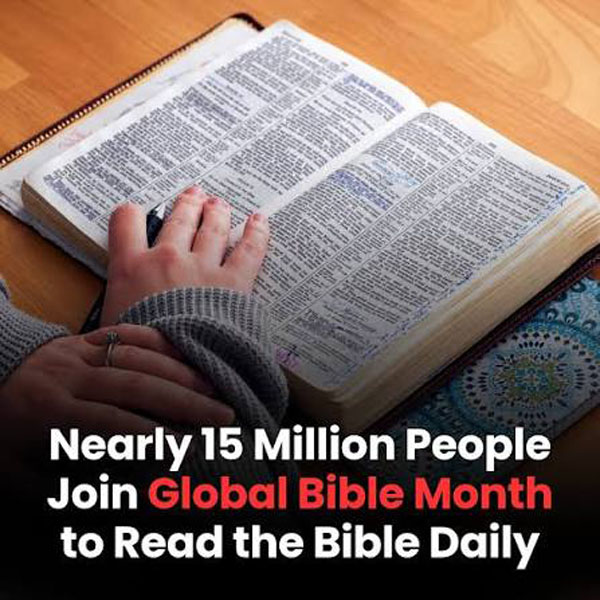
Throughout November, Bible apps, ministries, and even retailers hope to spark a light worldwide with a challenge to read God’s Word daily.
Global Bible Month is a 30-day challenge that brings together organizations like Walmart, Hobby Lobby and the YouVersion Bible App with a shared goal of encouraging people to place Scripture at the center of their lives.
Whether through a physical Bible or a digital app, the initiative encourages people to make God’s Word a daily priority.
As the challenge enters its second year, YouVersion Bible App founder Bobby Gruenewald says the 2026 campaign will put God’s Word on display in some of the world’s busiest places.
“We have people that created 30-day Bible plans. I think there’s hundreds of our partners that have created special plans for Global Bible Month. We actually celebrate the Bible in Times Square, and Piccadilly Circus in London, and just different iconic places around the world,” Gruenewald said.
After YouVersion marked a major milestone last year with one billion app downloads, Gruenewald says the numbers continue to grow.
Daily use is up 13%, adding up to 18.5 million visitors each day.
Gruenewald believes the growth is no accident, especially as people look for truth and reliable information in the age of artificial intelligence.
“I don’t think it’s an accident. I think we have a generation right now, with AI, that is searching for what can be trusted and what is true, and there’s nothing like God’s Word, and so we see people turning to the Bible during this time as they’re trying to understand what is truth,” he said.
Words like anxiety, hope, and healing rank among the app’s most-searched terms this year. Gruenewald sees a silver lining in those searches as people turn to Scripture for answers.
“That’s encouragement to me, just because there’s a lot of places you can turn to in these types of moments, but the fact that people are turning to God’s Word, I feel like, should be an encouragement to all of us,” he said.
So far, nearly 15 million people have joined the Global Bible Month movement.
Sources:CBN News
us news
NACOG 2027 ഓസ്റ്റിൻ ദേശീയ പേൾ ജൂബിലി സമ്മേളനം : രജിസ്ട്രേഷൻ ഉൽഘാടനം ഡിസംബർ അഞ്ചിന് അറ്റ്ലാൻ്റയിൽ
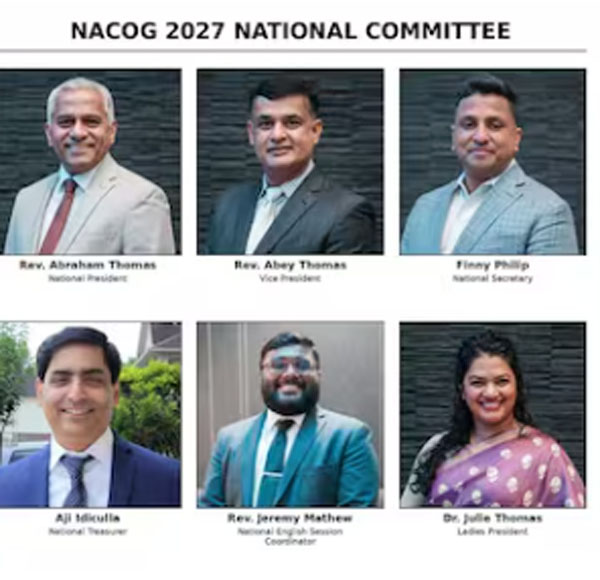
30 -ാമത് നോർത്തമേരിക്കൻ ചർച്ച് ഓഫ് ഗോഡ് ഇന്ത്യാ ദേശീയ സമ്മേളനം ഓസ്റ്റനിൽ 2027 ജൂലൈ 15 മുതൽ 18 വരെ നടക്കും. 30 -ാമത് പേൾ ജൂബിലി കോൺഫ്രൻസാണിത്.
ഈ സമ്മേളനത്തിൽ പങ്കെടുക്കുന്നവരുടെ രജിസ്ട്രേഷൻ്റെ ഉൽഘാടനം അറ്റ്ലാൻ്റയിൽ ഡിസംബർ അഞ്ചിന് നടക്കും. ചർച്ച് ഓഫ് ഗോഡ് വേൾഡ് മിഷൻസ് അസിസ്റ്റൻ്റ് ഡയറക്ടർ ബിഷപ്പ് ഇസ്മായേൽ ചാൾസ് പ്രസംഗിക്കും.
പാസ്റ്റർ ഏബ്രഹാം തോമസ് – ടെക്സസ് ഓസ്റ്റിൻ ( പ്രസിഡൻ്റ്) , പാസ്റ്റർ എബി തോമസ് – ന്യൂ യോർക്ക് (വൈസ്. പ്രസിഡൻ്റ്), ഫിന്നി ഫിലിപ്പ് – ഫിലദെൽഫിയ ( സെക്രട്ടറി), അജി ഇടിക്കുള – ഹ്യൂസ്റ്റൻ ( ട്രഷറാർ), പാസ്റ്റർ ജെറമി മാത്യു – ഡാളസ് ( ഇംഗ്ലീഷ് കോ- ഓർഡിനേറ്റർ), ഡോ. ജൂലി തോമസ്- ഓസ്റ്റിൻ ( ലേഡീസ് പ്രസിഡൻ്റ്) എന്നിവരാണ് നാഷണൽ ഭാരവാഹികൾ.
ലോക്കൽ കമ്മറ്റിയെയും തെരഞ്ഞെടുത്തിട്ടുണ്ട്. ലോക്കൽ കൺവീനറായി സുവി. ജോർജ് മാമ്മൻ, സെക്രട്ടറിയായി ജുവിൻ ജോർജ്, ട്രഷററായി ഷെൽവിൻ പോളി, ലോക്കൽ ഇംഗ്ലീഷ് സെഷൻ കോ- ഓർഡിനേറ്ററായി കെസിയ അലക്സ് എന്നിവരെയും തെരഞ്ഞെടുത്തു.
Sources:cchintha.in



America’s Women: Called for Such a Time as This
The order had already been issued. An entire people faced destruction, and the man responsible held extraordinary power. Yet one...

Millions Encouraged to Open Their Bibles for Global Bible Month
Psalm 119 describes God’s Word as “a lamp for my feet and a light on my path.” Throughout November, Bible...

130 Christians Slaughtered in 3 Different Countries
The past week was one of the most fatal for Christians around the world in recent memory. From Nigeria to...

വോയ്സ് ഓഫ് ഹോപ്പ് സോഷ്യൽ വെൽഫെയർ അസോസിയേഷന്റെ ‘ബ്ലെസ് മുംബൈ 2026’ ഗോസ്പൽ മീറ്റിംഗും പവർ കോൺഫറൻസും നവംബർ 9, 10 തീയതികളിൽ
മുംബൈ: വോയ്സ് ഓഫ് ഹോപ്പ് സോഷ്യൽ വെൽഫെയർ അസോസിയേഷന്റെ (VOHSWA) ആഭിമുഖ്യത്തിൽ നടത്തുന്ന ‘ബ്ലെസ് മുംബൈ 2026’ ഗോസ്പൽ മീറ്റിംഗും പവർ കോൺഫറൻസും 2026 നവംബർ 09...

റ്റി.പി.എം പാലക്കാട് ; സുവിശേഷ പ്രസംഗവും രോഗശാന്തി ശുശ്രൂഷയും നവം. 8, 9 ന്
പാലക്കാട് : ദി പെന്തെക്കൊസ്ത് മിഷൻ ത്രിശൂർ സെൻ്റർ പാലക്കാട് സഭയുടെ നേതൃത്വത്തിൽ നവംബർ 8, 9 ന് (ഞായർ, തിങ്കൾ)സുവിശേഷ പ്രസംഗവും രോഗശാന്തി ശുശ്രൂഷയും നടക്കും....


Christian Singer Colton Dixon Says Charlie Kirk’s Assassination ‘Changed’ Him
Christian singer-songwriter Colton Dixon said the assassination of Charlie Kirk and the government’s restrictive response to the COVID-19 pandemic “changed”...
-

 us news5 months ago
Mike Winger deletes YouVersion app over ‘The Passion Translation’ controversy, urges others to ‘use caution’
-
 us news5 months ago
‘America Is Hungry’: Hundreds Born Again and Baptized as Jesus Tent Revival Sweeps the Nation
-

 Movie12 months ago
CBN’s Superbook Launches New Free Bible App for Kids: ‘The Power of God Is Released’
-

 Movie9 months ago
Hollywood Actor Jen Lilley Launching New Ministry After ‘Vision’ From Holy Spirit
-

 National12 months ago
ഐ.പി.സി കേരള സ്റ്റേറ്റ് ഇലക്ഷൻ 2026 മാർച്ച് 9 മുതൽ
-
us news12 hours ago
Millions Encouraged to Open Their Bibles for Global Bible Month
-
 world news11 months ago
പാകിസ്ഥാനിൽ പാസ്റ്റർ കമ്രാൻ മൈക്കിൾ തന്റെ മകളുടെ മുന്നിൽ വെച്ച് ക്രൂരമായി കൊല്ലപ്പെട്ടു.
-

 Movie8 months ago
Worship Leader Brooke Ligertwood Shares Stunning Testimony of Answered Prayer From Ukraine