
Movie
‘Resurrection of the Christ’ writer reveals Mel Gibson’s dark spiritual warning about ‘Passion’ sequel


Mel Gibson’s longtime collaborator Randall Wallace revealed the dark spiritual warning that the two-time Oscar winner gave him before they began writing the sequel to “The Passion of the Christ.”
The 76-year-old screenwriter, who previously teamed up with the 70-year-old director and actor for 1995’s “Braveheart,” 2002’s “We Were Soldiers” and 2016’s “Hacksaw Ridge,” co-wrote the screenplay for “The Resurrection of the Christ” with Gibson and his brother Donal Gibson.
During a recent appearance on Raymond Arroyo’s podcast “Arroyo Grande,” Wallace recalled how he urged Gibson to tell the Resurrection story following the massive success of “The Passion of the Christ.”
“Mel didn’t approach me. I approached him, actually,” Wallace said of how they began working together on “The Resurrection of the Christ.”
“This is not to say that over the years, he hadn’t thought many times about the Resurrection,” Wallace continued. “In fact, in the original ‘The Passion of the Christ,’ the original cut didn’t have the resurrection scene. He was getting feedback from people saying, ‘We really want to see that.'”
Wallace said Gibson ultimately decided to add the brief Resurrection scene that serves as “The Passion of the Christ’s” closing epilogue.
In the sequence, Jesus is seen rising, leaving the tomb, and revealing the wounds in his hands before the movie ends.
Wallace told Arroyo that he proposed developing a feature-length film depicting the Resurrection while he and Gibson were on a promotional tour for “Hacksaw Ridge” in 2016.
“Having studied the Resurrection and being so consumed by it, I thought about it many times,” Wallace recalled. “I didn’t have anything to do with ‘The Passion of the Christ.’ When we were promoting ‘Hacksaw Ridge,’ we were sitting there talking about our lives, and I said, ‘Look, you know, the story that you really need to tell is the Resurrection.’”
Wallace went on to recount Gibson’s reaction to his suggestion, remembering that the director believed the project could invite spiritual warfare.
“There was this long pause, and he said something profoundly beautiful. He said, ‘If we do this, it can’t be for the money, and it can’t be to get back at people that have hated us or wronged us or been unhappy with us,'” Wallace recalled. “And I said, ‘Amen to that.’”
“Then he said, ‘You know, Satan’s going to come after you,'” Wallace continued.
“I said, ‘Well, you know, Satan doesn’t really care about Baptists.’ It’s really good when Satan can get a Catholic. We’re a dime a dozen,” he said as Arroyo laughed.
“And of course, I was being facetious, but I was also thinking…” Wallace continued.
“What if he’s right?” Arroyo interjected.
“Well, yeah,” Wallace admitted.
“That’s what I would be thinking,” Arroyo said.
“We had a beautiful conversation about grace,” Wallace recalled.
Wallace told Arroyo that conversation with Gibson marked the beginning of their collaboration on “The Resurrection of the Christ.”
“I knew he had written ‘The Passion,’ was very much deeply involved in the writing of it. And I said, ‘Look, let’s partner up. I’ll write a draft, give it to you, then we’ll start tearing it up, go through it. You do your thing, I’ll do mine. We’ll work together, we’ll work apart.’ So we started that way,” Wallace remembered.
Gibson has previously said he, Wallace and Donal spent roughly six to eight years writing and refining the screenplay for “The Resurrection of the Christ,” which will be split into two parts.
In May, Gibson announced that production on the sequel had been completed. “The Resurrection of the Christ: Part One” will be released May 6, 2027, on Ascension Day, the Christian holiday marking Jesus Christ’s ascent into heaven 40 days after Easter Sunday. “The Resurrection of the Christ: Part Two” is scheduled to debut May 25, 2028, over Memorial Day weekend.
In a press release, Gibson shared that the story was brought to the screen “exactly as I envisioned it.”
“I’m deeply grateful to my incredibly talented cast and crew for pouring their hearts into this production. Together, we created something powerful,” Gibson said.
“This film represents a major part of my life’s work, and it has demanded everything of me as a filmmaker and as an artist. This is far more than a film to me. It’s a mission I’ve carried for over 20 years to tell what I believe is the most important story in human history,” he added.
“The Passion of the Christ,” which premiered in February 2004, depicted the final 12 hours of Jesus’ life leading up to the crucifixion. Its graphic violence and subject matter made it one of that year’s most controversial movies.
The film was a smash hit, grossing more than $610 million worldwide on a reported $30 million budget. It also earned Academy Award nominations for its makeup, score and cinematography.
While speaking with Arroyo, Wallace teased what audiences can expect from the long-awaited sequel.
“His unique vision of the spiritual realm is really special,” Wallace said of Gibson.
“The interesting thing is that, while in some ways — the ultimate movie — I want to keep it all secret about what’s going to happen,” he continued. “But the ultimate movie, in some ways, will have elements that people have never seen before.”
“In fact, in many ways, it’ll be stuff nobody’s ever seen,” Wallace added. “And yet I believe it’ll be, in a certain way, the most orthodox telling. It’ll be the most consistent telling of the overall belief, the awe and the mystery that Christians experience when they experience the Resurrection.”
http://theendtimeradio.com




Movie
‘Truth Sets You Free’: Actor Jim Caviezel Reveals What Sparks True Success For Movies Like ‘The Passion of the Christ’
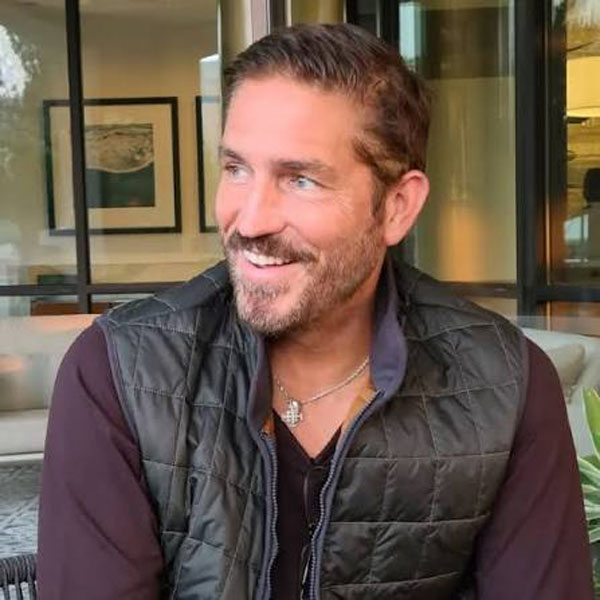
Actor Jim Caviezel is on a mission to make films people “never forget.”
In an interview covering a range of issues, including his new movie, “Ghost Soldier,” Caviezel spoke about the importance of creating powerful cinematic projects that transform hearts and minds, all while entertaining.
The actor, best known for his iconic role as Jesus in “The Passion of the Christ,” explained what motivated that film, which went on to break records and gross a stunning $611,170,536 at the box office.
“When we did ‘The Passion of the Christ,’ we never said, ‘Let’s do a faith-based movie,’” Caviezel said. “We went out to win Oscars. We went out to dominate.”
Ultimately, the actor said, it’s important to create stellar content that impacts audiences. For him, that means ensuring the truth is embedded in the heart of these projects.
“I believe that we hold the truth, and truth sets you free, so just make that,” Caviezel said. “It doesn’t mean I gotta play the good guy in the movie, but just … the fact that the story is morally redeemable.”
He added, “I wanna … make films that you never forget.”
Clearly, Caviezel believes the contents of films — and the moral bent of their narratives — deeply matter.
Sources:faithwire
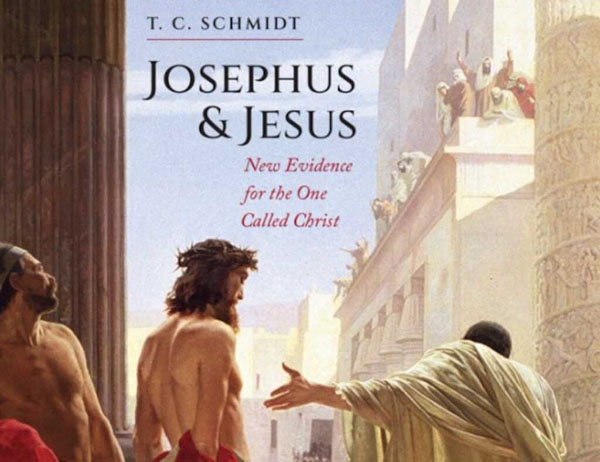
A college professor is revealing research he says helps corroborate early, extrabiblical writings about Jesus.
Dr. Thomas C Schmidt, associate professor of religious studies at Fairfield University, recently released, “Josephus & Jesus: New Evidence for the One Called Christ,” a book he believes helps set the record straight on Flavius Josephus’ writings.
“Josephus is one of the most important sources we have on the New Testament because he mentions so many people that are discussed in the New Testament, folks like Herod the Great, Herodias, Pontius Pilate, Caiaphas, Herod Agrippa, John the Baptist,” Schmidt said of the Jewish historian. “He talks about all these people, and he also talks about Jesus.”
But the professor said Josephus’ Jesus passage is “very controversial,” because many scholars have questioned the authenticity of this particular portion of the writings.
“They’ve thought that Christians tampered with it later on,” he said. “They thought Josephus didn’t actually write this. Josephus is writing in the first century. He was born in Jerusalem, raised in Jerusalem. So if he does tell us about Jesus, it would be the earliest witness to Jesus outside of Christian writings, which should just make it extraordinarily valuable and interesting.”
Schmidt said the majority position among scholars in the 19th century was that Josephus didn’t write any of the words about Jesus attributed to him and that the text was “completely fraudulent.”
“But then this brilliant scholar who was translating Josephus’ works, he started noticing that there were just many phrases in this account of Jesus that are odd phrases, but that Josephus himself uses many times elsewhere,” he said. “The scholar’s name was Henry Thackeray, and he turned the tide of arguments so that scholars started thinking, ‘Well, OK, clearly Josephus did say something about Jesus, but maybe Christians doctored it later on,’ because the belief by scholars was that what Josephus said was just too positive, too glowing to be written by a non-Christian.”
In the 21st century, scholars again looked at Josephus’ stylistic choices and found even more parallels between what was written about Jesus and Josephus’ other writings.
Schmidt conducted his own investigation for the book — and came to some fascinating conclusions.
“I exhaustively leverage these databases, and I show that every single phrase in the paragraph can be indexed back to Josephus in some way or another,” he said. “It sounds exactly like him. The turns of phrase, the vocabulary, everything sounds like Josephus.”
Schmidt said he also noticed something else in the passages some claim are “too pro-Christian.” One comment by Josephus is that Jesus worked miracles — something widely seen as supporting the Christian narrative. Schmidt said it’s more complex.
“Josephus says that Jesus worked miracles,” he said. “But the original Greek word is not quite so positive. It does mean ‘supernatural deeds’ but maybe we could better translate as ‘paranormal deeds.’”
Schmidt continued, “Josephus is acknowledging that Jesus worked supernatural deeds, but he’s unclear where the source of Jesus’ power is coming from. He doesn’t know if it’s malevolent, demonic — if it’s divine. In other words, Josephus looks like he’s assessing Jesus the same way the non-Christian Jews in the Gospels are responding to Jesus’s miracles.”
The academic said he started his journey writing “Josephus & Jesus: New Evidence for the One Called Christ,” on a quest to figure out how the Jesus passage had been changed by Christian scribes, adding that he initially agreed with the position that it wasn’t original.
“I was hoping that I could figure out what was changed so I could reconstruct what Josephus said,” he said. “But when I started looking at the results of these database searches, I became convinced that really the whole thing comes from Josephus.”
The resurrection is just one of the issues Schmidt addressed in his research.
“Traditionally, that part of the passage is translated as Josephus saying Jesus appeared alive again on the third day,” he said, noting that understanding the original language helps comprehension. “So, in other words, Josephus is not claiming that Jesus was resurrected. What he’s reporting is that the first disciples of Jesus claimed that Jesus was resurrected.”
And considering Josephus likely had access to people who put the disciples to death, he had remarkable first-hand information.
“Josephus didn’t just know people who knew the apostles; he knew people who knew Jesus, who were at his trial,” Schmidt said. “That’s the argument I make towards the end of my book. … I did not intend my book to be an argument in favor of Josephus’ passage being totally authentic, but that’s where the evidence led me.”
You can download, “Josephus & Jesus: New Evidence for the One Called Christ,” for free.
Sources:faithwire

‘ദി ചോസൻ’ (The Chosen) പരമ്പരയിൽ യേശുക്രിസ്തുവിന്റെ വേഷം ചെയ്യാൻ തുടങ്ങിയിട്ട് ഏകദേശം ഒരു പതിറ്റാണ്ട് ആയെങ്കിലും, പരമ്പരയുടെ ആറാം സീസണിനായി കുരിശുമരണ രംഗങ്ങൾ ചിത്രീകരിക്കുന്നത് തന്റെ മുൻകാല അനുഭവങ്ങളേക്കാളെല്ലാം ഏറെ ബുദ്ധിമുട്ടേറിയ ഒന്നായിരുന്നു എന്ന് വെളിപ്പെടുത്തി ജോനാഥൻ റൂമി. സിസിഎം മാസികയ്ക്കു നൽകിയ അഭിമുഖത്തിൽ ആണ് ഈശോയുടെ കുരിശുമരണം ചിത്രീകരിച്ചപ്പോഴുള്ള തന്റെ അവസ്ഥകളും അനുഭവങ്ങളും അദ്ദേഹം വിവരിച്ചത്.
“ഞാൻ പള്ളിയിൽ പോകുമ്പോൾ ഒരു കുരിശുരൂപത്തിലേക്ക് നോക്കിയാൽ പെട്ടെന്ന് കരയാൻ തുടങ്ങും; കാരണം, അതേ കാഴ്ചപ്പാടിൽ നിന്ന് ആ യാതനകൾ തനിക്ക് സംഭവിക്കുന്നതായി തലച്ചോറിനെ വിശ്വസിപ്പിക്കാൻ ഞാൻ ശ്രമിച്ചിരുന്നു,” അദ്ദേഹം വിശദീകരിച്ചു. യേശുവായി വേഷമിടുന്നത് വെറുമൊരു അഭിനയം മാത്രമല്ലെന്നും, അത് തന്റെ വ്യക്തിജീവിതത്തെയും വിശ്വാസത്തെയും അടിമുടി മാറ്റിമറിച്ചുവെന്നും റൂമി പറയുന്നു. ഒരു നടൻ എന്ന നിലയിൽ ഈ കഥാപാത്രത്തെ ഉൾക്കൊള്ളാൻ ശ്രമിക്കുമ്പോൾ ഉണ്ടാകുന്ന മാനസിക ഭാരവും ഉത്തരവാദിത്തവും വളരെ വലുതാണ്. യേശുവിന്റെ സ്നേഹവും കാരുണ്യവും പ്രകാശവും മറ്റുള്ളവരിലേക്ക് എത്തിക്കുമ്പോൾ, സ്വന്തം ജീവിതത്തിലും ആ മൂല്യങ്ങൾ പുലർത്താൻ താൻ നിരന്തരം പരിശ്രമിക്കാറുണ്ടെന്ന് അദ്ദേഹം വ്യക്തമാക്കി.
തനിക്കു ചുറ്റും ക്രൂ ഉണ്ടായിരുന്നു. എന്തെങ്കിലും അസ്വസ്ഥതകൾ ഉണ്ടായാൽ കട്ട് വിളിക്കാൻ സംവിധായകനും. എങ്കിൽ പോലും ആ രംഗങ്ങൾ തന്നിൽ ചെലുത്തിയ മനസികാഘാതം വളരെ വലുതായിരുന്നു എന്ന് ജോനാഥൻ പറയുന്നു. “തീർച്ചയായും, യേശുവിന്റെ കാര്യത്തിൽ അത്തരത്തിലുള്ള ആശ്വാസങ്ങളോ ഇടവേളകളോ ഉണ്ടായിരുന്നില്ല. വേദനയും അപമാനവും കുരിശിലെ യാതനയുമെല്ലാം ഭീകരമായ യാഥാർഥ്യമായിരുന്നു. ആ അന്തിമ മണിക്കൂറുകൾ വെറുതെ അഭിനയിച്ചു കാട്ടിയത് പോലും ചിത്രീകരണം കഴിഞ്ഞ് ഏറെ നാളുകൾ കഴിഞ്ഞും തന്നെ കണ്ണീരിലാഴ്ത്തിയിട്ടുണ്ടെങ്കിൽ, മനുഷ്യർക്കുവേണ്ടി ക്രിസ്തു സഹിച്ച സങ്കൽപ്പിക്കാൻ പോലും കഴിയാത്ത യാതനകളുടെ ആഴം എത്രത്തോളമുണ്ടെന്ന് അത് നമ്മെ ഓർമ്മിപ്പിക്കുന്നു”- ജോനാഥൻ കൂട്ടിച്ചേർത്തു.
പരമ്പരയിലെ ഏറ്റവും പ്രയാസമേറിയ രംഗങ്ങളായി റൂമി വിശേഷിപ്പിച്ച കുരിശുമരണ രംഗങ്ങൾ ചിത്രീകരിക്കാൻ അദ്ദേഹം ഇറ്റലിയിലെ മറ്റേരയിൽ (Matera) മൂന്ന് ആഴ്ചകളാണ് ചെലവഴിച്ചത്. ഈ ഷൂട്ടിങ് തുടങ്ങിയതിനു ശേഷം ദൈവവുമായും വിശുദ്ധരുമായും തന്റെ കാവൽമാലാഖയുമായും കൂടുതൽ ആത്മബന്ധം അനുഭവപ്പെടുന്നുണ്ടെന്നും സ്വന്തം വിശ്വാസത്തെക്കുറിച്ച് കൂടുതൽ മനസ്സിലാക്കാനുള്ള ആഗ്രഹം വർധിച്ചതായും അദ്ദേഹം വിവരിച്ചു.
“വർഷങ്ങൾ കഴിയുമ്പോൾ ആളുകളുടെ മനസ്സിൽ നിന്ന് എന്റെ മുഖം മാഞ്ഞുപോയേക്കാം, അത് വളരെ നല്ല കാര്യമാണ്. എന്നാൽ എന്റെ മുഖം മായുമ്പോഴും, അവരുടെ ഹൃദയങ്ങളിൽ യേശുവിനോടുള്ള സ്നേഹം കൂടുതൽ ആഴത്തിൽ വളരുമെന്നാണ് ഞാൻ പ്രത്യാശിക്കുന്നത്.”- ജോനാഥൻ പറഞ്ഞു നിർത്തി.
Sources:azchavattom.com


‘People Are Burning Churches, Priests Are Being Murdered’: France Plagued by Anti-Christian Violence
PARIS – In France, political protesters took to the streets for the fifth weekend in a row. This country, which...


‘Completely Unscorched!’: Kathy Ireland Praises God After Husband’s Miracle Survival, Reveals Bible Survived Fire
Former supermodel and businesswoman Kathy Ireland is praising God for her husband Greg’s survival after the engine of his commercial...

‘God Is Good’: 11-Month-Old Baby Found in Miraculous Rescue After Being Buried Alive
For nearly 24 hours, an 11-month-old baby lay buried beneath the dirt in the South Carolina woods. Alone, helpless and...


നേതൃത്വ ശാക്തീകരണത്തിന്റെ ആഹ്വാനവുമായി പാസ്റ്റേഴ്സ് ആൻഡ് ലീഡേഴ്സ് ഫാമിലി സെമിനാർ സമാപിച്ചു
ഡാളസ് : ഡാളസ് സിറ്റിവൈഡ് ഫെല്ലോഷിപ്പിന്റെ (DCF) 2026-ലെ വാർഷിക പാസ്റ്റേഴ്സ് ആൻഡ് ലീഡേഴ്സ് ഫാമിലി സെമിനാർ നവംബർ 14 ശനിയാഴ്ച ഗ്രേസ് ക്രിസ്ത്യൻ അസംബ്ലിയിൽ നടന്നു....
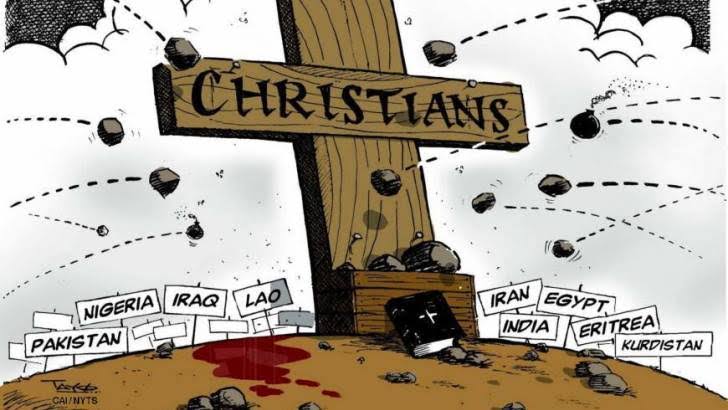
യൂറോപ്പിൽ ക്രൈസ്തവർക്കു നേരെയുള്ള ആക്രമണങ്ങളിൽ 44 ശതമാനം വർധനവ്
വിയന്ന: മുന് വര്ഷങ്ങള്ക്ക് സമാനമായി യൂറോപ്യന് ഭൂഖണ്ഡത്തില് ക്രൈസ്തവര്ക്ക് നേരെ ആക്രമണങ്ങളില് വലിയ വര്ദ്ധനവ് ഉണ്ടായതായി പുതിയ റിപ്പോര്ട്ട്. വിയന്ന ആസ്ഥാനമായുള്ള “ഒബ്സർവേറ്ററി ഓൺ ഇന്റോളറൻസ് ആൻഡ്...


The Completion of Bible Translation Is Within Reach: Global Church Steps Up
Last spring, Oasis Network for Community Transformation facilitated workshops in Guinea-Bissau and the Central African Republic for the Deaf in...
-

 us news3 weeks ago
Millions Encouraged to Open Their Bibles for Global Bible Month
-

 us news5 months ago
Mike Winger deletes YouVersion app over ‘The Passion Translation’ controversy, urges others to ‘use caution’
-

 us news6 months ago
‘America Is Hungry’: Hundreds Born Again and Baptized as Jesus Tent Revival Sweeps the Nation
-

 Movie9 months ago
Hollywood Actor Jen Lilley Launching New Ministry After ‘Vision’ From Holy Spirit
-
 world news12 months ago
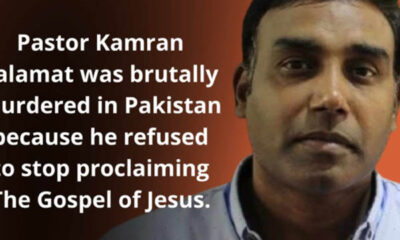
പാകിസ്ഥാനിൽ പാസ്റ്റർ കമ്രാൻ മൈക്കിൾ തന്റെ മകളുടെ മുന്നിൽ വെച്ച് ക്രൂരമായി കൊല്ലപ്പെട്ടു.
-

 Travel10 months ago
കേരളത്തിൽ നിന്ന് ഭൂട്ടാനിലേക്ക് എങ്ങനെ ട്രെയിനിൽ പോകാം; വിസ വേണ്ട, വോട്ടർ ഐഡി മതി; ടിക്കറ്റ് നിരക്കും വഴികളും
-

 Movie8 months ago
Worship Leader Brooke Ligertwood Shares Stunning Testimony of Answered Prayer From Ukraine
-

 Movie3 months ago
Keith Getty says Christians must ‘sing the Bible’ in the age of AI ahead of Sing! Conference