
world news
ഇറാനിൽ ക്രൈസ്തവ ടെലിവിഷൻ ചാനലുകള്ക്ക് നിരോധനം

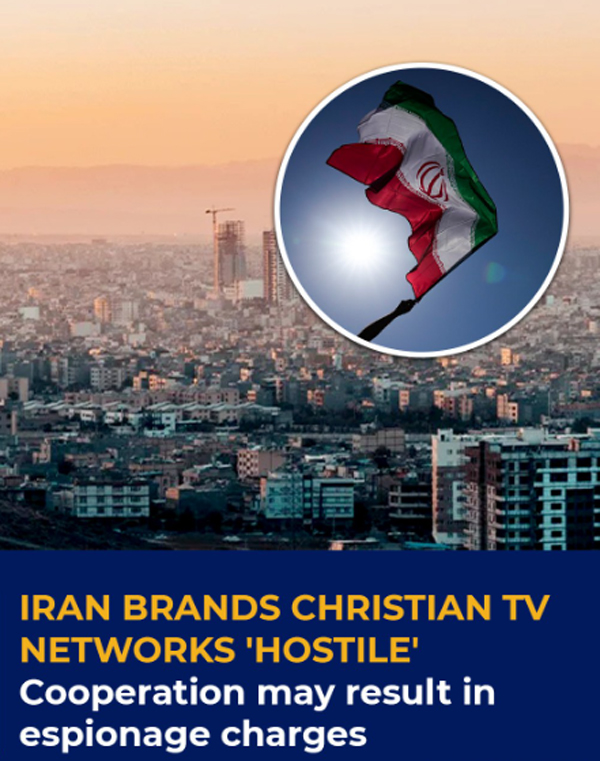
ടെഹ്റാൻ: തീവ്ര നിലപാടുള്ള ഇസ്ലാമിക ഭൂരിപക്ഷ രാജ്യമായ ഇറാനിൽ പ്രവർത്തിക്കുന്ന നിരവധി പേർഷ്യൻ ഭാഷാ ക്രൈസ്തവ സാറ്റലൈറ്റ് ടെലിവിഷൻ ചാനലുകളെ നിരോധിത വിഭാഗത്തിൽ ഉൾപ്പെടുത്തിയതായി റിപ്പോർട്ട്. ഇതോടെ ഈ ചാനലുകൾ കാണുന്നതും അവയുമായി ഏതെങ്കിലും തരത്തിലുള്ള സഹകരണം നടത്തുന്നതും രാജ്യത്തെ നിയമപ്രകാരം കുറ്റകരമാകുമെന്ന് ക്രൈസ്തവ പീഡനങ്ങൾ നിരീക്ഷിക്കുന്ന സംഘടനയായ ‘ഓപ്പൺ ഡോർസ്’ റിപ്പോർട്ട് ചെയ്യുന്നു. ഓപ്പൺ ഡോർസിന്റെ പുതിയ റിപ്പോർട്ട് പ്രകാരം, ക്രൈസ്തവ ചാനലുകളെ പ്രധാന പ്രതിപക്ഷ മാധ്യമങ്ങൾക്കൊപ്പമാണ് ഇറാന്റെ ഇന്റലിജന്സ് മന്ത്രാലയം ഉൾപ്പെടുത്തിയിരിക്കുന്നത്.
നവീകരിച്ച ഇറാന്റെ ചാരവൃത്തി നിയമങ്ങളുടെ അടിസ്ഥാനത്തിൽ, ഇത്തരം ചാനലുകളുമായി “സഹകരണം” നടത്തിയാൽ നിയമനടപടികൾ നേരിടേണ്ടിവരുമെന്ന് അധികാരികൾ മുന്നറിയിപ്പ് നൽകിയിട്ടുണ്ട്. കഴിഞ്ഞ നാല് പതിറ്റാണ്ടുകളായി, പേർഷ്യൻ ഭാഷ സംസാരിക്കുന്നവർക്കിടയിലുള്ള ക്രൈസ്തവ ശുശ്രൂഷകളെ ഇറാൻ സർക്കാർ ആസൂത്രിതമായി നിയന്ത്രിച്ചുവരുന്നുണ്ട്. ആരാധനാലയങ്ങള് അടച്ചുപൂട്ടുകയും, വീടുകളിൽ നടക്കുന്ന ആരാധനാകൂട്ടായ്മകളിൽ റെയ്ഡുകൾ നടത്തുകയും, ക്രൈസ്തവ പ്രസിദ്ധീകരണങ്ങള് കണ്ടുകെട്ടുകയും ചെയ്യുന്നത് ഇതിന്റെ ഉദാഹരണമാണ്.
ഇസ്ലാം മതം ഉപേക്ഷിച്ച് ക്രൈസ്തവ വിശ്വാസം സ്വീകരിച്ചവരെ ദേശീയ സുരക്ഷയ്ക്കു വിരുദ്ധമായ രീതിയില് പ്രവര്ത്തിച്ചുവെന്ന കുറ്റാരോപണം ഉയര്ത്തി അറസ്റ്റ് ചെയ്യുന്നതും പതിവ് സംഭവമായി മാറിയിരിക്കുകയാണ്. ഇത്തരം സാഹചര്യത്തിൽ, ബൈബിൾ പഠനങ്ങൾ, ഓണ്ലൈന് ശുശ്രൂഷകള്, ആത്മീയ ഉണര്വ് പകരുന്ന വിവിധ പരിപാടികള്ക്കായി പേർഷ്യൻ ഭാഷയിലുള്ള ക്രൈസ്തവ സാറ്റലൈറ്റ് ചാനലുകളായിരിന്നു ഇറാനി ക്രൈസ്തവര് ആശ്രയിച്ചുക്കൊണ്ടിരിന്നത്. പുതിയ നടപടി ഈ സാധ്യതകൾ പോലും ഇല്ലായ്മ ചെയ്യുമെന്ന ആശങ്ക ശക്തമാക്കിയിരിക്കുകയാണ്.
കടപ്പാട് :പ്രവാചക ശബ്ദം
Iranian Christians who rely on satellite television to hear the gospel now face prosecution, after the country’s Ministry of Intelligence classified several Persian-language Christian broadcasters as “hostile” organisations. The channels have been grouped alongside major opposition media outlets, with officials warning that any “cooperation” with them could be prosecuted under Iran’s expanded espionage laws.
Evangelical networks Sat-7, Nejat, Seven and Mohabat TV are all on the list.
For decades, Iran has restricted Christian ministry including closing churches, raiding house churches, confiscating Christian literature and arresting converts from Islam under broad national security charges. In this climate, Persian-language satellite channels have become a vital source of Bible teaching, worship and fellowship for believers with no church, no Christian community and often no other believers they know personally.
One Iranian Christian, told persecution charity Open Doors that many people in Iran hear the gospel for the first time through these programmes, and that they help isolated believers feel connected to “a much bigger body of believers”.
The new directive doesn’t just target broadcasters, it places ordinary viewers under suspicion too. At least five Christians have already been prosecuted under the new espionage laws, and dozens more were arrested last year on false accusations of links to foreign powers.
Despite the crackdown, the Church in Iran continues to grow. The country is home to one of the fastest-growing underground church movements in the world, believed to include hundreds of thousands of believers, most of which are converts from Islam, which is itself illegal to leave under Iranian law, and apostasy can carry the death penalty.
Open Doors and the US State Department’s 2023 religious freedom report estimate there are between 500,000 and 800,000 Christian converts in the country.
Father God,
For many Christians around the world, watching a sermon online or turning on a Christian television channel is an ordinary part of everyday life. It is a way to worship, learn from Scripture and stay connected with the wider church.
For many Iranian Christians, however, that simple act has suddenly become much more dangerous.
In the last few weeks, Iran’s Ministry of Intelligence has classified several Persian-language Christian satellite broadcasters as ‘hostile’ organisations. The networks have been listed alongside major opposition media outlets, with authorities warning that any form of ‘cooperation’ with these organisations could lead to prosecution under Iran’s expanded espionage laws.
At first glance, this may appear to be another media restriction. In reality, it strikes at one of the few remaining lifelines available to many Christians inside Iran.
A church beyond four walls
Over the past four decades, the Iranian government has systematically restricted Persian-speaking Christian ministry. Churches have been closed, house churches have been raided, Christian literature has been confiscated and converts from Islam have frequently faced arrest under broad national security charges. In this environment, Persian-language Christian satellite channels have filled a critical gap by broadcasting Bible teaching, worship, testimonies and pastoral encouragement directly into Iranian homes.
For countless believers, these broadcasts are far more than television programmes.
As one Iranian Christian, Mahsa*, explains: “There are so many people in Iran hearing the gospel for the very first time through these satellite TV programmes. When there is no church to visit, no Christian community you know, no Bible and no Christian materials available, these TV programmes become the only place where people can hear God’s Word.”
For someone exploring Christianity in complete isolation, a satellite broadcast may be their first encounter with the gospel. For a new believer, it may become their only source of biblical teaching and encouragement.
Isolation is part of the persecution
Iranian Christians often describe following Christ as a journey marked by isolation. Converts frequently cannot tell family members about their faith. Many do not know other Christians personally. Some have never entered a church building. Others have watched their house churches disappear after arrests or government pressure.
Mahsa recalls what these broadcasts meant during that loneliness: “When you think you are the only Christian in your town or city, these programmes help you pray, hear God’s Word and realise you have not been forgotten; you are connected to a much bigger body of believers.”
That sense of belonging is exactly what persecution seeks to destroy.
Criminalising access to hope
The latest rule goes beyond restricting media organisations. It potentially places ordinary viewers under suspicion.
Anyone who watches, contacts or shares content from these ministries may now fear being accused of cooperating with a ‘hostile’ organisation. Given Iran’s history of using vague national security charges against Christian converts, many believers worry that peaceful acts of faith could increasingly be portrayed and treated as threats to the state. At least five Christians have already been prosecuted under the new espionage legislation, while dozens more were arrested following last year’s conflict and falsely accused of links to foreign powers.
The fear extends far beyond satellite television. As Mahsa explains: “Many young people already don’t dare follow Christian pages on Instagram, or like or comment on Christian videos on YouTube. Even visiting those pages means using secure VPNs and carefully deleting search history afterwards. We are not even allowed to access Christian resources freely.”
For many believers, the simple act of searching for Jesus online has become something they must hide.
The gospel cannot be silenced
The Iranian authorities may seek to silence Christian voices, but history tells another story.
Despite decades of persecution, the church in Iran continues to grow. God continues to call people to Himself in remarkable ways. Satellite television, online ministry, Scripture distribution and countless personal testimonies have all become instruments through which many Iranians have encountered Christ.
The government’s latest measures reveal not the weakness of the church, but its enduring influence. If these broadcasts carried no significance, they would not be treated as a threat.
As access becomes more dangerous, the global church has an opportunity and a responsibility to stand alongside believers in Iran through prayer.
http://theendtimeradio.com




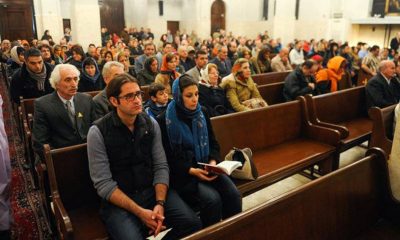



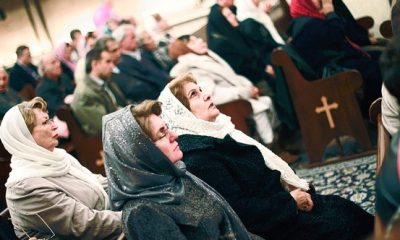



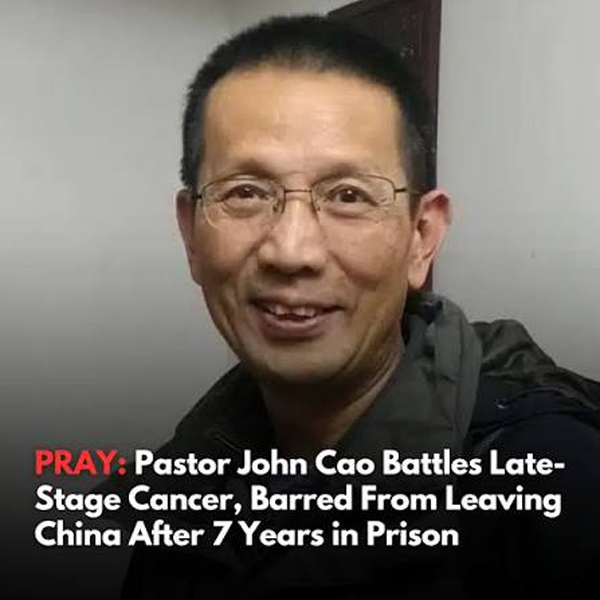
ChinaAid, an international organization supporting persecuted Christians inside China, has launched a petition and advocacy campaign to bring Pastor John Cao back to his home in the U.S.
Pastor John has been imprisoned in China for seven years for his missionary work on the China-Myanmar border, helping establish 16 schools that serve thousands of local children and families.
He was “released” in 2024, but he is still blocked from returning to the U.S., where his wife and sons, American citizens, live.
He now has advanced prostate cancer, and his situation is even more critical. ChinaAid’s campaign and petition call for Pastor John’s immediate release, particularly urging President Donald Trump to personally raise his situation in his meeting with Chinese President Xi Jinping on Sept. 24.
“Please pray for Pastor John, his health, and his family in the U.S.,” an International Christian Concern (ICC) staffer said. “And please consider signing and sharing the ChinaAid petition.”
Sources:persecution
A mob of hundreds gathered outside a Christian family’s home in Karachi last month after blasphemy allegations began to spread, but the crowd dispersed after police intervened. An initial inquiry has since found the underlying allegation to be false.
According to Reuters, the four women and one child inside the home were spared partly because the organized fundamentalist groups that have historically led such riots were absent from the scene.
The incident reflects a sharp shift now underway across Pakistan. Registered blasphemy cases have fallen by roughly two-thirds this year, down to just 13 so far in 2026, according to the Human Rights Commission of Pakistan. Blasphemy-related riots and attacks, which averaged more than seven per year between 2021 and 2024, dropped to just one during the past 12 months, according to data from the Armed Conflict Location and Event Data project.
A Military-Led Crackdown
Reuters reported that the decline traces to a crackdown on hardline Islamist groups overseen by Pakistan’s army chief, Field Marshal Asim Munir. The largest target has been Tehreek-e-Labbaik Pakistan (TLP), long Pakistan’s most prominent blasphemy-focused movement, whose rallying cry was “Death to blasphemers.” TLP was banned in late 2025; its leaders have since been jailed, its mosques sealed, and its bank accounts frozen.
A government document supporting the ban, reviewed by Reuters, described TLP as having become “a serious threat to Pakistan” that harmed both internal peace and the country’s international standing. A TLP spokesperson referred to a prior statement calling the ban illegal and unconstitutional.
Reports suggest that the crackdown’s motivations were largely strategic rather than protective of religious minorities. Pakistani officials grew concerned that TLP’s hostility toward European nations was jeopardizing an EU duty waiver on which nearly a third of Pakistan’s exports depend.
Separately, the U.S. Commission on International Religious Freedom (USCIRF) recommended last year that Pakistan again be designated a Country of Particular Concern over its blasphemy laws, a designation Pakistan has decried. Analysts also pointed to Pakistan’s deteriorating relationship with the Afghan Taliban, once a military ally, as Islamabad increasingly blames Taliban-linked networks for fueling insurgencies in Balochistan and Khyber Pakhtunkhwa.
Talal Chaudhry, Pakistan’s minister of state for the interior, told Reuters that the government and military are aligned in cracking down on “any group that tries to hold the people or this country hostage to its dictates.”
A Law That Hasn’t Changed
Pakistan has recorded roughly 90 blasphemy-linked lynchings since 1990. Blasphemy remains punishable by death under Section 295-C of Pakistan’s penal code, and the law itself has not been amended or repealed as part of the current crackdown. What has shifted is the state’s tolerance for organized groups acting as enforcers of that law in the streets.
Christians, who make up roughly 2% of Pakistan’s population, have long faced a disproportionate share of blasphemy accusations relative to their numbers. The 2010 case of Asia Bibi remains among the most widely known: a Christian farm laborer sentenced to death after a workplace dispute over drinking water escalated into a blasphemy accusation. She spent eight years on death row before an international campaign led to her acquittal and exile.
Ihsan Ghani, Pakistan’s counter-terrorism chief during deadly TLP riots in 2017, told Reuters that a movement cultivated for years as a tool of state policy “cannot switch on, switch off,” warning it could re-emerge in force if TLP’s usefulness to the military changes again. Elizabeth Threlkeld, director of the Stimson Center’s South Asia program, raised a similar concern about whether Pakistan will sustain the crackdown at all.
Relief, But Not Certainty
For Pakistan’s Christian, Shi’ite, and Ahmadi communities, the change has been striking after decades in which suspects in blasphemy-related killings were sometimes publicly celebrated rather than prosecuted. The Christian woman whose family was targeted in Karachi last month told Reuters that she and her relatives are now physically safe. But, she said, the fear has not gone away.
Religious freedom advocates note that Pakistan’s response to international pressure has historically proven temporary, tied closely to trade access, diplomatic relationships, and terror-financing scrutiny, and vulnerable to reversal once those pressures ease. A drop in this year’s case numbers reflects a shift in enforcement priorities by Pakistan’s military leadership, not a change in the underlying legal framework that allows a single accusation to place a Christian’s life at risk.
Sustained international attention will be needed to determine whether this year’s decline in blasphemy violence outlasts the strategic circumstances that produced it. Pakistan’s blasphemy laws remain in force regardless of how few cases are filed under them, and advocates continue to call for their repeal, along with due process protections for the accused and accountability for the mob violence and impunity that have defined the law’s enforcement for decades.
Sources:persecution
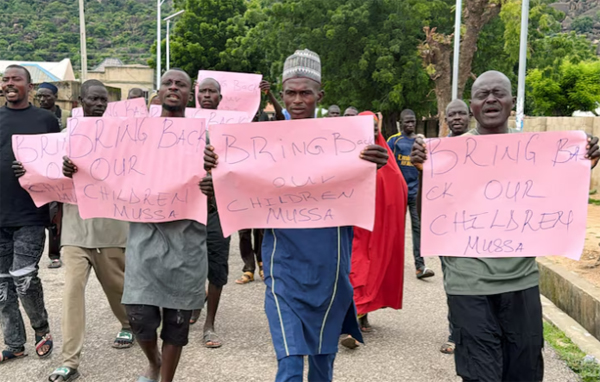
നൈജീരിയ: നൈജീരിയയിലെ ബോർണോ (Borno) സംസ്ഥാനത്ത് നിന്ന് തീവ്രവാദികൾ തട്ടിക്കൊണ്ടുപോയ കുട്ടികളെ മോചിപ്പിക്കാൻ നടപടി സ്വീകരിക്കണമെന്നാവശ്യപ്പെട്ട് മാതാപിതാക്കൾ തെരുവിലിറങ്ങി പ്രതിഷേധിച്ചു. കുട്ടികളെ തട്ടിക്കൊണ്ടുപോയിട്ട് നൂറ് ദിവസമായിട്ടും വിട്ടയ്ക്കുകയോ രക്ഷിക്കാനുള്ള ശ്രമത്തിൽ പുരോഗതിയോ ഉണ്ടാകാത്തതിനാലാണ് മാതാപിതാക്കൾ പ്രതിഷേധവുമായി തെരുവിലിറങ്ങിയത്. മെയ് 15 നാണ് സംബിസ വനമേഖലയ്ക്കു സമീപമുള്ള മുസ്സ (Mussa) ഗ്രാമത്തിലെ ക്ലാസ് മുറികളിൽ നിന്ന് കുട്ടികളെ തട്ടിക്കൊണ്ടുപോയത്.
ഇസ്ലാമിക് സ്റ്റേറ്റ് വെസ്റ്റ് ആഫ്രിക്ക പ്രൊവിൻസ് (ISWAP), ബൊക്കോ ഹറാം തുടങ്ങിയ തീവ്രവാദി ഗ്രൂപ്പുകൾ സാധാരണക്കാർക്കും സ്കൂളുകൾക്കും നേരെ നടത്തുന്ന ആക്രമണങ്ങൾ നൈജീരിയയിൽ തുടരുകയാണ്. മുസ്സയിൽ നിന്ന് തട്ടിക്കൊണ്ടുപോയവരിൽ 45 ഓളം കുട്ടികൾ ഇനിയും തിരിച്ചെത്താനുണ്ട്.
മുസ്സയ്ക്ക് സമീപമുള്ള ലാസ്സയിൽ ജൂൺ 29 ന് നടന്ന ആക്രമണത്തിൽ 36 വിദ്യാർഥികളെയും ഒരു അധ്യാപകനെയും കാണാതായിട്ടുണ്ട്. ഇവർ ഇപ്പോഴും ഭീകരരുടെ തടവിലാണ്. മൂന്നരയും എട്ടരയും വയസ്സുള്ള തങ്ങളുടെ രണ്ട് മക്കളെ നഷ്ടപ്പെട്ട പീസ് നിക്കോളസ് ഉൾപ്പെടെയുള്ള രക്ഷിതാക്കൾ വലിയ മാനസിക സംഘർഷത്തിലൂടെയാണ് കടന്നുപോകുന്നത്. “ഞങ്ങൾ ദിവസവും ഭയത്തിലാണ്. ഭക്ഷണം കഴിക്കാൻ പോലും കഴിയുന്നില്ല. മക്കളെ രക്ഷപെടുത്താൻ സർക്കാരിനോട് അപേക്ഷിക്കുകയാണ്,” പീസ് പറയുന്നു.
വർഷങ്ങളായി സൈനിക നടപടികൾ തുടരുന്നുണ്ടെങ്കിലും വടക്കുകിഴക്കൻ നൈജീരിയയിൽ ഇത്തരം തട്ടിക്കൊണ്ടുപോകലുകൾക്ക് ഒരു കുറവും വന്നിട്ടില്ല. കമ്മ്യൂണിറ്റി നേതാക്കൾ പറയുന്നത്, പിഞ്ചുകുട്ടികളെ മാതാപിതാക്കളിൽ നിന്ന് വേർപെടുത്തി കൊണ്ടുപോകുന്നതിനേക്കാൾ വലിയൊരു വേദന മറ്റൊന്നില്ലെന്നാണ്.
Sources:azchavattomonline.com
Parents of children abducted from Nigeria’s northeastern Borno state protested in Uba town on Thursday, demanding the federal government secure their release nearly 100 days after they were taken.
The children were seized from their classrooms on May 15 in Mussa, a community on the fringes of the Sambisa Forest, a long-time stronghold of Islamist militants.
The protest underscored families’ frustration as kidnappings persist despite years of military operations against Boko Haram and its Islamic State West Africa Province (ISWAP) offshoot in northeastern Nigeria. While the insurgency has weakened since its peak, both groups continue to stage attacks on civilians, schools and security forces across Borno and neighbouring states.
The abduction was followed by another attack in nearby Lassa on June 29, where 36 students and a teacher also remain captive. Last month, authorities secured the release of schoolchildren abducted by gunmen from schools in southwest Oyo state after nearly two months in captivity.
A police spokesperson said the military is “on top of the situation” but declined further comment, directing enquiries to the military. A spokesperson for the military did not respond to requests for comment.
“We still have not seen them,” said Chinda Buba, whose child was among those abducted. “We do not know where our children are. We don’t know whether they are healthy or going through difficult conditions.”
Peace Nicolos, whose two children, aged 3-1/2 and 8-1/2, are among the missing, said families lived in constant anxiety.
“We worry every day and struggle to eat,” she said. “We are pleading with the government to rescue them.”
Orbet Lawan Yakubu, representing the traditional ruler of Mussa, said around 45 children remained unaccounted for.
“There is nothing more painful than separating very young children from their parents,” he said. “The entire community is affected because almost every family is connected to those who were taken.”
http://theendtimeradio.com



Prophecy isn’t the problem. Absence is
There is something about Samuel’s story that feels especially relevant for the Church right now. Scripture records that during that...

Petition Launched to Bring Home Pastor Imprisoned in China
ChinaAid, an international organization supporting persecuted Christians inside China, has launched a petition and advocacy campaign to bring Pastor John...


Pakistani Christians Remain on Edge Even as Blasphemy Cases Decline
A mob of hundreds gathered outside a Christian family’s home in Karachi last month after blasphemy allegations began to spread,...

ക്രിസ്തീയ വിശ്വാസം ജീവനുള്ള ബന്ധമാണ്; വെറുമൊരു മതപരമായ അറിവല്ല: ഡോ. വിനു ജോൺ ഡാനിയേൽ
ഡാളസ്: ലോകസുഖങ്ങൾക്കും ഭൗതികനേട്ടങ്ങൾക്കുമപ്പുറം ക്രിസ്തുവിന്റെ സ്നേഹവും കൃപയും അനുഭവിച്ച് ജീവിക്കാൻ വിശ്വാസികളെ ആഹ്വാനം ചെയ്ത് പ്രശസ്ത ഭിഷ്വഗരനും വചന പണ്ഡിതനും പ്രാഭാഷകനുമായ ഡോ. വിനു ജോൺ ഡാനിയേൽ....
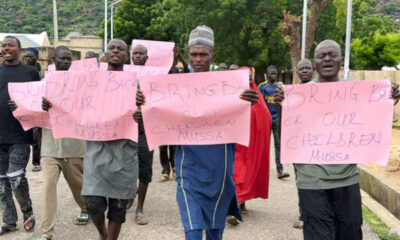

നൈജീരിയയിൽ തട്ടിക്കൊണ്ടുപോയ കുട്ടികൾക്കായി സമരം ചെയ്ത് മാതാപിതാക്കൾ
നൈജീരിയ: നൈജീരിയയിലെ ബോർണോ (Borno) സംസ്ഥാനത്ത് നിന്ന് തീവ്രവാദികൾ തട്ടിക്കൊണ്ടുപോയ കുട്ടികളെ മോചിപ്പിക്കാൻ നടപടി സ്വീകരിക്കണമെന്നാവശ്യപ്പെട്ട് മാതാപിതാക്കൾ തെരുവിലിറങ്ങി പ്രതിഷേധിച്ചു. കുട്ടികളെ തട്ടിക്കൊണ്ടുപോയിട്ട് നൂറ് ദിവസമായിട്ടും വിട്ടയ്ക്കുകയോ...


ഐ.പി.സി. നേര്യമംഗലം സെന്റർ യുവജന ക്യാമ്പ് പെരുമ്പാവൂർ കീഴില്ലത്ത് വച്ച് ഞാറാഴ്ച 6 pm ന് ഉദ്ഘാടനം നടത്തപ്പെടുന്നു
IPC നേര്യമംഗലം സെന്റർ PYPA യുടെ ആഭിമുഖ്യത്തിൽ ഞാറാഴ്ച 6 pm ന് കീഴില്ലം ഇവാഞ്ചലിക്കൽ റീ ട്രീറ്റ് സെന്ററിൽ വച്ച് സെന്റർ ക്യാമ്പ് സെന്റർ പാസ്റ്റർ:...
-

 us news11 months ago
San Diego pastor fatally shot in his home; congregation left in disbelief
-

 Movie12 months ago
‘Light of the World’: Animated Movie About Jesus Hits Theaters Sept. 5
-

 us news12 months ago
Erika Kirk vows to carry on Charlie’s mission: ‘The movement my husband built will not die’
-

 Movie11 months ago
Forrest Frank Posts Blunt Response After Losing 30,000 Followers Over Charlie Kirk Post
-

 us news12 months ago
Christian Comedian John Crist Gets Engaged in Nashville: ‘God’s Redemptive Plan’
-

 us news12 months ago
‘He Sat on Jesus’s Lap’: The Time God Miraculously Raised Courtney Smallbone’s Son from the Dead
-
 world news11 months ago
6 Christians Killed in Latest Fulani Militia Attack in Nigeria
-

 Travel12 months ago
പാസ്പോർട്ടോ മറ്റ് തിരിച്ചറിയൽ രേഖകളോ കാണിക്കാതെ വിമാനയാത്ര സാധ്യമാക്കുന്ന സ്മാർട്ട് കൊറിഡോർ സംവിധാനം ദുബൈയിൽ വിപുലമാക്കുന്നു