
us news
Thirty Years, One Language, and a Bible Delivered by Air

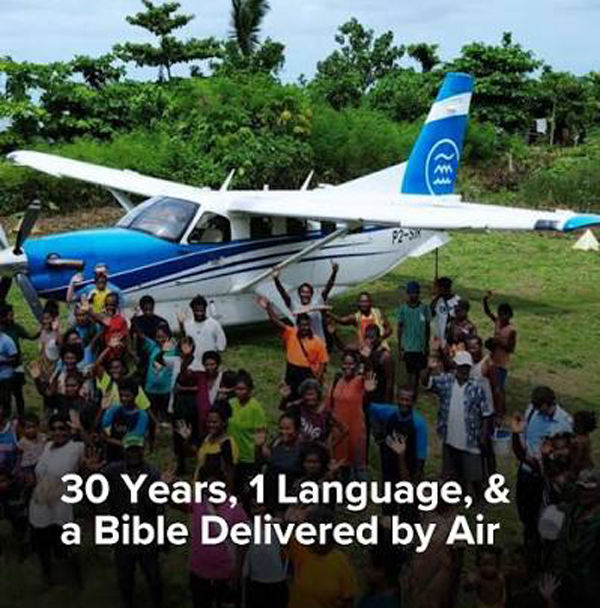
WALAGU, Papua New Guinea – In the remote mountains of Papua New Guinea, some villages are so isolated that the only practical way to reach them is by air.
For Johnny Reeves, a missionary pilot with JAARS, that means flying into airstrips carved into mountainsides, where gravel, grass, mud, and clay replace the paved runways found at conventional airports. For one flight, however, the cargo aboard his Kodiak airplane was more significant than anything he had carried before.
It was the first complete New Testament ever translated into the language of the Onobasulu people, a project more than 30 years in the making.
As Reeves prepared for takeoff, the routine of a dangerous mountain flight unfolded around him.
“The gauges are on the green. The flaps are 20. Trims are by 3 for takeoff.”
“We’ll be airborne by the third cone, past the parking bay.”
“Prop is required. Conditions are cut-off. Fuel valves are off. Selectors off.”
“Flaps are set. Harnus locked on, on, locked. Left is locked. Right is locked.”
Then came the final call:
“We are a go for takeoff.”
For the past eight years, Reeves has made these mountains his office. As a pilot with JAARS, a Christian aviation organization, he helps Bible translators reach some of the world’s most remote communities, flying what the organization describes as the “last mile.”
“It’s going that last mile. And that’s sometimes the hardest. But if we don’t go the last mile, we won’t get there. There are over 800 languages here. We need to reach them with the gospel.”
That last mile can be especially challenging in Papua New Guinea, a country where rugged terrain makes conventional transportation difficult. “There’s not a lot of flat places to put airstrips in Papua New Guinea and so as a result you often times have these portions that are carved out on the side of a mountain, really, or a ridgeline.”
JAARS operates Kodiak aircraft specifically suited to the environment. Here in Papua New Guinea, the Kodiak airplane is known as the workhorse of the jungles. JAARS has four of these Kodiaks. And why are they known as the workhorse of the country?
“Well, the Kodiak has to be a really rugged airplane for the type of terrain we’re flying it into Papua New Guinea,” said Reeves. “We’ve got lots of mountains, and sometimes the airstrips are very steep and very rugged. And we land on gravel, we land on grass, we land on mud, we land on clay and the Kodiak needs to be able to do that repeatedly, time after time and take a beating.”
For years, Reeves has transported translators, supplies and missionary families to places few others can reach.
On this day, however, the flight carried what he called “precious cargo.”
“We’ve got precious cargo. We’ve got Bibles on board today for a 30 plus year project, that are being delivered to the people of Onobasulu and so this is precious people. They’re precious cargo.”
The Bibles arriving in Walagu represented the culmination of decades of work. But before there could be a New Testament, there first had to be a written language.
When Dutch linguist Dr. Anne Stoppels arrived in Walagu in 1997, the Onobasulu language had never been written down. There was no alphabet.
Stoppels initially thought the assignment might take 15 years. Instead, it became her life’s work.
Her interest in Bible translation had begun much earlier. “When I was fifteen, I read a book by Don Richardson and that really got me interested,” Stoppels told CBN News. “And then I thought, when I grow up, I want to be a Bible translator.”
She eventually traveled halfway around the world to learn the Onobasulu language from the people themselves and help develop the tools needed to put it into written form.
“Give me a book to translate and I’ll start at chapter one, verse one, and I end at the last verse. And I enjoy translating with the translators and talking with the people.”
The work required far more than simply finding words in one language that corresponded to words in another. Before translation could begin, linguists had to document the language itself: its sounds, grammar, and vocabulary.
Jed Carter, the Summer Institute of Linguistics country director in Papua New Guinea, described the process this way:
“These languages are not written to begin with in pretty much any case,” said Carter. “So, it’s language development, writing down orthographies together with the local community after analyzing the grammar and the sounds.”
Only then could the translation begin, one verse and one chapter at a time.
And the deeper the translators went, the more they discovered how much meaning can be carried inside a single expression.
“It’s not easy work. Sometimes they have expressions that are way deeper than I have in my own language in Dutch,” said Stoppels. “Like the word for love is actually, like you carry somebody in your breath. So when you breathe that person that you love, it’s in your breath.”
Beverly Mosley, an American linguist with Wycliffe Bible Translators, was among those who eventually joined the effort.
For Mosley, the years of painstaking work produced an emotional reaction when she finally saw the project reaching its destination.
“So many emotions. It’s like a volcano erupting in my heart because you worked so long to give God’s Word in the language in a way that the people can understand,” said Mosley.
There were times, she admitted, when the work felt almost impossible. “There were so many days, ‘it’s so hard, I’m not going to make it, I’m going to go home and sell shoes at the mall,'” Mosley recalled.
The sacrifices were real. The work meant years away from family, missed birthdays and holidays, and long stretches of loneliness.
But Mosley kept going.
“What kept me from quitting is the love for the Onobasulu people, my love for God and His Word. I want the light to shine in the darkness and the Onobasulu people to have it in a way they can understand,” said Mosley.
Other translators became part of the story along the way.
Swiss translator Johann Alberts joined the project later and spent a decade working on it.
For Alberts, the dedication ceremony marked the end of one journey and the beginning of another.
“It’s the end of a long journey for me,” recalled Alberts. “It’s ten years in the project. Thirty years overall. The big prayer is that the day will come and go, but the Bible comes, and it will stay and it will bear much fruit. That’s our prayer.”
Liz Buesnel, an American Bible literacy expert, was also part of the team.
“God wants us to know that we can know Him, and we can be close to Him, and people hear that best when it’s in their own language and in ways that are familiar to them,” said Buesnel.
Australian translator Shelley Weeks returned to Papua New Guinea for the first time in nearly 30 years.
“Just really happy and calm and I’m looking forward to meeting some of the people we worked with. It’s very good to be back,” said Weeks.
The Onobasulu people were equally eager to see the translators who had spent years working alongside them.
At one point, Buesnel was greeted by an Onobasulu woman who called her “daughter.”
Then came the moment everyone had been waiting for.
Thirty years after Stoppels first arrived, boxes containing the newly printed Onobasulu New Testaments emerged from the jungle.
Hundreds of people gathered at the edge of the village, waving palm branches, singing songs of praise and wearing brilliantly colored traditional Papua New Guinean clothing.
The celebration drew more than 2,000 people from surrounding regions. Some walked six to eight hours to attend. Others traveled for four days through the jungle.
They came simply to witness history.
For the first time, the Onobasulu people could hold the New Testament in the language of their own hearts.
The dedication was not simply the closing chapter of a 30-year translation project.
For Stoppels, it was the beginning of something she hoped would continue for generations.
“I’m praying that this Word of God will do its work,” said Stoppels. “The Word of God will not come back empty. Now, they have the whole book, and it is a beautiful book. I’m praying that it will bear fruit for the next generation.”
The team also recognized a practical reality: a printed Bible is of limited use to someone who cannot easily read it or who lives without electricity.
Many homes in the region have no electricity, and many adults are still learning to read. So, the team brought another tool: solar-powered audio Bibles.
“They have a tiny solar panel on the back to recharge so it’s just such a great blessing to hear God’s Word as you’re walking through the village in the evening,” said Mosley.
The project also highlighted the role aviation played throughout the three decades of work.
Every flight into these isolated communities could carry something essential: food, medical supplies, teachers, translators, books, paper, or construction materials.
Stoppels said the translation project could not have happened without the pilots and aircraft that repeatedly connected the remote community with the outside world.
“This whole Bible translation project would not have been possible without aviation, without JAARS,” insisted Stoppels. “JAARS brought us out here for the first time. JAARS has picked us up many times. They brought our books, they brought the chalk for literacy, they brought the paper.”
Reeves has seen that impact firsthand.
“Anything that comes along setting up structure here, we’ve been a part of,” said Reeves. “So roofing iron for building schools and outposts, and flying teachers in and out, so it’s a huge benefit to the community.”
The question of whether decades of work are worth it becomes particularly striking when considering the size of the Onobasulu population.
Stoppels put it simply:
“You could basically say I gave my life for two thousand people. Every Christian has a task, has a calling to serve the people around them, and for me, it happened to be the Onobasulu people. So I think, yes, it’s worth it.”
Reeves sees the question differently.
For him, the value of the work cannot be measured simply by the number of people who will receive a Bible.
“My perspective is if you’d ask me, ‘Is it worth it for one? I think so.’ God knows how many lives are going to be changed for the Onobasulu people, so absolutely it’s worth it. I’d do it all over again,” insisted Reeves.
During the dedication, Reeves also had an opportunity to share his own story with the people he had spent years serving.
“I told them just a brief testimony about how God’s Word changed my life as a kid and that ultimately that’s what led me to becoming a missionary pilot and being willing to give my life for kingdom work,” said Reeves.
He says watching the Onobasulu receive the New Testament made the years of flights and difficult landings feel worthwhile.
“I can’t help but be excited with them,” Reeves said. “We had a little part in making this happen, but it’s really the joy that they get to experience for having God’s Word in their language for the very first time.”
The Onobasulu translation may be complete, but in Papua New Guinea, the larger task continues.
More than 800 languages are spoken in the country, while only 17 have a complete Old and New Testament.
That leaves enormous work ahead, and growing challenges for the organizations doing it.
Stoppels says fewer people are willing to commit the years required to learn a language and work in remote communities. At the same time, the aviation ministry faces its own shortage of pilots and mechanics.
“The problem really is nowadays people don’t want to spend a long time,” said Stoppels. “People come for two years, but then two years you can’t learn a language, and we also need aviation people. We need pilots and we need mechanics. It’s much harder to go out now because we have a shortage than it was back when I started in 1997 when there were many pilots and many mechanics.”
For Mosley, however, the vision extends far beyond one village or even one country.
“When I picture the future in heaven, we’re all speaking our vernacular, heart language. It will be like a symphony of praise,” said Mosley. “One language is not enough. Ten languages are not enough. A thousand languages are not enough. Seven thousand languages around the world, really aren’t enough to give God the glory, honor, and praise that He deserves.”
As the dedication ceremony ended, people continued lining up to receive their copies of the New Testament.
The Kodiak would eventually lift off from the Walagu airstrip and disappear into the clouds.
For Reeves, it was another flight home.
For Stoppels, it marked the close of a 30-year journey.
For the Onobasulu people, it was the beginning of something new: a book written in their own language, to be read, heard and shared for generations.
Sources:CBN News








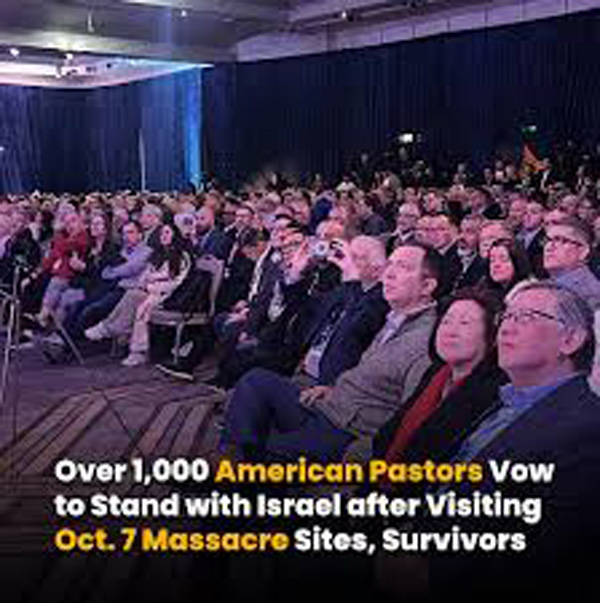
More than 1,000 Christian leaders, community leaders and influencers from 117 countries are arriving in Israel to stand with Oct. 7 survivors, visit massacre sites and carry their testimonies home, Israel365 News reported. (Screengrab image: via Charisma News /Wikimedia Commons)
The Friends of Zion Ambassador Summit, organized in cooperation with Israel’s Foreign Ministry, includes approximately 200 young adults ages 18-29. Participants will meet released hostages, bereaved families, wounded soldiers and Holocaust survivors.
“We want these young leaders to see Israel for themselves, hear directly from those whose lives were changed forever on October 7, and return home with a deeper understanding of Israel and a commitment to standing with the Jewish people,” Friends of Zion founder Mike Evans said, according to Israel365 News.
On Oct. 7, following a visit to Yad Vashem, the delegation will join approximately 2,000 participants at the Southern Wall of the Temple Mount. Released hostages will appear onstage during the anniversary gathering, which organizers say will be broadcast live on dozens of television networks.
The commemoration marks three years since Hamas terrorists killed approximately 1,200 people and took 251 hostages into Gaza.
On Oct. 8, participants will visit the Nova music festival massacre site near Re’im. Released hostages Romi Gonen, Noa Argamani and Elkana Bohbot will meet the delegation and receive the Friends of Zion “Here Am I” Award for their international advocacy.
The delegation also plans to visit ancient Shiloh, where the Tabernacle stood and Samuel heard God’s call.
“The arrival of more than 1,000 Christian leaders from 117 countries carries a powerful message: Israel does not stand alone,” said George Deek, Israel’s special envoy to the Christian world.
“They are coming to bear witness, to meet the people whose lives were shattered on October 7, and to carry their stories back to communities across the world,” Deek said.
Sources: Breaking Christian News
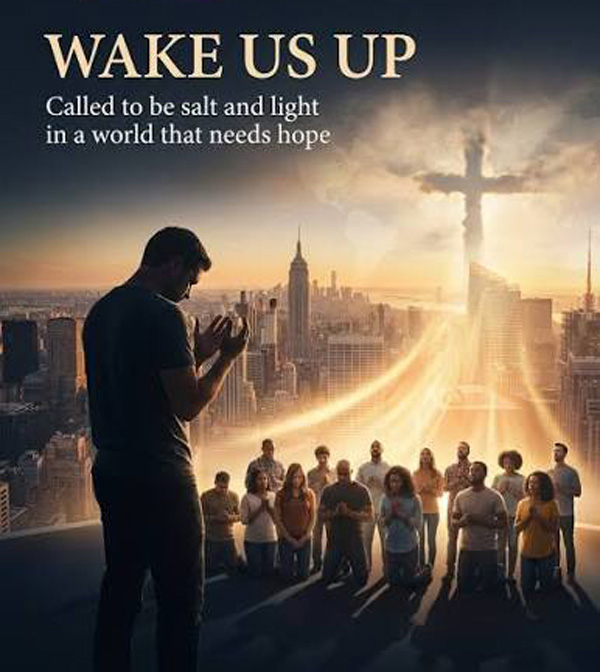
Father, we pray pastors would be bold this election season. Inspire these shepherds to engage politically, to encourage their congregations to do the same, and, most importantly, to refuse the temptation to stay silent.
There are moments when silence carries consequences. I believe the American Church is living in one of those moments right now.
For too many years, Christians were told that faithful citizenship and Biblical engagement with government were somehow outside the proper boundaries of the Church. Pastors were warned away from subjects that might be considered “political.” Congregations learned to separate what happened on Sunday morning from what happened at the ballot box.
And while much of the Church stepped away, our culture did not stand still. The government continued making decisions about human life, marriage, sexuality, children, parental authority, religious liberty, education, justice, and freedom. Policies were enacted. Institutions changed. Cultural assumptions shifted.
We should not be surprised that when Christians remove their voices from the public square, Biblical principles have less influence there. It is time to put our voices back in.
Pastor, Your Voice Matters
I am speaking especially to pastors of every-sized congregation. Whether you shepherd 75 people, 200 people, or 2,000, your voice matters. You do not need a national platform. God has already given you one: your pulpit.
Your congregation contains parents, grandparents, teachers, business owners, community leaders, young adults, and voters. They are making decisions that will help determine who writes our laws and what principles guide our communities. Equip them. Teach them what Scripture says about life, family, sexuality, justice, government, authority, freedom, and responsibility. Teach them to pray for those in authority, to understand the issues confronting our nation, and to evaluate public questions through Scripture rather than social media, political advertising, or cultural pressure.
And teach them that voting is not disconnected from their Christian lives. Our involvement in elections is important because we are citizens, but for Christians, there is something more. We carry Biblical convictions into every sphere God places us, including the public square.
Recently in Virginia, pastors were invited to add their voice to a public letter going to the Virginia legislature speaking against the liberal majority’s desire to enshrine abortion in our state Constitution. Across the state do you know how many pastors were willing to sign this letter? About 20. Only 20 pastors were willing to publicly put a stake in the ground to stand for the Constitutional protection of life to the Virginia Legislature.
We Gave Up Ground
For generations, American Christians benefited from a culture deeply influenced by Biblical principles. But somewhere along the way, many Believers began assuming those principles would remain embedded in the nation whether Christians actively defended them or not.
They did not.
We withdrew, others stepped forward, and America changed. We cannot spend decades removing Biblical voices from government, education, culture, and civic life and then wonder why those institutions increasingly reflect values contrary to Scripture. This is not a moment for Christians to retreat further. It is a moment to reengage.
The Pulpit Once Helped Shape America
This would not have seemed unusual to many pastors in America’s founding era. Clergy preached about liberty, government, moral responsibility, and the great public questions confronting their generation. Ministers served as chaplains, wrote pamphlets, participated in legislatures and constitutional conventions, and helped form the moral understanding of the people who were building a nation.
The American pulpit helped form the American conscience. We need courageous pulpits again.
Southern Baptist Convention President Willy Rice recently issued a remarkably simple challenge:
“I think the pastors need to step up.”
He is right. Many of the questions confronting America are not merely political questions. They are questions about what it means to be human, what human life is worth, what marriage is, what responsibilities parents possess, what freedom means, what government may rightfully do, and where authority ultimately comes from.
Those are profoundly Biblical questions. Pastors should not surrender them because politicians are debating them.
Prayer Must Move Us to Action
At Intercessors for America, we believe deeply in prayer. But Biblical prayer does not train us to become passive spectators. Nehemiah prayed and then approached the king. Esther fasted and then walked into the king’s presence. Daniel prayed and faithfully represented God’s truth inside the government of Babylon. The apostles prayed and then went out and spoke boldly.
Prayer prepares God’s people for obedience and action. We cannot pray for righteous government and then ignore the opportunity we have to participate in choosing those who govern. We cannot pray for the protection of children and remain uninformed about policies affecting them. We cannot pray for religious liberty and then neglect elections in which those freedoms are affected. Prayer should sharpen our discernment and move us toward faithful action.
Pastors, Lead
This is my appeal to America’s pastors: preach Biblical truth boldly and teach your congregation how Scripture applies to the issues confronting our nation. Talk about the sanctity of human life, marriage and family, children and parental responsibility, religious liberty, justice, government, and the responsibilities of citizenship.
Help people register to vote. Make sure they know when elections are taking place. Encourage them to research candidates, their records, their stated positions, and the policies they support. Urge them to pray for discernment and to carry their Biblical convictions with them when they vote. Do not assume someone else will do it. You are the shepherd God has placed before your congregation. Lead.
Christians, Show Up
And to Christians sitting in America’s pews, I would say this: we need to show up. We need to pray and then take the time to learn what is happening in our communities, our states, and our nation. We need to understand the issues, examine the records and positions of those seeking office, seek God for discernment, and vote according to Biblical conviction.
But our responsibility does not end when we leave the voting booth. Christians should be willing to speak up, contact elected officials, serve in their communities, attend school board and local government meetings, and encourage Believers with wisdom and courage to consider public service. We should teach our children and grandchildren that citizenship is a stewardship, not a spectator sport. If Christians continually surrender their place in the public square, we should not be surprised when the vacuum is filled by values radically different from our own.
The Consequences Will Outlive Us
We are making decisions today whose consequences our children and grandchildren may live with for generations. Some political decisions can be reversed in the next election. Others become embedded in law, education, government bureaucracies, institutions, and eventually the thinking of an entire generation. Once that happens, recovering what has been lost can take decades.
That is why I believe this moment demands more from the Church than concern. It demands prayer that leads to discernment, courage, engagement, and action. Our very existence as the nation we have known is at stake, and I do not believe that is an overstatement. A nation can drift so far from its foundational principles that recovering them becomes the work of generations—if they can be recovered at all.
Christians cannot control every outcome, but we are responsible for what God has placed in our hands. We have a voice and the freedom to use it. We have influence in our families, churches, communities, and government. We have the privilege of bringing our petitions before God in prayer. And in America, we have been entrusted with a vote.
It is time to use all of them.
We Have Been at a Crossroads Before
The film “A Great Awakening” offers a powerful reminder that America has faced moments before when our future seemed uncertain and human wisdom appeared insufficient. The film depicts the remarkable relationship between evangelist George Whitefield and Benjamin Franklin and ultimately brings us to an extraordinary moment in 1787, when delegates to the Constitutional Convention were struggling to agree upon the framework of our new government.
The delegates had been meeting for weeks. They were deeply divided over representation and the structure of the government they were attempting to create. Progress had slowed, frustrations were mounting, and the future of the Convention was uncertain.
It was into that atmosphere that the 81-year-old Benjamin Franklin rose to speak.
The scene portrayed in “A Great Awakening” is not simply a filmmaker’s invention. Franklin’s address was recorded in James Madison’s notes of the Constitutional Convention. Franklin reminded the delegates that during the struggle for independence, when the young nation faced seemingly impossible circumstances, they had repeatedly sought God together in prayer.
Then he asked a question that should speak to America today:
“And have we now forgotten that powerful Friend? Or do we imagine that we no longer need His assistance?”
Franklin continued:
“The longer I live, the more convincing proofs I see of this truth—that God governs in the affairs of men.”
Franklin then invoked the truth expressed in Psalm 127—that unless the Lord builds the house, those who build it labor in vain. His message to those delegates was unmistakable. They possessed extraordinary intelligence, education, political experience, and some of the greatest minds of their generation, but human wisdom alone would not be enough to secure the future of the nation they were attempting to build.
Think about that moment.
These men were wrestling with whether this unprecedented experiment in self-government could survive. Yet in the midst of their deliberations, Franklin stood before them and acknowledged their dependence upon God.
I believe America has arrived at another such crossroads.
We cannot simply look to Washington, political parties, candidates, elections, courts, or human strategies to rescue our nation. We desperately need God. But seeking God has never meant withdrawing from the responsibilities He has placed before us. Franklin called those delegates to prayer in the very room where they were actively wrestling with the practical work of building a government.
That is the combination the Church needs to recover: dependence upon God coupled with faithful action.
Pastors, this is your moment to help awaken the Church. Teach your people to pray, but also teach them to stand. Help them understand what is happening in our nation and what Scripture says about it. Equip them to examine candidates and policies through the lens of Biblical truth, to participate in government, to speak when Biblical values are threatened, and to faithfully exercise the vote entrusted to them.
And Christians, do not leave the future of this nation entirely in someone else’s hands. Seek God. Know His Word. Understand the issues. Examine those who seek authority over you. Carry your Biblical convictions into the voting booth and into every other place where God has given you influence.
Nearly 240 years ago, when America’s founders found themselves struggling to determine the future of a young nation, Franklin asked them a question that reaches across the centuries:
“And have we now forgotten that powerful Friend?”
May our answer be no.
May the Church remember its responsibility. May pastors recover their voices. May Christians recover the understanding that our citizenship is a stewardship. May we seek God fervently for our nation and then have the courage to act upon the responsibilities He has placed before us.
We have prayed. We must continue to pray. But this is also a time to stand, speak, engage, and vote.
Perhaps what America needs at this critical crossroads is exactly what the title of the film suggests: A great awakening.
Sources: Breaking Christian News
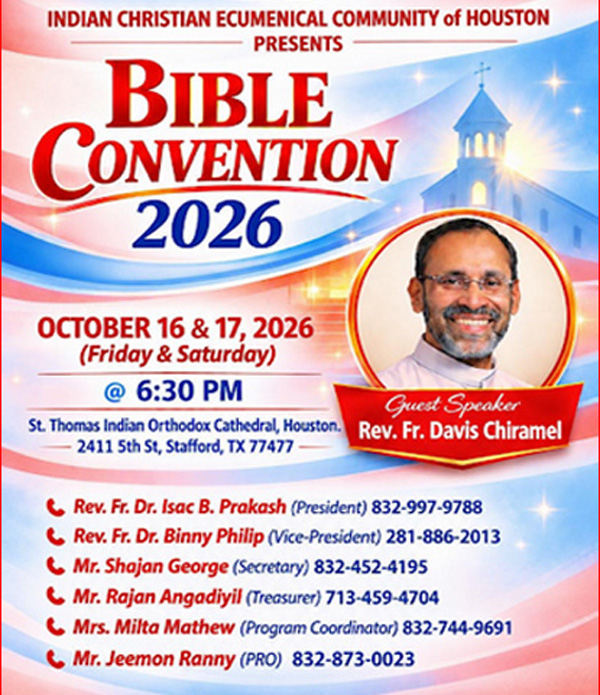
ഹൂസ്റ്റൺ: ഇന്ത്യൻ ക്രിസ്ത്യൻ എക്യുമെനിക്കൽ കമ്മ്യൂണിറ്റി ഓഫ് ഹൂസ്റ്റണിന്റെ (ICECH) ആഭിമുഖ്യത്തിൽ 2026 ബൈബിൾ കൺവെൻഷൻ ഒക്ടോബർ 16, 17 തീയതികളിൽ (വെള്ളി, ശനി) വൈകുന്നേരം 6.30ന് ഗാനശുശ്രൂഷയോടു കൂടി ആരംഭിക്കും.
കൺവെൻഷൻ ഗായകസംഘം ഗാനശുശ്രൂഷയ്ക്കു നേതൃത്വം നൽകും.
ഹൂസ്റ്റണിലെ സെന്റ് തോമസ് ഇന്ത്യൻ ഓർത്തഡോക്സ് കത്തീഡ്രലിൽ (2411 5th St., Stafford, TX 77477) നടക്കുന്ന കൺവെൻഷനിൽ പ്രസിദ്ധ കൺവെൻഷൻ പ്രസംഗകൻ റവ. ഫാ. ഡേവിസ് ചിറമേൽ മുഖ്യ പ്രഭാഷകനായിരിക്കും.
സാമൂഹിക സേവന രംഗത്തെ ശ്രദ്ധേയമായ പ്രവർത്തനങ്ങളിലൂടെ അന്തർദേശീയ തലത്തിൽ ശ്രദ്ധ നേടിയിട്ടുള്ള ഫാ. ഡേവിസ് ചിറമേൽ കിഡ്നി ഫെഡറേഷൻ ഓഫ് ഇന്ത്യയുടെയും Accident Care and Transport Service (ACTS)-ന്റെയും സ്ഥാപകനാണ്. വൃക്കരോഗികൾക്ക് ചികിത്സാ സഹായം, ഡയാലിസിസ്, വൃക്കദാന ബോധവൽക്കരണം തുടങ്ങിയ പ്രവർത്തനങ്ങൾക്കായി കിഡ്നി ഫെഡറേഷൻ ഓഫ് ഇന്ത്യ പ്രവർത്തിച്ചുവരുന്നു.
2009-ൽ അപരിചിതനായ ഒരാൾക്ക് തന്റെ ഒരു വൃക്ക ദാനം ചെയ്തതിലൂടെയാണ് ഫാ. ഡേവിസ് ചിറമേൽ വൃക്കദാന ബോധവൽക്കരണ രംഗത്ത് ശ്രദ്ധേയനായത്. തുടർന്ന് നിരവധി സാമൂഹിക ക്ഷേമ, ജീവകാരുണ്യ പദ്ധതികൾക്കും അദ്ദേഹം നേതൃത്വം നൽകി.
ICECH പ്രസിഡന്റ് റവ. ഫാ. ഡോ. ഐസക് ബി. പ്രകാശ്, വൈസ് പ്രസിഡന്റ് റവ. ഫാ. ഡോ. ബിന്നി ഫിലിപ്പ്, സെക്രട്ടറി ഷാജൻ ജോർജ്, ട്രഷറർ രാജൻ അങ്ങാടിയിൽ, പ്രോഗ്രാം കോർഡിനേറ്റർ മിൽറ്റാ മാത്യു, ഗായകസംഘം കൺവീനർ ഡോ. അന്ന. കെ ഫിലിപ്പ് തുടങ്ങിയവരുടെ നേതൃത്തിൽ വിവിധ കമ്മിറ്റികൾ കൺവെൻഷന്റെ വിജയത്തിനായി പ്രവർത്തിച്ചു വരുന്നു.
ജാതിമത ഭേദമെന്യേ കൺവെൻഷനിൽ പങ്കെടുത്ത് അനുഗ്രഹം പ്രാപിക്കുന്നതിന് ഏവരെയും സ്വാഗതം ചെയ്യുന്നുവെന്ന് സംഘാടകർ അറിയിച്ചു.
Sources:globalindiannews



1,000 Christian Leaders Gather in Israel to Honor Oct 7 Victims, Stand With Survivors
More than 1,000 Christian leaders, community leaders and influencers from 117 countries are arriving in Israel to stand with Oct....


Christian Believers, Pastors, America Needs Your Biblical Voice
Father, we pray pastors would be bold this election season. Inspire these shepherds to engage politically, to encourage their congregations...


ഹൂസ്റ്റണിൽ എക്യുമെനിക്കൽ ബൈബിൾ കൺവെൻഷൻ ഒക്ടോബർ 16, 17 തീയതികളിൽ
ഹൂസ്റ്റൺ: ഇന്ത്യൻ ക്രിസ്ത്യൻ എക്യുമെനിക്കൽ കമ്മ്യൂണിറ്റി ഓഫ് ഹൂസ്റ്റണിന്റെ (ICECH) ആഭിമുഖ്യത്തിൽ 2026 ബൈബിൾ കൺവെൻഷൻ ഒക്ടോബർ 16, 17 തീയതികളിൽ (വെള്ളി, ശനി) വൈകുന്നേരം 6.30ന്...

നടൻ നാനാ പടേക്കർ അന്തരിച്ചു, ഹൃദയാഘാതത്തെ തുടർന്ന് അന്ത്യം
ചലച്ചിത്രകാരൻ നാനാ പടേക്കർ അന്തരിച്ചു. 75 വയസായിരുന്നു. ഗോവയിലെ വീട്ടിൽ വച്ച് ഹൃദയാഘാതത്തെ തുടർന്നാണ് അന്ത്യം. 3 തവണ ദേശീയ പുരസ്കാരം നേടിയ ചലച്ചിത്രകാരനാണ് നാനാ പടേക്കര്....

നൈജീരിയയിൽ ഈ വർഷം 4216 ക്രൈസ്തവര് കൊല്ലപ്പെട്ടതായി യുഎസ് സന്നദ്ധ സംഘടനയുടെ റിപ്പോര്ട്ട്
അബൂജ: നൈജീരിയയിൽ ക്രൈസ്തവ ജനവിഭാഗങ്ങൾക്ക് നേരെയുള്ള അക്രമങ്ങളും പീഡനങ്ങളും അതിരൂക്ഷമായി തുടരുന്നതായി സ്ഥിരീകരിച്ച് റിപ്പോർട്ട്. ഈ വർഷം ജനുവരി 1 മുതൽ സെപ്റ്റംബർ 8 വരെയുള്ള കാലയളവിൽ...

Jim Bakker, Televangelist and PTL Founder, Dies at 86, Wife Lori Bakker Announces
Televangelist Jim Bakker, a longtime Christian broadcaster and founder of the PTL television ministry, has died at 86, according to...
-
 Movie12 months ago
Forrest Frank Says He Will No Longer Participate in Awards Shows, Shares ‘Conviction’ Behind Why
-

 Movie12 months ago
Brandon Lake sweeps 2025 Dove Awards, brings down the house alongside Jelly Roll with ‘Hard Fought Hallelujah’
-
 us news4 months ago
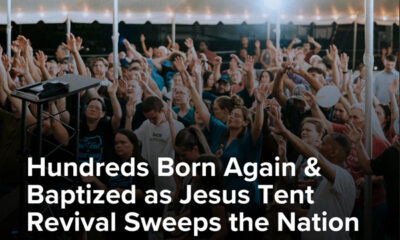
‘America Is Hungry’: Hundreds Born Again and Baptized as Jesus Tent Revival Sweeps the Nation
-

 us news4 months ago
Mike Winger deletes YouVersion app over ‘The Passion Translation’ controversy, urges others to ‘use caution’
-

 Movie11 months ago
CBN’s Superbook Launches New Free Bible App for Kids: ‘The Power of God Is Released’
-

 Movie8 months ago
Hollywood Actor Jen Lilley Launching New Ministry After ‘Vision’ From Holy Spirit
-

 Sports12 months ago
Jaguars Star Travis Hunter, Olympic Gold Medalist Noah Lyles Get Baptized: ‘Leaving My Old Self’
-

 us news12 months ago
നൈജീരിയൻ ക്രൈസ്തവരെ സംരക്ഷിക്കാൻ നടപടി ആവശ്യപ്പെട്ട് യുഎസ് കോണ്ഗ്രസ് പ്രതിനിധികള്