
Media
Israel to build 3,000 homes in West Bank


Israel will next week advance the construction of more than 3,000 settlement homes and some 1,300 Palestinian homes in the West Bank’s Area C, according to a weekly schedule published by the Civil Administration’s planning committee.
It would be the first time settlement units are approved during the Biden administration and the current Israeli government. The plan was originally set to go up for approval two months ago but was stalled by the Civil Administration, the Kan public broadcaster said.
The settlement homes will be in Revava, Kedumim, Elon Moreh, Karnei Shomron and communities in Gush Etzion and the Hebron Hills.
Area C makes up some 60 percent of the West Bank and is fully under Israeli security and administrative control. Israel rarely approves Palestinian construction in Area C, with the overwhelming majority of requests being denied. This has resulted in rampant illegal building, which is in turn often demolished by Israel.
Between 2016 and 2018, just 21 of the 1,485 Palestinian applications for construction permits in Area C were approved by the Defense Ministry, or 0.81%.
In 2019, the security cabinet approved — in principle — a record 700 building permits for Palestinians in what was widely seen as an attempt both to prevent the High Court of Justice from blocking further demolitions of Palestinian property on the grounds that it is impossible for Palestinians to build legally and to stave off international criticism against Israel for failing to allow Palestinian construction.
However, an investigation by The Times of Israel last year found that very few of those buildings permits had actually been issued.
Most of the international community considers settlement construction a violation of international law. The Trump administration in 2018 announced that it did not consider this to be the case, backing Israel, which rejects the position that the territories are occupied, saying they were captured from Jordan in a defensive war.
The expected approval of the construction comes a month after an Israeli government official told The Times of Israel that, despite the change of administration in Washington, Israel’s settlement building policies will remain largely unchanged.
The official said that Prime Minister Naftali Bennett’s new government will operate based on the understandings his predecessor Benjamin Netanyahu reached with Trump, whose administration allowed Israel to continue building in settlements across the West Bank, so long as the construction did not expand beyond communities’ “existing footprints.”
This agreement allowed settlement building to skyrocket during the Trump era, with approved projects beyond the Green Line more than doubling compared to former United States president Barack Obama’s second term.
“The [Trump-era] understanding may well be adapted, but, as of now, it is still the only game in town,” the official said. “[US] President [Joe] Biden only spoke generally about his opposition to settlement building, and his team has not gotten into specifics with us.”
The official said that Bennett is aware of the issue’s sensitivity and acted to delay the convening of the Civil Administration’s planning committee, in order for it not to coincide with his visit to Washington in August.
At the same time, Bennett was clear in his meeting with Biden that his government would continue to allow for existing settlements to develop, the official said, adding that the prime minister had promised not to annex any West Bank territory.
The remarks appeared to diverge from comments made by a defense official in the Benny Gantz-led Defense Ministry, who told The Times of Israel ahead of the Bennett-Biden meeting that Israel would seek to prioritize construction in the so-called blocs located closer to the Green Line, which Israel wishes to maintain in any future agreement with the Palestinians.
While they have yet to be approved, a list of projects on the agenda for the Civil Administration’s High Planning Subcommittee includes ones in the settlements of Har Bracha and Beit El, both of which are located deep in the West Bank.









There is something about Samuel’s story that feels especially relevant for the Church right now.
Scripture records that during that time, “the word of the LORD was rare in those days; there was no frequent vision” (1 Samuel 3:1).
When Samuel first came on the scene, the house of God was in trouble. Eli’s sons were abusing their priestly position, treating the offerings of the Lord with contempt, and engaging in blatant immorality. The structures of worship were still in place, but something far more important had been lost.
The fear of the Lord was missing.
Scripture tells us that during this same period, “the word of the Lord was rare.” Perhaps these two realities are more connected than we realize.
In a generation filled with information, opinions, messages, and voices claiming to know what God is saying, we are desperate for clarity. But perhaps the answer is not simply more information or even better discernment. Perhaps God is calling us back to the one place where everything else finds its proper order: His presence.
Samuel cherished what others took for granted
In the middle of the corruption surrounding Eli’s house, Samuel was learning to minister before the Lord. Scripture tells us that he was sleeping “in the temple of the Lord, where the ark of God was” (1 Samuel 3:3). The ark represented the place of God’s presence.
While others had become careless with holy things, Samuel was being formed by them. While Eli’s sons used their position for personal gain, Samuel was learning to wait before the Lord.
He cherished what others had taken for granted.
And it was there that God called his name. “Samuel! Samuel!”
His eventual response would characterize his entire life: “Speak, Lord, for your servant hears” (1 Samuel 3:9).
Something shifted.
Where the Word of the Lord had been rare, God began speaking again. Eventually Scripture records: “And the Lord appeared again at Shiloh, for the Lord revealed himself to Samuel at Shiloh by the word of the Lord” (1 Samuel 3:21).
Then the Lord appeared again.
Samuel changed the storyline, not because he was chasing revelation, but because he was pursuing God. In an atmosphere polluted by compromise, he revered something higher and far more powerful than the allure of sin. He treasured the presence of the Lord.
And from that hidden place, the fear of the Lord began to return.
The fear of the Lord is formed in His presence
This pattern continues throughout Scripture.
Isaiah did not begin with a message. He began with an encounter: “I saw the Lord sitting upon a throne, high and lifted up” (Isaiah 6:1).
Standing before the holiness of God changed Isaiah’s perspective of everything — including himself. “Woe is me!” was his immediate response. Before he received a commission, he experienced conviction and cleansing. Only then did he hear, “Whom shall I send?”
Jeremiah reveals the same priority when God confronts the false prophets: “For who among them has stood in the council of the Lord to see and to hear his word?” (Jeremiah 23:18).
And then: “But if they had stood in My council, then they would have proclaimed My words to My people, and they would have turned them from their evil way” (Jeremiah 23:22).
God’s indictment was not simply that these prophets had spoken incorrectly.
They had not stood in His council. They were speaking without first standing before Him.
This principle applies far beyond prophetic ministry. If we want to hear God clearly, discern His purposes, understand His Word, and represent Him faithfully, we must learn to stand in His presence. The fear of the Lord cannot be manufactured through religious activity. It comes when we actually encounter the holiness, majesty, goodness, and authority of God. When we see Him rightly, everything else is brought into perspective.
We need more than the removal of Eli’s sons
There has been necessary exposure and cleansing taking place in the Body of Christ. But removing the “sons of Eli” is only part of the answer.
God must raise up the Samuels.
The Church needs men and women who love His presence more than platforms, His approval more than recognition, and His voice more than the opinions of the crowd. Not simply prophets.
Believers. People who have learned to tend the altar when no one is watching. People who enter the secret place not merely to get an answer, receive a revelation, or obtain direction, but because they want to know God Himself.
From the beginning, God’s desire has been to dwell among His people: “And let them make Me a sanctuary, that I may dwell in their midst” (Exodus 25:8).
His presence was always the priority. And when Israel wandered from Him, God sent prophets not merely to provide supernatural information, but to call His people back to Himself.
That was Samuel’s message: “If you are returning to the Lord with all your heart … direct your heart to the Lord and serve Him only” (1 Samuel 7:3).
The man who had learned to dwell in God’s presence was now calling an entire nation back to Him. That is what the fear of the Lord does. It turns our attention away from ourselves, our idols, our ambitions, and our distractions and puts God back in His rightful place.
The weight of His presence
Centuries after Samuel’s death, God still remembered him alongside Moses as one who could “stand before” Him on behalf of the people (Jeremiah 15:1).
That says something significant about Samuel’s legacy. Yes, Samuel heard God accurately. Scripture tells us the Lord “let none of his words fall to the ground” (1 Samuel 3:19). But Samuel was remembered for more than accurate words.
He had learned to stand before God
His authority was not merely in what he said. There was a weight on his life that had been formed in the presence of the Lord. This may be one of the greatest needs of the Church in this hour.
We have many words. We have endless information. We have gifted communicators, influential platforms, and immediate access to countless sermons, teachings, predictions, and opinions.
But where is the weight? Where is that unmistakable evidence of someone who has been with God?
There is purity, sobriety, and a holy restraint that comes from His presence. There is a fear of the Lord that cannot be manufactured through charisma, gifting, education, or eloquence. It is formed when someone has spent enough time before God to remember who He is — and who we are not.
This should certainly mark those who claim to speak prophetically. But it should also mark pastors, teachers, parents, business leaders, public officials, and every follower of Jesus. Before we concern ourselves with speaking for God, we must learn to stand before Him.
A call back to the altar
If the fear of the Lord is going to return to the Church — and ultimately impact our nation — it must begin with a people who return to His presence. This will not happen primarily through another conference, strategy, platform, or public campaign. It begins in hidden places where believers shut out the noise and turn their attention toward God.
May God raise up a generation with the heart of Samuel — those who cherish the secret place, tremble at His Word, honor His holiness, and wait before Him long enough to know His heart.
Perhaps then a watching world will encounter something it desperately needs: A people who have truly been with God.
Sources:Christianpost

ടെക്സസ്:അമേരിക്കന് ക്രൈസ്തവ ടെലിവിഷന് രംഗത്തെ ശ്രദ്ധേയ വ്യക്തിത്വവും ‘ഡേസ്റ്റാര്’ -ന്റെ സഹസ്ഥാപകയുമായ ജോണി ലാംബ് അന്തരിച്ചു. 65 വയസ്സായിരുന്നു. ആരോഗ്യ പ്രശ്നങ്ങളെയും പിന്നിലെ പരിക്കിനെത്തുടര്ന്നുണ്ടായ സങ്കീര്ണ്ണതകളെയും തുടര്ന്നായിരുന്നു മരണമെന്ന് റിപ്പോര്ട്ടുകള് വ്യക്തമാക്കുന്നു.
1980-കളില് ഭര്ത്താവായ മാര്ക്കസ് ലാംബിനൊപ്പം ചെറിയ ക്രൈസ്തവ ടെലിവിഷന് ശുശ്രൂഷയായി ആരംഭിച്ച പ്രവര്ത്തനം പിന്നീട് ലോകത്തിലെ ഏറ്റവും വലിയ ക്രൈസ്തവ ടെലിവിഷന് ശൃംഖലകളിലൊന്നായ ഡേസ്റ്റാര് ടെലിവിഷന് ആയി വളര്ന്നു. ലോകമെമ്പാടുമുള്ള കോടിക്കണക്കിന് പ്രേക്ഷകരിലേക്ക് സുവിശേഷ സന്ദേശം എത്തിക്കുന്നതില് ജോണി ലാംബ് നിര്ണായക പങ്കുവഹിച്ചു. ‘Joni Table Talk’, ‘Ministry Now!’ തുടങ്ങിയ ടെലിവിഷന് പരിപാടികളിലൂടെ അവര് ക്രൈസ്തവ കുടുംബങ്ങളില് സുപരിചിതയായി മാറി. വിശ്വാസം, കുടുംബജീവിതം, ആത്മീയത, സാമൂഹിക വിഷയങ്ങള് തുടങ്ങിയവ ചര്ച്ച ചെയ്തിരുന്ന അവരുടെ അവതരണശൈലി നിരവധി പ്രേക്ഷകരെ സ്വാധീനിച്ചിരുന്നു. 2004-ല് അവരുടെ ടോക്ക് ഷോ മികച്ച മതപരമായ ടെലിവിഷന് പരിപാടിക്കുള്ള അംഗീകാരവും നേടിയിരുന്നു.
1960 ജൂലൈ 19-ന് അമേരിക്കയിലെ സൗത്ത് കരോലിനയിലെ ഗ്രീന്വില്ലില് ജനിച്ച ജോണി ട്രമ്മെല് പിന്നീട് മാര്ക്കസ് ലാംബിനെ വിവാഹം ചെയ്തു. വിവാഹശേഷം ഇരുവരും ചേര്ന്ന് സുവിശേഷ പ്രവര്ത്തനങ്ങളിലും ടെലിവിഷന് ശുശ്രൂഷയിലും സജീവമായി. 1990-കളില് ടെക്സസിലേക്ക് പ്രവര്ത്തനം വ്യാപിപ്പിച്ച ഇവര് പിന്നീട് ഡേ സ്റ്റാര് സ്ഥാപിച്ചു. 2021-ല് കോവിഡ് ബാധയെ തുടര്ന്ന് മാര്ക്കസ് ലാംബ് അന്തരിച്ചതിനു ശേഷം ഡേ സ്റ്റാര്ന്റെ പ്രവര്ത്തനങ്ങള് ജോണി ലാംബ് നേതൃത്വം നല്കി മുന്നോട്ട് കൊണ്ടുപോയിരുന്നു. പിന്നീട് 2023-ല് ഡഗ് വൈസ് എന്ന ക്രൈസ്തവ കൗണ്സിലറുമായി അവര് വിവാഹിതയായി. ജോണി ലാംബിന്റെ നിര്യാണത്തില് അമേരിക്കയിലെയും ലോകമെമ്പാടുമുള്ള നിരവധി ക്രൈസ്തവ നേതാക്കളും ശുശ്രൂഷകരും അനുശോചനം രേഖപ്പെടുത്തി. ക്രൈസ്തവ മാധ്യമരംഗത്ത് അവര് നല്കിയ സംഭാവനകള് എന്നും ഓര്മ്മിക്കപ്പെടുമെന്ന് അനുശോചന സന്ദേശങ്ങളില് പറയുന്നു.
Sources:nerkazhcha
Daystar Television Network president and founder Joni Lamb has died, the ministry announced Thursday, saying a recent back injury worsened ongoing health challenges.
Lamb, 65, co‑founded Daystar in 1993 with her late husband, Marcus, and helped grow it into one of the world’s largest Christian TV networks. She spent nearly 40 years on‑air and in leadership, shaping the network’s ministry and global reach.
The network is based in Bedford, a North Texas suburb between Dallas and Fort Worth.
Board praises Lamb’s faith and legacy
The Daystar Board of Directors praised her faith, leadership and legacy in a statement.
“Joni’s love for the Lord and for the people we serve shaped this ministry from the beginning,” the Daystar board said. “We grieve her loss, and we are grateful for the legacy of faith she leaves behind.”
Her family is requesting prayers and privacy.
Health challenges detailed by ministry
Daystar said Lamb had been dealing with serious private health challenges before a recent back injury “compounded those challenges and led to a more serious medical situation than anyone had anticipated.”
The ministry said her condition worsened in recent days despite medical care and “the prayers of so many around the world.”
Memorial plans and leadership continuity
Memorial details will be announced later, according to Daystar.
Meanwhile, Daystar says its mission continues, with an executive leadership plan already in place.
“Previously, (Joni Lamb) worked with the board to ensure an executive leadership team was in place so that the ministry would continue uninterrupted,” the release said.
Programming to continue with tributes
Programming will continue as scheduled, with on‑air tributes planned.
http://theendtimeradio.com
Media
സോഷ്യൽ മീഡിയ പ്ലാറ്റ്ഫോമുകൾക്ക് മൂക്കുകയറിടാൻ കേന്ദ്രം; പുതിയ മാർഗ്ഗനിർദ്ദേശങ്ങൾ പുറത്തിറക്കി

ന്യൂഡൽഹി: വ്യാജവാർത്തകളും വിദ്വേഷ പ്രസംഗങ്ങളും തടയുന്നതിന്റെ ഭാഗമായി സോഷ്യൽ മീഡിയ പ്ലാറ്റ്ഫോമുകൾക്ക് കർശന നിയന്ത്രണങ്ങളുമായി കേന്ദ്ര ഇലക്ട്രോണിക്സ് ആൻഡ് ഇൻഫർമേഷൻ ടെക്നോളജി മന്ത്രാലയം. നിയമവിരുദ്ധമെന്ന് സർക്കാർ സംവിധാനങ്ങൾ പറയുന്ന ഉള്ളടക്കം നീക്കം ചെയ്യാനുള്ള സമയപരിധി വെട്ടിക്കുറച്ചും എഐ നിർമ്മിത ഉള്ളടക്കത്തിനടക്കം കർശന നിയന്ത്രണം ഏർപ്പെടുത്തിയും 2021ലെ ഐടി നിയമം ഭേദഗതി ചെയ്ത് ഉത്തരവിറക്കി.
പുതിയ ഐടി നിയമങ്ങൾ പ്രകാരം, ഉപഭോക്താക്കൾ പങ്കുവെക്കുന്ന ഉള്ളടക്കത്തിന്റെ (Content) ഉത്തരവാദിത്തം പ്ലാറ്റ്ഫോമുകൾക്ക് കൂടി ഉണ്ടായിരിക്കുമെന്നാണ് മന്ത്രാലയം വ്യക്തമാക്കുന്നത്.
ഓരോ സോഷ്യൽ മീഡിയ കമ്പനിയും ഇന്ത്യയിൽ പരാതി പരിഹാര ഓഫീസർമാരെ നിയമിക്കണം. ഉപഭോക്താക്കൾ നൽകുന്ന പരാതികളിൽ നിശ്ചിത സമയത്തിനകം നടപടി സ്വീകരിക്കണം.
രാജ്യത്തിന്റെ സുരക്ഷയെയും സമാധാനത്തെയും ബാധിക്കുന്ന തരത്തിലുള്ള വ്യാജവാർത്തകളോ സന്ദേശങ്ങളോ ശ്രദ്ധയിൽപ്പെട്ടാൽ 24 മുതൽ 36 മണിക്കൂറിനുള്ളിൽ അവ നീക്കം ചെയ്യണം.
ഒരു വിവാദ സന്ദേശം ആദ്യം ആരാണ് അയച്ചതെന്ന വിവരം ആവശ്യപ്പെട്ടാൽ അത് സർക്കാരിന് കൈമാറാൻ കമ്പനികൾ ബാധ്യസ്ഥരാണ്.
സ്ത്രീകളുടെ അന്തസ്സിനെ ബാധിക്കുന്ന തരത്തിലുള്ള അശ്ലീല ദൃശ്യങ്ങളോ ഫോട്ടോകളോ റിപ്പോർട്ട് ചെയ്താൽ 24 മണിക്കൂറിനുള്ളിൽ അത് നീക്കം ചെയ്യേണ്ടതുണ്ട്.
സർക്കാരിന്റെ ഈ നീക്കം അഭിപ്രായ സ്വാതന്ത്ര്യത്തിന്മേലുള്ള കടന്നുകയറ്റമാണെന്ന് വിവിധ കോണുകളിൽ നിന്ന് വിമർശനം ഉയരുന്നുണ്ടെങ്കിലും, ഡിജിറ്റൽ ലോകത്തെ സുരക്ഷിതമാക്കാൻ ഇത്തരം നിയന്ത്രണങ്ങൾ അത്യാവശ്യമാണെന്ന നിലപാടിലാണ് കേന്ദ്ര സർക്കാർ.
Sources:nerkazhcha
India’s newly notified regulatory framework for social media companies is a mixed bag for them: on one hand the IT Ministry has diluted an earlier proposed requirement to display labels on content generated through AI, but on the other, they have been handed down significantly stricter timelines to takedown problematic content — from an earlier 36 hours to three hours now.
On Tuesday, the IT Ministry notified amendments to the Information Technology (Intermediary Guidelines and Digital Media Ethics Code) Rules, 2021. Under the fresh amendments, the government has removed an earlier proposal (from last October) to apply a label to content generated through AI tools to cover at least 10% of the space, but under the notified rules, that has been changed to place “prominently” visible labels.
The specific 10% requirement has been done away with. The changes will come into effect on February 20, the final day of the upcoming India-AI Impact Summit. A senior government official said that the change was made as tech companies, during consultations, flagged that the 10% label requirement would take away space from the actual piece of content, making it unappealing for viewers. However, the proposal had also courted pushback from tech companies.
The pitfalls of AI generated content were on full display earlier this year when Grok, the AI service of X (formerly Twitter) started creating, prompted by user requests, pictures of women in revealing clothing, casting a shadow on their dignity and privacy. The episode drew global criticism from governments, including India. Following the furore which led to Grok being banned in some countries, X modified its filters to prevent the creation of such images.
The requirement to takedown content quicker does not just apply to AI generated content but a wide range of content that the law deems unlawful. Platforms must now remove non-consensual intimate imagery within two hours, as opposed to 24 hours earlier, and other forms of unlawful content within three hours, from an earlier requirement to act on it within 36 hours.
This change is expected to receive wide pushback from big tech firms. They may raise concerns around heavy compliance burden, because if they fail to act on flat content within the new prescribed timelines, it might result in a loss of safe harbour — a critical immunity that protects them from legal actions for hosting user generated content.
The government official said that timelines have been compressed as they received feedback from several stakeholders that the timelines prescribed earlier were too long and did not prevent a content’s virality. “Tech companies have an obligation now to remove unlawful content much more quickly than before. They certainly have the technical means to do so,” the official said.
“The amendments compress takedown timelines from 36 hours to just three hours, and this applies across all categories of content, not only synthetic or AI-generated material. In reality, there is often no clear or immediate test for illegality, and even law-enforcement communications do not always spell this out unambiguously. Requiring platforms to take definitive action within such a short window will be extremely difficult to operationalise and creates a real risk of over-censorship,” said Rahil Chatterjee, Principal Associate at the Delhi-based Ikigai Law.
As per the new rules, the definition of synthetically generated information now has carveouts for assistive and quality-enhancing uses of AI. Routine and good faith editing of audio, video or audio-visual content is excluded from the definition of SGI.
When an intermediary becomes aware that its service has been used for creating, disseminating or hosting SGI, it must take “appropriate” and “expeditious” action, including measures like immediate disabling of access or removal of such information, suspension or termination of user accounts, etc. In cases where an intermediary allows for creation, modification or sharing of SGI, it must employ “reasonable” and “appropriate” technical measures to not allow SGI that violates currently applicable laws or leads to misrepresentation of a real-world event or a person’s identity.
Big tech companies must also ensure that they require users to declare when information is SGI, deploy appropriate technical measures to verify the accuracy of such information and once verified, ensure that the same is clearly and prominently displayed with an appropriate label or notice.
http://theendtimeradio.com

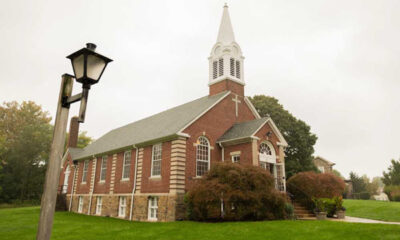

ഫിലാഡൽഫിയ ഐ.പി.സി ഹെബ്രോൻ സമർപ്പണ-ആരാധനാ ശുശ്രൂഷ ഒക്ടോബർ 18 ന്
ഫിലഡൽഫിയ : പെൻസിൽവാനിയലിലുള്ള ഫിലാഡൽഫിയ ഐ.പി.സി ഹെബ്രോൻ സഭയുടെ പുതിയ കെട്ടിടത്തിന്റെ സമർപ്പണ-ആരാധനാ ശുശ്രൂഷ ഒക്ടോബർ 18 ഞായറാഴ്ച രാവിലെ 9:30-ന് നടത്തപ്പെടും. വിശാലമായ ആരാധനാ ഹാൾ,...


നോർത്ത് അമേരിക്കൻ മലയാളി ക്രിസ്ത്യൻ സിംഗിൾസ് സംഗമം ‘ഫാൾ ഇൻ മലയാലവ്’ ഒക്ടോബർ 17-ന് ഹൂസ്റ്റണിൽ : മാർട്ടിൻ വിലങ്ങോലിൽ
ഹൂസ്റ്റൺ : നോർത്ത് അമേരിക്കയിലെ മലയാളി ക്രിസ്ത്യൻ യുവാക്കൾക്കായി ‘ഫാൾ ഇൻ മലയാലവ്’ (Fall in MalayaLove – FIM) സംഘടിപ്പിക്കുന്ന നാലാമത് വാർഷിക സിംഗിൾസ് സ്പീഡ്...


മെൽബണിൽ രെഹോലൈഫ് ചർച്ചിന്റെ ‘എഫ്ഫത്താ’ മീറ്റിംഗ് ഒക്ടോബർ 17ന്
മെൽബൺ: രെഹോലൈഫ് ചർച്ചിന്റെ ആഭിമുഖ്യത്തിൽ ‘എഫ്ഫത്താ’ എന്ന പേരിൽ പ്രത്യേക ശുശ്രൂഷ ഒക്ടോബർ 17ന് മെൽബണിലെ പാക്കൻഹാമിൽ നടക്കും. ‘വചനം, സൗഖ്യം, വിടുതൽ, മുന്നേറ്റം’ എന്ന ആശയത്തെ...


A ‘Convinced Atheist’ Finds Jesus on the Sea of Galilee
A rising star in Swedish media, Ingrid Carlqvist worked as an investigative reporter and editor at some of the country’s...
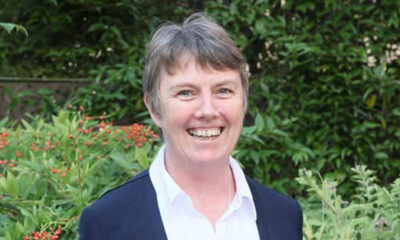

സുവിശേഷവത്കരണത്തിനായുള്ള ഡിക്കാസ്റ്ററിയുടെ അനുബന്ധ സെക്രട്ടറിയായി സി. ബാരോൺ
സുവിശേഷവത്കരണത്തിനായുള്ള ഡിക്കാസ്റ്ററിയിലെ സുവിശേഷവത്കരണത്തിനും പുതിയ പ്രാദേശിക സഭകൾക്കും വേണ്ടിയുള്ള വിഭാഗത്തിന്റെ അനുബന്ധ സെക്രട്ടറിയായി സി. മേരി തെരേസ ബാരോണിനെ ലെയോ പതിനാലാമൻ മാർപാപ്പ നിയമിച്ചു. പൊന്തിഫിക്കൽ മിഷൻ...


Faith Christian Church to Celebrate 50th Anniversary on October 10
New York – Faith Christian Church, formerly known as Bronx Full Gospel Assembly, will celebrate its Golden Jubilee – 50th...
-

 Movie12 months ago
Brandon Lake sweeps 2025 Dove Awards, brings down the house alongside Jelly Roll with ‘Hard Fought Hallelujah’
-

 us news5 months ago
‘America Is Hungry’: Hundreds Born Again and Baptized as Jesus Tent Revival Sweeps the Nation
-

 us news4 months ago
Mike Winger deletes YouVersion app over ‘The Passion Translation’ controversy, urges others to ‘use caution’
-

 Movie11 months ago
CBN’s Superbook Launches New Free Bible App for Kids: ‘The Power of God Is Released’
-

 Movie8 months ago
Hollywood Actor Jen Lilley Launching New Ministry After ‘Vision’ From Holy Spirit
-

 Sports12 months ago
Jaguars Star Travis Hunter, Olympic Gold Medalist Noah Lyles Get Baptized: ‘Leaving My Old Self’
-
 Movie12 months ago
Roles Jaakko Ohtonen Played Before Taking on Jesus in Mel Gibson’s ‘The Resurrection of the Christ’
-

 world news12 months ago
20 Living Israeli Hostages Reunite with Loved ones; President Trump in Israel: ‘The War is Over’