
world news
Jerusalem: Mount of Olives park plan stopped after Christian opposition

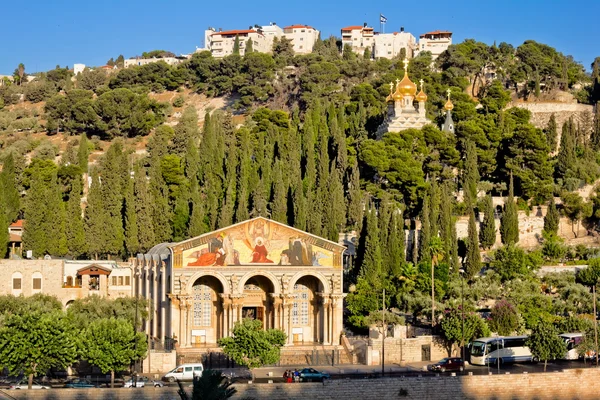
Israel’s Nature and Parks Authority on Monday said it had “no intention of advancing” a contentious plan to encompass Christian holy sites on Jerusalem’s Mount of Olives in a national park following opposition from churches.
The Mount of Olives in East Jerusalem rises above Jerusalem’s Old City and its sites are holy to three monotheistic faiths.
Its slopes to the east of the Old City are studded with churches of Christian denominations that mark the traditional places of events in the life of Jesus.
The Armenian, Catholic and Greek Orthodox churches petitioned Israel’s environmental protection minister, whose department is in charge of the parks authority, in a letter last week.
The churches expressed the “gravest concern and unequivocal objection” to the plan to extend the Jerusalem Walls National Park, saying it would disrupt the long-standing state of affairs and aims to “confiscate and nationalise one of the holiest sites for Christianity and alter its nature”.
Farid Jubran, general counsel of the Catholic Church’s Custody of the Holy Land, said that making church property part of a national park was “putting the control in the hands of people who have no other agenda but to wipe off any non-Jewish characteristic on this mountain”.
Shortly after the churches’ outcry, the Nature and Parks Authority said it was freezing the plan, which was to be approved on March 2 by Jerusalem’s planning committee.
The authority said it has “no intention of advancing the plan in the planning committee and it is not ready for discussion without co-ordination and communication with all relevant officials, including the churches, in the area”.
Israeli rights groups and peace campaigners denounced the plan as an attempt to marginalise Palestinian residents and increase the Jewish religious and national significance of the Mount of Olives.
In a joint statement, rights groups Bimkom, Emek Shaveh, Ir Amim and Peace Now said the plan was part of “various mechanisms used by Israel in East Jerusalem to entrench its sovereignty, to marginalise non-Jewish presence and to prevent much needed development of Palestinian neighbourhoods”.
Israel captured East Jerusalem and its Jewish, Christian and Muslim holy sites in 1967 and annexed it in a move that is not recognised by most of the international community.
The holy city is the emotional epicentre of the more than century-long Israeli-Palestinian conflict, and even minor changes to the fragile status quo in Jerusalem has the potential to erupt into violence.
The Palestinians seek East Jerusalem as capital of a future independent state, while Israel considers the city its united capital.





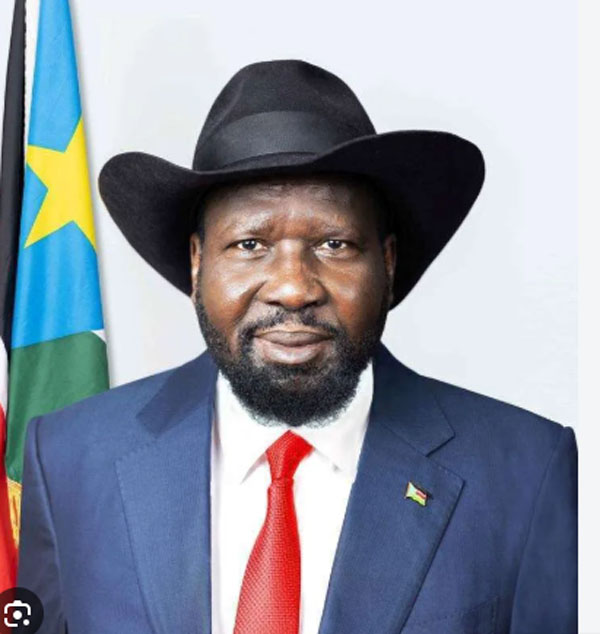
South Sudan — After being born out of decades of war, South Sudan is a nation still fighting for peace and stability.
For millions of people in the world’s youngest nation, faith is more than a Sunday ritual. In a struggling country, it is a source of hope.
For President Salva Kiir, faith is deeply personal.
As a regular at Sunday Mass, Kiir sits through services that last more than three hours.
On a recent Sunday afternoon in Juba, CBN News had an extraordinary opportunity to meet the president at his private residence.
Kiir sent a presidential police motorcade to escort CBN News through the streets of Juba.
Riding along the convoy offered a glimpse of a capital still finding its way nearly fifteen years after independence.
At his home, Kiir sat down with CBN News to talk about God, the fight for independence and the enormous responsibility of leading a country still struggling to find its footing.
Asked why he loves going to church, Kiir told us, “Because I’m a Christian and there is nothing I can do on Sunday besides going to church and pray.”
To understand this president, you must understand the country he fought to create.
For decades, the people of what is now South Sudan endured a brutal conflict with the government in Khartoum. At the heart of that struggle were deep political, cultural and religious divisions.
“We tried to convince our brothers in the north by talking but they could not understand us. So we took arms and went to the bush to fight them,” Kiir said.
As a predominantly Muslim country, Sudan pursued policies that many in the south saw as an attempt to force them to abandon their Christian faith and submit to strict Islamic law.
“We did not want to separate, but they got stuck on religion, the Islamic religion, that all of us must be Muslims and that the country to be ruled by Sharia law,” Kiir insisted.
Those in the south feared their identity, religious freedom, and way of life were under threat.
“We wanted just equality,” Kiir said.
After decades of war and enormous sacrifice, South Sudan finally won its independence in 2011.
While that moment brought extraordinary hope and optimism, the hard work of building a nation was only beginning. And independence did not bring an end to the country’s suffering.
While faith and the church continue to play a very pivotal role in the lives of millions of South Sudanese, the country faces profound challenges.
Years of conflict have left deep scars.
And despite signs of economic activity, South Sudan continues to face enormous humanitarian challenges.
Conflict, displacement, and hunger have left many depending on assistance.
In October, dozens of people died in a wave of revenge attacks involving different ethnic groups, a problem plaguing the country for years.
Clashes over territory and resources also continue to fuel instability.
Kiir is calling for an end to the violence.
“Let us stop the revenge killing; let us stop anything to do with fighting among South Sudanese,” he told CBN News.
For Kiir’s eldest daughter, Adut Salva Kiir, her father’s faith has also been a part of her life for as long as she can remember.
“One of the first things he taught us is that when we travel we have to find cathedral and pray,” she said.
She grew up watching him pray. Long before she understood the demands of leading a nation, she saw her father turn to God for guidance.
“After we grew up we understood that part of our liberation struggle was rooted as well in Christianity,” she said.
Today, Adut serves as Senior Presidential Envoy for Special Programs. She says the church’s role in South Sudan goes far beyond worship.
Across communities affected by conflict, famine and economic hardship, churches have often provided assistance and a sense of community.
“One of the things that the church provides for us is not just refuge, but it gives them dignity,” Adut said.
For young people in South Sudan, the hope for peace extends beyond simply ending conflict.
“Peace should not be just for one day only. Peace should be in our class, in our society, and in our country every day,” said Bikoyesu Samuel Justin, a student.
But the challenges go far beyond what faith and the church alone can solve.
South Sudan is preparing for presidential elections in December, which would be the first since independence in 2011.
Kiir is urging people to vote and take part in shaping their country’s future. And he believes moving forward means letting go of grievances that have kept people divided.
“Let us abandon all the grievances, something wrong that has been done to you, let it go,” Kiir said.
Asked, “Forgive them?” Kiir responded:
“Forgive them.”
After decades of war and years of struggle since independence, the stakes are enormous.
For millions of South Sudanese, the hope is that the country they fought so hard to create can finally deliver what they have waited so long for: peace, stability and a better future for their children.
Sources:CBN News
മസ്കറ്റ് : പെന്തക്കോസ്തൽ അസംബ്ലി മസ്കറ്റ് (OPA) സഭയുടെ 26- മാതു നാഷണൽ കോൺഫറൻസ് നവംബർ 26 ന് മസ്കറ്റിലെ ഗാല ചർച്ച് കോംപൗണ്ടിലുള്ള ബോഷ് ഹാളിൽ വച്ചു നടക്കും. സഭാംഗങ്ങളുടെ ഏറ്റവും വലിയ ആത്മിക സംഗമമാണ് ഈ കോൺഫറൻസ്. സഭാ പ്രസിഡന്റ് പാസ്റ്റർ രാജൻ ജോർജ് ഉത്ഘാടനം നിർവഹിക്കുന്ന കോൺഫറൻസിൽ പാസ്റ്റർ റെജി മാത്യു മുഖ്യ അതിഥി ആയിരിക്കും. കുട്ടികൾ, യുവജനങ്ങൾ, മുതിർന്നവർ, പാസ്റ്റേഴ്സ് എന്നിവർക്കായി വിവിധ സെക്ഷനുകൾ ക്രമീകരിച്ചിട്ടുണ്ട്. സഭാ കൗൺസിൽ സെക്രട്ടറി ബ്രദർ പി എസ് അലക്സാണ്ടറിന്റെ നേതൃത്വത്തിൽ കോൺഫറൻസിനായി വിപുലമായ ക്രമീകരണങ്ങൾ ചെയ്തു വരുന്നു.
Sources: sdwaninews
world news
വെസ്റ്റ് ബാങ്കിലെ അവസാന ക്രിസ്ത്യൻ ഗ്രാമത്തിന് പുതുജീവൻ; 1,500 വർഷം പഴക്കമുള്ള ദേവാലയത്തില് പുനരുദ്ധാരണം
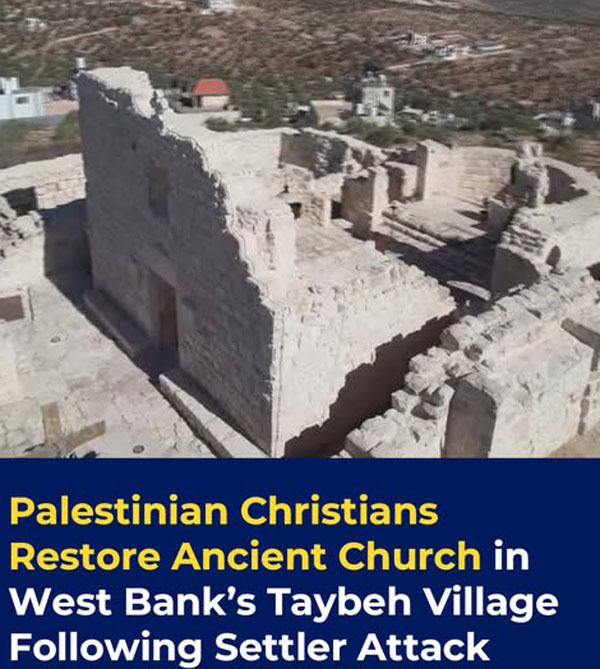
വെസ്റ്റ് ബാങ്ക്: വെസ്റ്റ് ബാങ്കിൽ അവശേഷിക്കുന്ന അവസാനത്തെ ക്രിസ്ത്യൻ ഗ്രാമമായ തയ്ബെയിലെ 1,500 വർഷം പഴക്കമുള്ള ചരിത്രപ്രസിദ്ധമായ സെന്റ് ജോർജ്ജ് പള്ളിയില് പുനരുദ്ധാരണ പ്രവര്ത്തികള് പുരോഗമിക്കുന്നു. അഞ്ചാം നൂറ്റാണ്ടില് സ്ഥാപിക്കപ്പെട്ട സെന്റ് ജോർജ്ജ് ദേവാലയത്തിനു നേരെയാണ് ഇസ്രായേലി കുടിയേറ്റക്കാര് ആക്രമണം നടത്തിയത്. മേഖലയില് നടത്തിയ ആക്രമണത്തില് നൂറ്റാണ്ടുകള് പഴക്കമുള്ള ദേവാലയത്തിനും അതിനടുത്തുള്ള ക്രിസ്ത്യൻ സെമിത്തേരിക്കും കേടുപാടുകളും സംഭവിച്ചിരിന്നു.
നിലവില് നടക്കുന്ന പുനരുദ്ധാരണ പദ്ധതിയുടെ ആദ്യഘട്ടത്തിന് ഇറ്റലിയാണ് സാമ്പത്തിക സഹായം നൽകിയിരിക്കുന്നത്. തുടർന്നുള്ള ഘട്ടങ്ങളിൽ ജെറുസലേമിലെ യു.എസ്. എംബസിയുടെ പിന്തുണയും പ്രതീക്ഷിക്കുന്നുണ്ട്. സമീപകാലത്തുണ്ടായ ആക്രമണങ്ങൾ ഗ്രാമത്തെ അന്താരാഷ്ട്ര ശ്രദ്ധയിലേക്ക് കൊണ്ടുവന്നിരുന്നെങ്കിലും, പുനരുദ്ധാരണത്തിലൂടെ തയ്ബെയുടെ പുണ്യസ്ഥലങ്ങളെയും പൈതൃകത്തെയും മുൻനിർത്തി ആഗോള ടൂറിസം ഭൂപടത്തിൽ ഇടംപിടിക്കാനാണ് ലക്ഷ്യമിടുന്നതെന്ന് തയ്ബെ ഇടവക വികാരിയായ ഫാ. ബഷാർ ഫവാദ്ലെ പറഞ്ഞു.
കുരിശുമരണത്തിന് മുൻപ് യേശുക്രിസ്തു ഈ പ്രദേശത്ത് താമസിച്ചിരുന്നുവെന്ന ചരിത്രപരമായ പ്രാധാന്യവും സ്ഥലത്തിനുണ്ട്. പള്ളിയുടെ പുരാതനമായ കൽഭിത്തികളും മൊസൈക്കുകളും ശ്രദ്ധാപൂർവ്വം സംരക്ഷിക്കുന്നതിനൊപ്പം പ്രാദേശിക യുവാക്കൾക്ക് പൈതൃക സംരക്ഷണത്തിൽ പരിശീലനം നൽകാനും ഈ പദ്ധതിയിലൂടെ ലക്ഷ്യമിടുന്നു. പുനരുദ്ധാരണത്തിന് മുൻപും ശേഷവും കൃത്യമായ വിവരങ്ങള് ശേഖരിക്കുന്നുണ്ടെന്ന് പുരാവസ്തു സംരക്ഷണ വിദഗ്ധനായ റാഇദ് ഖലീൽ വ്യക്തമാക്കി.
പള്ളിയുടെ തനിമ നിലനിർത്തിക്കൊണ്ടുതന്നെ തീർത്ഥാടകർക്കും സന്ദർശകർക്കും ഇവിടേക്ക് എളുപ്പത്തിൽ എത്തിച്ചേരാനുള്ള സൗകര്യങ്ങളും ഒരുക്കുന്നുണ്ട്. പൂർണ്ണമായും ക്രൈസ്തവര് മാത്രം വസിക്കുന്ന ഒരേയൊരു പലസ്തീൻ ഗ്രാമമായാണ് തയ്ബെയെ വിശേഷിപ്പിക്കാറുള്ളത്. കത്തോലിക്ക, ഗ്രീക്ക് ഓർത്തഡോക്സ്, മെൽക്കൈറ്റ് ക്രൈസ്തവരാണ് മേഖലയില് അധിവസിക്കുന്നത്.
കടപ്പാട് :പ്രവാചക ശബ്ദം
Restoring Faith and Heritage in the West Bank!
Palestinian Christians are restoring the 1,500-year-old St. George Church in Taybeh, the West Bank’s last entirely Christian village, following a 2025 attack on the surrounding area blamed on Israeli settlers.
The restoration aims to preserve the church’s ancient walls and mosaics while welcoming future pilgrims. Italy funded the initial phase, with US support expected for a later stage.
A symbol of faith, resilience, and Christian heritage in the Holy Land.
http://theendtimeradio.com


‘People Are Burning Churches, Priests Are Being Murdered’: France Plagued by Anti-Christian Violence
PARIS – In France, political protesters took to the streets for the fifth weekend in a row. This country, which...


‘Completely Unscorched!’: Kathy Ireland Praises God After Husband’s Miracle Survival, Reveals Bible Survived Fire
Former supermodel and businesswoman Kathy Ireland is praising God for her husband Greg’s survival after the engine of his commercial...

‘God Is Good’: 11-Month-Old Baby Found in Miraculous Rescue After Being Buried Alive
For nearly 24 hours, an 11-month-old baby lay buried beneath the dirt in the South Carolina woods. Alone, helpless and...

നേതൃത്വ ശാക്തീകരണത്തിന്റെ ആഹ്വാനവുമായി പാസ്റ്റേഴ്സ് ആൻഡ് ലീഡേഴ്സ് ഫാമിലി സെമിനാർ സമാപിച്ചു
ഡാളസ് : ഡാളസ് സിറ്റിവൈഡ് ഫെല്ലോഷിപ്പിന്റെ (DCF) 2026-ലെ വാർഷിക പാസ്റ്റേഴ്സ് ആൻഡ് ലീഡേഴ്സ് ഫാമിലി സെമിനാർ നവംബർ 14 ശനിയാഴ്ച ഗ്രേസ് ക്രിസ്ത്യൻ അസംബ്ലിയിൽ നടന്നു....
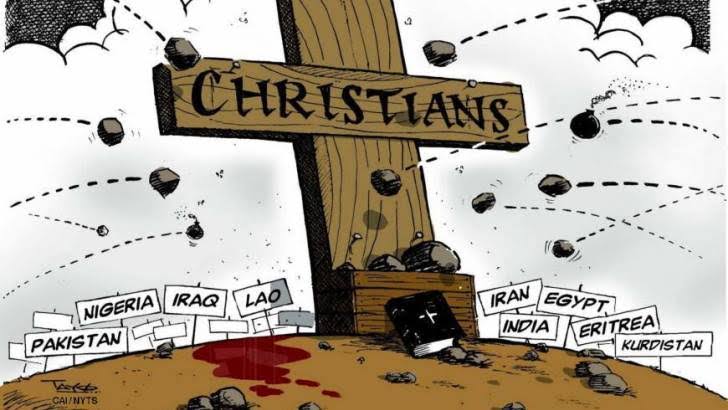
യൂറോപ്പിൽ ക്രൈസ്തവർക്കു നേരെയുള്ള ആക്രമണങ്ങളിൽ 44 ശതമാനം വർധനവ്
വിയന്ന: മുന് വര്ഷങ്ങള്ക്ക് സമാനമായി യൂറോപ്യന് ഭൂഖണ്ഡത്തില് ക്രൈസ്തവര്ക്ക് നേരെ ആക്രമണങ്ങളില് വലിയ വര്ദ്ധനവ് ഉണ്ടായതായി പുതിയ റിപ്പോര്ട്ട്. വിയന്ന ആസ്ഥാനമായുള്ള “ഒബ്സർവേറ്ററി ഓൺ ഇന്റോളറൻസ് ആൻഡ്...

The Completion of Bible Translation Is Within Reach: Global Church Steps Up
Last spring, Oasis Network for Community Transformation facilitated workshops in Guinea-Bissau and the Central African Republic for the Deaf in...
-
 us news3 weeks ago
Millions Encouraged to Open Their Bibles for Global Bible Month
-

 us news5 months ago
Mike Winger deletes YouVersion app over ‘The Passion Translation’ controversy, urges others to ‘use caution’
-
 us news6 months ago
‘America Is Hungry’: Hundreds Born Again and Baptized as Jesus Tent Revival Sweeps the Nation
-

 Movie9 months ago
Hollywood Actor Jen Lilley Launching New Ministry After ‘Vision’ From Holy Spirit
-
 world news12 months ago
പാകിസ്ഥാനിൽ പാസ്റ്റർ കമ്രാൻ മൈക്കിൾ തന്റെ മകളുടെ മുന്നിൽ വെച്ച് ക്രൂരമായി കൊല്ലപ്പെട്ടു.
-

 Travel10 months ago
കേരളത്തിൽ നിന്ന് ഭൂട്ടാനിലേക്ക് എങ്ങനെ ട്രെയിനിൽ പോകാം; വിസ വേണ്ട, വോട്ടർ ഐഡി മതി; ടിക്കറ്റ് നിരക്കും വഴികളും
-

 Movie8 months ago
Worship Leader Brooke Ligertwood Shares Stunning Testimony of Answered Prayer From Ukraine
-

 Movie3 months ago
Keith Getty says Christians must ‘sing the Bible’ in the age of AI ahead of Sing! Conference