
us news
Prominent human rights activist Ayan Ali says that he is now a Christian

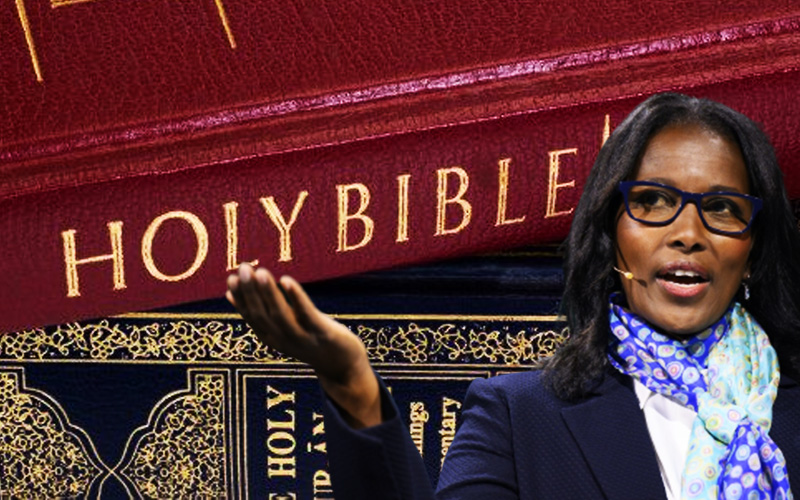
One of the biggest stories of the past few days didn’t happen in Washington or Gaza or Tehran, but was an invisible change that happened inside the heart and mind of one woman: Ayaan Hirsi Ali.
Ayaan is many things: she is a refugee from Somalia, where she was the victim of female genital mutilation; she was a Dutch politician whose criticism of Islam, the religion she was raised in, led to death threats.
Theo van Gogh, her collaborator on Submission, a film about Islam, was murdered in the streets of Amsterdam. The killer left a note stabbed into his body warning that Ayaan would be next.
A normal person would have shut up. But Ayaan is not normal. She wrote a memoir, Infidel. She became a mother. She became an American. And she never, ever quieted her voice.
It is for all of these reasons and many more that Ayaan is one of the great heroes of our time.
She has also been, since the early 2000s, among the most prominent atheists in the world. Or at least she was until late last week, when she announced in the pages of UnHerd that she has converted to Christianity.
The Egyptian intellectual Hussein Aboubakr Mansour wrote in reaction to the news that “Ayaan Hirsi Ali’s announcement of embracing Christianity is one of the biggest pivotal moments culturally since 9/11 and I don’t know how many people actually realize that. Ayaan Hirsi Ali was the poster child of what the New Atheists promised Islam. Not just is she saying that she is not certain about that promise anymore, she is saying she isn’t even certain about the promise of the future the New Atheists could afford themselves.
Mansour continued: “As Western elites ditched Ayaan for the Islamists, Ayaan turned to the ancient fort of Christianity for a last escape.”
Ayaan’s decision to convert prompts a series of very big questions that go to the heart of the challenges facing the West at present: Can religion be justified on pragmatic grounds, or does it require sincere faith? Is an increasingly secular West doomed to lose the civilizational war we find ourselves in? Can Christianity actually serve as a unifying force in that fight? And if religion won’t unite us, what else might?
For today, we wanted to share her essay with you. And we are grateful to our friends at UnHerd for allowing us to reprint it.
In 2002, I discovered a 1927 lecture by Bertrand Russell entitled “Why I Am Not a Christian.” It did not cross my mind as I read it that one day, nearly a century after he delivered it to the South London branch of the National Secular Society, I would be compelled to write an essay with precisely the opposite title.
The year before, I had publicly condemned the terrorist attacks of the 19 men who had hijacked passenger jets and crashed them into the Twin Towers in New York. They had done it in the name of my religion, Islam. I was a Muslim then, although not a practicing one. If I truly condemned their actions, then where did that leave me? The underlying principle that justified the attacks was religious, after all: the idea of jihad or Holy War against the infidels. Was it possible for me, as for many members of the Muslim community, simply to distance myself from the action and its horrific results?
At the time, there were many eminent leaders in the West—politicians, scholars, journalists, and other experts—who insisted that the terrorists were motivated by reasons other than the ones they and their leader Osama bin Laden had articulated so clearly. So Islam had an alibi.
This excuse-making was not only condescending toward Muslims. It also gave many Westerners a chance to retreat into denial. Blaming the errors of U.S. foreign policy was easier than contemplating the possibility that we were confronted with a religious war. We have seen a similar tendency in the past five weeks, as millions of people sympathetic to the plight of Gazans seek to rationalize the October 7 terrorist attacks as a justified response to the policies of the Israeli government.
When I read Russell’s lecture, I found my cognitive dissonance easing. It was a relief to adopt an attitude of skepticism toward religious doctrine, discard my faith in God, and declare that no such entity existed. Best of all, I could reject the existence of hell and the danger of everlasting punishment.
Russell’s assertion that religion is based primarily on fear resonated with me. I had lived for too long in terror of all the gruesome punishments that awaited me. While I had abandoned all the rational reasons for believing in God, that irrational fear of hellfire still lingered. Russell’s conclusion thus came as something of a relief: “When I die, I shall rot.”
To understand why I became an atheist 20 years ago, you first need to understand the kind of Muslim I had been. I was a teenager when the Muslim Brotherhood penetrated my community in Nairobi, Kenya, in 1985. I don’t think I had even understood religious practice before the coming of the Brotherhood. I had endured the rituals of ablutions, prayers, and fasting as tedious and pointless.
The preachers of the Muslim Brotherhood changed this. They articulated a direction: the straight path. A purpose: to work toward admission into Allah’s paradise after death. A method: the Prophet’s instruction manual of dos and don’ts — the halal and the haram. As a detailed supplement to the Quran, the Hadith spelled out how to put into practice the difference between right and wrong, good and evil, God and the devil.
The Brotherhood preachers left nothing to the imagination. They gave us a choice. Strive to live by the Prophet’s manual and reap the glorious rewards in the hereafter. On this earth, meanwhile, the greatest achievement possible was to die as a martyr for the sake of Allah.
The alternative, indulging in the pleasures of the world, was to earn Allah’s wrath and be condemned to an eternal life in hellfire. Some of the “worldly pleasures” they were decrying included reading novels, listening to music, dancing, and going to the cinema—all of which I was ashamed to admit that I adored.
The most striking quality of the Muslim Brotherhood was their ability to transform me and my fellow teenagers from passive believers into activists, almost overnight. We didn’t just say things or pray for things: we did things. As girls, we donned the burka and swore off Western fashion and makeup. The boys cultivated their facial hair to the greatest extent possible. They wore the white, dress-like thawb worn in Arab countries, or had their trousers shortened above their ankle bones. We operated in groups and volunteered our services in charity to the poor, the old, the disabled, and the weak. We urged fellow Muslims to pray and demanded that non-Muslims convert to Islam.
During Islamic study sessions, we shared with the preacher in charge of the session our worries. For instance, what should we do about the friends we loved and felt loyal to but who refused to accept our dawa (invitation to the faith)? In response, we were reminded repeatedly about the clarity of the Prophet’s instructions. We were told in no uncertain terms that we could not be loyal to Allah and Muhammad while also maintaining friendships and loyalty toward the unbelievers. If they explicitly rejected our summons to Islam, we were to hate and curse them.
Here, a special hatred was reserved for one subset of unbeliever: the Jew. We cursed the Jews multiple times a day and expressed horror, disgust, and anger at the litany of offenses he had allegedly committed. The Jew had betrayed our Prophet. He had occupied the Holy Mosque in Jerusalem. He continued to spread corruption of the heart, mind, and soul.
You can see why, to someone who had been through such a religious schooling, atheism seemed so appealing. Bertrand Russell offered a simple, zero-cost escape from an unbearable life of self-denial and harassment of other people. For him, there was no credible case for the existence of God. Religion, Russell argued, was rooted in fear: “Fear is the basis of the whole thing—fear of the mysterious, fear of defeat, fear of death.”
As an atheist, I thought I would lose that fear. I also found an entirely new circle of friends, as different from the preachers of the Muslim Brotherhood as one could imagine. The more time I spent with them—people such as Christopher Hitchens and Richard Dawkins—the more confident I felt that I had made the right choice. For the atheists were clever. They were also a great deal of fun.
So, what changed? Why do I call myself a Christian now?
Part of the answer is global. Western civilization is under threat from three different but related forces: the resurgence of great-power authoritarianism and expansionism in the forms of the Chinese Communist Party and Vladimir Putin’s Russia; the rise of global Islamism, which threatens to mobilize a vast population against the West; and the viral spread of woke ideology, which is eating into the moral fiber of the next generation.
We endeavor to fend off these threats with modern, secular tools: military, economic, diplomatic, and technological efforts to defeat, bribe, persuade, appease, or surveil. And yet, with every round of conflict, we find ourselves losing ground. We are either running out of money, with our national debt in the tens of trillions of dollars, or we are losing our lead in the technological race with China.
But we can’t fight off these formidable forces unless we can answer the question: What is it that unites us? The response that “God is dead!” seems insufficient. So, too, does the attempt to find solace in “the rules-based liberal international order.” The only credible answer, I believe, lies in our desire to uphold the legacy of the Judeo-Christian tradition.
That legacy consists of an elaborate set of ideas and institutions designed to safeguard human life, freedom, and dignity—from the nation-state and the rule of law to the institutions of science, health, and learning. As Tom Holland has shown in his marvelous book Dominion, all sorts of apparently secular freedoms—of the market, of conscience, and of the press—find their roots in Christianity.
And so I have come to realize that Russell and my atheist friends failed to see the wood for the trees. The wood is the civilization built on the Judeo-Christian tradition; it is the story of the West, warts and all. Russell’s critique of those contradictions in Christian doctrine is serious, but it is also too narrow in scope.
For instance, he gave his lecture in a room full of (former, or at least doubting) Christians in a Christian country. Think about how unique that was nearly a century ago, and how rare it still is in non-Western civilizations. Could a Muslim philosopher stand before any audience in a Muslim country—then or now—and deliver a lecture with the title “Why I Am Not a Muslim”? In fact, a book with that title exists, written by an ex-Muslim. But the author published it in America under the pseudonym Ibn Warraq. It would have been too dangerous to do otherwise.
To me, this freedom of conscience and speech is perhaps the greatest benefit of Western civilization. It does not come naturally to man. It is the product of centuries of debate within Jewish and Christian communities. It was these debates that advanced science and reason, diminished cruelty, suppressed superstitions, and built institutions to order and protect life, while guaranteeing freedom to as many people as possible. Unlike Islam, Christianity outgrew its dogmatic stage. It became increasingly clear that Christ’s teaching implied not only a circumscribed role for religion as something separate from politics. It also implied compassion for the sinner and humility for the believer.
Yet I would not be truthful if I attributed my embrace of Christianity solely to the realization that atheism is too weak and divisive a doctrine to fortify us against our menacing foes. I have also turned to Christianity because I ultimately found life without any spiritual solace unendurable—indeed very nearly self-destructive. Atheism failed to answer a simple question: What is the meaning and purpose of life?
Russell and other activist atheists believed that with the rejection of God, we would enter an age of reason and intelligent humanism. But the “God hole”—the void left by the retreat of the church—has merely been filled by a jumble of irrational, quasi-religious dogma. The result is a world where modern cults prey on the dislocated masses, offering them spurious reasons for being and action—mostly by engaging in virtue-signaling theater on behalf of a victimized minority or our supposedly doomed planet. The line often attributed to G.K. Chesterton has turned into a prophecy: “When men choose not to believe in God, they do not thereafter believe in nothing, they then become capable of believing in anything.”
In this nihilistic vacuum, the challenge before us becomes civilizational. We can’t withstand China, Russia, and Iran if we can’t explain to our populations why it matters that we do. We can’t fight woke ideology if we can’t defend the civilization that it is determined to destroy. And we can’t counter Islamism with purely secular tools. To win the hearts and minds of Muslims here in the West, we have to offer them something more than videos on TikTok.
The lesson I learned from my years with the Muslim Brotherhood was the power of a unifying story, embedded in the foundational texts of Islam, to attract, engage, and mobilize the Muslim masses. Unless we offer something as meaningful, I fear the erosion of our civilization will continue. And fortunately, there is no need to look for some New Age concoction of medication and mindfulness. Christianity has it all.
That is why I no longer consider myself a Muslim apostate, but a lapsed atheist. Of course, I still have a great deal to learn about Christianity. I discover a little more at church each Sunday. But I have recognized, in my own long journey through a wilderness of fear and self-doubt, that there is a better way to manage the challenges of existence than either Islam or unbelief had to offer.
Sources:thefp


us news
ഗ്രീന് കാര്ഡ് സ്പോണ്സര്ഷിപ്പ് പദ്ധതിയില് ഇന്ത്യന് ഐടി കമ്പനികള്ക്ക് തിരിച്ചടി; കോഗ്നിസന്റ്, ഇന്ഫോസിസ് ഉള്പ്പെടെ പ്രമുഖ സ്ഥാപനങ്ങള്ക്ക് യുഎസ് വിലക്ക്
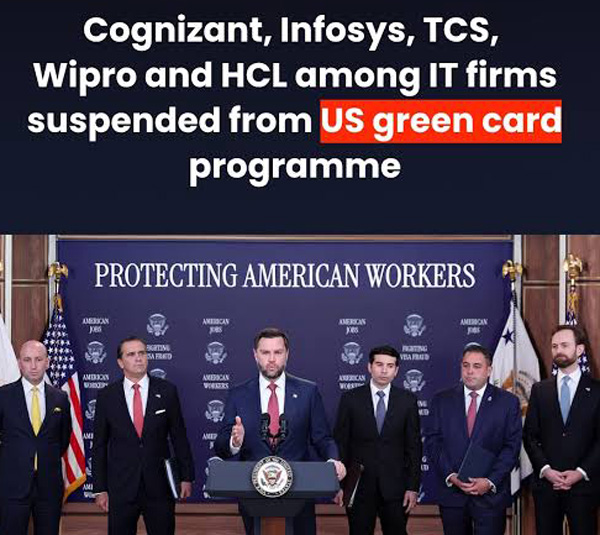
വാഷിങ്ടണ്: അമേരിക്കയില് വിദേശ ജീവനക്കാര്ക്ക് ഗ്രീന് കാര്ഡ് ലഭിക്കുന്നതിനായി സ്പോണ്സര് ചെയ്യാന് കമ്പനികള്ക്ക് അനുമതി നല്കുന്ന പെര്മനന്റ് ലേബര് സര്ട്ടിഫിക്കേഷന് പ്രോഗ്രാമില് നിന്ന് പ്രമുഖ ഐടി കമ്പനികളെ സസ്പെന്ഡ് ചെയ്ത് യുഎസ് ഭരണകൂടം. കോഗ്നിസന്റ്, ഇന്ഫോസിസ്, ടാറ്റ, വിപ്രോ, എച്ച്സിഎല്, ക്യാപ്ജെമിനി തുടങ്ങിയ കമ്പനികളെയാണ് നടപടി ബാധിക്കുന്നത്. അമേരിക്കന് തൊഴിലാളികളുടെ തൊഴിലവസരങ്ങള് വിദേശ ജീവനക്കാര് കൈക്കലാക്കുന്നുവെന്ന ആരോപണത്തിന്റെ അടിസ്ഥാനത്തിലാണ് നടപടിയെന്ന് യുഎസ് തൊഴില് സെക്രട്ടറി കീത്ത് സോണ്ടര്ലിങ് അറിയിച്ചു.
2009 മുതല് ഈ കമ്പനികള് ഏകദേശം 30 ലക്ഷം വിദേശ തൊഴിലാളികളെ ആവശ്യപ്പെട്ടിട്ടുണ്ടെന്നും 2.30 ലക്ഷത്തിലധികം എച്ച്-1ബി വിസകള്ക്ക് അംഗീകാരം ലഭിച്ചിട്ടുണ്ടെന്നും സോണ്ടര്ലിങ് പറഞ്ഞു. ഒരു ലക്ഷത്തിലധികം സ്ഥിരം തൊഴില് സര്ട്ടിഫിക്കേഷനുകളും കമ്പനികള് നേടിയിട്ടുണ്ടെന്നാണ് യുഎസ് അധികൃതരുടെ വാദം. സസ്പെന്ഷന് നിലവില് വന്നതോടെ ഈ കമ്പനികളുമായി ബന്ധപ്പെട്ട പുതിയ അപേക്ഷകള് സ്വീകരിക്കില്ലെന്നും തീര്പ്പാകാത്ത അപേക്ഷകളില് തുടര്നടപടികള് സ്വീകരിക്കില്ലെന്നും അധികൃതര് വ്യക്തമാക്കി. മൈക്രോസോഫ്റ്റ്, അഡോബി തുടങ്ങിയ പ്രമുഖ കമ്പനികളെയും യുഎസ് നടപടികള് ബാധിക്കുമെന്നാണ് റിപ്പോര്ട്ട്.
അമേരിക്കന് തൊഴിലാളികള്ക്ക് പകരം വിദേശ ജീവനക്കാരെ നിയമിക്കുന്നുവെന്ന ആരോപണവുമായി വൈസ് പ്രസിഡന്റ് ജെ.ഡി. വാന്സും രംഗത്തെത്തി. 2025ല് 6,000 അമേരിക്കന് ജീവനക്കാരെ പിരിച്ചുവിട്ട മൈക്രോസോഫ്റ്റിന് 6,000ത്തിലധികം എച്ച്-1ബി വിസകള്ക്ക് അംഗീകാരം ലഭിച്ചെന്നും പിരിച്ചുവിട്ട ജീവനക്കാര് ചെയ്തിരുന്ന ജോലികളുമായി ബന്ധപ്പെട്ട് 3,682 പെര്മനന്റ് ലേബര് സര്ട്ടിഫിക്കേഷന് അപേക്ഷകള് സമര്പ്പിച്ചെന്നും അദ്ദേഹം ആരോപിച്ചു. വിദേശ തൊഴിലാളികളെ നിയമിക്കുന്നതിന് മുമ്പ് അമേരിക്കയില് തൊഴില് ഒഴിവുകള് പരസ്യപ്പെടുത്തണമെന്ന വ്യവസ്ഥ കമ്പനികള് ദുരുപയോഗം ചെയ്യുകയാണെന്നും വാന്സ് വിമര്ശിച്ചു.
അമേരിക്കന് തൊഴിലവസരങ്ങള് സംരക്ഷിക്കുന്നതിന്റെ ഭാഗമായി വിദേശ കുടിയേറ്റം നിയന്ത്രിക്കാനുള്ള നടപടികള് ട്രംപ് ഭരണകൂടം ശക്തമാക്കുന്നതിനിടെയാണ് പുതിയ തീരുമാനം. എച്ച്-1ബി വിസകളിലൂടെ ഇന്ത്യന് ഐടി പ്രൊഫഷണലുകള്ക്ക് അമേരിക്കയില് ജോലി ലഭിക്കുന്നത് ഇന്ത്യന് സാങ്കേതിക മേഖലയെ സംബന്ധിച്ചിടത്തോളം പ്രധാനമാണ്. കഴിഞ്ഞ മാസം എച്ച്-1ബി വിസകള്ക്ക് ഒരു ലക്ഷം ഡോളര് ഫീസ് ഏര്പ്പെടുത്തുന്ന എക്സിക്യൂട്ടീവ് ഉത്തരവിന്റെ കാലാവധി ഒരു വര്ഷത്തേക്ക് കൂടി നീട്ടിയതായും റിപ്പോര്ട്ടുണ്ട്. പുതിയ നടപടികള് ഇന്ത്യന് ഐടി കമ്പനികളുടെ അമേരിക്കയിലെ നിയമനങ്ങളെയും പ്രവര്ത്തനങ്ങളെയും എങ്ങനെ ബാധിക്കുമെന്നത് നിര്ണായകമാണ്.
അതേസമയം, ഇന്ത്യന് ഐടി വ്യവസായ സംഘടനയായ നാസ്കോം യുഎസ് നടപടിയോട് പ്രതികരിച്ചു. ഇന്ത്യന് ഐടികമ്പനികള് എച്ച്-1ബി വിസകളിലുള്ള ആശ്രിതത്വം ഗണ്യമായി കുറച്ചിട്ടുണ്ടെന്നും അമേരിക്കയില് പ്രാദേശിക നിയമനങ്ങള് വര്ധിപ്പിച്ചിട്ടുണ്ടെന്നും സംഘടന വ്യക്തമാക്കി. അമേരിക്കയിലെ പ്രമുഖ കമ്പനികളുടെ വളര്ച്ചയ്ക്കും നവീകരണത്തിനും ഇന്ത്യന് ഐടി സ്ഥാപനങ്ങള് വലിയ സംഭാവന നല്കുന്നുണ്ടെന്നും പ്രാദേശിക തൊഴിലവസരങ്ങള് സൃഷ്ടിക്കുന്നതില് പങ്കുവഹിക്കുന്നുണ്ടെന്നും നാസ്കോം ചൂണ്ടിക്കാട്ടി. പുതിയ നിയന്ത്രണങ്ങള് ഇന്ത്യന് ഐടി മേഖലയ്ക്ക് എത്രത്തോളം തിരിച്ചടിയാകുമെന്നതില് വരും ദിവസങ്ങളില് കൂടുതല് വ്യക്തതയുണ്ടാകും
Sources:nerkazhcha
In a blow to Indian IT majors, the United States on Thursday suspended several companies from the Permanent Labour Certification Programme, which lets firms apply for green cards for H-1B visa workers, arguing that the practice takes away jobs from Americans. The affected companies include Cognizant, Infosys, Tata, Wipro, and HCL.
US Labour Secretary Keith Sonderling announced the move, which also impacts Western behemoths like Capgemini, Microsoft and Adobe. He was flanked by the head of the US Anti-Fraud Task Force and Vice President JD Vance.
“I am hereby suspending from the Permanent Labour Certification Programme some of the largest IT outsourcing firms in the world, Cognizant, Infosys, Tata, Wipro, HCL, and Capgemini,” Sonderling said.
He said the US government will not accept “any new or process” any pending permanent labour certification applications involving these companies.
“Since 2009, just these companies alone have requested almost three million foreign workers. They’ve received over 230,000 H-1B visa approvals and over 100,000 permanent labour certifications,” Sonderling added.
He accused these companies of taking away hundreds of thousands of jobs from American workers.
The programme allows employers to sponsor foreign workers for permanent employment and residency.
Vance slammed Microsoft, calling it a company that abused the system the most.
“Microsoft laid off 6,000 American workers in 2025 after certifying that it could not find qualified American employees – yet the company was approved for more than 6,000 H-1Bs and filed 3,682 PERM applications, including nearly 1,000 applications for the same positions as the laid-off American workers,” the vice president said.
Indian IT professionals bag the lion’s share of the approved H-1B visa applications every year. As part of its larger crackdown against immigration to the US to save American jobs, the Donald Trump administration has been taking measures to make it difficult for companies to hire cost-effective talent from India and other South Asian nations on these temporary visas.
Last month, the Trump administration extended an executive order that would impose a fee of $100,000 for H-1B non-immigrant visas by another year.
JD Vance today called foreign workers hired on H1-B visas “foreign indentured servants” and the companies using the programme as “visa mills”.
He also claimed that “something weird” is underway in universities that sponsor research scholars through the J-1 visa programme.
“Something weird is going on at these universities. They’re using these visas way too much. They’re using them to undercut the wages of American grad students and American researchers,” Vance said.
“This is a fundamental insult to the American worker and to the American way of life. We cannot allow visa programs that were designed to ensure that American corporations had access to the best and the brightest, to use them to undercut the wages of American workers,” he added.
Vance accused the firms, chiefly Microsoft, of subverting due process. He claimed the rules require companies to advertise jobs in America before applying to the Department of Labour that they need foreign workers.
“They’ll put an advertisement in a small-town newspaper. They’ll go out there and say that ‘We have advertised for a position with our company, and nobody is responding to it.’ And they will use that lack of response to then go and replace American workers with what is effectively foreign indentured servants,” he claimed.
NASSCOM Reacts
Industry body NASSCOM said Indian technology companies have reduced their dependence on H-1B visas.
“While the decision affects a specific immigration pathway, NASSCOM has consistently maintained that immigration and skilled talent mobility are two distinct issues and should not be viewed through the same lens,” it said in a statement.
“The H-1B visa programme has historically played an important role in addressing short-term skill gaps in the U.S., and it will continue to be used to address short-term talent gaps. However, over a number of years, Indian technology companies have significantly reduced their dependence on H-1B visas, while steadily expanding local hiring and building a strong domestic workforce in the U.S. They work with majority of the US fortune 500 companies, enable them to innovate and grow, and generate more local jobs,” it added.
http://theendtimeradio.com
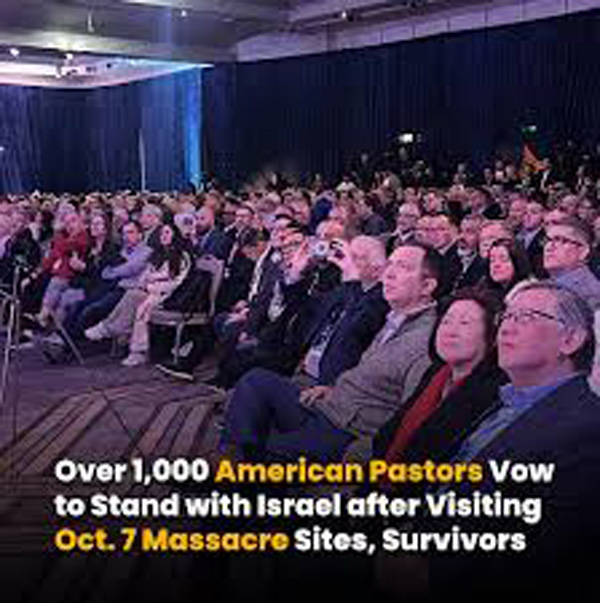
More than 1,000 Christian leaders, community leaders and influencers from 117 countries are arriving in Israel to stand with Oct. 7 survivors, visit massacre sites and carry their testimonies home, Israel365 News reported. (Screengrab image: via Charisma News /Wikimedia Commons)
The Friends of Zion Ambassador Summit, organized in cooperation with Israel’s Foreign Ministry, includes approximately 200 young adults ages 18-29. Participants will meet released hostages, bereaved families, wounded soldiers and Holocaust survivors.
“We want these young leaders to see Israel for themselves, hear directly from those whose lives were changed forever on October 7, and return home with a deeper understanding of Israel and a commitment to standing with the Jewish people,” Friends of Zion founder Mike Evans said, according to Israel365 News.
On Oct. 7, following a visit to Yad Vashem, the delegation will join approximately 2,000 participants at the Southern Wall of the Temple Mount. Released hostages will appear onstage during the anniversary gathering, which organizers say will be broadcast live on dozens of television networks.
The commemoration marks three years since Hamas terrorists killed approximately 1,200 people and took 251 hostages into Gaza.
On Oct. 8, participants will visit the Nova music festival massacre site near Re’im. Released hostages Romi Gonen, Noa Argamani and Elkana Bohbot will meet the delegation and receive the Friends of Zion “Here Am I” Award for their international advocacy.
The delegation also plans to visit ancient Shiloh, where the Tabernacle stood and Samuel heard God’s call.
“The arrival of more than 1,000 Christian leaders from 117 countries carries a powerful message: Israel does not stand alone,” said George Deek, Israel’s special envoy to the Christian world.
“They are coming to bear witness, to meet the people whose lives were shattered on October 7, and to carry their stories back to communities across the world,” Deek said.
Sources: Breaking Christian News
Father, we pray pastors would be bold this election season. Inspire these shepherds to engage politically, to encourage their congregations to do the same, and, most importantly, to refuse the temptation to stay silent.
There are moments when silence carries consequences. I believe the American Church is living in one of those moments right now.
For too many years, Christians were told that faithful citizenship and Biblical engagement with government were somehow outside the proper boundaries of the Church. Pastors were warned away from subjects that might be considered “political.” Congregations learned to separate what happened on Sunday morning from what happened at the ballot box.
And while much of the Church stepped away, our culture did not stand still. The government continued making decisions about human life, marriage, sexuality, children, parental authority, religious liberty, education, justice, and freedom. Policies were enacted. Institutions changed. Cultural assumptions shifted.
We should not be surprised that when Christians remove their voices from the public square, Biblical principles have less influence there. It is time to put our voices back in.
Pastor, Your Voice Matters
I am speaking especially to pastors of every-sized congregation. Whether you shepherd 75 people, 200 people, or 2,000, your voice matters. You do not need a national platform. God has already given you one: your pulpit.
Your congregation contains parents, grandparents, teachers, business owners, community leaders, young adults, and voters. They are making decisions that will help determine who writes our laws and what principles guide our communities. Equip them. Teach them what Scripture says about life, family, sexuality, justice, government, authority, freedom, and responsibility. Teach them to pray for those in authority, to understand the issues confronting our nation, and to evaluate public questions through Scripture rather than social media, political advertising, or cultural pressure.
And teach them that voting is not disconnected from their Christian lives. Our involvement in elections is important because we are citizens, but for Christians, there is something more. We carry Biblical convictions into every sphere God places us, including the public square.
Recently in Virginia, pastors were invited to add their voice to a public letter going to the Virginia legislature speaking against the liberal majority’s desire to enshrine abortion in our state Constitution. Across the state do you know how many pastors were willing to sign this letter? About 20. Only 20 pastors were willing to publicly put a stake in the ground to stand for the Constitutional protection of life to the Virginia Legislature.
We Gave Up Ground
For generations, American Christians benefited from a culture deeply influenced by Biblical principles. But somewhere along the way, many Believers began assuming those principles would remain embedded in the nation whether Christians actively defended them or not.
They did not.
We withdrew, others stepped forward, and America changed. We cannot spend decades removing Biblical voices from government, education, culture, and civic life and then wonder why those institutions increasingly reflect values contrary to Scripture. This is not a moment for Christians to retreat further. It is a moment to reengage.
The Pulpit Once Helped Shape America
This would not have seemed unusual to many pastors in America’s founding era. Clergy preached about liberty, government, moral responsibility, and the great public questions confronting their generation. Ministers served as chaplains, wrote pamphlets, participated in legislatures and constitutional conventions, and helped form the moral understanding of the people who were building a nation.
The American pulpit helped form the American conscience. We need courageous pulpits again.
Southern Baptist Convention President Willy Rice recently issued a remarkably simple challenge:
“I think the pastors need to step up.”
He is right. Many of the questions confronting America are not merely political questions. They are questions about what it means to be human, what human life is worth, what marriage is, what responsibilities parents possess, what freedom means, what government may rightfully do, and where authority ultimately comes from.
Those are profoundly Biblical questions. Pastors should not surrender them because politicians are debating them.
Prayer Must Move Us to Action
At Intercessors for America, we believe deeply in prayer. But Biblical prayer does not train us to become passive spectators. Nehemiah prayed and then approached the king. Esther fasted and then walked into the king’s presence. Daniel prayed and faithfully represented God’s truth inside the government of Babylon. The apostles prayed and then went out and spoke boldly.
Prayer prepares God’s people for obedience and action. We cannot pray for righteous government and then ignore the opportunity we have to participate in choosing those who govern. We cannot pray for the protection of children and remain uninformed about policies affecting them. We cannot pray for religious liberty and then neglect elections in which those freedoms are affected. Prayer should sharpen our discernment and move us toward faithful action.
Pastors, Lead
This is my appeal to America’s pastors: preach Biblical truth boldly and teach your congregation how Scripture applies to the issues confronting our nation. Talk about the sanctity of human life, marriage and family, children and parental responsibility, religious liberty, justice, government, and the responsibilities of citizenship.
Help people register to vote. Make sure they know when elections are taking place. Encourage them to research candidates, their records, their stated positions, and the policies they support. Urge them to pray for discernment and to carry their Biblical convictions with them when they vote. Do not assume someone else will do it. You are the shepherd God has placed before your congregation. Lead.
Christians, Show Up
And to Christians sitting in America’s pews, I would say this: we need to show up. We need to pray and then take the time to learn what is happening in our communities, our states, and our nation. We need to understand the issues, examine the records and positions of those seeking office, seek God for discernment, and vote according to Biblical conviction.
But our responsibility does not end when we leave the voting booth. Christians should be willing to speak up, contact elected officials, serve in their communities, attend school board and local government meetings, and encourage Believers with wisdom and courage to consider public service. We should teach our children and grandchildren that citizenship is a stewardship, not a spectator sport. If Christians continually surrender their place in the public square, we should not be surprised when the vacuum is filled by values radically different from our own.
The Consequences Will Outlive Us
We are making decisions today whose consequences our children and grandchildren may live with for generations. Some political decisions can be reversed in the next election. Others become embedded in law, education, government bureaucracies, institutions, and eventually the thinking of an entire generation. Once that happens, recovering what has been lost can take decades.
That is why I believe this moment demands more from the Church than concern. It demands prayer that leads to discernment, courage, engagement, and action. Our very existence as the nation we have known is at stake, and I do not believe that is an overstatement. A nation can drift so far from its foundational principles that recovering them becomes the work of generations—if they can be recovered at all.
Christians cannot control every outcome, but we are responsible for what God has placed in our hands. We have a voice and the freedom to use it. We have influence in our families, churches, communities, and government. We have the privilege of bringing our petitions before God in prayer. And in America, we have been entrusted with a vote.
It is time to use all of them.
We Have Been at a Crossroads Before
The film “A Great Awakening” offers a powerful reminder that America has faced moments before when our future seemed uncertain and human wisdom appeared insufficient. The film depicts the remarkable relationship between evangelist George Whitefield and Benjamin Franklin and ultimately brings us to an extraordinary moment in 1787, when delegates to the Constitutional Convention were struggling to agree upon the framework of our new government.
The delegates had been meeting for weeks. They were deeply divided over representation and the structure of the government they were attempting to create. Progress had slowed, frustrations were mounting, and the future of the Convention was uncertain.
It was into that atmosphere that the 81-year-old Benjamin Franklin rose to speak.
The scene portrayed in “A Great Awakening” is not simply a filmmaker’s invention. Franklin’s address was recorded in James Madison’s notes of the Constitutional Convention. Franklin reminded the delegates that during the struggle for independence, when the young nation faced seemingly impossible circumstances, they had repeatedly sought God together in prayer.
Then he asked a question that should speak to America today:
“And have we now forgotten that powerful Friend? Or do we imagine that we no longer need His assistance?”
Franklin continued:
“The longer I live, the more convincing proofs I see of this truth—that God governs in the affairs of men.”
Franklin then invoked the truth expressed in Psalm 127—that unless the Lord builds the house, those who build it labor in vain. His message to those delegates was unmistakable. They possessed extraordinary intelligence, education, political experience, and some of the greatest minds of their generation, but human wisdom alone would not be enough to secure the future of the nation they were attempting to build.
Think about that moment.
These men were wrestling with whether this unprecedented experiment in self-government could survive. Yet in the midst of their deliberations, Franklin stood before them and acknowledged their dependence upon God.
I believe America has arrived at another such crossroads.
We cannot simply look to Washington, political parties, candidates, elections, courts, or human strategies to rescue our nation. We desperately need God. But seeking God has never meant withdrawing from the responsibilities He has placed before us. Franklin called those delegates to prayer in the very room where they were actively wrestling with the practical work of building a government.
That is the combination the Church needs to recover: dependence upon God coupled with faithful action.
Pastors, this is your moment to help awaken the Church. Teach your people to pray, but also teach them to stand. Help them understand what is happening in our nation and what Scripture says about it. Equip them to examine candidates and policies through the lens of Biblical truth, to participate in government, to speak when Biblical values are threatened, and to faithfully exercise the vote entrusted to them.
And Christians, do not leave the future of this nation entirely in someone else’s hands. Seek God. Know His Word. Understand the issues. Examine those who seek authority over you. Carry your Biblical convictions into the voting booth and into every other place where God has given you influence.
Nearly 240 years ago, when America’s founders found themselves struggling to determine the future of a young nation, Franklin asked them a question that reaches across the centuries:
“And have we now forgotten that powerful Friend?”
May our answer be no.
May the Church remember its responsibility. May pastors recover their voices. May Christians recover the understanding that our citizenship is a stewardship. May we seek God fervently for our nation and then have the courage to act upon the responsibilities He has placed before us.
We have prayed. We must continue to pray. But this is also a time to stand, speak, engage, and vote.
Perhaps what America needs at this critical crossroads is exactly what the title of the film suggests: A great awakening.
Sources: Breaking Christian News

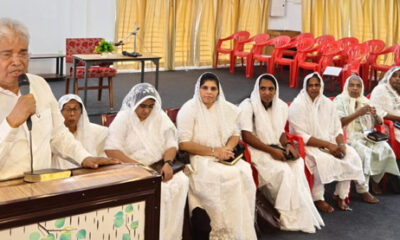

ഐപിസി സോദരി സമാജം പ്രവർത്തനോദ്ഘാടനം നടത്തി
നെടുമ്പ്രം: ഐപിസി തിരുവല്ല സെന്റർ സോദരി സമാജം 2026- 29 വർഷത്തെ പ്രവർത്തനങ്ങളുടെ ഉദ്ഘാടനം സെന്റർ മിനിസ്റ്റർ പാസ്റ്റർ ഡോ. കെ.സി.ജോൺ നിർവഹിച്ചു. ദൈവശബ്ദം കേട്ട് സമൂഹത്തോടുള്ള...


മദ്ധ്യപ്രദേശിൽ സുവിശേഷ വിരോധികളുടെ ആക്രമണം നേരിട്ടിരുന്ന പാസ്റ്റർ എസ്.ഡി. യേശുദാസിനെ കാണാനില്ല; പോലീസിൽ പരാതി നൽകി
മധ്യപ്രദേശിലെ അന്നുപ്പൂർ ജില്ലയിലെ മലയാളി പാസ്റ്റർ എസ്.ഡി യേശുദാസിനെ ഇന്നലെ (ഒക്ടോബർ 7) രാവിലെ മുതൽ കാണാതായിരിക്കുന്നു. ഇന്നലെ രാവിലെ എട്ടരയ്ക്ക് അടുത്തുള്ള മറ്റൊരു പാസ്റ്ററുടെ ഭവനത്തിൽ...

പഞ്ചാബിൽ പാസ്റ്ററെ സുവിശേഷ വിരോധികൾ വീട്ടിൽ അതിക്രമിച്ച് കയറി കൊലപ്പെടുത്തി.
അമൃതസർ : ബറ്റാലയിലെ ഗാന്ധി ക്യാമ്പ് പ്രദേശത്ത് കർത്തൃദാസൻ പാസ്റ്റർ ബൽവിന്ദർ പാലിനെ ഒരു കൂട്ടം സുവിശേഷ വിരോധികൾ ഒക്റ്റോബർ 8 വ്യായാഴ്ച്ച രാവിലെ അദ്ദേഹത്തിന്റെ വീട്ടിൽ...
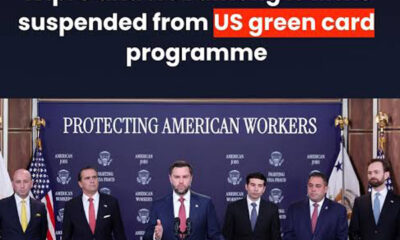

ഗ്രീന് കാര്ഡ് സ്പോണ്സര്ഷിപ്പ് പദ്ധതിയില് ഇന്ത്യന് ഐടി കമ്പനികള്ക്ക് തിരിച്ചടി; കോഗ്നിസന്റ്, ഇന്ഫോസിസ് ഉള്പ്പെടെ പ്രമുഖ സ്ഥാപനങ്ങള്ക്ക് യുഎസ് വിലക്ക്
വാഷിങ്ടണ്: അമേരിക്കയില് വിദേശ ജീവനക്കാര്ക്ക് ഗ്രീന് കാര്ഡ് ലഭിക്കുന്നതിനായി സ്പോണ്സര് ചെയ്യാന് കമ്പനികള്ക്ക് അനുമതി നല്കുന്ന പെര്മനന്റ് ലേബര് സര്ട്ടിഫിക്കേഷന് പ്രോഗ്രാമില് നിന്ന് പ്രമുഖ ഐടി കമ്പനികളെ...

പാക്കിസ്ഥാനിൽ ക്രൈസ്തവര്ക്കു നേരെയുള്ള അതിക്രമങ്ങള് തുടരുകയാണെന്ന് NCJP
ഇസ്ലാമാബാദ്: പാക്കിസ്ഥാനിലെ ക്രൈസ്തവര് ഉള്പ്പെടെയുള്ള മതന്യൂനപക്ഷങ്ങൾ കഴിഞ്ഞ വര്ഷവും കടുത്ത വിവേചനവും അക്രമങ്ങളും പീഡനങ്ങളും നേരിട്ടതായി കത്തോലിക്ക സഭയുടെ മനുഷ്യാവകാശ വിഭാഗത്തിന്റെ റിപ്പോർട്ട്. പാക്കിസ്ഥാൻ കാത്തലിക് ബിഷപ്പ്സ്...


1,000 Christian Leaders Gather in Israel to Honor Oct 7 Victims, Stand With Survivors
More than 1,000 Christian leaders, community leaders and influencers from 117 countries are arriving in Israel to stand with Oct....
-

 Movie12 months ago
Forrest Frank Says He Will No Longer Participate in Awards Shows, Shares ‘Conviction’ Behind Why
-

 Movie12 months ago
Brandon Lake sweeps 2025 Dove Awards, brings down the house alongside Jelly Roll with ‘Hard Fought Hallelujah’
-
 us news5 months ago
‘America Is Hungry’: Hundreds Born Again and Baptized as Jesus Tent Revival Sweeps the Nation
-

 us news4 months ago
Mike Winger deletes YouVersion app over ‘The Passion Translation’ controversy, urges others to ‘use caution’
-

 Movie11 months ago
CBN’s Superbook Launches New Free Bible App for Kids: ‘The Power of God Is Released’
-

 Movie8 months ago
Hollywood Actor Jen Lilley Launching New Ministry After ‘Vision’ From Holy Spirit
-

 Sports12 months ago
Jaguars Star Travis Hunter, Olympic Gold Medalist Noah Lyles Get Baptized: ‘Leaving My Old Self’
-

 us news12 months ago
നൈജീരിയൻ ക്രൈസ്തവരെ സംരക്ഷിക്കാൻ നടപടി ആവശ്യപ്പെട്ട് യുഎസ് കോണ്ഗ്രസ് പ്രതിനിധികള്