
world news
പാക്കിസ്ഥാനിലെ മതന്യൂനപക്ഷങ്ങളുടെ സ്വത്ത് പിടിച്ചെടുക്കാൻ മതപരിവർത്തന നിയമങ്ങൾ ദുരുപയോഗം ചെയ്യുന്നു


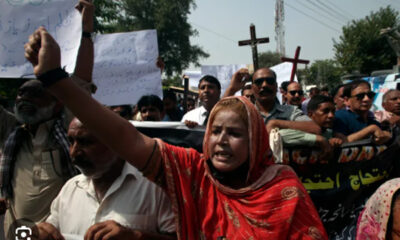
പാക്കിസ്ഥാനിലെ മതന്യൂനപക്ഷങ്ങളുടെ സ്വത്ത് പിടിച്ചെടുക്കാൻ മതപരിവർത്തന നിയമങ്ങൾ ദുരുപയോഗം ചെയ്യുന്നതായി ഹ്യൂമൻ റൈറ്റ്സ് വാച്ചിന്റെ റിപ്പോർട്ടിൽ പറയുന്നു. മതന്യൂനപക്ഷങ്ങളെ ലക്ഷ്യം വച്ചുകൊണ്ട് ദരിദ്രരെ പുറത്താക്കുന്നതിനും, വ്യക്തിപരവും സാമ്പത്തികവുമായ നേട്ടങ്ങൾക്കായി പാക്കിസ്ഥാനിലെ മതപരിവർത്തന നിയമങ്ങൾ ദുരുപയോഗം ചെയ്യപ്പെടുന്നുണ്ടെന്ന് ഹ്യൂമൻ റൈറ്റ്സ് വാച്ച് (HRW) ന്റെ റിപ്പോർട്ടിൽ വെളിപ്പെടുത്തുന്നു.
ജനക്കൂട്ട അക്രമത്തിന് പ്രേരിപ്പിക്കുന്നതിനും, ദുർബല സമൂഹങ്ങളെ കുടിയിറക്കുന്നതിനും, ശിക്ഷാനടപടികളില്ലാതെ അവരുടെ സ്വത്തുക്കൾ പിടിച്ചെടുക്കുന്നതിനും ദൈവദൂഷണ ആരോപണങ്ങൾ ആയുധങ്ങളായി ഉപയോഗിക്കപ്പെടുന്നുണ്ടെന്ന് ജൂൺ ഒമ്പതിന് പുറത്തിറങ്ങിയ ‘ഭൂമി പിടിച്ചെടുക്കാനുള്ള ഗൂഢാലോചന: ബ്ലാക്ക് മെയിലിംഗിനും ലാഭത്തിനും വേണ്ടി പാകിസ്ഥാന്റെ മതപരിവർത്തന നിയമങ്ങൾ ചൂഷണം ചെയ്യൽ’ എന്ന 29 പേജുള്ള റിപ്പോർട്ട് പറയുന്നു.
“മുൻകാലങ്ങളിൽ പ്രേരണയ്ക്കും ആക്രമണങ്ങൾക്കും ഉത്തരവാദികളായവരെ പ്രോസിക്യൂട്ട് ചെയ്യുന്നതിൽ പരാജയപ്പെടുന്നത് മതത്തിന്റെ പേരിൽ പണം തട്ടിയെടുക്കാനും ബ്ലാക്ക് മെയിൽ ചെയ്യാനും ഈ നിയമങ്ങൾ ഉപയോഗിക്കുന്നവരെ ധൈര്യപ്പെടുത്തിയിട്ടുണ്ട്,” HRW യുടെ ഏഷ്യയിലെ അസോസിയേറ്റ് ഡയറക്ടർ പട്രീഷ്യ ഗോസ്മാൻ പറഞ്ഞു. മതന്യൂനപക്ഷങ്ങൾ ആയുധമാക്കുന്നത് തടയാൻ പാക്കിസ്ഥാൻ സർക്കാർ അതിന്റെ ദൈവദൂഷണ നിയമങ്ങൾ അടിയന്തിരമായി പരിഷ്കരിക്കണമെന്ന് അവർ പറഞ്ഞു.
2024 മെയ് മുതൽ ജനുവരി വരെയുള്ള കാലയളവിൽ, മതനിന്ദ ആരോപിക്കപ്പെട്ട 14 പേരെയും, പഞ്ചാബ് പ്രവിശ്യയിലെ ലാഹോർ, ഗുജ്രൻവാല, കസൂർ, ഷെയ്ഖുപുര എന്നിവിടങ്ങളിലും ഫെഡറൽ തലസ്ഥാനമായ ഇസ്ലാമാബാദിലുടനീളമുള്ള അഭിഭാഷകർ, ജഡ്ജിമാർ, പ്രോസിക്യൂട്ടർമാർ, മനുഷ്യാവകാശ സംരക്ഷകർ, പത്രപ്രവർത്തകർ എന്നിവരുമായി HRW ഗവേഷകർ അഭിമുഖം നടത്തി.
Sources:azchavattomonline.com
Pakistan’s blasphemy laws are being systematically misused to target religious minorities, dispossess the poor and settle personal and economic disputes, according to a new Human Rights Watch (HRW) report.
Blasphemy accusations are increasingly weaponized to incite mob violence, displace vulnerable communities and seize their property with impunity, states the 29-page report, “A Conspiracy to Grab the Land: Exploiting Pakistan’s Blasphemy Laws for Blackmail and Profit,” issued on June 9.
“Failure to prosecute those responsible for incitement and attacks in the past has emboldened those who use these laws to extort and blackmail in the name of religion,” said Patricia Gossman, HRW’s associate Asia director.
The Pakistani government should urgently reform its blasphemy laws to prevent them from being weaponized, she said.
HRW researchers interviewed 14 people accused of blasphemy, as well as lawyers, judges, prosecutors, human rights defenders, and journalists across Lahore, Gujranwala, Kasur and Sheikhupura in Punjab Province and the federal capital Islamabad between May 2024 and January.
A 52-year-old Christian beautician in Lahore told HRW that in July 2019 she decided to quit her job at a local salon and set up her own business. She pooled her life’s savings and obtained loans from people she knew to start her own salon. Her previous employer tried to dissuade her by offering a raise. When the woman refused, the previous employer threatened her, saying that “the consequences of this will not be good for you.”
In November 2019, a mob led by a local cleric barged into the Christian woman’s salon, beat her and her staff and ransacked and vandalized the premises. They claimed she had desecrated the Quran, and that a boy in the neighborhood had found pages of the Quran in the trash. The woman told HRW that the allegation was false.
“I respect all religions and didn’t even have a copy of the Bible at the salon,” she said. “Why would I have a copy of the Quran? I would have to be completely mad and suicidal to even think about disrespecting it.”
Another Christian who runs a private school with both Muslim and Christian students in a low-income neighborhood of Lahore told HRW that in February 2021 he received a call from an angry parent alleging “blasphemous” comments by a teacher.
The 43-year-old Christian said that he offered to meet the parent and also asked the teacher for an explanation. The teacher denied making any blasphemous comments. A few days later, a group of people affiliated with a local Muslim organization threatened to “burn down the school” if an apology was not made.
“The teacher resigned, but that was not enough to appease the religious group,” the Christian said. “It soon became clear to me that it wasn’t about any remark or ‘blasphemy.’”
They told him to donate 200,000 rupees ($800 USD) to their religious charity to “atone” for his “sin,” he said.
“Of course, they realized that since I was a Christian, just a murmur of blasphemy would mean that my school and possibly I too would be set on fire by a mob,” he said. “No one would ask any questions. My religion made me additionally vulnerable. However, a blasphemy accusation could also result in burning down of a school run by a Muslim. The truth of the allegation doesn’t matter. Now, I have started a cycle of blackmail, and they can extort me whenever.”
Blasphemy remains a capital offense in Pakistan, punishable by death. Although the state has not executed anyone under the law, mere accusations have triggered mob violence resulting in dozens of deaths over the past decade. The accused often endure long pretrial detentions, unfair trials and constant threat of extrajudicial killing.
The HRW report underscored that marginalized communities – especially Christians, Ahmadis and the poor – bear the brunt of the abuse. Many live in informal settlements without legal land titles, making them particularly vulnerable to forced evictions following blasphemy-related violence. HRW found that entire neighborhoods have been emptied after mobs attacked, with community members fleeing in fear, leaving their homes and businesses behind.
In several cases, blasphemy accusations were used to target business rivals or coerce property transfers. The law’s broad and vague provisions allow it to be exploited with minimal or no evidence, creating a climate of fear among vulnerable groups.
HRW also criticized Pakistan’s criminal justice system for enabling these abuses. It said that authorities rarely hold perpetrators of mob violence accountable, while police often fail to protect the accused or investigate allegations. In some instances, officers who intervene face threats themselves. Political and religious actors accused of inciting violence frequently escape arrest or are acquitted due to lack of political will or intimidation.
HRW called on the Pakistani government to repeal the blasphemy laws, immediately release those imprisoned under such charges and investigate all blasphemy-related violence, particularly incidents leading to displacement and property seizure. The report also urged authorities to implement safeguards against coerced sales or transfers of land and businesses following accusations.
“The government’s indifference to the abuses under the blasphemy law and the violence it provokes is discriminatory and violates the rights to fundamental freedoms,” Gossman said. “By failing to act, Pakistani authorities are not just tolerating injustice – they are enabling it.”
Pakistan ranked eighth on Open Doors’ 2025 World Watch List of the most difficult places to be a Christian.
http://theendtimeradio.com







world news
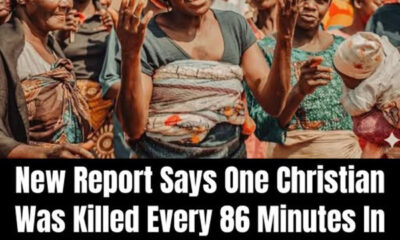
നൈജീരിയയിൽ ഈ വർഷം 4216 ക്രൈസ്തവര് കൊല്ലപ്പെട്ടതായി യുഎസ് സന്നദ്ധ സംഘടനയുടെ റിപ്പോര്ട്ട്
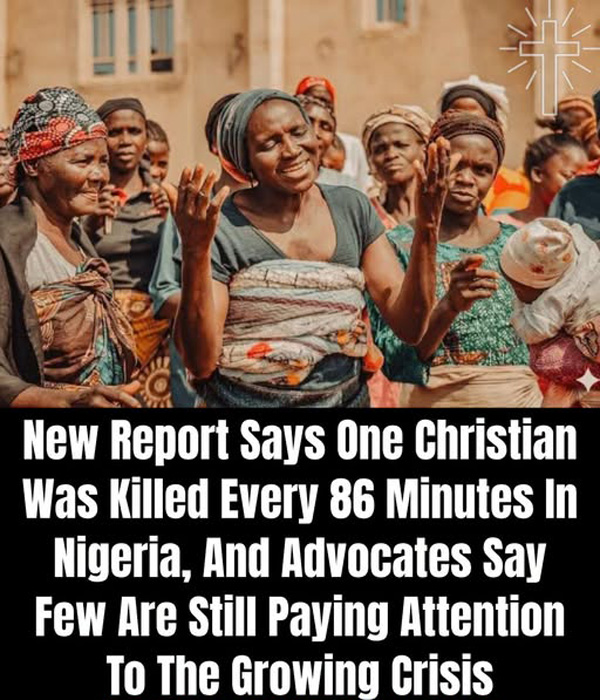
അബൂജ: നൈജീരിയയിൽ ക്രൈസ്തവ ജനവിഭാഗങ്ങൾക്ക് നേരെയുള്ള അക്രമങ്ങളും പീഡനങ്ങളും അതിരൂക്ഷമായി തുടരുന്നതായി സ്ഥിരീകരിച്ച് റിപ്പോർട്ട്. ഈ വർഷം ജനുവരി 1 മുതൽ സെപ്റ്റംബർ 8 വരെയുള്ള കാലയളവിൽ മാത്രം രാജ്യത്ത് 4216 ക്രൈസ്തവർ കൊല്ലപ്പെട്ടതായി യുഎസ് ആസ്ഥാനമായി പ്രവർത്തിക്കുന്ന അന്താരാഷ്ട്ര സന്നദ്ധ സംഘടനയായ ‘ഇക്വിപ്പിംഗ് ദി പെർസിക്യൂട്ടഡ്’ (ETP) പുറത്തുവിട്ട റിപ്പോർട്ടിൽ വ്യക്തമാക്കുന്നു. ‘ക്രൈസിസ് ഇൻ ദ മിഡിൽ ബെൽറ്റ്: റിലിജിയസ് പെർസിക്യൂഷൻ & സെക്യൂരിറ്റി ഫെയിലിയർ ഇൻ നൈജീരിയ’ എന്ന പേരിൽ പുറത്തിറക്കിയ 16 പേജുള്ള റിപ്പോർട്ടിലാണ് ഞെട്ടിപ്പിക്കുന്ന വിവരങ്ങളുള്ളത്.
പ്രതിദിനം ശരാശരി 17 പേർ വീതം അല്ലെങ്കിൽ ഒന്നര മണിക്കൂറിൽ ഒരാൾ എന്ന തോതിൽ ക്രൈസ്തവർ കൊല്ലപ്പെടുന്നുവെന്നും സംഘടനയുടെ കണക്കുകളില് പറയുന്നു. ദൃക്സാക്ഷി വിവരണങ്ങൾ, അതിജീവിച്ചവരുടെ മൊഴികൾ, മെഡിക്കൽ- മൃതസംസ്കാര രേഖകൾ, ക്രൈസ്തവ ആരാധനാലയങ്ങളുടെ രേഖകൾ എന്നിവ അടിസ്ഥാനമാക്കിയാണ് കണക്കുകള് പ്രസിദ്ധീകരിച്ചിരിക്കുന്നത്. ലഭ്യമായ വസ്തുതകൾ പ്രകാരം രേഖപ്പെടുത്തിയ ഏറ്റവും കുറഞ്ഞ കണക്കുകൾ മാത്രമാണിതെന്നും സംഘടന വ്യക്തമാക്കുന്നു.
അക്രമങ്ങളെ തുടർന്ന് മധ്യ നൈജീരിയയില് അറുനൂറിലധികം ക്രൈസ്തവ സമൂഹങ്ങള് ഛിന്നഭിന്നമായി. അഞ്ച് ദശലക്ഷത്തിലധികം ക്രൈസ്തവർ ഭവനരഹിതരായി പലായനം ചെയ്യാൻ നിർബന്ധിതരായി. ഗ്രാമങ്ങൾ ആക്രമിക്കുക, തീവെപ്പ്, തട്ടിക്കൊണ്ടുപോകൽ, തുടർച്ചയായ കുടിയൊഴിപ്പിക്കൽ തുടങ്ങിയവയാണ് ക്രൈസ്തവര്ക്ക് നേരെ സായുധ സംഘം നടത്തുന്ന പ്രധാന അക്രമ രീതികൾ. സെപ്റ്റംബറിലെ ഒരു ആഴ്ചയിൽ മാത്രം വിവിധ സംസ്ഥാനങ്ങളിലായി 35 പേർ കൊല്ലപ്പെടുകയും എഴുപതിലധികം പേർ തട്ടിക്കൊണ്ടുപോകലിന് ഇരയാകുകയും ചെയ്തതായി റിപ്പോർട്ടില് ചൂണ്ടിക്കാണിക്കുന്നു.
നൈജീരിയയിലെ ഈ അക്രമങ്ങളെ പലപ്പോഴും കർഷകരും ഇടയന്മാരും തമ്മിലുള്ള സാധാരണ തർക്കങ്ങളായോ പ്രാദേശിക സംഘർഷങ്ങളായോ ലഘൂകരിച്ച് ചിത്രീകരിക്കാറുണ്ടെന്നും എന്നാൽ ഇത് യാഥാർത്ഥ്യത്തെ മറച്ചുവെക്കലാണെന്നും റിപ്പോർട്ട് ചൂണ്ടിക്കാട്ടുന്നു. ഗ്രാമങ്ങൾ നശിപ്പിക്കുന്നതും ദേവാലയങ്ങള് ചുട്ടെരിക്കുന്നതും ഭൂമി പിടിച്ചെടുക്കുന്നതുമെല്ലാം സംഘടിത തീവ്രവാദ ഗ്രൂപ്പുകൾ നടത്തുന്ന മതപരമായ അക്രമങ്ങളുടെ ഭാഗമാണ്. സംഘടിത ഫുലാനി ശൃംഖലകൾക്ക് പുറമെ ബൊക്കോ ഹറാം, ഇസ്ലാമിക് സ്റ്റേറ്റ് വെസ്റ്റ് ആഫ്രിക്ക പ്രൊവിൻസ് (ISWAP), അൻസാരു, ലകുറാവ തുടങ്ങിയ ഭീകര സംഘടനകളും ഈ അക്രമങ്ങൾക്ക് പിന്നിലുണ്ടെന്നും റിപ്പോര്ട്ടില് പരാമര്ശമുണ്ട്.
കടപ്പാട് :പ്രവാചക ശബ്ദം
A new report from Equipping The Persecuted looks at the crisis factors behind the ongoing killings of Christians in Nigeria.
Between January 1 and September 8 of this year, the group verified that at least 4,216 Christians were killed. That comes to nearly 17 people per day, or one every 86 minutes.
Greg Kelley with Unknown Nations says that Fulani militants have become the leading source of violence.
“It’s the largest unreached nomadic people group in the world,” says Kelley. “They are the ones [who] have tremendous influence as a people across Nigeria and these other parts of Africa.”
How should the Body of Christ respond? Kelley says to support local missionaries ready to reach northern Nigeria.
“Nigeria has more Christians in it than any country in the entire continent of Africa. Over 100 million Christians,” he says.
“If you went right in the middle of Nigeria and [divided] it, you would find all of the Christians, for the most part, are in the south. Whereas in the north, where all of these horrific stories of persecution and attacks and kidnappings are taking place in the north, which is almost exclusively Muslim, to the tune of 100 million.”
Kelley recently returned from a trip to visit partners in northern Nigeria. He says there are dozens and dozens of Nigerian believers ready to go to the north with the hope of Christ.
“They just need a motorcycle. They need resources so they can do training. They need our solar-powered audio Bible that we distribute in dozens of Nigerian languages,” says Kelley. “They need resources, but they are willing to go.”
Unknown Nations has been involved in northern Nigeria’s challenges for 25 years. Join them in praying over Muslim people groups like the Fulani, Hausa, and Kanuri.
“I would challenge people to change their vocabulary when they pray,” says Kelley. He says to name specific people groups in our prayers rather than pray for Nigeria in general terms.
Prayer is the first way to partner with Unknown Nations’ network in the spiritual battle. Financial support will also help to press this mission forward.
“Coming alongside the local indigenous work that God is doing among Nigerians is really the answer to this horrible issue,” says Kelley. “We need to be strategic in our prayers and in our mobilization of resources.”
http://theendtimeradio.com
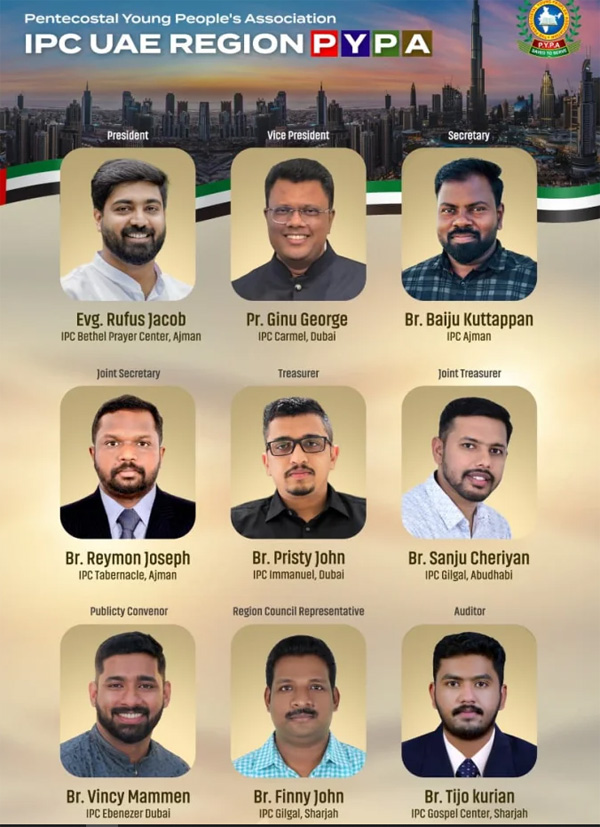
ഷാർജ : ഒക്ടോബർ 5, തിങ്കളാഴ്ച വൈകിട്ട് ഷാർജ വർഷിപ്പ് സെന്ററിൽ വച്ച് ഐ.പി.സി യു.എ.ഇ റീജിയൻ പി.വൈ.പി.എയുടെ 2026–2030 പ്രവർത്തന വർഷത്തേക്കുള്ള പുതിയ എക്സിക്യൂട്ടീവ് കമ്മിറ്റിയെ ജനറൽ ബോഡി യോഗത്തിൽ തിരഞ്ഞെടുത്തു.
ഐ.പി.സി യു.എ.ഇ റീജിയൻ പ്രസിഡന്റ് റവ. ഡോ. വിൽസൺ ജോസഫിന്റെ അധ്യക്ഷതയിൽ ചേർന്ന ജനറൽ ബോഡി യോഗത്തിൽ റീജിയനിൽ നിന്നുള്ള സഭ ശുശ്രുഷകന്മാരും സഭയിൽ നിന്നുള്ള പ്രതിനിധികളും പങ്കെടുത്തു.
പുതിയ പി.വൈ.പി.എ ഭാരവാഹികൾ:
പ്രസിഡന്റ്: സുവി.റൂഫസ് ജേക്കബ്. വൈസ് പ്രസിഡന്റ്: പാസ്റ്റർ ജിനു ജോർജ്. സെക്രട്ടറി: ബ്രദർ ബൈജു കുട്ടപ്പൻ. ജോയിന്റ് സെക്രട്ടറി: ബ്രദർ റെയ്മോൻ ജോസഫ്. ട്രഷറർ: ബ്രദർ പ്രിസ്റ്റി ജോൺ. ജോയിന്റ് ട്രഷറർ: ബ്രദർ സഞ്ജു ചെറിയാൻ. പബ്ലിസിറ്റി കൺവീനർ: ബ്രദർ വിൻസി മാമ്മൻ. റീജിയൻ കൗൺസിൽ പ്രതിനിധി: ബ്രദർ ഫിന്നി പി ജോൺ. ഓഡിറ്റർ: ബ്രദർ ടിജോ കുര്യൻ
നവീന ആശയങ്ങൾ ഉൾപ്പെടുത്തി കൂടുതൽ യുവതീ യുവാക്കളെ ക്രിസ്തുവിലേക്ക് അടുപ്പിക്കുന്നതിനായി പി.വൈ.പി.എ പ്രവർത്തനങ്ങൾ ശക്തിപ്പെടുത്തുമെന്ന് നിയുക്ത ഭാരവാഹികൾ സംയുക്തമായി പ്രസ്താവിച്ചു.
സംഘടനയുടെ ലക്ഷ്യങ്ങൾ പൂർത്തീകരിക്കുന്നതിനായി എല്ലാ സഭാംഗങ്ങളുടെയും യുവജനങ്ങളുടെയും സഹകരണവും പ്രാർത്ഥനയും ഉണ്ടാകണമെന്ന് ഭാരവാഹികൾ അഭ്യർത്ഥിച്ചു.
ഐ.പി.സി യു.എ.ഇ റീജിയൻ വൈസ് പ്രസിഡന്റ് പാസ്റ്റർ പി. എം സാമൂവേൽ, സെക്രട്ടറി പാസ്റ്റർ ഷൈനോജ് നൈനാൻ, ജോയിന്റ് സെക്രട്ടറി റവ. ഡോ. സൈമൺ ചാക്കോ എന്നിവർ പുതിയ ഭരണ സമ്മതിക്ക് ആശംസകൾ അറിയിച്ചു.
http://theendtimeradio.com
world news
കാനഡ വിസ അപേക്ഷകർക്ക് ബയോമെട്രിക്സ് നിബന്ധനകളിൽ വലിയ മാറ്റം: ഇന്ത്യക്കാർ അറിഞ്ഞിരിക്കേണ്ട പ്രധാന കാര്യങ്ങൾ!

കാനഡ സന്ദർശിക്കാനും ഉപരിപഠനത്തിനും ജോലി ചെയ്യുന്നതിനുമായി അപേക്ഷിക്കുന്ന ഇന്ത്യൻ പൗരന്മാർക്ക് ബയോമെട്രിക്സ് നിബന്ധനകളിൽ കൃത്യമായ മാർഗ്ഗനിർദ്ദേശങ്ങൾ പുറത്തിറക്കി ഇമിഗ്രേഷൻ വകുപ്പ്. വിസിറ്റർ വിസ, സ്റ്റുഡന്റ് വിസ, വർക്ക് പെർമിറ്റ്, പെർമനന്റ് റെസിഡൻസി എന്നിവയ്ക്ക് അപേക്ഷിക്കുന്നവർ വിസ നടപടികൾ വേഗത്തിലാക്കാൻ ബയോമെട്രിക് നിയമങ്ങൾ വ്യക്തമായി പാലിക്കേണ്ടതുണ്ട്.
അപേക്ഷകരുടെ വിവരങ്ങൾ സുരക്ഷിതമായി സൂക്ഷിക്കാനും കൃത്യത ഉറപ്പാക്കാനുമാണ് കാനഡ ബയോമെട്രിക്സ് സംവിധാനം നിർബന്ധമാക്കിയിട്ടുള്ളത്.കാനഡ വിസ അപേക്ഷ സമർപ്പിച്ച ശേഷം ലഭിക്കുന്ന ബയോമെട്രിക് ഇൻസ്ട്രക്ഷൻ ലെറ്റർ ഉപയോഗിച്ച് മാത്രമേ വിഎഫ്എസ് ഗ്ലോബൽ കേന്ദ്രങ്ങളിൽ വിരലടയാളവും ഫോട്ടോയും നൽകാൻ സാധിക്കൂ. നിർദ്ദിഷ്ട തീയതിക്കുള്ളിൽ തന്നെ അപ്പോയിന്റ്മെന്റ് എടുത്ത് നടപടികൾ പൂർത്തിയാക്കാൻ അപേക്ഷകർ ശ്രദ്ധിക്കേണ്ടതുണ്ട്.
ബയോമെട്രിക് വിവരങ്ങൾ വൈകുന്നത് വിസ നടപടികൾ നീളാൻ ഇടയാക്കുമെന്ന് അധികൃതർ വ്യക്തമാക്കുന്നു.ഒരിക്കൽ സമർപ്പിക്കുന്ന ബയോമെട്രിക് വിവരങ്ങൾക്ക് പത്ത് വർഷത്തെ സാധുതയുണ്ടായിരിക്കും. അതിനാൽ മുൻപ് കാനഡ വിസയ്ക്കായി വിരലടയാളം നൽകിയവർ വീണ്ടും താത്കാലിക വിസകൾക്ക് അപേക്ഷിക്കുമ്പോൾ വീണ്ടും ബയോമെട്രിക്സ് നൽകേണ്ടതില്ല. എന്നാൽ പെർമനന്റ് റെസിഡൻസി അഥവാ പിആർ വിസയ്ക്ക് അപേക്ഷിക്കുന്നവർ പഴയ ബയോമെട്രിക്സ് ഉണ്ടെങ്കിലും പുതിയതായി വീണ്ടും വിവരങ്ങൾ സമർപ്പിക്കേണ്ടതുണ്ട്.
പതിനാല് വയസ്സിന് താഴെയുള്ള കുട്ടികൾക്കും എഴുപത് വയസ്സിന് മുകളിലുള്ള മുതിർന്ന പൗരന്മാർക്കും താത്കാലിക വിസ അപേക്ഷകളിൽ ബയോമെട്രിക്സ് നൽകുന്നതിൽ നിന്ന് ഇളവ് അനുവദിച്ചിട്ടുണ്ട്. ഇന്ത്യയിലെ വിവിധ നഗരങ്ങളിൽ പ്രവർത്തിക്കുന്ന വിഎഫ്എസ് കേന്ദ്രങ്ങൾ വഴി അപേക്ഷകർക്ക് ഈ സേവനങ്ങൾ പ്രയോജനപ്പെടുത്താം. അപേക്ഷാ ഫീസിനൊപ്പം ബയോമെട്രിക് ഫീസും മുൻകൂട്ടി അടയ്ക്കേണ്ടതുണ്ട്.വിസ പ്രോസസിംഗ് വേഗത്തിലാക്കാൻ അപേക്ഷകർ ബയോമെട്രിക്സ് ലെറ്റർ ലഭിച്ച ഉടൻ തന്നെ സെന്ററുകളിൽ അപ്പോയിന്റ്മെന്റ് ബുക്ക് ചെയ്യേണ്ടതുണ്ട്. തെറ്റായ വിവരങ്ങളോ അപൂർണ്ണമായ ഫയലുകളോ സമർപ്പിച്ചാൽ അപേക്ഷ നിരസിക്കപ്പെടാൻ സാധ്യതയുണ്ട്.
കാനഡയിലേക്ക് യാത്ര തിരിക്കാൻ ആഗ്രഹിക്കുന്ന മലയാളി വിദ്യാർത്ഥികളും പ്രൊഫഷണലുകളും ഈ ഇമിഗ്രേഷൻ നിയമങ്ങൾ കൃത്യമായി പാലിക്കേണ്ടതുണ്ട്.കാനഡയിലേക്ക് കുടിയേറാൻ ആഗ്രഹിക്കുന്ന ഇന്ത്യക്കാരുടെ എണ്ണം വർദ്ധിച്ചുവരുന്ന പശ്ചാത്തലത്തിൽ ഇമിഗ്രേഷൻ പ്രക്രിയകൾ കൂടുതൽ സുതാര്യമാക്കാനാണ് ഭരണകൂടം ശ്രമിക്കുന്നത്. വ്യാജ രേഖകൾ ഉപയോഗിച്ചുള്ള വിസ തട്ടിപ്പുകൾ തടയാൻ ബയോമെട്രിക് സുരക്ഷാ പരിശോധനകൾ ഏറെ സഹായിക്കുന്നുണ്ട്. പുതിയ നിർദ്ദേശങ്ങൾ പാലിക്കുന്നത് വഴി വിസ നടപടികൾ തടസ്സമില്ലാതെ വേഗത്തിൽ പൂർത്തിയാക്കാൻ അപേക്ഷകർക്ക് സാധിക്കും.
Sources:vachakam
Canada requires most foreign nationals applying for temporary or permanent residence to provide fingerprints and a photograph as part of the immigration application process. The biometric information is used to confirm an applicant’s identity and help assess their application, according to Immigration, Refugees and Citizenship Canada (IRCC).
The rules apply to several categories of applicants, including those seeking temporary residence, permanent residence and refugee or asylum status. People applying to extend their stay in Canada may also need to provide biometrics unless they are from a visa-exempt country.
For Indian applicants seeking Canadian visas or permits, understanding when biometrics are required can help avoid delays or confusion during the application process.
Who needs to give biometrics for Canada visa?
Applicants for temporary residence generally need to provide fingerprints and a photograph unless they qualify for an exemption. This includes people applying for visitor visas, study permits and work permits.
Permanent residence applicants also generally need to provide biometrics.
IRCC lists several exemptions. Canadian citizens, citizenship applicants and existing permanent residents do not need to provide biometrics. Children under 14 and applicants over 79 are also exempt, although there is no upper-age exemption for asylum claimants.
People visiting Canada who only need an electronic travel authorization, or eTA, are exempt as well.
Other exemptions apply to certain heads of state and government, people holding or qualifying for diplomatic or official visas, and US visa holders transiting through Canada.
Applicants for a visitor visa, study permit or work permit may also be exempt if they have already provided biometrics as part of a permanent residence application that is still being processed.
How much does Canada biometrics cost?
IRCC currently charges CAN$85 for an individual applicant to provide biometrics.
Families applying at the same time can pay a maximum combined fee of CAN$170. The family rate applies to spouses or common-law partners and dependent children, subject to IRCC’s eligibility rules.
Groups of three or more performing artists and their staff applying for work permits at the same time have a maximum combined biometrics fee of CAN$255.
There is no biometrics fee for applicants seeking a transit visa.
What happens after biometrics?
Applicants who are required to provide biometrics must follow IRCC’s instructions on when and where to complete the process. Canada has designated biometrics collection locations where applicants can have their fingerprints and photograph collected.
IRCC says the fingerprints and photograph are used to confirm identity and may also be used in assessing the immigration application.
The biometrics requirement is therefore an important step for Indians and other foreign nationals applying to study, work, visit or settle in Canada. Applicants should check their individual circumstances and exemptions before assuming that a previous biometric submission means they do not need to provide the information again.
http://theendtimeradio.com


1,000 Christian Leaders Gather in Israel to Honor Oct 7 Victims, Stand With Survivors
More than 1,000 Christian leaders, community leaders and influencers from 117 countries are arriving in Israel to stand with Oct....


Christian Believers, Pastors, America Needs Your Biblical Voice
Father, we pray pastors would be bold this election season. Inspire these shepherds to engage politically, to encourage their congregations...


ഹൂസ്റ്റണിൽ എക്യുമെനിക്കൽ ബൈബിൾ കൺവെൻഷൻ ഒക്ടോബർ 16, 17 തീയതികളിൽ
ഹൂസ്റ്റൺ: ഇന്ത്യൻ ക്രിസ്ത്യൻ എക്യുമെനിക്കൽ കമ്മ്യൂണിറ്റി ഓഫ് ഹൂസ്റ്റണിന്റെ (ICECH) ആഭിമുഖ്യത്തിൽ 2026 ബൈബിൾ കൺവെൻഷൻ ഒക്ടോബർ 16, 17 തീയതികളിൽ (വെള്ളി, ശനി) വൈകുന്നേരം 6.30ന്...

നടൻ നാനാ പടേക്കർ അന്തരിച്ചു, ഹൃദയാഘാതത്തെ തുടർന്ന് അന്ത്യം
ചലച്ചിത്രകാരൻ നാനാ പടേക്കർ അന്തരിച്ചു. 75 വയസായിരുന്നു. ഗോവയിലെ വീട്ടിൽ വച്ച് ഹൃദയാഘാതത്തെ തുടർന്നാണ് അന്ത്യം. 3 തവണ ദേശീയ പുരസ്കാരം നേടിയ ചലച്ചിത്രകാരനാണ് നാനാ പടേക്കര്....

നൈജീരിയയിൽ ഈ വർഷം 4216 ക്രൈസ്തവര് കൊല്ലപ്പെട്ടതായി യുഎസ് സന്നദ്ധ സംഘടനയുടെ റിപ്പോര്ട്ട്
അബൂജ: നൈജീരിയയിൽ ക്രൈസ്തവ ജനവിഭാഗങ്ങൾക്ക് നേരെയുള്ള അക്രമങ്ങളും പീഡനങ്ങളും അതിരൂക്ഷമായി തുടരുന്നതായി സ്ഥിരീകരിച്ച് റിപ്പോർട്ട്. ഈ വർഷം ജനുവരി 1 മുതൽ സെപ്റ്റംബർ 8 വരെയുള്ള കാലയളവിൽ...


Jim Bakker, Televangelist and PTL Founder, Dies at 86, Wife Lori Bakker Announces
Televangelist Jim Bakker, a longtime Christian broadcaster and founder of the PTL television ministry, has died at 86, according to...
-

 Movie12 months ago
Forrest Frank Says He Will No Longer Participate in Awards Shows, Shares ‘Conviction’ Behind Why
-

 Movie12 months ago
Brandon Lake sweeps 2025 Dove Awards, brings down the house alongside Jelly Roll with ‘Hard Fought Hallelujah’
-

 us news4 months ago
‘America Is Hungry’: Hundreds Born Again and Baptized as Jesus Tent Revival Sweeps the Nation
-

 us news4 months ago
Mike Winger deletes YouVersion app over ‘The Passion Translation’ controversy, urges others to ‘use caution’
-

 Movie11 months ago
CBN’s Superbook Launches New Free Bible App for Kids: ‘The Power of God Is Released’
-

 Movie8 months ago
Hollywood Actor Jen Lilley Launching New Ministry After ‘Vision’ From Holy Spirit
-

 Sports12 months ago
Jaguars Star Travis Hunter, Olympic Gold Medalist Noah Lyles Get Baptized: ‘Leaving My Old Self’
-

 us news12 months ago
നൈജീരിയൻ ക്രൈസ്തവരെ സംരക്ഷിക്കാൻ നടപടി ആവശ്യപ്പെട്ട് യുഎസ് കോണ്ഗ്രസ് പ്രതിനിധികള്