
Tech
ഫോണിലെ ഈ വിചിത്ര മാറ്റങ്ങൾ നിസ്സാരമായി കാണരുത്! മൊബൈൽ ഹാക്കിംഗ് തിരിച്ചറിയാം

സ്മാർട്ട്ഫോണുകൾ ഇന്ന് കേവലം ആശയവിനിമയ ഉപാധികൾ മാത്രമല്ല, നമ്മുടെ സാമ്പത്തിക ഇടപാടുകളും വ്യക്തിഗത വിവരങ്ങളും സൂക്ഷിക്കുന്ന ഡിജിറ്റൽ ലോക്കറുകൾ കൂടിയാണ്. ഈ കാരണത്താൽ തന്നെ ഹാക്കർമാരുടെ പ്രധാന ലക്ഷ്യമായി മൊബൈൽ ഫോണുകൾ മാറിയിരിക്കുന്നു. സിം സ്വാപ്പിംഗ് (SIM Swapping), ഫിഷിംഗ് തുടങ്ങിയ മാർഗങ്ങളിലൂടെ നിങ്ങളുടെ സ്വകാര്യതയിലേക്ക് അവർ നുഴഞ്ഞുകയറാം.
ഫോൺ ഹാക്ക് ചെയ്യപ്പെട്ടിട്ടുണ്ടോ എന്ന് തിരിച്ചറിയാൻ സഹായിക്കുന്ന ചില പ്രധാന ലക്ഷണങ്ങൾ താഴെ പറയുന്നവയാണ്:
1. ബാറ്ററി പെട്ടെന്ന് തീരുക, ഫോൺ ചൂടാവുക
ഫോൺ ഉപയോഗിക്കാത്ത സമയത്ത് പോലും അമിതമായി ചൂടാകുകയോ ബാറ്ററിയുടെ ചാർജ് അസാധാരണമാംവിധം കുറയുകയോ ചെയ്യുന്നുണ്ടെങ്കിൽ ജാഗ്രത വേണം. ഫോണിന്റെ പശ്ചാത്തലത്തിൽ (Background) നിങ്ങൾ അറിയാതെ പ്രവർത്തിക്കുന്ന സ്പൈവെയറുകളോ വൈറസുകളോ ഇതിന് കാരണമാകാം.
2. ഫോൺ ബില്ലിലെ വർധനവും ഡാറ്റാ ഉപയോഗവും
നിങ്ങളുടെ ഇന്റർനെറ്റ് ഡാറ്റ പെട്ടെന്ന് തീരുന്നുണ്ടോ? എങ്കിൽ ഫോണിലെ വിവരങ്ങൾ ഹാക്കർമാർ മറ്റൊരു സെർവറിലേക്ക് കൈമാറുന്നുണ്ടാകാം. കൂടാതെ, നിങ്ങൾ അയക്കാത്ത പ്രീമിയം എസ്.എം.എസുകൾക്കായി ബില്ലിൽ തുക ഈടാക്കുന്നുണ്ടോ എന്നും പരിശോധിക്കുക.
3. അജ്ഞാത ആപ്പുകളുടെ സാന്നിധ്യം
നിങ്ങൾ ഇൻസ്റ്റാൾ ചെയ്യാത്ത പുതിയ ആപ്പുകൾ ഫോണിൽ കാണപ്പെടുന്നത് ഹാക്കിംഗിന്റെ വ്യക്തമായ സൂചനയാണ്. നിലവിലുള്ള ആപ്പുകൾ ഇടയ്ക്കിടെ ക്രാഷ് ആകുകയോ (Crash), തുറക്കാൻ കാലതാമസം എടുക്കുകയോ ചെയ്യുന്നതും സംശയിക്കേണ്ടതാണ്.
4. നിഗൂഢമായ പോപ്പ്-അപ്പുകളും നോട്ടിഫിക്കേഷനുകളും
ഫോൺ സ്ക്രീനിൽ വിചിത്രമായ പരസ്യങ്ങൾ പ്രത്യക്ഷപ്പെടുകയോ, നിങ്ങൾ ലോഗിൻ ചെയ്യാൻ ശ്രമിക്കാതെ തന്നെ ‘ടു-ഫാക്ടർ ഓതന്റിക്കേഷൻ’ (2FA) കോഡുകൾ വരികയോ ചെയ്യുന്നത് ഹാക്കിംഗ് ശ്രമത്തിന്റെ ഭാഗമാണ്. മൈക്രോഫോണോ ക്യാമറയോ തനിയെ പ്രവർത്തിക്കുന്നതും ശ്രദ്ധയിൽപ്പെട്ടാൽ ഉടൻ സുരക്ഷാ നടപടികൾ സ്വീകരിക്കുക.
5. നിങ്ങളറിയാതെ പോകുന്ന സന്ദേശങ്ങൾ
നിങ്ങളുടെ വാട്സ്ആപ്പ് വഴിയോ മറ്റ് മെസ്സേജിംഗ് ആപ്പുകൾ വഴിയോ മറ്റുള്ളവർക്ക് സന്ദേശങ്ങൾ പോകുന്നുണ്ടെങ്കിൽ നിങ്ങളുടെ അക്കൗണ്ടുകൾ മറ്റൊരാളുടെ നിയന്ത്രണത്തിലാണെന്ന് ഉറപ്പിക്കാം.
മേൽപ്പറഞ്ഞ മാറ്റങ്ങൾ ശ്രദ്ധയിൽപ്പെട്ടാൽ ഉടൻ തന്നെ ഫോൺ റീസെറ്റ് ചെയ്യുകയോ (Factory Reset), ബാങ്ക് അക്കൗണ്ടുകളുടെ പാസ്വേഡുകൾ മാറ്റുകയോ ചെയ്യുന്നത് സുരക്ഷിതമായിരിക്കും.
Sources:mediamangalam
We bank, search, shop, learn, and share our lives through our phones. Needless to say, there’s a lot of sensitive information stored on these pocket-sized devices, including passwords and credit card numbers. And as AI functionality becomes a standard feature on newer mobile operating systems, phones are storing even more personal data, queries, and user behavior.
A successful mobile phone hacking attempt can enable attackers to see saved data in real time. And with this kind of access, they can potentially commit identity theft, financial fraud, blackmail, and other crimes.
In this post, we’ll walk you through common warning signs of a hacked phone, how to confirm it, what steps to take next, and how to protect yourself from future attacks.
11 signs my phone is hacked
If your phone loses battery, runs slowly, eats up your data, or otherwise starts performing poorly, it could be a sign that someone has unauthorized access to it.
Check out this video for the 5 most common warning signs your phone is hacked, then jump down below to see even more signs.
Indicator lights turn on: Most phones have indicator lights that show when the camera or microphone is in use. If these lights activate when you’re not using those features, it could be a sign that a hacker is accessing them to spy on you. But beware that some advanced spyware can access your camera or mic without triggering the indicator lights.
Battery drains quickly: If your phone use habits haven’t changed but your battery is draining faster than usual, hidden malware may be running in the background and consuming system resources. Confirm if the cause of your battery’s rapid depletion is malware or a hardware problem by checking your battery health in the settings.
Unusual calls and texts: An accidental dial happens occasionally, but if your outgoing call history is full of calls you don’t remember making, that could be a phone hacking red flag. Similarly, if you suddenly stop receiving calls or text messages, or your contacts claim to have received strange messages, your phone or phone number may be compromised.
Unwanted verification codes: If you start receiving SMS or email verification codes for accounts you didn’t try to access, it could mean someone is attempting to break into your online accounts using your phone number or email address through a technique called spoofing.
Suspicious account activity or lockouts: You might be dealing with a phone hacker if you get locked out of your accounts unexpectedly or see odd activity, such as password reset requests you didn’t make, or new social media posts.
Phone overheats: While phones can get warm with heavy use or due to external factors, a phone overheating while idle could be a sign of hacking, since background processes can strain the device’s resources.
Storage space runs out: Malware can take up significant space on your phone as it installs new files or duplicates existing ones, leading to you running out of storage space faster than expected. Regularly check your storage usage to identify any unexplained increases.
Unexpected pop-ups: Aggressive and persistent pop-up ads, especially those appearing outside of your web browser, can be a sign of adware installed on your phone without your consent. These pop-ups can be disruptive and sometimes lead to further malicious downloads or websites, so be cautious if you start seeing them frequently.
High data usage: If you discover an unfamiliar app is consuming a large amount of your cellular data, it could be an undercover type of malware. Often, malware secretly communicates with remote servers, downloads additional malware, or adds your phone to a botnet, all of which are activities that use a lot of data.
Phone runs slowly: Hacked phones often run slowly because malicious software consumes processing power and memory in the background. On Android devices, you can usually review CPU usage in the settings to identify resource-heavy apps. On iPhones, while CPU load isn’t visible, you can review battery usage to spot apps that may be draining resources unusually fast.
Unfamiliar apps: While some unfamiliar apps come pre-installed on your device, others could signal a potential hack. Malware often disguises itself as legitimate software to avoid detection. To identify suspicious apps, scroll through your full list of installed applications in your device settings and look for anything you don’t recognize or remember downloading.
How to confirm if your phone is hacked
If warning signs indicate that somebody hacked your phone, you should confirm if malware is present before beginning the recovery process. The simplest way to confirm is to run a reliable malware scan with a trusted anti-malware tool. For a more thorough investigation, you can consult a cybersecurity specialist who can analyze system logs, monitor network traffic, and pinpoint the source of the threat.
Or, you can take the matter into your own hands with Norton 360 Deluxe, which includes a powerful malware scanner built to uncover malicious software hiding in your installed apps, files, and system processes.
What to do if your phone is hacked?
If you suspect somebody hacked your phone, take immediate steps to limit the attacker’s access. To protect your information, accounts, and self, you should:
Avoid entering personal data like banking passwords or verification codes on the hacked phone until it’s secured.
Cover your camera, especially if the indicator light is on, to ensure the hacker can’t see you.
Put your phone on airplane mode to disconnect it from the internet and stop the malware from transferring data or communicating with external servers.
Use another device to change passwords and set up 2FA on important accounts.
Back up essential data to a cloud backup service or other trusted source — but only after scanning for malware to avoid transferring infected content to other devices.
How to remove a hacker from my phone
Once you’ve confirmed your phone is hacked and taken the necessary precautions, it’s time to recover your device. Here are some steps you can take to remove malware from your phone:
Use antivirus software: Run an antivirus scan to detect and remove any viruses, other malware, or dangerous files.
Remove suspicious apps: Delete any apps you don’t recognize, especially those draining battery, hogging data, or requesting excessive permissions.
Clear your browsing history: Wipe your browser’s history and cache to remove malicious scripts and tracking cookies that could compromise your privacy.
Delete unfamiliar devices: Review connected devices in your Google, Apple, and social media accounts. Remove any unknown devices immediately to prevent unauthorized access.
Reset your phone: If all else fails, perform a factory reset to wipe your device. Back up important files first, but don’t restore from your most recent backup, as it may contain malware and reinfect your phone.
How to protect your phone from hackers
As zero-click attacks become more common, it’s more important than ever to keep phone apps and operating systems updated. This helps keep attackers from exploiting device vulnerabilities and hacking your phone.
You can also take several other safety measures to protect your phone from hackers who are still relying on older attacks, too:
Don’t click suspicious links: Avoid tapping on unknown links in texts, emails, or pop-up ads. They could trigger malware downloads or direct you to phishing sites.
Use a password manager: A password manager helps you generate strong, unique passwords for every account, so even if one is compromised, the rest stay secure.
Update passwords: To keep your accounts secure, change your passwords immediately after a data breach or suspicious activity is detected.
Protect your data with a VPN: A VPN encrypts your internet traffic and shields you from hackers, especially on public Wi-Fi networks.
Add security measures: Enable two-factor authentication (2FA) and use biometric features like fingerprint or facial recognition for added account protection whenever possible.
Turn off Bluetooth: When not in use, disable Bluetooth to prevent hackers from exploiting open connections to your phone.
Don’t jailbreak your phone: While jailbreaking might give you more control, it also removes built-in protections, making it easier for hackers to access your device.
Maximize your mobile protection
While the idea of a hacked phone is scary, you can take steps to prevent it by being smart about what you click, download, and store on your phone.
For stronger protection, use Norton 360 Deluxe. Its award-winning threat-detection engine helps block malware and hackers, while the built-in VPN encrypts your internet connection against unwanted intrusions, even on public Wi-Fi. Take control of your mobile security today.
http://theendtimeradio.com




Tech
ഒരു റീൽ കണ്ടാൽ പിന്നെ വരുന്നതെല്ലാം സമാന വീഡിയോകൾ! സോഷ്യൽ മീഡിയ അൽഗോരിതം പ്രവർത്തിക്കുന്നതെങ്ങനെ?

രാവിലെ ഉറക്കമുണർന്നാൽ ആദ്യം ഫോണിലേക്ക് കൈ നീളുന്നവരും രാത്രി ഉറങ്ങുന്നതിന് തൊട്ടുമുമ്പ് വരെ സോഷ്യൽ മീഡിയയിൽ സമയം ചെലവഴിക്കുന്നവരും നിരവധിയാണ്. ഒരു റീൽ കണ്ടുതീർന്നാൽ സമാനമായ മറ്റൊന്ന് മുന്നിലെത്തും. ഓൺലൈനിൽ ഒരു ഉൽപ്പന്നത്തെക്കുറിച്ച് തിരഞ്ഞാൽ പിന്നാലെ അതിന്റെ പരസ്യങ്ങളും പ്രത്യക്ഷപ്പെടും. ഇതെല്ലാം വെറും യാദൃച്ഛികമാണോ? അതോ നമ്മൾ അറിയാതെ തന്നെ നമ്മുടെ താൽപര്യങ്ങൾ തിരിച്ചറിഞ്ഞ് ഉള്ളടക്കം തിരഞ്ഞെടുക്കുന്ന ഒരു സംവിധാനം പിന്നിലുണ്ടോ?
ഇൻസ്റ്റഗ്രാം, ഫേസ്ബുക്ക്, യൂട്യൂബ് തുടങ്ങിയ പ്ലാറ്റ്ഫോമുകളിൽ ഓരോരുത്തർക്കും ലഭിക്കുന്ന ഉള്ളടക്കം വ്യത്യസ്തമാണ്. ഒരാളുടെ ഫീഡിൽ യാത്രാ വീഡിയോകൾ നിറയുമ്പോൾ മറ്റൊരാൾക്ക് പാചകക്കുറിപ്പുകളോ സിനിമാ വാർത്തകളോ രാഷ്ട്രീയ ചർച്ചകളോ ആയിരിക്കും കൂടുതലായി കാണാനാകുക. ഇതിന് പിന്നിൽ പ്രവർത്തിക്കുന്ന പ്രധാന സംവിധാനങ്ങളിലൊന്നാണ് സോഷ്യൽ മീഡിയ അൽഗോരിതം. നമ്മുടെ താൽപര്യങ്ങൾ തിരിച്ചറിയാനും കൂടുതൽ പ്രസക്തമെന്ന് തോന്നുന്ന ഉള്ളടക്കം മുന്നിലെത്തിക്കാനും ഇതിന് കഴിയും. എന്നാൽ ഈ സംവിധാനം നമ്മുടെ സമയത്തെയും ചിന്തകളെയും തീരുമാനങ്ങളെയും എത്രത്തോളം സ്വാധീനിക്കുന്നു എന്നത് ശ്രദ്ധിക്കേണ്ട കാര്യമാണ്.
എന്താണ് സോഷ്യൽ മീഡിയ അൽഗോരിതം?
സോഷ്യൽ മീഡിയയിൽ ഏതൊക്കെ പോസ്റ്റുകൾ ആദ്യം കാണിക്കണം, ഏത് റീൽ നിർദേശിക്കണം, ഏതൊക്കെ അക്കൗണ്ടുകളുടെ ഉള്ളടക്കം മുന്നിലെത്തിക്കണം തുടങ്ങിയ കാര്യങ്ങളിൽ തീരുമാനമെടുക്കാൻ സഹായിക്കുന്ന നിർദേശ സംവിധാനങ്ങളെയാണ് പൊതുവെ അൽഗോരിതങ്ങൾ എന്ന് വിളിക്കുന്നത്. ഉപയോക്താവ് എന്താണ് കാണുന്നത്, ഏതൊക്കെ പോസ്റ്റുകളോട് പ്രതികരിക്കുന്നു, ഏത് വീഡിയോകൾക്കാണ് കൂടുതൽ സമയം ചെലവഴിക്കുന്നത് തുടങ്ങിയ വിവരങ്ങളിൽനിന്ന് താൽപര്യങ്ങൾ കണക്കാക്കാൻ ഇവ ശ്രമിക്കുന്നു.
ഉദാഹരണത്തിന്, നിങ്ങൾ തുടർച്ചയായി യാത്രാ വീഡിയോകൾ കാണുകയും അവ സേവ് ചെയ്യുകയോ സുഹൃത്തുക്കൾക്ക് അയച്ചുകൊടുക്കുകയോ ചെയ്യുന്നുണ്ടെങ്കിൽ സമാനമായ വീഡിയോകൾ കൂടുതൽ നിർദേശിക്കപ്പെട്ടേക്കാം. അതുപോലെ, ഒരു പ്രത്യേക വിഷയത്തിലുള്ള ഉള്ളടക്കം വേഗത്തിൽ മറികടക്കുകയാണെങ്കിൽ അത്തരം പോസ്റ്റുകൾക്ക് പ്രാധാന്യം കുറയാനും സാധ്യതയുണ്ട്. ഓരോ പ്ലാറ്റ്ഫോമിന്റെയും സംവിധാനം വ്യത്യസ്തമാണെങ്കിലും ഉപയോക്താവിന് താൽപര്യമുണ്ടാകാൻ സാധ്യതയുള്ള ഉള്ളടക്കം കണ്ടെത്തുക എന്നത് പൊതുവായ ലക്ഷ്യങ്ങളിലൊന്നാണ്.
നിങ്ങളുടെ താൽപര്യങ്ങൾ അൽഗോരിതം തിരിച്ചറിയുന്നതെങ്ങനെ?
നിങ്ങൾ സോഷ്യൽ മീഡിയയിൽ നടത്തുന്ന വിവിധ പ്രവർത്തനങ്ങൾ അൽഗോരിതത്തിന് സൂചനകളാകുന്നു. ലൈക്ക് ചെയ്യുന്നതും കമന്റ് ഇടുന്നതും മാത്രമല്ല, ഒരു വീഡിയോ എത്രനേരം കാണുന്നു, അത് മുഴുവനായി കാണുന്നുണ്ടോ, ഏത് അക്കൗണ്ടുകളെയാണ് ഫോളോ ചെയ്യുന്നത് തുടങ്ങിയ കാര്യങ്ങളും നിർദേശങ്ങളെ സ്വാധീനിച്ചേക്കാം.
ഉള്ളടക്കം കാണുന്ന രീതി: നിങ്ങൾ പതിവായി കാണുന്ന വിഷയങ്ങളും വീഡിയോകളും താൽപര്യങ്ങളെക്കുറിച്ചുള്ള സൂചനകൾ നൽകുന്നു.
ചെലവഴിക്കുന്ന സമയം: ഒരു വീഡിയോയിൽ കൂടുതൽ സമയം ചെലവഴിക്കുന്നതും അത് വീണ്ടും കാണുന്നതും ആ ഉള്ളടക്കത്തോടുള്ള താൽപര്യമായി സംവിധാനം കണക്കാക്കിയേക്കാം. കലണ്ടർകാണുക
നിങ്ങളുടെ ഇടപെടലുകൾ: ലൈക്ക്, കമന്റ്, ഷെയർ, സേവ് തുടങ്ങിയ പ്രവർത്തനങ്ങൾ നിർദേശങ്ങളെ സ്വാധീനിക്കാം.
ഫോളോ ചെയ്യുന്ന അക്കൗണ്ടുകൾ: നിങ്ങൾ പിന്തുടരുന്ന വ്യക്തികൾ, പേജുകൾ, ചാനലുകൾ എന്നിവയുടെ ഉള്ളടക്കവും ഫീഡിൽ പ്രതിഫലിച്ചേക്കാം.
നിങ്ങളുടെ പ്രതികരണങ്ങൾ: താൽപര്യമില്ലാത്ത ഉള്ളടക്കം മറികടക്കുന്നതും ചില പോസ്റ്റുകൾ കാണാൻ താൽപര്യമില്ലെന്ന് അറിയിക്കുന്നതും നിർദേശങ്ങളെ മാറ്റാൻ സഹായിച്ചേക്കാം.
ഇവയെല്ലാം പരിഗണിച്ച് നിങ്ങൾക്ക് താൽപര്യമുണ്ടാകാൻ സാധ്യതയുള്ള ഉള്ളടക്കം ഏതാണെന്ന് അൽഗോരിതം കണക്കാക്കുന്നു. എന്നാൽ നിങ്ങൾ കാണുന്ന ഓരോ കാര്യവും നിങ്ങൾക്കിഷ്ടമാണെന്നോ നിങ്ങൾക്ക് അതിൽ താൽപര്യമുണ്ടെന്നോ ഇതിലൂടെ ഉറപ്പിക്കാനാവില്ല. ചിലപ്പോൾ കൗതുകം കൊണ്ടോ വിമർശനപരമായി പരിശോധിക്കാനോ വേണ്ടിയും ആളുകൾ ഒരു ഉള്ളടക്കം കാണാറുണ്ട്.
ഒരു റീൽ കാണാനെത്തി അരമണിക്കൂർ ചെലവഴിക്കുന്നതെന്തുകൊണ്ട്?
സോഷ്യൽ മീഡിയയിൽ ഒരു വീഡിയോ മാത്രം കാണാനായി പ്രവേശിച്ചിട്ട് ഏറെ നേരം അവിടെ തുടരുന്ന അനുഭവം പലർക്കുമുണ്ടാകും. ഒരു വീഡിയോ അവസാനിക്കുമ്പോഴേക്കും അടുത്തത് തയ്യാറായിരിക്കും. അതും താൽപര്യമുണർത്തുന്നതാണെങ്കിൽ വീണ്ടും കാണും. ഇങ്ങനെ തുടർച്ചയായി ഉള്ളടക്കം ലഭിക്കുന്നത് സമയം കടന്നുപോകുന്നത് ശ്രദ്ധിക്കാതിരിക്കാനുള്ള ഒരു കാരണമായേക്കാം.
ഉപയോക്താവിന് ഇഷ്ടമുള്ള ഉള്ളടക്കം എളുപ്പത്തിൽ കണ്ടെത്താൻ നിർദേശ സംവിധാനങ്ങൾ സഹായിക്കുന്നുണ്ട്. അതേസമയം, തുടർച്ചയായി പുതിയ വീഡിയോകൾ ലഭിക്കുന്നത് സോഷ്യൽ മീഡിയ ഉപയോഗസമയം നീളാനും ഇടയാക്കാം. ഉപയോഗസമയവും വ്യക്തിയുടെ ഉറക്കശീലങ്ങളും ശ്രദ്ധയും മാനസികക്ഷേമവും തമ്മിലുള്ള ബന്ധം സംബന്ധിച്ച് ഗവേഷണങ്ങൾ തുടരുകയാണ്. അതിനാൽ എല്ലാവരെയും ഒരുപോലെ ബാധിക്കുമെന്ന് പറയാനാവില്ലെങ്കിലും, സ്വന്തം ഉപയോഗശീലങ്ങൾ നിരീക്ഷിക്കുന്നത് പ്രയോജനകരമാണ്.
അൽഗോരിതം നമ്മുടെ ചിന്തകളെയും കാഴ്ചപ്പാടുകളെയും സ്വാധീനിക്കുമോ?
നിങ്ങൾ സ്ഥിരമായി ഒരേ വിഷയത്തിലുള്ള വീഡിയോകളും പോസ്റ്റുകളും മാത്രം കാണുന്നുവെന്ന് കരുതുക. കാലക്രമേണ ആ വിഷയമാണ് സമൂഹത്തിൽ ഏറ്റവും പ്രധാനപ്പെട്ടതെന്നും അതേക്കുറിച്ചുള്ള അഭിപ്രായമാണ് ഭൂരിഭാഗം ആളുകൾക്കുമുള്ളതെന്നും തോന്നിയേക്കാം. എന്നാൽ സോഷ്യൽ മീഡിയയിൽ കാണുന്ന ഉള്ളടക്കം സമൂഹത്തിലെ എല്ലാവരുടെയും അഭിപ്രായങ്ങളെ പ്രതിനിധീകരിക്കുന്നതല്ല.
ഒരേ തരത്തിലുള്ള കാഴ്ചപ്പാടുകളുള്ള ഉള്ളടക്കം ആവർത്തിച്ച് കാണുമ്പോൾ വ്യത്യസ്ത അഭിപ്രായങ്ങളും വിവരങ്ങളും പരിചയപ്പെടാനുള്ള അവസരം കുറഞ്ഞേക്കാം. ചില സാഹചര്യങ്ങളിൽ ഇത് ‘എക്കോ ചേംബർ’ (Echo Chamber) എന്നറിയപ്പെടുന്ന അവസ്ഥയിലേക്ക് നയിക്കാം. ഒരേ അഭിപ്രായങ്ങൾ ആവർത്തിച്ച് കേൾക്കുകയും അവയെ പിന്തുണയ്ക്കുന്ന വിവരങ്ങൾ മാത്രം കാണുകയും ചെയ്യുമ്പോൾ സ്വന്തം നിലപാടുകളെ ചോദ്യം ചെയ്യാനുള്ള അവസരവും കുറഞ്ഞേക്കാം.
എന്നാൽ ഇതിന് കാരണം അൽഗോരിതം മാത്രമല്ല. വ്യക്തിയുടെ സ്വന്തം താൽപര്യങ്ങൾ, പിന്തുടരുന്ന അക്കൗണ്ടുകൾ, സുഹൃത്തുക്കളുടെ ഇടപെടലുകൾ, സമൂഹത്തിലെ ചർച്ചകൾ തുടങ്ങിയവയും സ്വാധീനം ചെലുത്തുന്നു. അതിനാൽ വാർത്തകളും അഭിപ്രായങ്ങളും വിലയിരുത്തുമ്പോൾ ഒന്നിലധികം വിശ്വസനീയമായ ഉറവിടങ്ങൾ പരിശോധിക്കുന്നത് പ്രധാനമാണ്. ഗണിതംപഠിക്കുക
പരസ്യങ്ങൾ നിങ്ങളെ പിന്തുടരുന്നതുപോലെ തോന്നുന്നതെന്തുകൊണ്ട്?
ഓൺലൈനിൽ ഒരു ഉൽപ്പന്നത്തെക്കുറിച്ച് തിരഞ്ഞതിന് പിന്നാലെ അതുമായി ബന്ധപ്പെട്ട പരസ്യങ്ങൾ സോഷ്യൽ മീഡിയയിൽ കാണുന്നത് പലരിലും സംശയമുണ്ടാക്കാറുണ്ട്. പരസ്യ സംവിധാനങ്ങൾ ഉപയോക്താക്കളുടെ താൽപര്യങ്ങളുമായി ബന്ധപ്പെട്ട സൂചനകൾ ഉപയോഗിച്ച് പരസ്യങ്ങൾ തിരഞ്ഞെടുക്കാറുണ്ട്. ചില സന്ദർഭങ്ങളിൽ വെബ്സൈറ്റുകളിലെയും ആപ്പുകളിലെയും പ്രവർത്തനങ്ങൾ, പരസ്യ ഐഡികൾ, കുക്കികൾ, പരസ്യദാതാക്കൾ പങ്കുവെക്കുന്ന വിവരങ്ങൾ തുടങ്ങിയവയും ഇതിൽ പങ്കുവഹിച്ചേക്കാം.
എന്നാൽ ഒരു ഉൽപ്പന്നത്തെക്കുറിച്ച് സംസാരിച്ചതുകൊണ്ടുതന്നെ ഫോണിലെ മൈക്രോഫോൺ സംഭാഷണം കേട്ടു എന്ന് നിഗമനം ചെയ്യാനാവില്ല. മുമ്പത്തെ തിരച്ചിലുകൾ, സന്ദർശിച്ച വെബ്സൈറ്റുകൾ, സമാന താൽപര്യങ്ങൾ, പൊതുവായ ജനസംഖ്യാ വിവരങ്ങൾ തുടങ്ങിയ പല ഘടകങ്ങളും പരസ്യങ്ങൾ പ്രത്യക്ഷപ്പെടാൻ കാരണമാകാം.
സോഷ്യൽ മീഡിയയിലെ സ്വകാര്യത എങ്ങനെ സംരക്ഷിക്കാം?
സോഷ്യൽ മീഡിയ ഉപയോഗിക്കുമ്പോൾ സ്വകാര്യതാ ക്രമീകരണങ്ങൾ പരിശോധിക്കുന്നതും ആപ്പുകൾ ആവശ്യപ്പെടുന്ന അനുമതികളെക്കുറിച്ച് ശ്രദ്ധിക്കുന്നതും പ്രധാനമാണ്. പ്രവർത്തനത്തിന് ആവശ്യമില്ലാത്ത അനുമതികൾ നൽകാതിരിക്കുക. ലൊക്കേഷൻ, കോൺടാക്ടുകൾ, മൈക്രോഫോൺ, ക്യാമറ തുടങ്ങിയവയ്ക്കുള്ള അനുമതികൾ ആവശ്യാനുസരണം നിയന്ത്രിക്കാം.
പരസ്യ വ്യക്തിഗതമാക്കൽ, പ്രവർത്തന ചരിത്രം, അക്കൗണ്ട് സ്വകാര്യത തുടങ്ങിയ ക്രമീകരണങ്ങളും പരിശോധിക്കാം. സോഷ്യൽ മീഡിയ പൂർണമായി ഉപേക്ഷിക്കണമെന്നില്ല; പകരം, ഉപയോഗസമയത്തിന് പരിധി നിശ്ചയിക്കുക, ആവശ്യമില്ലാത്ത അറിയിപ്പുകൾ ഓഫ് ചെയ്യുക, ഇടവേളകളെടുക്കുക തുടങ്ങിയ ശീലങ്ങൾ സഹായകമാകും. വിശ്വസനീയമെന്ന് തോന്നുന്ന വിവരങ്ങൾ പോലും പങ്കുവെക്കുന്നതിന് മുമ്പ് ഉറവിടം പരിശോധിക്കുന്നതും നല്ലതാണ്.
നിങ്ങൾ കാണുന്നത് നിങ്ങളുടെ തിരഞ്ഞെടുപ്പാണോ?
സോഷ്യൽ മീഡിയ അൽഗോരിതങ്ങൾ ഉപയോക്താക്കൾക്ക് പ്രസക്തമായ ഉള്ളടക്കം കണ്ടെത്താൻ സഹായിക്കുന്നതിനൊപ്പം, അവർ എന്ത് കാണുന്നു എന്നതിനെ സ്വാധീനിക്കുകയും ചെയ്യുന്നു. അതിനാൽ ഫീഡിൽ പ്രത്യക്ഷപ്പെടുന്ന ഉള്ളടക്കത്തെ സ്വന്തം താൽപര്യങ്ങളുടെ കൃത്യമായ പ്രതിഫലനമായോ സമൂഹത്തിന്റെ പൊതുവായ കാഴ്ചപ്പാടായോ കാണേണ്ടതില്ല.
അടുത്ത തവണ ഒരു റീൽ കണ്ടുതീർന്നിട്ട് മറ്റൊന്ന് തുറക്കുമ്പോൾ ഒരു നിമിഷം ചിന്തിച്ചുനോക്കൂ, ഈ വീഡിയോ കാണാൻ ഞാൻ സ്വയം തീരുമാനിച്ചതാണോ, അതോ എനിക്ക് ഇഷ്ടപ്പെടാൻ സാധ്യതയുണ്ടെന്ന് ഒരു സംവിധാനം കണക്കാക്കി മുന്നിലെത്തിച്ചതാണോ? ഈ വ്യത്യാസം തിരിച്ചറിയുന്നത് സോഷ്യൽ മീഡിയ കൂടുതൽ ബോധപൂർവം ഉപയോഗിക്കാനും സ്വന്തം സമയത്തിനും ശ്രദ്ധയ്ക്കും നിയന്ത്രണം നിലനിർത്താനും സഹായിക്കും.
Sources:mediamangalam
For years, I have been writing about digital marketing, how to start with lower budgets, how to get better results from ads, how to tweak offers, etc, but lately, I had a reality check that should take me a step back.
In a recent meeting of mine that I attended as a spectator only, I found out that people do not really understand the core fundamentals of the digital platforms, and lots of the social media teams around (Not all of course) got into social media with practice and do not have an idea about the science and theories behind it.
Therefore, I decided to take a step back and explain how algorithms work, why you see content, and if a platform is getting poisoned with low-quality content, what does this actually mean?
1- How social media algorithms work
Social media algorithms operate by tracking user behavior, such as what you watch, like, comment on, share, and how long you engage with a piece of content, and then prioritizing posts that match those patterns.
The core objective of the algorithm is to keep users on the platform longer, so it continuously analyzes signals like relevance, recency, relationships, and content type to determine what to show you first.
Over time, the algorithm builds a personalized feed that reflects your interests, ensuring higher engagement and more time spent on the platform.
In less technical words, Algorithms are the thing that notices what you like and show you more of it by identifying a few checkpoints, such as your likes, comments, how long you watch a video, and more.
2- Why do you see the content you see on social media
As we agreed, social media shows you what they think you like based on the time you spend there. So if a piece of content, let’s say a video, popped up in front of you, and you watched it for a little longer out of curiosity, a few scrolls later, you will see another video that is similar to it.
For example, if you think that video was something explicit that you don’t want to see, but you stayed a little longer because you were shocked by its existence on the platform, the platform will only understand that you watched it or a little longer and start showing you more, and the more you spend time feeling shocked, the more it will show you.
3- Are platforms getting poisoned with low-quality content, or is it just you?
At this point, I would like to tell you that, fortunately, you are not the only problem, and there are people whom we can blame, but you are still a part of it.
Many users are indeed posting low-quality content because it gets more views, but it is getting more views because people are interacting, spending more time on this content, etc.
So yes, we will definitely blame them, but let’s not forget that you also can control what you see by simply skipping the content you dislike.
Furthermore, there are content filters in each platform that help you block explicit content. Although it does not work perfectly, at least it will remove some of it and make your mission to ignore the content you don’t want a bit easier.
Tech
മറ്റുള്ളവർ ടാഗ് ചെയ്ത പോസ്റ്റുകൾ ഇനി സ്വന്തം പ്രൊഫൈൽ ഗ്രിഡിൽ; ഇൻസ്റ്റഗ്രാമിന്റെ പുതിയ ഫീച്ചർ എത്തി
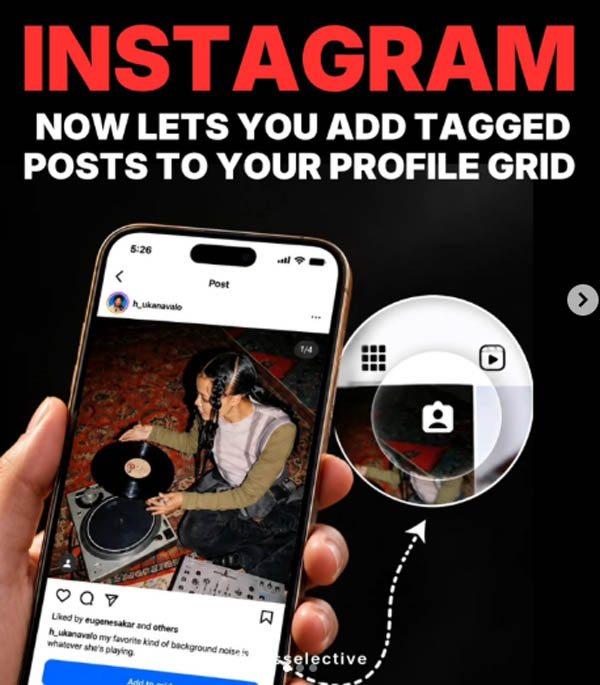
ഇൻസ്റ്റഗ്രാമിൽ മറ്റുള്ളവർ പങ്കുവെച്ച് നമ്മളെ ടാഗ് ചെയ്ത പോസ്റ്റുകൾ സ്വന്തം പ്രൊഫൈലിൽ കൂടുതൽ പ്രാധാന്യത്തോടെ പ്രദർശിപ്പിക്കാനുള്ള അവസരം ഇനി ഉപയോക്താക്കൾക്ക്. ടാഗ് ചെയ്ത പോസ്റ്റുകൾ നേരിട്ട് പ്രൊഫൈൽ ഗ്രിഡിൽ ഉൾപ്പെടുത്താൻ കഴിയുന്ന പുതിയ ഫീച്ചർ ഇൻസ്റ്റഗ്രാം മേധാവി ആദം മൊസ്സേരി ആഗോളതലത്തിൽ അവതരിപ്പിച്ചു.
ടാഗ് ചെയ്യപ്പെടുന്ന പോസ്റ്റുകൾ പ്രൊഫൈലിന്റെ പ്രധാന ഗ്രിഡിലേക്ക് ചേർക്കാൻ മൂന്ന് മാർഗങ്ങളാണ് ഇൻസ്റ്റഗ്രാം ഒരുക്കിയിരിക്കുന്നത്.
1 . ടാഗ് ചെയ്തതായി ലഭിക്കുന്ന ഡയറക്റ്റ് മെസേജ് നോട്ടിഫിക്കേഷനിൽനിന്ന് നേരിട്ട് പോസ്റ്റ് ഗ്രിഡിലേക്ക് ചേർക്കാം.
2. ടാഗ് ചെയ്ത പോസ്റ്റിലെ ത്രീ-ഡോട്ട് മെനുവിലൂടെ.
3. ‘ടാഗ്ഡ്’ ടാബിൽ പോസ്റ്റ് അമർത്തിപ്പിടിച്ചും ഈ ഓപ്ഷൻ ഉപയോഗിക്കാം.
പോസ്റ്റ് പ്രധാന പ്രൊഫൈൽ ഗ്രിഡിലേക്ക് ചേർത്താലും യഥാർത്ഥ പോസ്റ്റിന് മാറ്റമുണ്ടാകില്ല. അതുപോലെ തന്നെ പ്രൊഫൈലിലെ ‘ടാഗ്ഡ്’ സെക്ഷനിലും പോസ്റ്റ് തുടരും. പിന്നീട് പ്രധാന ഗ്രിഡിൽനിന്ന് ഒരു പോസ്റ്റ് നീക്കം ചെയ്താലും അത് യഥാർത്ഥമായി അപ്ലോഡ് ചെയ്ത വ്യക്തിയുടെ പോസ്റ്റിൽനിന്ന് ഡിലീറ്റ് ചെയ്യപ്പെടില്ല.
പുതുതായി ഗ്രിഡിൽ ചേർക്കുന്ന ടാഗ് ചെയ്ത പോസ്റ്റുകൾ ഡിഫോൾട്ടായി റിവേഴ്സ്-ക്രോണോളജിക്കൽ ക്രമത്തിലാണ് ദൃശ്യമാകുക. അതേസമയം, നേരത്തെ തന്നെ സ്വന്തം പ്രൊഫൈൽ ഗ്രിഡിന്റെ ലേഔട്ട് ക്രമീകരിച്ചിട്ടുള്ള ഉപയോക്താക്കളുടെ നിലവിലെ ലേഔട്ടിൽ ഈ ഫീച്ചർ സ്വമേധയാ മാറ്റം വരുത്തില്ല.
ക്രിയേറ്റർ കൊളാബറേഷനുകൾ, സുഹൃത്തുക്കൾ പങ്കുവെക്കുന്ന ഗ്രൂപ്പ് ചിത്രങ്ങൾ, മറ്റ് ടാഗ് ചെയ്ത കണ്ടന്റുകൾ എന്നിവ സ്വന്തം പ്രൊഫൈൽ ഗ്രിഡിൽ പ്രദർശിപ്പിക്കാൻ പുതിയ ഫീച്ചർ സഹായിക്കും. ഇതിലൂടെ ഇത്തരം പോസ്റ്റുകൾ സ്വന്തം ഫോളോവർമാരിലേക്കും കൂടുതൽ എളുപ്പത്തിൽ എത്തിക്കാനാകും. പ്രൊഫൈലിൽ കാണിക്കേണ്ട ടാഗ് ചെയ്ത പോസ്റ്റുകൾ തിരഞ്ഞെടുക്കാനുള്ള കൂടുതൽ നിയന്ത്രണമാണ് പുതിയ ഫീച്ചറിലൂടെ ഇൻസ്റ്റഗ്രാം ഉപയോക്താക്കൾക്ക് ലഭിക്കുന്നത്.
Sources:mediamangalam
Instagram is making it easier to customise how your profile looks with a new feature. Users can now bring posts they are tagged in directly to their main profile grid instead of keeping them only in the dedicated Tagged section. The feature is rolling out globally and can be useful for group photos, collaborations, and other shared moments.
How to add tagged posts to your Instagram grid
There are three ways to add a tagged post to the main profile grid. Users can do it directly from the DM notification received after being tagged, open the three-dot menu on the tagged post, or press and hold the post from the Tagged tab on their profile.
Once added, the post will appear on the main grid based on the original post’s date, with the newest content generally appearing first. However, users who have customised their profile arrangement can place the tagged post according to their preferred grid layout.
The feature also gives users the flexibility to change their minds later. A tagged post can be removed from the main grid at any time without deleting the original post. It will also remain available in the user’s Tagged section after being removed from the primary grid.
More ways to customise Instagram profiles
The new option could be particularly useful for creators who want to showcase collaborations without uploading the same content again. It can also help people bring memorable group photos, holiday pictures, and other posts shared by friends into their main profile.
Instagram has been adding more profile and content management tools in recent months. In June, the platform introduced the ability to reorder posts on the main grid, giving users more control over the arrangement of their profile. It has also added editing tools such as First Draft for Reels and Replace Audio for changing music on existing posts.
The tagged-post feature is now rolling out globally, giving users another way to decide what appears on their profiles.
http://theendtimeradio.com
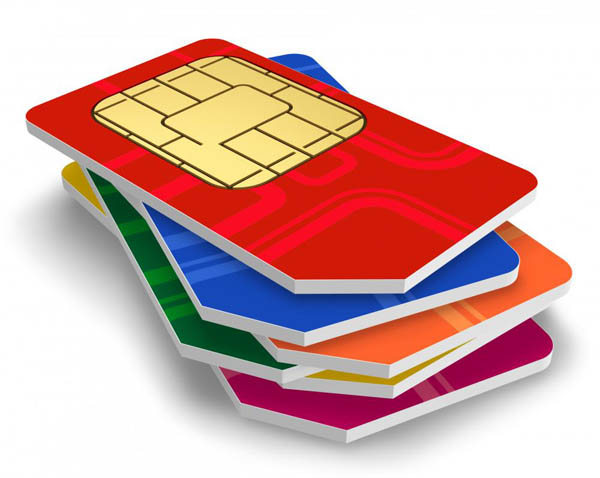
സിം കാര്ഡിന്റെ നാലുമൂലകളില് ഒരു മൂലയില് ഒരു വെട്ട് കണ്ടിട്ടില്ലേ? അതെന്തിനാണെന്ന് അറിയാമോ? ചില കാര്യങ്ങള് അങ്ങനെയാണ് നിത്യമുപയോഗിക്കുന്ന പല സംഗതികളുടെയും കൃത്യമായ ഒരു ചിത്രം നമുക്ക് അറിയില്ല. മുറിഞ്ഞുപോയ പോലെ കാണുന്ന ആ ഡിസൈനിന് പിന്നിൽ ഒരു കാരണമുണ്ട്. അത് എന്തിനാണെന്ന് 99 ശതമാനം പേര്ക്കും അറിയില്ല. അതറിയാൻ ആണെങ്കിൽ നമ്മൾ ശ്രമിച്ചിട്ടുമില്ല.
സിം കാർഡ് ഈ രീതിയിൽ രൂപകൽപന ചെയ്തതിന് പിന്നിലെ കാരണം പറയുകയാണ് സാങ്കേതിക വിദഗ്ധര്.
ഫോണിൽ കൃത്യമായി ഫിറ്റാകാൻ വേണ്ടിയാണ് സിം കാർഡിന്റെ ഒരു കോൺ മുറിച്ചിരിക്കുന്നത്. ഇതിലൂടെ സിം കാർഡ് നേരെയാണോ അതോ തലതിരിച്ചാണോ ഇടുന്നത് എന്ന് ആളുകൾക്ക് എളുപ്പത്തിൽ മനസിലാക്കാൻ സാധിക്കുന്നു. സിം കാർഡ് തലതിരിച്ചാണ് ഇടുന്നതെങ്കിൽ അത് പ്രവർത്തിക്കുകയില്ല. ഇത് മൊബൈലിൽ നെറ്റ്വർക്ക് കിട്ടുന്നത് തടയുകയും സിം കാർഡിന് കേടുപാടുകൾ സംഭവിക്കാനുള്ള സാധ്യത ഉണ്ടാക്കുകയും ചെയ്യും. SIMCards
ആദ്യകാലങ്ങളിൽ ക്രെഡിറ്റ് കാർഡിന്റെ വലിപ്പത്തിലുള്ള വലിയ സിം കാർഡുകളാണ് ഉപയോഗിച്ചിരുന്നത്. പിന്നീട് മൊബൈൽ ഫോണുകൾ ചെറുതാകുകയും മിനി മൈക്രോ, നാനോ സിം കാർഡുകളിലേക്ക് മാറുകയും ചെയ്തപ്പോഴാണ് ഉപയോക്താക്കളുടെ എളുപ്പത്തിനായി ഈ അസിമിട്രിക് ഡിസൈൻ കൊണ്ടുവന്നത്.
‘സബ്സ്ക്രൈബർ ഐഡന്റിറ്റി മോഡ്യൂൾ’ എന്നാണ് സിം കാര്ഡിന്റെ പൂര്ണരൂപം. മൊബൈൽ ഉപകരണത്തെ സെല്ലുലാർ നെറ്റ്വർക്കിലേക്ക് ബന്ധിപ്പിക്കുകയാണ് ഇതിന്റെ ചുമതല. ഇന്റർനാഷണൽ മൊബൈൽ സബ്സ്ക്രൈബർ ഐഡന്റിറ്റി (IMSI) നമ്പറും അതുമായി ബന്ധപ്പെട്ട കീകളും ഇതിൽ സൂക്ഷിച്ചുവെക്കുന്നു. ഇവയുടെ സഹായത്തോടെയാണ് ഒരു മൊബൈൽ നെറ്റ്വർക്ക് ഉപയോക്താവിനെ തിരിച്ചറിയുകയും സ്ഥിരീകരിക്കുകയും ചെയ്യുന്നത്.
ഫോൺ സ്വിച്ച് ഓൺ ചെയ്ത ശേഷം, മൊബൈൽ സിം കാർഡിലെ ഡാറ്റ വായിക്കുകയും അത് മൊബൈൽ നെറ്റ്വർക്കിലേക്ക് കൈമാറുകയും ചെയ്യുന്നു. ഈ പ്രക്രിയയ്ക്ക് ശേഷം, നെറ്റ്വർക്ക് ഉപയോക്താവിന്റെ ഐഡന്റിറ്റി പരിശോധിച്ചു ഉറപ്പുവരുത്തുന്നു. ഉപയോക്താവിന് നെറ്റ്വർക്ക് ഉപയോഗിക്കാൻ അനുമതിയുണ്ടോ എന്ന് ഇതിലൂടെ മനസ്സിലാക്കാൻ സാധിക്കും. ഈ കാരണം കൊണ്ടാണ് ഒരു കമ്പനിയുടെ സിം കാർഡിന് മറ്റൊരു കമ്പനിയുടെ നെറ്റ്വർക്കിലേക്ക് കണക്റ്റ് ചെയ്യാൻ സാധിക്കാത്തത്.
Sources:mediamangalam
Why SIM card has cut on corner: Have you ever noticed that small cut on one corner of your SIM card and wondered why it’s there? It may look like a minor design detail, but it plays a crucial role in how your phone works every day. The cut corner on a SIM card is known as a “key.” Its main purpose is to ensure that the card is inserted into a phone in the correct direction. Since SIM cards are small and can easily be placed the wrong way, this angled edge acts as a guide. It matches a specific slot shape inside the phone, preventing incorrect insertion.
Without this design, smartphone users could accidentally insert the SIM card the wrong way, which might damage the card or the phone’s internal connectors. The cut corner reduces this risk significantly. It ensures proper alignment of the metallic contacts on the SIM card with the pins inside the SIM tray which allows smooth communication between the device and the network.
A universal standard
This feature is not limited to one brand or model. The cut corner design follows global telecom standards, making SIM cards compatible with phones worldwide. Whether it’s a standard SIM, micro SIM, or nano SIM, the same angled corner exists across all formats.
A practical solution
Apart from ease of use, the design also helps manufacturers streamline production. With a fixed orientation system, device makers can design SIM slots more efficiently, reducing errors during manufacturing and improving overall reliability.
While it may seem like a small detail, the cut corner on a SIM card is a smart and practical solution. It prevents user mistakes, protects devices, and ensures seamless connectivity. The next time you insert your SIM card, that tiny angled edge will remind you how thoughtful design can quietly power everyday technology.
http://theendtimeradio.com


‘People Are Burning Churches, Priests Are Being Murdered’: France Plagued by Anti-Christian Violence
PARIS – In France, political protesters took to the streets for the fifth weekend in a row. This country, which...


‘Completely Unscorched!’: Kathy Ireland Praises God After Husband’s Miracle Survival, Reveals Bible Survived Fire
Former supermodel and businesswoman Kathy Ireland is praising God for her husband Greg’s survival after the engine of his commercial...


‘God Is Good’: 11-Month-Old Baby Found in Miraculous Rescue After Being Buried Alive
For nearly 24 hours, an 11-month-old baby lay buried beneath the dirt in the South Carolina woods. Alone, helpless and...


നേതൃത്വ ശാക്തീകരണത്തിന്റെ ആഹ്വാനവുമായി പാസ്റ്റേഴ്സ് ആൻഡ് ലീഡേഴ്സ് ഫാമിലി സെമിനാർ സമാപിച്ചു
ഡാളസ് : ഡാളസ് സിറ്റിവൈഡ് ഫെല്ലോഷിപ്പിന്റെ (DCF) 2026-ലെ വാർഷിക പാസ്റ്റേഴ്സ് ആൻഡ് ലീഡേഴ്സ് ഫാമിലി സെമിനാർ നവംബർ 14 ശനിയാഴ്ച ഗ്രേസ് ക്രിസ്ത്യൻ അസംബ്ലിയിൽ നടന്നു....

യൂറോപ്പിൽ ക്രൈസ്തവർക്കു നേരെയുള്ള ആക്രമണങ്ങളിൽ 44 ശതമാനം വർധനവ്
വിയന്ന: മുന് വര്ഷങ്ങള്ക്ക് സമാനമായി യൂറോപ്യന് ഭൂഖണ്ഡത്തില് ക്രൈസ്തവര്ക്ക് നേരെ ആക്രമണങ്ങളില് വലിയ വര്ദ്ധനവ് ഉണ്ടായതായി പുതിയ റിപ്പോര്ട്ട്. വിയന്ന ആസ്ഥാനമായുള്ള “ഒബ്സർവേറ്ററി ഓൺ ഇന്റോളറൻസ് ആൻഡ്...


The Completion of Bible Translation Is Within Reach: Global Church Steps Up
Last spring, Oasis Network for Community Transformation facilitated workshops in Guinea-Bissau and the Central African Republic for the Deaf in...
-

 us news3 weeks ago
Millions Encouraged to Open Their Bibles for Global Bible Month
-

 us news5 months ago
Mike Winger deletes YouVersion app over ‘The Passion Translation’ controversy, urges others to ‘use caution’
-

 us news6 months ago
‘America Is Hungry’: Hundreds Born Again and Baptized as Jesus Tent Revival Sweeps the Nation
-

 Movie9 months ago
Hollywood Actor Jen Lilley Launching New Ministry After ‘Vision’ From Holy Spirit
-

 world news12 months ago
പാകിസ്ഥാനിൽ പാസ്റ്റർ കമ്രാൻ മൈക്കിൾ തന്റെ മകളുടെ മുന്നിൽ വെച്ച് ക്രൂരമായി കൊല്ലപ്പെട്ടു.
-

 Travel10 months ago
കേരളത്തിൽ നിന്ന് ഭൂട്ടാനിലേക്ക് എങ്ങനെ ട്രെയിനിൽ പോകാം; വിസ വേണ്ട, വോട്ടർ ഐഡി മതി; ടിക്കറ്റ് നിരക്കും വഴികളും
-

 Movie8 months ago
Worship Leader Brooke Ligertwood Shares Stunning Testimony of Answered Prayer From Ukraine
-

 Movie3 months ago
Keith Getty says Christians must ‘sing the Bible’ in the age of AI ahead of Sing! Conference