
world news
അഫ്ഗാനിൽ അടിമത്തം നിയമവിധേയമാക്കിക്കൊണ്ട് താലിബാന്റെ പുതിയ നിയമം

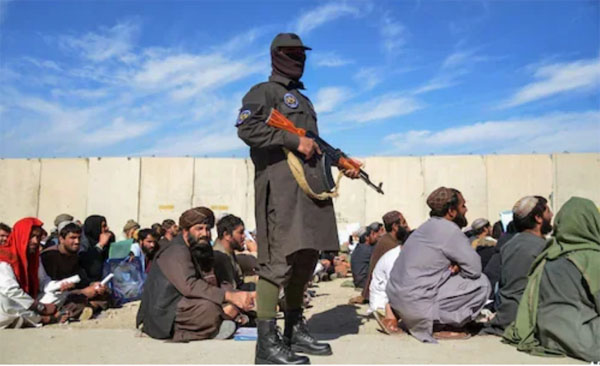
അഫ്ഗാനിസ്ഥാനിൽ അടിമത്തം നിയമവിധേയമാക്കിക്കൊണ്ട് പുതിയ നിയമം നടപ്പിലാക്കി താലിബാൻ ഭരണകൂടം. 2026 ജനുവരി നാലിനാണ് ഇത് സംബന്ധിച്ച പുതിയ നിയമം നിലവിൽ വന്നത്. താലിബാൻ പരമോന്നത നേതാവ് ഹിബത്തുള്ള അഖുന്ദ്സാദ ആണ് ഈ പുതിയ നിയമം നടപ്പിലാക്കിയത്.
നിലവിൽവന്ന പുതിയ നിയമം, അടിമത്തം നിയമവിധേയമാക്കുന്നത് അടക്കമുള്ള പ്രാകൃത വ്യവസ്ഥകൾ അടങ്ങുന്നതാണ്. അഫ്ഗാൻ സമൂഹത്തെ നാലു ശ്രേണികളായി തിരിച്ചിരിക്കുന്ന ആർട്ടിക്കിൾ 9 പ്രകാരം, മതപണ്ഡിതർ (ഉലമ അല്ലെങ്കിൽ മുല്ല), വരേണ്യവർഗം (അഷ്റഫ്), മധ്യവർഗം, താഴ്ന്ന വർഗം എന്നിങ്ങനെ നാല് വിഭാഗങ്ങളായാണ് വിഭജിക്കുന്നത്. ഇതനുസരിച്ച് ഒരേ കുറ്റകൃത്യത്തിനുള്ള ശിക്ഷ ഇനി കുറ്റകൃത്യം ചെയ്തയാളുടെ സാമൂഹിക നില അനുസരിച്ചായിരിക്കും.
കുറ്റം ചെയ്യുന്ന മതപണ്ഡിതർക്ക് ‘ഉപദേശങ്ങൾ’ നൽകി വിടും. വരേണ്യവർഗത്തിന് കോടതി സമൻസും ഒപ്പം ഉപദേശവും നൽകും. മധ്യവർഗത്തിന് അതേ കുറ്റത്തിന് തടവുശിക്ഷ ലഭിക്കും. താഴ്ന്ന വിഭാഗത്തിൽ ഉൾപ്പെടുത്തിയിട്ടുള്ളവർക്ക് തടവുശിക്ഷയ്ക്കൊപ്പം പൊതുമധ്യത്തിൽ ചാട്ടവാറടി ഉൾപ്പെടെയുള്ള ക്രൂരമായ ശാരീരിക പീഡനങ്ങളും എന്നിങ്ങനെയാണ് നാല് വിഭാഗത്തിനുമുള്ള ശിക്ഷാ വിധികൾ.
ഈ നീക്കം മനുഷ്യാവകാശ സംഘടനകൾക്കിടയിൽ രോഷം ജനിപ്പിച്ചിട്ടുണ്ട്. ഈ നിയമം അന്താരാഷ്ട്ര മനുഷ്യാവകാശ നിയമങ്ങൾക്ക് വിരുദ്ധമാണെന്ന് സംഘടനകൾ പറയുന്നു. അടിമത്തം നിയമവിധേയമാക്കുന്നത് മനുഷ്യാവകാശ ലംഘനമാണ്.
Sources:azchavattomonline.com
The Taliban has formally entrenched a class-based justice system in Afghanistan under a newly enacted Criminal Procedure Code signed by its supreme leader, Hibatullah Akhundzada, a move that has sparked outrage among human rights organisations and renewed international concern over the direction of the country’s legal and political order.
The new code, issued on January 4, 2026, and circulated to courts across the country, has been obtained by Rawadari, an Afghan human rights organisation that monitors violations and advocates for accountability. While the document spans 119 articles across three sections and 10 chapters, critics say one of its most alarming features is the explicit legalisation of social hierarchy within the justice system itself.
Hierarchy-Based Division
At the centre of the controversy is Article 9, which divides Afghan society into four categories: religious scholars (ulama or mullah), the elite (ashraf), the middle class, and the lower class. Under this system, punishment for the same crime is no longer determined primarily by the nature or gravity of the offence but by the social status of the accused.
According to the code, if an Islamic religious scholar commits a crime, the response is limited to advice. If the offender belongs to the elite, the consequence is a summons to court and advice. For those in the so-called middle class, the same offence results in imprisonment. But for individuals from the “lower class”, the punishment escalates to both imprisonment and corporal punishment.
Human rights groups said this provision effectively grants clerics and religious figures near-total immunity from meaningful criminal accountability while exposing poorer and more marginalised Afghans to harsher and more violent penalties.
“This is not a justice system; it is a legally codified hierarchy of privilege,” Rawadari said in a statement, warning that the code destroys the principle of equality before the law and replaces it with institutionalised discrimination.
Return Of Slavery?
Legal experts note that the move marks a sharp departure even from basic concepts of modern criminal law, where punishment is supposed to be proportionate to the crime and based on individual responsibility, not social background. By contrast, the Taliban’s new code openly embraces social stratification as a legal principle, turning courts into instruments for preserving and enforcing a rigid social order.
The class-based system is compounded by another deeply controversial element– the code’s repeated references to “free” persons and “slaves”.
In several articles, including provisions on punishment, the law explicitly distinguishes between free individuals and enslaved ones, a terminology that human rights advocates say amounts to the legal recognition of a status that is absolutely prohibited under international law. Slavery is banned in all circumstances under peremptory norms of international law, yet the Taliban’s code treats it as a normal legal category.
Words Over Proof?
Beyond social hierarchy, the new Criminal Procedure Code also strips away many of the most basic safeguards of due process. The document does not recognise the right to a defence lawyer, the right to remain silent or the right to compensation for wrongful punishment. It relies heavily on “confession” and “testimony” as the main means of proving guilt, while removing the requirement for independent investigation and failing to set clear minimum and maximum penalties for crimes.
Rights groups warned that this legal framework dramatically increases the risk of torture and forced confessions, particularly in a system where judges and law enforcement operate without oversight or accountability.
The code also significantly expands the use of corporal punishment, including flogging, and introduces vaguely defined offences such as “dancing” or being present in “gatherings of corruption”, giving judges sweeping discretion to detain and punish people for ordinary cultural or social activities.
A Human Rights Challenge
For many observers, however, the formalisation of class-based justice is the clearest signal yet that the Taliban is not merely imposing harsh laws, but reconstructing the entire legal system around privilege, loyalty and religious status. “By placing clerics and religious elites above the law, the Taliban has effectively announced that some people are untouchable, while others are permanently disposable,” Rawadari said.
The organisation has called for the immediate suspension of the code’s implementation and urged the United Nations and the international community to use all available legal and diplomatic mechanisms to prevent its enforcement. It has also pledged to continue monitoring the situation and to publish regular reports on how the new legal framework is being used in practice.
As Afghanistan becomes increasingly isolated and its internal repression deepens, critics say the new criminal code sends a stark message – under Taliban rule, justice is no longer blind, it is stratified, selective and firmly aligned with power.
http://theendtimeradio.com





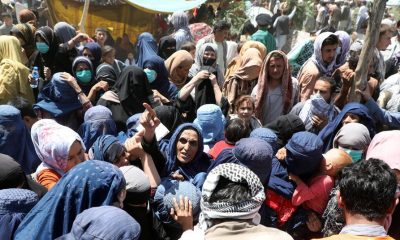



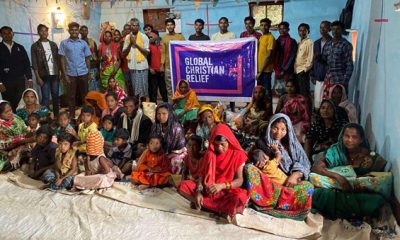

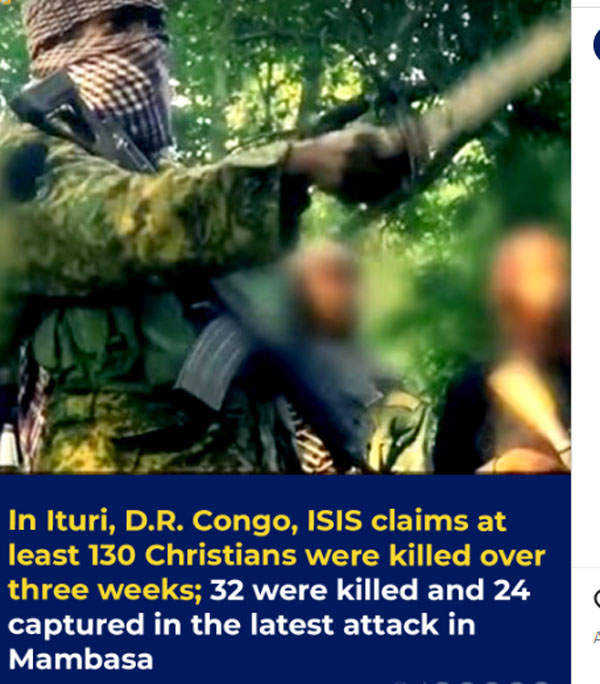
The past week was one of the most fatal for Christians around the world in recent memory. From Nigeria to Ethiopia to Jordan, gunmen slaughtered more than a hundred Christians. The somber news reminds Christians in America of the urgent need our fellow brothers and sisters in Christ face every day. It also accentuates the stakes in Tuesday’s election. (
On Friday, gunmen attacked a Christian community in northeastern Nigeria, firing on people as they fled into a river. At least 62 people were killed in the attack, 52 were wounded, and thousands fled their homes. In the past decade, Islamist militants have killed tens of thousands of Christians in Nigeria.
Also on Friday, three unnamed terrorists opened fire at Christians gathered for a funeral outside St. George’s Greek Orthodox Church in the village of Hmoud, east of the Dead Sea. Jordanian authorities have suspects in custody, making this the only one of the three attacks where government authorities have acted to protect Christians.
On Saturday, Ethiopian Orthodox Christians in the Oromia state suffered a series of attacks in which more than 60 people were killed, including five children, and 20 houses were burned to the ground. One survivor described it as an ambush, in which the attackers surrounded their victims on all sides.
A local official blamed the attacks on a rebel coalition, Alliance for Survival, which includes the Oromo Liberation Army (OLA). However, according to Christian Emergency Alliance, “surviving witnesses claimed regional authorities collaborated with Islamist militias to carry out the massacre.”
All three attacks came the weekend before International Religious Freedom Day (October 27), and also shortly before the US midterm elections.
Fortunately, international religious freedom still finds supporters in both parties—far more than pro-life or pro-marriage positions. For instance, a bipartisan bill to reauthorize the United States Commission on International Religious Freedom (USCIRF) passed the Senate unanimously on September 30.
However, the parties do vary in the intensity of their commitment to international religious freedom.
In 2018, the Trump administration hosted the first-ever Ministerial to Advance Religious Freedom, an international summit of government leaders and advocates focused on achieving real change. The event has occurred annually since 2018, but the burden of hosting it was transferred to nonprofits after the Biden administration declined to maintain the ministerial in 2021.
Indeed, the Biden administration explicitly rejected a foreign policy that emphasized religious freedom in favor of one that emphasized the LGBT agenda and abortion.
“This is a major shift away from international religious freedom—moving away from even calling it religious freedom,” former USCIRF Commissioner Nina Shea said of the Biden administration policy. “It’s more of a watered-down freedom of belief or religion, and equating religion with belief, which is very dangerous because that would mean you have a right to believe what you want to believe, but you may not be allowed to practice it in a public square.”
Sadly, many foreign leaders predicted the Biden administration’s pivot away from religious freedom and had given that as their reason for not implementing more permanent change. It is one thing for Americans to give lip service to religious freedom and warn the world that we are watching. But what really matters to Christians facing persecution is when governments (and militant groups) believe that America will not only watch but act to protect the religious freedom of persecuted Christians abroad. Thus, the intensity of America’s commitment to religious freedom is what actually has an impact.
Christians have long been persecuted for their faith and will continue to face fiery trials for as long as the Lord tarries. As Paul reminded his readers, quoting from Psalm 44,”forYoursake we are being killed all the day long; we are regarded as sheep to be slaughtered” (Romans 8:36).
Yet Christians continue to persevere in difficult circumstances because of the hope that is within them. As Paul wrote to the Thessalonians, “We do not want you to be uninformed, brothers, about those who are asleep, that you may not grieve as others do who have no hope. For since we believe that Jesus died and rose again, even so, through Jesus, God will bring with Him those who have fallen asleep” (1 Thessalonians 4:13-14).
“For the Lord Himself will descend from Heaven with a cry of command, with the voice of an archangel, and with the sound of the trumpet of God. And the dead in Christ will rise first. Then we who are alive, who are left, will be caught up together with them in the clouds to meet the Lord in the air, and so we will always be with the Lord,” Paul continued. “Therefore encourage one another with these words” (1 Thessalonians 4:15-18).
These words do bring much-needed encouragement. The survivors of the attacks in Nigeria, Ethiopia, and Jordan are likely consoling their souls in such promises even now. But the Christian’s final hope also motivates us to action now, and Believers with an opportunity to vote can use that vote to succor their suffering brothers and sisters halfway around the world.
Sources: Breaking Christian News
world news
ഉഗാണ്ടയിൽ ഇസ്ലാം മതം ഉപേക്ഷിച്ച് ക്രൈസ്തവ വിശ്വാസം സ്വീകരിച്ചവർക്ക് അഭയം നൽകിയ അധ്യാപകനെ തല്ലിക്കൊന്നു
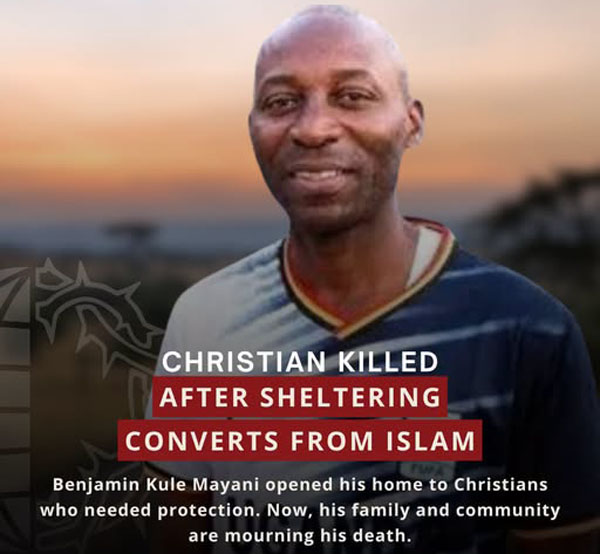
കംപാല: ഇസ്ലാം മതം ഉപേക്ഷിച്ച് ക്രൈസ്തവ വിശ്വാസം സ്വീകരിച്ചവർക്ക് അഭയം നൽകിയിരുന്ന 45 വയസ്സുകാരനായ ക്രൈസ്തവ അധ്യാപകനെ ഉഗാണ്ടയുടെ പടിഞ്ഞാറൻ മേഖലയിൽ മർദിച്ചുകൊലപ്പെടുത്തി. ബെഞ്ചമിൻ കുലെ മയാനി എന്ന അധ്യാപകനാണ് കൊല്ലപ്പെട്ടത്. ഇസ്ലാം മതം ഉപേക്ഷിച്ച് ക്രൈസ്തവ വിശ്വാസം സ്വീകരിച്ച യുവതിയെ ഒളിവിൽ കഴിയാൻ സഹായിച്ചതാണ് കൊലപാതകത്തിന് പിന്നിലെ കാരണമെന്നാണ് പുറത്തുവന്ന വിവരങ്ങൾ സൂചിപ്പിക്കുന്നത്. ഒരു മാസം മുന്പ് നടന്ന കൊലപാതകത്തിന്റെ വിവരങ്ങള് ഇപ്പോഴാണ് പുറത്തുവന്നിരിക്കുന്നത്.
സംഭവ ദിവസം തന്നെ ഉഗാണ്ടൻ പോലീസിന് കൊലപാതകം സംബന്ധിച്ച വിവരം ലഭിച്ചിരിന്നുവെങ്കിലും വിശ്വാസപരമായ കാരണങ്ങളുമായി ബന്ധപ്പെട്ടു രഹസ്യമായി സൂക്ഷിക്കുകയായിരിന്നു. ക്രൈസ്തവ പീഡനങ്ങൾ റിപ്പോർട്ട് ചെയ്യുന്ന മാധ്യമമായ ‘മോർണിംഗ് സ്റ്റാർ ന്യൂസ്’ ഏതാനും ദിവസങ്ങള്ക്ക് ശേഷമാണ് വാര്ത്ത പുറംലോകത്തെ അറിയിച്ചത്. പീഡിത ക്രൈസ്തവരെ പിന്തുണയ്ക്കുന്ന വോയ്സ് ഓഫ് ദി മാർട്ടിയേഴ്സ് ഉൾപ്പെടെയുള്ള സംഘടനകളും സംഭവം റിപ്പോർട്ട് ചെയ്തിട്ടുണ്ട്.
കൊല്ലപ്പെട്ട ബെഞ്ചമിൻ കസെസെ ജില്ലയിൽ കാസൊകെറോ ഗ്രാമത്തിൽ താമസിച്ചിരുന്ന എക്സലന്റ് നഴ്സറി ആൻഡ് പ്രൈമറി സ്കൂളിലെ അധ്യാപകനായിരുന്നു. അധ്യാപന ജോലിക്കു പുറമേ, ഇസ്ലാം മതം ഉപേക്ഷിച്ച് ക്രൈസ്തവ വിശ്വാസം സ്വീകരിക്കുന്നവർക്ക് ഭീഷണിയുണ്ടാകുന്ന പശ്ചാത്തലത്തില് അഭയവും സഹായവും നൽകുന്ന പ്രവർത്തനങ്ങളിലും അദ്ദേഹം പങ്കാളിയായിരുന്നു. സംഭവ ദിവസം ഇസിഫു മർജാനി എന്നയാൾ ഫോണിൽ വിളിച്ച് സ്കൂളിലേക്ക് വരാൻ ആവശ്യപ്പെട്ടതനുസരിച്ച് മയാനിയും സഹപ്രവർത്തകനായ പാസ്കൽ മുഹിൻഡോയും യാത്രതിരിക്കുകയായിരുന്നു.
സ്കൂളിൽനിന്ന് ഏകദേശം രണ്ടു കിലോമീറ്റർ അകലെവച്ച് മൂന്നു പേർ ഇവരെ തടഞ്ഞുനിർത്തി. ഇസ്ലാം മതം ഉപേക്ഷിച്ച് ക്രൈസ്തവ വിശ്വാസം സ്വീകരിച്ച ഷരീഫ എവിടെയാണെന്ന് അക്രമികൾ അന്വേഷിക്കുകയായിരിന്നു. ഇതിനിടെ ഒരാൾ വലിയ വടികൊണ്ട് അധ്യാപകന്റെ തലയ്ക്ക് അടിക്കുകയായിരുന്നു. മയാനിക്കൊപ്പമുണ്ടായിരുന്ന മുഹിൻഡോ അവിടെനിന്ന് ഓടി രക്ഷപ്പെട്ട് നാട്ടുകാരെ കൂട്ടി തിരിച്ചെത്തിയപ്പോഴേക്കും മയാനി സംഭവസ്ഥലത്തുതന്നെ മരണപ്പെട്ടിരുന്നു. സംഭവത്തില് പോലീസ് അന്വേഷണം നടന്നുവരികയാണ്.
കടപ്പാട് :പ്രവാചക ശബ്ദം
Benjamin Kule Mayani, a 45-year-old Christian teacher, was beaten to death on September 29 in western Uganda. The educator had offered shelter to several Muslims who had converted to Christianity, and according to testimonies that emerged later, his attackers were looking for a young woman who had left Islam and whom he had helped to hide.
The murder was reported by the Ugandan police on the same day of the incident, while details about its possible religious motivation were published on October 19 by Morning Star News, a media outlet specializing in the persecution of Christians. The case was also covered by organizations supporting persecuted Christians, including Voice of the Martyrs.
Mayani worked as a teacher at the Excellent Nursery and Primary School and lived in the village of Kasokero, in the Kasese district. In addition to his teaching duties, he collaborated in welcoming people who had left Islam to embrace the Christian faith.
Attackers inquired about a young woman who had converted to Christianity
According to information published by Morning Star News, Mayani and his colleague Pascal Muhindo received a call from a man identified as Isifu Marjani, who asked them to come to the school where the teacher worked.
When they were approximately two kilometers from the educational center, three men intercepted them and began asking about the whereabouts of Sharifa, Marjani’s sister, who had converted to Christianity.
Mayani had previously taken the young woman into his home, along with other converts from Islam. He later decided to move her to another residence for security reasons.
The attackers insisted on knowing her location until one of them struck the teacher on the head with a large stick.
Muhindo managed to escape and sought help from neighbors. However, when he returned with several people, Mayani had already died.
These details were provided to Morning Star News by an elder of the Anglican Church who spoke with Muhindo shortly after the attack. His identity was not revealed for security reasons.
The testimony suggests a possible connection between the murder and the help the teacher provided to people who had converted to Christianity, although this motive has not been officially confirmed by the police.
The police confirmed the murder on September 29
The teacher’s death was reported by the Ugandan press on the same day the events occurred.
The newspaper Nile Post reported on September 29 that Mayani had been attacked around midnight in Karambi Cell, within the municipality of Kisinga, while returning from the city with Muhindo.
According to the police spokesperson for the Rwenzori East region, Elly Maate, three unidentified men struck the teacher on the forehead with a blunt object. The victim suffered serious injuries, collapsed a few meters from the scene, and died.
The police opened a homicide investigation at the Kisinga police station. Officers examined the scene, used a police dog, took statements from witnesses, and collected evidence for forensic analysis.
Mayani’s body was taken to Bwera Hospital for an autopsy.
Authorities requested public cooperation to identify those responsible. The reports consulted do not indicate that any arrests related to this murder have been announced.
Assistance to converts, possible motive for the crime
Information later published by Morning Star News added an element that was not included in the initial police reports: Mayani’s work as a protector of people who had left Islam.
The outlet noted that one of the alleged attackers was upset about his sister’s conversion and that the assailants were seeking to learn her whereabouts.
The case was also reported on October 21 by Voice of the Martyrs, an organization dedicated to supporting persecuted Christians, which called for prayers for the teacher’s family and the affected Christian communities.
Uganda’s Constitution recognizes religious freedom, including the right to change one’s faith. However, Morning Star News has documented various episodes of violence against people who leave Islam and against those who help them.
Among the cases recorded during 2026 are attacks on converts, incidents related to evangelistic activities, and the murder of a pastor after participating in an interfaith debate.
The persecution of Christians in Uganda
The murder of Benjamin Kule Mayani once again highlights the difficulties faced by some Christians in Uganda, especially those who accompany people converting from Islam.
Although the African country is predominantly Christian and its legislation protects freedom of worship, organizations documenting religious persecution have reported threats and attacks against converts in certain communities.
Violence has also affected members of the Catholic Church. In December 2025, a priest from the diocese of Masaka was kidnapped, prompting church authorities to request prayers for his release.
In Mayani’s case, the police investigation continues without any public resolution being announced. The testimonies that emerged in October suggest that his decision to protect a young woman who had converted to Christianity may have triggered the attack that ended his life.
http://theendtimeradio.com

ദോഹ: ഖത്തറിലെ ദോഹ എബെനേസർ പെന്തക്കോസ്തൽ അസംബ്ലിയുടെ (EPA) ഈ വർഷത്തെ വാർഷിക കൺവൻഷൻ നവംബർ 4, 5, 6 തീയതികളിൽ ദോഹയിലെ IDCC കോംപ്ലക്സ്, ബിൽഡിങ് നമ്പർ 2, ഹാൾ നമ്പർ 6-ൽ നടക്കും.
നവംബർ 4 ബുധൻ, 5 വ്യാഴം തീയതികളിൽ വൈകിട്ട് 7 മുതൽ രാത്രി 9.30 വരെയും നവംബർ 6 വെള്ളിയാഴ്ച വൈകിട്ട് 6.30 മുതൽ രാത്രി 9.30 വരെയുമാണ് യോഗങ്ങൾ ക്രമീകരിച്ചിരിക്കുന്നത്.
അനുഗ്രഹീത ക്രിസ്തീയ പ്രഭാഷകൻ പാസ്റ്റർ ജോ തോമസ് കൺവൻഷനിൽ മുഖ്യസന്ദേശങ്ങൾ നൽകും. EPA ചർച്ച് ക്വയർ സംഗീതശുശ്രൂഷയ്ക്ക് നേതൃത്വം നൽകും.
വിവരങ്ങൾക്ക്: പാസ്റ്റർ കെ. കോശി — +974 7772 5978
http://theendtimeradio.com



America’s Women: Called for Such a Time as This
The order had already been issued. An entire people faced destruction, and the man responsible held extraordinary power. Yet one...


Millions Encouraged to Open Their Bibles for Global Bible Month
Psalm 119 describes God’s Word as “a lamp for my feet and a light on my path.” Throughout November, Bible...


130 Christians Slaughtered in 3 Different Countries
The past week was one of the most fatal for Christians around the world in recent memory. From Nigeria to...


വോയ്സ് ഓഫ് ഹോപ്പ് സോഷ്യൽ വെൽഫെയർ അസോസിയേഷന്റെ ‘ബ്ലെസ് മുംബൈ 2026’ ഗോസ്പൽ മീറ്റിംഗും പവർ കോൺഫറൻസും നവംബർ 9, 10 തീയതികളിൽ
മുംബൈ: വോയ്സ് ഓഫ് ഹോപ്പ് സോഷ്യൽ വെൽഫെയർ അസോസിയേഷന്റെ (VOHSWA) ആഭിമുഖ്യത്തിൽ നടത്തുന്ന ‘ബ്ലെസ് മുംബൈ 2026’ ഗോസ്പൽ മീറ്റിംഗും പവർ കോൺഫറൻസും 2026 നവംബർ 09...


റ്റി.പി.എം പാലക്കാട് ; സുവിശേഷ പ്രസംഗവും രോഗശാന്തി ശുശ്രൂഷയും നവം. 8, 9 ന്
പാലക്കാട് : ദി പെന്തെക്കൊസ്ത് മിഷൻ ത്രിശൂർ സെൻ്റർ പാലക്കാട് സഭയുടെ നേതൃത്വത്തിൽ നവംബർ 8, 9 ന് (ഞായർ, തിങ്കൾ)സുവിശേഷ പ്രസംഗവും രോഗശാന്തി ശുശ്രൂഷയും നടക്കും....


Christian Singer Colton Dixon Says Charlie Kirk’s Assassination ‘Changed’ Him
Christian singer-songwriter Colton Dixon said the assassination of Charlie Kirk and the government’s restrictive response to the COVID-19 pandemic “changed”...
-

 us news5 months ago
Mike Winger deletes YouVersion app over ‘The Passion Translation’ controversy, urges others to ‘use caution’
-

 us news5 months ago
‘America Is Hungry’: Hundreds Born Again and Baptized as Jesus Tent Revival Sweeps the Nation
-

 Movie12 months ago
CBN’s Superbook Launches New Free Bible App for Kids: ‘The Power of God Is Released’
-

 Movie9 months ago
Hollywood Actor Jen Lilley Launching New Ministry After ‘Vision’ From Holy Spirit
-
us news16 hours ago
Millions Encouraged to Open Their Bibles for Global Bible Month
-

 National12 months ago
ഐ.പി.സി കേരള സ്റ്റേറ്റ് ഇലക്ഷൻ 2026 മാർച്ച് 9 മുതൽ
-
 world news11 months ago
പാകിസ്ഥാനിൽ പാസ്റ്റർ കമ്രാൻ മൈക്കിൾ തന്റെ മകളുടെ മുന്നിൽ വെച്ച് ക്രൂരമായി കൊല്ലപ്പെട്ടു.
-

 Movie8 months ago
Worship Leader Brooke Ligertwood Shares Stunning Testimony of Answered Prayer From Ukraine