
Movie
Dolly Parton Goes Home to Jesus


Dolly Parton talked about God for 60 years and managed never to make it a dividing line. She said the way she came across was a choice.
“I look like a Jezebel,” she said on Khloé Kardashian’s podcast last year. “I want to feel like more people be drawn to that than if I came out like the Pentecostal women I grew up with. I really think that you can reach more people if you’re maybe on the edge, so to speak. I mean, if you look one way, but you’re another, it’s OK.”
It was the same instinct she described elsewhere in that conversation: she wanted God to work through her without anyone feeling preached at. “I go to that God core inside me,” she told The Christophers in a separate interview, one of the few times she got specific about what that meant day to day. Even her prayer life, she said, wasn’t formal. It was, in her words, “more a come-as-you-are.”
Parton died peacefully at her home in Nashville on Tuesday at 80. At her request the funeral will be small and private, and in lieu of flowers her family asked for donations to Dolly Parton’s Imagination Library.
Her grandfather was a Pentecostal preacher, and she said the church she grew up in frightened her — “hellfire, brimstone,” which left her “so scared.” She said she found God on her own, as a girl, in an abandoned church building near her family’s house where people went to drink.
“It still had an old abandoned piano, and (it) had broken down. And this was where people go to drink, have sex, stuff written on the walls, but still had Bible verses and everything,” she said. “But I would go to that old church, and I felt the presence. I felt the presence there. And so it was in that old, abandoned church that I just praying to God the way that I — I was just saying, ‘Well, just show me, help me, save me, because I want to be ready.’ So it was then that I just had this peace fall over me, and I just felt like that I had, for the first time in my life, had truly found God.”
“It had to happen without fear and without influence and without anything else,” she said.
She talked to Him the same way for the rest of her life. “I say, ‘Hey, Dad.’ So I talk about everything. I talk out loud.” It was the same plainspoken theology she leaned on when she talked about her own place in the world, telling interviewers she believed people were, as she put it, pieces of God carrying “that little God-light inside us.”
The giving started with her father. Robert Lee Parton Sr. never learned to read, and in 1995 she started mailing free books every month to children from birth to age five in Sevier County, Tennessee, where she grew up.
“You know, in the Bible where it talks about honoring your father and your mother,” Parton said. “I don’t think that necessarily means just to obey them. I think it means to bring honor to their name.”
The Imagination Library mailed its 200 millionth book in 2023. One in seven American children under five now gets one in the mail every month.
Most of the rest of it ran through the same county. In 1991 she told seventh and eighth graders she would hand them $500 when they graduated high school — payable only if the buddy they picked graduated too. The dropout rate for those classes fell from more than 30% to 6%. The year before, after her niece Hannah Dennison was treated for leukemia at Vanderbilt’s children’s hospital, she gave the hospital $1 million and funded a butterfly garden named for her. In 2000 she set up a scholarship that awards $15,000 a year to five graduating seniors in Sevier County.
When wildfires killed 14 people there in 2016, her My People Fund sent $1,000 a month to more than 900 families whose homes had burned, then raised the final check to $5,000. The Dollywood Foundation gave roughly $9 million. “I’ve always believed that charity begins at home,” she said.
In April 2020 she gave $1 million to Vanderbilt University Medical Center in honor of Dr. Naji Abumrad, a surgeon she had befriended after a car accident. The money funded early coronavirus research, and when Moderna published its vaccine results in the New England Journal of Medicine, the Dolly Parton COVID-19 Research Fund was listed among the supporters. She said afterward she had gotten “more credit than I deserve.”
She put her royalties from Whitney Houston’s cover of “I Will Always Love You” into a predominantly Black neighborhood in Nashville.
“I just thought, ‘This was great. I’m going to be down here with her people, who are my people as well,’” she told Andy Cohen. “And so I just love the fact that I spent that money on a complex. And I think, ‘This is the house that Whitney built.’”
She was offered the Presidential Medal of Freedom three times and never took it — twice under Trump, citing her husband’s illness and then COVID, and once under Biden.
“I feel like if I take it, I’ll be doing politics,” she said.
Her husband of 60 years, Carl Thomas Dean, died in March 2025. “Carl is in God’s arms now,” Parton said then, “and I am OK with that.”
In an interview with People published Friday, four days before her death, she said she had been dealing with health issues she put off while caring for him.
“Seriously, though, even though I’m still healin’, I’m still workin’,” she said.
It was the same posture she’d described to Fox News Digital years earlier, when she said her whole career had run on the belief that, in her words, “through God, all things are possible.”
http://theendtimeradio.com


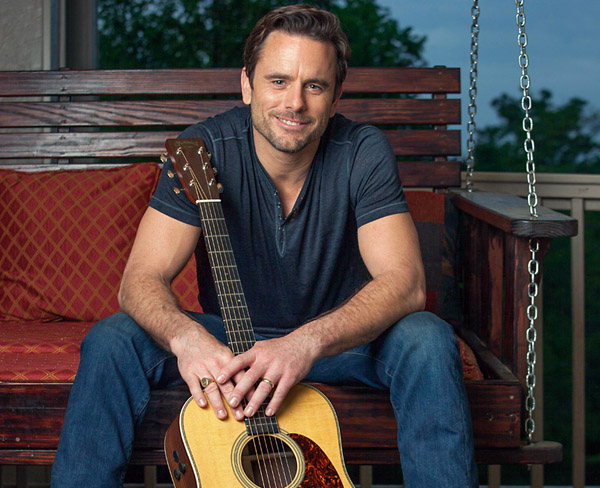
Actor Charles Esten has had a long, successful career in Hollywood. And while he often opens up about that experience, it’s his faith that has set the roots of truth and goodness in his life, with the performer sharing that his family took him to church early on.
“From an early age, it was part of my family’s week … going to church,” he said. “That was always part of it, and I had wonderful pastors growing up, and great youth involvement.”
Esten, star of the new film “Drummer Boy” — a movie in which he plays a Revolutionary War-era British Lord — said everyone needs to, at some point, make their own profession of faith.
“In Disneyland, they have those big gates where the whole family can go in if you’ve got two strollers and … the whole family walks in,” he said. “That’s not how a relationship… and faith works. It’s more the individual turnstile —you’ve got to find your way to that connection.”
Esten credited his parents with giving him spiritual guidance that helped him grow and learn from their examples.
“I was blessed by a mother that showed me the way and brought me to church and is such a good, loving person and lives out her faith very well,” he said. “And a father that … openly shared with me how he did it wrong. He taught me to be a better man, a better father, a better Christian.”
Esten said his dad’s efforts to focus on what not to do helped him navigate his own faith, with humility driving much of that journey.
“He was very open with that,” he said. “And it was a good blessing to me in my walk.”
Esten also spoke about the balance between “heart and mind” and apologetics. But he warned that even with good apologetics, a person must also radiate God’s love and spirit in order to reach others.
“You always have to have the balance of the heart and the mind … and just somebody that can just do their apologetics right down the line but isn’t radiating any kind of love or any of God’s spirit — that’s a problem too,” he said. “I always felt in and around the love, and the warmth, and the spirit of it all, the mind of it all, was another proof of it to me.”
As for “Drummer Boy,” Esten said the film has something for everyone.
“It’s about faith and family,” he said of the movie. “This movie’s for everyone.”
The actor spoke about his penchant for stories that deal with grace and truth, noting that it’s sometimes most pertinent to tell a story about these subjects through an antagonist — or a person who’s struggling to live them out.
“One of the ways to, I think, illustrate the power of grace is to show characters that are rejecting it, and to show characters that don’t have any,” Esten said. “Sometimes, maybe that can be difficult because that makes for a harder-going movie that’s less family-friendly.”
Sources:faithwire
Movie
‘Truth Sets You Free’: Actor Jim Caviezel Reveals What Sparks True Success For Movies Like ‘The Passion of the Christ’
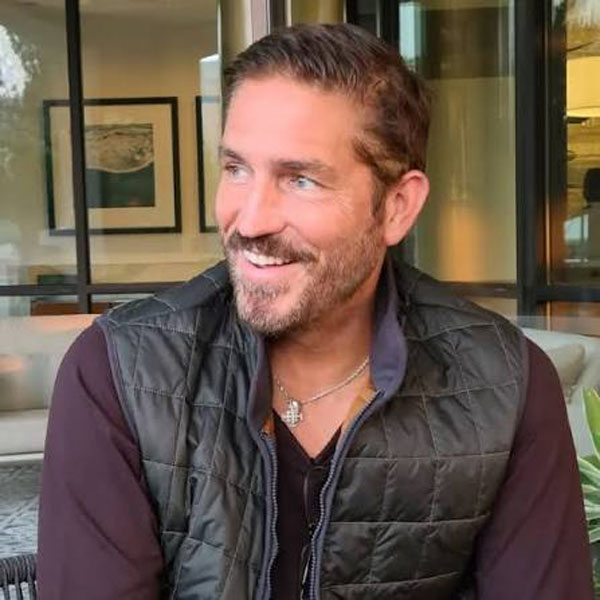
Actor Jim Caviezel is on a mission to make films people “never forget.”
In an interview covering a range of issues, including his new movie, “Ghost Soldier,” Caviezel spoke about the importance of creating powerful cinematic projects that transform hearts and minds, all while entertaining.
The actor, best known for his iconic role as Jesus in “The Passion of the Christ,” explained what motivated that film, which went on to break records and gross a stunning $611,170,536 at the box office.
“When we did ‘The Passion of the Christ,’ we never said, ‘Let’s do a faith-based movie,’” Caviezel said. “We went out to win Oscars. We went out to dominate.”
Ultimately, the actor said, it’s important to create stellar content that impacts audiences. For him, that means ensuring the truth is embedded in the heart of these projects.
“I believe that we hold the truth, and truth sets you free, so just make that,” Caviezel said. “It doesn’t mean I gotta play the good guy in the movie, but just … the fact that the story is morally redeemable.”
He added, “I wanna … make films that you never forget.”
Clearly, Caviezel believes the contents of films — and the moral bent of their narratives — deeply matter.
Sources:faithwire
A college professor is revealing research he says helps corroborate early, extrabiblical writings about Jesus.
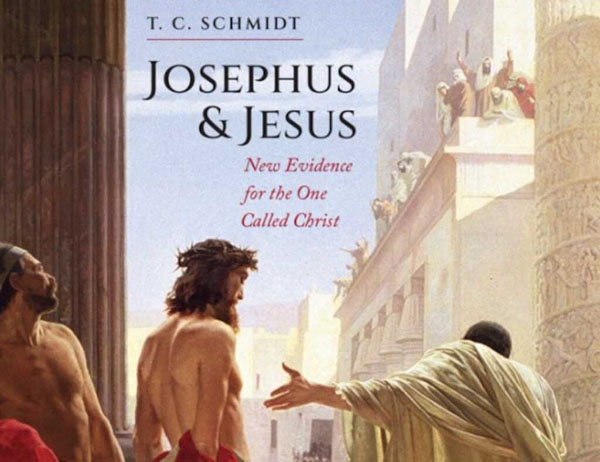
Dr. Thomas C Schmidt, associate professor of religious studies at Fairfield University, recently released, “Josephus & Jesus: New Evidence for the One Called Christ,” a book he believes helps set the record straight on Flavius Josephus’ writings.
“Josephus is one of the most important sources we have on the New Testament because he mentions so many people that are discussed in the New Testament, folks like Herod the Great, Herodias, Pontius Pilate, Caiaphas, Herod Agrippa, John the Baptist,” Schmidt said of the Jewish historian. “He talks about all these people, and he also talks about Jesus.”
But the professor said Josephus’ Jesus passage is “very controversial,” because many scholars have questioned the authenticity of this particular portion of the writings.
“They’ve thought that Christians tampered with it later on,” he said. “They thought Josephus didn’t actually write this. Josephus is writing in the first century. He was born in Jerusalem, raised in Jerusalem. So if he does tell us about Jesus, it would be the earliest witness to Jesus outside of Christian writings, which should just make it extraordinarily valuable and interesting.”
Schmidt said the majority position among scholars in the 19th century was that Josephus didn’t write any of the words about Jesus attributed to him and that the text was “completely fraudulent.”
“But then this brilliant scholar who was translating Josephus’ works, he started noticing that there were just many phrases in this account of Jesus that are odd phrases, but that Josephus himself uses many times elsewhere,” he said. “The scholar’s name was Henry Thackeray, and he turned the tide of arguments so that scholars started thinking, ‘Well, OK, clearly Josephus did say something about Jesus, but maybe Christians doctored it later on,’ because the belief by scholars was that what Josephus said was just too positive, too glowing to be written by a non-Christian.”
In the 21st century, scholars again looked at Josephus’ stylistic choices and found even more parallels between what was written about Jesus and Josephus’ other writings.
Schmidt conducted his own investigation for the book — and came to some fascinating conclusions.
“I exhaustively leverage these databases, and I show that every single phrase in the paragraph can be indexed back to Josephus in some way or another,” he said. “It sounds exactly like him. The turns of phrase, the vocabulary, everything sounds like Josephus.”
Schmidt said he also noticed something else in the passages some claim are “too pro-Christian.” One comment by Josephus is that Jesus worked miracles — something widely seen as supporting the Christian narrative. Schmidt said it’s more complex.
“Josephus says that Jesus worked miracles,” he said. “But the original Greek word is not quite so positive. It does mean ‘supernatural deeds’ but maybe we could better translate as ‘paranormal deeds.’”
Schmidt continued, “Josephus is acknowledging that Jesus worked supernatural deeds, but he’s unclear where the source of Jesus’ power is coming from. He doesn’t know if it’s malevolent, demonic — if it’s divine. In other words, Josephus looks like he’s assessing Jesus the same way the non-Christian Jews in the Gospels are responding to Jesus’s miracles.”
The academic said he started his journey writing “Josephus & Jesus: New Evidence for the One Called Christ,” on a quest to figure out how the Jesus passage had been changed by Christian scribes, adding that he initially agreed with the position that it wasn’t original.
“I was hoping that I could figure out what was changed so I could reconstruct what Josephus said,” he said. “But when I started looking at the results of these database searches, I became convinced that really the whole thing comes from Josephus.”
The resurrection is just one of the issues Schmidt addressed in his research.
“Traditionally, that part of the passage is translated as Josephus saying Jesus appeared alive again on the third day,” he said, noting that understanding the original language helps comprehension. “So, in other words, Josephus is not claiming that Jesus was resurrected. What he’s reporting is that the first disciples of Jesus claimed that Jesus was resurrected.”
And considering Josephus likely had access to people who put the disciples to death, he had remarkable first-hand information.
“Josephus didn’t just know people who knew the apostles; he knew people who knew Jesus, who were at his trial,” Schmidt said. “That’s the argument I make towards the end of my book. … I did not intend my book to be an argument in favor of Josephus’ passage being totally authentic, but that’s where the evidence led me.”
You can download, “Josephus & Jesus: New Evidence for the One Called Christ,” for free.
Sources:faithwire

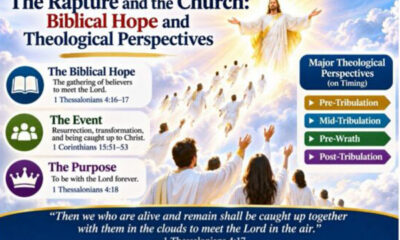

The Rapture and the Church: Biblical hope and theological perspectives – Awaiting the Return of Christ and the Gathering of His Redeemed People
The rapture of the Church is an important doctrine of Christian eschatology, based on the promise of Christ’s return and...


ഐ.പി.സി. കുമ്പനാട് സെൻ്ററിൻ്റെ പുതിയ ഭാരവാഹികൾ
കുമ്പനാട് : ഐ.പി.സി. കുമ്പനാട് സെൻ്ററിൻ്റെ ജനറൽ ബോഡി യോഗവും പുതിയ ഭാരവാഹികളുടെ തിരഞ്ഞെടുപ്പും ഐ.പി.സി. മാരാമൺ ഹാളിൽ നടന്നു. ഭാരവാഹികളായി പാസ്റ്റർ ടി. ജെ. എബ്രഹാം...
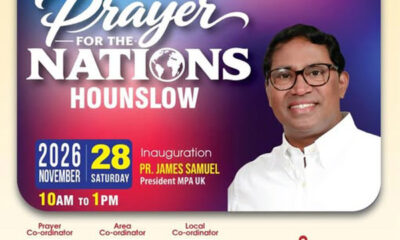

മലയാളി പെന്തക്കോസ്ത് അസോസിയേഷൻ- MPA യുകെ & യൂറോപ്പ് പ്രാർത്ഥനാ ദിനം
MPA UK & Europe ന്റെ ആഭിമുഖ്യത്തിൽ രാജ്യത്തിന്റെ ഉണർവ്വിനായി യുകെയുടെ വിവിധ പട്ടണങ്ങളിൽ വെച്ച് നടത്തപ്പടുന്ന ഏകദിന പ്രാർത്ഥനാ സംഗമം 2026 നവംബർ 28ന് ശനിയാഴ്ച...

പശ്ചിമ ബംഗാളിൽ മതപരിവർത്തന ആരോപണം: സ്കൂളുകളുടെ പേരും തെളിവുകളും പുറത്തുവിടണമെന്ന് ക്രൈസ്തവ സംഘടനകൾ
പശ്ചിമ ബംഗാളിലെ ക്രൈസ്തവ മിഷനറി വിദ്യാഭ്യാസ സ്ഥാപനങ്ങൾ മതപരിവർത്തനം നടത്തുന്നുവെന്ന ആരോപണത്തിൽ തെളിവുകൾ പുറത്തുവിടണമെന്ന് സംസ്ഥാന ബിജെപി അധ്യക്ഷൻ സമിക് ഭട്ടാചാര്യയോട് ആവശ്യപ്പെട്ട് ക്രൈസ്തവ സംഘടനകൾ. മതപരിവർത്തനം...

നൈജീരിയയിൽ ക്രൈസ്തവർക്കെതിരെ വീണ്ടും അക്രമം; 9 വിശ്വാസികൾ തീവ്രവാദികളുടെ തടങ്കലിൽ
കടുണ: നൈജീരിയായിലെ കടുണ സംസ്ഥാനത്തു ഞായറാഴ്ച നടന്ന പ്രാര്ത്ഥനകള്ക്കിടെ തട്ടിക്കൊണ്ടുപോയ 9 പേര് തടങ്കലില് തുടരുന്നു. ചിക്കുൻ ലോക്കൽ ഗവൺമെന്റ് ഏരിയയിലുള്ള കുർമിൻ വാലി കമ്മ്യൂണിറ്റിയിൽ സായുധ...


Brit Pastor Vindicated After Shocking Arrest During Religious Liberty Crackdown
UK police have dropped their case against a 66-year-old Christian pastor and grandfather after they arrested him in dramatic fashion...
-

 us news3 weeks ago
Millions Encouraged to Open Their Bibles for Global Bible Month
-

 us news6 months ago
Mike Winger deletes YouVersion app over ‘The Passion Translation’ controversy, urges others to ‘use caution’
-

 us news6 months ago
‘America Is Hungry’: Hundreds Born Again and Baptized as Jesus Tent Revival Sweeps the Nation
-

 Movie10 months ago
Hollywood Actor Jen Lilley Launching New Ministry After ‘Vision’ From Holy Spirit
-
 world news12 months ago
പാകിസ്ഥാനിൽ പാസ്റ്റർ കമ്രാൻ മൈക്കിൾ തന്റെ മകളുടെ മുന്നിൽ വെച്ച് ക്രൂരമായി കൊല്ലപ്പെട്ടു.
-

 Travel11 months ago
കേരളത്തിൽ നിന്ന് ഭൂട്ടാനിലേക്ക് എങ്ങനെ ട്രെയിനിൽ പോകാം; വിസ വേണ്ട, വോട്ടർ ഐഡി മതി; ടിക്കറ്റ് നിരക്കും വഴികളും
-

 Movie9 months ago
Worship Leader Brooke Ligertwood Shares Stunning Testimony of Answered Prayer From Ukraine
-

 Movie3 months ago
Keith Getty says Christians must ‘sing the Bible’ in the age of AI ahead of Sing! Conference