
world news
മധ്യപൂർവേഷ്യയിൽ ക്രൈസ്തവരുടെ എണ്ണം ക്രമാതീതമായി കുറയുന്നതില് ആശങ്ക

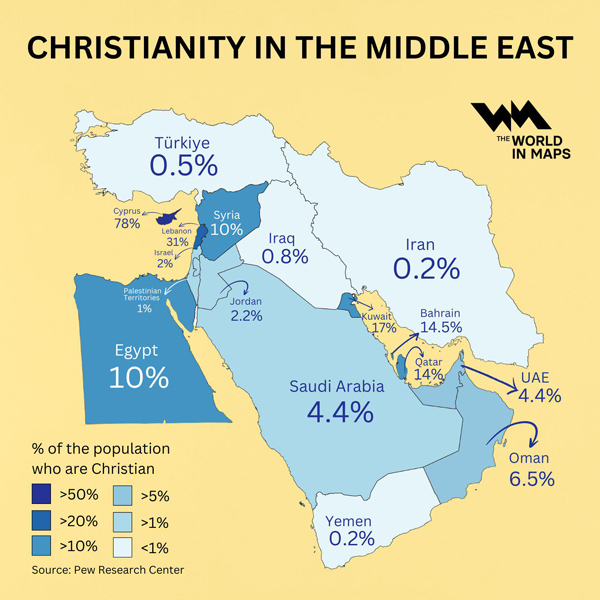
റോം: മധ്യപൂർവേഷ്യയിൽ ക്രൈസ്തവരുടെ എണ്ണം ക്രമാതീതമായി കുറയുന്നത് ആശങ്ക ഉളവാക്കുകയാണെന്ന് പൗരസ്ത്യ സഭകൾക്കായുള്ള ഡിക്കാസ്റ്ററിയുടെ കർദ്ദിനാൾ ക്ലൗദിയോ ഗുജറോത്തി. ഇറ്റലിയിലെ റിമിനിയിൽ നടന്ന നാല്പത്തിയേഴാമത് ‘ജനതകളുടെ സൗഹൃദത്തിനായുള്ള സമ്മേളനത്തിലാണ് പൗരസ്ത്യ സഭകൾക്കായുള്ള ഡിക്കാസ്റ്ററിയുടെ തലവന് പൗരസ്ത്യ നാടുകളിൽ ക്രിസ്ത്യാനികൾ നേരിടുന്ന വെല്ലുവിളികളെ ചൂണ്ടിക്കാട്ടിയത്.
മധ്യപൂർവേഷ്യയിൽ യുദ്ധങ്ങളും, കുടിയിറക്കങ്ങളും ഏറെ ദുരിതം വിതയ്ക്കുന്ന ഈ കാലഘട്ടത്തിൽ പൗരസ്ത്യ സഭകളിലെ ക്രിസ്ത്യാനികൾ ആ സ്ഥലങ്ങളിൽ, പൂർണ്ണമായും ഇല്ലാതായിക്കൊണ്ടിരിക്കുകയാണെന്ന് അദ്ദേഹം പറഞ്ഞു. ക്രിസ്തീയ വിശ്വാസം ഒരു ബഹുസ്വര യാഥാർത്ഥ്യമാണ്. ഈ ബഹുസ്വരത വൈവിധ്യത്തിൽ സമ്പന്നമാണ്. കിഴക്കൻ ലോകം ഇന്ന് ആഭ്യന്തര യുദ്ധത്തിന്റെ പിടിയിലായതോടെ പ്രതിസന്ധിയുടെ ആക്കം കൂട്ടിയിരിക്കുകയാണ്.
സഭയാകുന്ന ക്രിസ്തുവിന്റെ ശരീരത്തിന്റെ ഐക്യം നിലനിർത്തുന്നതില് ആഭ്യന്തര പ്രശ്നങ്ങൾ ഏറെ അസ്വസ്ഥത സൃഷ്ടിക്കുന്നു. ഇസ്ലാമിക് സ്റ്റേറ്റ് പോലെയുള്ള തീവ്രവാദ സംഘടകൾ ഉണ്ടാക്കുന്ന ഭീഷണികളിൽ, തങ്ങളുടെ മാതൃരാജ്യങ്ങൾ വിട്ട് മറ്റെവിടെയെങ്കിലും സുരക്ഷ തേടി പലായനം ചെയുന്ന ക്രിസ്ത്യാനികൾക്ക് അതിജീവനം പോലും വഴി മുട്ടുന്ന ഒരു അവസ്ഥയാണ് ഉണ്ടാകുന്നതെന്നും അദ്ദേഹം ചൂണ്ടിക്കാണിച്ചു. മധ്യപൂര്വ്വേഷ്യയിലെ ക്രൈസ്തവ ജനസംഖ്യ കുറയുന്നതിൽ ദുഃഖം പ്രകടിപ്പിച്ച് ലെബനോനിലെ മാരോണൈറ്റ് സഭയുടെ പാത്രിയാർക്കീസായ കർദ്ദിനാൾ ബെച്ചാര റായ് ഉള്പ്പെടെയുള്ള ക്രൈസ്തവ നേതാക്കളും രംഗത്ത് വന്നിരിന്നു.
കടപ്പാട് :പ്രവാചക ശബ്ദം
For more than a decade, American politicians, advocacy groups, and Christian leaders have sounded alarms that Christianity in the Middle East is “vanishing.” Headlines warn of ancient communities “on the brink of extinction,” and policy forums frame Middle Eastern Christians primarily as victims of persecution at the hands of the region’s Muslims whose survival depends on Western intervention. Political speeches in Washington, DC—across administrations—have invoked the plight of Middle Eastern Christians to justify foreign policy priorities, from counterterrorism initiatives to international religious freedom diplomacy, positioning these communities as existentially threatened relics of a fading Christian East.
Although Christian communities across the region have indeed declined in numbers, sometimes dramatically, the picture is more varied than headlines suggest. Egypt still has the region’s largest Christian population, roughly 9–10 million Copts. Smaller communities remain in Iraq, Syria, Lebanon, Palestine/Israel, and Jordan. [1] Iraq’s Christian population, estimated at 1.4–1.5 million before 2003, has fallen to perhaps fewer than 120,000. Syria’s pre-2011 community of 1.5–2 million has also declined sharply, with current estimates ranging from 300,000 to upwards of 600,000. Palestine has around 47,000 Christians, including just over a thousand in Gaza before October 2023. These figures indeed reflect real demographic decline, but they also show the ongoing presence and geographic diversity of Christian communities across the region.
That Christian communities in the Middle East have experienced violence, displacement, and political marginalization is undeniable. But focusing on disappearance alone obscures another reality, which is that Christian presence in the region is not simply collapsing; it is changing. This Brief argues that Christianity in the Middle East must be understood not simply as loss but also as reconfiguration—a process that has included pragmatic accommodation with authoritarian states; new modes of survival and resilience amid destruction, conflict, and state collapse; and the growing centrality of diaspora advocacy networks that shape political and moral debates across borders.
Drawing on examples from Egypt, Iraq, Syria, and Palestine, this Brief examines three interlinked dynamics—authoritarian bargains, war and displacement, and diaspora politics—to show how Christian communities remain politically and socially consequential despite population decline. Rather than disappearing, Middle Eastern Christians are finding new ways to assert their presence and authority amid the region’s shifting political transformations.
Authoritarian Bargains
Across the Middle East, authoritarian regimes have long invoked the protection of Christians as evidence of tolerance and pluralism. In return, church leaderships have often positioned themselves as loyal partners to the state, trading political autonomy for security and institutional access. This dynamic is most visible in Egypt, where the Coptic Orthodox Church and the government of President Abdel Fattah el-Sisi have cultivated a relationship of mutual recognition since the military overthrow of President Mohamed Morsi in 2013. Earlier versions of this pattern also shaped Christian life in Saddam Hussein’s Iraq and, to a degree, in pre-2011 Syria. These cases demonstrate how regimes use Christian visibility to bolster state authority even as such bargains leave Christian communities vulnerable.
In Egypt, Coptic Pope Tawadros II stood beside el-Sisi on national television within hours of the 2013 military coup, symbolically aligning the Church with the state’s promise to restore stability after the upheaval of the revolution and the short presidency of the Muslim Brotherhood’s Morsi. Since then, el-Sisi has publicly embraced the Church: attending Christmas liturgies, announcing the construction of a massive cathedral in the new administrative capital as a “gift” to Christians, and signing the 2016 Church Construction Law, which legalized thousands of previously unlicensed churches. [2] These actions signaled state recognition in a country where Christians have long faced bureaucratic hurdles to building or repairing churches, and where sectarian tensions simmer in rural Upper Egypt.
Yet beneath this symbolic inclusion lies a more ambivalent reality. These highly visible gestures have not stemmed periodic violence against Copts, nor addressed the structural inequalities that shape their everyday lives. Although Coptic representation in Parliament has increased modestly in recent years—hovering around 5–7 percent—it has not translated into meaningful debate on daily forms of social discrimination or sustained policy reform. [3] In fact, the state’s embrace has narrowed the field of permissible political engagement, encouraging a model in which public celebration of Christian “recognition” substitutes for substantive protections or accountability.
Following the 2011 revolution, young Coptic activists organized protests, documented sectarian attacks, and articulated demands for equal citizenship—including after the 2011 Maspero massacre, when Egyptian security forces killed dozens of peaceful Coptic protesters. But by 2014, political repression had expanded, and dissenting Coptic voices faced pressure not only from the state but also from Church authorities, who urged restraint and loyalty to the political direction of the clerical hierarchy. [4]
The 2019 arrest of Ramy Kamel, a prominent Coptic activist, illustrates the stakes of this bargain. Accused of spreading false news and joining a terrorist organization, Kamel was detained after documenting sectarian violence and communicating with international human rights bodies. [5] His case signaled the limits placed on Copts seeking redress beyond Church channels, and underscored how the state equates criticism with disloyalty. Meanwhile, many Copts who once saw the revolution as a path toward equal citizenship now viewed emigration as the only viable future.
This dynamic is not unique to Egypt. Under Saddam Hussein, Iraq’s Christians—primarily from the Chaldean Catholic Church and the Assyrian Church of the East—occupied a similarly complex position within an authoritarian order. [6] Tariq Aziz, a Chaldean Christian, having served as minister of information, was subsequently appointed deputy prime minister and later minister of foreign affairs by Saddam Hussein, serving as one of Saddam’s closest confidants and as the international face of the regime. His prominence projected an image of inclusivity abroad, reinforcing the claim that Christians could flourish under Baʿathist rule. In Baghdad, Mosul, and Basra, many Christians participated in professional and commercial life, operating schools, running businesses, and contributing to Iraq’s cultural landscape. For middle-class urban families, the centralized order of the Baʿathist state provided a measure of stability that allowed religious institutions to function openly, even as political freedoms were tightly curtailed. Meanwhile, some Assyrians became active in movements opposed to Baʿathist rule, whether through the Iraqi Communist Party—which drew heavily from Assyrian intellectuals and workers, particularly in the 1980s and 1990s—or by fighting alongside the Kurdish Peshmerga in the north.
As in Egypt, however, the regime’s tolerance was contingent on loyalty. [7] Assyrians, for example, suffered directly during the Anfal campaign of the late 1980s, when Saddam’s forces destroyed villages, displaced rural populations, and carried out chemical attacks in an effort primarily targeting Kurds but devastating to neighboring minorities as well. Christian communities in rural areas were uprooted, their villages razed as part of a broader effort to depopulate territories considered sympathetic to opposition groups. Thus, even as figures like Tariq Aziz symbolized minority inclusion at the highest levels of government, many Assyrians and Chaldeans simultaneously experienced dispossession and state violence, illustrating the limits of authoritarian accommodation. High-level representation coexisted with deeper patterns of marginalization and insecurity for those who did not support the regime in Iraq—a tension that was not confined to Iraq but characteristic of authoritarian governance across the region.
Syria under Hafez and Bashar al-Assad followed a similar but distinct pattern. Before 2011, Syria’s Christian population numbered between 1.5 and 2 million, roughly 10 percent of the population, and were concentrated in Damascus, Aleppo, Homs, and historic towns such as Maʿaloula. They enjoyed a visible role in Syria’s professional and cultural life. Churches operated openly, parochial schools flourished, and Christian leaders were included in state ceremonies. Yet, as in Egypt and Iraq, this “protection” rested on acquiescence to authoritarianism and came with little space for dissent. The war following the 2011 revolution made clear how precarious this arrangement was.
Across these cases, authoritarian bargains functioned as both shield and constraint. They delivered institutional visibility and episodic protection, but at the cost of political autonomy and grassroots activist movements within Christian communities that often challenged Church authority. When regimes were overthrown—whether in Iraq after 2003 or Syria after 2011—the legacies of these bargains became clear, leaving Christians exposed to the upheavals that followed.
War and Displacement
If authoritarian bargains have structured Middle Eastern Christian life in periods of state stability, wars and state fragmentation have transformed the terrain of belonging, authority, and survival. Conflicts in Iraq, Syria, and Palestine have uprooted communities, reorganized religious authority, and pressed Christians to improvise new forms of collective life amid mass violence and uncertainty.
When the U.S.-led invasion of Iraq toppled Saddam Hussein in 2003, it dismantled the authoritarian order that had both integrated and repressed Iraq’s Christians, leaving them acutely vulnerable in the violence that followed. As Sunni and Shiʿi militias fought for dominance in the post-invasion vacuum, Assyrian and Chaldean Christians, lacking militias of their own, became frequent targets of kidnappings, bombings, and intimidation. Beginning in 2004, churches in Baghdad and Mosul were bombed in coordinated attacks. [8] High-profile killings, such as those of Father Paulos Iskander in 2006 and Archbishop Paulos Faraj Rahho in 2008, intensified fears. [9] By 2010, the community had shrunk dramatically, from an estimated 1.4–1.5 million Christians before 2003 to fewer than half that number just seven years later—many seeking refuge in Syria, Jordan, Europe, North America, or Australia. [10]
The rise of ISIS in 2014 marked the gravest blow to Iraq’s Christians since the fall of Saddam. As the militants swept across Mosul and the Nineveh Plain, they made Christians an explicit target of their campaign. In Mosul, ISIS fighters painted the Arabic letter “N” for Nasara (Nazarene or Christian) on homes, giving residents an ultimatum: convert to Islam, pay a punitive tax, or leave. By 2017, when ISIS was finally defeated, entire Christian communities had fled, abandoning houses, businesses, and churches that had stood for centuries, with many families scattered in camps across the Kurdistan region or abroad.
Yet ISIS’s defeat did not resolve the vulnerabilities it exposed. Security in post-ISIS Iraq remains fragile, particularly in the Nineveh Plain and in the broader Kurdistan region, which now holds the majority of Iraq’s Christians and is widely regarded as essential to their future presence in the country. Yet this critical region is divided among competing armed actors: Shi‘i paramilitaries aligned with Iran, Kurdish Peshmerga, and smaller Christian militias like the Nineveh Plain Protection Units—each asserting overlapping claims to authority. [11] This fractured sovereignty leaves communities uncertain about their long-term protection, while their daily life is marked by limited economic opportunities. Although some homes and churches have been rebuilt, infrastructure remains weak, jobs are scarce, and many families rely heavily on remittances from abroad.
Before 2011, Syria offered Christians institutional visibility but little space for dissent. The war following the 2011 revolution destabilized this arrangement and presented Christian communities with stark choices. Many patriarchs and bishops aligned with the Assad regime, seeing it as a guarantor of pluralism against the threat of Islamist militancy. Televised appearances of church leaders alongside Assad reinforced the image of Christians bound to the state, even as large parts of the country descended into violence. In Damascus and Latakia, churches continued to function, and Christmas liturgies were highlighted on state television as evidence of national unity. But this proximity to power came at a cost: It tied much of the hierarchy to a regime accused of widespread atrocities and left Christians divided, with some clinging to the promise of state protection, others disillusioned by the regime’s repression and destructiveness, and still others actively fighting against it.
Syria’s protracted war dismantled long-standing social configurations and deeply unsettled Christian communal life. Aleppo and Homs—once major centers of Christian cultural and ecclesial life—were devastated by bombardment and urban combat, triggering large-scale displacement. The 2013 assault on Maʿaloula, a historically significant town known for its Aramaic-speaking Christian community, further exposed these vulnerabilities. After Islamist factions briefly seized the town, regime airstrikes aimed at reclaiming it inflicted extensive damage on monasteries, churches, and residential areas—illustrating a recurring conflict dynamic in which opposition incursions into neutral communities were met with overwhelming state force that placed civilians and heritage sites at grave risk. Residents recounted young men attempting to protect their neighborhoods with limited means, along with the flight of families once the fighting penetrated residential and historic areas. Such events reflected a broader dilemma for Syria’s Christians: fear of armed Islamist groups on the one hand, alongside deep frustration with a regime whose tactics often sacrificed civilian life and cultural heritage. As a result of this cumulative insecurity, and as noted earlier in this Brief, well more than half of Syria’s pre-war Christian population is now estimated to have left the country.
In December 2024, Ahmed al-Sharaa, a former Islamist insurgent and al-Qaeda commander, emerged as Syria’s de facto ruler after the fall of Bashar al-Assad. Sharaa has molded himself into a politician and national leader, pledging to preserve pluralism while consolidating power through a transitional authority. While many Syrians, including minorities like Christians and Alawites, welcomed the promise of stability after years of destruction, others doubted that a former Islamist rebel could truly safeguard minorities. The June 22, 2025, bombing of Mar Elias Church in Damascus, attributed to remnants of the Islamic State (though security officials also pointed to Saraya Ansar al-Sunnah, a splinter jihadist faction opposed to Sharaa’s leadership), underscores that the overthrow of Assad did not end Christian vulnerability.
In Palestine, the destruction of Christian life in Gaza since 2023 has marked one of the most dramatic ruptures in Christian presence in the region. Before the onslaught of mass violence and destruction, Gaza’s Christian population numbered barely over a thousand, concentrated around Gaza City’s St. Porphyrius Greek Orthodox Church, which dates to the fifth century, and the Holy Family Catholic Church, the only Catholic parish in Gaza. These communities were small but resilient, running schools, clinics, and charitable programs that served both Christians and Muslims.
The campaign that began in October 2023 has not only devastated Gaza’s Christian community; it has transformed its churches to be among the last sanctuaries for life. With civilian neighborhoods destroyed and hospitals overwhelmed, St. Porphyrius Greek Orthodox Church and the Holy Family Catholic parish became sites of refuge, prayer, and emergency shelter for hundreds of displaced Palestinians, Muslim and Christian alike.
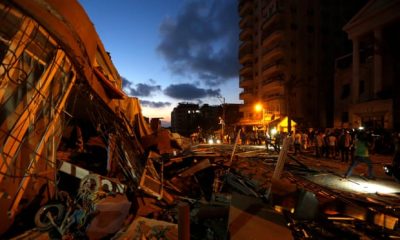
This sanctuary was repeatedly violated. On October 19, 2023, an Israeli strike hit the compound of St. Porphyrius, killing at least 18 civilians. Subsequent strikes on church compounds—including at the Holy Family Catholic Church, where women and children were killed—shattered longstanding assumptions that sacred sites might offer even minimal protection, and underscored that in Gaza no place of worship could be guaranteed to be safe. Global church leaders condemned the attacks and emphasized the endangerment of one of the world’s oldest Christian communities, and the church’s role as a last sanctuary for a population struggling to survive.
Across these contexts, war and displacement have reconfigured Christian life and presence in ways that depart sharply from pre-conflict patterns. Churches have become humanitarian hubs; clergy have assumed roles as crisis managers and advocates; and lay networks have stepped into leadership roles where formal structures faltered. Displacement camps and diaspora-based aid organizations have emerged as new centers of authority. In some areas, local Christian militias mobilized to defend towns; in others, international NGOs and church networks filled governance gaps left by collapsing state institutions. Taken together, the cases of Iraq, Syria, and Palestine show that violence does not simply threaten Christian communities with disappearance: It compels them into altered, fragile configurations that reflect both the limits of endurance and the shifting terrain of belonging.
Diaspora Networks and Transnational Reconfiguration
As authoritarian bargains fray and wars reorder political and social life, diaspora networks have become central to Christian futures in the Middle East. Emigration is not simply a measure of decline; it is a medium by which communities build new institutions, articulate political claims, and shape policy discussions across borders. Diasporic activism has transformed minority advocacy into a transnational enterprise, wherein identity, security concerns, and contested narratives of communal history and past violence converge.
While the Coptic Orthodox Church remains a powerful transnational institution, diaspora Copts [12] have cultivated parallel spheres of political engagement—especially since the 2011 revolution. In the United States, the United Kingdom, Canada, and Australia, Coptic activists formed NGOs, mobilized interfaith coalitions, and engaged lawmakers on issues ranging from political imprisonment and sectarian violence to freedom of worship and equal citizenship in Egypt. Organizations such as Coptic Solidarity in Washington, DC, and grassroots networks founded by younger activists leverage congressional hearings, State Department consultations, and human rights mechanisms at the United Nations to draw attention to incidents of discrimination and state repression. Advocacy campaigns have also expanded into digital spaces, where social media networks have helped coordinate transnational responses, disseminate documentation of abuses, and cultivate a new generation of Coptic voices operating outside church structures.
The detention of Ramy Kamel for documenting sectarian attacks galvanized these networks. Diaspora organizations coordinated petitions, appealed to UN special rapporteurs, and issued public letters demanding his release, demonstrating the rise of a distinctly diasporic Coptic political sphere grounded in rights-based language and international accountability mechanisms. [13] After nearly two years in pretrial detention, Kamel was released in early 2022, a move widely understood as a response to sustained diplomatic and advocacy pressure. His case nonetheless underscored the structural limits facing minority rights defenders inside Egypt, where restrictions on documentation, expression, and civic organizing persist—highlighting the continued need for sustained oversight by international bodies and consistent international accountability measures. [14]
Yet this expanding civic activism has also produced internal friction. For many younger Copts, the diaspora is a rare arena within which to articulate visions of equal citizenship and minority protection that feel unattainable inside Egypt—whereas Church-aligned voices often view such external pressure as potentially endangering the Church’s carefully managed relationship with the state. This tension between grassroots advocacy and institutional diplomacy marks a key site of contemporary reconfiguration: Coptic political presence is no longer centralized within ecclesial authority but increasingly negotiated across borders, and shaped by generationally different experiences of displacement, civic participation, and the search for security and belonging.
Among Assyrian and Chaldean Christians from Iraq, diaspora networks in the West predate the 2003 war but expanded dramatically thereafter. Today an estimated 300,000–400,000 Assyrian/Chaldean/Syriac people reside in the United States—nearly half of them in metro Detroit, which is considered the largest such community outside the Middle East. [15] Significant populations have also formed in Australia (roughly 60,000 [16]) and across northern Europe, especially in Sweden and Germany, where the population of combined communities exceeds 200,000. These diasporas mobilize remittances, fund reconstruction initiatives in ancestral towns in the Nineveh Plain, and lobby U.S., Australian, and European policymakers on behalf of those who remain in Iraq.
Assyrian organizations in the United States press Congress for recognition of past atrocities and for policies that ensure local security, [17] while local Assyrian and Chaldean groups in Michigan and elsewhere have raised millions to rebuild schools, clinics, and churches. [18] In framing their case, diaspora activists and scholars emphasize not only persecution but also indigeneity, presenting Christians as the original inhabitants of Mesopotamia and linking their struggles to global debates about minority rights and cultural survival. [19] In Chicago, Assyrian-language media preserve language and culture for younger generations, reinforcing a shared sense of peoplehood across borders. [20]
In the wake of Syria’s destruction after 2011, Syrian Christian communities abroad—particularly in the United States and Europe—have become crucial nodes of communal resilience and political mobilization. [21] While assisting newcomers, these networks have also taken on the role of documenting humanitarian crises, advocating for religious freedom, and raising funds for reconstruction efforts. For example, Syriac Orthodox communities from Syria in Sweden have submitted testimony to the European Parliament on forced displacement and property loss, [22] while U.S.-based associations participated in congressional briefings on the future of Syria’s minorities.
Diaspora politics, however, is far from uniform. Some activists emphasize regime atrocities and support international accountability mechanisms, while older diaspora members—often tied to business networks or church hierarchies—advocate for community protection and incremental return under transitional governance. These divisions reveal that diasporic life is not simply an extension of homeland politics but a reconfiguration of identity and authority, producing new modes of influence and communal life without privileging one dominant political orientation. [23]
Diaspora engagement also shapes responses to Palestine. Palestinian Christian leaders and communities across the world have drawn attention to the plight of Christians in Gaza and the West Bank in church statements, civil society petitions, and congressional meetings. [24] Rather than presenting themselves as apart from Muslim Palestinians, Christian advocates have emphasized shared suffering and a common struggle under occupation. Transnational Palestinian initiatives such as the 2023 “A Call for Repentance: An Open Letter from Palestinian Christians to Western Church Leaders and Theologians” urged policymakers to recognize the nature of Palestinian dispossession in the midst of the war on Gaza and to protect civilian life regardless of religious affiliation. [25] These efforts highlight how Palestinian Christians as a transnational and inherently diasporic community leverage theological language, human rights frameworks, and interfaith and ecumenical coalitions to situate Palestinian Christianity within a broader call for justice and collective liberation.
What unites these diasporic and transnational interventions is not uniformity of political stance but the reorientation of communal authority and identity. Churches abroad have become hubs of social and at times political as well as pastoral life; secular advocacy organizations have built alliances with human rights groups; and progressive youth leadership has emerged from digital platforms as well as university and community organizations. Diaspora politics has articulated claims that are often constrained in home states, from equal citizenship in Egypt and indigenous rights in Iraq to political accountability and transitional justice in Syria and international law and human rights issues in Palestine.
Crucially, diaspora activism also reshapes understandings of home. For many Middle Eastern Christians, permanently returning home is unlikely; rather, maintaining religious, cultural, and political ties becomes a transnational project. Pilgrimages to the homeland, heritage preservation campaigns, charity and philanthropy, and political activism for rights bind generations raised abroad to ancestral communities. Advocacy is not simply about securing protection “there” but about defining identity “here.” In this way, diaspora networks constitute not the end of Middle Eastern Christian life, but one of its most dynamic contemporary expressions.
http://theendtimeradio.com







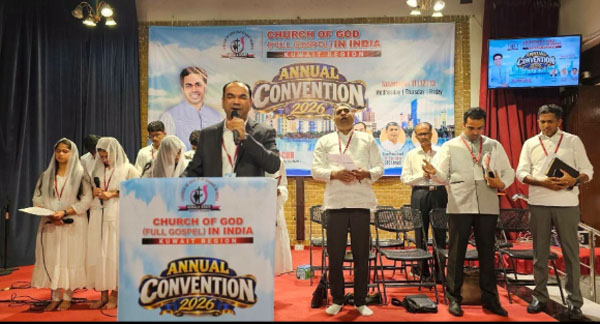
കുവൈറ്റ് സിറ്റി: ചർച്ച് ഓഫ് ഗോഡ് (ഫുൾ ഗോസ്പൽ) ഇൻ ഇന്ത്യ കേരള സ്റ്റേറ്റ് കുവൈറ്റ് റീജിയന്റെ ആഭിമുഖ്യത്തിൽ സംഘടിപ്പിച്ച ത്രിദിന വാർഷിക കൺവെൻഷൻ അനുഗ്രഹീതമായി സമാപിച്ചു. നവംബർ 11, 12, 13 തീയതികളിൽ കുവൈറ്റ് സിറ്റിയിലെ നാഷണൽ ഇവാൻജെലിക്കൽ ചർച്ച് (NECK) കോമ്പൗണ്ടിലെ ചർച്ച് & പാരിഷ് ഹാളിലാണ് കൺവെൻഷൻ നടന്നത്.
കുവൈറ്റ് ടൗൺ മലയാളി ക്രിസ്ത്യൻ കോൺഗ്രിഗേഷൻ (KTMCC) പ്രസിഡന്റ് ബ്രദർ കുരുവിള ചെറിയാന്റെ പ്രാരംഭ പ്രാർത്ഥനയോടെ ആരംഭിച്ച സമ്മേളനം റീജിയൻ പ്രസിഡന്റ് പാസ്റ്റർ രഞ്ചി എം. ജോൺ ഉദ്ഘാടനം ചെയ്തു. മുളക്കുഴ മൗണ്ട് സീയോൻ ബൈബിൾ സെമിനാരി പ്രിൻസിപ്പൽ പാസ്റ്റർ നോബിൾ ജേക്കബ് മൂന്ന് ദിവസങ്ങളിലെയും പ്രധാന വചന ശുശ്രൂഷകൾക്ക് നേതൃത്വം നൽകി. പ്രവാസ ജീവിതത്തിലെ പ്രതിസന്ധികൾക്കിടയിലും ക്രിസ്തുവാകുന്ന പാറയിൽ ഉറച്ചുനിൽക്കാനും, ബാഹ്യമായ പ്രകടനങ്ങൾക്കപ്പുറം നിർവ്യാജമായ വിശ്വാസത്തിലും വിശുദ്ധിയിലും വളരാനും അദ്ദേഹം വിശ്വാസികളെ ആഹ്വാനം ചെയ്തു. വിശ്വാസികളുടെ യഥാർത്ഥ പൗരത്വം സ്വർഗ്ഗത്തിലാണെന്ന തിരിച്ചറിവോടെ കർത്താവിന്റെ മടങ്ങിവരവിനായി ഒരുക്കത്തോടെ കാത്തിരിക്കണമെന്ന് അദ്ദേഹം ഓർമ്മിപ്പിച്ചു.
കൺവെൻഷനോടനുബന്ധിച്ച് നവംബർ 13 വെള്ളിയാഴ്ച രാവിലെ 6.30 മുതൽ 9.30 വരെ സംയുക്ത സഭാ ആരാധന നടന്നു. കുവൈറ്റ് റീജിയൻ സംയുക്ത ക്വയർ ഗാന ശുശ്രൂഷകൾക്ക് നേതൃത്വം നൽകി. റീജിയൻ പ്രസിഡന്റ് പാസ്റ്റർ രഞ്ചി എം. ജോൺ, വൈസ് പ്രസിഡന്റുമാരായ പാസ്റ്റർ സൈമൺ ജോസഫ്, പാസ്റ്റർ ബിജു ജോൺ എന്നിവർ വിവിധ ശുശ്രൂഷകൾക്ക് നേതൃത്വം വഹിച്ചു.
കുവൈറ്റിലെ ഇതര പെന്തക്കോസ്ത് സഹോദര സഭകളിലെ ദൈവദാസന്മാരുടെയും എൻ.ഇ.സി.കെ, കെ.ടി.എം.സി.സി പ്രതിനിധികളുടെയും സാന്നിധ്യം സമ്മേളനത്തിന് മാറ്റുകൂട്ടി. സെക്രട്ടറി ബ്രദർ എം.ടി. എബ്രഹാമിന്റെ നേതൃത്വത്തിലുള്ള റീജിയൻ കമ്മിറ്റി കൺവെൻഷന്റെ ക്രമീകരണങ്ങൾക്ക് നേതൃത്വം നൽകി. ന്യൂ ഇന്ത്യ ചർച്ച് ഓഫ് ഗോഡ് ശുശ്രൂഷകൻ പാസ്റ്റർ അലക്സ് കുര്യന്റെ സമാപന പ്രാർത്ഥനയോടും റീജിയൻ പ്രസിഡന്റ് പാസ്റ്റർ രഞ്ചി എം. ജോണിന്റെ ആശീർവാദത്തോടും കൂടി കൺവെൻഷന് തിരശ്ശീല വീണു.
Sources:christiansworldnews
world news
Christians in Iran Face Persecution, Death Sentences: ‘Leading Many People on Death Row to the Lord’
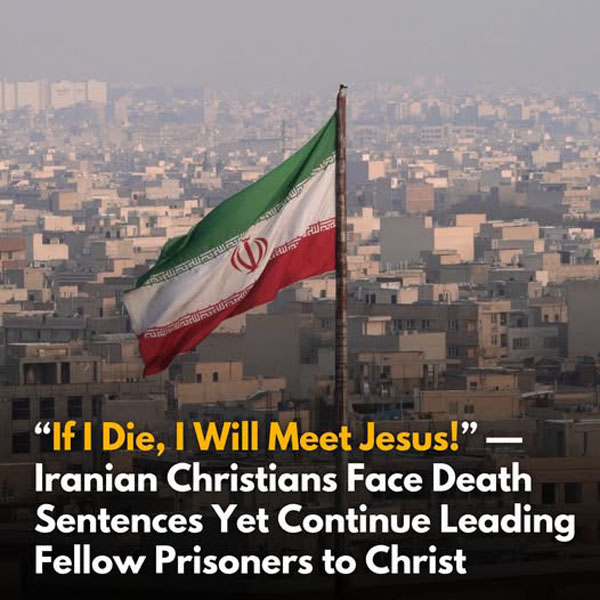
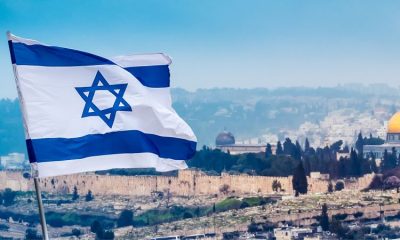
Israel – After a recent meeting with Qatar’s prime minister this week, President Trump declared that Iran no longer controls the Strait of Hormuz, and that momentum is building toward an end to the conflict. This result would mean an unfulfilled hope for millions of Iranians.
CBN News spoke with Hormuz Shariat, founder of Iran Alive Ministries, before the U.S. midterms. He told us that Iran’s leaders hoped that elections would weaken the president and bring the war to an end, adding that many Iranians wanted a different outcome.
“But the hope of the Iranian people, in any way possible, (is that) this regime falls down. They support it. Israel’s attack, they support it. The U.S. attack, they support it. Why? Because they’re hoping that the government will change.”
With the regime still in power, Iranians are struggling under a weak economy and would risk their lives in any protests.
“They were hoping that the government would collapse with the war, with the attack of Israel and Trump, but it hasn’t. So they have no other choice. If they come on the streets, they protest, they will be killed. And life is miserable,” Shariat insisted.
He notes that this includes Christians.
“Believers are not doing well,” he revealed. “The economy’s really bad. Of course, in our ministry we are helping financially. We have a campaign to help the persecuted and those who are being killed – 131 of our people that we knew, connected to our ministry – they were arrested. Thirty-one were killed in January, and fourteen of them are in jail. Most of them are on death row.”
He continued, “So Christians…have double pressure: (the) economy, but also persecution by the government, and we need to pray for them.”
Despite pressure and persecution, Shariat sees believers still sharing their faith.
He observed, “There is a supernatural grace on Iranian people. Under persecution, they don’t lose their faith, and even in danger. I’m so inspired by them.”
Shariat mentioned one believer on death row.
“We get reports by his family, who visits them,” he reported. ‘Say, how is he doing?’ ‘He could be killed any day.’ He said, ‘He is so up.’ He says, ‘If I die, I go with, to meet Jesus.’ And people around him, they say, ‘How come you have so much peace?’ He said, ‘Because of Jesus.’ So he’s leading many people on death row to the Lord.”
Shariat has a message to the Church in the West.
“Of course, you have to watch out what God is doing around the world. That’s, again, watchfulness. And in Iran, there’s a historical moment to Iran’s destiny will change towards Christianity. Of course, we know the end result, Jeremiah 49:38, that God will set His throne there. So, being aware (of what God is doing in Iran and (supporting) it.”
Sources:CBN News

A 34-year-old law graduate’s multi-year battle exposes the severe reality of religious control and the legal trap facing citizens who want to leave Islam.
A high-stakes constitutional challenge highlighting the erosion of religious freedom in Malaysia has taken a procedural step backward. The Kuala Lumpur High Court has ordered that a lawsuit filed by a 34-year-old legal researcher seeking legal recognition as a Christian be transferred to the Shah Alam High Court.
The case lays bare the rigid and intrusive control exercised by state apparatuses and Islamic religious authorities over personal faith, showcasing a system where basic human rights — such as choosing one’s own religion — are tightly policed by the government.
A Life Labeled Without Consent
The plaintiff, Shameer PV, identifies as a Christian and has lived as one since he was 18. However, under strict Malaysian administrative regulations, the word “Islam” was stamped on his compulsory national identity card (MyKad) when he was just 12, following a bureaucratic policy introduced under the National Registration Act.
Despite decades of personal conviction and his marriage to a Christian wife, the state continues to legally treat him as a Muslim, directly violating his parental and marital status and refusing to recognize his family.
Shameer’s legal challenge names the federal government, the Selangor state government, and the Selangor Islamic Religious Council (MAIS) as defendants. He argues that labeling citizens by religion on state identity cards violates Article 11(1) of the Federal Constitution, which ostensibly guarantees every person the right to profess and practice their religion.
Trapped in Shariah Bureaucracy
Shameer’s ordeal underscores the labyrinthine and punishing hurdles forced upon religious minorities and converts in Malaysia’s dual-justice system, which runs a parallel set of Islamic (Shariah) courts alongside the civil judiciary.
In 2018, Shameer initiated proceedings in a Selangor Shariah court seeking official recognition of his Christian faith. After an exhausting 72 court sessions spanning over seven years, the Shariah court dismissed his application in January. Rather than allowing him to move on with his life, the religious court went a step further, ordering state departments and Islamic authorities to “guide and control” his practice of Islam — effectively treating his desire to leave the faith as a disciplinary or correctional matter.
Having exhausted the religious tribunal system, Shameer turned to the civil high court in July, filing an originating summons to ask the highest judicial authorities whether state-mandated religious labeling on identity cards is unconstitutional, and whether Shariah courts have any lawful jurisdiction over individuals who do not practice Islam.
A Wider Crisis for Freedom of Conscience
International human rights observers and religious freedom advocates have long criticized Malaysia’s legal framework regarding apostasy and conversion.
While the Malaysian Constitution theoretically protects freedom of religion, civil courts have repeatedly ruled that only Islamic Shariah courts have the authority to permit someone to leave Islam — creating an effective judicial catch-22, as Shariah courts rarely grant permission to renounce the religion.
For international human rights advocates and supporters of religious liberty, Shameer’s case is a stark reminder of the state-enforced religious controls facing millions in Southeast Asia.
As his case moves to the Shah Alam court, the legal battle continues to test whether Malaysia’s secular constitutional framework can protect an individual’s fundamental right of conscience against a totalizing state religious bureaucracy.
Sources:persecution


ശാരോൻ ഫെല്ലോഷിപ്പ് ചർച്ചസ് ഓഫ് നോർത്ത് അമേരിക്കയുടെ 2027 ഫാമിലി കോൺഫറൻസ് രജിസ്ട്രേഷൻ കിക്കോഫ് ഡാളസ്സിൽ നടന്നു
ഡാളസ്: ശാരോൻ ഫെല്ലോഷിപ്പ് ചർച്ചസ് ഓഫ് നോർത്ത് അമേരിക്കയുടെ 2027 ഫാമിലി കോൺഫറൻസിന്റെ രജിസ്ട്രേഷൻ കിക്കോഫ് ഡാളസ്സിലെ ശാരോൻ ഇവന്റ് സെന്ററിൽ വെച്ച് നടന്നു. കോൺഫറൻസിന്റെ നാഷണൽ...


സുവിശേഷ യോഗവും സംഗീത സന്ധ്യയും നവംബർ 20,21,22 തീയതികളിൽ
മണർകാട്: യുണറ്റഡ് അസംബ്ലി സ് ഓഫ് ഗോഡ് ഇന്ത്യ ബെഥേൽ ചർച്ച് വല്ല്യഊഴവും പിസിഐ കോട്ടയം ജില്ലയുടെയും സംയുക്തമായി നടത്തുന്ന സുവിശേഷ മഹായോഗവും സംഗീത സന്ധ്യയും മണർകാട്...

ഐ.പി.സി കുടുംബ സംഗമംപ്രയർ ലൈൻ: പാസ്റ്റർ ഡോ. ചെറിയാൻ സി. ഡാനിയേൽ പ്രസംഗിക്കും
ഫ്ളോറിഡ: ഇന്ത്യാ പെന്തക്കോസ്ത് ദൈവസഭയുടെ 21-മത് നോർത്ത് അമേരിക്കൻ ഫാമിലി കോൺഫ്രൻസിന്റെ വിജയകരമായ നടത്തിപ്പിനായി വിവിധ സംസ്ഥാനങ്ങളിൽ നിന്നുമുള്ള പ്രാർത്ഥനാ സഹകാരികളെ പങ്കെടുപ്പിച്ചുകൊണ്ട് പ്രവർത്തനം ആരംഭിച്ച പ്രയർ...
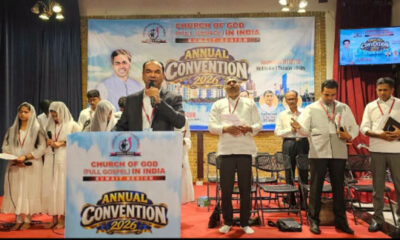

ചർച്ച് ഓഫ് ഗോഡ് കേരള സ്റ്റേറ്റ് കുവൈറ്റ് റീജിയൻ വാർഷിക കൺവെൻഷന് അനുഗ്രഹീത പരിസമാപ്തി
കുവൈറ്റ് സിറ്റി: ചർച്ച് ഓഫ് ഗോഡ് (ഫുൾ ഗോസ്പൽ) ഇൻ ഇന്ത്യ കേരള സ്റ്റേറ്റ് കുവൈറ്റ് റീജിയന്റെ ആഭിമുഖ്യത്തിൽ സംഘടിപ്പിച്ച ത്രിദിന വാർഷിക കൺവെൻഷൻ അനുഗ്രഹീതമായി സമാപിച്ചു....
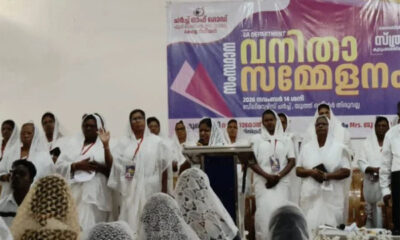

ചർച്ച് ഓഫ് ഗോഡ് കേരള റീജിയൺ സംസ്ഥാന വനിതാ സമ്മേളനം സമാപിച്ചു
തിരുവല്ല: ചർച്ച് ഓഫ് ഗോഡ് (ഫുൾ ഗോസ്പൽ) ഇൻ ഇന്ത്യ കേരള റീജിയൺ ലേഡീസ് ഓക്സിലറി ഡിപ്പാർട്ട്മെന്റിന്റെ (LA Department) ആഭിമുഖ്യത്തിൽ സംഘടിപ്പിച്ച 2026-ലെ സംസ്ഥാന വനിതാ...
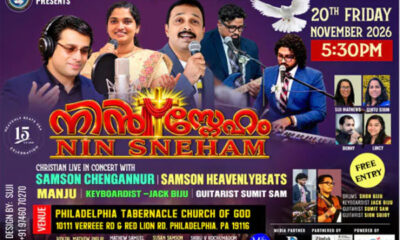

ഹെവന്ലി ബീറ്റ്സ് യുഎസ്എയുടെ ‘നിന് സ്നേഹം’ ക്രിസ്തീയ സംഗീതസന്ധ്യ നവംബര് 20ന് ഫിലഡല്ഫിയയില്
ഫിലഡല്ഫിയ: ഹെവന്ലി ബീറ്റ്സ് യുഎസ്എയുടെ നേതൃത്വത്തില് സംഘടിപ്പിക്കുന്ന ‘നിന് സ്നേഹം’ ക്രിസ്തീയ സംഗീതസന്ധ്യ നവംബര് 20 വെള്ളിയാഴ്ച വൈകിട്ട് 5.30ന് ഫിലഡല്ഫിയയില് നടക്കും. ഹെവന്ലി ബീറ്റ്സിന്റെ 15...
-
 us news2 weeks ago
Millions Encouraged to Open Their Bibles for Global Bible Month
-

 us news5 months ago
Mike Winger deletes YouVersion app over ‘The Passion Translation’ controversy, urges others to ‘use caution’
-
 us news6 months ago
‘America Is Hungry’: Hundreds Born Again and Baptized as Jesus Tent Revival Sweeps the Nation
-

 Movie9 months ago
Hollywood Actor Jen Lilley Launching New Ministry After ‘Vision’ From Holy Spirit
-

 National12 months ago
ഐ.പി.സി കേരള സ്റ്റേറ്റ് ഇലക്ഷൻ 2026 മാർച്ച് 9 മുതൽ
-
 world news12 months ago
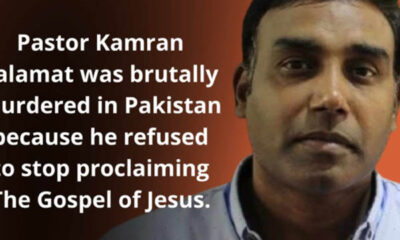
പാകിസ്ഥാനിൽ പാസ്റ്റർ കമ്രാൻ മൈക്കിൾ തന്റെ മകളുടെ മുന്നിൽ വെച്ച് ക്രൂരമായി കൊല്ലപ്പെട്ടു.
-

 Travel10 months ago
കേരളത്തിൽ നിന്ന് ഭൂട്ടാനിലേക്ക് എങ്ങനെ ട്രെയിനിൽ പോകാം; വിസ വേണ്ട, വോട്ടർ ഐഡി മതി; ടിക്കറ്റ് നിരക്കും വഴികളും
-

 Movie8 months ago
Worship Leader Brooke Ligertwood Shares Stunning Testimony of Answered Prayer From Ukraine