
National
ഐപിസി അങ്കമാലി സെന്ററിന് പുതിയ നേതൃത്വം

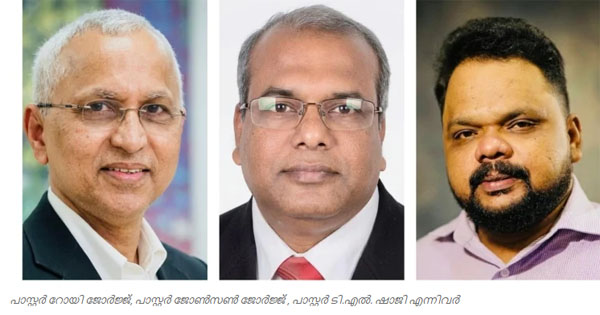
അങ്കമാലി: ഇന്ത്യാ പെന്തകൊസ്ത് ദൈവസഭ (IPC) അങ്കമാലി സെന്ററിന് പുതിയ നേതൃത്വം നിലവിൽ വന്നു. കൂട്ടായ പ്രവർത്തനത്തിന് പ്രാധാന്യം നൽകിക്കൊണ്ട്, സഭയുടെ ആത്മികവും സാമൂഹികവുമായ കർമപദ്ധതികൾ കൂടുതൽ ശക്തിപ്പെടുത്തുക എന്ന ലക്ഷ്യത്തോടെയാണ് പുതിയ നേതൃത്വം ചുമതലയേറ്റിരിക്കുന്നത്.
പുതിയ ഭാരവാഹികൾ: പ്രസിഡണ്ട്: പാസ്റ്റർ റോയി ജോർജ്ജ്, വർഷിപ്പ് സെൻ്റർ, വൈസ് പ്രസിഡണ്ട്: പാസ്റ്റർ ജോൺസൺ ജോർജ്ജ്, ചൂണ്ടി, സെക്രട്ടറി: പാസ്റ്റർ ടിഎൽ ഷാജി, ഹോളി സിറ്റി. ജോയിൻ്റ് സെക്രട്ടറി: പാസ്റ്റർ പിജെ രാജു വക്കുവള്ളി, ട്രഷറർ: പാസ്റ്റർ ജെയിംസ് വർഗീസ്, ഇടപ്പള്ളി.
പരസ്പര സഹകരണത്തോടെ മുന്നോട്ടു പോകുമെന്ന് പ്രഖ്യാപിച്ച പുതിയ നേതൃത്വം സെന്ററിലെ സഭകളുടെ ആത്മീയ വളർച്ചയ്ക്കും സുവിശേഷ പ്രവർത്തനങ്ങളുടെ പുരോഗതിക്കും ഊന്നൽ നൽകിക്കൊണ്ട് പ്രവർത്തിക്കുമെന്ന പ്രതീക്ഷയിലാണ് വിശ്വാസസമൂഹം.
ഒരുമയിൽ ശക്തി, കൂട്ടായ്മയിൽ വളർച്ച, ദൈവശുശ്രൂഷയിൽ വേഗമേറിയ മുന്നേറ്റം എന്ന ആപ്തവാക്യത്തോടെ ഐപിസി അങ്കമാലി സെന്റർ പുതിയൊരു അധ്യായത്തിലേക്ക് പ്രവേശിക്കുകയാണ്.
Sources:cchintha.in
National
ജനിച്ച മതത്തില് നിന്ന് മാറി മറ്റൊരു മതം സ്വീകരിച്ചാല് സംവരണ ആനുകൂല്യം ലഭിക്കില്ല; സുപ്രീം കോടതിയുടെ നിര്ണായക വിധി
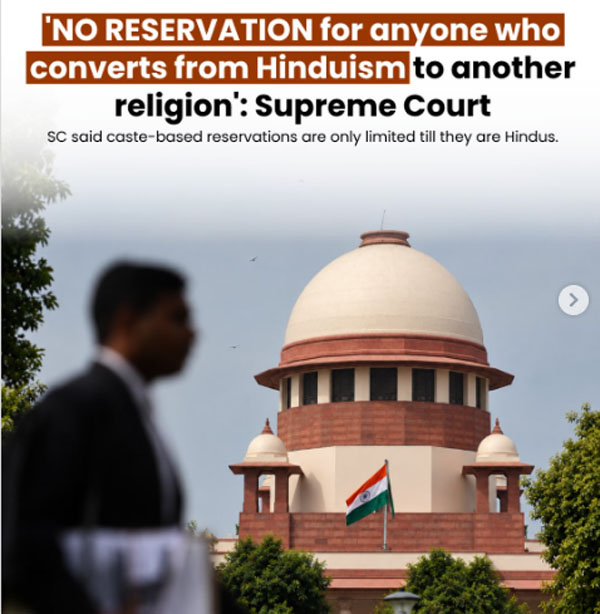
ന്യൂഡൽഹി: ഹിന്ദു മതത്തിൽ നിന്ന് ഇസ്ലാം ഉൾപ്പെടെയുള്ള മറ്റ് മതങ്ങളിലേക്ക് മതം മാറിയവർക്ക് അവരുടെ മുൻ സമുദായ പദവിയുടെ അടിസ്ഥാനത്തിൽ മാത്രം പിന്നാക്ക വിഭാഗ സംവരണത്തിന് അർഹതയുണ്ടാവില്ലെന്ന് സുപ്രീം കോടതി. ഇതുമായി ബന്ധപ്പെട്ട മദ്രാസ് ഹൈക്കോടതി വിധി സുപ്രീം കോടതി ശരിവെച്ചു.
മതംമാറ്റത്തിന് ശേഷവും പഴയ ജാതി പദവി അടിസ്ഥാനമാക്കി സംവരണം ആവശ്യപ്പെടാനാവില്ലെന്ന് സുപ്രീം കോടതി വ്യക്തമാക്കി. ഇസ്ലാം മതത്തിലേക്ക് മാറുന്നവർക്ക് പന്നാക്ക വിഭാഗ സാക്ഷ്യപത്രം നൽകാൻ അനുവദിച്ച 2024-ലെ സർക്കാർ ഉത്തരവ് റദ്ദാക്കിയ ഹൈക്കോടതി നടപടി സുപ്രീം കോടതി ശരിവെച്ചു. നോൺ-ഹിന്ദു സാമൂഹിക വ്യവസ്ഥയിലേക്ക് മാറിയവർക്ക് പഴയ സാമൂഹിക പിന്നാക്കാവസ്ഥയുടെ പേരിൽ മാത്രം സംവരണം ലഭിക്കില്ല. ഹിന്ദു, സിഖ്, ബുദ്ധ മതവിഭാഗങ്ങൾക്ക് പുറത്തുള്ളവർക്ക് ഭരണഘടനയുടെ ആർട്ടിക്കിൾ 16(4) പ്രകാരം പട്ടികജാതി പദവി അനുവദിക്കാനാവില്ലെന്ന് കോടതി വ്യക്തമാക്കി.
ജസ്റ്റിസ് പ്രശാന്ത് കുമാർ മിശ്ര, ജസ്റ്റിസ് ചന്ദ്രശേഖർ എന്നിവരടങ്ങിയ ബെഞ്ചാണ് തമിഴ്നാട് സർക്കാർ നൽകിയ ഹർജി തള്ളിയത്. ചില പിന്നാക്ക സമുദായങ്ങളിൽ നിന്ന് ഇസ്ലാമിലേക്ക് മതം മാറുന്നവർക്ക് നോട്ടിഫൈഡ് പിന്നാക്ക വിഭാഗ മുസ്ലിം (Backward Class Muslim) സമുദായ സർട്ടിഫിക്കറ്റ് അനുവദിച്ച 2024-ലെ സർക്കാർ ഉത്തരവ് മദ്രാസ് ഹൈക്കോടതി മുൻപ് റദ്ദാക്കിയിരുന്നു. ഈ ഉത്തരവാണ് സുപ്രീംകോടതി ശരിവെച്ചിരിക്കുന്നത്.
ഹിന്ദു സാമൂഹിക വ്യവസ്ഥയിൽ നിന്ന് മറ്റ് മതങ്ങളിലേക്ക് മാറുന്ന ഒരു വ്യക്തിക്ക്, തന്റെ പഴയ സാമൂഹിക പിന്നാക്കാവസ്ഥയുടെ അടിസ്ഥാനത്തിൽ മാത്രം ഭരണഘടനയുടെ ആർട്ടിക്കിൾ 16(4) പ്രകാരമുള്ള സംവരണാനുകൂല്യങ്ങൾ ആവശ്യപ്പെടാൻ അർഹതയില്ലെന്ന് കോടതി വ്യക്തമാക്കി. ഇസ്ലാം, ക്രിസ്തുമതം അല്ലെങ്കിൽ മറ്റ് നോൺ-ഹിന്ദു മതങ്ങളിലേക്ക് മാറുന്നത് കൊണ്ടുമാത്രം ആ മതത്തിലെ പ്രത്യേക പിന്നാക്ക സമുദായത്തിലെ അംഗത്വം താനേ ലഭിക്കില്ലെന്നും കോടതി ചൂണ്ടിക്കാട്ടി.
1950-ലെ ഭരണഘടന ഉത്തരവ് പ്രകാരം ഹിന്ദു, സിഖ്, ബുദ്ധ മതങ്ങൾ പിന്തുടരുന്നവർക്ക് മാത്രമേ പട്ടികജാതി പദവി നൽകാൻ സാധിക്കൂ എന്ന് സുപ്രീം കോടതി വ്യക്തമാക്കി. ഇതിൽ ഉൾപ്പെടാത്ത മറ്റ് മതങ്ങളിലേക്ക് മാറുന്ന വ്യക്തിക്ക് തന്റെ മുൻ ജാതി അടിസ്ഥാനമാക്കിയുള്ള പട്ടികജാതി പദവിയും അതിലൂടെ ലഭിക്കുന്ന ആനുകൂല്യങ്ങളും നഷ്ടപ്പെടുമെന്നും വിധിയിൽ വ്യക്തമാക്കുന്നു.
Sources:cchintha.in
The Supreme Court on Thursday upheld the Madras High Court’s decision that a person who converts to Islam from the Hindu social order cannot claim Backward Class (BC) reservation benefits solely on the basis of their pre-conversion social status. A bench of Justices PK Mishra and Shree Chandrashekhar dismissed the Tamil Nadu government’s appeal against the High Court’s order striking down a state government decision on reservation benefits for seven Backward Class Muslim communities.
What did the Supreme Court say on BC reservation after conversion?
The Supreme Court observed that a person converting from the Hindu social order to a non-Hindu social order cannot claim affirmative action benefits under Article 16(4) of the Constitution merely because of the social backwardness associated with their status before conversion.
“A person who converts from Hindu social order to a non-Hindu social order cannot claim affirmative action under article 16(4) of the Constitution merely on the basis of the social backwardness associated with his pre-conversion status,” the bench said while dismissing the state’s plea.
The bench also referred to the Constitution (Scheduled Castes) Order, 1950, which restricts Scheduled Caste status to people professing Hinduism, Sikhism or Buddhism.
It further observed that backwardness in a person’s previous social order cannot, by itself, be carried forward to grant them Backward Class status in the religion they convert to. The court added that a person professing a religion other than Hinduism, Sikhism or Buddhism cannot be deemed to be a member of a Scheduled Caste under paragraph 3 of the order.
Why did Tamil Nadu challenge the Madras High Court order?
The Tamil Nadu government approached the Supreme Court against the Madras High Court’s June 25 judgment, which struck down a government order issued on March 9, 2024.
The state government order allowed people belonging to Backward Classes (BCs), Most Backward Classes (MBCs), Denotified Communities or Scheduled Castes to be treated as Backward Class Muslims after converting to Islam, subject to the prescribed conditions.
Under the order, eligible converts could be issued community certificates identifying them as members of one of seven notified Muslim communities recognised under the state’s BC category. The certificates would allow them to claim reservation benefits.
The state government argued that the order was introduced to ensure that people belonging to socially and educationally backward communities did not lose reservation benefits solely because they had converted to Islam.
It maintained that the decision followed detailed deliberations and that extending these benefits to such individuals would not disturb the social balance.
What did the Madras High Court say in its June 25 judgment?
The Madras High Court had held that the March 2024 government order was contrary to judicial pronouncements by the High Court and the Supreme Court concerning the status of people who convert to Islam.
The High Court observed that a person converting to Islam could be treated as a Muslim but could not automatically retain or claim a caste-based status from their previous religion for reservation purposes.
The judgment also referred to arguments about the principles of social equality associated with Islam and Christianity, noting that religious conversion raised questions about claims based on the caste hierarchy of the Hindu social order.
The High Court’s decision came in a case involving Sameer Ahamed, who converted to Islam in 2015, changed his name and married according to his adopted religion.
How did the case involving Sameer Ahamed begin?
After his conversion, Ahamed applied for a community certificate identifying him as a ‘Muslim Lebbai’, one of the seven Backward Class Muslim communities recognised under the Tamil Nadu government’s March 2024 order.
When the tehsildar rejected his application, Ahamed approached the Madras High Court, relying on the government order to support his claim.
The state government defended the order, arguing that its purpose was to protect reservation benefits for people who already belonged to socially and educationally backward communities before converting to Islam.
However, the High Court struck down the order on June 25, prompting the state government to challenge the decision before the Supreme Court.
With the Supreme Court dismissing the appeal, the Madras High Court’s decision striking down the March 2024 government order remains in force.
http://theendtimeradio.com
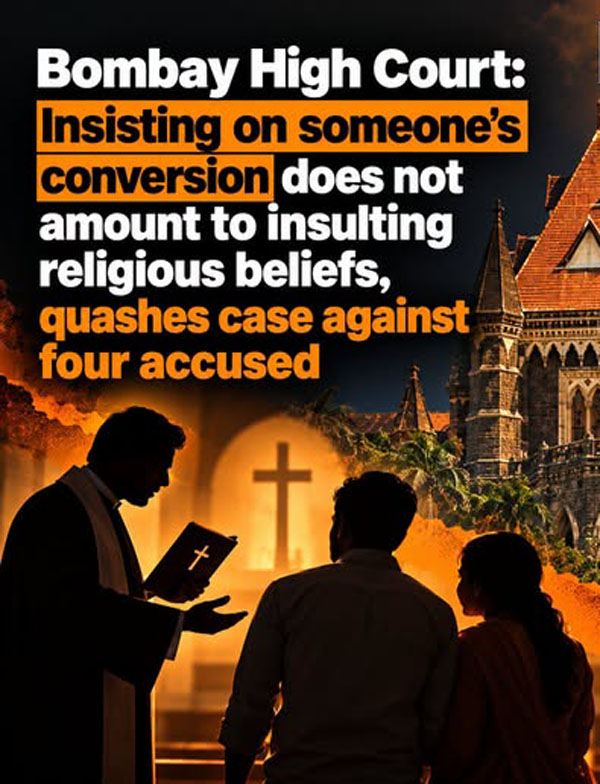
നാഗ്പുർ: മതം മാറാൻ നിർബന്ധിക്കുന്നത് ഏതെങ്കിലും വിഭാഗത്തിന്റെ മതവിശ്വാസത്തെ അവഹേളിക്കല് അല്ലെന്നു ബോംബെ ഹൈക്കോടതി.
ദമ്പതികളെ നിർബന്ധിച്ച് ക്രിസ്തുമതത്തിലേക്കു മാറ്റാൻ ശ്രമിച്ചെന്നാരോപിച്ച് നാലു പേർക്കെതിരേ രജിസ്റ്റർ ചെയ്ത കേസ് റദ്ദാക്കിക്കൊണ്ടായിരുന്നു കോടതിയുടെ നിരീക്ഷണം.
പ്രതികള് അവരുടെ മതം പ്രചരിപ്പിക്കുക മാത്രമാണു ചെയ്തതെന്നും രാജ്യത്തെ ഏതെങ്കിലും വിഭാഗം ജനങ്ങളുടെ മതവികാരത്തെ വ്രണപ്പെടുത്തിയിട്ടില്ലെന്നും ഹൈക്കോടതിയുടെ നാഗ്പുർ ബെഞ്ച് വിധിയില് ചൂണ്ടിക്കാട്ടി. ഹിന്ദുമതത്തില്നിന്നു ക്രിസ്തുമതത്തിലേക്കു മാറിയാല് ദമ്പതികള്ക്ക് മാസംതോറും പണം നല്കാമെന്നും കുട്ടികളുടെ വിദ്യാഭ്യാസച്ചെലവ് വഹിക്കാമെന്നും വീട് നല്കാമെന്നും പ്രതികള് വാഗ്ദാനം ചെയ്തതായി ഹർജിയില് ആരോപിച്ചിരുന്നു.
ദമ്പതികളെ ഹിന്ദുമതത്തില്നിന്നു ക്രിസ്തുമതത്തിലേക്കു മാറാൻ നിർബന്ധിച്ചു എന്നതു മാത്രമാണ് പ്രതികള്ക്കെതിരായ ആരോപണം. അവരുടെ മതവിശ്വാസങ്ങളെ വ്രണപ്പെടുത്തിയിട്ടില്ലെന്നും ഉത്തരവില് ജസ്റ്റീസ് എം.ഡബ്ല്യു. ചന്ദ്വാനി വ്യക്തമാക്കി.
Sources:cchintha.in
The Bombay High Court has held that insisting on someone’s conversion does not amount to insulting the religious beliefs of any class, and quashed a case against four persons accused of coercing a couple to convert to Christianity.
The accused were at most promoting their religion but had not outraged the religious feelings of any class of citizens of the country, Justice M W Chandwani of the HC’s Nagpur bench noted.
The prosecution claimed that the accused persons said they would pay the complainant and his wife each month, take care of the educational expenses of their children and also construct a house for them if they agreed to convert from Hinduism to Christianity.
The accused claimed that there was no malicious intent on their part to outrage the religious feelings of any class of citizens of India and also that they did not insult any religion.
“The applicants were merely promoting their religion and that does not mean that by doing so, they outraged the religious feelings of any class,” the HC said.
At most, the case against the accused is that they pressured the complainant and his wife to convert themselves from Hinduism to Christianity but had not hurt their religious beliefs, it said in the order on October 6.
The court also took note of the fact that the alleged offence took place in 2025 when there was no law prohibiting conversion by way of allurement from one religion to another in the state.
Maharashtra has “enacted the law for protection of freedom of religion and prohibition of unlawful conversion from one religion to another, which came into force on August 28, 2026,” it noted.
The court quashed the FIR and chargesheet against the four persons – Joseph Khudawant, a senior citizen, his son Victor Khudawant, daughter-in-law Elvina Khudawant and social worker Anant Mankar – all residents of Amravati.
The accused had sought quashing of the FIR registered against them in Amravati in January and also the chargesheet filed in the case.
They were alleged to have pressured and insisted that the complainant and his wife convert to Christianity. They were booked for indulging in deliberate and malicious acts intended to outrage the religious feelings of any class and insulting its religion or religious beliefs.
http://theendtimeradio.com
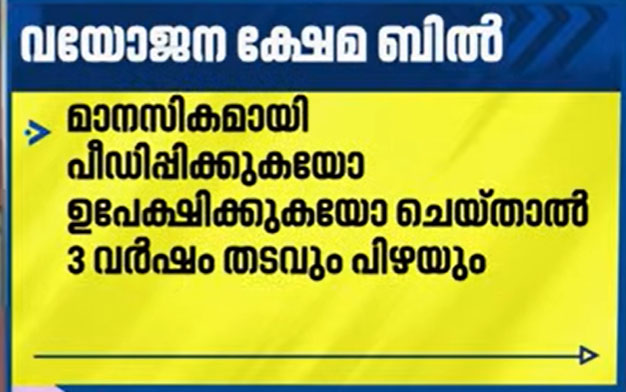
തിരുവനന്തപുരം: മുതിർന്ന പൗരരെ വീട്ടുകാർ ഉപേക്ഷിച്ചാൽ മൂന്നുവർഷംവരെ തടവും അൻപതിനായിരം രൂപ പിഴയും ശുപാർശചെയ്ത് വയോജനക്ഷേമബിൽ. ഉപേക്ഷിക്കണമെന്ന ലക്ഷ്യത്തോടെ മക്കൾ അടക്കമുള്ള കുടുംബാംഗങ്ങൾ, നിയമപരമായ അവകാശികൾ എന്നിവർ പരിചരണ കേന്ദ്രത്തിലോ മറ്റേതെങ്കിലും സ്ഥലത്തോ മുതിർന്നവരെ അവരുടെ അനുമതിയില്ലാതെ എത്തിക്കുന്നത് കുറ്റകരമാക്കുന്ന ‘മുതിർന്ന പൗരരുടെ (പരിചരണവും അവകാശ സംരക്ഷണവും) ബിൽ’ഇന്ന്( ചൊവ്വാഴ്ച) നിയമസഭയിൽ അവതരിപ്പിക്കും. കുടുംബാംഗങ്ങളോ ബന്ധുക്കളോ പരിചരണകേന്ദ്രത്തിലെ ജീവനക്കാരോ ശാരീരികമായോ മാനസികമായോ പീഡിപ്പിച്ചാലും ഇതേ ശിക്ഷയനുവഭിക്കേണ്ടിവരും.
പരിചരണകേന്ദ്രത്തിന്റെ നടത്തിപ്പുകാർ അന്തേവാസിയുടെ സ്വത്ത് കൈവശപ്പെടുത്തിയാലും മൂന്നുവർഷംവരെ തടവും അൻപതിനായിരം രൂപ പിഴയുമാണ് ശിക്ഷ. രജിസ്ട്രേഷൻ ഇല്ലാതെ പരിചരണകേന്ദ്രം പ്രവർത്തിപ്പിച്ചാൽ ഒരുവർഷംവരെ തടവോ 25,000 രൂപ പിഴയോ രണ്ടുംകൂടിയോ ആണ് ശിക്ഷ.
വയോജന നിയമപ്രകാരമുള്ള എല്ലാ കുറ്റകൃത്യങ്ങളുടെയും വിചാരണ ഒന്നാം ക്ലാസ് ജുഡീഷ്യൽ മജിസ്ട്രേറ്റ് കോടതിയിലാണ്. പരിചരണസ്ഥാപനങ്ങളിലെ കുറ്റകൃത്യങ്ങൾക്ക് ഡയറക്ടറോ ട്രസ്റ്റിയോ മാനേജരോ ഉത്തരവാദിയെന്നു കണ്ടാൽ അവരും ശിക്ഷിക്കപ്പെടും.
■ബില്ലിലെ പ്രധാന വ്യവസ്ഥകൾ.
*മുതിർന്ന പൗരന്മാരുടെ പരാതികൾക്ക് അസിസ്റ്റന്റ് ഇൻസ്പെക്ടറിൽ കുറയാത്ത ഉദ്യോഗസ്ഥൻ നോഡൽ ഓഫീസർ.
*പരിചരണകേന്ദ്രങ്ങൾക്ക് രജിസ്ട്രേഷൻ നിർബന്ധം. നിശ്ചിത നിലവാരവും പരിചരിക്കുന്നവർക്ക് പരിശീലനവും സർട്ടിഫിക്കറ്റും നിർബന്ധം.
*ഒപ്പം താമസിച്ച് പരിചരിക്കുന്നവർക്ക് പോലീസ് ക്ലിയറൻസ് സർട്ടിഫിക്കറ്റ് നിർബന്ധം.
*സൈബർ പോലീസ് സ്റ്റേഷനുകളിൽ മുതിർന്ന പൗര സൈബർ സെൽ, ഏകോപന ഓഫീസർ. സൈബർ തട്ടിപ്പിനിരയാവാതിരിക്കാൻ ഡിജിറ്റൽ സാക്ഷരതാപരിപാടി.
“*ഇൻഷുറൻസ്, ദീർഘകാല പരിചരണപരിരക്ഷ.
*പരിചരണകേന്ദ്രത്തിലെ അന്തേവാസി വിൽപ്പത്രം തയ്യാറാക്കാതെയും അവകാശികൾ ഇല്ലാതെയും മരിച്ചാൽ സ്വത്ത് സർക്കാരിന്.
*അൽഷിമേഴ്സ്, ഡിമെൻഷ്യ, പാർക്കിൻസൺസ്, മറ്റ് നാഡീരോഗങ്ങൾ എന്നിവയ്ക്കുമാത്രമായി പരിചരണകേന്ദ്രം സർക്കാർതലത്തിൽ.
*വിധവയോ ഭിന്നശേഷിക്കാരോ ഉപേക്ഷിക്കപ്പെട്ടവരോ അതിക്രമത്തെ അതിജീവിച്ചവരോ ആയ സ്ത്രീകൾക്ക് സർക്കാർ പരിചരണകേന്ദ്രങ്ങളിൽ അഭയത്തിന് മുൻഗണന.
Sources:cchintha.in
The neglect of elderly parents often unfolds behind closed doors, where emotional abuse, financial exploitation and the denial of basic care can go unnoticed for years. Kerala is now seeking to address such vulnerabilities through a proposed law that would make cruelty against senior citizens punishable with imprisonment and fines, while bringing elderly care facilities under a regulatory framework.
The Keralam Senior Citizens (Care and Protection of Rights) Bill, 2026, was introduced in the state Assembly by Chief Minister VD Satheesan on October 13. It has been referred to the Assembly Subject Committee for further consideration. If passed, it would create a more comprehensive legal framework for protecting senior citizens from abuse, neglect and exploitation.
A key provision proposes imprisonment of up to three years and a fine of up to Rs 50,000 for cruelty against senior citizens in specified circumstances. The legislation also seeks to hold those responsible for elderly care accountable for violations involving their safety, dignity and property.
What Counts As Cruelty Against Senior Citizens?
The proposed Bill gives cruelty a broad meaning, extending beyond physical assault. It covers wilful conduct that could force an elderly person to leave their home, cause serious injury or endanger their life or physical well-being. Conduct affecting their mental or physical health, as well as harassment intended to coerce them into meeting unlawful demands involving property or valuable security, also falls within the proposed definition.
Abuse in old age can take the form of intimidation, humiliation, financial pressure or the deliberate denial of necessities by people on whom an elderly person depends. The Bill seeks to make such conduct a matter of legal accountability rather than treating it merely as a private family dispute.
Can Children Or Relatives Face Jail For Abandoning Elderly Parents?
The proposed provisions are aimed at people responsible for an elderly person’s care, including family members, relatives and legal heirs, as well as those managing or working in care facilities and caregivers.
Abandonment is another key concern. The legislation proposes to punish those who, with the intention of abandoning an elderly person, leave them at a care centre or another place without their consent. The concern is not simply whether an older person is living with their children, but whether someone responsible for their care is deliberately leaving them without support or exposing them to harm.
What Happens If Someone Takes Control Of An Elderly Person’s Property?
Financial exploitation is another area addressed by the Bill. It proposes penalties for the unauthorised possession of a senior citizen’s property by those running care centres, alongside provisions aimed at preventing abuse and exploitation.
For many older people, transferring property or savings to children or relatives can leave them financially dependent on the very people expected to care for them. Where that dependence is exploited, the consequences can extend beyond financial loss to the denial of housing, healthcare and everyday necessities.
The proposed legislation seeks to strengthen safeguards against such exploitation. The exact legal remedy in an individual case, however, would depend on the facts and the applicable provisions.
What Happens To Unregistered Old-Age Homes?
The Bill also proposes compulsory registration for elderly care facilities and services, including care homes and other specified institutions. Centres operating without registration could face imprisonment of up to one year, a fine of up to Rs 25,000, or both, according to reports on the proposed legislation.
The broader aim is to bring elderly care providers under a system of registration, monitoring and prescribed standards, rather than leaving families to assess the quality and safety of care on their own.
How Is This Different From Existing Law?
India already has the Maintenance and Welfare of Parents and Senior Citizens Act, 2007, which provides a legal framework for seeking maintenance from children or specified relatives and includes safeguards concerning certain property transfers. Kerala’s proposed Bill seeks to go further by combining protections against cruelty and exploitation with the regulation of elderly care services and institutional accountability.
The proposed law comes as the state’s population ages rapidly. According to figures cited by the International Institute of Migration and Development, people aged 60 and above accounted for 15 per cent of Kerala’s population in 2021, up from 12.7 per cent in 2011. Their share is projected to rise further in the coming decades.
The Bill is not yet law, and its provisions may be examined or amended during the legislative process. Its eventual impact will depend not only on the penalties prescribed, but also on whether older people can report abuse safely, access assistance and obtain timely relief.
http://theendtimeradio.com



Alex Kendrick’s Blunt Message to Christians
Filmmaker Alex Kendrick is gearing up for a fascinating theatrical expedition as he and his brother, Stephen, prepare to return...
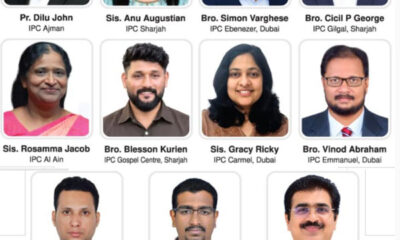

ഐ.പി.സി യു.എ.ഇ റീജിയൺ സണ്ടേ സ്കൂൾസ് അസ്സോസിയേഷന് പുതിയ നേതൃത്വം
ഷാർജ: ഐ. പി. സി യു.എ.ഇ റീജിയൺ സണ്ടേസ്കൂൾസ് അസ്സോസിയേഷന്റെ 2026 – 2030 കാലയളവിലേക്കുള്ള ഭാരവാഹികളെ തിരഞ്ഞെടുത്തു. ഡയറക്ടർ: പാസ്റ്റർ ഡിലു ജോൺ; അസ്സോസിയേറ്റ് ഡയറക്ടർ:...
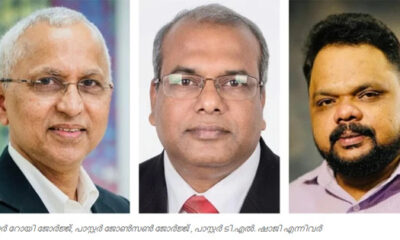

ഐപിസി അങ്കമാലി സെന്ററിന് പുതിയ നേതൃത്വം
അങ്കമാലി: ഇന്ത്യാ പെന്തകൊസ്ത് ദൈവസഭ (IPC) അങ്കമാലി സെന്ററിന് പുതിയ നേതൃത്വം നിലവിൽ വന്നു. കൂട്ടായ പ്രവർത്തനത്തിന് പ്രാധാന്യം നൽകിക്കൊണ്ട്, സഭയുടെ ആത്മികവും സാമൂഹികവുമായ കർമപദ്ധതികൾ കൂടുതൽ...

ജനിച്ച മതത്തില് നിന്ന് മാറി മറ്റൊരു മതം സ്വീകരിച്ചാല് സംവരണ ആനുകൂല്യം ലഭിക്കില്ല; സുപ്രീം കോടതിയുടെ നിര്ണായക വിധി
ന്യൂഡൽഹി: ഹിന്ദു മതത്തിൽ നിന്ന് ഇസ്ലാം ഉൾപ്പെടെയുള്ള മറ്റ് മതങ്ങളിലേക്ക് മതം മാറിയവർക്ക് അവരുടെ മുൻ സമുദായ പദവിയുടെ അടിസ്ഥാനത്തിൽ മാത്രം പിന്നാക്ക വിഭാഗ സംവരണത്തിന് അർഹതയുണ്ടാവില്ലെന്ന്...


ക്രിസ്ത്യൻ ഫെലോഷിപ്പ് സംഘടിപ്പിക്കുന്ന സമ്മേളനത്തിൽ പ്രശസ്ത മാധ്യമപ്രവർത്തകൻ മാത്യു സാമുവൽ പ്രസംഗിക്കും
മേംഫിസ് ടെന്നസി: ഇന്ത്യയിലെ ക്രൈസ്തവസഭയുടെ ഇന്നത്തെ വളർച്ചയും വെല്ലുവിളികളെയും അടിസ്ഥാനമാക്കി പ്രശസ്ത മാധ്യമപ്രവർത്തകനും തെഹൽക മുൻ ചീഫ് എഡിറ്ററുമായ ശ്രീ മാത്യു സാമുവേൽ ഇന്റർനാഷണൽ ക്രിസ്ത്യൻ ഫെലോഷിപ്പ്...


‘Get Into Their World’: How Can the Church Reach Gen Alpha for Jesus?
Imagine growing up as the most digitally connected generation in human history. “Generation Alpha has been completely formed by technology...
-

 us news5 months ago
‘America Is Hungry’: Hundreds Born Again and Baptized as Jesus Tent Revival Sweeps the Nation
-

 us news4 months ago
Mike Winger deletes YouVersion app over ‘The Passion Translation’ controversy, urges others to ‘use caution’
-

 Movie11 months ago
CBN’s Superbook Launches New Free Bible App for Kids: ‘The Power of God Is Released’
-

 Movie8 months ago
Hollywood Actor Jen Lilley Launching New Ministry After ‘Vision’ From Holy Spirit
-

 Movie12 months ago
Roles Jaakko Ohtonen Played Before Taking on Jesus in Mel Gibson’s ‘The Resurrection of the Christ’
-

 Movie12 months ago
Christian Production ‘The Thorn’ Immerses Audiences in the Biblical Story of Jesus
-

 National11 months ago
ഐ.പി.സി കേരള സ്റ്റേറ്റ് ഇലക്ഷൻ 2026 മാർച്ച് 9 മുതൽ
-

 Sports12 months ago
ഐ സി സി വനിതാ ലോക കപ്പ് 2025 ക്രിക്കറ്റ് സെമി ഫൈനലിൽ പുറത്താകാതെ ജെമിമാ റോഡ്രിഗസ് മുംബൈയിലെ പാസ്റ്റർ ഇവാൻ റോഡ്രിഗസസിന്റെ മകൾ*