
us news
Do we really want God’s will?


We say we want God’s will. We sing about it. We preach it. We pray it. But if we’re being honest — brutally honest — we usually want God’s will only if it aligns with ours. The moment His will calls us out of our comfort zone, into obedience that might cost us our ambitions, relationships, or conveniences, we wince. We resist. We delay. We negotiate.
And then we wonder why there’s no power in our lives or our churches.
The ouch factor
Let’s face it: many seeker-sensitive churches are full because they tell us what we want to hear — not what we need to hear. They package God’s love like a feel-good brand and edit out the call to die to self. But Jesus didn’t say, “Follow Me and I’ll grant all your dreams.” He said, “If anyone would come after Me, he must deny himself, take up his cross daily, and follow Me” (Luke 9:23).
That’s not a message that draws crowds unless the Holy Spirit is doing the drawing. It’s painful. It’s humbling. It puts to death the idol of self-will.
Can we trust God’s will?
Do we truly believe that God can do anything? Not just in theory, but in our day-to-day decisions?
Do we truly believe His will is perfect — so perfect, in fact, that ours cannot possibly improve upon it? That He knows what we don’t, sees what we can’t, and always has our best in mind, even when His answers to our prayers feel like silence, delay, or denial?
If we’re praying with clenched fists, trying to get God to conform to our desires, then we’re not praying — we’re lobbying!
And that’s not faith. That’s manipulation.
Fear: The quiet saboteur
Why don’t we truly want God’s will?
Maybe it’s fear.
We’re afraid that God’s plan will cost us something we love too much to lay down. Afraid He might ask us to forgive someone we’d rather keep resenting. Afraid He’ll call us to serve when we just want to be noticed. Afraid He’ll break our heart only to rebuild it His way.
We’re scared that if we surrender, God might not give us what we want. But here’s the truth: sometimes what we want is exactly what would destroy us if God granted it.
Thank God for unanswered prayers.
A better way
What if we stopped trying to fit God into our plan and let Him shape us for His? What if our greatest joy was not in having our way, but in walking with Him — even when the path is painful, unpopular, or slow?
That kind of surrender doesn’t come naturally. It requires prayer, Scripture, counsel, and sometimes, tears. But it’s the only path to peace that passes understanding.
God’s will may not always be “safe” — but it is always good.
Let’s stop asking God to bless our will. Let’s start asking Him to bend our will to His.
Because in the end, the greatest tragedy isn’t that we didn’t get what we wanted. It’s that we never fully wanted His plans for our lives and the divine destiny that He had for us.
Sources:Christianpost




us news
Thousands Seek Christ at Revival Event in San Diego: ‘Every Baptism Represents a Life Changed’
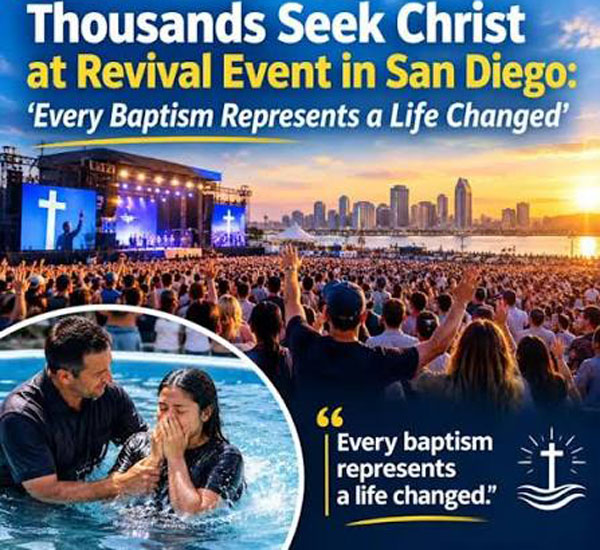
The Gospel is alive and well in California as more hearts are awakening to God. The latest example came over the weekend as faithful followers of Christ created space for hungry souls to encounter Him at Movement San Diego 2026.
Thousands gathered along the Pacific coast in Oceanside, California, for the event, declaring faith in Jesus through worship, prayer, evangelism, and powerful oceanfront baptisms.
“Thank You, Jesus! Every baptism represents a life changed, a heart surrendered, and a YES to following Him!!” the Movement San Diego group declared in a social post.
The massive multi-church evangelistic gathering took place Saturday, October 17, at the Oceanside Pier Amphitheater, featuring live worship music from groups like Circuit Rider Music and Upper Room, alongside mass open-air baptisms right by the ocean.
Beforehand, Pastor Mike Doyle of Movement Church in New York City, who also founded Movement San Diego, explained, “The whole heart for the event is we want to see revival in California, and we want to see people come to know the Lord Jesus.”
And that’s just what happened.
Baptize the World posted afterward, “Movement San Diego was INCREDIBLE! So many people made the decision to publicly declare their faith in Jesus through baptism, and we’re still celebrating every life changed and every YES to Jesus!”
The California-based Baptize the World group has been on a similar mission to stoke the fires of revival in the state. While that baptism movement isn’t technically connected to the Movement San Diego group, they share the same mission.
Pastor Mark Francey of Oceans Church in Irvine, California, initially launched that baptism-focused effort as Baptize SoCal at Pirate’s Cove, in which more than 4,000 souls were water-baptized back in 2023. Over the years, it expanded into Baptize California, then Baptize America, and now Baptize the World.
Sources:CBN News
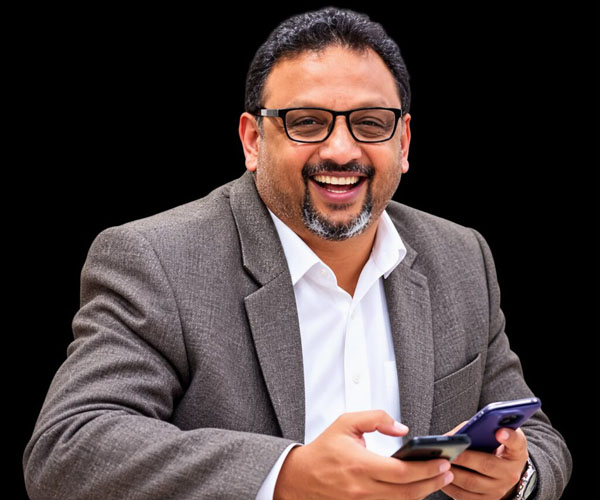
സി.എഫ്.ഐയുടെ പ്രഥമ പണ്ഡിത രാമാബായി പുരസ്കാരം മാത്യു സാമുവേലിന് സമ്മാനിച്ചു
ഡാളസ്: ഇന്ത്യയിലെ ക്രൈസ്തവ പീഡനങ്ങളെയും സുവിശേഷത്തിന്റെ വളർച്ചയെയും കുറിച്ച് പ്രമുഖ മാധ്യമപ്രവർത്തകനും എഡിറ്ററുമായ മാത്യു സാമുവേൽ നടത്തിയ പ്രഭാഷണം ശ്രദ്ധേയമായി. ഇന്ത്യയിലെ വിവിധ സംസ്ഥാനങ്ങളിൽ ക്രൈസ്തവ വിശ്വാസം, പ്രത്യേകിച്ച് പെന്തക്കോസ്ത് പ്രസ്ഥാനം, നഗരങ്ങളിലും ഗ്രാമപ്രദേശങ്ങളിലും അതിവേഗം വളരുകയാണെന്ന് അദ്ദേഹം ചൂണ്ടിക്കാട്ടി.
പഞ്ചാബിലെ മയക്കുമരുന്ന് ആസക്തിയിൽ നിന്ന് മോചനം തേടുന്നവരിലേക്കും ആന്ധ്രാപ്രദേശ്, തെലങ്കാന, വടക്കുകിഴക്കൻ ഇന്ത്യയിലെ വിവിധ പ്രദേശങ്ങളിലേക്കും സുവിശേഷത്തിന്റെ സ്വാധീനം വ്യാപിക്കുന്നതായി അദ്ദേഹം വിശദീകരിച്ചു. ഭാരതത്തിലങ്ങോളമിങ്ങോളം ആദിവാസി സമൂഹങ്ങളിൽ നിന്നുള്ള നിരവധി പേർ ആത്മീയ നേതൃത്വത്തിലേക്ക് ഉയർന്ന് പാസ്റ്റർമാരായി പ്രവർത്തിക്കുന്നതായും അദ്ദേഹം പറഞ്ഞു.
വലിയ ആരാധനാലയങ്ങളോ ആഡംബരങ്ങളോ ഒന്നും ക്രൈസ്തവ വിശ്വാസത്തിന്റെ വളർച്ചയ്ക്ക് ആവശ്യമില്ലെന്നും സാധാരണക്കാരായ വിശ്വാസികൾ തന്നെ ആത്മീയ നേതൃത്വത്തിലേക്ക് ഉയരുന്നുവെന്നും മാത്യു സാമുവേൽ അഭിപ്രായപ്പെട്ടു. ഒരു ബൈബിളും ഒരു മരത്തിന്റെ തണലുമുണ്ടെങ്കിൽ അവിടെ ഒരു സഭ അവിടെ പിറവിയെടുക്കുകയാണ്. ഒറ്റപ്പെടുത്തലും അടിച്ചമർത്തലും പീഡനങ്ങളും ഉണ്ടായാലും ഇന്ത്യയിലെ ക്രൈസ്തവ വിശ്വാസത്തിന്റെ വളർച്ച തടയാനാവില്ലെന്ന സന്ദേശമാണ് അദ്ദേഹം പങ്കുവെച്ചത്.
ഇന്ത്യയിലെ ക്രൈസ്തവ സമൂഹം നേരിടുന്ന വെല്ലുവിളികൾ, മതപരിവർത്തനവുമായി ബന്ധപ്പെട്ട നിയമങ്ങൾ, ന്യൂനപക്ഷങ്ങളുടെ ഭരണഘടനാപരമായ അവകാശങ്ങൾ എന്നിവയെക്കുറിച്ചും അദ്ദേഹം വിശദീകരിച്ചു. വിവിധ സഭാ നേതൃത്വങ്ങളിൽ നിന്നുള്ളവരും മാധ്യമപ്രവർത്തകരും ഉൾപ്പെടെ നിരവധി പേർ പരിപാടിയിൽ പങ്കെടുത്തു. ഇന്ത്യൻ ക്രൈസ്തവ സമൂഹം നേരിടുന്ന പ്രശ്നങ്ങളെക്കുറിച്ച് സദസ്സിൽ നിന്ന് നിരവധി ചോദ്യങ്ങളും ആശങ്കകളും ഉയർന്നു. വസ്തുതകളും വിശദാംശങ്ങളും സഹിതം മാത്യു സാമുവേൽ മറുപടി നൽകി.
പണ്ഡിത രാമാബായി പുരസ്കാരം സമ്മാനിച്ചു
ചടങ്ങിൽ ക്രിസ്റ്റ്യൻ ഫെലോഷിപ്പ് ഫോർ ഇന്ത്യ (CFI) ഏർപ്പെടുത്തിയ പ്രഥമ ‘പണ്ഡിത രാമാബായി പുരസ്കാരം’മാത്യു സാമുവേലിന് സമ്മാനിച്ചു. മുതിർന്ന മാധ്യമപ്രവർത്തകനും ‘ഡി-മലയാളി’ എഡിറ്ററുമായ പി. പി. ചെറിയാൻ പുരസ്കാരം കൈമാറി.
ഭരണഘടനാപരമായ അവകാശങ്ങൾ നിഷേധിക്കപ്പെടുന്ന ന്യൂനപക്ഷങ്ങൾക്കും ക്രൈസ്തവർക്കുമായി നിരന്തരം ശബ്ദമുയർത്തുകയും മാധ്യമരംഗത്ത് ധീരമായ ഇടപെടലുകൾ നടത്തുകയും ചെയ്തതിനാണ് പുരസ്കാരം നൽകിയതെന്ന് സംഘാടകർ അറിയിച്ചു.
CFI ചെയർമാൻ പാസ്റ്റർ മാത്യു സാമുവേൽ അധ്യക്ഷത വഹിച്ചു. സെക്രട്ടറി പാസ്റ്റർ ഷാജി കാരയ്ക്കൽ സ്വാഗതപ്രസംഗം നടത്തുകയും മുഖ്യപ്രഭാഷകനെ സദസ്സിന് പരിചയപ്പെടുത്തുകയും ചെയ്തു. ട്രഷറർ റവ. തോമസ് മുല്ലക്കൽ നന്ദി പ്രകാശിപ്പിച്ചു.
Sources:cchintha.in
Investigative journalist Mathew Samuel was conferred with the inaugural Pandita Ramabai Award at a ceremony in Dallas, Texas, October 25, 2026.
The national-level award, instituted by the Christian Fellowship for India (CFI), was presented during a conference held to address growing concerns surrounding human rights and religious freedom.
The honor recognizes Samuel’s courageous media interventions and uncompromising commitment to investigative journalism in India despite significant personal and professional risks.
Senior journalist and D-Malayali Chief Editor P. P. Cherian presented the award on behalf of the organization.
Presiding over the conference, CFI Chairman Pastor Mathew Samuel underscored the critical role of fearless journalism in defending public integrity and constitutional values.
Introducing the chief guest, CFI Secretary Pastor Shaji Karakkal highlighted Samuel’s contribution to exposing corruption through high-profile investigative exposés, including his tenure as Managing Editor of Tehelka and founder of Narada News.
Named after Pandita Ramabai—the pioneering 19th-century Indian social reformer, educator, and champion of women’s emancipation—the award seeks to honor media professionals and social advocates demonstrating exceptional integrity in public life.
Accepting the award, Samuel emphasized the urgency of protecting independent journalism in challenging socio-political environments.
“Truth-telling in journalism has become an increasingly high-risk endeavor, yet it remains the bedrock of a free society. I accept this award on behalf of those journalists who continue to report unvarnished truths despite severe intimidation and systemic resistance,” Samuel stated during his response to the assembly.
Expressing gratitude to the organizers, CFI Treasurer Rev. Thomas Mullakkal reaffirmed the fellowship’s intent to make the Pandita Ramabai Award an annual tradition to recognize individuals serving society through truth and social reform.
The event brought together Christian leaders, media figures, and representatives from civil society organizations across the diaspora.
http://theendtimeradio.com
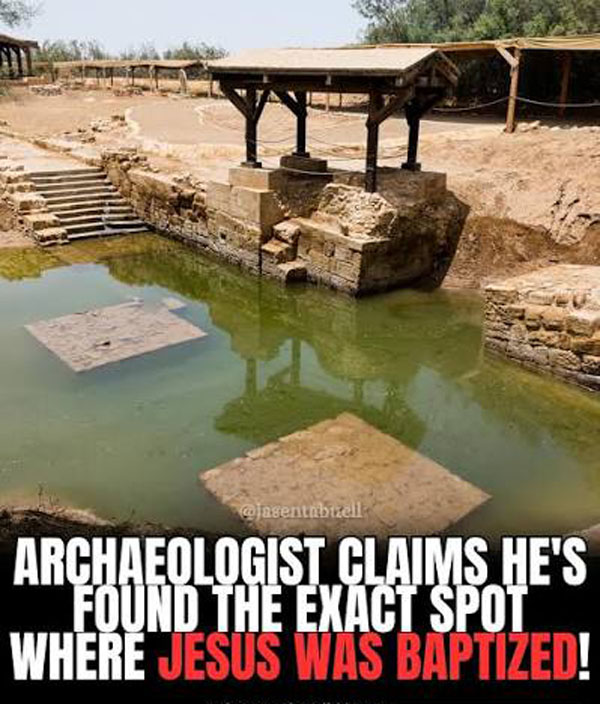
A archaeologist at Jordan’s Hashemite University published a study arguing that excavations at Al-Maghtas, known historically as Bethany beyond the Jordan, have identified the precise location where John the Baptist baptized the Lord Jesus Christ.
Mohammad Waheeb contends that the site on the river’s eastern bank, roughly five miles north of the Dead Sea, matches both biblical references and early travelers’ accounts better than long-standing western-bank alternatives.
In the June paper in the Egyptian Journal of Archaeological and Restoration Studies, Waheeb wrote that the work addresses a centuries-old scholarly debate.
“This study investigates Bethany beyond the Jordan, presently recognized as the site of Jesus’ Baptism, and analyzes the scholarly debate surrounding the precise location of the baptism from the early Roman period through the late Byzantine era,” the abstract states.
“Historical records from early pilgrims and travelers consistently identify Bethany beyond the Jordan as the traditional place of baptism,” the Jordanian scientist explained. Yet “recent archaeological excavations within this area and its surroundings have uncovered substantial new evidence, including the remains of churches and associated religious structures, offering deeper insight into its historical significance.”
Waheeb and his team conducted fieldwork from 1996 to 2002, uncovering churches, baptismal pools, prayer halls, mosaics, and water systems spanning the Roman, Byzantine, and early Islamic periods.
During this time, The Washington Post reported that Waheeb, “a devout Muslim, has been reading the Bible for two or three hours daily since he began excavating the site … So conversant has he become with Scripture that his assistants have taken to calling him ‘Father Muhammad.’”
In the recent paper’s conclusion, Waheeb asserted that “Intensive archaeology works performed at Bethany beyond the Jordan between 1996 and 2002 have revealed the true place where Jesus was baptized by John the Baptist on the east bank of the river Jordan.” Further, “the discovery of churches, baptismal pools, prayer halls, mosaics, and water supply systems of Roman-Byzantine times proves that this place, not Bethabara, is the Bethany beyond the Jordan mentioned in the Gospel according to John (1:28).”
A central thread of his argument concerns textual confusion introduced by early Christian scholar Origen. Waheeb explained that the early third century writer, after failing to locate a riverside settlement named Bethany, “concluded that the text of (John 1:28) should read Bethabara instead of Bethany, a place pointed out to him on the west bank of Jordan River.”
Although “the reading ‘Bethany’ is found in almost all the manuscripts,” Origen “is convinced that the reading should be Bethabara,” in part because the only Bethany he knew was the village of Mary, Martha, and Lazarus near Jerusalem.
Waheeb argued that this led Origen both to replace the name and to relocate the site from the eastern to the western bank.
Yet, geographic corroboration for the Bethany site comes from early Christian pilgrims as well.
“Both the Pilgrim of Bordeaux (333) and Theodosius (530) are explicit and in agreement in localizing at a determined spot along the river the site of the Baptism of Jesus. Both indicate the site as being five miles from the Dead Sea shore,” Waheeb wrote, quoting Theodosius, “from the site where the Lord was baptized, to the site where the river Jordan pours into the Dead Sea, there are five miles.”
Later accounts, including the Pilgrim of Piacenza in AD 570, describe a large monastery of St. John with hostels for pilgrims near the same location.
Waheeb also examines the fifth- or sixth-century Madaba Mosaic Map, which he says depicts separate labels for places on the Jordan’s eastern and western banks and thereby supports distinguishing Bethany beyond the Jordan from Bethabara.
He further noted that the excavated area near Tell Mar Elyas (Elijah’s Hill) in Wadi al-Kharrar lies within sight of Jericho and is fed by springs that create an oasis, consistent with early descriptions.
While the paper maintained that the combined archaeological, geographical, and textual evidence identifies the eastern-bank ruins as the site named in John 1:28, Waheeb distinguishes first-century habitation from the later religious buildings that demonstrate continued Christian use.
Al-Maghtas was inscribed as a UNESCO World Heritage Site in 2015 and has long been accepted by various Christian denominations as a traditional baptism location, even as debate over the precise spot has continued.
Waheeb’s study presents the 1996-2002 excavations and their alignment with early sources as decisive new support for this eastern identification.
At the end of his paper, the archeologist concludes, “the results obtained” from the study “are consistent with the accounts of ancient pilgrims, (the) Madaba map, and Holy Scriptures.” It is therefore, “recommended to preserve the discovered monuments, (and) continue studies in this area.”
Sources: Breaking Christian News


Thousands Seek Christ at Revival Event in San Diego: ‘Every Baptism Represents a Life Changed’
The Gospel is alive and well in California as more hearts are awakening to God. The latest example came over...

ഐപിസി കൊട്ടാരക്കര സെന്റർ കൺവെൻഷൻ ഒരുക്കങ്ങൾ പൂർത്തിയായി
കൊട്ടാർക്കര :ഇന്ത്യ പെന്തക്കോസ്ത് ദൈവസഭയുടെ കേരളത്തിലെ ഏറ്റവും വലിയ സെന്ററുകളിൽ ഒന്നായ കൊട്ടാരക്കര സെന്റർ 26 മത് കൺവെൻഷൻ 2026 നവംബർ 25 ബുധൻ മുതൽ 29...


ദുബായിൽ ഇനി സ്വർണ്ണപ്പാതയിലൂടെ നടക്കാം; അവസരമൊരുക്കി ദുബായ് ഗോൾഡ് ഡിസ്ട്രിക്ട്
ദുബായ്: ലോകത്തിലെ തന്നെ ആദ്യത്തേതും ഏറ്റവും നീളമേറിയതുമായ സ്വർണപ്പാത ദുബൈ ഗോൾഡ് ഡിസ്ട്രിക്റ്റിൽ 2026 അവസാനത്തോടെ പൊതുജനങ്ങൾക്കായി തുറന്നുകൊടുക്കുമെന് അധികൃതർ അറിയിച്ചു. ദുബായുടെ വിനോദസഞ്ചാര മേഖലയ്ക് ഇതൊരു...

ഇന്ത്യയിൽ ക്രൈസ്തവ വിശ്വാസം പടരുന്നത് തടയാനാവില്ല: മാത്യു സാമുവേൽ
സി.എഫ്.ഐയുടെ പ്രഥമ പണ്ഡിത രാമാബായി പുരസ്കാരം മാത്യു സാമുവേലിന് സമ്മാനിച്ചു ഡാളസ്: ഇന്ത്യയിലെ ക്രൈസ്തവ പീഡനങ്ങളെയും സുവിശേഷത്തിന്റെ വളർച്ചയെയും കുറിച്ച് പ്രമുഖ മാധ്യമപ്രവർത്തകനും എഡിറ്ററുമായ മാത്യു സാമുവേൽ...

എത്യോപ്യയില് സായുധ സംഘത്തിന്റെ ആക്രമണത്തില് അറുപതിലധികം ക്രൈസ്തവര് കൊല്ലപ്പെട്ടു
അഡിസ് അബാബ: എത്യോപ്യയിലെ ഒറോമിയ മേഖലയിൽ നടന്ന രണ്ട് വ്യത്യസ്ത ആക്രമണങ്ങളില് അറുപതിലധികം ക്രൈസ്തവര്ക്ക് ദാരുണാന്ത്യം. എത്യോപ്യൻ ഓർത്തഡോക്സ് സഭയെ ഉദ്ധരിച്ച് ബിബിസി ഉള്പ്പെടെയുള്ള പ്രമുഖ അന്താരാഷ്ട്ര...
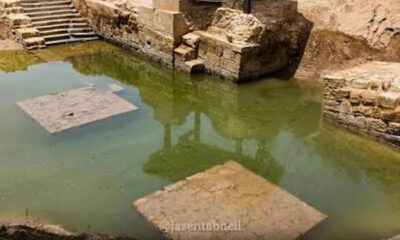

Archeologist Believes His Team Has Confirmed the Site of Jesus’ Baptism
A archaeologist at Jordan’s Hashemite University published a study arguing that excavations at Al-Maghtas, known historically as Bethany beyond the...
-

 us news5 months ago
Mike Winger deletes YouVersion app over ‘The Passion Translation’ controversy, urges others to ‘use caution’
-
 us news5 months ago
‘America Is Hungry’: Hundreds Born Again and Baptized as Jesus Tent Revival Sweeps the Nation
-

 Movie12 months ago
CBN’s Superbook Launches New Free Bible App for Kids: ‘The Power of God Is Released’
-

 Movie9 months ago
Hollywood Actor Jen Lilley Launching New Ministry After ‘Vision’ From Holy Spirit
-

 Sports12 months ago
ഐ സി സി വനിതാ ലോക കപ്പ് 2025 ക്രിക്കറ്റ് സെമി ഫൈനലിൽ പുറത്താകാതെ ജെമിമാ റോഡ്രിഗസ് മുംബൈയിലെ പാസ്റ്റർ ഇവാൻ റോഡ്രിഗസസിന്റെ മകൾ*
-
 National11 months ago
ഐ.പി.സി കേരള സ്റ്റേറ്റ് ഇലക്ഷൻ 2026 മാർച്ച് 9 മുതൽ
-
 world news11 months ago
പാകിസ്ഥാനിൽ പാസ്റ്റർ കമ്രാൻ മൈക്കിൾ തന്റെ മകളുടെ മുന്നിൽ വെച്ച് ക്രൂരമായി കൊല്ലപ്പെട്ടു.
-

 Movie8 months ago
Worship Leader Brooke Ligertwood Shares Stunning Testimony of Answered Prayer From Ukraine