
world news
Grand Staircase of a king discovered in Ancient Town mentioned in the Bible.

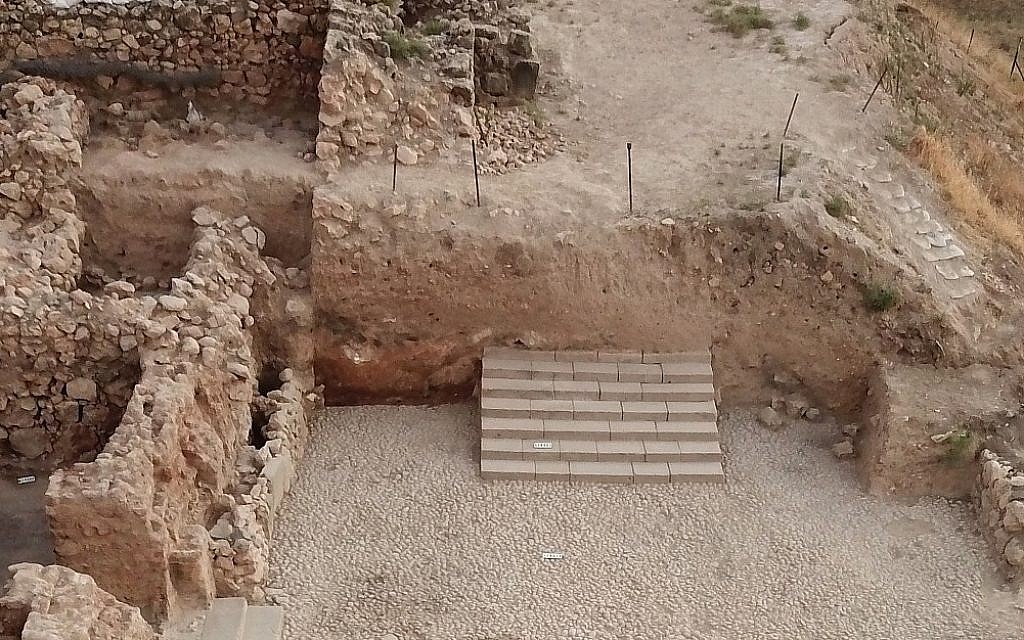
Seven stunning large basalt stairs recently excavated at Tel Hazor give new indication of the ancient grandeur of the Canaanite kingdom 3,500 years ago, that according to biblical tradition was conquered by the Israelites and razed to the ground.
As depicted in Joshua 11:10, Hazor was the “head” of the Canaanite settlements taken by the Israelite leader. While there are still more stairs to be uncovered, it is thought that they lead into the large palace complex from where the King of Hazor ruled on the northern slopes of the upper city facing the lower city.
The newly unearthed 4.5-meter wide monumental staircase is unprecedented in its craftsmanship in this era and region, according to Bechar. Each stair is shaped to fit snugly into place in a manner that is not found anywhere else, said Bechar in conversation with The Times of Israel.
Hazor has served as a training ground for Israeli archaeologists — past, present and future. In 1955–1958 and 1968-70, celebrity archaeologist Yigael Yadin led excavations at the site assisted by another stalwart researcher, Yohanan Aharoni. Now its 30th consecutive dig season, the current Selz Foundation Hazor Excavations in Memory of Yigael Yadin was founded by Hebrew University Prof. Amnon Ben-Tor in 1990 and under the auspices of the Israel Exploration Society.
Located north of the Sea of Galilee on a trade route connecting Egypt and Babylon, Hazor was the largest biblical-era site in Israel. With an estimated population of 20,000, its size and strategic location made it an important city in antiquity. After its fiery destruction, it was rebuilt by the Israelites, perhaps by King Solomon. Several hundred years later, the Israelite settlement was destroyed by the Assyrians under Tiglath-Pileser III in 732 BCE.
According to a Hebrew University press release, the remains of the last Israeli settlement of Hazor were also uncovered this year, including a considerable quantity of shattered pottery vessels — evidence of its destruction.
The stairs and two other much smaller basalt steps nearby were first uncovered in 2018. They have undergone conservation and are now available for viewing by the public. Bechar said she intends to continue the staircase’s excavation within the next three or four years.
Hazor has served as a training ground for Israeli archaeologists — past, present and future. In 1955–1958 and 1968-70, celebrity archaeologist Yigael Yadin led excavations at the site assisted by another stalwart researcher, Yohanan Aharoni. Now its 30th consecutive dig season, the current Selz Foundation Hazor Excavations in Memory of Yigael Yadin was founded by Hebrew University Prof. Amnon Ben-Tor in 1990 and under the auspices of the Israel Exploration Society.
Located north of the Sea of Galilee on a trade route connecting Egypt and Babylon, Hazor was the largest biblical-era site in Israel. With an estimated population of 20,000, its size and strategic location made it an important city in antiquity. After its fiery destruction, it was rebuilt by the Israelites, perhaps by King Solomon. Several hundred years later, the Israelite settlement was destroyed by the Assyrians under Tiglath-Pileser III in 732 BCE.
According to a Hebrew University press release, the remains of the last Israeli settlement of Hazor were also uncovered this year, including a considerable quantity of shattered pottery vessels — evidence of its destruction.
The stairs and two other much smaller basalt steps nearby were first uncovered in 2018. They have undergone conservation and are now available for viewing by the public. Bechar said she intends to continue the staircase’s excavation within the next three or four years.
Alongside the finely-worked black stone steps, there is also significant archaeological evidence of the large conflagration which destroyed the Canaanite settlement. Bechar said the building, constructed in the 13th century, existed for 200 to 250 years.
The city is found in extra-biblical documentation found in two major archives of cuneiform tablets, in Mari (Syria) and Amarna (Egypt).
In an article Bechar wrote for the Biblical Archaeology Review in 2017, she writes about the Amarna archive: “Dated to the 14th century BCE, this archive contains the correspondence in cuneiform Akkadian between Egyptian pharaohs and their vassal kings, as well as other rulers in the eastern Mediterranean basin. It includes two letters from the king of Hazor. Interestingly, the king of Hazor is the only vassal ruler in the southern Levant who refers to himself and is referred to as ‘king’ (melek) in the Amarna correspondence with the pharaoh.”
Asked how this very confident king fits into the biblical narrative timeline, Bechar said that it was not the same king, but it’s likely he would have walked these stairs in his lifetime. Their size shows his high status, she said. “The king of Hazor is not the king of Egypt, but we see he can use his resources to build this grand staircase,” said Bechar.
Co-director Ben-Tor wrote in a 2013 Biblical Archaeology Review article, “Of all the sites mentioned in the Book of Joshua as having been conquered by the Israelites, none is as important, with a destruction as significant, as Hazor.” For the Israel Prize-winning professor emeritus, the Hazor site offers insight into the nexus of biblical narrative and archaeological evidence.
“Biblical historiography, in particular the books of Joshua–Kings, cannot be considered a completely accurate account of the events described in them, because they are motivated by a theological and — to some extent — a political agenda. They do contain a considerable number of true historical nuclei, however, and the account of the downfall of the last Canaanite city of Hazor is very probably one of them,” wrote Ben-Tor.










ChinaAid, an international organization supporting persecuted Christians inside China, has launched a petition and advocacy campaign to bring Pastor John Cao back to his home in the U.S.
Pastor John has been imprisoned in China for seven years for his missionary work on the China-Myanmar border, helping establish 16 schools that serve thousands of local children and families.
He was “released” in 2024, but he is still blocked from returning to the U.S., where his wife and sons, American citizens, live.
He now has advanced prostate cancer, and his situation is even more critical. ChinaAid’s campaign and petition call for Pastor John’s immediate release, particularly urging President Donald Trump to personally raise his situation in his meeting with Chinese President Xi Jinping on Sept. 24.
“Please pray for Pastor John, his health, and his family in the U.S.,” an International Christian Concern (ICC) staffer said. “And please consider signing and sharing the ChinaAid petition.”
Sources:persecution

A mob of hundreds gathered outside a Christian family’s home in Karachi last month after blasphemy allegations began to spread, but the crowd dispersed after police intervened. An initial inquiry has since found the underlying allegation to be false.
According to Reuters, the four women and one child inside the home were spared partly because the organized fundamentalist groups that have historically led such riots were absent from the scene.
The incident reflects a sharp shift now underway across Pakistan. Registered blasphemy cases have fallen by roughly two-thirds this year, down to just 13 so far in 2026, according to the Human Rights Commission of Pakistan. Blasphemy-related riots and attacks, which averaged more than seven per year between 2021 and 2024, dropped to just one during the past 12 months, according to data from the Armed Conflict Location and Event Data project.
A Military-Led Crackdown
Reuters reported that the decline traces to a crackdown on hardline Islamist groups overseen by Pakistan’s army chief, Field Marshal Asim Munir. The largest target has been Tehreek-e-Labbaik Pakistan (TLP), long Pakistan’s most prominent blasphemy-focused movement, whose rallying cry was “Death to blasphemers.” TLP was banned in late 2025; its leaders have since been jailed, its mosques sealed, and its bank accounts frozen.
A government document supporting the ban, reviewed by Reuters, described TLP as having become “a serious threat to Pakistan” that harmed both internal peace and the country’s international standing. A TLP spokesperson referred to a prior statement calling the ban illegal and unconstitutional.
Reports suggest that the crackdown’s motivations were largely strategic rather than protective of religious minorities. Pakistani officials grew concerned that TLP’s hostility toward European nations was jeopardizing an EU duty waiver on which nearly a third of Pakistan’s exports depend.
Separately, the U.S. Commission on International Religious Freedom (USCIRF) recommended last year that Pakistan again be designated a Country of Particular Concern over its blasphemy laws, a designation Pakistan has decried. Analysts also pointed to Pakistan’s deteriorating relationship with the Afghan Taliban, once a military ally, as Islamabad increasingly blames Taliban-linked networks for fueling insurgencies in Balochistan and Khyber Pakhtunkhwa.
Talal Chaudhry, Pakistan’s minister of state for the interior, told Reuters that the government and military are aligned in cracking down on “any group that tries to hold the people or this country hostage to its dictates.”
A Law That Hasn’t Changed
Pakistan has recorded roughly 90 blasphemy-linked lynchings since 1990. Blasphemy remains punishable by death under Section 295-C of Pakistan’s penal code, and the law itself has not been amended or repealed as part of the current crackdown. What has shifted is the state’s tolerance for organized groups acting as enforcers of that law in the streets.
Christians, who make up roughly 2% of Pakistan’s population, have long faced a disproportionate share of blasphemy accusations relative to their numbers. The 2010 case of Asia Bibi remains among the most widely known: a Christian farm laborer sentenced to death after a workplace dispute over drinking water escalated into a blasphemy accusation. She spent eight years on death row before an international campaign led to her acquittal and exile.
Ihsan Ghani, Pakistan’s counter-terrorism chief during deadly TLP riots in 2017, told Reuters that a movement cultivated for years as a tool of state policy “cannot switch on, switch off,” warning it could re-emerge in force if TLP’s usefulness to the military changes again. Elizabeth Threlkeld, director of the Stimson Center’s South Asia program, raised a similar concern about whether Pakistan will sustain the crackdown at all.
Relief, But Not Certainty
For Pakistan’s Christian, Shi’ite, and Ahmadi communities, the change has been striking after decades in which suspects in blasphemy-related killings were sometimes publicly celebrated rather than prosecuted. The Christian woman whose family was targeted in Karachi last month told Reuters that she and her relatives are now physically safe. But, she said, the fear has not gone away.
Religious freedom advocates note that Pakistan’s response to international pressure has historically proven temporary, tied closely to trade access, diplomatic relationships, and terror-financing scrutiny, and vulnerable to reversal once those pressures ease. A drop in this year’s case numbers reflects a shift in enforcement priorities by Pakistan’s military leadership, not a change in the underlying legal framework that allows a single accusation to place a Christian’s life at risk.
Sustained international attention will be needed to determine whether this year’s decline in blasphemy violence outlasts the strategic circumstances that produced it. Pakistan’s blasphemy laws remain in force regardless of how few cases are filed under them, and advocates continue to call for their repeal, along with due process protections for the accused and accountability for the mob violence and impunity that have defined the law’s enforcement for decades.
Sources:persecution
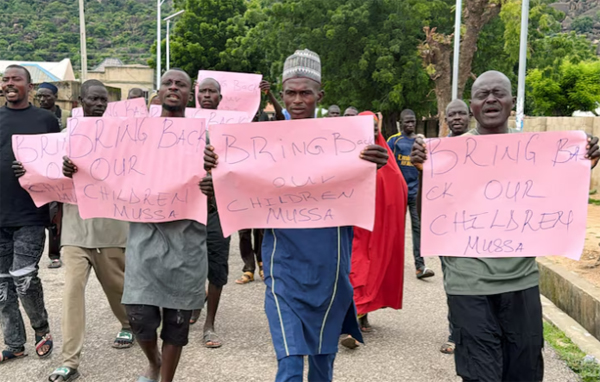
നൈജീരിയ: നൈജീരിയയിലെ ബോർണോ (Borno) സംസ്ഥാനത്ത് നിന്ന് തീവ്രവാദികൾ തട്ടിക്കൊണ്ടുപോയ കുട്ടികളെ മോചിപ്പിക്കാൻ നടപടി സ്വീകരിക്കണമെന്നാവശ്യപ്പെട്ട് മാതാപിതാക്കൾ തെരുവിലിറങ്ങി പ്രതിഷേധിച്ചു. കുട്ടികളെ തട്ടിക്കൊണ്ടുപോയിട്ട് നൂറ് ദിവസമായിട്ടും വിട്ടയ്ക്കുകയോ രക്ഷിക്കാനുള്ള ശ്രമത്തിൽ പുരോഗതിയോ ഉണ്ടാകാത്തതിനാലാണ് മാതാപിതാക്കൾ പ്രതിഷേധവുമായി തെരുവിലിറങ്ങിയത്. മെയ് 15 നാണ് സംബിസ വനമേഖലയ്ക്കു സമീപമുള്ള മുസ്സ (Mussa) ഗ്രാമത്തിലെ ക്ലാസ് മുറികളിൽ നിന്ന് കുട്ടികളെ തട്ടിക്കൊണ്ടുപോയത്.
ഇസ്ലാമിക് സ്റ്റേറ്റ് വെസ്റ്റ് ആഫ്രിക്ക പ്രൊവിൻസ് (ISWAP), ബൊക്കോ ഹറാം തുടങ്ങിയ തീവ്രവാദി ഗ്രൂപ്പുകൾ സാധാരണക്കാർക്കും സ്കൂളുകൾക്കും നേരെ നടത്തുന്ന ആക്രമണങ്ങൾ നൈജീരിയയിൽ തുടരുകയാണ്. മുസ്സയിൽ നിന്ന് തട്ടിക്കൊണ്ടുപോയവരിൽ 45 ഓളം കുട്ടികൾ ഇനിയും തിരിച്ചെത്താനുണ്ട്.
മുസ്സയ്ക്ക് സമീപമുള്ള ലാസ്സയിൽ ജൂൺ 29 ന് നടന്ന ആക്രമണത്തിൽ 36 വിദ്യാർഥികളെയും ഒരു അധ്യാപകനെയും കാണാതായിട്ടുണ്ട്. ഇവർ ഇപ്പോഴും ഭീകരരുടെ തടവിലാണ്. മൂന്നരയും എട്ടരയും വയസ്സുള്ള തങ്ങളുടെ രണ്ട് മക്കളെ നഷ്ടപ്പെട്ട പീസ് നിക്കോളസ് ഉൾപ്പെടെയുള്ള രക്ഷിതാക്കൾ വലിയ മാനസിക സംഘർഷത്തിലൂടെയാണ് കടന്നുപോകുന്നത്. “ഞങ്ങൾ ദിവസവും ഭയത്തിലാണ്. ഭക്ഷണം കഴിക്കാൻ പോലും കഴിയുന്നില്ല. മക്കളെ രക്ഷപെടുത്താൻ സർക്കാരിനോട് അപേക്ഷിക്കുകയാണ്,” പീസ് പറയുന്നു.
വർഷങ്ങളായി സൈനിക നടപടികൾ തുടരുന്നുണ്ടെങ്കിലും വടക്കുകിഴക്കൻ നൈജീരിയയിൽ ഇത്തരം തട്ടിക്കൊണ്ടുപോകലുകൾക്ക് ഒരു കുറവും വന്നിട്ടില്ല. കമ്മ്യൂണിറ്റി നേതാക്കൾ പറയുന്നത്, പിഞ്ചുകുട്ടികളെ മാതാപിതാക്കളിൽ നിന്ന് വേർപെടുത്തി കൊണ്ടുപോകുന്നതിനേക്കാൾ വലിയൊരു വേദന മറ്റൊന്നില്ലെന്നാണ്.
Sources:azchavattomonline.com
Parents of children abducted from Nigeria’s northeastern Borno state protested in Uba town on Thursday, demanding the federal government secure their release nearly 100 days after they were taken.
The children were seized from their classrooms on May 15 in Mussa, a community on the fringes of the Sambisa Forest, a long-time stronghold of Islamist militants.
The protest underscored families’ frustration as kidnappings persist despite years of military operations against Boko Haram and its Islamic State West Africa Province (ISWAP) offshoot in northeastern Nigeria. While the insurgency has weakened since its peak, both groups continue to stage attacks on civilians, schools and security forces across Borno and neighbouring states.
The abduction was followed by another attack in nearby Lassa on June 29, where 36 students and a teacher also remain captive. Last month, authorities secured the release of schoolchildren abducted by gunmen from schools in southwest Oyo state after nearly two months in captivity.
A police spokesperson said the military is “on top of the situation” but declined further comment, directing enquiries to the military. A spokesperson for the military did not respond to requests for comment.
“We still have not seen them,” said Chinda Buba, whose child was among those abducted. “We do not know where our children are. We don’t know whether they are healthy or going through difficult conditions.”
Peace Nicolos, whose two children, aged 3-1/2 and 8-1/2, are among the missing, said families lived in constant anxiety.
“We worry every day and struggle to eat,” she said. “We are pleading with the government to rescue them.”
Orbet Lawan Yakubu, representing the traditional ruler of Mussa, said around 45 children remained unaccounted for.
“There is nothing more painful than separating very young children from their parents,” he said. “The entire community is affected because almost every family is connected to those who were taken.”
http://theendtimeradio.com



Prophecy isn’t the problem. Absence is
There is something about Samuel’s story that feels especially relevant for the Church right now. Scripture records that during that...


Petition Launched to Bring Home Pastor Imprisoned in China
ChinaAid, an international organization supporting persecuted Christians inside China, has launched a petition and advocacy campaign to bring Pastor John...


Pakistani Christians Remain on Edge Even as Blasphemy Cases Decline
A mob of hundreds gathered outside a Christian family’s home in Karachi last month after blasphemy allegations began to spread,...

ക്രിസ്തീയ വിശ്വാസം ജീവനുള്ള ബന്ധമാണ്; വെറുമൊരു മതപരമായ അറിവല്ല: ഡോ. വിനു ജോൺ ഡാനിയേൽ
ഡാളസ്: ലോകസുഖങ്ങൾക്കും ഭൗതികനേട്ടങ്ങൾക്കുമപ്പുറം ക്രിസ്തുവിന്റെ സ്നേഹവും കൃപയും അനുഭവിച്ച് ജീവിക്കാൻ വിശ്വാസികളെ ആഹ്വാനം ചെയ്ത് പ്രശസ്ത ഭിഷ്വഗരനും വചന പണ്ഡിതനും പ്രാഭാഷകനുമായ ഡോ. വിനു ജോൺ ഡാനിയേൽ....

നൈജീരിയയിൽ തട്ടിക്കൊണ്ടുപോയ കുട്ടികൾക്കായി സമരം ചെയ്ത് മാതാപിതാക്കൾ
നൈജീരിയ: നൈജീരിയയിലെ ബോർണോ (Borno) സംസ്ഥാനത്ത് നിന്ന് തീവ്രവാദികൾ തട്ടിക്കൊണ്ടുപോയ കുട്ടികളെ മോചിപ്പിക്കാൻ നടപടി സ്വീകരിക്കണമെന്നാവശ്യപ്പെട്ട് മാതാപിതാക്കൾ തെരുവിലിറങ്ങി പ്രതിഷേധിച്ചു. കുട്ടികളെ തട്ടിക്കൊണ്ടുപോയിട്ട് നൂറ് ദിവസമായിട്ടും വിട്ടയ്ക്കുകയോ...


ഐ.പി.സി. നേര്യമംഗലം സെന്റർ യുവജന ക്യാമ്പ് പെരുമ്പാവൂർ കീഴില്ലത്ത് വച്ച് ഞാറാഴ്ച 6 pm ന് ഉദ്ഘാടനം നടത്തപ്പെടുന്നു
IPC നേര്യമംഗലം സെന്റർ PYPA യുടെ ആഭിമുഖ്യത്തിൽ ഞാറാഴ്ച 6 pm ന് കീഴില്ലം ഇവാഞ്ചലിക്കൽ റീ ട്രീറ്റ് സെന്ററിൽ വച്ച് സെന്റർ ക്യാമ്പ് സെന്റർ പാസ്റ്റർ:...
-

 us news11 months ago
San Diego pastor fatally shot in his home; congregation left in disbelief
-

 Movie12 months ago
‘Light of the World’: Animated Movie About Jesus Hits Theaters Sept. 5
-

 us news12 months ago
Erika Kirk vows to carry on Charlie’s mission: ‘The movement my husband built will not die’
-

 Movie11 months ago
Forrest Frank Posts Blunt Response After Losing 30,000 Followers Over Charlie Kirk Post
-

 us news12 months ago
Christian Comedian John Crist Gets Engaged in Nashville: ‘God’s Redemptive Plan’
-

 us news12 months ago
‘He Sat on Jesus’s Lap’: The Time God Miraculously Raised Courtney Smallbone’s Son from the Dead
-

 world news11 months ago
6 Christians Killed in Latest Fulani Militia Attack in Nigeria
-

 Travel12 months ago
പാസ്പോർട്ടോ മറ്റ് തിരിച്ചറിയൽ രേഖകളോ കാണിക്കാതെ വിമാനയാത്ര സാധ്യമാക്കുന്ന സ്മാർട്ട് കൊറിഡോർ സംവിധാനം ദുബൈയിൽ വിപുലമാക്കുന്നു