
Articles
Some Tips for When You Absolutely Don’t Feel Like Doing Your Devotionals


Starting each day by spending time in prayer with God, reading and studying your Bible is worth waking up earlier or putting off gym time because you are dedicating time to getting to know Him better.
How to create a habit of spending time doing devotionals each day
1. SET ASIDE TIME
It’s entirely up to you to decide when the best time is for you to dedicate to devotionals. For me personally, I know if I don’t make an effort to do it first thing when I wake up, not only will the course of my day be off, but I will never get them done.
Psalm 5:3 reminds us of the importance of spending time with God first thing when we wake up: “… in the morning will I direct my prayer unto Thee, and will look up.”
This doesn’t mean our study/devotional time has to be in the morning, but it emphasizes the importance of starting off your day by acknowledging, and thanking God.
2. CREATE STRUCTURE
Another great way to get in the habit of dedicated devotional time is by creating a routine. This type of routine can be helpful in keeping yourself on track each and every day.
Morning is a great time to set aside time to be with God before the hustle and bustle of the day begins. But whenever you decide to delve in, be sure to plan out how you are going to spend your time. An example of how you can structure your routine is by beginning with prayer, then reading a portion of Scripture, followed by writing out your thoughts.
Just like any routine, once you get in the hang of it, you won’t feel right going without it.
3. FIND A GOOD SPOT
Finding a spot in your home where you can focus is extremely important. Even Jesus sought out places where He could be alone to pray (Matthew 26:36-38)!
Wherever you settle down, make sure it’s sufficiently private. Matthew 6:6 instructs: “But when you pray, go into your room, close the door and pray to your Father, who is unseen. Then your Father, who sees what is done in secret, will reward you.”
4. SPEND TIME IN PRAYER
Spending time in prayer is simply spending one-on-one time with God. Even if you don’t always have time to dedicate to studying your Bible, remember that spending time in prayer is a great way to start the day.
Prayer allows for open communication between ourselves and the One who created us. Think about that: God gave us the gift of communication with Him — don’t let that pass you by.
5. KEEP TRACK OF YOUR READING
There are a wide array of benefits that come from tracking your reading. One clear benefit is that it will encourage you to stick with your habit by being a tangible sign of progress.
Even when you don’t feel like reading or spending time with God, keeping track of what you are reading will push you to keep with it. I recommend keeping a list of what verses or chapters you read each day so that you can look back on days that you are feeling unmotivated and give yourself that little push.
6. FIND SOMEONE TO KEEP YOU ACCOUNTABLE
This can be your spouse, significant other, sibling, friend, mentor — you name it. Having someone to keep you accountable about reading the Bible can help keep you on track even when you feel like pressing the snooze button on your alarm clock, or turning on your favorite TV show at night.
I pray that these suggestions help you get into a routine of spending dedicated time with God each day, drawing you get closer to the loving, all-powerful God that we serve.
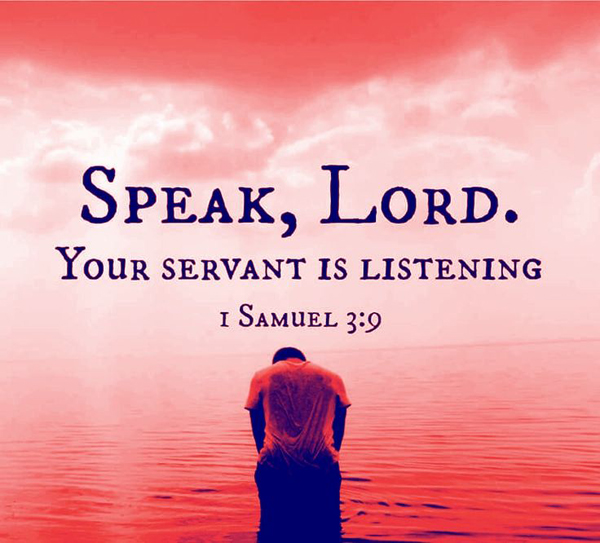
There is something about Samuel’s story that feels especially relevant for the Church right now.
Scripture records that during that time, “the word of the LORD was rare in those days; there was no frequent vision” (1 Samuel 3:1).
When Samuel first came on the scene, the house of God was in trouble. Eli’s sons were abusing their priestly position, treating the offerings of the Lord with contempt, and engaging in blatant immorality. The structures of worship were still in place, but something far more important had been lost.
The fear of the Lord was missing.
Scripture tells us that during this same period, “the word of the Lord was rare.” Perhaps these two realities are more connected than we realize.
In a generation filled with information, opinions, messages, and voices claiming to know what God is saying, we are desperate for clarity. But perhaps the answer is not simply more information or even better discernment. Perhaps God is calling us back to the one place where everything else finds its proper order: His presence.
Samuel cherished what others took for granted
In the middle of the corruption surrounding Eli’s house, Samuel was learning to minister before the Lord. Scripture tells us that he was sleeping “in the temple of the Lord, where the ark of God was” (1 Samuel 3:3). The ark represented the place of God’s presence.
While others had become careless with holy things, Samuel was being formed by them. While Eli’s sons used their position for personal gain, Samuel was learning to wait before the Lord.
He cherished what others had taken for granted.
And it was there that God called his name. “Samuel! Samuel!”
His eventual response would characterize his entire life: “Speak, Lord, for your servant hears” (1 Samuel 3:9).
Something shifted.
Where the Word of the Lord had been rare, God began speaking again. Eventually Scripture records: “And the Lord appeared again at Shiloh, for the Lord revealed himself to Samuel at Shiloh by the word of the Lord” (1 Samuel 3:21).
Then the Lord appeared again.
Samuel changed the storyline, not because he was chasing revelation, but because he was pursuing God. In an atmosphere polluted by compromise, he revered something higher and far more powerful than the allure of sin. He treasured the presence of the Lord.
And from that hidden place, the fear of the Lord began to return.
The fear of the Lord is formed in His presence
This pattern continues throughout Scripture.
Isaiah did not begin with a message. He began with an encounter: “I saw the Lord sitting upon a throne, high and lifted up” (Isaiah 6:1).
Standing before the holiness of God changed Isaiah’s perspective of everything — including himself. “Woe is me!” was his immediate response. Before he received a commission, he experienced conviction and cleansing. Only then did he hear, “Whom shall I send?”
Jeremiah reveals the same priority when God confronts the false prophets: “For who among them has stood in the council of the Lord to see and to hear his word?” (Jeremiah 23:18).
And then: “But if they had stood in My council, then they would have proclaimed My words to My people, and they would have turned them from their evil way” (Jeremiah 23:22).
God’s indictment was not simply that these prophets had spoken incorrectly.
They had not stood in His council. They were speaking without first standing before Him.
This principle applies far beyond prophetic ministry. If we want to hear God clearly, discern His purposes, understand His Word, and represent Him faithfully, we must learn to stand in His presence. The fear of the Lord cannot be manufactured through religious activity. It comes when we actually encounter the holiness, majesty, goodness, and authority of God. When we see Him rightly, everything else is brought into perspective.
We need more than the removal of Eli’s sons
There has been necessary exposure and cleansing taking place in the Body of Christ. But removing the “sons of Eli” is only part of the answer.
God must raise up the Samuels.
The Church needs men and women who love His presence more than platforms, His approval more than recognition, and His voice more than the opinions of the crowd. Not simply prophets.
Believers. People who have learned to tend the altar when no one is watching. People who enter the secret place not merely to get an answer, receive a revelation, or obtain direction, but because they want to know God Himself.
From the beginning, God’s desire has been to dwell among His people: “And let them make Me a sanctuary, that I may dwell in their midst” (Exodus 25:8).
His presence was always the priority. And when Israel wandered from Him, God sent prophets not merely to provide supernatural information, but to call His people back to Himself.
That was Samuel’s message: “If you are returning to the Lord with all your heart … direct your heart to the Lord and serve Him only” (1 Samuel 7:3).
The man who had learned to dwell in God’s presence was now calling an entire nation back to Him. That is what the fear of the Lord does. It turns our attention away from ourselves, our idols, our ambitions, and our distractions and puts God back in His rightful place.
The weight of His presence
Centuries after Samuel’s death, God still remembered him alongside Moses as one who could “stand before” Him on behalf of the people (Jeremiah 15:1).
That says something significant about Samuel’s legacy. Yes, Samuel heard God accurately. Scripture tells us the Lord “let none of his words fall to the ground” (1 Samuel 3:19). But Samuel was remembered for more than accurate words.
He had learned to stand before God
His authority was not merely in what he said. There was a weight on his life that had been formed in the presence of the Lord. This may be one of the greatest needs of the Church in this hour.
We have many words. We have endless information. We have gifted communicators, influential platforms, and immediate access to countless sermons, teachings, predictions, and opinions.
But where is the weight? Where is that unmistakable evidence of someone who has been with God?
There is purity, sobriety, and a holy restraint that comes from His presence. There is a fear of the Lord that cannot be manufactured through charisma, gifting, education, or eloquence. It is formed when someone has spent enough time before God to remember who He is — and who we are not.
This should certainly mark those who claim to speak prophetically. But it should also mark pastors, teachers, parents, business leaders, public officials, and every follower of Jesus. Before we concern ourselves with speaking for God, we must learn to stand before Him.
A call back to the altar
If the fear of the Lord is going to return to the Church — and ultimately impact our nation — it must begin with a people who return to His presence. This will not happen primarily through another conference, strategy, platform, or public campaign. It begins in hidden places where believers shut out the noise and turn their attention toward God.
May God raise up a generation with the heart of Samuel — those who cherish the secret place, tremble at His Word, honor His holiness, and wait before Him long enough to know His heart.
Perhaps then a watching world will encounter something it desperately needs: A people who have truly been with God.
Sources:Christianpost

Now, I’ll bet that the vast majority of you reading this think that you made a personal decision — all on your lonesome — to receive Christ, and once done, you were a child of God in the faith. John Chipman believes this, as evidenced by his article, “Which comes first in salvation order: Faith or regeneration?”
He says, “Faith precedes regeneration. Always. For everyone.”
Many think that the reverse is heresy and short-circuited. Still, I’m going to ask you to give me a few moments to make a case for the position of regeneration (the Spirit’s supernatural work of giving spiritual life to us, transforming the heart, and enabling faith, so that we become a new creation in Christ), preceding faith. I used to believe the reverse in my earlier Christian walk, but am now convinced that we can’t make that move of commitment towards God until He enables us to do it.
And few things glorify God more than that truth.
It’s not you, it’s Him
R. C. Sproul was just like me. In a short article, he reflects back on getting his theological bell rung by one of his seminary professors who taught regeneration precedes faith, saying, “These words were a shock to my system. I had entered seminary believing that the key work of man to effect rebirth was faith. I thought that we first had to believe in Christ in order to be born again.”
But Sproul got a crash course on the topic and ended up becoming one of the staunchest defenders of regeneration coming before faith. What turned him around?
First and foremost was the biblical teaching of our moral inability to choose God. Simply put, Scripture says we can’t believe and have faith in God until He acts first on our behalf.
This is why Jesus said: “I have said to you, that no one can come to Me unless it has been granted him from the Father” (John 6:65) highlighting our lack of moral power to choose God, and why Christ also showed a distinction between those granted faith and those not when He said: “To you it has been granted to know the mysteries of the Kingdom of Heaven, but to them it has not been granted” (Matt. 13:11).
It’s also why Paul writes, “You were dead in your trespasses and sins” (Eph. 2:1), indicating everyone’s initial dead-to-God spiritual state. He goes on to write elsewhere: “For the mind set on the flesh is death, but the mind set on the Spirit is life and peace, because the mind set on the flesh is hostile toward God; for it does not subject itself to the law of God, for it is not even able to do so” (Rom. 8:6–7) and “But a natural man does not accept the things of the Spirit of God, for they are foolishness to him; and he cannot understand them, because they are spiritually appraised” (1 Cor. 2:14).
If a person’s natural mind is not able to subject themselves to God, thinks “the things of God” are so foolish to the point where they “cannot understand them,” can you tell me how they’re able to pull themselves up by their own bootstraps, muster up faith that isn’t there, and receive Christ?
Augustine saw this inescapable predicament and ruffled many feathers back in his day when he summed up Christ and Paul’s points in this short written prayer: “Grant what thou commandest, and command what thou dost desire.” The second part none of his contemporaries had trouble with, but the first statement? He got the same dirty looks from them that we, who believe God must first grant us the ability to trust Him, do today.
Augustine and those holding to regeneration preceding faith acknowledge that people have free will but lack spiritual liberty when it comes to exercising our will towards God. Our initial state is one where we’ve not lost the ability to make choices — it’s just the choices are bad where God is concerned, meaning you can’t exercise faith and choose God without Him enabling you first.
Martin Luther takes this position when he writes: “Free will without God’s grace is not free at all, but is the permanent prisoner and bondslave of evil, since it cannot turn itself to good.”
Jonathan Edwards describes it like this: “Hence the work of the Spirit of God in regeneration is often in Scripture compared to the giving of a new sense, eyes to see, ears to hear, unstopping the ears of the deaf, opening the eyes of them that were born blind, and turning from darkness unto light…[it] is compared to raising the dead, and to a new creation.”
Which is exactly what the Greek word “regeneration” means “new genesis,” a “coming back from death to life.” This being true, faith is understood as the fruit of regeneration, not the cause of it.
So, given all the biblical evidence that speaks to our moral inability to exercise faith in God on our own, doesn’t it become fairly difficult to believe that some of us just muscle through, overcome our spiritual deadness, and choose God on our own? We figure it all out where others don’t?
And thus, even the weeniest bit of credit for our salvation goes to us in choosing it?
Nope. Instead, we see Christ affirming the proactive work of the Holy Spirit in bringing about our faith when He says: “The wind blows where it wishes and you hear the sound of it, but do not know where it comes from and where it is going; so is everyone who is born of the Spirit” (John 3:8). John says the same thing earlier in his Gospel when he references believers as those “who were born, not of blood nor of the will of the flesh nor of the will of man, but of God” (John 1:13).
That’s pretty clear, wouldn’t you say? Your faith and new birth are not “of the will of man, but of God.” In other words, it’s not you, but Him, where your faith is concerned.
Or as Paul wrote, any faith we have “is not your own doing; it is the gift of God” (Eph 2:8). He underscores this again and again, telling us: “When you were dead in your transgressions and the uncircumcision of your flesh, He made you alive together with Him, having forgiven us all our transgressions” (Col. 2:13, my emphasis) and “For to you it has been granted for Christ’s sake, not only to believe in Him, but also to suffer for His sake” (Phil. 1:29, my emphasis).
These truths are why Martin Luther and Jonathan Edwards referred to their books on this topic (Luther: Bondage of the Will; Edwards: Freedom of the Will) as their most important works. And why I’m laboring hard on this point, where the regeneration preceding faith debate is concerned. If you’re spiritually dead and morally unable to choose God as Scripture says, regeneration has to precede faith.
In the end, I do agree with one thing John Chipman wrote in his article: “…if we get this wrong, we start down a path that leads to an unbiblical god and a hopeless corruption of the Gospel.”
Good advice.
To avoid that, remember two things:
First, He chose you before you chose Him, just as Jesus said: “You did not choose Me but I chose you, and appointed you that you would go and bear fruit, and that your fruit would remain” (John 15:16).
Second, as much as we’d like to think we’re always on the same wavelength as God on these weighty matters, sometimes His way of doing things doesn’t jive with our human logic. As He says in the Psalms: “You thought I was just like you” (Ps. 50:21).
Give all this some prayerful thought and see if you don’t come around to embracing regeneration preceding faith.
Sources:Christianpost


Prophecy isn’t the problem. Absence is
There is something about Samuel’s story that feels especially relevant for the Church right now. Scripture records that during that...

Petition Launched to Bring Home Pastor Imprisoned in China
ChinaAid, an international organization supporting persecuted Christians inside China, has launched a petition and advocacy campaign to bring Pastor John...


Pakistani Christians Remain on Edge Even as Blasphemy Cases Decline
A mob of hundreds gathered outside a Christian family’s home in Karachi last month after blasphemy allegations began to spread,...
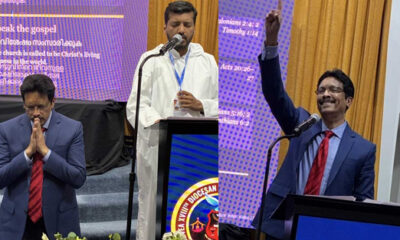

ക്രിസ്തീയ വിശ്വാസം ജീവനുള്ള ബന്ധമാണ്; വെറുമൊരു മതപരമായ അറിവല്ല: ഡോ. വിനു ജോൺ ഡാനിയേൽ
ഡാളസ്: ലോകസുഖങ്ങൾക്കും ഭൗതികനേട്ടങ്ങൾക്കുമപ്പുറം ക്രിസ്തുവിന്റെ സ്നേഹവും കൃപയും അനുഭവിച്ച് ജീവിക്കാൻ വിശ്വാസികളെ ആഹ്വാനം ചെയ്ത് പ്രശസ്ത ഭിഷ്വഗരനും വചന പണ്ഡിതനും പ്രാഭാഷകനുമായ ഡോ. വിനു ജോൺ ഡാനിയേൽ....


നൈജീരിയയിൽ തട്ടിക്കൊണ്ടുപോയ കുട്ടികൾക്കായി സമരം ചെയ്ത് മാതാപിതാക്കൾ
നൈജീരിയ: നൈജീരിയയിലെ ബോർണോ (Borno) സംസ്ഥാനത്ത് നിന്ന് തീവ്രവാദികൾ തട്ടിക്കൊണ്ടുപോയ കുട്ടികളെ മോചിപ്പിക്കാൻ നടപടി സ്വീകരിക്കണമെന്നാവശ്യപ്പെട്ട് മാതാപിതാക്കൾ തെരുവിലിറങ്ങി പ്രതിഷേധിച്ചു. കുട്ടികളെ തട്ടിക്കൊണ്ടുപോയിട്ട് നൂറ് ദിവസമായിട്ടും വിട്ടയ്ക്കുകയോ...


ഐ.പി.സി. നേര്യമംഗലം സെന്റർ യുവജന ക്യാമ്പ് പെരുമ്പാവൂർ കീഴില്ലത്ത് വച്ച് ഞാറാഴ്ച 6 pm ന് ഉദ്ഘാടനം നടത്തപ്പെടുന്നു
IPC നേര്യമംഗലം സെന്റർ PYPA യുടെ ആഭിമുഖ്യത്തിൽ ഞാറാഴ്ച 6 pm ന് കീഴില്ലം ഇവാഞ്ചലിക്കൽ റീ ട്രീറ്റ് സെന്ററിൽ വച്ച് സെന്റർ ക്യാമ്പ് സെന്റർ പാസ്റ്റർ:...
-

 us news11 months ago
San Diego pastor fatally shot in his home; congregation left in disbelief
-

 Movie12 months ago
‘Light of the World’: Animated Movie About Jesus Hits Theaters Sept. 5
-

 us news12 months ago
Erika Kirk vows to carry on Charlie’s mission: ‘The movement my husband built will not die’
-
 Movie11 months ago
Forrest Frank Posts Blunt Response After Losing 30,000 Followers Over Charlie Kirk Post
-

 us news12 months ago
Christian Comedian John Crist Gets Engaged in Nashville: ‘God’s Redemptive Plan’
-

 us news12 months ago
‘He Sat on Jesus’s Lap’: The Time God Miraculously Raised Courtney Smallbone’s Son from the Dead
-

 world news11 months ago
6 Christians Killed in Latest Fulani Militia Attack in Nigeria
-

 Travel12 months ago
പാസ്പോർട്ടോ മറ്റ് തിരിച്ചറിയൽ രേഖകളോ കാണിക്കാതെ വിമാനയാത്ര സാധ്യമാക്കുന്ന സ്മാർട്ട് കൊറിഡോർ സംവിധാനം ദുബൈയിൽ വിപുലമാക്കുന്നു