
world news
പാക്കിസ്ഥാനിൽ ദൈവനിന്ദാക്കുറ്റ നിയമം ദുരുപയോഗിക്കപ്പെടുന്നു


പാക്കിസ്ഥാനിൽ അന്യായമായി ദൈവദൂഷണക്കുറ്റം ചുമത്തി തടവിലാക്കിയിരിക്കുന്നവർക്ക് നീതി ലഭ്യമാക്കുന്നതിൽ കാലവിളംബം വരുത്തുന്നുവെന്ന് ഇരകളുടെ കുടുംബങ്ങൾ. 12 വർഷമായി ദൈവനിന്ദാക്കുറ്റാരോപിതനായി 2020-ൽ വധശിക്ഷ വിധിക്കപ്പെട്ട് തടവിൽ കഴിയുന്ന 42 കാരനായ ആസിഫ് പെർവായിസ് എന്ന ക്രൈസ്തവൻറെ കുടുംബം പ്രേഷിതവാർത്താ ഏജൻസിയായ ഫീദെസിനോട് ദുഃഖം പങ്കുവയ്ക്കുകയായിരുന്നു.
ആസിഫ് നിരപരാധിയാണെന്നും അപ്പീലിനു പോയ അദ്ദേഹത്തിൻറെ കേസ് കോടതി ഏപ്രിൽ മാസത്തേക്കു വച്ചിരുന്നതാണെന്നും എന്നാൽ കാരണമൊന്നും നല്കാതെ അത് റദ്ദാക്കിയെന്നും അദ്ദേഹത്തിൻറെ കുടുംബം പരാതിപ്പെടുന്നു. ഭീഷണി മൂലം കുടുംബം താമസം പോലും മാറ്റേണ്ടി വന്നുവെന്ന് കുറ്റാരോപിതൻറെ സഹോദരൻ വസീം പെർവായിസ് വെളിപ്പെടുത്തി. ഇതുപോലുള്ള നിരവധി സംഭവങ്ങൾ ഉണ്ടെന്ന് പറയപ്പെടുന്നു.
എന്നാൽ ജൂലൈ 8-ന് 18-ും 14-ും വയസ്സു പ്രായമുള്ള, യഥാക്രമം അദിൽ ബാബർ, സൈമൺ നദീം എന്നിവരുടെ മേൽ 2023-ൽ ആരോപിക്കപ്പെട്ട ദൈവദൂഷണക്കുറ്റം വ്യാജമാണെന്ന് കണ്ടെത്തിയതിനെ തുടർന്ന് കോടതി തള്ളിക്കളഞ്ഞിരുന്നു. അതുപോലെതന്നെ 23 വർഷം തടവുശിക്ഷ അനുഭവിച്ച അൻവ്വർ കെന്നെത്ത് എന്ന കത്തോലിക്കനെ ഇക്കഴിഞ്ഞ ജൂൺ മാസത്തിൽ സുപ്രീം കോടതി വിട്ടയച്ചിരുന്നു. പാക്കിസ്ഥാനിലെ ദൈവദൂഷണക്കുറ്റ നിയമം വിവേചനപരമാണെന്ന് “ഹ്യുമൻ റൈറ്റ്സ് വാച്ച്” എന്ന അന്താരാഷ്ട്ര മനുഷ്യാവകാശ സംഘടന ആരോപിച്ചിരുന്നു.
Sources:azchavattomonline.com
In what attorneys in Pakistan termed a “huge ray of hope,” a federal high court on Tuesday (July 15) directed the government to form an inquiry commission within 30 days to investigate blatant abuse of blasphemy laws.
Justice Sardar Ejaz Ishaq Khan of the Islamabad High Court (IHC) ordered the formation of the body to investigate widespread misuse of the harsh laws, strengthened during the 1980s by military ruler Gen. Ziaul Haq in an apparent bid to win over Islamist groups and safeguard perceptions of Muhammad, prophet of Islam, and the Quran.
Justice Khan issued the order while hearing a case involving multiple blasphemy cases that came with allegations of repeated patterns of abuse. Families of more than 100 victims of false blasphemy cases alleged that officials from the anti-blasphemy unit of the cybercrime section of the Federal Investigation Agency (FIA), lawyers and others conspired to honey-trap innocent people, including Christians, into sharing content deemed blasphemous, later using it to extort money by threatening legal action.
They alleged that those who refused to pay were prosecuted under blasphemy laws, exposing them to vigilante violence. Over the years, several individuals accused of blasphemy have been killed extra-judicially by Muslim extremists, according to various research groups.
The petition in the Islamabad High Court was first filed in September 2024, and the court held at least 42 hearings before issuing Tuesday’s directive to the federal government to form the investigative commission within 30 days. The high court justice said the commission must complete its inquiry within four months, although it could request an extension from the court if necessary.
The Centre for Research and Security Studies (CRSS) has documented 701 blasphemy cases between 1947 and 2021, with 1,415 persons accused, 1,308 men and 107 women. At least 89 people were killed and 30 injured in related violence. Among those killed were 72 men and 17 women, it stated.
The data showed a sharp rise in cases following the 1986 amendments introduced by Haq that made blasphemy a capital offence. Before those changes, only 11 cases had been reported, with three persons killed.
The National Commission for Human Rights, in its latest report covering the period from October 2023 to July 2024, raised alarm over a surge in blasphemy charges, allegedly fueled by entrapment through pornographic and blasphemous websites.
“The investigation’s findings highlighted a troubling trend: a sharp increase in registration of blasphemy cases, the majority of whom were initiated by the FIA’s cybercrime unit, frequently in collaboration with a private entity,” it stated.
The commission linked the rise in cases to the implementation of the Prevention of Electronic Crimes (Amendment) Act of 2018, noting that young men were targeted through entrapment tactics involving female operatives with fake identities who lured them into blasphemous activities online, resulting in their subsequent arrests.
“This pattern, which has escalated significantly over time, calls for a comprehensive review of the roles and accountability of both government and private entities involved in such cases,” the report stated.
The report also stated that 11 blasphemy cases were reported in 2020, nine in 2021, 64 in 2022, 213 in 2023 and 767 until July 2024. The victims of false blasphemy charges include people from all faiths, but the majority of them are Muslims.
The data compiled by the CRSS showed that those accused of blasphemy between 1947-2021 include 947 Muslims and 421 non-Muslims, while the faith of 47 was unknown. Among the non-Muslims accused, 225 were Christians, followed by 174 Ahmadis, 20 Hindus and one Sikh and Buddhist each.
In one of the most high-profile cases, Punjab Gov. Salmaan Taseer was assassinated by his own security guard in 2011 after he publicly called for reforming the blasphemy laws.
During Tuesday’s hearing, the court also expressed concern over the “disappearance” of a Komal Ismail, alias “Imaan,” a woman believed to be a central figure in several ongoing blasphemy-related cases. She was allegedly used to honey-trap several people accused of blasphemy.
Komal went missing in November, two months after the petition was filed. The court had earlier ordered the blocking of her national identity card and barred her from leaving the country after she failed to appear in court.
“Her life may be in danger. What action can the [government] agency take in such a situation?” the justice asked, expressing concern over her safety.
‘Ray of Hope’
Lawyers representing petitioning families said the Islamabad High Court’s verdict gave hope for innocent victims of the blasphemy law.
“This is a huge ray of hope and it is the first time that the families have felt heard,” said attorney Imaan Mazari-Hazar, who represented some of the families of arrested men and women, told reporters after the hearing. “Hundreds of youths have been falsely roped into cases of such a sensitive nature that the stigma will last forever even if they are acquitted.”
Another petitioning lawyer, Hadi Ali Chattha, told media after the verdict that he hoped the proposed commission would expose the nexus between the FIA and Islamist lawyers behind the surge in blasphemy cases.
“The lawyers of the ‘blasphemy business group’ tried their best to subvert the proceedings of the case, but we appreciate the judge for handling this sensitive matter wisely,” he said.
Chattha said his team had filed a writ petition in the Islamabad High Court based on a report by the Special Branch of the Punjab Police that said a gang based in the twin cities of Islamabad and Rawalpindi was fabricating blasphemous content and entrapping innocent youths in fake cases for monetary gain.
“We moved the high court for seeking its direction for formation of a high-powered investigative commission to probe the Special Branch report,” he said. “Responding to the high court’s notice, the federal government through an additional attorney general on Jan. 31 said that the government was concerned about the reports of the activities of the gang and was ready to form a commission but it required guidelines from the high court on the way forward.”
The judge recommended that the commission should include a retired judge of the Supreme Court or high court, a retired senior officer of the FIA who understood the issue and an expert of information technology. Chattha added that a serving judge by law could not become part of the inquiry as it was not a judicial inquiry.
On Feb. 28, the attorney general informed the court that the government had been unable to find suitable members for the commission due to the sensitivity of the issue, he said.
“Meanwhile, the members of the alleged blasphemy business gang told the court that they were opposed to the formation of the commission because the court had not given them an opportunity to explain their case,” Chattha said. “The judge told them to record their statements before the commission, but they insisted that the court should hear them.”
The judge granted their request but ordered that proceedings would be broadcast live on YouTube for information for the general public, he said.
“Their lawyers are now claiming that they haven’t been given a chance to present their case, whereas the fact is that all their counsels got sufficient time to argue their case after which we were told to submit our rebuttals,” he said. “Now that the court has given its verdict, they are trying to propagate that they were not given an opportunity to speak, which is contrary to the facts.”
Commenting on the four months given to the commission for investigating the issue, Chattha said he hoped the inquiry would be completed in the stipulated time due to availability of the relevant data.
A leaked 2024 report by the Punjab Police into the sudden spike in cases found that “a suspicious gang was trapping youth in blasphemy cases” and may be motivated by financial gain.
The Legal Commission on Blasphemy Pakistan (LCBP) is reportedly the most active of attorney groups prosecuting young men in Pakistan. Sheraz Ahmad Farooqi, one of the group’s leaders, told AFP in October that “God has chosen them for this noble cause.”
In recent years, several youths have been convicted and handed death sentences, although no execution has ever been carried out for blasphemy in Pakistan.
“We will fully support the probe commission and are confident that our voices will finally be listened to, our concerns will be heard, and the truth will come out,” a relative of one of the suspects who requested anonymity out of fear of backlash told AFP.
Pakistan, whose population is more than 96 percent Muslim, ranked eighth on Open Doors’ 2025 World Watch List of the most difficult places to be a Christian.
http://theendtimeradio.com






ന്യൂയോർക്ക്: ആഗോള സുവിശേഷ പ്രവർത്തനത്തിനായി വലിയൊരു മുന്നേറ്റത്തിന് ഇന്തോനേഷ്യ ഒരുങ്ങുന്നു. 2033-നകം 30,000 മിഷനറിമാരെ മറ്റ് രാജ്യങ്ങളിലേക്ക് അയക്കുക എന്നതാണ് നേതാക്കൾ മുന്നോട്ട് വെച്ചിരിക്കുന്ന വലിയ ലക്ഷ്യം.
ഇന്തോനേഷ്യൻ അലയൻസ് ഫോർ വേൾഡ് മിഷൻ (ALUSIA) ചെയർമാൻ ഡോ. ബാംബാങ് ബുഡിജാന്റോ ആണ് ഈ സംരംഭത്തിന് നേതൃത്വം നൽകുന്നത്. 2023-ൽ സ്ഥാപിതമായ ഈ കൂട്ടായ്മ, യേശുവിന്റെ സന്ദേശം ഇന്തോനേഷ്യയുടെ അതിർത്തിക്കപ്പുറം എത്തിക്കുക എന്ന പൊതു കാഴ്ചപ്പാടോടെ സഭകളെയും മിഷൻ സംഘടനകളെയും ഒന്നിപ്പിക്കുന്നു.
ന്യൂയോർക്കിലും ഫിലാഡൽഫിയയിലും ഇന്തോനേഷ്യൻ പാസ്റ്റർമാരുമായി നടത്തിയ കൂടിക്കാഴ്ചകളിൽ, തങ്ങൾക്ക് ലഭിച്ച അനുഗ്രഹങ്ങൾ പങ്കുവെക്കാൻ ഇന്തോനേഷ്യയ്ക്ക് ഉത്തരവാദിത്തമുണ്ടെന്ന് ബുഡിജാന്റോ ഊന്നിപ്പറഞ്ഞു. “നമ്മൾ മറ്റ് രാജ്യങ്ങളോട് കടപ്പെട്ടിരിക്കുന്നു. ഒരു പ്രത്യേക ഉദ്ദേശത്തോടെയാണ് ദൈവം ഇന്തോനേഷ്യയെ വലിയ ഉണർവ് കൊണ്ട് അനുഗ്രഹിച്ചത്” എന്ന് അദ്ദേഹം പറഞ്ഞു.1534-ൽ മലുക്കു ദ്വീപുകളിൽ ആദ്യ മിഷനറിമാർ എത്തിയതു മുതൽ സുവിശേഷം പ്രചരിപ്പിക്കുന്നതിൽ ഇന്തോനേഷ്യയ്ക്ക് നീണ്ട ചരിത്രമുണ്ട്. ഇന്ന് രാജ്യത്ത് ഏകദേശം 3 കോടി വിശ്വാസികളുണ്ട്.
രാജ്യത്തുടനീളം വളർന്നുവരുന്ന പ്രാർത്ഥനാ പ്രസ്ഥാനത്തെക്കുറിച്ചും അദ്ദേഹം എടുത്തുപറഞ്ഞു. 534 നഗരങ്ങളിൽ “Tower of Prayer” എന്നറിയപ്പെടുന്ന 24 മണിക്കൂർ പ്രാർത്ഥനാ സംരംഭങ്ങൾ നടക്കുന്നുണ്ടെന്ന് അദ്ദേഹം അറിയിച്ചു. സംഖ്യകൾക്കപ്പുറം ആത്മാക്കളെയും സമൂഹങ്ങളെയും നേടിയെടുക്കുക എന്നതാണ് ഇന്തോനേഷ്യൻ നേതാക്കളുടെ ദർശനം.
Sources:maruppacha
For nearly five centuries, the story of Christianity in Indonesia has largely been one of arrival: missionaries came to the archipelago, and churches grew from their work. A coalition of Indonesian churches and mission organizations now aims to reverse that direction, with the goal of seeing 30,000 Indonesian missionaries serving other nations by 2033.
The effort is coordinated by ALUSIA, the Indonesian Alliance for World Mission, formed in 2023. This month, its chair, Dr. Bambang Budijanto, who is also general secretary of the Asia Evangelical Alliance, met with Indonesian diaspora pastors in New York and Philadelphia. The meetings were the first in a planned series of gatherings with Indonesian churches abroad.
The U.S. meetings are one part of a larger strategy. Budijanto traces its roots through decades of revival, persecution and prayer in Indonesia, and through earlier attempts to build a sending movement.
“If we dream it alone, it will not happen,” Budijanto told Christian Daily International in an interview on the sidelines of the New York event. “If many people dream together, it could happen.”
A debt to other nations
The first missionaries reached the Maluku Islands, in what is now eastern Indonesia, in 1534. Budijanto noted that the first missionary died about a year after arriving.
The 500th anniversary of that arrival falls in 2034, one year after ALUSIA’s target date. Budijanto said he hopes that by then Indonesia will be recognized as a significant mission force in its own right.
Indonesia received the gospel from others, and today it has about 30 million Christians. “We owe other nations,” he said. When describing ALUSIA’s purpose, he pointed to the biblical image of the beautiful feet of those who bring good news.
Budijanto recounted Indonesia’s history of revival and considers it as preparation for sending. He pointed first to the 1965 revival in Soe, on the island of Timor. Mel Tari described it in his books “Like a Mighty Wind” and “The Gentle Breeze of Jesus,” including reports of miracles and of believers who carried the movement to other places.
In the 1970s, revival spread among the Dayak people of Borneo. In the late 1970s and 1980s it reached Indonesia’s major cities. By 1984, Budijanto said, Jakarta alone had more than 5,000 prayer groups.
“God blessed Indonesia with a lot of revival for a purpose. That’s how I read it,” he said. “We are blessed to bless others.”
He also sees a warning in the more recent data. Church growth in Indonesia has plateaued, and he believes the two are connected. “If you continue to be selfish, then the blessing will stop,” he said.
Prayer for persecution, so the Church would unite
In the 1980s, Budijanto worked as a translator for Brother Andrew, the founder of Open Doors, during his visits to Indonesia. On one visit, Brother Andrew walked to the village where Budijanto lived, because there was no road access.
At the time, Budijanto said, Indonesia’s churches were divided and often competing with one another. He recalled that at one pastors’ conference, Brother Andrew asked those present to pray that God would send persecution, so that the Church would be united.
In the years that followed, Indonesia went through waves of anti-Christian violence. Budijanto said more than 500 churches were burned and many people died, including in the conflict between Muslims and Christians in Maluku.
“But then the church united,” he said.
A national prayer movement also took shape during that period. Budijanto said it began in 1991, with seven coordinators who met monthly and held prayer gatherings in different provinces. Today, more than 500 Indonesian cities, 534 by his count, maintain 24-hour prayer in what participants call “towers of prayer.” The model has spread to Myanmar and other countries, and Indonesians have played a significant role in global prayer networks.
Asked what Indonesia might contribute to the global Church, Budijanto pointed to that movement. “Maybe that’s the prayer movement,” he said, describing it as the effort that has been sustained over many years.
Earlier attempts stalled, ‘but now is the time’
The idea of Indonesia as a sending nation is not new. Since the 1970s, Budijanto said, church leaders have expressed the desire repeatedly, but none of the efforts took hold. “It’s like starting and then stalling again, stopping again, dying again,” he said.
One of those efforts grew out of the prayer movement. Soon after it began, Budijanto said, interest in mission increased, and a mission initiative was formed in 1992. He was given the task of building a training center.
That work took him to Europe. Thousands of Indonesian students were studying in the Netherlands and Germany on government scholarships, and many had become Christians. When they returned home, many could not find work that matched their training, and they left again for the Middle East or Australia.
Around the same time, Brother Andrew sent Budijanto to Israel. Budijanto said strangers there would ask where he was from and then assume he was Muslim. To him, this showed that an Indonesian identity could open doors across the Middle East.
He concluded that Indonesian graduates with European degrees could serve in the region with relative ease. From 1992 to 2002, he ran a five-week summer mission school in the Netherlands, working with Fuller Seminary. The initiative also tried to send two missionaries to China.
The organization did not last. “I think we were not mature enough to work together,” Budijanto said. “But now is the time, I think.”
A kairos moment for the Indonesian Church
In 2023, Budijanto invited leaders from about 14 Indonesian organizations that already had experience sending missionaries abroad. He said all of them agreed on one point: “This is the right time, this is the right moment, this is the kairos of God.”
The group met again in Bandung to define its vision and how its members would work together. It registered ALUSIA as a legal association in Indonesia, with a general assembly of members as its highest authority, a structure Budijanto compared to that of the World Evangelical Alliance. A soft launch in Jakarta drew about 50 church leaders, along with leaders of mission organizations from abroad. ALUSIA then commissioned baseline research with Bilangan Research and launched nationally at a conference in Bali.
After the launch, Budijanto said, churches and organizations that had been hesitant began to approach the alliance. A second national conference followed in Jakarta. In 2026, ALUSIA moved to regional conferences in provinces including Central Java and North Sumatra, and more are planned for additional cities.
The alliance describes its role as a catalyst with three tasks. The first is to activate churches, which Budijanto called “the primary carrier of the global mission.” The second is to connect them with each other and with the wider global Church. The third is to provide resources, including research data and training tools.
From 800 to 30,000: ‘not easy, but doable’
The baseline is modest. In 2020, Budijanto said, Indonesia had about 800 missionaries, and more than half of them were serving Indonesian communities abroad rather than people of other nations.
The target of 30,000 by 2033 amounts to about 0.1% of Indonesia’s roughly 30 million Christians. “It’s not easy, but it’s doable,” he said.
Budijanto acknowledged that missionaries are hard to count today, because people may serve as professionals, migrant workers or in other roles. For that reason, ALUSIA treats 30,000 as an aspiration. It measures progress by the number of churches that become missional.
Its goal is for at least 20% of Indonesia’s churches to meet that standard. Budijanto referred to government data listing about 73,000 officially recognized church buildings, which belong to Protestant denominations, not including Catholic churches. He estimates the total is closer to 100,000 when congregations meeting in shops and other spaces are included.
ALUSIA has proposed five indicators of a missional church: giving to global mission; sending people, or taking part in sending them; praying for global mission; building mission capacity through training or programs; and collaborating with other churches or organizations. A church that meets four of the five would qualify as a missional church following this definition.
Budijanto said many churches also join the alliance for its data, which they otherwise lack.
The 30,000 figure has also spread beyond ALUSIA, Budijanto noted, pointing to at least four other Indonesian networks that have adopted the same number. He also heard of an Indonesian church leader at a mission conference in Vietnam who spoke of sending 30,000. “This is a common aspiration that we have,” he said. “It doesn’t belong to any organization, but to Indonesia.”
Who counts as a missionary
ALUSIA defines mission by intent and discipleship, not geography. Budijanto said the work must be rooted in the Great Commission, intentionally helping people move from being far from Christ to “knowing Christ, growing in Christ, becoming like Christ.”
Under the alliance’s definition, a missionary is any Indonesian, living anywhere in the world, who intentionally reaches out to and disciples people who do not hold an Indonesian passport.
That work can take place inside Indonesia. As an example, Budijanto cited a Russian community in Bali, formed by people who left Russia after the war began to avoid being drafted. Indonesians who move to Bali to reach that community count as missionaries under ALUSIA’s definition.
The key, he said, is intention. Contact with people of other nations has to be purposeful, not incidental.
‘With numbers comes responsibility’
Budijanto pointed to Indonesia’s cultural diversity as a strength for cross-cultural mission. He contrasted it with South Korea, which he said has sent about 30,000 missionaries despite being largely monocultural.
He often brings Korean colleagues to Indonesian mission conferences. He said they tell Indonesian audiences that growing up among many cultures prepares them to adapt abroad, something Korean missionaries have had to learn. “You are so privileged. You are so prepared by God,” he recalled them saying.
He also cited the size of the Church. Over the past two decades, Budijanto said, significant church growth has come mainly in Africa and Asia. Within Asia, the growth has been concentrated in Southeast and South Asia, where Indonesia’s church may be the strongest by numbers. “With numbers comes responsibility,” he said.
The largest obstacle, in his view, has been mindset. After a long colonial history, many Indonesian Christians came to see themselves as recipients who could not take the lead. Over the past two years, he said, he has seen that begin to change as churches move from contributing to taking initiative.
Generosity is another asset. Indonesia ranked first in a global generosity index for four years, Budijanto noted. The data he cited also showed a gap between giving and other forms of engagement. About 60% contribute financially to global mission, but only about 30% preach on it from the pulpit and about 16% pray for it.
The diaspora as ‘low-hanging fruit’
ALUSIA sees Indonesian churches abroad as its most immediate opportunity. More than 500 Indonesian diaspora congregations exist worldwide, and more than half of them are in the United States. Budijanto calls them “the low-hanging fruit.”
Many of these churches serve only Indonesians, he said, and many are losing their second generation. He believes a new focus could help revive them. “We are here not for Indonesian people, but to prepare Indonesian people to become missionaries for other people,” he said.
That is why ALUSIA chose New York and Philadelphia for its first diaspora meetings. Budijanto said the place where a movement launches shapes its impact. He noted that people from about 120 nations live in a single area of Queens, which is where ALUSIA held the event that day. Churches there do not need to travel far to reach other nations. “This is mission training as well,” he said. He described Philadelphia as historically important for the United States and home to a larger number of Indonesian churches.
More meetings are planned. ALUSIA intends to hold gatherings in two California cities in November, and pastors in Dallas have asked for a stop in Texas. Meetings in Sydney and Melbourne are planned for next year. Singapore, Malaysia, Hong Kong and Taiwan, all home to significant Indonesian communities, are also on the agenda.
Toward a global gathering
The next major step is planned for the first week of October 2027. ALUSIA plans to hold the first conference to bring together Indonesian missionaries from around the world, including those in the diaspora. The venue has not been decided, and Bali, Singapore and Malaysia are under consideration.
Budijanto hopes participants will form an association of Indonesian missionaries there, so that they have “a voice” and a community.
The alliance’s longer horizon remains 2033, when it hopes to celebrate 30,000 Indonesians serving other nations. Over the past two years, the alliance has spread quickly and found wide acceptance, Budijanto said. He believes this is a sign that the timing is right.
http://theendtimeradio.com

The past week was one of the most fatal for Christians around the world in recent memory. From Nigeria to Ethiopia to Jordan, gunmen slaughtered more than a hundred Christians. The somber news reminds Christians in America of the urgent need our fellow brothers and sisters in Christ face every day. It also accentuates the stakes in Tuesday’s election. (
On Friday, gunmen attacked a Christian community in northeastern Nigeria, firing on people as they fled into a river. At least 62 people were killed in the attack, 52 were wounded, and thousands fled their homes. In the past decade, Islamist militants have killed tens of thousands of Christians in Nigeria.
Also on Friday, three unnamed terrorists opened fire at Christians gathered for a funeral outside St. George’s Greek Orthodox Church in the village of Hmoud, east of the Dead Sea. Jordanian authorities have suspects in custody, making this the only one of the three attacks where government authorities have acted to protect Christians.
On Saturday, Ethiopian Orthodox Christians in the Oromia state suffered a series of attacks in which more than 60 people were killed, including five children, and 20 houses were burned to the ground. One survivor described it as an ambush, in which the attackers surrounded their victims on all sides.
A local official blamed the attacks on a rebel coalition, Alliance for Survival, which includes the Oromo Liberation Army (OLA). However, according to Christian Emergency Alliance, “surviving witnesses claimed regional authorities collaborated with Islamist militias to carry out the massacre.”
All three attacks came the weekend before International Religious Freedom Day (October 27), and also shortly before the US midterm elections.
Fortunately, international religious freedom still finds supporters in both parties—far more than pro-life or pro-marriage positions. For instance, a bipartisan bill to reauthorize the United States Commission on International Religious Freedom (USCIRF) passed the Senate unanimously on September 30.
However, the parties do vary in the intensity of their commitment to international religious freedom.
In 2018, the Trump administration hosted the first-ever Ministerial to Advance Religious Freedom, an international summit of government leaders and advocates focused on achieving real change. The event has occurred annually since 2018, but the burden of hosting it was transferred to nonprofits after the Biden administration declined to maintain the ministerial in 2021.
Indeed, the Biden administration explicitly rejected a foreign policy that emphasized religious freedom in favor of one that emphasized the LGBT agenda and abortion.
“This is a major shift away from international religious freedom—moving away from even calling it religious freedom,” former USCIRF Commissioner Nina Shea said of the Biden administration policy. “It’s more of a watered-down freedom of belief or religion, and equating religion with belief, which is very dangerous because that would mean you have a right to believe what you want to believe, but you may not be allowed to practice it in a public square.”
Sadly, many foreign leaders predicted the Biden administration’s pivot away from religious freedom and had given that as their reason for not implementing more permanent change. It is one thing for Americans to give lip service to religious freedom and warn the world that we are watching. But what really matters to Christians facing persecution is when governments (and militant groups) believe that America will not only watch but act to protect the religious freedom of persecuted Christians abroad. Thus, the intensity of America’s commitment to religious freedom is what actually has an impact.
Christians have long been persecuted for their faith and will continue to face fiery trials for as long as the Lord tarries. As Paul reminded his readers, quoting from Psalm 44,”forYoursake we are being killed all the day long; we are regarded as sheep to be slaughtered” (Romans 8:36).
Yet Christians continue to persevere in difficult circumstances because of the hope that is within them. As Paul wrote to the Thessalonians, “We do not want you to be uninformed, brothers, about those who are asleep, that you may not grieve as others do who have no hope. For since we believe that Jesus died and rose again, even so, through Jesus, God will bring with Him those who have fallen asleep” (1 Thessalonians 4:13-14).
“For the Lord Himself will descend from Heaven with a cry of command, with the voice of an archangel, and with the sound of the trumpet of God. And the dead in Christ will rise first. Then we who are alive, who are left, will be caught up together with them in the clouds to meet the Lord in the air, and so we will always be with the Lord,” Paul continued. “Therefore encourage one another with these words” (1 Thessalonians 4:15-18).
These words do bring much-needed encouragement. The survivors of the attacks in Nigeria, Ethiopia, and Jordan are likely consoling their souls in such promises even now. But the Christian’s final hope also motivates us to action now, and Believers with an opportunity to vote can use that vote to succor their suffering brothers and sisters halfway around the world.
Sources: Breaking Christian News
world news
ഉഗാണ്ടയിൽ ഇസ്ലാം മതം ഉപേക്ഷിച്ച് ക്രൈസ്തവ വിശ്വാസം സ്വീകരിച്ചവർക്ക് അഭയം നൽകിയ അധ്യാപകനെ തല്ലിക്കൊന്നു

കംപാല: ഇസ്ലാം മതം ഉപേക്ഷിച്ച് ക്രൈസ്തവ വിശ്വാസം സ്വീകരിച്ചവർക്ക് അഭയം നൽകിയിരുന്ന 45 വയസ്സുകാരനായ ക്രൈസ്തവ അധ്യാപകനെ ഉഗാണ്ടയുടെ പടിഞ്ഞാറൻ മേഖലയിൽ മർദിച്ചുകൊലപ്പെടുത്തി. ബെഞ്ചമിൻ കുലെ മയാനി എന്ന അധ്യാപകനാണ് കൊല്ലപ്പെട്ടത്. ഇസ്ലാം മതം ഉപേക്ഷിച്ച് ക്രൈസ്തവ വിശ്വാസം സ്വീകരിച്ച യുവതിയെ ഒളിവിൽ കഴിയാൻ സഹായിച്ചതാണ് കൊലപാതകത്തിന് പിന്നിലെ കാരണമെന്നാണ് പുറത്തുവന്ന വിവരങ്ങൾ സൂചിപ്പിക്കുന്നത്. ഒരു മാസം മുന്പ് നടന്ന കൊലപാതകത്തിന്റെ വിവരങ്ങള് ഇപ്പോഴാണ് പുറത്തുവന്നിരിക്കുന്നത്.
സംഭവ ദിവസം തന്നെ ഉഗാണ്ടൻ പോലീസിന് കൊലപാതകം സംബന്ധിച്ച വിവരം ലഭിച്ചിരിന്നുവെങ്കിലും വിശ്വാസപരമായ കാരണങ്ങളുമായി ബന്ധപ്പെട്ടു രഹസ്യമായി സൂക്ഷിക്കുകയായിരിന്നു. ക്രൈസ്തവ പീഡനങ്ങൾ റിപ്പോർട്ട് ചെയ്യുന്ന മാധ്യമമായ ‘മോർണിംഗ് സ്റ്റാർ ന്യൂസ്’ ഏതാനും ദിവസങ്ങള്ക്ക് ശേഷമാണ് വാര്ത്ത പുറംലോകത്തെ അറിയിച്ചത്. പീഡിത ക്രൈസ്തവരെ പിന്തുണയ്ക്കുന്ന വോയ്സ് ഓഫ് ദി മാർട്ടിയേഴ്സ് ഉൾപ്പെടെയുള്ള സംഘടനകളും സംഭവം റിപ്പോർട്ട് ചെയ്തിട്ടുണ്ട്.
കൊല്ലപ്പെട്ട ബെഞ്ചമിൻ കസെസെ ജില്ലയിൽ കാസൊകെറോ ഗ്രാമത്തിൽ താമസിച്ചിരുന്ന എക്സലന്റ് നഴ്സറി ആൻഡ് പ്രൈമറി സ്കൂളിലെ അധ്യാപകനായിരുന്നു. അധ്യാപന ജോലിക്കു പുറമേ, ഇസ്ലാം മതം ഉപേക്ഷിച്ച് ക്രൈസ്തവ വിശ്വാസം സ്വീകരിക്കുന്നവർക്ക് ഭീഷണിയുണ്ടാകുന്ന പശ്ചാത്തലത്തില് അഭയവും സഹായവും നൽകുന്ന പ്രവർത്തനങ്ങളിലും അദ്ദേഹം പങ്കാളിയായിരുന്നു. സംഭവ ദിവസം ഇസിഫു മർജാനി എന്നയാൾ ഫോണിൽ വിളിച്ച് സ്കൂളിലേക്ക് വരാൻ ആവശ്യപ്പെട്ടതനുസരിച്ച് മയാനിയും സഹപ്രവർത്തകനായ പാസ്കൽ മുഹിൻഡോയും യാത്രതിരിക്കുകയായിരുന്നു.
സ്കൂളിൽനിന്ന് ഏകദേശം രണ്ടു കിലോമീറ്റർ അകലെവച്ച് മൂന്നു പേർ ഇവരെ തടഞ്ഞുനിർത്തി. ഇസ്ലാം മതം ഉപേക്ഷിച്ച് ക്രൈസ്തവ വിശ്വാസം സ്വീകരിച്ച ഷരീഫ എവിടെയാണെന്ന് അക്രമികൾ അന്വേഷിക്കുകയായിരിന്നു. ഇതിനിടെ ഒരാൾ വലിയ വടികൊണ്ട് അധ്യാപകന്റെ തലയ്ക്ക് അടിക്കുകയായിരുന്നു. മയാനിക്കൊപ്പമുണ്ടായിരുന്ന മുഹിൻഡോ അവിടെനിന്ന് ഓടി രക്ഷപ്പെട്ട് നാട്ടുകാരെ കൂട്ടി തിരിച്ചെത്തിയപ്പോഴേക്കും മയാനി സംഭവസ്ഥലത്തുതന്നെ മരണപ്പെട്ടിരുന്നു. സംഭവത്തില് പോലീസ് അന്വേഷണം നടന്നുവരികയാണ്.
കടപ്പാട് :പ്രവാചക ശബ്ദം
Benjamin Kule Mayani, a 45-year-old Christian teacher, was beaten to death on September 29 in western Uganda. The educator had offered shelter to several Muslims who had converted to Christianity, and according to testimonies that emerged later, his attackers were looking for a young woman who had left Islam and whom he had helped to hide.
The murder was reported by the Ugandan police on the same day of the incident, while details about its possible religious motivation were published on October 19 by Morning Star News, a media outlet specializing in the persecution of Christians. The case was also covered by organizations supporting persecuted Christians, including Voice of the Martyrs.
Mayani worked as a teacher at the Excellent Nursery and Primary School and lived in the village of Kasokero, in the Kasese district. In addition to his teaching duties, he collaborated in welcoming people who had left Islam to embrace the Christian faith.
Attackers inquired about a young woman who had converted to Christianity
According to information published by Morning Star News, Mayani and his colleague Pascal Muhindo received a call from a man identified as Isifu Marjani, who asked them to come to the school where the teacher worked.
When they were approximately two kilometers from the educational center, three men intercepted them and began asking about the whereabouts of Sharifa, Marjani’s sister, who had converted to Christianity.
Mayani had previously taken the young woman into his home, along with other converts from Islam. He later decided to move her to another residence for security reasons.
The attackers insisted on knowing her location until one of them struck the teacher on the head with a large stick.
Muhindo managed to escape and sought help from neighbors. However, when he returned with several people, Mayani had already died.
These details were provided to Morning Star News by an elder of the Anglican Church who spoke with Muhindo shortly after the attack. His identity was not revealed for security reasons.
The testimony suggests a possible connection between the murder and the help the teacher provided to people who had converted to Christianity, although this motive has not been officially confirmed by the police.
The police confirmed the murder on September 29
The teacher’s death was reported by the Ugandan press on the same day the events occurred.
The newspaper Nile Post reported on September 29 that Mayani had been attacked around midnight in Karambi Cell, within the municipality of Kisinga, while returning from the city with Muhindo.
According to the police spokesperson for the Rwenzori East region, Elly Maate, three unidentified men struck the teacher on the forehead with a blunt object. The victim suffered serious injuries, collapsed a few meters from the scene, and died.
The police opened a homicide investigation at the Kisinga police station. Officers examined the scene, used a police dog, took statements from witnesses, and collected evidence for forensic analysis.
Mayani’s body was taken to Bwera Hospital for an autopsy.
Authorities requested public cooperation to identify those responsible. The reports consulted do not indicate that any arrests related to this murder have been announced.
Assistance to converts, possible motive for the crime
Information later published by Morning Star News added an element that was not included in the initial police reports: Mayani’s work as a protector of people who had left Islam.
The outlet noted that one of the alleged attackers was upset about his sister’s conversion and that the assailants were seeking to learn her whereabouts.
The case was also reported on October 21 by Voice of the Martyrs, an organization dedicated to supporting persecuted Christians, which called for prayers for the teacher’s family and the affected Christian communities.
Uganda’s Constitution recognizes religious freedom, including the right to change one’s faith. However, Morning Star News has documented various episodes of violence against people who leave Islam and against those who help them.
Among the cases recorded during 2026 are attacks on converts, incidents related to evangelistic activities, and the murder of a pastor after participating in an interfaith debate.
The persecution of Christians in Uganda
The murder of Benjamin Kule Mayani once again highlights the difficulties faced by some Christians in Uganda, especially those who accompany people converting from Islam.
Although the African country is predominantly Christian and its legislation protects freedom of worship, organizations documenting religious persecution have reported threats and attacks against converts in certain communities.
Violence has also affected members of the Catholic Church. In December 2025, a priest from the diocese of Masaka was kidnapped, prompting church authorities to request prayers for his release.
In Mayani’s case, the police investigation continues without any public resolution being announced. The testimonies that emerged in October suggest that his decision to protect a young woman who had converted to Christianity may have triggered the attack that ended his life.
http://theendtimeradio.com



Christian Pilot Who Prayed Lord’s Prayer Before Fatal Florida Plane Crash Remembered for Powerful Faith
The heartbreaking final moments of a Florida plane crash that claimed nine lives have taken on an even deeper significance...


‘This Is the Firewall Midterm’: Pastor Samuel Rodriguez Warns Against Christian Apathy
At the National Hispanic Christian Leadership Conference’s 25th Anniversary Summit, faith leaders delivered a pointed message about the upcoming midterm...


2033-നകം 30,000 മിഷനറിമാരെ അയക്കാൻ ഇന്തോനേഷ്യ
ന്യൂയോർക്ക്: ആഗോള സുവിശേഷ പ്രവർത്തനത്തിനായി വലിയൊരു മുന്നേറ്റത്തിന് ഇന്തോനേഷ്യ ഒരുങ്ങുന്നു. 2033-നകം 30,000 മിഷനറിമാരെ മറ്റ് രാജ്യങ്ങളിലേക്ക് അയക്കുക എന്നതാണ് നേതാക്കൾ മുന്നോട്ട് വെച്ചിരിക്കുന്ന വലിയ ലക്ഷ്യം....


അസംബ്ലീസ് ഓഫ് ഗോഡ് നവിമുംബൈ സെക്ഷൻ കൺവെൻഷനും റിവൈവൽ മീറ്റിംഗും നവംബർ 13, 14 തീയതികളിൽ സിബിഡി ബേലാപ്പൂരിൽ
നവിമുംബൈ: അസംബ്ലീസ് ഓഫ് ഗോഡ് വെസ്റ്റേൺ ഡിസ്ട്രിക്ട് കൗൺസിൽ ഓഫ് മഹാരാഷ്ട്രയുടെ നവിമുംബൈ സെക്ഷന്റെ ആഭിമുഖ്യത്തിൽ സെക്ഷൻ കൺവെൻഷനും റിവൈവൽ മീറ്റിംഗും സംഘടിപ്പിക്കുന്നു. 2026 നവംബർ 13,...


ഐപിസി ജനറൽ പ്രസിഡന്റ് പാസ്റ്റർ ഡോ. ടി. വൽസൻ ഏബ്രഹാം നിത്യതയിൽ
ആഗോള പെന്തക്കോസ്ത് സമൂഹത്തിന് തീരാനഷ്ടം; ആത്മീയ നേതൃത്വത്തിലെ ശ്രദ്ധേയ അധ്യായത്തിന് വിരാമം. കുമ്പനാട്: ഇന്ത്യാ പെന്തക്കോസ്ത് ദൈവസഭയുടെ (ഐപിസി) ജനറൽ പ്രസിഡന്റും ആഗോള പെന്തക്കോസ്ത് ക്രൈസ്തവ...


America’s Women: Called for Such a Time as This
The order had already been issued. An entire people faced destruction, and the man responsible held extraordinary power. Yet one...
-

 us news2 days ago
Millions Encouraged to Open Their Bibles for Global Bible Month
-

 us news5 months ago
Mike Winger deletes YouVersion app over ‘The Passion Translation’ controversy, urges others to ‘use caution’
-

 us news5 months ago
‘America Is Hungry’: Hundreds Born Again and Baptized as Jesus Tent Revival Sweeps the Nation
-

 Movie12 months ago
CBN’s Superbook Launches New Free Bible App for Kids: ‘The Power of God Is Released’
-

 Movie9 months ago
Hollywood Actor Jen Lilley Launching New Ministry After ‘Vision’ From Holy Spirit
-

 National12 months ago
ഐ.പി.സി കേരള സ്റ്റേറ്റ് ഇലക്ഷൻ 2026 മാർച്ച് 9 മുതൽ
-
 world news11 months ago
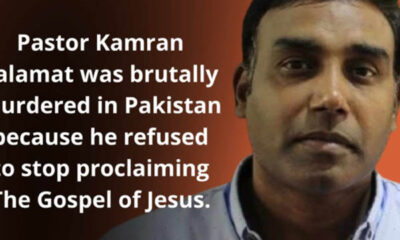
പാകിസ്ഥാനിൽ പാസ്റ്റർ കമ്രാൻ മൈക്കിൾ തന്റെ മകളുടെ മുന്നിൽ വെച്ച് ക്രൂരമായി കൊല്ലപ്പെട്ടു.
-

 Movie8 months ago
Worship Leader Brooke Ligertwood Shares Stunning Testimony of Answered Prayer From Ukraine