
us news
Why the Gospel cannot endorse salvation by domination


Across the world today — whether in anxious democracies or confident authoritarian systems — many citizens are drawn to leaders who promise strength, decisiveness, and protection. These figures present themselves as saviors of the nation, defenders of identity, and restorers of order. For Christians, however, this attraction is not merely political. It is theological. The question is not only whether such leaders “work,” but what kind of salvation they offer and what kind of people they form.
A rival story of salvation
The strong political man offers a simple and powerful story. Fear will be defeated by force. Unity will be achieved by identifying enemies. Complexity will be solved by concentrating authority in a single will. Public trust is redirected away from shared institutions and placed in one commanding figure.
This story resonates deeply in societies marked by insecurity and loss. Yet it functions as a rival gospel. It asks for devotion, trust, and hope that properly belong to God. When political strength becomes salvific, politics becomes theology by other means.
“Give us a king like the nations”
Scripture diagnoses this temptation early. In 1 Samuel 8, Israel demands a king “like the nations” who will fight their battles. God permits the request but exposes its cost: the king will “take” repeatedly — land, labor, dignity — until the people themselves are consumed by the power they sought for safety.
This is not an argument against government. It is a warning against absolutizing it. Deuteronomy insists that kings must live under limits: restrained militarism, restrained wealth, restrained ego. Strongman politics grows by mocking such limits. The biblical vision insists that restraint is wisdom, not weakness.
Prophetic resistance to royal consciousness
The prophets sharpen the critique. They confront what theologian Walter Brueggemann calls “royal consciousness”— a social imagination that normalizes inequality, numbs compassion, and treats domination as order.
Strongman cultures survive by disciplining emotion and imagination: do not feel too much, do not question too deeply, trust the leader. Prophetic faith refuses this training. It insists that public truth includes the cries of the poor, the dignity of the stranger, and the accountability of rulers. When religion is used to sanctify power, prophecy returns as an unwelcome voice.
Jesus and the refusal of coercive power
Jesus decisively rejects the strongman path. “The rulers of the Gentiles lord it over them,” he says. “Not so with you” (Mark 10:42–45). Authority is redefined as service; greatness is measured by self-giving.
This is not merely advice for church leadership. It is a public theology of power. The cross reveals that domination is not morally neutral; it is spiritually deforming. Any politics that requires humiliation, contempt, or coercion stands in tension with the way of Christ.
Empire as rival worship
The book of Revelation intensifies the warning. Empire appears not only as violent but as seductive, demanding awe and total allegiance. The danger is not only injustice but idolatry. Politics becomes liturgy. Loyalty becomes worship.
This is the decisive theological insight: the strong political man is not only a temptation to harshness. He is a temptation to a false Christ — a substitute savior who promises salvation without the cross.
Ordered love and the limits of politics
Augustine helps clarify the stakes. Societies are shaped by what they love most. When political greatness, security, or cultural purity becomes ultimate, injustice becomes tolerable and cruelty becomes rational.
Augustine does not reject political responsibility. He refuses political ultimacy. The earthly city may pursue peace and justice, but it cannot bear the weight of redemption. When it tries, it becomes spiritually dangerous.
Unity built on scapegoats
Strongman politics often manufactures unity by naming enemies. Minorities, dissenters, journalists, or critics are portrayed as threats to social survival. René Girard’s insight exposes the pattern: societies restore order by directing fear toward a scapegoat.
The Gospel contradicts this logic. The cross tells the story from the victim’s side. Jesus is executed as a public threat, yet God vindicates him. A church shaped by the cross cannot accept unity purchased by exclusion or humiliation.
When faith becomes a badge
Strong political leaders often court religion. Sacred language is borrowed; faith is framed as national identity. The temptation for the Church is subtle: political victory begins to feel like spiritual faithfulness.
At that point, Christianity becomes a badge rather than a confession. The cross becomes a symbol of power rather than a way of life. Truth becomes negotiable. Neighbors become expendable.
Public faithfulness without fear
The Church’s calling is not withdrawal from public life, nor uncritical endorsement of strength. It is public faithfulness without fear. Christians may disagree about policies, but they must agree about this: political power is not salvific.
If our politics makes us less compassionate, less truthful, more contemptuous, or more willing to excuse injustice “for the greater good,” something has gone wrong spiritually. Empires, like idols, always demand sacrifices.
Christian faith makes a scandalous confession: we worship a God who does not demand sacrifice but becomes the sacrifice. In a world hungry for strongmen, that confession remains both foolish and necessary — and it is the only ground on which Christian public witness can stand.
Sources:Christianpost





ഡാളസ് : ഇന്ത്യൻ ക്രിസ്റ്റ്യൻ ഡേ സമ്മേളനം ഇർവിംഗ് സിറ്റിയിൽ സെപ്റ്റംബർ19 ശനിയാഴ്വ വൈകുന്നേരം 5 മണിക്ക് ബെഥനി ഫുൾ ഗോസ്പൽ അസംബ്ളി ഹാളിലാണ് ആരംഭിയ്ക്കുന്നത്. സമ്മേളനത്തിൽ ഇർവിംഗ് മേയർ (A I Zapanta ), ഷെർവിൻ ഡേസ്സ് , ഡോ. സിസിൽ അനിയൻ തുടങ്ങിവരാണ് മുഖ്യ പ്രസംഗകർ. ഇവരെ കൂടാതെ ഇന്ത്യൻ പ്രവാസികളായ ക്രൈസ്തവ ജനതയെ പ്രതിനിഥീകരിച്ച് വിവിധ സഭാ മേലദ്ധ്യഷന്മാരും, പ്രതിനിധികളും, സംഘടനാ ലീഡേഴ്സും, പൊതു ജനത്തെ അതിസം ബോധന ചെയ്ത് സംസാരിക്കുന്നതാണ്.
ക്രൈസ്തവരായ ഇന്ത്യൻ ജനതയുടെ പൈതൃകം, സംസ്കാരം, സാഹോദരിയത്വം , ഐക്യത തുടങ്ങിയ മൂല്യങ്ങളെ ഉയർത്തി കാട്ടുന്നതിനും, ക്രിസ്തുവിൻ്റെ സ്നേഹം മറ്റുള്ളവരിലേക്ക് പകരപ്പെടേണമെന്നതാണ് ഈ സമ്മേളനം ലക്ഷ്യമാക്കുന്നത്. പാസ്റ്റർ മാതൃൂ ശാമുവേൽ, പാസ്റ്റർ ജോൺ യല്ലംമ്പള്ളി, പാസ്റ്റർ പോൾ ഗോരപ്പ തുടങ്ങിയവരാണ് ടെക്സസിലെ ഇന്ത്യൻ ക്രിസ്റ്റ്യൻ ഡേയുടെ മുഖ്യ സംഘാടകർ.
സമ്മേളന സ്ഥലം : Bethany Full Gospel Assembly, 2901 N MacArthur Blvd.Irving,.Tx.75062
വിശദ വിവരങ്ങൾക്ക് ബന്ധപ്പെടുക: 469 212 3216.
Sources:globalindiannews
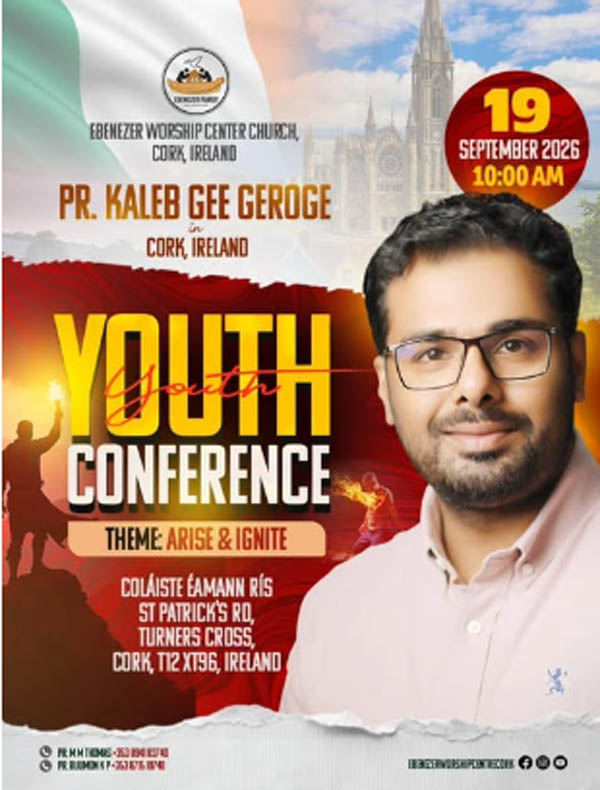
അയർലൻഡ്: ഏകദിന യുവജന ക്യാമ്പ്: കോർക്ക് ഏബേനസർ ദൈവസഭയുടെ ആഭിമുഖ്യത്തിൽ എറൈസ് & ഇഗ്നൈറ്റ്’ എന്ന വിഷയത്തെ ആസ്പതമാക്കി ഏകദിന യുവജന ക്യാമ്പ്, 2026 സെപ്റ്റംബർ 19 ശനിയാഴ്ച രാവിലെ 10:00 മുതൽ കോർക്കിലെ ഏബേനസർ ദൈവസഭ ഹാളിൽ വച്ചു നടത്തപ്പെടും.
പ്രശസ്ത ദൈവവചന പ്രാസംഗികനും ഗായകനുമായ പാസ്റ്റർ കാലെബ് ജീ ജോർജ് ക്യാമ്പിൽ മുഖ്യസന്ദേശം നൽകും. യുവാക്കളിൽ ആത്മീയ ഉണർവും ദൈവീക അനുഗ്രഹവും ലക്ഷ്യമിട്ട് ക്രമീകരിച്ചിരിക്കുന്ന ഈ ക്യാമ്പ്, ആത്മനിറവിനായുള്ള മികച്ചൊരു അവസരമായിരിക്കും
കൂടുതൽ വിവരങ്ങൾക്കും സൗജന്യ രജിസ്ട്രേഷനും പാസ്റ്റർ എം. എം. തോമസ്, പാസ്റ്റർ കെ. പി. ബിജുമോൻ എന്നിവരുമായി ബന്ധപ്പെടാവുന്നതാണ്
ഏവരുടെയും പ്രാർത്ഥനാപൂർവ്വമായ പങ്കാളിത്തം പ്രതീക്ഷിക്കുന്നതോടൊപ്പം, എല്ലാ യൗവനക്കാരെയും പരിപാടിയിലേക്ക് സ്വാഗതം ചെയ്യുന്നതായി ഭാരവാഹികൾ അറിയിച്ചു.
Sources:cchintha.in

Very often, the truth is hiding in plain sight. That’s certainly the case with much of children’s entertainment.
The underlying message affixed to any number of movies geared toward kids seems to be some version of following one’s own heart, listening to his desires, chasing after her feelings. But that message, according to Trevin Wax, is a direct contradiction to the Gospel.
Wax, an author and visiting professor at Cedarville University, recently appeared on CBN’s “Faith in Culture,” were he eschewed such ideologies. While the world calls those ideas “common sense,” he said they are incongruous with Christianity.
“You think of these slogans that are out there, like, ‘Be true to yourself,’ ‘You do you,’ ‘Live your truth,’ ‘You are enough,’ ‘Follow your heart,’ ‘Chase your dreams,’” he said. “Sociologists call that ‘expressive individualism.’ … That’s the plot line in so many movies, even, like, good wholesome movies, in Disney movies. … It kind of passes for common sense in our day and age.”
The secular understanding of “freedom” is a far cry from true freedom as explained in Scripture, Wax said.
“It’s just so easy to define freedom in our day as a freedom from constraints, from limitations,” he explained. “[The world says] freedom is me doing whatever I want to do, when the Bible actually teaches that, ‘No, you doing just whatever you want to do, especially in our flesh, is a kind of slavery.’”
Throughout the New Testament, the Apostle Paul explains human beings will always be slaves to something — either to sin and our own desires or to a just and merciful God whose ways are higher and better than our own.
In Romans 6:16, Paul wrote, “Don’t you realize that you become the slave of whatever you choose to obey? You can be a slave to sin, which leads to death, or you can choose to obey God, which leads to righteous living” (NLT).
“True freedom is submission to God, and it’s freedom for something,” said Wax. “It’s not doing whatever we want; it’s aligning our wants with God’s will, recognizing that that’s when we’re truly freest.”
Wax is the author of the new book, “The Gospel Way Catechism for Kids,” a children’s edition of his book by the same title.
In it, he and his co-author, Thomas West, outline 50 faith-centered questions and answers for children to read, study, and talk about with their families. He explained that these catechisms should serve as conversation starters in the home.
“A catechism isn’t supposed to be everything,” he said. “It’s supposed to be something. It’s meant to give you the structure or the scaffolding that you can then come in later and begin to fill in.”
While the world teaches a “meditation” that empties the mind of everything, Wax emphasized a godly mindfulness that calls believers to fill their minds with the commands and promises of Scripture.
“We’ve got to distinguish the Christian understanding of prayer from just mindfulness routines or just Eastern meditation that leads us to sort of empty our minds,” he explained. “[B]iblical meditation … is a filling of the mind with Scripture and God’s Word.”
Sources:faithwire



MTV Star Leaves Gay Lifestyle After Encounter With Jesus
Davis Mallory was once an MTV star who lived an openly gay lifestyle while simultaneously adhering to what he called...
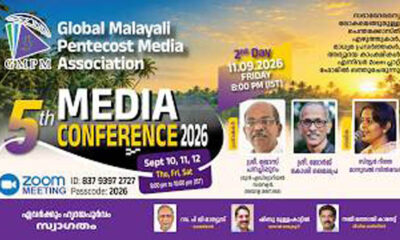

അഞ്ചാമത് പെന്തക്കോസ്ത് മീഡിയ കോൺഫ്രൻസിന് അനുഗ്രഹീത സമാപനം.
കോട്ടയം : സത്യസന്ധതയും സമഗ്രതയുമാണ് ഒരു യഥാർത്ഥ മാധ്യമ പ്രവർത്തകൻ്റെ അടിസ്ഥാന ഗുണമെന്ന് മുൻ ചീഫ് സെക്രട്ടറിയും ഗ്രന്ഥകാരനുമായ ഡോ. ജിജി തോംസൺ ഐ എഎസ് പ്രസ്താവിച്ചു.ലോകമെങ്ങുമുള്ള...


ഇന്ത്യൻ ക്രിസ്റ്റ്യൻ ഡേ സമ്മേളനം സെപ്റ്റംബർ 19 വൈകിട്ട് 5 മണിക്ക് ഇർവിംഗ് സിറ്റിയിൽ
ഡാളസ് : ഇന്ത്യൻ ക്രിസ്റ്റ്യൻ ഡേ സമ്മേളനം ഇർവിംഗ് സിറ്റിയിൽ സെപ്റ്റംബർ19 ശനിയാഴ്വ വൈകുന്നേരം 5 മണിക്ക് ബെഥനി ഫുൾ ഗോസ്പൽ അസംബ്ളി ഹാളിലാണ് ആരംഭിയ്ക്കുന്നത്. സമ്മേളനത്തിൽ...


ഐപിസി വെമ്പായം സെൻ്റർ സണ്ടേസ്കൂൾ താലന്തു പരിശോധന സെപ്റ്റംബർ. 21-തിങ്കളാഴ്ച രാവിലെ 9 ന്
തിരുവനന്തപുരം: ഐപിസി വെമ്പായം സെൻ്റർ സൺഡേസ്കൂൾ അസോസിയേഷന്റെ ആഭിമുഖ്യത്തിൽ നടത്തുന്ന ഈ വർഷത്തെ താലന്തു പരിശോധന സെപ്റ്റംബർ. 21 തിങ്കളാഴ്ച രാവിലെ 9 മണി മുതൽ നാലാഞ്ചിറ...

കോർക്ക് ഏബേനസർ ദൈവസഭയിൽ സെപ്റ്റംബർ 19 ശനിയാഴ്ച ഏകദിന യുവജന ക്യാമ്പ്
അയർലൻഡ്: ഏകദിന യുവജന ക്യാമ്പ്: കോർക്ക് ഏബേനസർ ദൈവസഭയുടെ ആഭിമുഖ്യത്തിൽ എറൈസ് & ഇഗ്നൈറ്റ്’ എന്ന വിഷയത്തെ ആസ്പതമാക്കി ഏകദിന യുവജന ക്യാമ്പ്, 2026 സെപ്റ്റംബർ 19...


Theologian Uncovers Dangerous ‘Common Sense’ Hidden in Kids’ Movies Today
Very often, the truth is hiding in plain sight. That’s certainly the case with much of children’s entertainment. The underlying...
-

 Movie12 months ago
Forrest Frank Posts Blunt Response After Losing 30,000 Followers Over Charlie Kirk Post
-

 Sports12 months ago
‘Nothing Short of Revival’: Athletes at University of Pittsburgh Draw 600 with Gospel Outreach
-
 Movie11 months ago
Forrest Frank Says He Will No Longer Participate in Awards Shows, Shares ‘Conviction’ Behind Why
-

 us news12 months ago
‘Nothing Short of a Move of God’: Nearly 5,000 Decisions for Christ at Recent ‘Life Surge’ Events
-

 Movie12 months ago
‘Malcolm in the Middle’ Star Frankie Muniz Declares He’s ‘Proud’ to ‘Live for Jesus’
-
 us news4 months ago
‘America Is Hungry’: Hundreds Born Again and Baptized as Jesus Tent Revival Sweeps the Nation
-

 Movie10 months ago
CBN’s Superbook Launches New Free Bible App for Kids: ‘The Power of God Is Released’
-

 world news11 months ago
Nigerian Pastor Killed in Kwara State After Ransom Payments Made