
National
Indian Court Rules on Caste System Case


The Allahabad High Court (AHC) in the North Indian state of Uttar Pradesh ruled on Feb. 10 that caste, determined by birth, remains unchanged despite religious conversion or inter-caste marriage.
This ruling was delivered by the AHC while hearing a criminal case involving an assault against a woman under the Scheduled Castes and Scheduled Tribes (Prevention of Atrocities) Act. The woman belonged to the Scheduled Caste, but her husband was part of a non-Scheduled Caste.
This ruling is also expected to be of paramount significance for millions of Indian Christians who belong to the Scheduled Castes (SC), Scheduled Tribes (ST), and Other Backward Castes (OBC) categories in the coming days.
All Indians are grouped according to their caste – a rigid system of social stratification where a person’s social status, occupation, and marriage prospects are determined by their birth into a hereditary group, with little to no social mobility.
These groups are ranked hierarchically, with strict rules of engagement between them, and are linked to occupations and customs.
This caste system plays an important role in virtually all spheres of life. The membership is fixed at birth and passed down through generations. Most marriages typically occur within the same caste.
Governed by customs, with restrictions on social mixing, the castes are arranged in a ranked order, defining status and power. The caste defines specific jobs they can take up.
The woman in the recent court case filed a criminal complaint against nine men, alleging that she was assaulted and abused and that the assailants used caste-like slurs against her during the altercation. She also alleged that she and two others were injured in the assault.
Challenging the summoning order by a special court, the defendants argued that while the victim originally belonged to the SC/ST community by birth, she lost her caste status after she married a man belonging to the Jat community (non-SC caste).
The Scheduled Castes (SC) and Scheduled Tribes (ST) are officially designated, socio-economically disadvantaged groups in India, identified under Articles 341 and 342 of the Constitution for affirmative action, including educational and job reservations. SCs (Dalits) were historically marginalised by untouchability, while STs (Adivasis) are indigenous communities with distinct cultures often residing in remote areas.
In addition to providing reservations for these communities, a special law has been enacted to protect them. The Scheduled Castes and Scheduled Tribes (Prevention of Atrocities) Act, 1989, prohibits offenses against these communities and provides for special courts to try such offenses.
In July 2022, the Special Judge, SC/ST Act, Aligarh, summoned the accused to face trial for offenses under Sections 323, 506, 452, and 354 of the Indian Penal Code and Section 3(1)(R) of the SC/ST Act.
On Feb. 10, Justice Anil Kumar of the AHC dismissed a criminal appeal filed by the accused challenging the order passed by the special judge.
This ruling contrasts with other Indian courts that have consistently maintained that the reservation or protection is not for those who have left Hinduism and become Christians.
The same AHC, last year, directed the state’s district magistrates to identify those who have converted yet continue to reap the benefits of SC status, deeming it a “fraud on the Constitution.” This matter was also reported by ICC.
Editorials in right-wing media, which are supportive of the Hindu nationalism narrative, have castigated the February ruling of the AHC, saying the judgment could introduce new challenges for a developing India and carry extensive outcomes, particularly in relation to the Hindu SC/ST community.
One editorialist said, “This situation (based on the AHC ruling) will also be exploited by the vested interest groups, and several will jump ship to switch religious allegiances as per convenience, thus defeating the whole purpose of the law.”
Sources:persecution





National
ഐ.പി.സി. നേര്യമംഗലം സെന്റർ യുവജന ക്യാമ്പ് പെരുമ്പാവൂർ കീഴില്ലത്ത് വച്ച് ഞാറാഴ്ച 6 pm ന് ഉദ്ഘാടനം നടത്തപ്പെടുന്നു

IPC നേര്യമംഗലം സെന്റർ PYPA യുടെ ആഭിമുഖ്യത്തിൽ ഞാറാഴ്ച 6 pm ന് കീഴില്ലം ഇവാഞ്ചലിക്കൽ റീ ട്രീറ്റ് സെന്ററിൽ വച്ച് സെന്റർ ക്യാമ്പ് സെന്റർ പാസ്റ്റർ: സണ്ണി മാത്യൂ ഉദ്ഘാടനം ചെയ്യുന്നു: PYPA സെന്റർ പ്രസിഡന്റ് പാസ്റ്റർ: ഫ്രീ ജോ ഫ്രാൻസിസ് ആദ്ധ്യക്ഷത വഹിക്കും.
തുടർന്ന് 24, 25 തീയതികളിൽ പാസ്റ്റേഴ്സ്: ഉമ്മൻ പി ക്ലമെന്റ് സൺ, ബിനു വടശ്ശേരി ക്കര, മാത്യൂ വർഗ്ഗീസ്, ഇവ: പി.സി. ജെ ബു, ഷാർലെറ്റ് പി. മാത്യൂ തുടങ്ങിയവർ വിവിധ സെക്ഷനുകളിൽ ക്ലാസ്സ് എടുക്കുന്നു.ഗാനശുശ്രൂഷകൾക്ക് നേതൃത്വം നൾക്കുന്നത് പാസ്റ്റർ സോജൻ സി.എസ്, ജീസൺ ജോർജ്ജ് എന്നീവരാണ്.
സമയം വിണ്ടെടുക്കുക (Redeem the time) എന്നതാണ് ചിന്താവിഷയം.
ഇവാ: ജെയ്സൺ സാബു (സെക്രട്ടറി), ജോബ് പി. ഏലിയാസ് (ട്രഷറാർ ) ബിബിൻ ബി ജ്ജു (പബ്ളിസിറ്റി ) തുടങ്ങിയവരുടെ നേതൃത്വത്തിൽ വിവിധ കമ്മറ്റികൾ പ്രവർത്തിച്ചു വരുന്നു.
25 ന് 1 pm ന് നടത്തപ്പെടുന്ന സമാപന സമ്മേളനത്തിൽ ഐ.പി.സി കേരളാ സ്റ്റേറ്റ് കൗൺസിൽ അംഗങ്ങൾ, സെന്റർ എക്സിക്യൂട്ടിവുകൾ തുടങ്ങിയവർ പങ്കെടുക്കും സെന്ററിലെ 21 സഭകളും പ്രവർത്തന മണ്ഡലങ്ങളും ഏറണാകുളം, ഇടുക്കി ജില്ലകളിലായി സ്ഥിതിചെയ്യുന്നു.
Sources:cchintha.in

ആരോമലായി അരോമ, പുന്നമടയിൽ പുതിയ താരോദയം! കന്നിയങ്കത്തിൽ ഫോട്ടോ ഫിനിഷിൽ നെഹ്റു ട്രോഫിയിൽ മുത്തമിട്ടു.
72-ാമത് നെഹ്റു ട്രോഫി ജലമേളയിൽ അരോമ ചുണ്ടൻ ജേതാക്കളായി. പുന്നമടക്കായലിൽ നടന്ന വാശിയേറിയ ഫൈനൽ പോരാട്ടത്തിൽ ഫോട്ടോ ഫിനിഷിലാണ് അരോമ ബോട്ട് ക്ലബ്ബ് തുഴഞ്ഞ അരോമ ചുണ്ടൻ കന്നി കിരീടം ചൂടിയത്. 4 മിനിറ്റ് 23.328 സെക്കൻഡിൽ ഫിനിഷ് ചെയ്താണ് അരോമ ജലരാജാക്കന്മാരായത്. 4.23.44 സമയത്തിൽ ഫിനിഷ് ചെയ്ത നടുഭാഗം ചുണ്ടൻ രണ്ടാം സ്ഥാനവും, വീയപുരം, മേൽപ്പാടം ചുണ്ടനുകൾ യഥാക്രമം മൂന്നും നാലും സ്ഥാനങ്ങളും നേടി. ചമ്പക്കുളം മൂലം വള്ളംകളിയിലെ വിജയത്തിന് പിന്നാലെയാണ് സ്വന്തം ക്ലബ്ബിന്റെയും ചുണ്ടന്റെയും കന്നി സീസണിൽ തന്നെ അരോമ നെഹ്റു ട്രോഫിയും സ്വന്തമാക്കുന്നത്.
ഉച്ചയോടെ മുഖ്യമന്ത്രി വി.ഡി. സതീശൻ ജലമേള ഉദ്ഘാടനം ചെയ്തു. കർണാടക മുഖ്യമന്ത്രി ഡി.കെ. ശിവകുമാർ, കേന്ദ്രമന്ത്രി ഗജേന്ദ്ര സിംഗ് ഷെഖാവത്ത്, രമേശ് ചെന്നിത്തല, കെ.സി. വേണുഗോപാൽ എം.പി. തുടങ്ങിയ പ്രമുഖർ ചടങ്ങിൽ പങ്കെടുത്തു. മന്ത്രി പി.സി. വിഷ്ണുനാഥാണ് ചടങ്ങിൽ പതാക ഉയർത്തിയത്.
http://theendtimeradio.com
In Keralam, Aroma Chundan has won the 72nd Nehru Trophy Boat Race in a nail-biting finish at Punnamada Lake in Alappuzha. In one of the closest contests in the history of the legendary water festival, Aromal Chundan crossed the finish line in 4 minutes, 23 seconds, and 328 milliseconds to secure the coveted trophy.
Nadubhagom Chundan finished a close second with a time of 4 minutes, 23 seconds, and 448 milliseconds, while Veeyapuram Chundan took third place, clocking in at 4 minutes, 23 seconds, and 770 milliseconds.
The high-octane race was the highlight of a grand event that featured 71 boats, including 22 traditional snake boats, competing across various categories. Thousands of spectators, including race enthusiasts and foreign tourists, gathered along the backwaters to witness Keralam’s iconic sporting and cultural spectacle, for which a local holiday was declared across government offices and educational institutions in Alappuzha district.
http://theendtimeradio.com
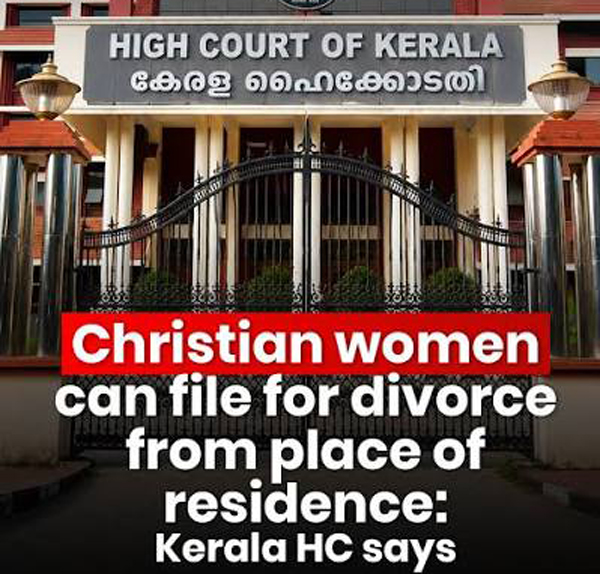
Church leaders have welcomed a ruling by a provincial top court in southern India allowing a Christian woman to seek dissolution of her marriage in a family court where she currently resides after moving out of her matrimonial home.
The Kerala High Court’s Aug. 19 ruling came on an appeal filed by a Christian woman seeking legal separation from her husband due to domestic violence.
The woman, who resides at her parental home in Kerala state’s Wayanad district, had challenged a family court order directing her to file her application in Kasargod district, where her estranged husband and his family live.
Global Catholic
The British-era Indian Divorce Act of 1869, which governs judicial separation and marriage dissolution, among other things, for Christians in India, makes it mandatory for women to approach a family court in the place where “the marriage was solemnized, or the husband and wife reside or last resided together.”
In her appeal to the High Court, the Christian woman argued that this restriction resulted “in serious prejudice to Christian women who intend to file for divorce.”
The woman had earlier challenged the family court order before a single bench of the Kerala High Court on the grounds that she was not in a position “to travel long distances, in protracted litigations in a hostile jurisdiction.”
She pointed out that women were allowed to approach family courts where they resided under the Hindu Marriage Act, 1955, as well as the Special Marriage Act, 1954, which enables marriages between individuals of any religion, caste, or nationality, but not under the law governing Christian marriages.
The single-judge bench, in a June 30 ruling, agreed with her contentions but refused to grant her relief, holding that amending the law was the only solution and leaving it to the Indian Parliament to decide.
The judge, however, directed that the order be sent to the federal government, recommending it to amend the 1869 law.
The High Court’s division bench of Justices A K Jayasankaran Nambiar and Preeta A K, whom she approached later, allowed her appeal.
It ruled that she could file her application before a family court “having jurisdiction over the place where she is currently residing, even if that place is different from where the marriage was solemnized or where the couple last lived together.”
Church leaders hailed this Aug. 19 ruling as a “landmark decision” based on “a wise interpretation of a contentious clause.”
Father Ebigin Arackal, secretary to the Commission for Canon Law of the Kerala Region Latin Catholic Bishops’ Council, said, “We are glad that the top court, through its wise interpretation of a contentious clause, has ended decades-old discrimination against Christian women.”
Aleykutty P T, a lawyer in Kerala’s Idukki district, said Christian women were often forced to travel to places where their husbands were based, which made them insecure and sometimes even posed a threat to their lives.
“Now with this order, they can obviously choose a place where it’s safer and they get support,” she told UCA News on Aug. 20.
Govind Yadav, a lawyer at the Supreme Court in New Delhi, said this order for Kerala can become a precedent for other states to follow.
“But as long as the federal government fails to amend the colonial-era law, this discrimination against Christian women will continue,” he added.
Christians make up 2.3 percent of India’s more than 1.4 billion people; about 80 percent of whom are Hindus.
Sources:ucanews



ഐ.പി.സി. നേര്യമംഗലം സെന്റർ യുവജന ക്യാമ്പ് പെരുമ്പാവൂർ കീഴില്ലത്ത് വച്ച് ഞാറാഴ്ച 6 pm ന് ഉദ്ഘാടനം നടത്തപ്പെടുന്നു
IPC നേര്യമംഗലം സെന്റർ PYPA യുടെ ആഭിമുഖ്യത്തിൽ ഞാറാഴ്ച 6 pm ന് കീഴില്ലം ഇവാഞ്ചലിക്കൽ റീ ട്രീറ്റ് സെന്ററിൽ വച്ച് സെന്റർ ക്യാമ്പ് സെന്റർ പാസ്റ്റർ:...


72-ാമത് നെഹ്റു ട്രോഫി ജലമേളയിൽ അരോമ ചുണ്ടൻ ജേതാക്കളായി.
ആരോമലായി അരോമ, പുന്നമടയിൽ പുതിയ താരോദയം! കന്നിയങ്കത്തിൽ ഫോട്ടോ ഫിനിഷിൽ നെഹ്റു ട്രോഫിയിൽ മുത്തമിട്ടു. 72-ാമത് നെഹ്റു ട്രോഫി ജലമേളയിൽ അരോമ ചുണ്ടൻ ജേതാക്കളായി. പുന്നമടക്കായലിൽ നടന്ന...


ഹൂസ്റ്റണില് എച്ച്.പി.എഫ് ഹിന്ദി കണ്വന്ഷനും സംഗീത സായാഹ്നവും ഓഗസ്റ്റ് 28, 29 തീയതികളില്
ഹൂസ്റ്റണ് : ഹൂസ്റ്റണ് പെന്തെക്കോസ്തു ഫെലോഷിപ്പിന്റെ (എച്ച്.പി.എഫ്) നേതൃത്വത്തില് ഹിന്ദി കണ്വന്ഷനും സംഗീത സായാഹ്നവും ഓഗസ്റ്റ് 28, 29 തീയതികളില് നടക്കും. വൈകിട്ട് 6.30ന് ക്രിസ്ത്യന് അസംബ്ലി...


Keith Getty says Christians must ‘sing the Bible’ in the age of AI ahead of Sing! Conference
Ten years after Keith and Kristyn Getty launched what was intended to be a one-time event celebrating a book about...


Haitian Pastor in New Jersey Fears Return to Haiti as Asylum Case Remains Pending
A Haitian pastor now living in New Jersey says he fears he will be killed if he is forced to...


Indian court says Christian woman can file for divorce where she lives
Church leaders have welcomed a ruling by a provincial top court in southern India allowing a Christian woman to seek...
-

 us news11 months ago
San Diego pastor fatally shot in his home; congregation left in disbelief
-

 Movie12 months ago
‘Light of the World’: Animated Movie About Jesus Hits Theaters Sept. 5
-

 us news11 months ago
Erika Kirk vows to carry on Charlie’s mission: ‘The movement my husband built will not die’
-

 Movie11 months ago
Forrest Frank Posts Blunt Response After Losing 30,000 Followers Over Charlie Kirk Post
-

 us news12 months ago
Christian Comedian John Crist Gets Engaged in Nashville: ‘God’s Redemptive Plan’
-

 us news12 months ago
‘He Sat on Jesus’s Lap’: The Time God Miraculously Raised Courtney Smallbone’s Son from the Dead
-

 world news11 months ago
6 Christians Killed in Latest Fulani Militia Attack in Nigeria
-

 Travel12 months ago
പാസ്പോർട്ടോ മറ്റ് തിരിച്ചറിയൽ രേഖകളോ കാണിക്കാതെ വിമാനയാത്ര സാധ്യമാക്കുന്ന സ്മാർട്ട് കൊറിഡോർ സംവിധാനം ദുബൈയിൽ വിപുലമാക്കുന്നു