
News
Israeli official: Turkey agrees to return ancient Hebrew inscription to Jerusalem


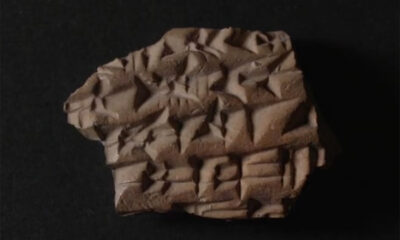
Turkey has agreed to return to Israel an ancient inscription from Jerusalem, currently housed in the Istanbul Archaeology Museum, an Israeli official told Zman Yisrael, The Times of Israel’s Hebrew sister site. It is considered one of the most important ancient Hebrew inscriptions in existence.
The gesture comes amid warming ties between Israel and Turkey and was discussed during the landmark visit of President Isaac Herzog to Ankara earlier this week, said a senior official in the Israeli entourage.
Israel has long sought the return of the so-called Siloam Inscription, a 2,700-year-old ancient Hebrew text that provides concrete historical support for the biblical account of the construction of a tunnel which brought water from the Pool of Siloam to the City of David, below the southern edge of the Temple Mount, during the reign of King Hezekiah.
The official said Israel has offered to send Turkey a valuable historical and religiously significant item currently housed in an Israeli museum, most likely an ancient candelabra from the days of Ottoman rule.
There was no immediate confirmation from Turkey.
The archeological gesture of goodwill was not raised during talks between Herzog and Turkish President Recep Tayyip Erdogan, but was ironed out by senior officials on both sides.
The six-line inscription in paleo-Hebrew found etched into the wall of the tunnel describes the excavators, working from opposite ends, calling to one another near the completion of the project. The construction of the tunnel is recounted in the biblical books of Kings and Chronicles.
The inscription reads: “… this is the story of the tunnel, while [the hewers lifted] their axes toward their counterparts, and while three cubits more were to (be hewn?), was heard the voice of a man calling to his counterpart, (for) there was [a crack?] in the rock, on the right and on the left. And on the day of [the final barrier’s] piercing, the stonecutters struck each man towards his counterpart, ax against ax and water flowed from the source to the pool for 1,200 cubits and 100 cubits was the height of the rock, over the head of the stonecutters …”
Israel has tried several times in recent years to secure the return of the inscription, most recently in 2017 when then-culture minister Miri Regev offered to trade it for two elephants for a Turkish zoo. The offer was rebuffed.
Then-president Shimon Peres asked then-Turkish president Abdullah Gül in 2007 to at least loan Israel the tablet so it could go on public display for Israel’s 70th-anniversary celebrations. Although Gül answered in the affirmative, the Turks never delivered due to diplomatic tensions over Israel’s blockade of the Gaza Strip following Hamas’s armed takeover.
Former prime minister Benjamin Netanyahu also said he offered in 1998 to trade Turkish antiquities in Israeli museums for the inscription but was turned down.
Turkey has long insisted that the inscription is sovereign Ottoman property and therefore belongs to Ankara. The Ottoman Empire ruled Jerusalem and much of the Middle East from about 1516 to 1917, when it was ousted by British forces during World War I.
As such, a shift in Ankara’s stance on the inscription would provide a strong signal that the countries are heading to warmer ties.
Herzog met Erdogan on Wednesday afternoon, shortly after landing in Ankara for a landmark 24-hour visit.
In remarks to the media, Erdogan said he believed that “this historic visit will be a turning point in relations between Turkey and Israel. Strengthening relations with the State of Israel has great value for our country.”
Herzog’s trip marks the highest-level visit by an Israeli official since former prime minister Ehud Olmert made the trip in 2008, and is seen as an important step toward rekindling the two countries’ long-floundering relationship.
Turkey and Israel once were close allies, but the relationship frayed under Erdogan, who is an outspoken critic of Israel’s policies toward the Palestinians. Israel also has been angered by Erdogan’s embrace of Hamas, the terror group that controls the Gaza Strip and is committed to Israel’s destruction.
The countries withdrew their respective ambassadors in 2010 after Israeli forces stormed a Gaza-bound flotilla carrying humanitarian aid for Palestinians that broke an Israeli blockade. The incident resulted in the deaths of 10 Turkish activists.
Relations improved and then broke down again in 2018 when Turkey, angered by the US moving its embassy in Israel to Jerusalem, once more recalled its ambassador, prompting Israel to respond in kind. The two countries have not restored their ambassadors.
http://theendtimeradio.com






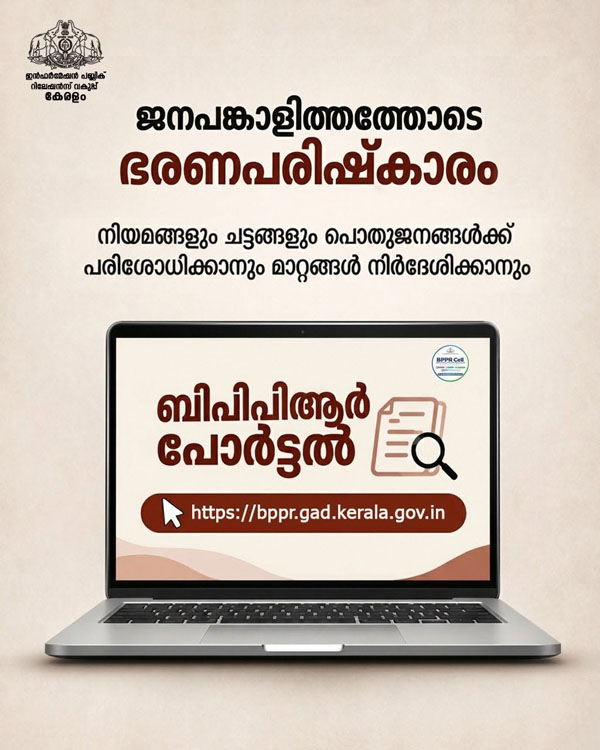
പൊതുഭരണ സംവിധാനം കുടുതൽ സുതാര്യവും കാര്യക്ഷമവും ജനസൗഹൃദവുമാക്കുക എന്ന ലക്ഷ്യത്തോടെ സംസ്ഥാന സർക്കാർ നടപ്പാക്കുന്ന ബിസിനസ് പോളിസി ആൻഡ് പ്രോസസ്സ് റീ-എഞ്ചിനീയറിംഗ് (Business Policy and Process Re-engineering -BPPR) പദ്ധതിയുടെ ഓൺലൈൻ പോർട്ടൽ പ്രവർത്തന സജ്ജമായി. പൊതുഭരണ വകുപ്പിന് കീഴിൽ രൂപീകരിച്ച ബിപിപിആർ സെല്ലിന്റെ നേതൃത്വത്തിലാണ് പദ്ധതി നടപ്പാക്കുന്നത്.
ഭരണ സംവിധാനത്തിൽ നിലവിലുള്ള നിയമങ്ങൾ, ചട്ടങ്ങൾ, സർക്കാർ ഉത്തരവുകൾ, നടപടിക്രമങ്ങൾ എന്നിവ പരിശോധിച്ച് കാലഹരണപ്പെട്ടതും അനാവശ്യമായ സങ്കീർണതകൾ സൃഷ്ടിക്കുന്നതുമായ വ്യവസ്ഥകൾ പരിഷ്കരിക്കുന്നതിനായി പൊതുജനങ്ങൾക്കും വിദഗ്ധർക്കും സ്ഥാപനങ്ങൾക്കും bppr.gad.kerala.gov.in പോർട്ടൽ വഴി അഭിപ്രായങ്ങളും നിർദേശങ്ങളും സമർപ്പിക്കാം. പൊതുജനങ്ങളിൽ നിന്ന് ലഭിക്കുന്ന നിർദേശങ്ങൾ ബിപിപിആർ സെൽ പരിശോധിച്ച് ബന്ധപ്പെട്ട ഭരണവകുപ്പുകൾക്കും വിഷയവിദഗ്ധർക്കും കൈമാറും. തുടർന്നുള്ള പരിശോധനയുടെയും നിയമപരമായ നടപടിക്രമങ്ങളുടെയും അടിസ്ഥാനത്തിൽ ആവശ്യമായ ഭേദഗതികൾക്ക് രൂപം നൽകും.
പൊതുജനങ്ങൾക്ക് പോർട്ടലിൽ (bppr.gad.kerala.gov.in) രജിസ്റ്റർ ചെയ്ത് ലോഗിൻ ചെയ്യാം. നിർദേശങ്ങൾ സമർപ്പിക്കുന്നതിന് സാധുവായ ഇ-മെയിൽ വിലാസം ഉപയോഗിച്ചുള്ള രജിസ്ട്രേഷൻ ആവശ്യമാണ്. നിയമങ്ങളുടെയും ചട്ടങ്ങളുടെയും ഡിജിറ്റൈസേഷൻ, പരിശോധന, വിശകലനം, പൊതുജനങ്ങളിൽനിന്നുള്ള നിർദേശങ്ങളുടെ ക്രോഡീകരണം തുടങ്ങിയ പ്രവർത്തനങ്ങളിൽ ആർട്ടിഫിഷ്യൽ ഇന്റലിജൻസ് ഉൾപ്പെടെയുള്ള ആധുനിക സാങ്കേതികവിദ്യകളുടെ സാധ്യതകളും പ്രയോജനപ്പെടുത്തും. ഏറ്റവും മികച്ച സ്വീകാര്യമായ ചട്ട ഭേദഗതികൾ സമർപ്പിക്കുന്നവർക്ക് സർട്ടിഫിക്കറ്റും സമ്മാനവും നൽകും.
ഭരണസംവിധാനത്തെ കൂടുതൽ കാര്യക്ഷമവും ജനസൗഹൃദവുമാക്കുന്നതിനുള്ള നിർണായക ചുവടുവയ്പ്പാണ് ബിസിനസ് പോളിസി ആൻഡ് പ്രോസസ്സ് റീ-എഞ്ചിനീയറിംഗ്. കാലഹരണപ്പെട്ട നിയമങ്ങളും അനാവശ്യ നടപടിക്രമങ്ങളും പരിഷ്കരിച്ച് സർക്കാർ സേവനങ്ങൾ കൂടുതൽ ലളിതവും വേഗമേറിയതും സുതാര്യവുമാക്കുന്നതിലൂടെ ജനങ്ങൾക്ക് മികച്ച സേവനം ലഭ്യമാകും. ജനങ്ങളുടെ ആവശ്യങ്ങൾക്കനുസൃതമായി മാറുന്ന, ഉത്തരവാദിത്തമുള്ളതും കാര്യക്ഷമവുമായ ഭരണസംസ്കാരം വളർത്തിയെടുക്കുന്നതിനും ഈ പരിഷ്കാരങ്ങൾ വഴിയൊരുക്കും.
Sources:expressherald
The Government of Kerala has constituted a Business Policy and Process Re-engineering (BPPR) Cell in the General Administration Department to drive administrative reforms, streamline government processes and improve public service delivery. The decision was notified through a recent Government Order.
The establishment of the Cell marks one of Kerala’s most comprehensive administrative reform initiatives in recent years, signalling the Government’s commitment to creating a modern, technology-enabled and citizen-focused administrative system that delivers faster, simpler and more efficient public services.
The newly established Cell will function as the Government’s dedicated institutional mechanism for reviewing and modernising decades-old laws, rules, manuals and administrative procedures governing the functioning of the Secretariat and various departments. It has been mandated to recommend reforms that will reduce procedural delays, eliminate redundant processes, improve decision-making and make government services more citizen-centric.
The BPPR Cell will be headed by a Principal Secretary or Secretary-level officer reporting through the Chief Secretary to the Chief Minister and the Council of Ministers. It will work in close coordination with all government departments while drawing on expertise from legal professionals, management consultants, academic institutions, digital governance specialists, AI experts and other domain specialists wherever required.
As part of its mandate, the Cell will undertake a comprehensive review of the Secretariat Office Manual, Rules of Business, financial procedures, public procurement systems, service rules, establishment rules, project approval mechanisms and departmental manuals.
It will identify administrative bottlenecks, remove unnecessary levels of scrutiny, simplify file movement and recommend digital workflow improvements to accelerate decision-making.
The reform initiative also envisages responsible use of emerging technologies, including Artificial Intelligence, to support governance. AI-enabled tools may be deployed for file summarisation, legal research, translation, workflow analysis, rule verification and delay tracking. However, the GO makes it clear that AI will function only as a decision-support system, with all statutory, financial, disciplinary and administrative decisions continuing to be taken exclusively by competent human authorities.
To ensure that the reform process is broad-based and participative, the Government will establish a dedicated digital portal to receive suggestions from government officials, legal experts, professional bodies, industry representatives and citizens. The Cell will also organise consultations, workshops and stakeholder interactions before finalising recommendations for administrative reforms.
Every government department will nominate a senior nodal officer to coordinate with the Cell and provide access to relevant rules, manuals, government orders and process documents. The Cell has also been authorised to engage specialised consultants and institutions through transparent procedures wherever expert assistance is required.
The BPPR Cell has been constituted initially for a period of two years and will submit periodic recommendations for reform to the Government. Its progress will be reviewed every month by the Chief Secretary, while the Chief Minister and the Council of Ministers will periodically review the implementation of the reform programme.
The Government has sanctioned an initial budget of ₹3.09 crore for the functioning of the Cell, covering infrastructure, technology, expert consulting support, stakeholder consultations, outreach and other operational requirements.
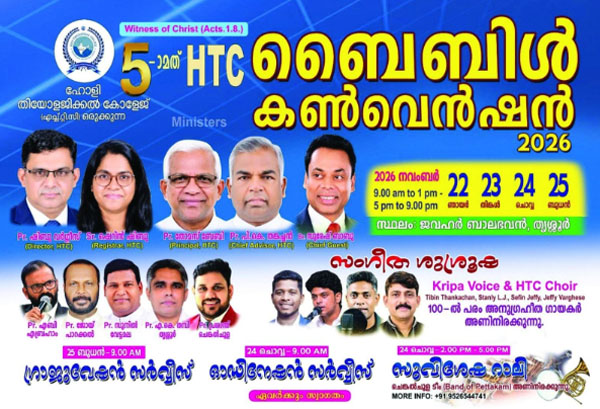
തൃശൂർ: ഹോളി തിയോളജിക്കൽ കോളേജിന്റെ (HTC) ആഭിമുഖ്യത്തിൽ അഞ്ചാമത് ബൈബിൾ കൺവെൻഷൻ, ഗ്രാജുവേഷൻ, ഓർഡിനേഷൻ സർവീസ്, സുവിശേഷ റാലി എന്നിവയ്ക്ക് നവംബർ 22 മുതൽ 25 വരെ തൃശൂരിൽ വേദിയൊരുങ്ങുന്നു. തൃശൂർ ജവഹർ ബാലഭവനിലാണ് (ടൗൺ ഹാളിന് സമീപം) നാലു ദിവസത്തെ ആത്മീയ സമ്മേളനം നടക്കുന്നത്.
നാലു ദിവസത്തെ പ്രധാന ശുശ്രുഷകൾ
നവംബർ 22 ഞായറാഴ്ച രാവിലെ 9 മണിക്ക് സംയുക്ത ആരാധനയോടെ കൺവെൻഷന് തുടക്കമാകും. നവംബർ 23 തിങ്കളാഴ്ച രാവിലെ 9 മണിക്ക് മിഷൻ സമ്മേളനം നടക്കും. നവംബർ 24 ചൊവ്വാഴ്ച രാവിലെ 9 മണിക്ക് ഓർഡിനേഷൻ സർവീസും ഉച്ചകഴിഞ്ഞ് 2 മുതൽ വൈകിട്ട് 5 വരെ സുവിശേഷ റാലിയും സംഘടിപ്പിക്കും. തൃശൂരിലെ പ്രധാന അഞ്ചു ജംഗ്ഷനുകളിൽ പരസ്യയോഗങ്ങളും ഗാനശുശ്രൂഷകളും നടത്തുന്നതിനൊപ്പം ചെണ്ടമേളത്തോടുകൂടിയ ഘോഷയാത്രയും സുവിശേഷ റാലിയുടെ ഭാഗമായി ഉണ്ടായിരിക്കും.
നവംബർ 25 ബുധനാഴ്ച രാവിലെ 9 മണിക്ക് ഗ്രാജുവേഷൻ സർവീസ് നടക്കും.
മുഖ്യ പ്രഭാഷകർ
പാസ്റ്റർ ഷിബു വർഗീസ്, സിസ്റ്റർ ഷെറിൻ ഷിബു, പാസ്റ്റർ തോമസ് ബേബി, പാസ്റ്റർ പി.കെ. തങ്കച്ചൻ, ബ്രദർ സുരേഷ് ബാബു, പാസ്റ്റർ എം.ഇ. എബ്രഹാം, പാസ്റ്റർ ജോയ് പാറയ്ക്കൽ, പാസ്റ്റർ സുനിൽ വേട്ടമല, പാസ്റ്റർ എ.കെ. തമ്പി, പാസ്റ്റർ പ്രശാന്ത് (തിരുവനന്തപുരം) എന്നിവരോടൊപ്പം മറ്റു ദൈവദാസന്മാരും ദൈവദാസിമാരും വിവിധ യോഗങ്ങളിൽ ശുശ്രൂഷിക്കും.
ഇവാഞ്ചലിസ്റ്റുകളായ ജെഫി വർഗീസ്, സ്റ്റാൻലി തിരുവന്തപുരം, റിബിൻ തങ്കച്ചൻ എന്നിവരുടെ നേതൃത്വത്തിൽ നൂറോളം ഗായികാ-ഗായകന്മാർ അണിനിരക്കുന്ന കൊയർ വോയ്സ്, HTC ക്വയർ സംഘത്തിന്റെ സംഗീത ശുശ്രൂഷയും ഉണ്ടായിരിക്കും.
**ഏവർക്കും സ്വാഗതം**
ഈ ആത്മീയ സമ്മേളനത്തിലേക്ക് സഭാ നേതാക്കളെയും ദൈവദാസന്മാരെയും കുടുംബങ്ങളെയും വിശ്വാസികളെയും എല്ലാ അഭ്യുദയകാംക്ഷികളെയും സംഘാടകർ സ്നേഹപൂർവം ക്ഷണിക്കുന്നു.
പാസ്റ്റർ ഷിബു വർഗീസ് – HTC – ഡയറക്ടർ,
പാസ്റ്റർ തോമസ് ബേബി – HTC – പ്രിൻസിപ്പൽ,
പാസ്റ്റർ കുഞ്ചുമോൻ എബ്രഹാം – HTC – കേരള കോർഡിനേറ്റർ,
ബന്ധപ്പെടുക: 9526544741
Sources:cchintha.in
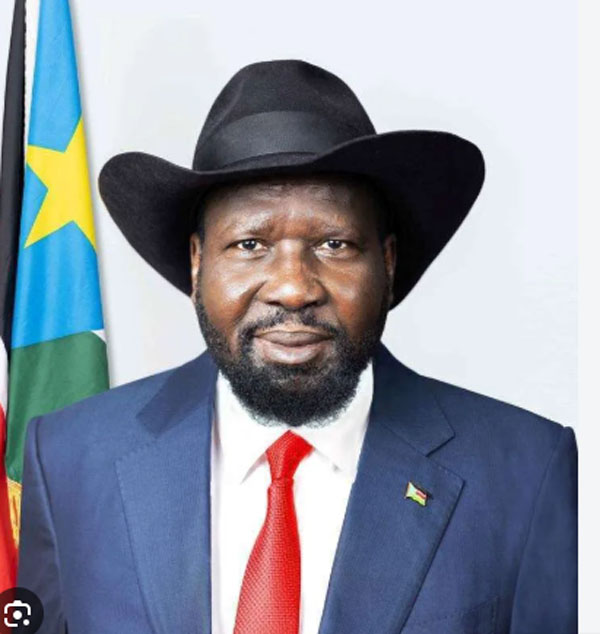
South Sudan — After being born out of decades of war, South Sudan is a nation still fighting for peace and stability.
For millions of people in the world’s youngest nation, faith is more than a Sunday ritual. In a struggling country, it is a source of hope.
For President Salva Kiir, faith is deeply personal.
As a regular at Sunday Mass, Kiir sits through services that last more than three hours.
On a recent Sunday afternoon in Juba, CBN News had an extraordinary opportunity to meet the president at his private residence.
Kiir sent a presidential police motorcade to escort CBN News through the streets of Juba.
Riding along the convoy offered a glimpse of a capital still finding its way nearly fifteen years after independence.
At his home, Kiir sat down with CBN News to talk about God, the fight for independence and the enormous responsibility of leading a country still struggling to find its footing.
Asked why he loves going to church, Kiir told us, “Because I’m a Christian and there is nothing I can do on Sunday besides going to church and pray.”
To understand this president, you must understand the country he fought to create.
For decades, the people of what is now South Sudan endured a brutal conflict with the government in Khartoum. At the heart of that struggle were deep political, cultural and religious divisions.
“We tried to convince our brothers in the north by talking but they could not understand us. So we took arms and went to the bush to fight them,” Kiir said.
As a predominantly Muslim country, Sudan pursued policies that many in the south saw as an attempt to force them to abandon their Christian faith and submit to strict Islamic law.
“We did not want to separate, but they got stuck on religion, the Islamic religion, that all of us must be Muslims and that the country to be ruled by Sharia law,” Kiir insisted.
Those in the south feared their identity, religious freedom, and way of life were under threat.
“We wanted just equality,” Kiir said.
After decades of war and enormous sacrifice, South Sudan finally won its independence in 2011.
While that moment brought extraordinary hope and optimism, the hard work of building a nation was only beginning. And independence did not bring an end to the country’s suffering.
While faith and the church continue to play a very pivotal role in the lives of millions of South Sudanese, the country faces profound challenges.
Years of conflict have left deep scars.
And despite signs of economic activity, South Sudan continues to face enormous humanitarian challenges.
Conflict, displacement, and hunger have left many depending on assistance.
In October, dozens of people died in a wave of revenge attacks involving different ethnic groups, a problem plaguing the country for years.
Clashes over territory and resources also continue to fuel instability.
Kiir is calling for an end to the violence.
“Let us stop the revenge killing; let us stop anything to do with fighting among South Sudanese,” he told CBN News.
For Kiir’s eldest daughter, Adut Salva Kiir, her father’s faith has also been a part of her life for as long as she can remember.
“One of the first things he taught us is that when we travel we have to find cathedral and pray,” she said.
She grew up watching him pray. Long before she understood the demands of leading a nation, she saw her father turn to God for guidance.
“After we grew up we understood that part of our liberation struggle was rooted as well in Christianity,” she said.
Today, Adut serves as Senior Presidential Envoy for Special Programs. She says the church’s role in South Sudan goes far beyond worship.
Across communities affected by conflict, famine and economic hardship, churches have often provided assistance and a sense of community.
“One of the things that the church provides for us is not just refuge, but it gives them dignity,” Adut said.
For young people in South Sudan, the hope for peace extends beyond simply ending conflict.
“Peace should not be just for one day only. Peace should be in our class, in our society, and in our country every day,” said Bikoyesu Samuel Justin, a student.
But the challenges go far beyond what faith and the church alone can solve.
South Sudan is preparing for presidential elections in December, which would be the first since independence in 2011.
Kiir is urging people to vote and take part in shaping their country’s future. And he believes moving forward means letting go of grievances that have kept people divided.
“Let us abandon all the grievances, something wrong that has been done to you, let it go,” Kiir said.
Asked, “Forgive them?” Kiir responded:
“Forgive them.”
After decades of war and years of struggle since independence, the stakes are enormous.
For millions of South Sudanese, the hope is that the country they fought so hard to create can finally deliver what they have waited so long for: peace, stability and a better future for their children.
Sources:CBN News

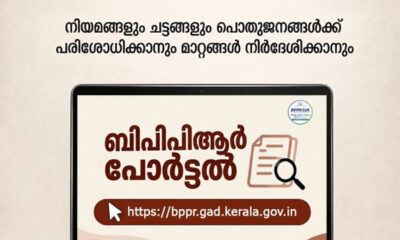

സർക്കാർ നിയമങ്ങളിലും ചട്ടങ്ങളിലും പൊതുജനങ്ങൾക്ക് ഭേദഗതി നിർദേശിക്കാൻ ബിപിപിആർ പോർട്ടൽ
പൊതുഭരണ സംവിധാനം കുടുതൽ സുതാര്യവും കാര്യക്ഷമവും ജനസൗഹൃദവുമാക്കുക എന്ന ലക്ഷ്യത്തോടെ സംസ്ഥാന സർക്കാർ നടപ്പാക്കുന്ന ബിസിനസ് പോളിസി ആൻഡ് പ്രോസസ്സ് റീ-എഞ്ചിനീയറിംഗ് (Business Policy and Process...
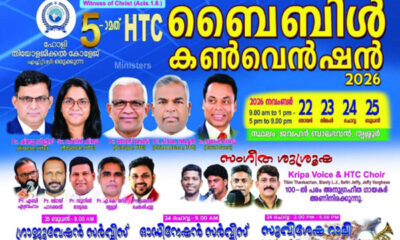

HTC അഞ്ചാമത് ബൈബിൾ കൺവെൻഷൻ നവംബർ 22 മുതൽ 25 വരെ
തൃശൂർ: ഹോളി തിയോളജിക്കൽ കോളേജിന്റെ (HTC) ആഭിമുഖ്യത്തിൽ അഞ്ചാമത് ബൈബിൾ കൺവെൻഷൻ, ഗ്രാജുവേഷൻ, ഓർഡിനേഷൻ സർവീസ്, സുവിശേഷ റാലി എന്നിവയ്ക്ക് നവംബർ 22 മുതൽ 25 വരെ...


മുസ്ലിം ജനസംഖ്യ വർധിക്കുന്നു; കൂടുതൽ കുട്ടികൾക്ക് ജന്മം നൽകണമെന്ന് ക്രൈസ്തവരോട് കരോലിൻ ലെവിറ്റ്
മുസ്ലിം ജനസംഖ്യയിലെ വർധന ചൂണ്ടിക്കാട്ടി ക്രൈസ്തവരോട് കൂടുതൽ കുട്ടികൾക്ക് ജന്മം നൽകാൻ ആഹ്വാനം ചെയ്ത് വൈറ്റ് ഹൗസ് മുൻ പ്രസ് സെക്രട്ടറി കരോലിൻ ലെവിറ്റ്. വിവാഹം കഴിച്ച്...

‘People Are Burning Churches, Priests Are Being Murdered’: France Plagued by Anti-Christian Violence
PARIS – In France, political protesters took to the streets for the fifth weekend in a row. This country, which...


‘Completely Unscorched!’: Kathy Ireland Praises God After Husband’s Miracle Survival, Reveals Bible Survived Fire
Former supermodel and businesswoman Kathy Ireland is praising God for her husband Greg’s survival after the engine of his commercial...

‘God Is Good’: 11-Month-Old Baby Found in Miraculous Rescue After Being Buried Alive
For nearly 24 hours, an 11-month-old baby lay buried beneath the dirt in the South Carolina woods. Alone, helpless and...
-

 us news3 weeks ago
Millions Encouraged to Open Their Bibles for Global Bible Month
-

 us news5 months ago
Mike Winger deletes YouVersion app over ‘The Passion Translation’ controversy, urges others to ‘use caution’
-

 us news6 months ago
‘America Is Hungry’: Hundreds Born Again and Baptized as Jesus Tent Revival Sweeps the Nation
-

 Movie9 months ago
Hollywood Actor Jen Lilley Launching New Ministry After ‘Vision’ From Holy Spirit
-
 world news12 months ago
പാകിസ്ഥാനിൽ പാസ്റ്റർ കമ്രാൻ മൈക്കിൾ തന്റെ മകളുടെ മുന്നിൽ വെച്ച് ക്രൂരമായി കൊല്ലപ്പെട്ടു.
-

 Travel10 months ago
കേരളത്തിൽ നിന്ന് ഭൂട്ടാനിലേക്ക് എങ്ങനെ ട്രെയിനിൽ പോകാം; വിസ വേണ്ട, വോട്ടർ ഐഡി മതി; ടിക്കറ്റ് നിരക്കും വഴികളും
-

 Movie8 months ago
Worship Leader Brooke Ligertwood Shares Stunning Testimony of Answered Prayer From Ukraine
-

 Movie3 months ago
Keith Getty says Christians must ‘sing the Bible’ in the age of AI ahead of Sing! Conference