
Business
Johnson & Johnson stops selling of popular baby powder in US & Canada

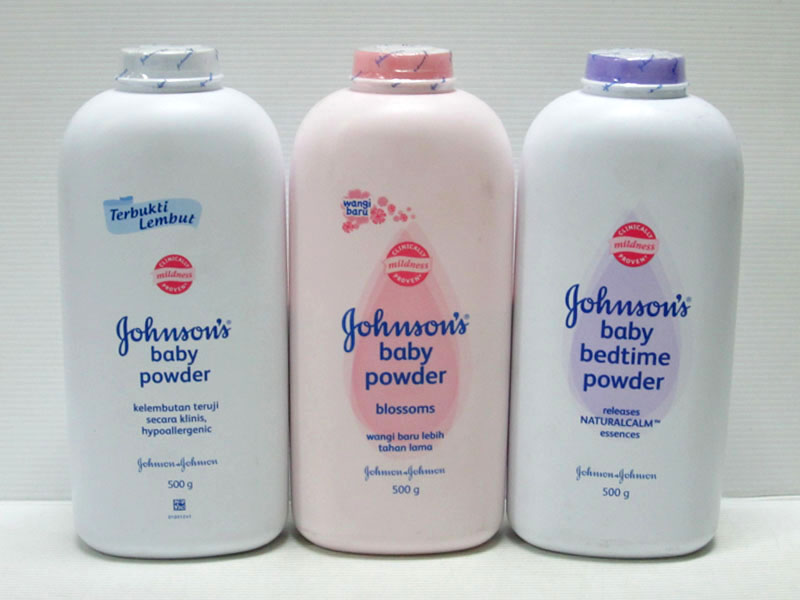
Johnson & Johnson is ending sales of its iconic talc-based Johnson’s baby powder in the US and Canada, where demand has dwindled amid thousands of lawsuits claiming it has caused cancer. They said that healthcare products and the talc-based powder will still be sold outside the US and Canada.
“Demand for talc-based Johnson’s Baby Powder in North America has been declining due in large part to changes in consumer habits and fueled by misinformation around the safety of the product and a constant barrage of litigation advertising,” the company said.
J&J faces about 19,400 cases alleging its talcum powder caused users to develop ovarian cancer, through use for feminine hygiene, or mesothelioma, a cancer that strikes the lungs and other organs.Of the cases that have been tried, J&J has had 12 wins, 15 losses and seven mistrials. All of the losses have either been overturned on appeal or are still being appealed.
Johnson & Johnson on Tuesday announced it would stop selling its talc Baby Powder in the United States and Canada, saying demand had dropped in the wake of what it called “misinformation” about the product’s safety amid a barrage of legal challenges.
“I wish my mother could be here to see this day,” said Crystal Deckard, whose mother Darlene Coker alleged Baby Powder caused her mesothelioma. She dropped the suit filed in 1999 after losing her fight to compel J&J to divulge internal records. Coker died of mesothelioma in 2009.
In its statement, J&J said it “remains steadfastly confident in the safety of talc-based Johnson’s Baby Powder,” citing “decades of scientific studies.”
J&J has faced intense scrutiny of the safety of its baby powder following an investigative report by Reuters in 2018 that found the company knew for decades that asbestos lurked in its talc.
Internal company records, trial testimony and other evidence show that from at least 1971 to the early 2000s, the company’s raw talc and finished powders sometimes tested positive for small amounts of asbestos.
The Reuters article prompted a stock selloff that erased about $40 billion from J&J’s market value in one day and created a public relations crisis as the blue-chip healthcare conglomerate faced widespread questions about the possible health effects of one of its most iconic products.
J&J has also been the target of a federal criminal investigation into how forthright it has been about its talc products’ safety, an investigation by 41 states into its baby powder sales, which it disclosed in April, and an investigation into health risks of asbestos in talc-containing consumer products by a Congressional subcommittee.
U.S. Representative Raja Krishnamoorthi, who led the Congressional inquiry, described J&J’s decision to stop selling talc baby powder as “a major victory for public health”, adding: “My Subcommittee’s 14-month investigation revealed that Johnson & Johnson knew for decades that its product contains asbestos.”
In response to evidence of asbestos contamination presented in media reports, in the court room and on Capitol Hill, J&J has repeatedly said its talc products are safe, and do not cause cancer.
Apart from the baby powder controversy, the company revered by millions of consumers and one of the most trusted brands in America, more recently has faced a series of legal and reputational challenges.
J&J has said it has been named as a defendant, along with other drugmakers, in more than 2,900 lawsuits alleging the companies improperly promoted addictive opioids.
In August, an Oklahoma judge rendered the first verdict in that litigation, ordering J&J to pay $572.1 million to the state for its part in fueling an opioid epidemic by deceptively marketing addictive painkillers.
J&J is appealing the Oklahoma judge’s ruling and has denied it caused the opioid crisis.
Johnson & Johnson on Tuesday said it had stopped shipping talc baby powder when the COVID-19 crisis led to limits on shopping and manufacturing, and that now it would wind down North American sales.
“Demand for talc-based Johnson’s Baby Powder in North America has been declining due in large part to changes in consumer habits and fueled by misinformation around the safety of the product and a constant barrage of litigation advertising,” it said in a statement.
Sold continuously since 1894, Johnson’s Baby Powder now accounts for only about 0.5% of its U.S. consumer health business, the company said. But it remains a symbol of the company’s family-friendly image.
An internal J&J marketing presentation from 1999 refers to the baby products division, with Baby Powder at the core, as J&J’s “#1 Asset,” grounded in “deep, personal trust” and a 2003 internal memo described it as a “sacred cow,” Reuters reported.
Christie Nordhielm, a professor of marketing at Georgetown, said it appears J&J made its decision to withdraw from the market while consumers are preoccupied with the pandemic. “It’s a nice time to quietly do it,” she said, adding “it will minimize the reputational hit.”
Shares of J&J were unchanged in after-hours trading following the disclosure.
“We will continue to vigorously defend the product, its safety, and the unfounded allegations against it and the Company in the courtroom,” Johnson & Johnson said. “All verdicts against the company that have been through the appeals proces have been overturned.”
Krystal Kim, one of 22 women with ovarian cancer whose case in St. Louis resulted in a 2018 jury verdict of $4.69 billion against J&J, said the decision was “a step in the right direction.” J&J has appealed that verdict.
Nevertheless, J&J’s legal challenges likely will continue, some lawyers said.
In April, a New Jersey judge ruled that thousands of plaintiffs who allege J&J’s talc products caused cancer can go forward with their claims, but face limits on what expert testimony would be allowed in trials.
“Just taking it off the shelf today doesn’t end the litigation by a long shot,” said Loyola Law Professor Adam Zimmerman.
Asbestos is known to cause cancer that emerges decades after exposure. Cases involving asbestos-containing products removed from the marketplace long ago “continue to be litigated very actively to this day,” Zimmerman said.
Many of the lawsuits allege Baby Powder caused plaintiffs’ mesothelioma, an incurable cancer of the lining of the lungs and other organs commonly caused by asbestos.
“Just as J&J vows to continue fighting vigorously in the courts, we look forward to meeting them there as we continue to pursue justice for our clients,” said Chris Placitella, one of the lead lawyers representing plaintiffs in the cases consolidated in a New Jersey federal court.
J&J said it will continue to sell cornstarch-based baby powder in North America, and will sell both its talc and cornstarch-based products in other markets around the world.






Business
90’s കിഡ്സിന്റെ നൊസ്റ്റാൾജിയ ‘ഓര്ക്കുട്ട്’ തിരികെയെത്തുന്നു; ഇന്റര്നെറ്റ് ഉപയോക്താക്കളുടെ പിന്തുണ തേടി സ്ഥാപകന്
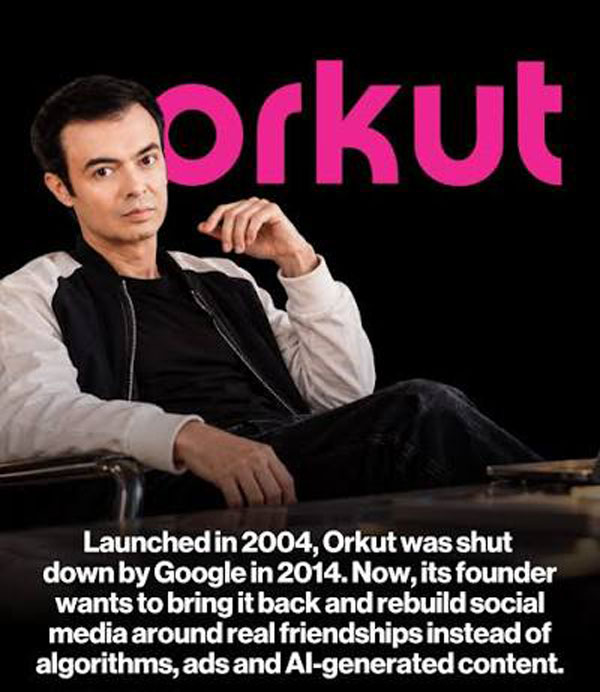
ഇന്നത്തെ സ്നാപ്ചാറ്റ്, ഇൻസ്റ്റാഗ്രാം, ഫേസ്ബുക്ക് ഒക്കെ സോഷ്യൽ മീഡിയ ഭരിക്കും മുൻപ് ഇവിടെ ഉണ്ടായിരുന്ന ജനപ്രിയ പ്ലാറ്റ്ഫോമായിരുന്നു ഓർക്കുട്ട്. നിരവധി പേരുടെ പ്രത്യേകിച്ച് 2000ങ്ങളിൽ ഇന്റർനെറ്റ് ഉപയോഗിച്ചിരുന്നവരുടെ ഹരമായിരുന്നു ഓർക്കുട്ട്. ആ ഓർമകളിലേക്ക് വീണ്ടും തിരികെ കൊണ്ടുചെല്ലാൻ വീണ്ടും ഓർക്കുട്ട് എത്തുന്നു. പഴയതുപോലെ സൗഹൃദങ്ങള്ക്കും കൂട്ടായ്മകള്ക്കും മനുഷ്യര് തമ്മിലുള്ള യഥാര്ത്ഥ ബന്ധങ്ങള്ക്കും മുന്ഗണന നല്കിക്കൊണ്ട് ഓര്ക്കുട്ട് തിരികെ കൊണ്ടുവരാന് ഒരുങ്ങുകയാണ് സ്ഥാപകനായ ഓര്ക്കുട്ട് ബുയൂക്കോക്ടെന്. ഇതിനായി അദ്ദേഹം ഇന്റര്നെറ്റ് ഉപയോക്താക്കളുടെ പിന്തുണ തേടിയിരിക്കുകയാണ്. അതേസമയം, എന്നാണ് പുതിയ പ്ലാറ്റ്ഫോം പുറത്തിറങ്ങുകയെന്ന തീയതി അദ്ദേഹം വെളിപ്പെടുത്തിയിട്ടില്ല.
‘സോഷ്യല് മീഡിയയ്ക്ക് വഴിപിഴച്ചു’: തുറന്ന കത്തുമായി സ്ഥാപകന് ഓര്ക്കുട്ടിന്റെ ഔദ്യോഗിക വെബ്സൈറ്റില് പ്രസിദ്ധീകരിച്ച ഒരു തുറന്ന കത്തിലാണ് പ്ലാറ്റ്ഫോം തിരികെ കൊണ്ടുവരാനുള്ള കാരണം അദ്ദേഹം വ്യക്തമാക്കുന്നത്. കഴിഞ്ഞ രണ്ട് പതിറ്റാണ്ടായി സോഷ്യല് മീഡിയയിലുണ്ടായ മാറ്റങ്ങളെ അദ്ദേഹം കത്തില് രൂക്ഷമായി വിമര്ശിച്ചു. ഇന്നത്തെ സോഷ്യല് മീഡിയ പ്ലാറ്റ്ഫോമുകള് യഥാര്ത്ഥ ബന്ധങ്ങളേക്കാള് ഉപയോക്താക്കളുടെ ശ്രദ്ധ പിടിച്ചുപറ്റുന്നതിനാണ് മുന്ഗണന നല്കുന്നതെന്ന് അദ്ദേഹം കുറ്റപ്പെടുത്തി.
ഇന്റര്നെറ്റ് മനുഷ്യത്വപരമായിരുന്ന ഒരു കാലത്തെക്കുറിച്ചും അദ്ദേഹം കത്തില് ഓര്ത്തെടുത്തു. അന്ന് മറ്റൊരു ഭൂഖണ്ഡത്തിലുള്ള അപരിചിതനില് നിന്നുള്ള ഒരു സന്ദേശം മാന്ത്രികത പോലെയായിരുന്നുവെന്ന് അദ്ദേഹം പറയുന്നു. കുറച്ചു നേരത്തേക്കാണെങ്കിലും അത് നല്കിയിരുന്ന സന്തോഷം ചെറുതല്ലായിരുന്നു, കാരണം അവ യഥാര്ത്ഥമായിരുന്നു. എന്നാല് ഇന്ന് യഥാര്ത്ഥ ബന്ധങ്ങള്ക്ക് പകരം അല്ഗോരിതങ്ങളെയാണ് സോഷ്യല് മീഡിയ ആശ്രയിക്കുന്നത്. ഇന്നത്തെ തലമുറ കടുത്ത ഉത്കണ്ഠയും ഏകാന്തതയും അനുഭവിക്കുന്നതില് അതിശയിക്കാനില്ലെന്നും അദ്ദേഹം കൂട്ടിച്ചേര്ത്തു.
ഗൂഗിള് എഞ്ചിനീയറായ ഓര്ക്കുട്ട് ബുയൂക്കോക്ടെന് സൃഷ്ടിച്ച ഓര്ക്കുട്ട്, ഗൂഗിളിന്റെ ഉടമസ്ഥതയിലുള്ള ആദ്യകാല സോഷ്യല് നെറ്റ്വര്ക്കിംഗ് പ്ലാറ്റ്ഫോമായിരുന്നു. 2004 ജനുവരിയിലാണ് ഇത് ആരംഭിച്ചത്. ഇന്ത്യ, ബ്രസീല് തുടങ്ങിയ രാജ്യങ്ങളില് ഓര്ക്കുട്ടിന് വലിയ സ്വീകാര്യത ലഭിച്ചിരുന്നു. പ്രൊഫൈലുകള്, കമ്മ്യൂണിറ്റികള്, ടെസ്റ്റിമോണിയലുകള് എന്നിവയിലൂടെ ആളുകള് തമ്മില് വലിയ ബന്ധം സ്ഥാപിക്കാന് ഇതിലൂടെ കഴിഞ്ഞിരുന്നു. എന്നാല് ഫെയ്സ്ബുക്ക്, ഇന്സ്റ്റാഗ്രാം തുടങ്ങിയ മറ്റ് സോഷ്യല് മീഡിയ സൈറ്റുകള്ക്ക് ജനപ്രീതി വര്ദ്ധിച്ചതോടെ 2014 സെപ്റ്റംബറില് ഗൂഗിള് ഓര്ക്കുട്ട് പൂര്ണ്ണമായും നിര്ത്തലാക്കുകയായിരുന്നു. നീണ്ട 10 വര്ഷങ്ങള്ക്കിപ്പുറമാണ് ഇപ്പോഴത്തെ ഈ പുതിയ നീക്കം.
Sources:mediamangalam
Orkut, the popular social networking platform of the 2000s, could make a comeback. Founder Orkut Buyukkokten has asked internet users to support his plan to revive the platform, focusing on friendship, community, and real human connections. However, no launch date has been announced yet.
On Thursday, Buyukkokten shared a post on X asking people to support his initiative. He said the internet should help people find friends, build communities and feel a sense of belonging. He encouraged users to add their names on the official website, orkut.com, and share their supporter cards with friends.
Orkut was an early social networking service created by Google engineer Orkut Buyukkokten and operated by Google. Launched in January 2004, it became popular in countries such as India and Brazil.
Users could connect through profiles, communities, testimonials and friend networks. However, Google shut down Orkut in September 2014 as other social networking platforms, including Facebook and Instagram, grew in popularity.
In an open letter on the website, Buyukkokten explained why he wanted to bring back Orkut. He said social media had changed over the past two decades, with platforms prioritising user engagement over meaningful relationships.
Buyukkokten recalled the early days of the internet, when connecting with people from different parts of the world felt exciting. He said even a short conversation with a stranger from another country could feel special because the connection was genuine.
He also criticised social media platforms for designing feeds to attract users’ attention rather than help people build real relationships. According to Buyukkokten, this change has contributed to loneliness among young people.
The founder also expressed concern about the growing role of artificial intelligence in online interactions, saying it could weaken the human connections that made social networking meaningful.
As part of the revival initiative, Buyukkokten has asked users to add their names on the official website to show support for a social network focused on genuine people and meaningful connections.
“When people tell me what they miss most about orkut.com, they always say the communities. The people who repaired the same motorcycle. The people who rode the same bus route. The people who hated Mondays. In a feed you’re an audience, in a community you’re a member. That was the whole point,” the open letter reads.
He wrote, “I see a different future for the internet, one built around real people, one with a human on the other side of every message. A future not focused on algorithms, eyeballs, and time-on-site optimisation. The next generation deserves a better world, one where their communities reward kindness, curiosity, friendship, trust, and connection.”
He also encouraged supporters to invite friends and share their supporter cards to help build a community around the proposed platform. He urged people to reach out to someone they wanted to join the initiative with and explain why that person mattered to them.
Buyukkokten said friendship and community could make life meaningful, adding that the internet should focus on people rather than attention.
http://theendtimeradio.com

ജെമിനിയിൽ സൗജന്യമായി ലഭിക്കുന്ന എഐ സൗകര്യങ്ങൾ ഉപയോഗിക്കുന്നവരുടെ അനുഭവത്തിൽ നിർണായക മാറ്റത്തിന് ഒരുങ്ങി ഗൂഗിൾ. ഒക്ടോബർ 9 മുതൽ സൗജന്യ ഉപയോക്താക്കൾക്ക് ലഭ്യമാകുന്ന മോഡലുകളിൽ നിയന്ത്രണം ഏർപ്പെടുത്താനാണ് കമ്പനിയുടെ തീരുമാനം. ഇതോടെ നിലവിൽ സൗജന്യമായി ഉപയോഗിക്കാനാകുന്ന കൂടുതൽ ശേഷിയുള്ള ഫ്ലാഷ്, പ്രോ മോഡലുകൾക്ക് പകരം ഫ്ലാഷ്-ലൈറ്റ് മോഡൽ മാത്രമായിരിക്കും ലഭിക്കുക.
സൗജന്യ ഉപയോക്താക്കൾക്ക് നിയന്ത്രണം
ഗൂഗിൾ പുറത്തുവിട്ട പുതിയ വിവരങ്ങൾ പ്രകാരം, ഗൂഗിൾ എഐ സബ്സ്ക്രിപ്ഷൻ ഇല്ലാത്ത ഉപയോക്താക്കൾക്ക് ഒക്ടോബർ 9 മുതൽ ‘ഫ്ലാഷ്-ലൈറ്റ്’ മോഡലിലേക്ക് മാത്രമായി പ്രവേശനം പരിമിതപ്പെടും. നിലവിൽ സൗജന്യ ശ്രേണിയിൽ ലഭിക്കുന്ന ‘ഫ്ലാഷ്’, ‘പ്രോ’ മോഡലുകൾ ഇതോടെ ഒഴിവാക്കും.
പ്രതിമാസം 4.99 ഡോളർ, ഏകദേശം 500 രൂപ, നിരക്കുള്ള എഐ പ്ലാനിലും മാറ്റമുണ്ടാകും. ഈ പ്ലാൻ ഉപയോഗിക്കുന്നവർക്ക് ‘ഫ്ലാഷ്-ലൈറ്റ്’, ‘ഫ്ലാഷ്’ മോഡലുകൾ തുടർന്നും ലഭിക്കും. എന്നാൽ ‘പ്രോ’ മോഡലിലേക്കുള്ള പ്രവേശനം ഇനി ഉണ്ടായിരിക്കില്ല. ഓരോ ഉപയോക്താവിന്റെയും അക്കൗണ്ടിൽ മാറ്റം പ്രാബല്യത്തിൽ വരുന്ന തീയതി സംബന്ധിച്ച വിവരങ്ങൾ ഗൂഗിൾ ഇമെയിൽ വഴി അറിയിക്കും.
സങ്കീർണമായ ചോദ്യങ്ങൾക്ക് കൂടുതൽ ഉപയോഗപരിധി ചെലവാകും
ജെമിനിയുടെ ഉപയോഗപരിധി കണക്കാക്കുന്ന രീതിയിലും ഗൂഗിൾ നേരത്തെ മാറ്റം വരുത്തിയിരുന്നു. ഓരോ ചോദ്യത്തിനും ആവശ്യമായി വരുന്ന കംപ്യൂട്ടിങ് ശേഷിയുടെ അടിസ്ഥാനത്തിലാണ് ഇനി ഉപയോഗം പരിഗണിക്കുന്നത്.
അതിനാൽ ലളിതമായ ചോദ്യങ്ങളെ അപേക്ഷിച്ച് സങ്കീർണമായ ചോദ്യങ്ങൾ, ദൈർഘ്യമേറിയ സംഭാഷണങ്ങൾ, കൂടുതൽ ശേഷിയുള്ള എഐ മോഡലുകളുടെ ഉപയോഗം എന്നിവ ഉപയോഗപരിധി വേഗത്തിൽ കുറയാൻ ഇടയാക്കും. കൂടുതൽ കംപ്യൂട്ടിങ് ശേഷി ആവശ്യപ്പെടുന്ന ജോലികൾ ചെയ്യുന്നവർക്ക് ഈ മാറ്റം പ്രത്യേകമായി ശ്രദ്ധിക്കേണ്ടിവരും.
പ്രോ ഉപയോക്താക്കൾക്കും ‘ഡീപ് തിങ്ക്’
അതേസമയം, ഇതുവരെ ഏറ്റവും ഉയർന്ന എഐ അൾട്രാ പ്ലാനിൽ മാത്രം ലഭ്യമായിരുന്ന ‘ഡീപ് തിങ്ക്’ ഫീച്ചർ ഇനി എഐ പ്രോ ഉപയോക്താക്കൾക്കും ലഭിക്കും. പ്രതിമാസം 19.99 ഡോളർ, ഏകദേശം 1,900 രൂപ, നിരക്കുള്ള എഐ പ്രോ പ്ലാനിലാണ് ഈ സൗകര്യം എത്തുന്നത്.
കൂടുതൽ സങ്കീർണമായ ചോദ്യങ്ങൾ പരിഹരിക്കുന്നതിനായി ഒരേസമയം ഒന്നിലധികം റീസണിങ് പ്രക്രിയകൾ ഉപയോഗിക്കുന്ന സാങ്കേതികവിദ്യയാണ് ‘ഡീപ് തിങ്ക്’. പ്രോ മോഡലിന്റെ സഹായത്തോടെയാണ് ഈ ഫീച്ചർ പ്രവർത്തിക്കുന്നത്.
എത്രത്തോളം ‘ചിന്തിക്കണം’ എന്ന് ഉപയോക്താവിനും തീരുമാനിക്കാം
ജെമിനി ആപ്പിൽ ചോദ്യങ്ങൾക്ക് മറുപടി നൽകുമ്പോൾ എത്രത്തോളം കംപ്യൂട്ടിങ് ശേഷി ഉപയോഗിക്കണമെന്ന് ഉപയോക്താവിന് തന്നെ തിരഞ്ഞെടുക്കാൻ കഴിയുന്ന പുതിയ സംവിധാനവും ഗൂഗിൾ പരീക്ഷിക്കുന്നുണ്ട്.
‘ലോ’, ‘മീഡിയം’, ‘ഹൈ’ എന്നിങ്ങനെ മൂന്ന് ചിന്താശേഷി ക്രമീകരണങ്ങൾ അവതരിപ്പിക്കാനാണ് നീക്കം. ഉയർന്ന നിലവാരത്തിലുള്ള ഓപ്ഷൻ തിരഞ്ഞെടുക്കുമ്പോൾ കൂടുതൽ കംപ്യൂട്ടിങ് ശേഷി ആവശ്യമായി വരും. അതിനാൽ ഉപയോഗപരിധിയും താരതമ്യേന വേഗത്തിൽ കുറയാനുള്ള സാധ്യതയുണ്ട്.
ജെമിനി 4 അർഗോണിലും പരീക്ഷണം
അതിനിടെ, അടുത്ത തലമുറയിലെ ജെമിനി 4 അർഗോൺ മോഡലിലും ഗൂഗിൾ പരീക്ഷണം തുടരുകയാണ്. ‘ഫെയർവിൻഡ്’ പദ്ധതിയുടെ ഭാഗമായി തിരഞ്ഞെടുത്ത സൈബർ സുരക്ഷാ വിദഗ്ധർക്കാണ് നിലവിൽ ഇത് പരീക്ഷണാടിസ്ഥാനത്തിൽ ലഭ്യമാക്കിയിരിക്കുന്നത്.
പിന്നീട് പണമടച്ച് ഉപയോഗിക്കുന്ന എപിഐ ഉപയോക്താക്കൾക്കും എഐ അൾട്രാ ഉപയോക്താക്കൾക്കും അർഗോൺ ലഭ്യമാക്കാനാണ് ഗൂഗിളിന്റെ നീക്കം. എന്നാൽ ഇത് എഐ പ്രോ പ്ലാനിന്റെ ഭാഗമാകുമോ, അതോ അതിന് മുകളിലുള്ള പുതിയ സബ്സ്ക്രിപ്ഷൻ ശ്രേണിയായി അവതരിപ്പിക്കുമോ എന്ന കാര്യത്തിൽ ഇതുവരെ വ്യക്തതയില്ല.
ജെമിനിയുടെ ഓരോ പ്ലാനിലും ലഭിക്കുന്ന എഐ മോഡലുകളും അവ ഉപയോഗിക്കാനുള്ള പരിധിയും കൂടുതൽ വ്യക്തമായി വേർതിരിക്കുന്നതിലേക്കാണ് പുതിയ മാറ്റങ്ങൾ വിരൽചൂണ്ടുന്നത്. അതിനാൽ സൗജന്യമായി ജെമിനി ഉപയോഗിക്കുന്നവർക്ക് ഇനി ലഭിക്കുന്ന മോഡൽ ഏതാണെന്നും കൂടുതൽ ശേഷിയുള്ള ഫീച്ചറുകൾ ഉപയോഗിക്കാൻ ഏത് പ്ലാൻ വേണമെന്നുമുള്ള കാര്യങ്ങൾ പ്രത്യേകം ശ്രദ്ധിക്കേണ്ടിവരും. അടുത്ത ഘട്ടത്തിൽ അർഗോൺ പോലുള്ള പുതിയ മോഡലുകൾ കൂടി എത്തുന്നതോടെ ജെമിനിയുടെ സബ്സ്ക്രിപ്ഷൻ ഘടനയിൽ ഇനിയും മാറ്റങ്ങൾ ഉണ്ടാകുമോ എന്നതും കാത്തിരുന്ന് കാണണം.
Sources:mediamangalam
Google is changing what its free and paying Gemini users can actually do with the app. From October 9, people using Gemini without a subscription will be locked out of two models they currently have access to. Those paying for AI Plus will also lose a model, even though they pay for the service.
At the same time, Google is sweetening the deal for its higher tiers. AI Pro subscribers, who pay $19.99 a month, will now get Deep Think, a feature that was earlier kept only for the priciest plans. So while the free and mid tier users are losing ground, the paid tiers above them are gaining more.
Right now, free users can access Flash-Lite, Flash and Pro models inside the Gemini app. From October 9, that changes. Free users will only be able to use Flash-Lite. AI Plus subscribers will keep Flash-Lite and Flash, but lose Pro. AI Pro and AI Ultra users are not affected on model access, and they also get Deep Think added to their plan.
Google has said AI Plus users will get an email telling them exactly when the change kicks in for their account. Free users do not get that same notice, since the change applies to everyone on October 9 itself.
What Will Free Users Miss Out On
This is the part that will sting the most for free users. Flash and Pro are the models that handle longer, more complex requests well. Pro in particular is built for tasks that need deeper reasoning, like working through a multi-tep problem or handling a long document.
Flash-Lite, the model free users are left with, is built for speed and low cost, not depth. It can still answer everyday questions, summarise short text and handle quick back and forth chat. But for anything that needs the model to think longer or handle a complicated prompt, free users will likely notice the drop in quality.
What AI Plus Users Give Up
AI Plus users are not getting cut down to the free tier, but they are losing something they had. Pro access disappears for them too. They keep Flash, which is a solid middle ground model, good for most daily tasks and reasonably quick with answers. What they will miss is Pro’s ability to work through harder, longer tasks with more care.
For 4.99 dollars a month, AI Plus users are now left with a tier that looks closer to the free plan than before, just with Flash added on top of Flash-Lite.
What AI Pro And AI Ultra Users Gain
This is where Google is clearly steering people. AI Pro and AI Ultra users keep every model, Flash-Lite, Flash and Pro, with no cuts at all. On top of that, AI Pro users now get Deep Think, a reasoning mode built for tasks that need the model to work through multiple possibilities in parallel before giving an answer.
Deep Think was earlier only available on the costlier 99.99 and 199.99 dollar a month plans. Bringing it down to the $19.99 AI Pro tier makes that plan look a lot more attractive, especially for anyone who was on the fence about upgrading from AI Plus.
What Are Effort Levels
Alongside the model changes, Google is also rolling out low, medium and high effort levels for each available model this month. Picking a higher effort level should mean a more thorough answer, but it will also eat into a user’s weekly usage limit faster. This is similar to what is already available in Google AI Studio and Antigravity, so Google seems to be bringing that same control to the regular Gemini app.
Right now, users only have a simple toggle for extended thinking. The new effort levels will let people fine tune how much reasoning they want on a case by case basis, instead of a flat on or off switch.
What Led To These Changes
These model restrictions build on a bigger shift Google made earlier this year. In May, Gemini moved to compute based usage limits that refresh every five hours, with a weekly cap on top of that. Paid users were given higher limits than free users, and features like media generation, Deep Research, the Pro model and extended thinking were flagged as the ones that use up a person’s limit fastest. Those limits were extended to users under 18 in July.
Google has also just started rolling out Gemini 4 Argon, but only for AI Ultra subscribers for now. It has not said whether Argon will be treated as a Pro level model or placed in a tier of its own, which leaves open questions about what AI Pro users will eventually get access to.
http://theendtimeradio.com
Business
ഡിജിറ്റൽ ഇടപാടുകൾക്ക് ആഘാതം: പുതിയ ഫീസിന് പിന്നാലെ യുപിഐ ഇടപാടുകളിൽ വൻ കുറവുണ്ടായേക്കുമെന്ന് മുന്നറിയിപ്പ്!
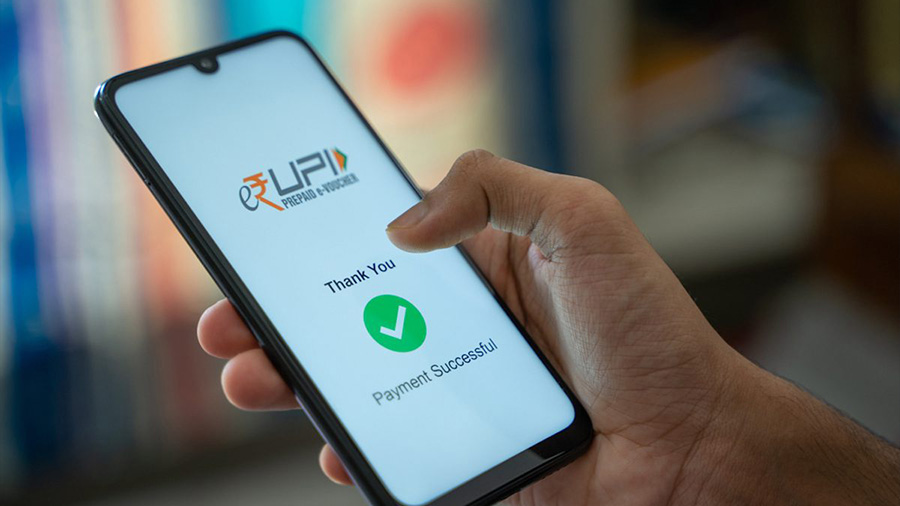
രാജ്യത്തെ ഡിജിറ്റൽ ഇടപാടുകളിൽ വിപ്ലവം സൃഷ്ടിച്ച യുപിഐ അഥവാ യൂണിഫൈഡ് പേയ്മെന്റ് ഇന്റർഫേസ് സേവനങ്ങളുടെ ഉപയോഗത്തിൽ വലിയ കുറവുണ്ടായേക്കാമെന്ന് പുതിയ പഠനങ്ങൾ വ്യക്തമാക്കുന്നു. വ്യാപാരികൾക്കുള്ള സേവന നിരക്കായ മെർച്ചന്റ് ഡിസ്കൗണ്ട് റേറ്റ് (എംഡിആർ) നടപ്പിലാക്കുന്നതോടെ പ്രതിമാസ യുപിഐ ഇടപാടുകളുടെ തുകയിൽ പത്ത് ശതമാനത്തോളം കുറവുണ്ടായേക്കുമെന്നാണ് വിലയിരുത്തൽ. ഇതോടൊപ്പം ഇടപാടുകളുടെ ആകെ എണ്ണത്തിൽ നാല് ശതമാനത്തിന്റെ ഇടിവ് ഉണ്ടാകാൻ സാധ്യതയുണ്ടെന്ന് സർവ്വേ ഫലങ്ങൾ സൂചിപ്പിക്കുന്നു.
പ്രാദേശിക സർവ്വേ ഏജൻസിയായ ലോക്കൽ സർക്കിൾസ് നടത്തിയ പുതിയ പഠനത്തിലാണ് ജനങ്ങളുടെ പേയ്മെന്റ് രീതികളിൽ വരാൻ സാധ്യതയുള്ള വലിയ മാറ്റങ്ങൾ ചൂണ്ടിക്കാണിക്കുന്നത്. രണ്ടായിരം രൂപയ്ക്ക് മുകളിലുള്ള ബിസിനസ്സ് ഇടപാടുകൾക്ക് സേവന നിരക്ക് ഈടാക്കാൻ ആരംഭിക്കുന്നതോടെ ഉപയോക്താക്കൾ മറ്റ് പേയ്മെന്റ് രീതികളിലേക്ക് മാറിയേക്കാം.
വൻകിട ഡിജിറ്റൽ ഇടപാടുകൾ നടത്തുന്നവർ പണമായോ ക്രെഡിറ്റ് അല്ലെങ്കിൽ ഡെബിറ്റ് കാർഡുകൾ വഴിയോ പണമടയ്ക്കാൻ താല്പര്യം കാണിക്കുമെന്നാണ് പഠനത്തിൽ തെളിയുന്നത്.നിലവിൽ പ്രതിമാസം കോടിക്കണക്കിന് തുകയുടെ വ്യാപാരി ഇടപാടുകളാണ് യുപിഐ സംവിധാനം വഴി രാജ്യത്ത് നടക്കുന്നത്. സേവന നിരക്കിന്റെ ഭാരം വ്യാപാരികൾ ഉപയോക്താക്കളിലേക്ക് കൈമാറിയാൽ ഭൂരിഭാഗം ആളുകളും യുപിഐ പേയ്മെന്റുകൾ ഉപേക്ഷിക്കാൻ സാധ്യതയുണ്ട്. വലിയ തുകയുടെ ഇടപാടുകളിൽ അധിക തുക നൽകാൻ വെറും പതിനാല് ശതമാനം ഉപയോക്താക്കൾ മാത്രമാണ് താല്പര്യപ്പെടുന്നത്. ഇതിലൂടെ ഡിജിറ്റൽ സമ്പദ്വ്യവസ്ഥയ്ക്ക് വലിയ തിരിച്ചടി നേരിട്ടേക്കാമെന്നാണ് സാമ്പത്തിക വിദഗ്ധരുടെ ആശങ്ക.
ഏകദേശം ഇരുപത്തിയേഴ് ശതമാനത്തോളം ആളുകൾ പഴയപോലെ കടലാസ് നോട്ടുകൾ ഉപയോഗിച്ച് നേരിട്ട് പണം നൽകാൻ തയ്യാറാകുമെന്ന് സർവ്വേയിൽ അഭിപ്രായപ്പെട്ടു. ഇരുപത്തിയാറ് ശതമാനം പേർ ക്രെഡിറ്റ് കാർഡുകൾ ഉപയോഗിക്കുമെന്നും പതിനാല് ശതമാനം പേർ ഡെബിറ്റ് കാർഡുകളിലേക്ക് മാറുമെന്നും വ്യക്തമാക്കിയിട്ടുണ്ട്. ചെറുതും വലുതുമായ പതിനായിരക്കണക്കിന് ആളുകളിൽ നിന്നാണ് ഏജൻസി ഈ വിഷയത്തിൽ അഭിപ്രായ രൂപീകരണം നടത്തിയത്.അതേസമയം സാധാരണക്കാരായ ചെറുകിട വ്യാപാരികളെയും ഉപയോക്താക്കളെയും സംരക്ഷിക്കാൻ ലക്ഷ്യമിട്ടുള്ള ഇളവുകൾ സർക്കാരിന്റെ ഭാഗത്തുനിന്നുണ്ട്.
പ്രതിമാസം ലക്ഷം രൂപ വരെ മാത്രം യുപിഐ ക്യൂആർ കോഡ് വഴി സ്വീകരിക്കുന്ന ചെറുകിട വ്യാപാരികളെ ഈ പുതിയ സേവന നിരക്കിൽ നിന്ന് പൂർണ്ണമായി ഒഴിവാക്കിയിട്ടുണ്ട്. കൂടാതെ സാധാരണക്കാർ നടത്തുന്ന ചെറിയ തുകയുടെ ദൈനംദിന ഇടപാടുകൾക്ക് യാതൊരുവിധ അധിക നിരക്കുകളും ഈടാക്കുകയുമില്ല.കൂടാതെ ഈ സേവന നിരക്കിന്റെ സാമ്പത്തിക ഭാരം ഉപയോക്താക്കളുടെ തലയിൽ അടിച്ചേൽപ്പിക്കരുതെന്ന് കേന്ദ്ര ധനകാര്യ മന്ത്രാലയം ബാങ്കുകൾക്കും വ്യാപാരികൾക്കും കർശന നിർദ്ദേശം നൽകിയിട്ടുണ്ട്. ബാങ്കുകളുമായി ചേർന്ന് ഇത് നിരീക്ഷിക്കുന്നതിനുള്ള പ്രത്യേക സംവിധാനം രൂപീകരിക്കാനാണ് സർക്കാർ പദ്ധതിയിടുന്നത്. വ്യാപാരികൾ ഉപയോക്താക്കളിൽ നിന്ന് അധിക തുക ഈടാക്കുന്നത് തടയാൻ നടപടികൾ സ്വീകരിക്കുമെന്ന് അധികൃതർ ഉറപ്പുനൽകുന്നു.
പ്രതിമാസം ബില്യൺ കണക്കിന് ഇടപാടുകൾ കൈകാര്യം ചെയ്യുന്ന യുപിഐ സംവിധാനം ആഗോളതലത്തിൽ തന്നെ വലിയ വിജയമായ ഒരു ഭാരതീയ സാങ്കേതികവിദ്യയാണ്. ഇതിലേക്ക് പുതിയ നിരക്കുകൾ കടന്നുവരുമ്പോൾ ഡിജിറ്റൽ പേയ്മെന്റുകളുടെ വേഗത കുറയുമോ എന്ന സംശയം ശക്തമാണ്. എന്നിരുന്നാലും ചെറുകിട ഡിജിറ്റൽ വ്യാപാര മേഖലയിൽ യുപിഐ തങ്ങളുടെ ആധിപത്യം തുടരുമെന്നാണ് വിപണി നിരീക്ഷകർ വിലയിരുത്തുന്നത്.ഭാവിയിൽ ഉണ്ടാകാൻ സാധ്യതയുള്ള മാറ്റങ്ങളെ അതീവ ജാഗ്രതയോടെയാണ് ധനകാര്യ സ്ഥാപനങ്ങളും എൻപിസിഐയും നിരീക്ഷിക്കുന്നത്. ഡിജിറ്റൽ ഇന്ത്യ പദ്ധതികളെ ബാധിക്കാത്ത രീതിയിൽ നയരൂപീകരണം നടത്താൻ സർക്കാർ ബാധ്യസ്ഥരാണ്. വരും ദിവസങ്ങളിൽ വിപണിയിലെ പ്രതികരണങ്ങളുടെ അടിസ്ഥാനത്തിൽ ആവശ്യമെങ്കിൽ കൂടുതൽ തീരുമാനങ്ങൾ ഉണ്ടാകാൻ സാധ്യതയുണ്ട്.
Sources:vachakam
UPI Transactions Decline In September Ahead Of New MDR Fee: RBI Data
Ahead of the implementation of new merchant discount rate (MDR) fee on high-value UPI payments for merchants, Unified Payments Interface (UPI) transactions have declined by 1.8 per cent in September compared to that in August, as per data released by the Reserve Bank on Thursday.
A total of 2,450 crore UPI transactions were recorded in August, while it dipped to 2,407 crore transactions in September.
The overall value of the transactions on the platform also declined by 1.50 per cent to Rs 29.37 lakh crore in September from Rs 29.82 lakh crore in August, the data showed.
However, industry watchers attributed the decline to the fact that August has 31 days versus 30 in September. They pointed out that the average transactions per day were higher in September at 802 million versus August’s 791 million.
The IMPS platform, also run by NPCI, witnessed 35.40 crore transactions in which 7.05 lakh crore of value was involved, the September data release by the RBI said.
The RBI-operated RTGS (real time gross settlement) platform witnessed 3.25 crore transactions with a value of Rs 235.71 lakh crore in September, while the NEFT platform saw 86.2 crore transactions in volume and Rs 46.75 lakh crore in value, the data showed.
Meanwhile, the All India Mobile Retailers Association (AIMRA) called for a nationwide ‘No UPI Day’ protest on October 2 against the proposed 0.4 per cent MDR on UPI transactions above Rs 2,000, saying the charge would put additional burden on small retailers.
As part of the protest, retailers across the country will cover UPI QR codes, sound boxes and payment scanners with black cloth to symbolically register their opposition to the proposed charge, the association said in a statement.
Ending nearly six years of fully free UPI payments, the government has introduced a 0.4 per cent fee on transfers worth over Rs 2,000 made to merchants through the UPI platform from October 15 while explicitly ring-fencing everyday person-to-person transactions and small payments from any charge.
The MDR will be capped at Rs 300 for payments of Rs 75,000 and above.
Essential and thin-margin sectors — railways, telecom, insurance, fuel and agricultural inputs — will pay a flat MDR of Rs 5 per transaction above Rs 2,000.
Payments into mutual funds, securities and through stockbrokers and dealers will attract 0.02 per cent MDR, also capped at Rs 300.
Person-to-person (P2P) transfers — which make up 37 per cent of UPI’s transaction volume and 70 per cent of its transaction value — will continue to attract zero charges, irrespective of size.
http://theendtimeradio.com



Ex-Muslim Leads 100,000 to Jesus: ‘There Is Hunger in the Muslim World to Hear About Christ’
Harun Ibrahim was born in Israel to Arab-Muslim parents, studied in a Jewish school, and married a devout Christian woman....


Massive 2,000-Year-Old Discovery Brings the World of Jesus to Life
A massive crane lifted a 25-ton Jewish ritual bath from an excavation site in Israel, preserving a remarkably intact structure...


90’s കിഡ്സിന്റെ നൊസ്റ്റാൾജിയ ‘ഓര്ക്കുട്ട്’ തിരികെയെത്തുന്നു; ഇന്റര്നെറ്റ് ഉപയോക്താക്കളുടെ പിന്തുണ തേടി സ്ഥാപകന്
ഇന്നത്തെ സ്നാപ്ചാറ്റ്, ഇൻസ്റ്റാഗ്രാം, ഫേസ്ബുക്ക് ഒക്കെ സോഷ്യൽ മീഡിയ ഭരിക്കും മുൻപ് ഇവിടെ ഉണ്ടായിരുന്ന ജനപ്രിയ പ്ലാറ്റ്ഫോമായിരുന്നു ഓർക്കുട്ട്. നിരവധി പേരുടെ പ്രത്യേകിച്ച് 2000ങ്ങളിൽ ഇന്റർനെറ്റ് ഉപയോഗിച്ചിരുന്നവരുടെ...


അസംബ്ലീസ് ഓഫ് ഗോഡ് ദക്ഷിണ മേഖല സുവിശേഷ സന്ദേശ യാത്ര ഇന്ന് മുതൽ
തിരുവനന്തപുരം: അസംബ്ലീസ് ഓഫ് ഗോഡ് ദക്ഷിണ മേഖലയുടെ നേതൃത്വത്തിൽ കിളിമാനൂർ മുതൽ പാറശ്ശാല വരെ സംഘടിപ്പിക്കുന്ന സുവിശേഷ സന്ദേശ യാത്ര ഒക്ടാേബർ 13 മുതൽ ഡിസംബർ 22...


ജോര്ജ് പീറ്റര് സംഗീതസന്ധ്യ ഡാളസില് ഒക്ടോബര് 17-ന്
ഡാളസ്: വൈ.എം.ഇ.എഫ് ഡാളസിന്റെ ആഭിമുഖ്യത്തില് ‘ജോര്ജ് പീറ്റര് സംഗീതസന്ധ്യ’ ഒക്ടോബര് 17 ശനിയാഴ്ച വൈകിട്ട് 5:30-ന് നടക്കും. കരോള്ട്ടണിലെ ബിലീവേഴ്സ് ബൈബിള് ചാപ്പലാണ് വേദി. ക്രൈസ്തവ കൈരളിക്ക്...


Dallas Cowboys QB Dak Prescott Says God’s at Center of Team Culture: ‘That’s Who I Am’
On the heels of a win against the Houston Texans, Dallas Cowboys quarterback Dak Prescott said faith is at the...
-

 us news5 months ago
‘America Is Hungry’: Hundreds Born Again and Baptized as Jesus Tent Revival Sweeps the Nation
-

 us news4 months ago
Mike Winger deletes YouVersion app over ‘The Passion Translation’ controversy, urges others to ‘use caution’
-

 Movie11 months ago
CBN’s Superbook Launches New Free Bible App for Kids: ‘The Power of God Is Released’
-

 Movie8 months ago
Hollywood Actor Jen Lilley Launching New Ministry After ‘Vision’ From Holy Spirit
-

 Sports12 months ago
Jaguars Star Travis Hunter, Olympic Gold Medalist Noah Lyles Get Baptized: ‘Leaving My Old Self’
-

 Movie12 months ago
Roles Jaakko Ohtonen Played Before Taking on Jesus in Mel Gibson’s ‘The Resurrection of the Christ’
-

 Movie12 months ago
Christian Production ‘The Thorn’ Immerses Audiences in the Biblical Story of Jesus
-

 world news12 months ago
20 Living Israeli Hostages Reunite with Loved ones; President Trump in Israel: ‘The War is Over’