
world news
Ukrainian bishop says Putin is the ‘Antichrist of our current time’: ‘Against God’s law’

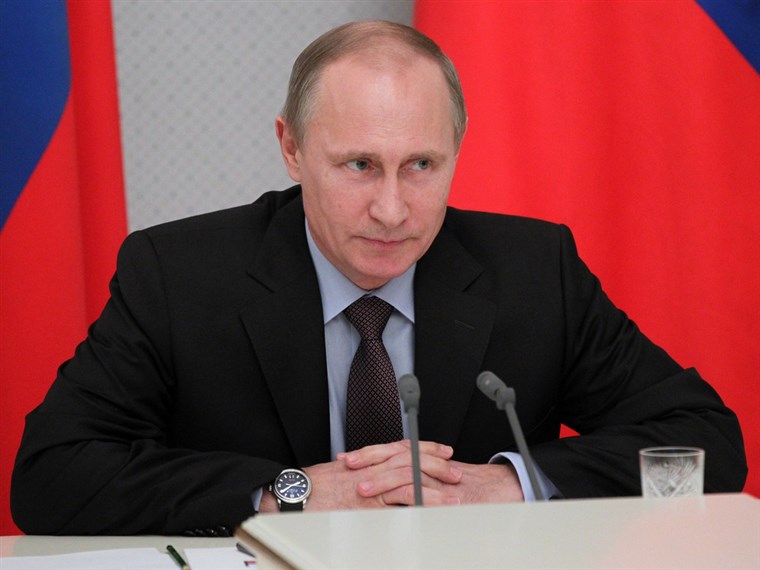
An Orthodox bishop in Ukraine has likened Russian President Vladimir Putin to the Antichrist as tensions between the two countries continue nearly a week after Russia began its invasion of Ukraine.
On BBC’s Global News Podcast Sunday, religion and ethics producer Harry Farley spoke with Ukrainian Bishop Yevstratiy Zoria, a spokesperson for the Orthodox Church of Ukraine, about Putin’s belief that Russia and Ukraine had a “shared spiritual space.”
“What he’s referring to is the arrival of the Eastern Orthodox Church to the region in the ninth century,” Farley said. “He along with many other Russians see Russia’s history dating back to that empire” that existed at the time.
“Moscow and the Russian Orthodox Church developed, became this huge power … within the Orthodox Church. But in 2019, the Ukrainian Orthodox Church split off from Russia and was recognized as independent,” Farley added. “Religion is hugely important for Putin’s identity, for his psyche, he immerses himself in icy water to mark the festival of Epiphany, he wears his baptismal cross.”
Farley surmised that Putin “sees himself as a kind of messianic figure, a savior, to reunite Eastern Orthodox churches under Moscow.”
After noting that the Ukrainian Orthodox Church is “fiercely independent” and “rejects Moscow’s authority,” Farley shared a soundbite from his interview with Zoria, who vehemently pushed back on the characterization of Putin as a messianic figure.
Zoria described the Russian President as “really not messianic, but really the Antichrist of our current time.”
Zoria told Farley that “he is the Antichrist because everything that he does … is totally against [the] Gospel, against God’s law.”
Farley elaborated on the religious background underlying the ongoing conflict between Russia and Ukraine.
“Religion is very important to Russians,” Farley said. “Seventy-one percent identify as Orthodox Christians and added into that, more than half of Russians say it is important for a person to be Orthodox Christian in order to be truly Russian.”
The BBC producer cited a “combination of a strong religious identity linked to strong national identity” and the fact that “the Russian Orthodox Church is very close to Vladimir Putin” as important factors influencing the geopolitics surrounding the invasion of Ukraine.
“The head of the Russian Orthodox Church … praised Putin just this week after the invasion,” he said.
In an op-ed published by The Gospel Coalition last week, Perry Glanzer, professor of educational foundations at Baylor University, asserted that “former communists largely control the Russian Orthodox Church, and they use this power to support a Russian version of Christian nationalism.”
Glanzer stressed that this makes “the church an instrument of the state.” The professor wrote that Russian politicians “undermine burgeoning efforts to rebuild civil society, improve religious liberty, or expand religious education.”
“The dominant Russian Orthodox Church makes things worse,” Glanzer stated.
Glanzer, who lived in Russia for two years and spent extended periods doing research in Ukraine, also outlined how the Russian government has persistently “made it difficult, and sometimes impossible, for Russian Christians to build institutions to further Christianity.”
He noted that Russia has “outlawed evangelism” and persecutes “Protestants as well as Russian Orthodox who press for moral reform.” He argued that the Russian government “killed” Russian American Christian University.
Glanzer recalled how Russian efforts to stamp out Christianity extended beyond its borders when “Russian mercenaries marched into Ukraine in 2017 and set up their headquarters” in Donetsk Theological Seminary “to expand Putin’s maniacal and deadly dreams.”
He contrasted the state of Christianity in Russia with the attitude towards Christianity in Ukraine, a former Soviet state where Catholicism was once outlawed.
“In contrast to Russian political leadership, prior to Russian interference Christian institutions had been thriving in Ukraine, a land that promoted religious freedom,” he proclaimed.
Glanzer pointed to the positive influence of Ukrainian Catholic University, the country’s first Catholic institution of higher education, as evidence that “civil society was beginning again” in Ukraine despite bearing the “scars of leadership under morally corrupt communists.”
Glanzer lamented that “Russians are on the hunt to kill signs of civil society and hope beyond their border.”
In a Zoom webinar hosted by the Philos Project Monday, Assistant Professor of Conflict Management Kristina Hook of Kennesaw State University elaborated on the recent religious history of Ukraine and how it plays a role in what is unfolding on the ground there.
“Prior to 2018, there were three types of Orthodox churches in Ukraine,” she said. “There was the Autocephalous Orthodox Church, there was the Kyiv Patriarchate Orthodox Church and there was the Moscow Patriarchate Orthodox Church.”
“When this split happened, the majority of those congregations moved into the Ukrainian Orthodox Church,” she added.
In previous conversations with priests affiliated with the aforementioned Ukrainian church branches, Hook discovered that their merger with the Ukrainian Orthodox Church “was because of things like accusations of the Russian government using monasteries in the Donbas region to smuggle weapons.”
Additionally, she cited “really personal reasons about priests not being allowed to do funeral rights for soldiers who were killed because the Moscow patriarchates … received its direction from the church in Russia.”
Hook praised “the new leader of the Ukrainian Orthodox Church,” who has been “calling very publicly for Ukrainians to be strong” while “reminding people not to do any property damage to any churches they associate with the Moscow tradition.”
Sources:Christian Post











world news
ന്യൂ ടെസ്റ്റ്മെൻ്റ് ചർച്ച് (ടിപിഎം) മിഡിൽ ഈസ്റ്റ് സെൻ്റർ വാർഷിക കൺവെൻഷൻ നവംബർ 12 മുതൽ ദുബായിൽ
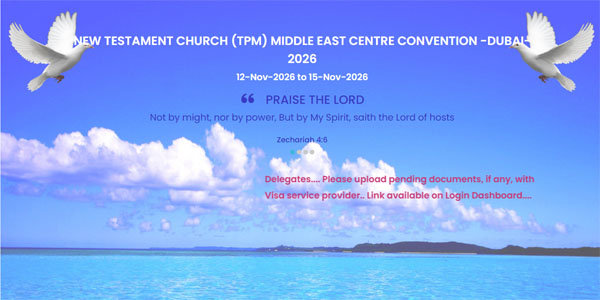
ദുബായ്: ന്യൂ ടെസ്റ്റമെൻ്റ് ചർച്ച് (ടിപിഎം) മിഡിൽ ഈസ്റ്റ് സെൻ്റർ വാർഷിക കൺവെൻഷൻ നവംബർ 12 (വ്യാഴം) മുതൽ 15 (ഞായർ) വരെ ദുബായ് സ്റ്റേഡിയം മെട്രോ സ്റ്റേഷനു അടുത്തുള്ള ഇൻഡോർ സ്റ്റേഡിയത്തിലുള്ള ഷബാബ് അൽ അഹലി ക്ലബിൽ വെച്ച് നടക്കും.
വ്യാഴം വൈകിട്ട് 6.45 ന് സഭയുടെ പ്രധാന പാസ്റ്റർ പ്രാർത്ഥനയോടെ കൺവൻഷൻ ആരംഭിക്കും. ദിവസവും രാവിലെ 9 നും വൈകിട്ട് 6.45 നും സുവിശേഷ യോഗങ്ങൾ നടക്കും.
വെള്ളി ഉച്ചകഴിഞ്ഞ് മൂന്നിന് കാത്തിരിപ്പ് യോഗവും അധ്യാപകരുടെ യോഗവും ശനി ഉച്ചകഴിഞ്ഞ് മൂന്നിന് കാത്തിരിപ്പ് യോഗവും യുവജനങ്ങൾക്കായുള്ള യോഗവും ഇതേ ഹാളിൽ വെച്ച് നടക്കും.
കൺവൻഷന് സഭയുടെ പ്രധാന ശുശ്രൂഷകർ നേതൃത്വം നൽകും. എല്ലാ യോഗങ്ങളിലും രോഗികൾക്കായി പ്രത്യക പ്രാർത്ഥന ഉണ്ടായിരിക്കും. ഞായർ രാവിലെ 9 നു തുടങ്ങുന്ന സംയുക്ത ആരാധനയോടെ പ്രസ്തുത കൺവൻഷന് വിരാമം കുറിക്കും.
http://theendtimeradio.com
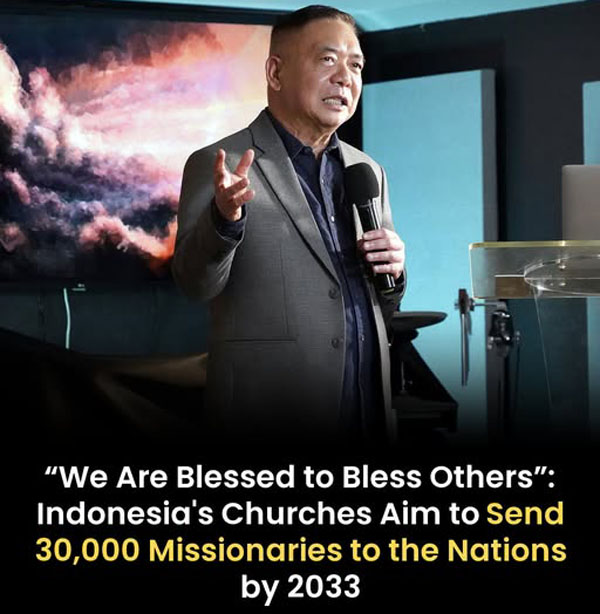
ന്യൂയോർക്ക്: ആഗോള സുവിശേഷ പ്രവർത്തനത്തിനായി വലിയൊരു മുന്നേറ്റത്തിന് ഇന്തോനേഷ്യ ഒരുങ്ങുന്നു. 2033-നകം 30,000 മിഷനറിമാരെ മറ്റ് രാജ്യങ്ങളിലേക്ക് അയക്കുക എന്നതാണ് നേതാക്കൾ മുന്നോട്ട് വെച്ചിരിക്കുന്ന വലിയ ലക്ഷ്യം.
ഇന്തോനേഷ്യൻ അലയൻസ് ഫോർ വേൾഡ് മിഷൻ (ALUSIA) ചെയർമാൻ ഡോ. ബാംബാങ് ബുഡിജാന്റോ ആണ് ഈ സംരംഭത്തിന് നേതൃത്വം നൽകുന്നത്. 2023-ൽ സ്ഥാപിതമായ ഈ കൂട്ടായ്മ, യേശുവിന്റെ സന്ദേശം ഇന്തോനേഷ്യയുടെ അതിർത്തിക്കപ്പുറം എത്തിക്കുക എന്ന പൊതു കാഴ്ചപ്പാടോടെ സഭകളെയും മിഷൻ സംഘടനകളെയും ഒന്നിപ്പിക്കുന്നു.
ന്യൂയോർക്കിലും ഫിലാഡൽഫിയയിലും ഇന്തോനേഷ്യൻ പാസ്റ്റർമാരുമായി നടത്തിയ കൂടിക്കാഴ്ചകളിൽ, തങ്ങൾക്ക് ലഭിച്ച അനുഗ്രഹങ്ങൾ പങ്കുവെക്കാൻ ഇന്തോനേഷ്യയ്ക്ക് ഉത്തരവാദിത്തമുണ്ടെന്ന് ബുഡിജാന്റോ ഊന്നിപ്പറഞ്ഞു. “നമ്മൾ മറ്റ് രാജ്യങ്ങളോട് കടപ്പെട്ടിരിക്കുന്നു. ഒരു പ്രത്യേക ഉദ്ദേശത്തോടെയാണ് ദൈവം ഇന്തോനേഷ്യയെ വലിയ ഉണർവ് കൊണ്ട് അനുഗ്രഹിച്ചത്” എന്ന് അദ്ദേഹം പറഞ്ഞു.1534-ൽ മലുക്കു ദ്വീപുകളിൽ ആദ്യ മിഷനറിമാർ എത്തിയതു മുതൽ സുവിശേഷം പ്രചരിപ്പിക്കുന്നതിൽ ഇന്തോനേഷ്യയ്ക്ക് നീണ്ട ചരിത്രമുണ്ട്. ഇന്ന് രാജ്യത്ത് ഏകദേശം 3 കോടി വിശ്വാസികളുണ്ട്.
രാജ്യത്തുടനീളം വളർന്നുവരുന്ന പ്രാർത്ഥനാ പ്രസ്ഥാനത്തെക്കുറിച്ചും അദ്ദേഹം എടുത്തുപറഞ്ഞു. 534 നഗരങ്ങളിൽ “Tower of Prayer” എന്നറിയപ്പെടുന്ന 24 മണിക്കൂർ പ്രാർത്ഥനാ സംരംഭങ്ങൾ നടക്കുന്നുണ്ടെന്ന് അദ്ദേഹം അറിയിച്ചു. സംഖ്യകൾക്കപ്പുറം ആത്മാക്കളെയും സമൂഹങ്ങളെയും നേടിയെടുക്കുക എന്നതാണ് ഇന്തോനേഷ്യൻ നേതാക്കളുടെ ദർശനം.
Sources:maruppacha
For nearly five centuries, the story of Christianity in Indonesia has largely been one of arrival: missionaries came to the archipelago, and churches grew from their work. A coalition of Indonesian churches and mission organizations now aims to reverse that direction, with the goal of seeing 30,000 Indonesian missionaries serving other nations by 2033.
The effort is coordinated by ALUSIA, the Indonesian Alliance for World Mission, formed in 2023. This month, its chair, Dr. Bambang Budijanto, who is also general secretary of the Asia Evangelical Alliance, met with Indonesian diaspora pastors in New York and Philadelphia. The meetings were the first in a planned series of gatherings with Indonesian churches abroad.
The U.S. meetings are one part of a larger strategy. Budijanto traces its roots through decades of revival, persecution and prayer in Indonesia, and through earlier attempts to build a sending movement.
“If we dream it alone, it will not happen,” Budijanto told Christian Daily International in an interview on the sidelines of the New York event. “If many people dream together, it could happen.”
A debt to other nations
The first missionaries reached the Maluku Islands, in what is now eastern Indonesia, in 1534. Budijanto noted that the first missionary died about a year after arriving.
The 500th anniversary of that arrival falls in 2034, one year after ALUSIA’s target date. Budijanto said he hopes that by then Indonesia will be recognized as a significant mission force in its own right.
Indonesia received the gospel from others, and today it has about 30 million Christians. “We owe other nations,” he said. When describing ALUSIA’s purpose, he pointed to the biblical image of the beautiful feet of those who bring good news.
Budijanto recounted Indonesia’s history of revival and considers it as preparation for sending. He pointed first to the 1965 revival in Soe, on the island of Timor. Mel Tari described it in his books “Like a Mighty Wind” and “The Gentle Breeze of Jesus,” including reports of miracles and of believers who carried the movement to other places.
In the 1970s, revival spread among the Dayak people of Borneo. In the late 1970s and 1980s it reached Indonesia’s major cities. By 1984, Budijanto said, Jakarta alone had more than 5,000 prayer groups.
“God blessed Indonesia with a lot of revival for a purpose. That’s how I read it,” he said. “We are blessed to bless others.”
He also sees a warning in the more recent data. Church growth in Indonesia has plateaued, and he believes the two are connected. “If you continue to be selfish, then the blessing will stop,” he said.
Prayer for persecution, so the Church would unite
In the 1980s, Budijanto worked as a translator for Brother Andrew, the founder of Open Doors, during his visits to Indonesia. On one visit, Brother Andrew walked to the village where Budijanto lived, because there was no road access.
At the time, Budijanto said, Indonesia’s churches were divided and often competing with one another. He recalled that at one pastors’ conference, Brother Andrew asked those present to pray that God would send persecution, so that the Church would be united.
In the years that followed, Indonesia went through waves of anti-Christian violence. Budijanto said more than 500 churches were burned and many people died, including in the conflict between Muslims and Christians in Maluku.
“But then the church united,” he said.
A national prayer movement also took shape during that period. Budijanto said it began in 1991, with seven coordinators who met monthly and held prayer gatherings in different provinces. Today, more than 500 Indonesian cities, 534 by his count, maintain 24-hour prayer in what participants call “towers of prayer.” The model has spread to Myanmar and other countries, and Indonesians have played a significant role in global prayer networks.
Asked what Indonesia might contribute to the global Church, Budijanto pointed to that movement. “Maybe that’s the prayer movement,” he said, describing it as the effort that has been sustained over many years.
Earlier attempts stalled, ‘but now is the time’
The idea of Indonesia as a sending nation is not new. Since the 1970s, Budijanto said, church leaders have expressed the desire repeatedly, but none of the efforts took hold. “It’s like starting and then stalling again, stopping again, dying again,” he said.
One of those efforts grew out of the prayer movement. Soon after it began, Budijanto said, interest in mission increased, and a mission initiative was formed in 1992. He was given the task of building a training center.
That work took him to Europe. Thousands of Indonesian students were studying in the Netherlands and Germany on government scholarships, and many had become Christians. When they returned home, many could not find work that matched their training, and they left again for the Middle East or Australia.
Around the same time, Brother Andrew sent Budijanto to Israel. Budijanto said strangers there would ask where he was from and then assume he was Muslim. To him, this showed that an Indonesian identity could open doors across the Middle East.
He concluded that Indonesian graduates with European degrees could serve in the region with relative ease. From 1992 to 2002, he ran a five-week summer mission school in the Netherlands, working with Fuller Seminary. The initiative also tried to send two missionaries to China.
The organization did not last. “I think we were not mature enough to work together,” Budijanto said. “But now is the time, I think.”
A kairos moment for the Indonesian Church
In 2023, Budijanto invited leaders from about 14 Indonesian organizations that already had experience sending missionaries abroad. He said all of them agreed on one point: “This is the right time, this is the right moment, this is the kairos of God.”
The group met again in Bandung to define its vision and how its members would work together. It registered ALUSIA as a legal association in Indonesia, with a general assembly of members as its highest authority, a structure Budijanto compared to that of the World Evangelical Alliance. A soft launch in Jakarta drew about 50 church leaders, along with leaders of mission organizations from abroad. ALUSIA then commissioned baseline research with Bilangan Research and launched nationally at a conference in Bali.
After the launch, Budijanto said, churches and organizations that had been hesitant began to approach the alliance. A second national conference followed in Jakarta. In 2026, ALUSIA moved to regional conferences in provinces including Central Java and North Sumatra, and more are planned for additional cities.
The alliance describes its role as a catalyst with three tasks. The first is to activate churches, which Budijanto called “the primary carrier of the global mission.” The second is to connect them with each other and with the wider global Church. The third is to provide resources, including research data and training tools.
From 800 to 30,000: ‘not easy, but doable’
The baseline is modest. In 2020, Budijanto said, Indonesia had about 800 missionaries, and more than half of them were serving Indonesian communities abroad rather than people of other nations.
The target of 30,000 by 2033 amounts to about 0.1% of Indonesia’s roughly 30 million Christians. “It’s not easy, but it’s doable,” he said.
Budijanto acknowledged that missionaries are hard to count today, because people may serve as professionals, migrant workers or in other roles. For that reason, ALUSIA treats 30,000 as an aspiration. It measures progress by the number of churches that become missional.
Its goal is for at least 20% of Indonesia’s churches to meet that standard. Budijanto referred to government data listing about 73,000 officially recognized church buildings, which belong to Protestant denominations, not including Catholic churches. He estimates the total is closer to 100,000 when congregations meeting in shops and other spaces are included.
ALUSIA has proposed five indicators of a missional church: giving to global mission; sending people, or taking part in sending them; praying for global mission; building mission capacity through training or programs; and collaborating with other churches or organizations. A church that meets four of the five would qualify as a missional church following this definition.
Budijanto said many churches also join the alliance for its data, which they otherwise lack.
The 30,000 figure has also spread beyond ALUSIA, Budijanto noted, pointing to at least four other Indonesian networks that have adopted the same number. He also heard of an Indonesian church leader at a mission conference in Vietnam who spoke of sending 30,000. “This is a common aspiration that we have,” he said. “It doesn’t belong to any organization, but to Indonesia.”
Who counts as a missionary
ALUSIA defines mission by intent and discipleship, not geography. Budijanto said the work must be rooted in the Great Commission, intentionally helping people move from being far from Christ to “knowing Christ, growing in Christ, becoming like Christ.”
Under the alliance’s definition, a missionary is any Indonesian, living anywhere in the world, who intentionally reaches out to and disciples people who do not hold an Indonesian passport.
That work can take place inside Indonesia. As an example, Budijanto cited a Russian community in Bali, formed by people who left Russia after the war began to avoid being drafted. Indonesians who move to Bali to reach that community count as missionaries under ALUSIA’s definition.
The key, he said, is intention. Contact with people of other nations has to be purposeful, not incidental.
‘With numbers comes responsibility’
Budijanto pointed to Indonesia’s cultural diversity as a strength for cross-cultural mission. He contrasted it with South Korea, which he said has sent about 30,000 missionaries despite being largely monocultural.
He often brings Korean colleagues to Indonesian mission conferences. He said they tell Indonesian audiences that growing up among many cultures prepares them to adapt abroad, something Korean missionaries have had to learn. “You are so privileged. You are so prepared by God,” he recalled them saying.
He also cited the size of the Church. Over the past two decades, Budijanto said, significant church growth has come mainly in Africa and Asia. Within Asia, the growth has been concentrated in Southeast and South Asia, where Indonesia’s church may be the strongest by numbers. “With numbers comes responsibility,” he said.
The largest obstacle, in his view, has been mindset. After a long colonial history, many Indonesian Christians came to see themselves as recipients who could not take the lead. Over the past two years, he said, he has seen that begin to change as churches move from contributing to taking initiative.
Generosity is another asset. Indonesia ranked first in a global generosity index for four years, Budijanto noted. The data he cited also showed a gap between giving and other forms of engagement. About 60% contribute financially to global mission, but only about 30% preach on it from the pulpit and about 16% pray for it.
The diaspora as ‘low-hanging fruit’
ALUSIA sees Indonesian churches abroad as its most immediate opportunity. More than 500 Indonesian diaspora congregations exist worldwide, and more than half of them are in the United States. Budijanto calls them “the low-hanging fruit.”
Many of these churches serve only Indonesians, he said, and many are losing their second generation. He believes a new focus could help revive them. “We are here not for Indonesian people, but to prepare Indonesian people to become missionaries for other people,” he said.
That is why ALUSIA chose New York and Philadelphia for its first diaspora meetings. Budijanto said the place where a movement launches shapes its impact. He noted that people from about 120 nations live in a single area of Queens, which is where ALUSIA held the event that day. Churches there do not need to travel far to reach other nations. “This is mission training as well,” he said. He described Philadelphia as historically important for the United States and home to a larger number of Indonesian churches.
More meetings are planned. ALUSIA intends to hold gatherings in two California cities in November, and pastors in Dallas have asked for a stop in Texas. Meetings in Sydney and Melbourne are planned for next year. Singapore, Malaysia, Hong Kong and Taiwan, all home to significant Indonesian communities, are also on the agenda.
Toward a global gathering
The next major step is planned for the first week of October 2027. ALUSIA plans to hold the first conference to bring together Indonesian missionaries from around the world, including those in the diaspora. The venue has not been decided, and Bali, Singapore and Malaysia are under consideration.
Budijanto hopes participants will form an association of Indonesian missionaries there, so that they have “a voice” and a community.
The alliance’s longer horizon remains 2033, when it hopes to celebrate 30,000 Indonesians serving other nations. Over the past two years, the alliance has spread quickly and found wide acceptance, Budijanto said. He believes this is a sign that the timing is right.
http://theendtimeradio.com
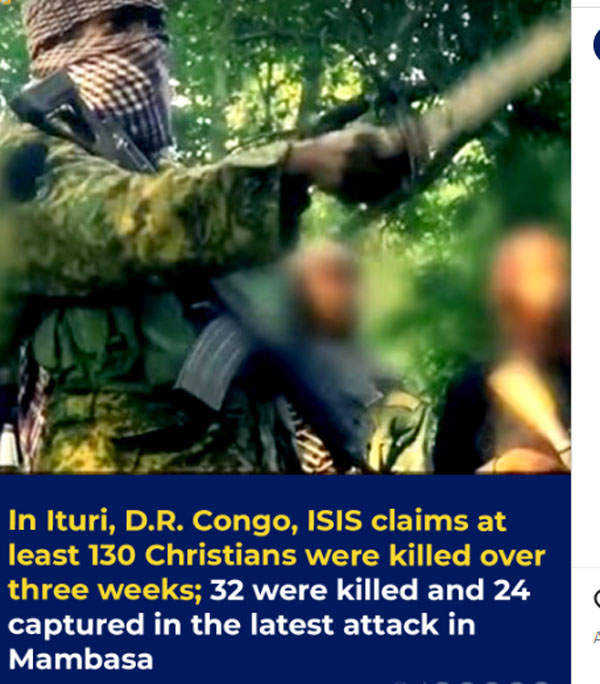
The past week was one of the most fatal for Christians around the world in recent memory. From Nigeria to Ethiopia to Jordan, gunmen slaughtered more than a hundred Christians. The somber news reminds Christians in America of the urgent need our fellow brothers and sisters in Christ face every day. It also accentuates the stakes in Tuesday’s election. (
On Friday, gunmen attacked a Christian community in northeastern Nigeria, firing on people as they fled into a river. At least 62 people were killed in the attack, 52 were wounded, and thousands fled their homes. In the past decade, Islamist militants have killed tens of thousands of Christians in Nigeria.
Also on Friday, three unnamed terrorists opened fire at Christians gathered for a funeral outside St. George’s Greek Orthodox Church in the village of Hmoud, east of the Dead Sea. Jordanian authorities have suspects in custody, making this the only one of the three attacks where government authorities have acted to protect Christians.
On Saturday, Ethiopian Orthodox Christians in the Oromia state suffered a series of attacks in which more than 60 people were killed, including five children, and 20 houses were burned to the ground. One survivor described it as an ambush, in which the attackers surrounded their victims on all sides.
A local official blamed the attacks on a rebel coalition, Alliance for Survival, which includes the Oromo Liberation Army (OLA). However, according to Christian Emergency Alliance, “surviving witnesses claimed regional authorities collaborated with Islamist militias to carry out the massacre.”
All three attacks came the weekend before International Religious Freedom Day (October 27), and also shortly before the US midterm elections.
Fortunately, international religious freedom still finds supporters in both parties—far more than pro-life or pro-marriage positions. For instance, a bipartisan bill to reauthorize the United States Commission on International Religious Freedom (USCIRF) passed the Senate unanimously on September 30.
However, the parties do vary in the intensity of their commitment to international religious freedom.
In 2018, the Trump administration hosted the first-ever Ministerial to Advance Religious Freedom, an international summit of government leaders and advocates focused on achieving real change. The event has occurred annually since 2018, but the burden of hosting it was transferred to nonprofits after the Biden administration declined to maintain the ministerial in 2021.
Indeed, the Biden administration explicitly rejected a foreign policy that emphasized religious freedom in favor of one that emphasized the LGBT agenda and abortion.
“This is a major shift away from international religious freedom—moving away from even calling it religious freedom,” former USCIRF Commissioner Nina Shea said of the Biden administration policy. “It’s more of a watered-down freedom of belief or religion, and equating religion with belief, which is very dangerous because that would mean you have a right to believe what you want to believe, but you may not be allowed to practice it in a public square.”
Sadly, many foreign leaders predicted the Biden administration’s pivot away from religious freedom and had given that as their reason for not implementing more permanent change. It is one thing for Americans to give lip service to religious freedom and warn the world that we are watching. But what really matters to Christians facing persecution is when governments (and militant groups) believe that America will not only watch but act to protect the religious freedom of persecuted Christians abroad. Thus, the intensity of America’s commitment to religious freedom is what actually has an impact.
Christians have long been persecuted for their faith and will continue to face fiery trials for as long as the Lord tarries. As Paul reminded his readers, quoting from Psalm 44,”forYoursake we are being killed all the day long; we are regarded as sheep to be slaughtered” (Romans 8:36).
Yet Christians continue to persevere in difficult circumstances because of the hope that is within them. As Paul wrote to the Thessalonians, “We do not want you to be uninformed, brothers, about those who are asleep, that you may not grieve as others do who have no hope. For since we believe that Jesus died and rose again, even so, through Jesus, God will bring with Him those who have fallen asleep” (1 Thessalonians 4:13-14).
“For the Lord Himself will descend from Heaven with a cry of command, with the voice of an archangel, and with the sound of the trumpet of God. And the dead in Christ will rise first. Then we who are alive, who are left, will be caught up together with them in the clouds to meet the Lord in the air, and so we will always be with the Lord,” Paul continued. “Therefore encourage one another with these words” (1 Thessalonians 4:15-18).
These words do bring much-needed encouragement. The survivors of the attacks in Nigeria, Ethiopia, and Jordan are likely consoling their souls in such promises even now. But the Christian’s final hope also motivates us to action now, and Believers with an opportunity to vote can use that vote to succor their suffering brothers and sisters halfway around the world.
Sources: Breaking Christian News



ഒസിഐ കാർഡ് ഉടമകൾക്ക് ആശ്വാസം: പാസ്പോർട്ട് വിവരങ്ങൾ അപ്ഡേറ്റ് ചെയ്യുന്നതിനുള്ള പിഴയിൽ ഒറ്റത്തവണ ഇളവ് പ്രഖ്യാപിച്ച് ഇന്ത്യൻ കോൺസുലേറ്റ്
ന്യൂയോർക്ക്/ഹ്യൂസ്റ്റൺ: ഓവർസീസ് സിറ്റിസൺ ഓഫ് ഇന്ത്യ (OCI) കാർഡ് ഉടമകൾക്ക് വലിയ ആശ്വാസം നൽകിക്കൊണ്ട്, പാസ്പോർട്ട് വിവരങ്ങൾ അപ്ഡേറ്റ് ചെയ്യുന്നതിലെ കാലതാമസത്തിന് ഈടാക്കിയിരുന്ന പിഴത്തുകയിൽ ഇന്ത്യൻ കോൺസുലേറ്റ്...


ഓർമകളിൽ ഈണങ്ങൾ നിറച്ച്; ജെ. വി. പീറ്റർ–സാങ്കി പീറ്റർ സ്മരണാഞ്ജലി നവംബർ 8ന്ഡാലസിൽ
ഡാളസ്: തലമുറകൾ ഏറ്റുപാടിയ ആത്മീയ ഗാനങ്ങളിലൂടെ ക്രൈസ്തവ സംഗീതലോകത്ത് മായാത്ത മുദ്ര പതിപ്പിച്ച ഇവാ. ജെ. വി. പീറ്ററിന്റെയും മകൻ സാങ്കി പീറ്ററിന്റെയും ഓർമകൾക്ക് സംഗീതാർച്ചനയുമായി ക്രോസ്റിവർ...

ബെഥെസ്ദ മിനിസ്ട്രി നഴ്സിങ്ങ് കുട്ടികൾക്ക് ഒരു ലക്ഷം രൂപ വീതം ധനസഹായം നൽകുന്നു; അപേക്ഷകൾ ക്ഷണിക്കുന്നു
റവ. സണ്ണിതാഴാം പളളം ഫാമിലി നേതൃത്വം നൽകുന്ന ബെഥെസ്ദ മിനിസ്ട്രിയുടെ ആഭിമുഖ്യത്തിൽ ഈ വർഷം പഠനം ആരംഭിച്ച 25 നിർദ്ധനരായ കുട്ടികൾക്ക് ഒരു ലക്ഷം രൂപ വീതം...
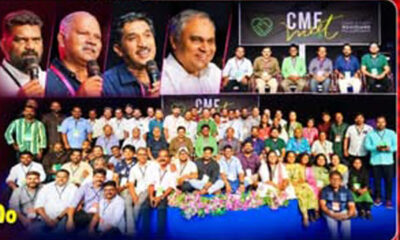

ക്രിസ്ത്യൻ മ്യൂസിഷ്യൻസ് ഫെലോഷിപ്പിന്റെ ദേശീയ ഏകദിന കോൺഫറൻസിന് ചെങ്ങന്നൂരിൽ അനുഗ്രഹീത സമാപനം
ചെങ്ങന്നൂർ: ക്രൈസ്തവ സംഗീതജ്ഞരുടെ കൂട്ടായ്മയായ ക്രിസ്ത്യൻ മ്യൂസിഷ്യൻസ് ഫെലോഷിപ്പിന്റെ (CMF) ദേശീയ ഏകദിന കോൺഫറൻസ് നവംബർ 3 ചൊവ്വാഴ്ച ചെങ്ങന്നൂരിൽ നടന്നു. ക്രിസ്ത്യൻ കോളേജ് ജംഗ്ഷനിലുള്ള ഗ്ലോബൽ...
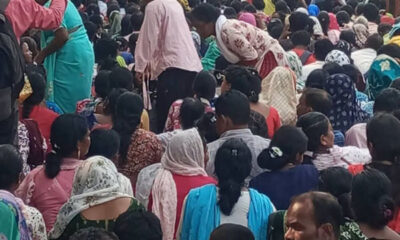

മതസ്വാതന്ത്ര്യത്തിനും സമാധാനത്തിനും വേണ്ടി കൊൽക്കത്തയിൽ ആയിരക്കണക്കിന് ക്രൈസ്തവരുടെ റാലി
കൊല്ക്കത്ത: ക്രൈസ്തവ സമൂഹങ്ങൾക്കും ആരാധനാലയങ്ങൾക്കും നേരെയുള്ള ആക്രമണങ്ങൾ അവസാനിപ്പിക്കുവാനും സംസ്ഥാനത്ത് സമാധാനം പുനഃസ്ഥാപിക്കാനും ആവശ്യപ്പെട്ടുക്കൊണ്ട് പശ്ചിമ ബംഗാളില് ആയിരക്കണക്കിന് ക്രൈസ്തവർ ഒരുമിച്ച് കൂടി. ഇന്നലെ നവംബർ 5...
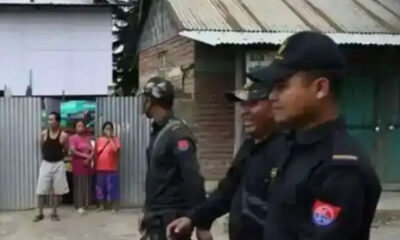

Three Naga tribal Christians killed in India’s strife-torn Manipur
The ongoing fighting among indigenous Christians in northeast India’s violence-wracked Manipur state has claimed three more lives and left two...
-

 us news4 days ago
Millions Encouraged to Open Their Bibles for Global Bible Month
-

 us news5 months ago
Mike Winger deletes YouVersion app over ‘The Passion Translation’ controversy, urges others to ‘use caution’
-

 us news5 months ago
‘America Is Hungry’: Hundreds Born Again and Baptized as Jesus Tent Revival Sweeps the Nation
-

 Movie12 months ago
CBN’s Superbook Launches New Free Bible App for Kids: ‘The Power of God Is Released’
-

 Movie9 months ago
Hollywood Actor Jen Lilley Launching New Ministry After ‘Vision’ From Holy Spirit
-

 National12 months ago
ഐ.പി.സി കേരള സ്റ്റേറ്റ് ഇലക്ഷൻ 2026 മാർച്ച് 9 മുതൽ
-
 world news11 months ago
പാകിസ്ഥാനിൽ പാസ്റ്റർ കമ്രാൻ മൈക്കിൾ തന്റെ മകളുടെ മുന്നിൽ വെച്ച് ക്രൂരമായി കൊല്ലപ്പെട്ടു.
-

 Movie8 months ago
Worship Leader Brooke Ligertwood Shares Stunning Testimony of Answered Prayer From Ukraine