
Business
രണ്ടായിരം രൂപയുടെ നോട്ടുകള് പിന്വലിച്ച് റിസര്വ് ബാങ്ക്! ഇനി ഉപയോഗിക്കാനാകുക സെപ്റ്റംബര് 30 വരെ മാത്രം

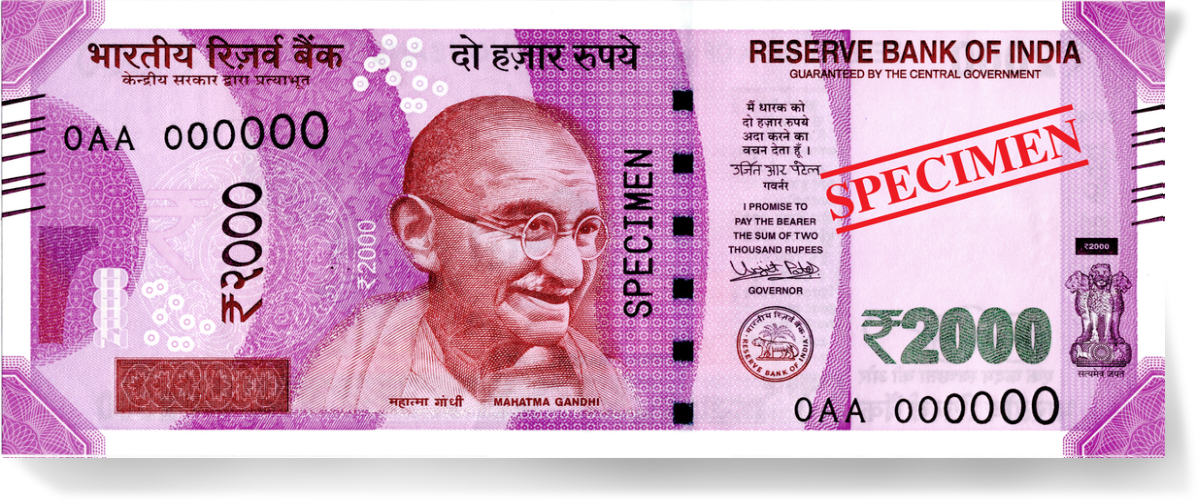
ന്യൂഡൽഹി: നോട്ട് നിരോധനത്തിനു പിന്നാലെ പുറത്തിറക്കിയ 2000 രൂപയും കേന്ദ്രം നിരോധിക്കുന്നു. 2000 രൂപ നോട്ട് വിതരണം ചെയ്യരുതെന്ന് ബാങ്കുകൾക്ക് ആർബിഐ നിർദേശം നൽകി. വരുന്ന സെപ്റ്റംബർ 30 വരെയാണ് 2000 രൂപ നോട്ടുകളുടെ ഇടപാടുകൾ സാധുവാകുക.
അതായയത് 2000 രൂപ നോട്ടുകൾ സെപ്റ്റംബർ 30 ന് ശേഷം അസാധുവാകും. ആർബിഐയുടെ ക്ലീൻ നോട്ട് പോളിസി നയത്തിന്റെ ഭാഗമായാണ് നടപടിയെന്നാണ് വിവരം.
3,62000 കോടി രൂപയുടെ 2000 രൂപ നോട്ടുകൾ മാത്രമാണ് നിലവിൽ വിപണിയിൽ ഉള്ളതെന്നാണ് ആർബിഐ പറയുന്നത്. അതിനാൽ നടപടി പൊതുജനങ്ങൾക്ക് ബുദ്ധിമുട്ട് ഉണ്ടാക്കുകയില്ലെന്നാണ് കേന്ദ്ര സർക്കാർ കണക്കുകൂട്ടൽ. നിരോധനം പ്രാബല്യത്തിലാകുന്നതോടെ 500 രൂപ നോട്ടുകളാകും ഏറ്റവും ഉയർന്ന കറൻസി.
Sources:azchavattomonline


Business
ഫോണിൽ ഇന്റർനെറ്റ് ഇല്ലെങ്കിലും യുപിഐ പേയ്മെന്റ് ചെയ്യാം; ടാപ്പ് ആൻഡ് പേ ഉൾപ്പെടെ യുപിഐയിൽ വൻ മാറ്റങ്ങളുമായി റിസർവ് ബാങ്ക്
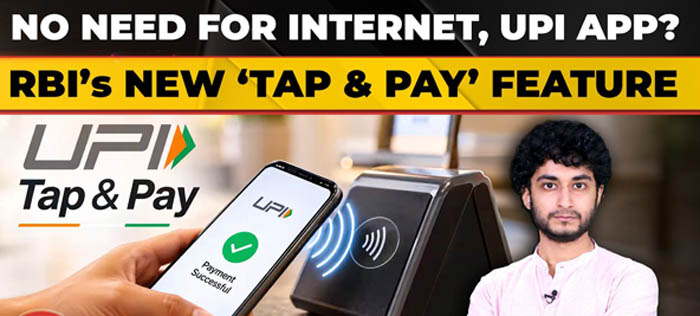
മുംബൈ:ഡിജിറ്റൽ ഇടപാടുകൾ കൂടുതൽ വേഗത്തിലാക്കാനും ഉപഭോക്തൃ സേവനം എളുപ്പമാക്കാനും ലക്ഷ്യമിട്ട് റിസർവ് ബാങ്ക് ഓഫ് ഇന്ത്യ (RBI) രണ്ട് പുതിയ യുപിഐ ഫീച്ചറുകൾ പ്രഖ്യാപിച്ചു. യുപിഐ ടാപ്പ് ആൻഡ് പേ (UPI Tap and Pay), എഐ പിന്തുണയോടെ പ്രവർത്തിക്കുന്ന മൈയുപിഐ (MyUPI) എന്നീ സേവനങ്ങളാണ് അവതരിപ്പിച്ചത്. മുംബൈയിൽ നടന്ന ഗ്ലോബൽ ഫിൻടെക് ഫെസ്റ്റിവലിൽ ആർബിഐ ഗവർണർ സഞ്ജയ് മൽഹോത്രയാണ് ഈ പുതിയ പ്രഖ്യാപനങ്ങൾ നടത്തിയത്. എൻഎഫ്സി സാങ്കേതികവിദ്യയുള്ള സ്മാർട്ട്ഫോണുകൾ ഉപയോഗിച്ച് പിഒഎസ് ടർമിനലുകളിൽ ഫോൺ അൺലോക്ക് ചെയ്ത് ചെയ്യുന്നതിലൂടെ ഇനി യുപിഐ പണമടയ്ക്കൽ പൂർത്തിയാക്കാം. ഉപഭോക്താവിന്റെ സ്മാർട്ട്ഫോണിൽ മൊബൈൽ ഇന്റർനെറ്റ് കണക്ഷൻ ഇല്ലെങ്കിലും പിഒഎസ് ടർമിനലിലെ ഇന്റർനെറ്റ് ഉപയോഗിച്ച് ഈ ഇടപാട് നടത്താനാകും എന്നതാണ് ഇതിന്റെ പ്രധാന സവിശേഷത.
റുപേ ക്രെഡിറ്റ് കാർഡ് ഓൺ യുപിഐ ഉൾപ്പെടെയുള്ള വിവിധ അക്കൗണ്ടുകളിൽ ഇത് ലഭ്യമാകും. 5,000 രൂപ വരെയുള്ള ചെറിയ തുകകളുടെ ഇടപാടുകൾക്ക് യുപിഐ പിൻ അടിക്കേണ്ടതില്ല. എന്നാൽ 5,000 രൂപക്ക് മുകളിലുള്ള തുകകൾക്ക് പിഒഎസ് മെഷീനിൽ പിൻ നമ്പർ നൽകേണ്ടതുണ്ട്. 2026 ഓഗസ്റ്റ് 31 വരെയുള്ള കണക്കനുസരിച്ച് ബയോമെട്രിക് ഓതന്റിക്കേഷൻ വഴിയുള്ള യുപിഐ ഇടപാടുകളുടെ ആകെ വ്യാപ്തി 6.29 ബില്യൺ കടന്നിട്ടുണ്ട്. എൻപിസിഐ തയ്യാറാക്കിയ ഫിമി എന്ന സ്മോൾ ലാംഗ്വേജ് മോഡൽ അടിസ്ഥാനമാക്കിയാണ് മൈയുപിഐ പ്ലാറ്റ്ഫോം രൂപകൽപ്പന ചെയ്തിരിക്കുന്നത്. വിവിധബാങ്കുകളിലെയും ആപ്പുകളിലെയും യുപിഐ ഇടപാടുകളും ഓട്ടോപേ വിവരങ്ങളും ഒറ്റ പ്ലാറ്റ്ഫോമിൽ കാണാൻ ഇത് ഉപഭോക്താക്കളെ സഹായിക്കും. തട്ടിപ്പ് സംശയിച്ചാൽ ഡെബിറ്റ് ഇടപാടുകൾ നിരസിക്കാൻ ആവശ്യപ്പെടുന്ന സേഫ്റ്റി സ്വിച്ച്, യുപിഐ നമ്പറുകൾ ലിങ്ക് ഒഴിവാക്കാനുള്ള സൗകര്യം, പണം അയക്കുന്ന ആളെക്കുറിച്ച് കൂടുതൽ വിവരങ്ങൾ നൽകുന്ന ഫീച്ചർ എന്നിവയും ഇതിലുണ്ട്. ഇതിനുപുറമെ യോഗ്യമായ ഇടപാടുകളിൽ തത്സമയം ചാർജ്ബാക്ക് പ്രോസസ്സിംഗ് നടപ്പാക്കാനും മുൻകാല ഇടപാടുകൾ വീണ്ടും ചെയ്യാനുള്ള സൗകര്യവും 24 മണിക്കൂറും പ്രവർത്തിക്കുന്ന ബഹുഭാഷാ എഐ അസിസ്റ്റൻസും മൈയുപിഐയിലൂടെ ലഭ്യമാകും.
Sources:sirajlive.com
Paying through UPI could become easier even when your phone does not have an active internet connection. The Reserve Bank of India (RBI) has unveiled UPI Tap and Pay, allowing users to make payments at NFC-enabled point-of-sale (POS) machines by simply unlocking their NFC-enabled smartphone and tapping it on the terminal.
The feature was announced by RBI Governor Sanjay Malhotra on September 10 as part of two new additions aimed at making digital payments simpler and improving customer support and safety.
However, there is an important distinction: UPI Tap and Pay does not mean UPI will work without internet connectivity everywhere. The user’s phone does not need mobile internet for the transaction, as the payment can use the internet connection of the POS machine.
How Does UPI Tap And Pay Work?
The new feature is designed to make a UPI payment work much like a contactless card payment.
Users with an NFC-enabled smartphone can unlock their device and tap it against a compatible POS terminal. The payment can then be processed using the terminal’s internet connection.
The facility supports different types of UPI-linked accounts, including RuPay credit cards linked to UPI.
For smaller payments, users can make transactions of up to Rs 5,000 without entering a UPI PIN. For transactions above Rs 5,000, the UPI PIN will have to be entered on the POS terminal.
This could make UPI more convenient at physical stores, particularly for users who may not have mobile data available at the time of payment.
What Is MyUPI?
Alongside Tap and Pay, the RBI introduced MyUPI, an AI-powered customer support platform developed by the National Payments Corporation of India (NPCI).
MyUPI is built on NPCI’s FiMI Small Language Model and is designed to bring information about a user’s UPI transactions and AutoPay mandates into one place, across different banks and UPI apps.
The platform also comes with several features aimed at giving users greater control over their payments.
One of these is a Safety Switch, which allows users to request that UPI debit transactions be declined if they suspect their account has been compromised. Another feature, UPI Number Delink, allows users to stop receiving UPI payments through their mobile number.
MyUPI will also provide users with additional information about beneficiaries before a payment is completed. For eligible transactions, the platform will support automated chargeback processing.
Another feature, called Transaction Replay, will allow users to recall and repeat an earlier transaction through any UPI app.
Why Are These Changes Important?
UPI has become a major part of India’s digital payments ecosystem and accounts for 89 per cent of digital transactions, according to NPCI.
The latest features show that the focus is now moving beyond simply enabling digital payments. The aim is also to make payments easier at physical terminals while improving customer support and giving users more control over their accounts.
NPCI said MyUPI is intended to work as a trust and control layer, rather than merely as a customer-support service. It will provide round-the-clock multilingual assistance and self-service options.
The new launches also build on NPCI’s efforts to simplify UPI authentication. Biometric authentication for UPI was launched at GFF 2025, and the total number of biometric-authenticated UPI transactions crossed 6.29 billion as of August 31, 2026, according to NPCI.
Together, Tap and Pay and MyUPI point towards a new phase for UPI — one focused not only on processing payments, but also on making them more convenient, secure and easier to manage.
http://theendtimeradio.com
Business
വീഡിയോ പ്ലേ ചെയ്താൽ ഉടൻ വ്യൂസ് എണ്ണും; യൂട്യൂബ് വ്യൂ കൗണ്ട് നിയമങ്ങളിൽ മാറ്റം; മോണിറ്റൈസേഷൻ ലഭിക്കലും ഇനി എളുപ്പമല്ല

വാഷിംഗ്ടൺ : യൂട്യൂബ് (YouTube) വീഡിയോകളുടെ കാഴ്ചക്കാരുടെ എണ്ണം കണക്കാക്കുന്ന രീതിയിൽ വലിയ മാറ്റം വരുത്താൻ കമ്പനി തീരുമാനിച്ചു. വീഡിയോ പ്ലേ ആയിത്തുടങ്ങുന്ന നിമിഷം മുതൽ തന്നെ കാഴ്ചക്കാരുടെ എണ്ണം (View Count) രേഖപ്പെടുത്തുന്ന പുതിയ സംവിധാനം ആഗസ്റ്റ് 24 മുതൽ പ്രാബല്യത്തിൽ വരും. സ്റ്റാൻഡേർഡ് യൂട്യൂബ് വീഡിയോകൾക്ക് പുറമെ ലൈവ് ബ്രോഡ്കാസ്റ്റുകൾക്കും ഇത് ബാധകമായിരിക്കും. യൂട്യൂബ് ഷോർട്ട്സ് (YouTube Shorts), ടിക് ടോക് (TikTok), ഇൻസ്റ്റാഗ്രാം (Instagram) തുടങ്ങിയ പ്ലാറ്റ്ഫോമുകളിൽ നിലവിലുള്ള കാഴ്ചക്കാരുടെ എണ്ണം കണക്കാക്കുന്ന രീതിക്ക് തുല്യമായാണ് സ്റ്റാൻഡേർഡ് വീഡിയോകളിലും ഈ മാറ്റം വരുത്തുന്നത്.
മുമ്പ് വീഡിയോകൾ ഏകദേശം 30 സെക്കൻഡ് കണ്ടതിനുശേഷമാണ് ഒരു കാഴ്ച്ചയായി യൂട്യൂബ് കണക്കാക്കിയിരുന്നത്. എന്നാൽ വ്യത്യസ്ത ഫോർമാറ്റുകളിൽ നിലനിന്നിരുന്ന ആശയക്കുഴപ്പം ഒഴിവാക്കാനും യഥാർത്ഥ എക്സ്പോഷർ മനസ്സിലാക്കാനും കണ്ടന്റ് നിർമാതാക്കൾ ആവശ്യപ്പെട്ടതിനാലാണ് ഈ അപ്ഡേറ്റ് കൊണ്ടുവരുന്നതെന്ന് യൂട്യൂബ് അറിയിച്ചു. ഈ മാറ്റം വഴി വീഡിയോകളുടെ പബ്ലിക് വ്യൂ കൗണ്ട് വർദ്ധിച്ചേക്കാമെങ്കിലും പഴയ മെട്രിക്സ്, എൻഗേജ്ഡ് വ്യൂസ് (Engaged Views) എന്ന പേരിൽ യൂട്യൂബ് അനലിറ്റിക്സ് (YouTube Analytics) ടൂളുകളിൽ ലഭ്യമായിരിക്കും.
ഈ മാറ്റം ക്രിയേറ്റർമാരുടെ വരുമാനത്തെയോ യൂട്യൂബ് പാർട്ണർ പ്രോഗ്രാം യോഗ്യതയെയോ ബാധിക്കില്ല. എന്നാൽ അടുത്ത വർഷം മുതൽ മോണിറ്റൈസേഷൻ യോഗ്യതാ മാനദണ്ഡങ്ങളിൽ മാറ്റങ്ങൾ വരുത്തുമെന്ന് യൂട്യൂബ് വ്യക്തമാക്കിയിട്ടുണ്ട്. പുതിയ മാനദണ്ഡങ്ങൾ അനുസരിച്ച് കണ്ടന്റ് നിർമാതാക്കൾക്ക് പ്രോഗ്രാമിൽ കയറാൻ കഴിഞ്ഞ ഒരു വർഷത്തിനിടെ 8000 വാച്ച് അവറുകളും (Watch Hours) അല്ലെങ്കിൽ 90 ദിവസത്തിനുള്ളിൽ 20 മില്യൺ ഷോർട്ട്സ് വ്യൂസും ആവശ്യമാണ്. നിലവിൽ ഇത് 1000 സബ്സ്ക്രൈബർമാരും 4000 വാച്ച് അവറുകളും അല്ലെങ്കിൽ 10 മില്യൺ ഷോർട്ട്സ് വ്യൂസുമാണ്. ഈ നയം ചെറിയ ക്രിയേറ്റർമാർക്ക് വലിയ വെല്ലുവിളിയാകുമെന്ന വിമർശനവും ഉയരുന്നുണ്ട്.
Sources:sirajlive
Last year, we updated how we count public views for Shorts to better capture how viewers watch on YouTube. Now, we’re aligning all other video formats to this same standard for consistency across the platform. Beginning on 8/24/2026, a view will be counted the moment a video begins to play—from the very first frame. This standard will now apply globally across all formats.
Historically, we’ve used multiple view counting systems across different formats. However, we’ve heard that creators want to eliminate this metric confusion and accurately understand their true exposure, which is why we’re making this update!
Impact on YouTube Analytics & performance metrics:
We’ll keep the original view metric, called “Engaged views,” in YouTube Analytics > Advanced Mode so creators can see how many viewers choose to continue watching their video.
Impact on monetization:
This change will not impact creators’ earnings or how they become eligible for the YouTube Partner Program (YPP):
Creator earnings will continue to be based on ”Engaged Shorts views” and “Engaged Watch Hours,” which you can view in YouTube Analytics > Advanced Mode.
There is no change to YPP eligibility. YPP entry requirements will also now be referred to as “qualified Shorts views” and “qualified watch hours” (previously “valid public Shorts views” and “valid public watch hours”).
From 8/24 onwards, you’ll start to see the new view metric applied wherever views are shown on YouTube (which means creators will likely see their total view counts increase faster moving forward). We hope that having metric parity across all formats gives creators a clearer picture of their overall exposure and makes it easier to confidently express their true scale and value to brand partners and sponsors! Feel free to check out our Help Center article to learn more about the new views metric.
http://theendtimeradio.com
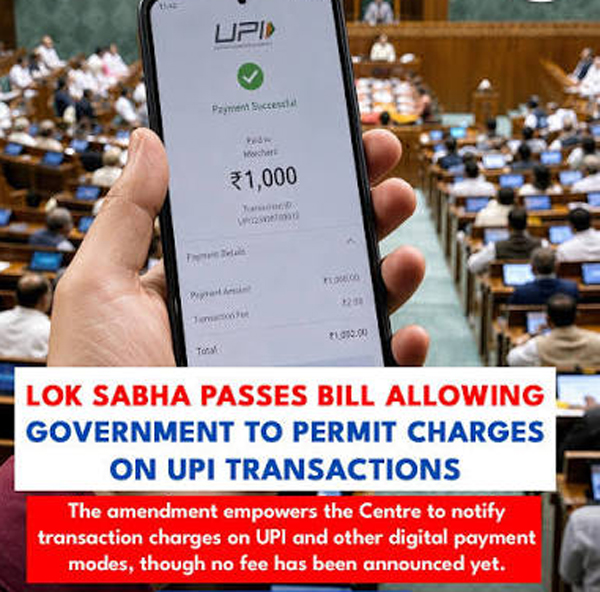
യുപിഐ ഇടപാടുകൾക്ക് ചാർജ് ഈടാക്കുമെന്ന തരത്തിലുള്ള ആശങ്കകൾക്ക് വിരാമമിട്ട് പേയ്മെന്റ് കൗൺസിൽ ഓഫ് ഇന്ത്യ (PCI). ഉപഭോക്താക്കൾക്കും ചെറുകിട വ്യാപാരികൾക്കും യുപിഐ സേവനങ്ങൾ തുടർന്നും പൂർണ്ണമായും സൗജന്യമായിരിക്കുമെന്ന് പി.സി.ഐ വ്യക്തമാക്കി.
ഇത് സംബന്ധിച്ച പ്രധാന വിവരങ്ങൾ പരിശോധിക്കുമ്പോൾ, സാധാരണക്കാർക്ക് യാതൊരുവിധ പണവും നൽകേണ്ടിവരില്ല എന്നതാണ് പ്രധാന കാര്യം. 2016-ൽ ആരംഭിച്ചതുപോലെ ഇനിയും യാതൊരുവിധ ഇടപാട് ചാർജുകളും നൽകാതെ എല്ലാ ഇന്ത്യൻ ഉപഭോക്താക്കൾക്കും യുപിഐ സേവനങ്ങൾ സുഗമമായി ഉപയോഗിക്കാൻ സാധിക്കും. അതുപോലെ തന്നെ ചെറുകിട വ്യാപാരികൾക്കും ഇത് ബാധകമല്ല. കിരാന കടകൾ ഉൾപ്പെടെയുള്ള ചെറുകിട വ്യാപാരികൾക്കും മർച്ചന്റ് ഡിസ്കൗണ്ട് നിരക്ക് (MDR) ഇല്ലാതെ തന്നെ യുപിഐ വഴി പണം സ്വീകരിക്കാം. ഭാവിയിൽ വലിയ വ്യാപാരികളിൽ നിന്ന് നിരക്കുകൾ ഈടാക്കിയാലും സാധാരണ ഉപഭോക്താക്കൾക്ക് അത് ബാധകമാകില്ലെന്ന് അധികൃതർ വ്യക്തമാക്കിയിട്ടുണ്ട്.
ഈ ബില്ലിന്റെ ലക്ഷ്യം ഡിജിറ്റൽ പേയ്മെന്റ് സംവിധാനങ്ങളുടെ സുരക്ഷയും അടിസ്ഥാന സൗകര്യങ്ങളും കൂടുതൽ മെച്ചപ്പെടുത്തുക എന്നതാണ്. പേയ്മെന്റ് ആൻഡ് സെറ്റിൽമെന്റ് സിസ്റ്റംസ് ആക്ട് ഭേദഗതി ചെയ്യുന്നതിനുള്ള ബിൽ ലോക്സഭ പാസാക്കിയതിന് പിന്നാലെയാണ് ഈ വിശദീകരണം വന്നിട്ടുള്ളത്. സാങ്കേതികവിദ്യ വികസിപ്പിക്കുന്നതിനുമുള്ള സുസ്ഥിര സാമ്പത്തിക മാതൃകയാണ് ഇതിലൂടെ ലക്ഷ്യമിടുന്നത്. ഡിജിറ്റൽ ഇടപാടുകൾ നടത്തുമ്പോൾ ഉപഭോക്താക്കൾക്ക് യാതൊരുവിധത്തിലുള്ള അധിക സാമ്പത്തിക ബാധ്യതയും ഉണ്ടാകില്ലെന്നും, രാജ്യത്തെ ഡിജിറ്റൽ പണമിടപാടുകൾ മുമ്പത്തെപ്പോലെ തടസ്സങ്ങളില്ലാതെ തുടരുമെന്നും അധികൃതർ ഉറപ്പുനൽകുന്നു.
Sources:christiansworldnews
The Payments Council of India on Friday said Unified Payments Interface (UPI) transactions will continue to remain free for consumers and that small merchants, including kirana stores, will not be charged for accepting digital payments, seeking to allay concerns over reports of possible merchant charges.
The clarification comes amid growing debate over the sustainability of India’s digital payments ecosystem and discussions around introducing merchant charges for certain categories of businesses.
“UPI will continue to remain free for consumers, and small merchants will not be charged for accepting digital payments,” the authority said in a statement.
PCI said any merchant service charges (MSC), where applicable, would be commercial arrangements between merchants and payment service providers and would not translate into consumers paying for UPI transactions.
“Banks, fintech companies, NPCI and the RBI have been investing in technology, cybersecurity, fraud prevention and innovation to maintain UPI’s reliability. Any merchant service charges, where applicable, would be commercial arrangements between merchants and payment providers and would not mean consumers have to pay for using UPI,” it said.
The council noted that UPI has remained free for consumers since its launch in 2016 and was designed to make digital payments accessible even for the smallest businesses. Protecting small merchants continues to remain central to the ecosystem’s inclusive growth, it added.
Citing recent discussions around UPI charges, the council noted that the platform has evolved into the world’s largest real-time payment system, processing billions of transactions every month. As transaction volumes continue to surge, stakeholders are exploring ways to sustainably support the infrastructure required to maintain the system while ensuring consumers and small merchants remain protected.
According to the body, banks, payment companies, fintech firms, the National Payments Corporation of India (NPCI) and the Reserve Bank of India (RBI) have collectively invested for nearly a decade in technology, cybersecurity, fraud prevention, innovation and customer support to build and maintain the payments infrastructure.
It added that the costs of operating the national payments network, including investments in security, compliance, customer support and technology, are currently borne by banks and payment service providers and further stressed that merchant service charges, where applicable for larger merchants, are a standard feature of digital payment ecosystems globally and should not be interpreted as charges on consumers using UPI.
The industry body said continued investment in infrastructure, security and innovation will be critical to ensuring that UPI, now a key national digital public infrastructure, remains reliable and resilient as usage continues to grow.
The statement comes soon after Finance Minister Nirmala Sitharaman rejected Congress’ claim that ordinary people could end up paying more for UPI transactions. She clarified that any Merchant Discount Rate (MDR) charged on digital transactions would be borne by merchants, not customers.
http://theendtimeradio.com



MTV Star Leaves Gay Lifestyle After Encounter With Jesus
Davis Mallory was once an MTV star who lived an openly gay lifestyle while simultaneously adhering to what he called...


അഞ്ചാമത് പെന്തക്കോസ്ത് മീഡിയ കോൺഫ്രൻസിന് അനുഗ്രഹീത സമാപനം.
കോട്ടയം : സത്യസന്ധതയും സമഗ്രതയുമാണ് ഒരു യഥാർത്ഥ മാധ്യമ പ്രവർത്തകൻ്റെ അടിസ്ഥാന ഗുണമെന്ന് മുൻ ചീഫ് സെക്രട്ടറിയും ഗ്രന്ഥകാരനുമായ ഡോ. ജിജി തോംസൺ ഐ എഎസ് പ്രസ്താവിച്ചു.ലോകമെങ്ങുമുള്ള...


ഇന്ത്യൻ ക്രിസ്റ്റ്യൻ ഡേ സമ്മേളനം സെപ്റ്റംബർ 19 വൈകിട്ട് 5 മണിക്ക് ഇർവിംഗ് സിറ്റിയിൽ
ഡാളസ് : ഇന്ത്യൻ ക്രിസ്റ്റ്യൻ ഡേ സമ്മേളനം ഇർവിംഗ് സിറ്റിയിൽ സെപ്റ്റംബർ19 ശനിയാഴ്വ വൈകുന്നേരം 5 മണിക്ക് ബെഥനി ഫുൾ ഗോസ്പൽ അസംബ്ളി ഹാളിലാണ് ആരംഭിയ്ക്കുന്നത്. സമ്മേളനത്തിൽ...


ഐപിസി വെമ്പായം സെൻ്റർ സണ്ടേസ്കൂൾ താലന്തു പരിശോധന സെപ്റ്റംബർ. 21-തിങ്കളാഴ്ച രാവിലെ 9 ന്
തിരുവനന്തപുരം: ഐപിസി വെമ്പായം സെൻ്റർ സൺഡേസ്കൂൾ അസോസിയേഷന്റെ ആഭിമുഖ്യത്തിൽ നടത്തുന്ന ഈ വർഷത്തെ താലന്തു പരിശോധന സെപ്റ്റംബർ. 21 തിങ്കളാഴ്ച രാവിലെ 9 മണി മുതൽ നാലാഞ്ചിറ...


കോർക്ക് ഏബേനസർ ദൈവസഭയിൽ സെപ്റ്റംബർ 19 ശനിയാഴ്ച ഏകദിന യുവജന ക്യാമ്പ്
അയർലൻഡ്: ഏകദിന യുവജന ക്യാമ്പ്: കോർക്ക് ഏബേനസർ ദൈവസഭയുടെ ആഭിമുഖ്യത്തിൽ എറൈസ് & ഇഗ്നൈറ്റ്’ എന്ന വിഷയത്തെ ആസ്പതമാക്കി ഏകദിന യുവജന ക്യാമ്പ്, 2026 സെപ്റ്റംബർ 19...


Theologian Uncovers Dangerous ‘Common Sense’ Hidden in Kids’ Movies Today
Very often, the truth is hiding in plain sight. That’s certainly the case with much of children’s entertainment. The underlying...
-

 Movie12 months ago
Forrest Frank Posts Blunt Response After Losing 30,000 Followers Over Charlie Kirk Post
-

 Sports12 months ago
‘Nothing Short of Revival’: Athletes at University of Pittsburgh Draw 600 with Gospel Outreach
-

 Movie11 months ago
Forrest Frank Says He Will No Longer Participate in Awards Shows, Shares ‘Conviction’ Behind Why
-

 us news12 months ago
‘Nothing Short of a Move of God’: Nearly 5,000 Decisions for Christ at Recent ‘Life Surge’ Events
-

 us news4 months ago
‘America Is Hungry’: Hundreds Born Again and Baptized as Jesus Tent Revival Sweeps the Nation
-

 Movie12 months ago
‘Malcolm in the Middle’ Star Frankie Muniz Declares He’s ‘Proud’ to ‘Live for Jesus’
-

 Movie10 months ago
CBN’s Superbook Launches New Free Bible App for Kids: ‘The Power of God Is Released’
-

 world news11 months ago
Nigerian Pastor Killed in Kwara State After Ransom Payments Made