
world news
Pakistan to try blasphemy cases under anti-terror law

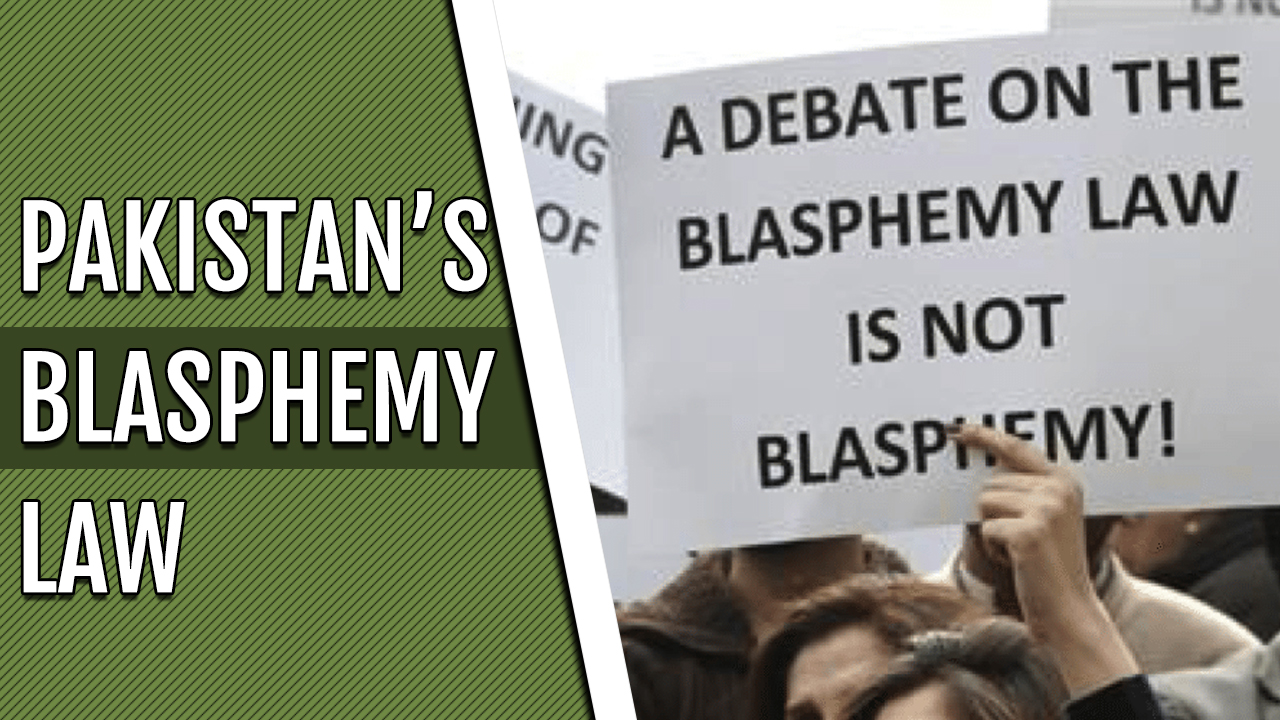
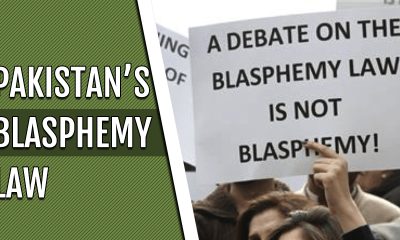
Pakistan — A government concession to demands by a Muslim extremist political party to allow blasphemy charges under Pakistan’s anti-terrorism laws has raised fears of more injustice for those accused under the harsh statutes, sources said.
Federal Interior Minister Rana Sanaullah and Economic Affairs Minister Sardar Ayaz Sadiq on June 17 signed the agreement with leaders of the Tehreek-e-Labbaik Pakistan (TLP), Muhammad Shafique Amini and Allama Ghulam Abbas Faizi, that would allow blasphemy cases to be tried under the country’s anti-terrorism law.
The agreement stipulates that punishment under Section 7 of the Anti-Terrorism Act (ATA) of 1997 would apply to suspects charged with committing blasphemy under the Pakistan Penal Code’s Section 295-C against making derogatory remarks about Muhammad, the prophet of Islam.
The government also agreed to establish a “Counter Blasphemy Wing” under the Federal Investigation Agency to take action against the dissemination of “blasphemous content” on the internet. In addition, the agreement calls for speedy trials of blasphemy suspects, as well as a swift appeals process.
A Muslim lawyer of the Supreme Court, Asad Jamal, said that derogatory remarks about Muhammad under Section 295-C do not fall under the definition of terrorism, and that the purpose of the ATA is to curb sectarianism.
“295-C relates to hurting of religious sentiments as a result of blasphemy against Prophet Muhammad, whereas Section 7 of ATA is specifically for acts wherein the general public feels terrorized by violence,” Jamal told Morning Star News. “It warrants a question here of how can an accused instigate the masses and simultaneously also terrorize them? Going ahead with any move to amend the ATA to include Section 295-C will only worsen the human rights situation in Pakistan.”
Jamal added that putting blasphemy under the anti-terror law could jeopardize Pakistan’s European Union GSP Plus status, which calls for improving the human rights situation in the country, including stopping the abuse of blasphemy laws.
He echoed rights activists’ fears about the fairness of blasphemy trials in anti-terror courts.
“Statements of the accused taken in police custody under CrPC [Criminal Procedure Code] are usually considered involuntary by the courts, which is why the accused are given an opportunity to record their statements again in the courtrooms,” Jamal said. “However, anti-terror courts routinely admit statements given in police custody, which may pose a serious issue for the accused.”
Moreover, blasphemy suspects already face social stigma, and if their cases are heard under anti-terror laws, they would face a double stigma of both blasphemer and terrorist, he said.
“Such surrenders by the government embolden religious forces to abuse the laws with more vigor and impunity,” Jamal said. “I hope the government realizes the consequences of this agreement with TLP and instead works to curb the false accusations of blasphemy which have tarnished the image of Pakistan globally.”
For the agreement to take effect, the government must amend the ATA through parliament, for which it is working on draft amendments.
Peter Jacob, executive director of the Lahore-based Center for Social Justice, said the legal measures and approach in the agreement are based on a presumption of guilt and rely mainly on the retributive aspect.
“These measures have been repeatedly tried and proven to be a failure in tackling the key issue of abuse of religion and law, particularly the blasphemy laws,” Jacob told Morning Star News.
The agreement was reached without any negotiations with representatives of rights and minorities, and it lacks a depth of understanding of the issues, he said.
“The government failed to take the aggrieved parties, i.e., civil society organizations, religious minorities and national human rights institutions, on board before conceding to this demand,” Jacob told Morning Star News. “By and by, this move is a misfortune for the government and the country.”
He noted that implementation of this demand would increase abuse of the blasphemy statutes, especially against vulnerable minorities like Christians and minority Muslim sects.
The Voice Society Chief Executive Aneeqa Maria said that, so far, Section 295-C is not a schedule offense and not included in Section 6 of the Anti-Terror Act, nor is it available in any offenses of the ATA of 1997.
“If a blasphemy accused is tried under anti-terrorism laws in Pakistan, it would have significant impact and consequences on the victims,” said Maria, a human rights attorney. “By associating blasphemy with terrorism, the accused may face limited legal protections and an increased risk of violence or vigilante attacks against them.”
With blasphemy included under the anti-terrorism laws, suspects may face a compromised judicial process, including unfair trials, she said.
“Additionally, bail could be denied further, prolonging their detention and exacerbating the emotional and physical toll on the victims,” Maria said.
She concurred that accusations of blasphemy already carry a high risk of violence and vigilantism in Pakistan.
“Trying blasphemy cases under anti-terrorism laws could further escalate this risk, as it would be seen as a matter of national security,” she told Morning Star News. “The accused, their lawyers, their families, and their communities could become targets of violence and threats from extremist groups or individuals who believe they are defending religious sensitivities.”
This fear can extend beyond suspects to lawyers, police, prosecutors, judges and others involved in the criminal justice system, she added.
“It may hinder their ability to carry out their duties effectively, impartially and without fear, thus undermining the principles of justice and human rights,” Maria said.
Joseph Jansen of advocacy group Voice for Justice said the addition of terrorism charges will make blasphemy suspects more vulnerable as they would more often face death or life imprisonment with a fine as punishment than they do under the blasphemy statutes.
“It will only strengthen the controversial laws and support arbitrary detentions, making the victims more vulnerable,” Jansen told Morning Star News. “It puts the prospect of a fair trial in question, thus violating our international treaties.”
He added that it was unfortunate that Pakistani governments have continued to capitulate to mobs in favor of laws misused for personal vendettas.
Weaponized law
Blasphemy against Muhammad is punishable by death under Pakistani law, and conviction requires little legal evidence.
As a result, the blasphemy laws are often used as a weapon of revenge against both Muslims and non-Muslims to settle personal scores or to resolve disputes over money, property or business. In a religiously sensitive country, a mere allegation is enough to provoke a mob to riot and lynch those accused of blasphemy.
At least 1,949 persons were accused under the blasphemy laws between 1987 and 2021, according to the Center for Social Justice. A large number of these blasphemy cases are still awaiting justice.
As of May 15, 57 cases of alleged blasphemy have been reported this year. Punjab Province tops the list with 28 cases, followed by Sindh Province with 16, Khyber Pakhtunkhwa Province with 8 and Kashmir Province with 5.
In January, the National Assembly passed the Criminal Laws (Amendment) Bill, increasing punishment for insulting Muhammad’s companions, wives and family members from three years to 10 years and a fine of 1 million rupees (US$3,480).
Pakistan ranked seventh on Open Doors’ 2023 World Watch List of the most difficult places to be a Christian, up from eighth the previous year.
Sources:Christian Post







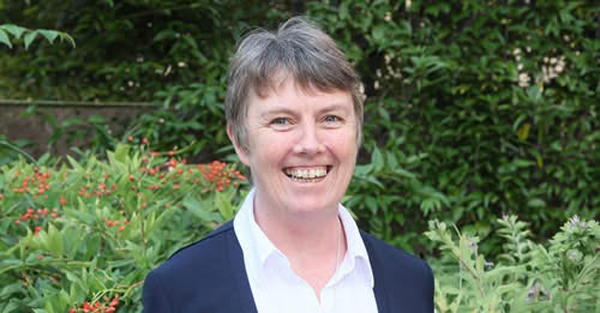
സുവിശേഷവത്കരണത്തിനായുള്ള ഡിക്കാസ്റ്ററിയിലെ സുവിശേഷവത്കരണത്തിനും പുതിയ പ്രാദേശിക സഭകൾക്കും വേണ്ടിയുള്ള വിഭാഗത്തിന്റെ അനുബന്ധ സെക്രട്ടറിയായി സി. മേരി തെരേസ ബാരോണിനെ ലെയോ പതിനാലാമൻ മാർപാപ്പ നിയമിച്ചു. പൊന്തിഫിക്കൽ മിഷൻ സൊസൈറ്റീസിന്റെ പ്രസിഡന്റ് ചുമതലയും ഇതോടൊപ്പം ഇവർ നിർവഹിക്കും.
നിലവിൽ മിഷനറി സിസ്റ്റേഴ്സ് ഓഫ് ഔർ ലേഡി ഓഫ് അപ്പോസ്റ്റൽസ് (Missionary Sisters of Our Lady of Apostles) സന്യാസിനീ സമൂഹത്തിന്റെ സുപ്പീരിയർ ജനറലായ സിസ്റ്റർ ബാരോൺ, 2027 ജനുവരി നാലിന് പുതിയ ചുമതലകൾ ഏൽക്കും. 1968 നവംബർ ഏഴിന് അയർലൻഡിലെ ഡോണഗലിലാണ് സിസ്റ്റർ മേരി തെരേസ ബാരോൺ ജനിച്ചത്. ഡബ്ലിനിലെ ഇൻസ്റ്റിറ്റ്യൂട്ട് ഫോർ പബ്ലിക് അഡ്മിനിസ്ട്രേഷനിൽ നിന്ന് പബ്ലിക് ഹെൽത്ത്കെയർ അഡ്മിനിസ്ട്രേഷനിലും, അയർലൻഡിലെ ഡബ്ലിനിലുള്ള കിമ്മേജ് ഇൻസ്റ്റിറ്റ്യൂട്ടിൽ നിന്ന് ഇന്റർനാഷണൽ ഡെവലപ്മെന്റിലും മാസ്റ്റേഴ്സ് ബിരുദങ്ങൾ നേടിയിട്ടുണ്ട്.
2022 മുതൽ 2025 വരെ ‘സർവീസ് ഓഫ് ഡോക്യുമെന്റേഷൻ ആൻഡ് സ്റ്റഡി ഓൺ ഗ്ലോബൽ മിഷൻ’ (SEDOS) പ്രസിഡന്റായും, 2023 മുതൽ 2025 വരെ ഇറ്റലിയിലെ റോം ആസ്ഥാനമായുള്ള ‘ഇന്റർനാഷണൽ യൂണിയൻ ഓഫ് സുപ്പീരിയേഴ്സ് ജനറൽ’ പ്രസിഡന്റായും പ്രവർത്തിച്ചു. 2018 മുതൽ മിഷനറി സിസ്റ്റേഴ്സ് ഓഫ് ഔർ ലേഡി ഓഫ് അപ്പോസ്റ്റൽസ്സിന്റെ സുപ്പീരിയർ ജനറലായി സേവനമനുഷ്ഠിച്ചു വരികയാണ്.
Sources:azchavattom.com
Pope Leo XIV has appointed the Reverend Sr. Mary Teresa Barron, N.S.A., superior general of the Missionary Sisters of Our Lady of the Apostles, as adjunct secretary of the Dicastery for Evangelization in the Section for First Evangelization and the New Particular Churches, with the office of president of the Pontifical Mission Societies, with effect from 4 January 2027.
Today, at around noon, before the recitation of the Angelus, Sr Mary Teresa Barron was presented to the staff of the Missionary Dicastery at the Palazzo di Propaganda Fide.
Reverend Sr. Barron was born in Donegal, Ireland, on 7 November 1968. She was awarded a master’s degree in “Public Healthcare Administration from the Institute for Public Administration in Dublin, and in “International Development” from the Kimmage Institute in Dublin, Ireland. Since 2018 she has served as superior general of the Missionary Sisters of Our Lady of the Apostles, from 2022 to 2025 she was president of the Service of Documentation and Study on Global Mission (SEDOS), and from 2023 to 2025, president of the International Union of Superiors General (UISG) in Rome, Italy, as stated in the official curriculum vitae accompanying the appointment.
Her public statements are characterized by her missionary experience, intercultural dialogue and the link between synodality and the proclamation of the Gospel.
In an interview with the Spanish weekly Vida Nueva, published on 10 January 2025, she stressed the importance of having lived and worked in different ecclesial contexts and of being in contact with “the Church and peoples from different continents”.
She described this experience as “extremely important for any role in the Church that has a global reach”.
When asked on that occasion what belonging to a missionary congregation might have in common in her own journey and that of Sister Simona Brambilla, who had recently been appointed Prefect of the Dicastery for Institutes of Consecrated Life and Societies of Apostolic Life, she explained: “I believe that a missionary perspective and understanding are very important in a synodal Church, because experience teaches us to appreciate and cherish diversity as a source of richness.” She added that “the missionary spirit is often inclusive and readily encourages dialogue”, qualities that are important in relations with people from all over the world.
The link between mission and synodality was already at the heart of her words at the conclusion of the Assembly of the Synod on Synodality in October 2024. In an interview with iCatholic, Sister Barron recalled with emotion a process in which she had been involved from the very beginning, three years earlier. She expressed satisfaction with the final document, which she regarded as a source of support to continue “as a Church on this synodal path”.
When asked about the prospects for the Irish synodal journey, she identified the “missionary orientation” as one of the document’s strengths. The challenge, she explained, was to form missionary disciples and to help people live their faith in everyday life: “Faith is not a Sunday event; it is something we live every day.” It meant bringing Christ’s love into ordinary life and sharing it. She also highlighted the emphasis placed on the family as the domestic Church, seeing this as a call to a more missionary presence in society.
On 19 March 2026, in a joint interview with Vatican News together with Father François Marie Hervé du Penhoat, Superior General of the Society of African Missions, Sister Barron reflected on new forms of missionary presence. The two congregations were celebrating, among other anniversaries, the 150th anniversary of the foundation of the Sisters of Our Lady of the Apostles and the 170th anniversary of the Society of African Missions.
“The Church is becoming more synodal. This missionary spirit is fundamental,” she said.
“Today, our response could include accompanying migrants, women who are victims of trafficking for the purpose of exploitation, and a greater commitment to social pastoral ministry, even though our traditional apostolates in healthcare and education remain essential.”
She also recalled the international dimension of the congregation, which brings together sisters from 21 countries, and the importance of nurturing a family spirit among them.
Her concern for people wounded by exploitation is one of the causes particularly close to her heart, as shown by a message she addressed to participants in a prayer marathon against human trafficking, organized in 2025 by the UISG and the Union of Superiors General. “Our prayers today are not just words. They are also a call to action,” she stressed, inviting participants to walk in solidarity with victims and to draw inspiration from the courage of survivors.
During the nine-day novena following the death of Pope Francis, on 3 May 2025 in St Peter’s Basilica, she expressed, on behalf of consecrated women, a commitment to continue a mission of closeness: “To be the caress of our loving God the Creator towards those who suffer, to be the fire that kindles other fires.” She linked this mission to the Gospel’s call to go out to meet people, to serve, heal and accompany those most in need.
http://theendtimeradio.com
ഇസ്ലാമാബാദ്: പാക്കിസ്ഥാനിലെ ക്രൈസ്തവര് ഉള്പ്പെടെയുള്ള മതന്യൂനപക്ഷങ്ങൾ കഴിഞ്ഞ വര്ഷവും കടുത്ത വിവേചനവും അക്രമങ്ങളും പീഡനങ്ങളും നേരിട്ടതായി കത്തോലിക്ക സഭയുടെ മനുഷ്യാവകാശ വിഭാഗത്തിന്റെ റിപ്പോർട്ട്. പാക്കിസ്ഥാൻ കാത്തലിക് ബിഷപ്പ്സ് കോൺഫറൻസിന് കീഴിലുള്ള ‘നാഷണൽ കമ്മീഷൻ ഫോർ ജസ്റ്റിസ് ആൻഡ് പീസ്’ (NCJP) പ്രസിദ്ധീകരിച്ച ‘ഹ്യൂമൻ റൈറ്റ്സ് മോണിറ്റർ 2026’ എന്ന വാർഷിക റിപ്പോർട്ടിലാണ് വിവരങ്ങൾ രേഖപ്പെടുത്തിയിട്ടുള്ളത്.
ക്രൈസ്തവ വിഭാഗങ്ങൾക്കെതിരെയുള്ള മതനിന്ദ ആരോപണങ്ങൾ, ന്യൂനപക്ഷ പെൺകുട്ടികളെ തട്ടിക്കൊണ്ടുപോയി നിർബന്ധിത മതപരിവർത്തനത്തിനും വിവാഹത്തിനും ഇരയാക്കൽ, ക്രൈസ്തവര് ഉള്പ്പെടെയുള്ള ന്യൂനപക്ഷങ്ങളോടുള്ള വിവേചനം എന്നിവയാണ് റിപ്പോർട്ടിൽ പ്രധാനമായും ചൂണ്ടിക്കാണിക്കുന്നത്. 2025-ൽ എട്ട് ക്രൈസ്തവ വിശ്വാസികൾക്കെതിരെ മതനിന്ദ കുറ്റം ചുമത്തിയതായി കമ്മീഷൻ രേഖപ്പെടുത്തി. ഇക്കാലയളവിൽ രണ്ട് പേർക്ക് ജാമ്യം ലഭിക്കുകയും മുന്പ് തടവിലാക്കപ്പെട്ട എട്ട് പേരെ കോടതി കുറ്റവിമുക്തരാക്കുകയും ചെയ്തു.
മതനിന്ദ കുറ്റം ചുമത്തപ്പെട്ട് 23 വർഷം വധശിക്ഷ തടവുകാരനായി കഴിഞ്ഞ 72 വയസ്സുകാരനായ അൻവർ കെന്നത്ത് എന്ന ക്രൈസ്തവ വിശ്വാസിയെ കഴിഞ്ഞ വര്ഷം കോടതി കുറ്റവിമുക്തനാക്കിയിരിന്നു. രണ്ടേകാല് പതിറ്റാണ്ടാണ് അദ്ദേഹം തടവില് നരകയാതന അനുഭവിച്ചത്. മതനിന്ദാ നിയമങ്ങൾ ദുരുപയോഗം ചെയ്യുന്നത് തടയാൻ അവ റദ്ദാക്കുകയോ സമഗ്രമായി ഭേദഗതി ചെയ്യുകയോ ചെയ്യണമെന്ന് സംഘടന ആവശ്യപ്പെട്ടു. വ്യാജ ആരോപണങ്ങൾക്ക് ഇരയായവർക്ക് നഷ്ടപരിഹാരം നൽകണമെന്നും ഈ നിയമങ്ങളുടെ പ്രത്യാഘാതങ്ങളെക്കുറിച്ച് പഠനം നടത്തണമെന്നും കമ്മീഷൻ സർക്കാരിനോട് ആവശ്യപ്പെടുന്നുണ്ട്.
കടപ്പാട് :പ്രവാചക ശബ്ദം
The National Commission for Justice and Peace (NCJP), a body under the Catholic Bishops’ Conference of Pakistan, has published and submitted a new Report to the Pontifical Foundation Aid to the Church in Need (ACN). The Report highlights numerous human rights violations against minorities in the country during 2025. Spanning dozens of pages, it documents specific cases of persecution against religious minorities, including Christian communities.
The report details the killings of Christians in 2025, including that of Kashif Massih, accused of theft and tortured to death, and Afzal Masih, who was shot dead while traveling to the Christian shrine of Mariamabad. Most cases are linked to social discrimination. For instance, efforts to clarify the facts and secure justice regarding the 2023 Jaranwala attacks have been hindered, while experts have criticized the presence of a «majoritarian and supremacist mindset» in some educational materials. The «Blasphemy Law»: A Weapon Against Minorities Accusations of blasphemy remain a major concern. In 2025, eight Christians were formally charged with blasphemy, while two others were released on bail after having been previously accused. Members of other faiths, including both minorities and Muslims belonging to majority currents, also suffer from the misuse of these laws.
ACN has been closely monitoring this issue for many years. Penalties for blasphemy in Pakistan range from life imprisonment to the death penalty, and the requirements for filing an accusation are relatively low; this turns these laws into a tool used to persecute members of religious minorities or settle personal disputes. Violence against women remains high. Another particularly concerning area involves violence and crimes committed against women, including girls. This is an issue on which ACN has reported extensively over the years. The Report details several cases of the abduction of young women and girls from religious minorities, which resulted in forced conversions and marriages. In some of these instances, authorities were complicit in the crimes, siding with the abductors and refusing to accept complaints filed by the minors’ parents.
However, the Report also notes cases where judges refused to hand the minors over to their alleged husbands and ordered their return to their families. Additionally, some perpetrators were convicted by the courts. Nevertheless, the report cites 35 separate incidents affecting dozens of women and girls from religious minorities in Pakistan during 2025, primarily Christians and Hindus. Positive Signs The Report also highlights signs of positive progress.
For instance, Punjab’s Minister for Minority Affairs described the role of the Christian community in Pakistan as «exemplary» and stated that ensuring the community’s protection and safety remains a top priority for the provincial government. Another positive development concerns blasphemy cases. In 2025, eight Christians were acquitted of blasphemy charges, while Federal Minister Azam Nazeer Tarar stated that the government is working to introduce procedural safeguards to prevent the misuse of blasphemy laws and ensure faster, more effective justice.
Additionally, in 2025, the country’s High Court expressly banned the use of the phrase «For Christians only» in job advertisements for cleaning and sanitation roles, putting an end to a practice that had persisted for many years. In his introductory message, Monsignor Samson Shukardin, Bishop of Hyderabad and President of the CNJP, writes: «Pakistan is a nation richly blessed with diverse cultures and a profound religious heritage. Yet, there is a worrying contradiction at its core. Time and again, State officials, politicians, and Muslim religious leaders publicly and unhesitatingly assert that Pakistan is a country of Muslims and for Muslims. In doing so, they render the remaining 3% of the population invisible.»
The Bishop concludes: «This is not merely a rhetorical failure. It is a deliberate denial of Pakistan’s multi-religious reality, and the nation has paid a heavy price for it.» In the latest edition of its “2025 Report on Religious Freedom in the World,” ACN classifies Pakistan as a country where religious persecution occurs, placing it at the highest level of concern covered by the Report.
http://theendtimeradio.com
world news
നൈജീരിയയിൽ ഈ വർഷം 4216 ക്രൈസ്തവര് കൊല്ലപ്പെട്ടതായി യുഎസ് സന്നദ്ധ സംഘടനയുടെ റിപ്പോര്ട്ട്
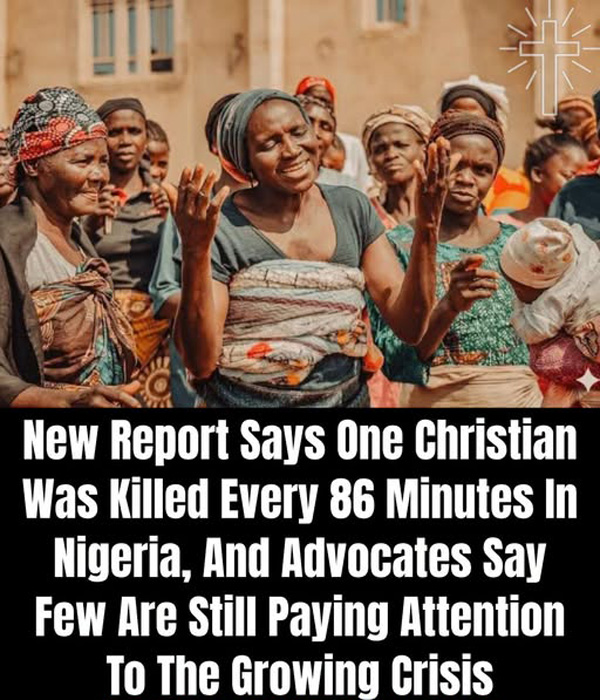
അബൂജ: നൈജീരിയയിൽ ക്രൈസ്തവ ജനവിഭാഗങ്ങൾക്ക് നേരെയുള്ള അക്രമങ്ങളും പീഡനങ്ങളും അതിരൂക്ഷമായി തുടരുന്നതായി സ്ഥിരീകരിച്ച് റിപ്പോർട്ട്. ഈ വർഷം ജനുവരി 1 മുതൽ സെപ്റ്റംബർ 8 വരെയുള്ള കാലയളവിൽ മാത്രം രാജ്യത്ത് 4216 ക്രൈസ്തവർ കൊല്ലപ്പെട്ടതായി യുഎസ് ആസ്ഥാനമായി പ്രവർത്തിക്കുന്ന അന്താരാഷ്ട്ര സന്നദ്ധ സംഘടനയായ ‘ഇക്വിപ്പിംഗ് ദി പെർസിക്യൂട്ടഡ്’ (ETP) പുറത്തുവിട്ട റിപ്പോർട്ടിൽ വ്യക്തമാക്കുന്നു. ‘ക്രൈസിസ് ഇൻ ദ മിഡിൽ ബെൽറ്റ്: റിലിജിയസ് പെർസിക്യൂഷൻ & സെക്യൂരിറ്റി ഫെയിലിയർ ഇൻ നൈജീരിയ’ എന്ന പേരിൽ പുറത്തിറക്കിയ 16 പേജുള്ള റിപ്പോർട്ടിലാണ് ഞെട്ടിപ്പിക്കുന്ന വിവരങ്ങളുള്ളത്.
പ്രതിദിനം ശരാശരി 17 പേർ വീതം അല്ലെങ്കിൽ ഒന്നര മണിക്കൂറിൽ ഒരാൾ എന്ന തോതിൽ ക്രൈസ്തവർ കൊല്ലപ്പെടുന്നുവെന്നും സംഘടനയുടെ കണക്കുകളില് പറയുന്നു. ദൃക്സാക്ഷി വിവരണങ്ങൾ, അതിജീവിച്ചവരുടെ മൊഴികൾ, മെഡിക്കൽ- മൃതസംസ്കാര രേഖകൾ, ക്രൈസ്തവ ആരാധനാലയങ്ങളുടെ രേഖകൾ എന്നിവ അടിസ്ഥാനമാക്കിയാണ് കണക്കുകള് പ്രസിദ്ധീകരിച്ചിരിക്കുന്നത്. ലഭ്യമായ വസ്തുതകൾ പ്രകാരം രേഖപ്പെടുത്തിയ ഏറ്റവും കുറഞ്ഞ കണക്കുകൾ മാത്രമാണിതെന്നും സംഘടന വ്യക്തമാക്കുന്നു.
അക്രമങ്ങളെ തുടർന്ന് മധ്യ നൈജീരിയയില് അറുനൂറിലധികം ക്രൈസ്തവ സമൂഹങ്ങള് ഛിന്നഭിന്നമായി. അഞ്ച് ദശലക്ഷത്തിലധികം ക്രൈസ്തവർ ഭവനരഹിതരായി പലായനം ചെയ്യാൻ നിർബന്ധിതരായി. ഗ്രാമങ്ങൾ ആക്രമിക്കുക, തീവെപ്പ്, തട്ടിക്കൊണ്ടുപോകൽ, തുടർച്ചയായ കുടിയൊഴിപ്പിക്കൽ തുടങ്ങിയവയാണ് ക്രൈസ്തവര്ക്ക് നേരെ സായുധ സംഘം നടത്തുന്ന പ്രധാന അക്രമ രീതികൾ. സെപ്റ്റംബറിലെ ഒരു ആഴ്ചയിൽ മാത്രം വിവിധ സംസ്ഥാനങ്ങളിലായി 35 പേർ കൊല്ലപ്പെടുകയും എഴുപതിലധികം പേർ തട്ടിക്കൊണ്ടുപോകലിന് ഇരയാകുകയും ചെയ്തതായി റിപ്പോർട്ടില് ചൂണ്ടിക്കാണിക്കുന്നു.
നൈജീരിയയിലെ ഈ അക്രമങ്ങളെ പലപ്പോഴും കർഷകരും ഇടയന്മാരും തമ്മിലുള്ള സാധാരണ തർക്കങ്ങളായോ പ്രാദേശിക സംഘർഷങ്ങളായോ ലഘൂകരിച്ച് ചിത്രീകരിക്കാറുണ്ടെന്നും എന്നാൽ ഇത് യാഥാർത്ഥ്യത്തെ മറച്ചുവെക്കലാണെന്നും റിപ്പോർട്ട് ചൂണ്ടിക്കാട്ടുന്നു. ഗ്രാമങ്ങൾ നശിപ്പിക്കുന്നതും ദേവാലയങ്ങള് ചുട്ടെരിക്കുന്നതും ഭൂമി പിടിച്ചെടുക്കുന്നതുമെല്ലാം സംഘടിത തീവ്രവാദ ഗ്രൂപ്പുകൾ നടത്തുന്ന മതപരമായ അക്രമങ്ങളുടെ ഭാഗമാണ്. സംഘടിത ഫുലാനി ശൃംഖലകൾക്ക് പുറമെ ബൊക്കോ ഹറാം, ഇസ്ലാമിക് സ്റ്റേറ്റ് വെസ്റ്റ് ആഫ്രിക്ക പ്രൊവിൻസ് (ISWAP), അൻസാരു, ലകുറാവ തുടങ്ങിയ ഭീകര സംഘടനകളും ഈ അക്രമങ്ങൾക്ക് പിന്നിലുണ്ടെന്നും റിപ്പോര്ട്ടില് പരാമര്ശമുണ്ട്.
കടപ്പാട് :പ്രവാചക ശബ്ദം
A new report from Equipping The Persecuted looks at the crisis factors behind the ongoing killings of Christians in Nigeria.
Between January 1 and September 8 of this year, the group verified that at least 4,216 Christians were killed. That comes to nearly 17 people per day, or one every 86 minutes.
Greg Kelley with Unknown Nations says that Fulani militants have become the leading source of violence.
“It’s the largest unreached nomadic people group in the world,” says Kelley. “They are the ones [who] have tremendous influence as a people across Nigeria and these other parts of Africa.”
How should the Body of Christ respond? Kelley says to support local missionaries ready to reach northern Nigeria.
“Nigeria has more Christians in it than any country in the entire continent of Africa. Over 100 million Christians,” he says.
“If you went right in the middle of Nigeria and [divided] it, you would find all of the Christians, for the most part, are in the south. Whereas in the north, where all of these horrific stories of persecution and attacks and kidnappings are taking place in the north, which is almost exclusively Muslim, to the tune of 100 million.”
Kelley recently returned from a trip to visit partners in northern Nigeria. He says there are dozens and dozens of Nigerian believers ready to go to the north with the hope of Christ.
“They just need a motorcycle. They need resources so they can do training. They need our solar-powered audio Bible that we distribute in dozens of Nigerian languages,” says Kelley. “They need resources, but they are willing to go.”
Unknown Nations has been involved in northern Nigeria’s challenges for 25 years. Join them in praying over Muslim people groups like the Fulani, Hausa, and Kanuri.
“I would challenge people to change their vocabulary when they pray,” says Kelley. He says to name specific people groups in our prayers rather than pray for Nigeria in general terms.
Prayer is the first way to partner with Unknown Nations’ network in the spiritual battle. Financial support will also help to press this mission forward.
“Coming alongside the local indigenous work that God is doing among Nigerians is really the answer to this horrible issue,” says Kelley. “We need to be strategic in our prayers and in our mobilization of resources.”
http://theendtimeradio.com


ഫിലാഡൽഫിയ ഐ.പി.സി ഹെബ്രോൻ സമർപ്പണ-ആരാധനാ ശുശ്രൂഷ ഒക്ടോബർ 18 ന്
ഫിലഡൽഫിയ : പെൻസിൽവാനിയലിലുള്ള ഫിലാഡൽഫിയ ഐ.പി.സി ഹെബ്രോൻ സഭയുടെ പുതിയ കെട്ടിടത്തിന്റെ സമർപ്പണ-ആരാധനാ ശുശ്രൂഷ ഒക്ടോബർ 18 ഞായറാഴ്ച രാവിലെ 9:30-ന് നടത്തപ്പെടും. വിശാലമായ ആരാധനാ ഹാൾ,...


നോർത്ത് അമേരിക്കൻ മലയാളി ക്രിസ്ത്യൻ സിംഗിൾസ് സംഗമം ‘ഫാൾ ഇൻ മലയാലവ്’ ഒക്ടോബർ 17-ന് ഹൂസ്റ്റണിൽ : മാർട്ടിൻ വിലങ്ങോലിൽ
ഹൂസ്റ്റൺ : നോർത്ത് അമേരിക്കയിലെ മലയാളി ക്രിസ്ത്യൻ യുവാക്കൾക്കായി ‘ഫാൾ ഇൻ മലയാലവ്’ (Fall in MalayaLove – FIM) സംഘടിപ്പിക്കുന്ന നാലാമത് വാർഷിക സിംഗിൾസ് സ്പീഡ്...


മെൽബണിൽ രെഹോലൈഫ് ചർച്ചിന്റെ ‘എഫ്ഫത്താ’ മീറ്റിംഗ് ഒക്ടോബർ 17ന്
മെൽബൺ: രെഹോലൈഫ് ചർച്ചിന്റെ ആഭിമുഖ്യത്തിൽ ‘എഫ്ഫത്താ’ എന്ന പേരിൽ പ്രത്യേക ശുശ്രൂഷ ഒക്ടോബർ 17ന് മെൽബണിലെ പാക്കൻഹാമിൽ നടക്കും. ‘വചനം, സൗഖ്യം, വിടുതൽ, മുന്നേറ്റം’ എന്ന ആശയത്തെ...

A ‘Convinced Atheist’ Finds Jesus on the Sea of Galilee
A rising star in Swedish media, Ingrid Carlqvist worked as an investigative reporter and editor at some of the country’s...

സുവിശേഷവത്കരണത്തിനായുള്ള ഡിക്കാസ്റ്ററിയുടെ അനുബന്ധ സെക്രട്ടറിയായി സി. ബാരോൺ
സുവിശേഷവത്കരണത്തിനായുള്ള ഡിക്കാസ്റ്ററിയിലെ സുവിശേഷവത്കരണത്തിനും പുതിയ പ്രാദേശിക സഭകൾക്കും വേണ്ടിയുള്ള വിഭാഗത്തിന്റെ അനുബന്ധ സെക്രട്ടറിയായി സി. മേരി തെരേസ ബാരോണിനെ ലെയോ പതിനാലാമൻ മാർപാപ്പ നിയമിച്ചു. പൊന്തിഫിക്കൽ മിഷൻ...


Faith Christian Church to Celebrate 50th Anniversary on October 10
New York – Faith Christian Church, formerly known as Bronx Full Gospel Assembly, will celebrate its Golden Jubilee – 50th...
-

 Movie12 months ago
Brandon Lake sweeps 2025 Dove Awards, brings down the house alongside Jelly Roll with ‘Hard Fought Hallelujah’
-

 us news5 months ago
‘America Is Hungry’: Hundreds Born Again and Baptized as Jesus Tent Revival Sweeps the Nation
-

 us news4 months ago
Mike Winger deletes YouVersion app over ‘The Passion Translation’ controversy, urges others to ‘use caution’
-

 Movie11 months ago
CBN’s Superbook Launches New Free Bible App for Kids: ‘The Power of God Is Released’
-

 Movie8 months ago
Hollywood Actor Jen Lilley Launching New Ministry After ‘Vision’ From Holy Spirit
-

 Sports12 months ago
Jaguars Star Travis Hunter, Olympic Gold Medalist Noah Lyles Get Baptized: ‘Leaving My Old Self’
-

 Movie12 months ago
Roles Jaakko Ohtonen Played Before Taking on Jesus in Mel Gibson’s ‘The Resurrection of the Christ’
-

 Movie12 months ago
Christian Production ‘The Thorn’ Immerses Audiences in the Biblical Story of Jesus