
Media
1,300-year-old church with colorful mosaics discovered in the Galilee

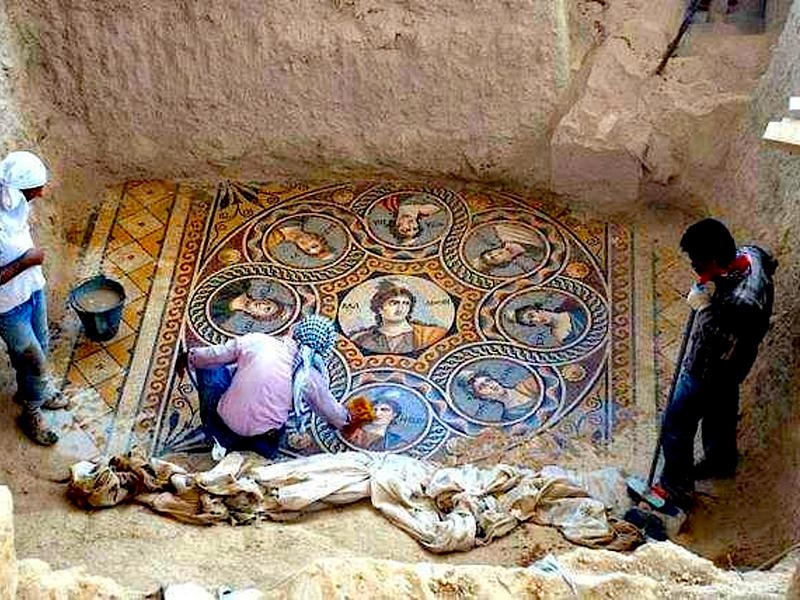
Move a rock in Israel, find an archaeological site. Now, ahead of building a playground for kiddies in the Circassian village of Kafr Kama, archaeologists conducting a “salvage excavation” have found the ruins of a 1,300-year-old church dating to the Byzantine period.
Actually, the excavators suspect the villagers carried out their devotions at a smaller local church with two chapels in the village dating to about the same time, which had been discovered half a century ago. The newly discovered, rather bigger edifice may have been a monastery, the archaeologists think, based on adjacent rooms that remain underground after being discovered by Shani Libbi using ground-penetrating radar.
Kafr Kama’s proximity to the iconic site of Mount Tabor – where some believe Jesus underwent the Transfiguration and began to radiate light – piqued the interest of Archbishop Youssef Matta, the head of the Greek Catholic Church in Israel. He was invited by the Israel Antiquities Authority, and came to see the site in person.
“And after six days Jesus taketh Peter, James, and John his brother, and bringeth them up into a high mountain apart; And was transfigured before them: and his face did shine as the sun, and his raiment was white as the light” – Matthew 17:1.
The main body of the newly discovered church is 12 by 36 meters (39 by 118 feet), which is medium-sized for the region, says Prof. Moti Aviam of the Kinneret Academic College, who is researching the Byzantine period in the Galilee and is collaborating with the Israel Antiquities Authority on this dig.
The discovery of the church was not expected, said Nurit Feig, the archaeologist leading the excavation on behalf of the Israel Antiquities Authority. “This was a small salvage excavation that we expanded,” she told Haaretz. Usually, a salvage excavation of this sort is defined in scope, but then she began to see the border of the nave wall and an apse – and realized they were on top of an ancient church.
Now they know the area includes a courtyard, a narthex foyer, a central hall and three apses. Churches in the Galilee normally have one or three apses, Feig and Aviam explained.
Wondrously, the archaeologists also found a reliquary: a stone box used to hold “sacred relics.” Sad to relate, it was empty. “The other ancient church found in Kafr Kama also had a reliquary, a closed one, that had bones inside,” Aviam said.
“In light of our many studies in Israel in general and the Galilee in particular, we know there were a lot of village rural monasteries. The monks weren’t hermits like in the desert monasteries. They lived alongside the villages, sometimes inside the villages, with villagers working at the monastery,” Aviam said. He added that they have no proof this new discovery is actually a monastery – no inscriptions have been found, for instance. But that’s his gut feeling.
Nor is there evidence for how the monks made their living, if monks there were. It has been found that at other Galilean monasteries, the monks engaged mostly in agriculture, producing olive oil and wine, Aviam said.
Church or monastery, it had mosaics on the floor of the nave and apses, which is very much the norm for the Galilean churches. But they were badly damaged, Aviam said. All we can see are geometrical motifs and some flowers in blue, black and red, but there may have been other images that are now gone.
Faith in the Galilee
In fact, the two sixth-century churches of Kafr Kama fit the bigger picture that Aviam is discovering in his research of the Byzantine Galilee, conducted with Jacob Ashkenazi of the Kinneret Institute of Galilean Archaeology in the Kinneret Academic College.
In Western Galilee alone, there are about 100 churches from the Byzantine time, very roughly speaking, Aviam told Haaretz.
The western side of the Upper Galilee was actually Christianized in the Byzantine period while the eastern side was Jewish, he explained. Down in the lower Galilee, the towns were almost entirely Jewish, but Christianity gradually penetrated – resulting in villages like Kafr Kama, with its two churches. Or one church and one monastery.
The attraction for early Christians in the Galilee included the city of Nazareth: Jesus was reportedly born in Bethlehem, but grew up in the Galilee. Nazareth was actually mixed during the Byzantine period, Aviam said – Jewish with some churches.
Like so many places in the region, occupation in the town now known as Kafr Kama goes back to the Bronze Age, and possibly earlier. But we may never know (much) more about the Christian era in this village.
This very week, the mosaics are going to be re-blanketed in earth for the sake of their conservation, Feig told Haaretz. That will protect them for the future masses that will probably never see them. The site is earmarked for a playground, and unless the local council and Jewish National Fund change their minds, a playground it will be.
“We can’t say at this stage how much may be covered and if anything will be preserved,” Feig said. The IAA may warmly recommend that the site be conserved, preserved and opened for visitors; but the initiators of the real estate project in the village have the ultimate decision, she explained. And if they decide to preserve the ancient church or monastery, whichever it is, then the IAA experts can happily get to work.
The first church from early Christianity found in the Circassian village is also gone, partly covered, partly built over, the archaeologists say. Discovering the new one was an emotional moment for the excavators and villagers alike, who flocked to see it during the “open days” the archaeologists held – joined by the archbishop.
Asked why there was so much excitement if there are around 100 ancient churches in the Galilee, Feig said that this one is in a quite good state of preservation after all those 1,400 years: they know where all its parts are. But they may remain the only ones with that knowledge.






ടെക്സസ്:അമേരിക്കന് ക്രൈസ്തവ ടെലിവിഷന് രംഗത്തെ ശ്രദ്ധേയ വ്യക്തിത്വവും ‘ഡേസ്റ്റാര്’ -ന്റെ സഹസ്ഥാപകയുമായ ജോണി ലാംബ് അന്തരിച്ചു. 65 വയസ്സായിരുന്നു. ആരോഗ്യ പ്രശ്നങ്ങളെയും പിന്നിലെ പരിക്കിനെത്തുടര്ന്നുണ്ടായ സങ്കീര്ണ്ണതകളെയും തുടര്ന്നായിരുന്നു മരണമെന്ന് റിപ്പോര്ട്ടുകള് വ്യക്തമാക്കുന്നു.
1980-കളില് ഭര്ത്താവായ മാര്ക്കസ് ലാംബിനൊപ്പം ചെറിയ ക്രൈസ്തവ ടെലിവിഷന് ശുശ്രൂഷയായി ആരംഭിച്ച പ്രവര്ത്തനം പിന്നീട് ലോകത്തിലെ ഏറ്റവും വലിയ ക്രൈസ്തവ ടെലിവിഷന് ശൃംഖലകളിലൊന്നായ ഡേസ്റ്റാര് ടെലിവിഷന് ആയി വളര്ന്നു. ലോകമെമ്പാടുമുള്ള കോടിക്കണക്കിന് പ്രേക്ഷകരിലേക്ക് സുവിശേഷ സന്ദേശം എത്തിക്കുന്നതില് ജോണി ലാംബ് നിര്ണായക പങ്കുവഹിച്ചു. ‘Joni Table Talk’, ‘Ministry Now!’ തുടങ്ങിയ ടെലിവിഷന് പരിപാടികളിലൂടെ അവര് ക്രൈസ്തവ കുടുംബങ്ങളില് സുപരിചിതയായി മാറി. വിശ്വാസം, കുടുംബജീവിതം, ആത്മീയത, സാമൂഹിക വിഷയങ്ങള് തുടങ്ങിയവ ചര്ച്ച ചെയ്തിരുന്ന അവരുടെ അവതരണശൈലി നിരവധി പ്രേക്ഷകരെ സ്വാധീനിച്ചിരുന്നു. 2004-ല് അവരുടെ ടോക്ക് ഷോ മികച്ച മതപരമായ ടെലിവിഷന് പരിപാടിക്കുള്ള അംഗീകാരവും നേടിയിരുന്നു.
1960 ജൂലൈ 19-ന് അമേരിക്കയിലെ സൗത്ത് കരോലിനയിലെ ഗ്രീന്വില്ലില് ജനിച്ച ജോണി ട്രമ്മെല് പിന്നീട് മാര്ക്കസ് ലാംബിനെ വിവാഹം ചെയ്തു. വിവാഹശേഷം ഇരുവരും ചേര്ന്ന് സുവിശേഷ പ്രവര്ത്തനങ്ങളിലും ടെലിവിഷന് ശുശ്രൂഷയിലും സജീവമായി. 1990-കളില് ടെക്സസിലേക്ക് പ്രവര്ത്തനം വ്യാപിപ്പിച്ച ഇവര് പിന്നീട് ഡേ സ്റ്റാര് സ്ഥാപിച്ചു. 2021-ല് കോവിഡ് ബാധയെ തുടര്ന്ന് മാര്ക്കസ് ലാംബ് അന്തരിച്ചതിനു ശേഷം ഡേ സ്റ്റാര്ന്റെ പ്രവര്ത്തനങ്ങള് ജോണി ലാംബ് നേതൃത്വം നല്കി മുന്നോട്ട് കൊണ്ടുപോയിരുന്നു. പിന്നീട് 2023-ല് ഡഗ് വൈസ് എന്ന ക്രൈസ്തവ കൗണ്സിലറുമായി അവര് വിവാഹിതയായി. ജോണി ലാംബിന്റെ നിര്യാണത്തില് അമേരിക്കയിലെയും ലോകമെമ്പാടുമുള്ള നിരവധി ക്രൈസ്തവ നേതാക്കളും ശുശ്രൂഷകരും അനുശോചനം രേഖപ്പെടുത്തി. ക്രൈസ്തവ മാധ്യമരംഗത്ത് അവര് നല്കിയ സംഭാവനകള് എന്നും ഓര്മ്മിക്കപ്പെടുമെന്ന് അനുശോചന സന്ദേശങ്ങളില് പറയുന്നു.
Sources:nerkazhcha
Daystar Television Network president and founder Joni Lamb has died, the ministry announced Thursday, saying a recent back injury worsened ongoing health challenges.
Lamb, 65, co‑founded Daystar in 1993 with her late husband, Marcus, and helped grow it into one of the world’s largest Christian TV networks. She spent nearly 40 years on‑air and in leadership, shaping the network’s ministry and global reach.
The network is based in Bedford, a North Texas suburb between Dallas and Fort Worth.
Board praises Lamb’s faith and legacy
The Daystar Board of Directors praised her faith, leadership and legacy in a statement.
“Joni’s love for the Lord and for the people we serve shaped this ministry from the beginning,” the Daystar board said. “We grieve her loss, and we are grateful for the legacy of faith she leaves behind.”
Her family is requesting prayers and privacy.
Health challenges detailed by ministry
Daystar said Lamb had been dealing with serious private health challenges before a recent back injury “compounded those challenges and led to a more serious medical situation than anyone had anticipated.”
The ministry said her condition worsened in recent days despite medical care and “the prayers of so many around the world.”
Memorial plans and leadership continuity
Memorial details will be announced later, according to Daystar.
Meanwhile, Daystar says its mission continues, with an executive leadership plan already in place.
“Previously, (Joni Lamb) worked with the board to ensure an executive leadership team was in place so that the ministry would continue uninterrupted,” the release said.
Programming to continue with tributes
Programming will continue as scheduled, with on‑air tributes planned.
http://theendtimeradio.com
Media
സോഷ്യൽ മീഡിയ പ്ലാറ്റ്ഫോമുകൾക്ക് മൂക്കുകയറിടാൻ കേന്ദ്രം; പുതിയ മാർഗ്ഗനിർദ്ദേശങ്ങൾ പുറത്തിറക്കി

ന്യൂഡൽഹി: വ്യാജവാർത്തകളും വിദ്വേഷ പ്രസംഗങ്ങളും തടയുന്നതിന്റെ ഭാഗമായി സോഷ്യൽ മീഡിയ പ്ലാറ്റ്ഫോമുകൾക്ക് കർശന നിയന്ത്രണങ്ങളുമായി കേന്ദ്ര ഇലക്ട്രോണിക്സ് ആൻഡ് ഇൻഫർമേഷൻ ടെക്നോളജി മന്ത്രാലയം. നിയമവിരുദ്ധമെന്ന് സർക്കാർ സംവിധാനങ്ങൾ പറയുന്ന ഉള്ളടക്കം നീക്കം ചെയ്യാനുള്ള സമയപരിധി വെട്ടിക്കുറച്ചും എഐ നിർമ്മിത ഉള്ളടക്കത്തിനടക്കം കർശന നിയന്ത്രണം ഏർപ്പെടുത്തിയും 2021ലെ ഐടി നിയമം ഭേദഗതി ചെയ്ത് ഉത്തരവിറക്കി.
പുതിയ ഐടി നിയമങ്ങൾ പ്രകാരം, ഉപഭോക്താക്കൾ പങ്കുവെക്കുന്ന ഉള്ളടക്കത്തിന്റെ (Content) ഉത്തരവാദിത്തം പ്ലാറ്റ്ഫോമുകൾക്ക് കൂടി ഉണ്ടായിരിക്കുമെന്നാണ് മന്ത്രാലയം വ്യക്തമാക്കുന്നത്.
ഓരോ സോഷ്യൽ മീഡിയ കമ്പനിയും ഇന്ത്യയിൽ പരാതി പരിഹാര ഓഫീസർമാരെ നിയമിക്കണം. ഉപഭോക്താക്കൾ നൽകുന്ന പരാതികളിൽ നിശ്ചിത സമയത്തിനകം നടപടി സ്വീകരിക്കണം.
രാജ്യത്തിന്റെ സുരക്ഷയെയും സമാധാനത്തെയും ബാധിക്കുന്ന തരത്തിലുള്ള വ്യാജവാർത്തകളോ സന്ദേശങ്ങളോ ശ്രദ്ധയിൽപ്പെട്ടാൽ 24 മുതൽ 36 മണിക്കൂറിനുള്ളിൽ അവ നീക്കം ചെയ്യണം.
ഒരു വിവാദ സന്ദേശം ആദ്യം ആരാണ് അയച്ചതെന്ന വിവരം ആവശ്യപ്പെട്ടാൽ അത് സർക്കാരിന് കൈമാറാൻ കമ്പനികൾ ബാധ്യസ്ഥരാണ്.
സ്ത്രീകളുടെ അന്തസ്സിനെ ബാധിക്കുന്ന തരത്തിലുള്ള അശ്ലീല ദൃശ്യങ്ങളോ ഫോട്ടോകളോ റിപ്പോർട്ട് ചെയ്താൽ 24 മണിക്കൂറിനുള്ളിൽ അത് നീക്കം ചെയ്യേണ്ടതുണ്ട്.
സർക്കാരിന്റെ ഈ നീക്കം അഭിപ്രായ സ്വാതന്ത്ര്യത്തിന്മേലുള്ള കടന്നുകയറ്റമാണെന്ന് വിവിധ കോണുകളിൽ നിന്ന് വിമർശനം ഉയരുന്നുണ്ടെങ്കിലും, ഡിജിറ്റൽ ലോകത്തെ സുരക്ഷിതമാക്കാൻ ഇത്തരം നിയന്ത്രണങ്ങൾ അത്യാവശ്യമാണെന്ന നിലപാടിലാണ് കേന്ദ്ര സർക്കാർ.
Sources:nerkazhcha
India’s newly notified regulatory framework for social media companies is a mixed bag for them: on one hand the IT Ministry has diluted an earlier proposed requirement to display labels on content generated through AI, but on the other, they have been handed down significantly stricter timelines to takedown problematic content — from an earlier 36 hours to three hours now.
On Tuesday, the IT Ministry notified amendments to the Information Technology (Intermediary Guidelines and Digital Media Ethics Code) Rules, 2021. Under the fresh amendments, the government has removed an earlier proposal (from last October) to apply a label to content generated through AI tools to cover at least 10% of the space, but under the notified rules, that has been changed to place “prominently” visible labels.
The specific 10% requirement has been done away with. The changes will come into effect on February 20, the final day of the upcoming India-AI Impact Summit. A senior government official said that the change was made as tech companies, during consultations, flagged that the 10% label requirement would take away space from the actual piece of content, making it unappealing for viewers. However, the proposal had also courted pushback from tech companies.
The pitfalls of AI generated content were on full display earlier this year when Grok, the AI service of X (formerly Twitter) started creating, prompted by user requests, pictures of women in revealing clothing, casting a shadow on their dignity and privacy. The episode drew global criticism from governments, including India. Following the furore which led to Grok being banned in some countries, X modified its filters to prevent the creation of such images.
The requirement to takedown content quicker does not just apply to AI generated content but a wide range of content that the law deems unlawful. Platforms must now remove non-consensual intimate imagery within two hours, as opposed to 24 hours earlier, and other forms of unlawful content within three hours, from an earlier requirement to act on it within 36 hours.
This change is expected to receive wide pushback from big tech firms. They may raise concerns around heavy compliance burden, because if they fail to act on flat content within the new prescribed timelines, it might result in a loss of safe harbour — a critical immunity that protects them from legal actions for hosting user generated content.
The government official said that timelines have been compressed as they received feedback from several stakeholders that the timelines prescribed earlier were too long and did not prevent a content’s virality. “Tech companies have an obligation now to remove unlawful content much more quickly than before. They certainly have the technical means to do so,” the official said.
“The amendments compress takedown timelines from 36 hours to just three hours, and this applies across all categories of content, not only synthetic or AI-generated material. In reality, there is often no clear or immediate test for illegality, and even law-enforcement communications do not always spell this out unambiguously. Requiring platforms to take definitive action within such a short window will be extremely difficult to operationalise and creates a real risk of over-censorship,” said Rahil Chatterjee, Principal Associate at the Delhi-based Ikigai Law.
As per the new rules, the definition of synthetically generated information now has carveouts for assistive and quality-enhancing uses of AI. Routine and good faith editing of audio, video or audio-visual content is excluded from the definition of SGI.
When an intermediary becomes aware that its service has been used for creating, disseminating or hosting SGI, it must take “appropriate” and “expeditious” action, including measures like immediate disabling of access or removal of such information, suspension or termination of user accounts, etc. In cases where an intermediary allows for creation, modification or sharing of SGI, it must employ “reasonable” and “appropriate” technical measures to not allow SGI that violates currently applicable laws or leads to misrepresentation of a real-world event or a person’s identity.
Big tech companies must also ensure that they require users to declare when information is SGI, deploy appropriate technical measures to verify the accuracy of such information and once verified, ensure that the same is clearly and prominently displayed with an appropriate label or notice.
http://theendtimeradio.com

Now, I’ll bet that the vast majority of you reading this think that you made a personal decision — all on your lonesome — to receive Christ, and once done, you were a child of God in the faith. John Chipman believes this, as evidenced by his article, “Which comes first in salvation order: Faith or regeneration?”
He says, “Faith precedes regeneration. Always. For everyone.”
Many think that the reverse is heresy and short-circuited. Still, I’m going to ask you to give me a few moments to make a case for the position of regeneration (the Spirit’s supernatural work of giving spiritual life to us, transforming the heart, and enabling faith, so that we become a new creation in Christ), preceding faith. I used to believe the reverse in my earlier Christian walk, but am now convinced that we can’t make that move of commitment towards God until He enables us to do it.
And few things glorify God more than that truth.
It’s not you, it’s Him
R. C. Sproul was just like me. In a short article, he reflects back on getting his theological bell rung by one of his seminary professors who taught regeneration precedes faith, saying, “These words were a shock to my system. I had entered seminary believing that the key work of man to effect rebirth was faith. I thought that we first had to believe in Christ in order to be born again.”
But Sproul got a crash course on the topic and ended up becoming one of the staunchest defenders of regeneration coming before faith. What turned him around?
First and foremost was the biblical teaching of our moral inability to choose God. Simply put, Scripture says we can’t believe and have faith in God until He acts first on our behalf.
This is why Jesus said: “I have said to you, that no one can come to Me unless it has been granted him from the Father” (John 6:65) highlighting our lack of moral power to choose God, and why Christ also showed a distinction between those granted faith and those not when He said: “To you it has been granted to know the mysteries of the Kingdom of Heaven, but to them it has not been granted” (Matt. 13:11).
It’s also why Paul writes, “You were dead in your trespasses and sins” (Eph. 2:1), indicating everyone’s initial dead-to-God spiritual state. He goes on to write elsewhere: “For the mind set on the flesh is death, but the mind set on the Spirit is life and peace, because the mind set on the flesh is hostile toward God; for it does not subject itself to the law of God, for it is not even able to do so” (Rom. 8:6–7) and “But a natural man does not accept the things of the Spirit of God, for they are foolishness to him; and he cannot understand them, because they are spiritually appraised” (1 Cor. 2:14).
If a person’s natural mind is not able to subject themselves to God, thinks “the things of God” are so foolish to the point where they “cannot understand them,” can you tell me how they’re able to pull themselves up by their own bootstraps, muster up faith that isn’t there, and receive Christ?
Augustine saw this inescapable predicament and ruffled many feathers back in his day when he summed up Christ and Paul’s points in this short written prayer: “Grant what thou commandest, and command what thou dost desire.” The second part none of his contemporaries had trouble with, but the first statement? He got the same dirty looks from them that we, who believe God must first grant us the ability to trust Him, do today.
Augustine and those holding to regeneration preceding faith acknowledge that people have free will but lack spiritual liberty when it comes to exercising our will towards God. Our initial state is one where we’ve not lost the ability to make choices — it’s just the choices are bad where God is concerned, meaning you can’t exercise faith and choose God without Him enabling you first.
Martin Luther takes this position when he writes: “Free will without God’s grace is not free at all, but is the permanent prisoner and bondslave of evil, since it cannot turn itself to good.”
Jonathan Edwards describes it like this: “Hence the work of the Spirit of God in regeneration is often in Scripture compared to the giving of a new sense, eyes to see, ears to hear, unstopping the ears of the deaf, opening the eyes of them that were born blind, and turning from darkness unto light…[it] is compared to raising the dead, and to a new creation.”
Which is exactly what the Greek word “regeneration” means “new genesis,” a “coming back from death to life.” This being true, faith is understood as the fruit of regeneration, not the cause of it.
So, given all the biblical evidence that speaks to our moral inability to exercise faith in God on our own, doesn’t it become fairly difficult to believe that some of us just muscle through, overcome our spiritual deadness, and choose God on our own? We figure it all out where others don’t?
And thus, even the weeniest bit of credit for our salvation goes to us in choosing it?
Nope. Instead, we see Christ affirming the proactive work of the Holy Spirit in bringing about our faith when He says: “The wind blows where it wishes and you hear the sound of it, but do not know where it comes from and where it is going; so is everyone who is born of the Spirit” (John 3:8). John says the same thing earlier in his Gospel when he references believers as those “who were born, not of blood nor of the will of the flesh nor of the will of man, but of God” (John 1:13).
That’s pretty clear, wouldn’t you say? Your faith and new birth are not “of the will of man, but of God.” In other words, it’s not you, but Him, where your faith is concerned.
Or as Paul wrote, any faith we have “is not your own doing; it is the gift of God” (Eph 2:8). He underscores this again and again, telling us: “When you were dead in your transgressions and the uncircumcision of your flesh, He made you alive together with Him, having forgiven us all our transgressions” (Col. 2:13, my emphasis) and “For to you it has been granted for Christ’s sake, not only to believe in Him, but also to suffer for His sake” (Phil. 1:29, my emphasis).
These truths are why Martin Luther and Jonathan Edwards referred to their books on this topic (Luther: Bondage of the Will; Edwards: Freedom of the Will) as their most important works. And why I’m laboring hard on this point, where the regeneration preceding faith debate is concerned. If you’re spiritually dead and morally unable to choose God as Scripture says, regeneration has to precede faith.
In the end, I do agree with one thing John Chipman wrote in his article: “…if we get this wrong, we start down a path that leads to an unbiblical god and a hopeless corruption of the Gospel.”
Good advice.
To avoid that, remember two things:
First, He chose you before you chose Him, just as Jesus said: “You did not choose Me but I chose you, and appointed you that you would go and bear fruit, and that your fruit would remain” (John 15:16).
Second, as much as we’d like to think we’re always on the same wavelength as God on these weighty matters, sometimes His way of doing things doesn’t jive with our human logic. As He says in the Psalms: “You thought I was just like you” (Ps. 50:21).
Give all this some prayerful thought and see if you don’t come around to embracing regeneration preceding faith.
Sources:Christianpost



‘The Eyes, Blood Red!’ Kathie Lee Gifford’s Chilling Encounters with the Supernatural and Demons
Iconic American TV host, singer, songwriter, and author Kathie Lee Gifford is known for her bold faith in Christ. While...

മലയാളി പെന്തെക്കോസ്ത് മീഡിയ കോൺഫറൻസ് സെപ്റ്റംബർ 10 മുതൽ
കോട്ടയം : ലോകമെങ്ങുമുള്ള മലയാളി പെന്തെക്കോസ്ത് മാധ്യമ പ്രവർത്തകരുടെയും എഴുത്തുകാരുടെയും കൂട്ടായ്മയായ ഗ്ലോബൽ മലയാളി പെന്തെക്കോസ്ത് മീഡിയ അസോസിയേഷന്റെ അഞ്ചാമത് മീഡിയ കോൺഫറൻസ് സെപ്റ്റംബർ 10 മുതൽ...


കുട്ടികളുടെ സോഷ്യൽ മീഡിയ ഉപയോഗം: നിയന്ത്രണം നയപരമായ വിഷയമെന്ന് ഡൽഹി ഹൈക്കോടതി
ന്യൂഡൽഹി: കുട്ടികളുടെ സോഷ്യൽ മീഡിയ ഉപയോഗത്തിന് നിയന്ത്രണം ഏർപ്പെടുത്തുന്നത് സർക്കാരിന്റെ നയപരമായ തീരുമാനത്തിന്റെ പരിധിയിൽ വരുന്നതാണെന്ന് ഡൽഹി ഹൈക്കോടതി. കുട്ടികളുടെ സോഷ്യൽ മീഡിയ ഉപയോഗം നിയന്ത്രിക്കണമെന്നാവശ്യപ്പെട്ട് സമർപ്പിച്ച...

ഡാളസ് സിറ്റി-വൈഡ് വാര്ഷിക സമ്മേളനം ഒരുക്കങ്ങള് പൂര്ത്തിയായി: സമ്മേളനം വെള്ളിയാഴ്ച ആരംഭിക്കും
ഡാളസ്: ഡാളസ് സിറ്റി-വൈഡ് ഫെലോഷിപ്പിന്റെ നാല്പ്പതാം വാര്ഷികത്തോടനുബന്ധിച്ച് നടക്കുന്ന പ്രത്യേക സമ്മേളനം ആഗസ്റ്റ് 21വെള്ളി മുതല് 23 ഞായര് വരെ മെസ്കീറ്റിലുള്ള ഷാരോണ് ഇവന്റ് സെന്ററില് വെച്ച്...


സില്വര് ജൂബിലി നിറവില് സീയോന് ചര്ച്ച്; പുതിയ ആരാധനാലയത്തിന്റെ സമര്പ്പണം ഓഗസ്റ്റ് 29ന്
ഡാളസ്: ഏഴ് കുടുംബങ്ങളുടെ ചെറിയൊരു കൂട്ടായ്മയായി ആരംഭിച്ച് ഇന്ന് വിവിധ ഭാഷാ-സാംസ്കാരിക പശ്ചാത്തലങ്ങളിലുള്ള വിശ്വാസികളെ ഉള്ക്കൊള്ളുന്ന ബഹുതലമുറ സഭയായി വളര്ന്ന സീയോന് ചര്ച്ച് (Zion Church) പുതിയൊരു...


Thirty Years, One Language, and a Bible Delivered by Air
WALAGU, Papua New Guinea – In the remote mountains of Papua New Guinea, some villages are so isolated that the...
-

 us news11 months ago
San Diego pastor fatally shot in his home; congregation left in disbelief
-

 Movie12 months ago
‘Light of the World’: Animated Movie About Jesus Hits Theaters Sept. 5
-

 Sports12 months ago
NBA Star’s Stirring Message on Dangers of Ignoring God, Clinging to ‘Valueless’ Things: ‘Only What You Do For Christ Will Last’
-

 us news11 months ago
Erika Kirk vows to carry on Charlie’s mission: ‘The movement my husband built will not die’
-
 Movie11 months ago
Forrest Frank Posts Blunt Response After Losing 30,000 Followers Over Charlie Kirk Post
-

 us news12 months ago
Christian Comedian John Crist Gets Engaged in Nashville: ‘God’s Redemptive Plan’
-

 us news12 months ago
‘He Sat on Jesus’s Lap’: The Time God Miraculously Raised Courtney Smallbone’s Son from the Dead
-

 world news11 months ago
6 Christians Killed in Latest Fulani Militia Attack in Nigeria