
world news
നൈജീരിയയിൽ 60-ലധികം ക്രൈസ്തവരെ കൊലപ്പെടുത്തി ഫുലാനി തീവ്രവാദികൾ

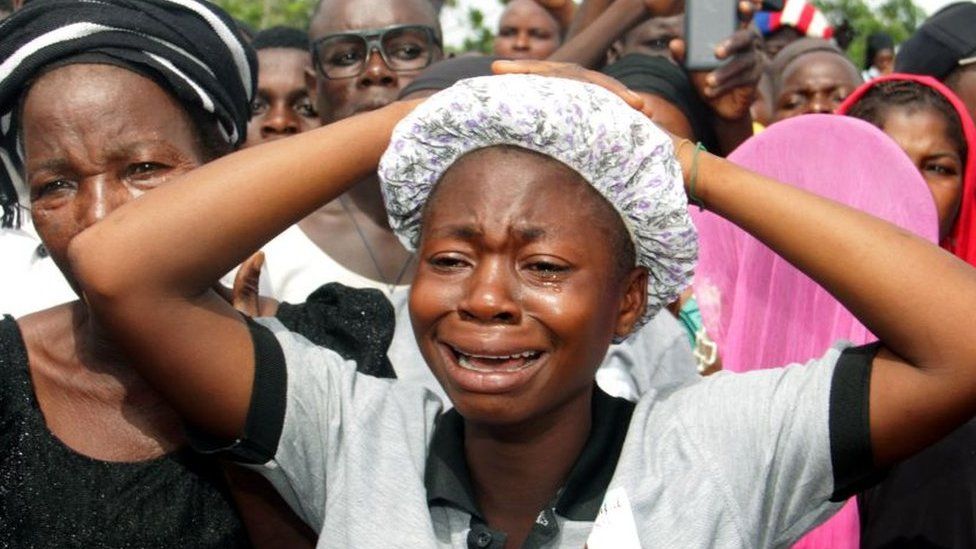
നൈജീരിയയിലെ പ്ലാറ്റോ സംസ്ഥാനത്ത് 60-ലധികം ക്രിസ്ത്യാനികളെ ഫുലാനി തീവ്രവാദികൾ കൊലപ്പെടുത്തി. ബൊക്കോസ് കൗണ്ടിയിലെ ഏഴ് ക്രിസ്ത്യൻ സമൂഹങ്ങൾക്കെതിരെയാണ് ഏപ്രിൽ 2, 3 തിയതികളിലായി ആക്രമണങ്ങൾ നടന്നത്. അതിൽ 40-ലധികം ക്രിസ്ത്യാനികൾ കൊല്ലപ്പെട്ട ഹൂർട്ടി ഗ്രാമവും ഉൾപ്പെടുന്നുവെന്ന് കമ്മ്യൂണിറ്റി നേതാവ് മാരൻ അരഡോംഗ് പറഞ്ഞു. ഈ കൂട്ടകൊലപാതകത്തെ ഗവർണർ ‘വംശഹത്യ’ എന്ന് വിശേഷിപ്പിച്ചതായി വൃത്തങ്ങൾ പറഞ്ഞു.
“ആക്രമണങ്ങളിൽ ആയിരത്തിലധികം ക്രിസ്ത്യാനികൾ കുടിയിറക്കപ്പെട്ടു. 383 വീടുകൾ ഈ കൊള്ളക്കാർ നശിപ്പിച്ചു. ഏപ്രിൽ രണ്ടിന് ബുധനാഴ്ച വൈകുന്നേരം മൂന്ന് മണിയോടെയാണ് ഈ ആക്രമണങ്ങൾ ആരംഭിച്ചത്. ആയുധധാരികളായ ഫുലാനി തീവ്രവാദികൾ ഞങ്ങളുടെ കമ്മ്യൂണിറ്റികളെ വൻതോതിൽ ആക്രമിച്ചപ്പോഴാണ്; അവർ മോട്ടോർ സൈക്കിളുകളിൽ വന്ന് ഞങ്ങളെ ആക്രമിച്ചു”- അരഡോംഗ് പറഞ്ഞു.
അക്രമികൾ ഭക്ഷണശാലകൾ നശിപ്പിക്കുകയും മറ്റ് സാധനങ്ങൾ കൊള്ളയടിക്കുകയും ചെയ്തുവെന്ന് അദ്ദേഹം കൂട്ടിച്ചേർത്തു. ഏപ്രിൽ രണ്ടിന് 21 ക്രിസ്ത്യാനികൾ കൊല്ലപ്പെട്ടതായി ബൊക്കോസ് കമ്മ്യൂണിറ്റി ഡെവലപ്മെന്റ് കൗൺസിൽ (ബി സി ഡി സി) ചെയർമാൻ ഫാർമസം ഫുഡാങ് പറഞ്ഞു. എന്നാൽ അടുത്ത ദിവസത്തോടെ 40 ക്രിസ്ത്യാനികൾ കൂടി കൊല്ലപ്പെട്ടു. രണ്ട് ദിവസത്തെ ആക്രമണത്തിൽ 60-ലധികം ക്രിസ്ത്യാനികൾ കൊല്ലപ്പെട്ടു. റുവി, മംഗൂർ, തമിസോ, ഡാഫോ, മംഗുന, ഹുർട്ടി, തഡായ് എന്നിവിടങ്ങളിലെ ക്രിസ്ത്യൻ സമൂഹങ്ങളെ ലക്ഷ്യമിട്ടുള്ള ഫുലാനി ഭീകരരാണ് ഈ ആക്രമണങ്ങൾ നടത്തിയത്.
Sources:azchavattomonline.com
Fulani terrorists on Wednesday and Thursday (April 2-3) killed more than 60 Christians in Plateau state, Nigeria in what the governor called a “genocide,” sources said.
The attacks were carried out against seven Christian communities in Bokkos County, including Hurti village, where more than 40 Christians were slain, said community leader Maren Aradong.
“More than 1,000 Christians were displaced in Hurti during the attacks, and 383 houses were destroyed by these bandits,” Aradong told Christian Daily International-Morning Star News. “These attacks began on Wednesday, 2 April, at about 3 p.m., when these armed Muslim Fulani herdsmen invaded our communities in large numbers; they came on motorcycles and attacked us.”
The assailants destroyed food stores and looted other items, he added.
Farmasum Fuddang, chairman of the Bokkos Community Development Council (BCDC), said initially 21 Christians were killed on Wednesday (April 2), but by the next day, 40 more Christians were slaughtered, bringing the death toll to “more than 60 Christians killed during the two days of onslaught against our communities.”
“These attacks were carried out by Fulani terrorists who targeted Christian communities of Ruwi, Mangor, Tamiso, Daffo, Manguna, Hurti, and Tadai,” Fuddang said.
An attack in Ruwi village on Wednesday resulted in the deaths of 11 Christians attending a wake for a deceased community member, he said, and by the following morning, 10 other Christians were killed in the village.
Plateau Gov. Caleb Mutfwang told Arise News on Monday (April 7) that the attacks in Bokkos constituted genocide.
“I would say it unapologetically, what happened in the last two weeks in Bokkos is genocide – I say it unreservedly,” Mutfwang said in a televised interview. “No one has given me any reason to believe that what happened was politically motivated, and if there is any such suggestion I’ll be glad to receive the evidence of such, because these were unprovoked attacks on innocent people, vulnerable people.”
Over the years such attacks have come during the onset of the farming season, followed by a respite while Christian farmers cultivate what little remains, and then attacks resume at harvest time, he said.
“So, it suggests to us that this is a well-coordinated plan to keep the people in those areas in perpetual poverty,” Mutfwang said. “It is possible that there could have been tensions in the past between communities, but I’ve challenged anyone to tell me who the feuding communities are. If we knew any community feuding with another community, we’ll be able to step in and bring in a reconciliation process. But at the moment you are dealing with attackers that are faceless, and so you just leave it to the fact that this is ill-motivated and is aimed at driving the people out of their lands.”
Predominantly Christian farmers are driven from their lands for three to five years of occupation by predominantly Muslim Fulanis, suggesting the attacks are motivated by desire to seize lands, he said.
“I’ve had people dispute that land-grabbing is the motive, but we are yet to find evidence to the contrary,” Mutfwang said. “These communities have lived in peace with other ethnic nationalities, with other people of religious persuasions. The interesting thing you will know on the Plateau is that many families are inter-religious, and so religion is not so much the issue. I think that here we are dealing with some powerful forces who mobilize these faceless people and come and unleash it on these natives. And at the end of the day, the natives are left defenseless because they never envisaged that this kind of attack will happen.”
He condemned the attacks as “unprovoked.”
Maj. Samson Zakhom, military spokesman for soldiers drafted to Bokkos, confirmed in a statement that villages attacked included Tamiso, Daffo, Manguna, Tadai and Hurti. He added that soldiers repelled the assailants and that ongoing military operations aimed at tracking down the assailants.
“On April 3, further clearance operations were carried out at Hurti, where troops encountered and engaged militants hiding in the mountainous region,” Zakhom said. “The ensuing confrontation resulted in the recovery of a locally fabricated pistol, six rounds of 9 mm ammunition and four motorcycles. The troops are continuing efforts to neutralize the remaining militants still at large in the area.”
Amnesty International on Friday (April 4) called on the Nigerian government to stem killings in Plateau state and demanded justice for victims, calling attacks “a pattern of mass killings and government inaction” in central Nigeria.
The statement from Amnesty International noted that the villages of Ruwi, Mangor, Daffo, Manguna, Hurti and Tadai have been repeatedly attacked.
“Apart from killing people, the attackers are also razing entire villages, deliberately destroying homes and farms,” Amnesty stated. “Investigations carried out by us have showed that at least 1,336 people were killed between December 2023 and February 2024 across Plateau state, with Mangu, Bokkos and Barkin-Ladi Local Government Areas being the worst affected.”
Residents continue to express deep frustration with the response of security forces, alleging that they are either absent during attacks or show up too late to prevent bloodshed, the group reported.
“Most villagers repeatedly told Amnesty International that the government left them at the mercy of their attackers,” it stated. “They complained of receiving little or no help from security officials during attacks, despite informing them prior or calling for help during the incidents. The fact that no perpetrators have been brought to justice leaves rural communities of Plateau state feeling completely helpless and at the mercy of ruthless gunmen.”
The Rev. Tongsmangs Dasbak, a Christian leader in Plateau state, said the attacks have deeply affected the areas.
“The ongoing security crisis in Plateau state, particularly in Mangu and Bokkos Local Government Areas, has reached alarming levels,” Dasbak said in a statement to Christian Daily International-Morning Star News. “The persistent attacks by marauding Fulani herdsmen have led to significant loss of lives, destruction of property, and displacement of communities. Despite the concerted efforts by the state government to restore peace, the situation remains dire, necessitating urgent federal intervention.”
Mangu and Bokkos counties have suffered high numbers of casualties, with hundreds of people losing their lives and many more sustaining life-threatening injuries, he said.
“The indiscriminate killings often target defenseless civilians, including women, children and the elderly,” Dasbak said. “Entire families have been wiped out in midnight raids, leaving behind a trail of sorrow and despair. This loss of human life is not just a statistic but a profound tragedy that has disrupted the social fabric of the region.”
Homes, schools, church buildings and markets have been razed to the ground as communities that took years to build have been reduced to ashes within hours, he said. Many survivors who managed to escape the violence now live in Internally Displaced Persons (IDP) camps, unable to return to their homes.
“The destruction of infrastructure further exacerbates the crisis, as essential services such as healthcare, education and transportation are severely disrupted,” he said. “Without proper security measures, these attacks continue to escalate, leaving behind a wasteland of desolation.”
Military intervention is required to dismantle the networks of the armed herdsmen and restore peace, he said, adding that intelligence-based operations, coupled with the deployment of well-equipped security personnel, can help neutralize the violence.
“Romans 13:4 states, ‘For the one in authority is God’s servant for your good. But if you do wrong, be afraid, for rulers do not bear the sword for no reason. They are God’s servants, agents of wrath to bring punishment on the wrongdoer,’” Dasbak said. “The federal government must exercise its authority to bring justice to the oppressed and end the reign of terror in Plateau state.”
Numbering in the millions across Nigeria and the Sahel, predominantly Muslim Fulani comprise hundreds of clans of many different lineages who do not hold extremist views, but some Fulani do adhere to radical Islamist ideology, the United Kingdom’s All-Party Parliamentary Group for International Freedom or Belief (APPG) noted in a 2020 report.
“They adopt a comparable strategy to Boko Haram and ISWAP and demonstrate a clear intent to target Christians and potent symbols of Christian identity,” the APPG report states.
Christian leaders in Nigeria have said they believe herdsmen attacks on Christian communities in Nigeria’s Middle Belt are inspired by their desire to forcefully take over Christians’ lands and impose Islam as desertification has made it difficult for them to sustain their herds.
Nigeria remained among the most dangerous places on earth for Christians, according to Open Doors’ 2025 World Watch List of the countries where it is most difficult to be a Christian. Of the 4,476 Christians killed for their faith worldwide during the reporting period, 3,100 (69 percent) were in Nigeria, according to the WWL.
“The measure of anti-Christian violence in the country is already at the maximum possible under World Watch List methodology,” the report stated.
In the country’s North-Central zone, where Christians are more common than they are in the North-East and North-West, Islamic extremist Fulani militia attack farming communities, killing many hundreds, Christians above all, according to the report. Jihadist groups such as Boko Haram and the splinter group Islamic State in West Africa Province (ISWAP), among others, are also active in the country’s northern states, where federal government control is scant and Christians and their communities continue to be the targets of raids, sexual violence, and roadblock killings, according to the report. Abductions for ransom have increased considerably in recent years.
The violence has spread to southern states, and a new jihadist terror group, Lakurawa, has emerged in the northwest, armed with advanced weaponry and a radical Islamist agenda, the WWL noted. Lakurawa is affiliated with the expansionist Al-Qaeda insurgency Jama’a Nusrat ul-Islam wa al-Muslimin, or JNIM, originating in Mali.
Nigeria ranked seventh on the 2025 WWL list of the 50 worst countries for Christians.






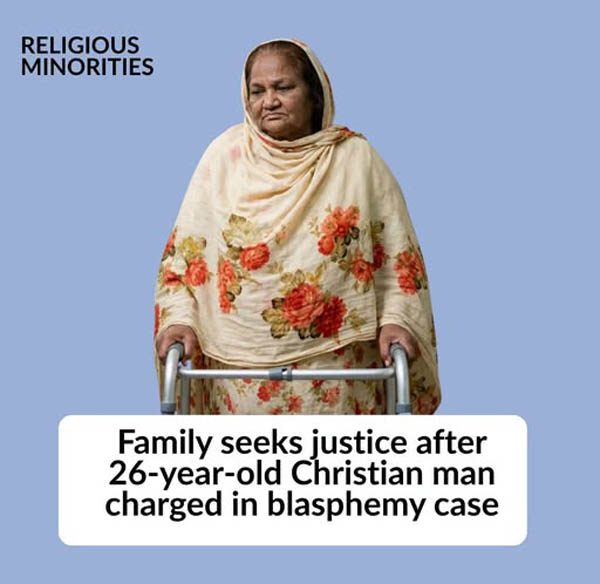
A 26-year-old Christian man, Samuel Arif, has been arrested and sent on judicial remand in Lahore after being accused of blasphemy.
The incident has again raised deep concerns among local rights activists and the Christian community regarding the misuse of blasphemy laws to settle personal grudges.
Arif previously lived with his family in Block A of the Punjab University Staff Colony, where they were allotted residence through his late father, Arif Masih, who worked there as a sanitary worker.
Following his father’s passing, the family relocated to Saint Mary’s Colony in Gulberg. However, Arif regularly returned to the staff colony to visit friends in the neighborhood where he had spent more than a decade of his life.
The police registered First Information Report (FIR) No. 806/26 under Sections 295-C and 298-A of the Pakistan Penal Code. Section 295-C carries a mandatory death penalty for derogatory remarks against the Prophet Muhammad, while Section 298-A addresses remarks against holy personages and companions.
According to the complainant, Muhammad Umair Alam Khan, a resident, Arif allegedly intercepted his two minor daughters in the colony. The complainant claimed that Arif used derogatory religious language, asserted that the prophet had appeared to him in a dream instructing him to marry the girls, and attempted to apply an unidentified substance to their faces.
Following the accusation, a crowd confronted Arif at a local gym inside the colony. The mob severely assaulted him before police intervened and took him into custody.
Weaponized Hate
Arif’s family strongly denied all allegations, maintaining that he is innocent and has been falsely framed due to personal enmity. Rights advocates note that blasphemy allegations in Pakistan are frequently weaponized during personal disputes, putting the accused and their families in immediate physical danger.
HARDS Pakistan (Human Assistance & Development Services), a non-governmental organization, is providing legal assistance to the family. At the same time, lawyers Kashif Alexander Rajput and Nadia Hameed have been appointed to represent Arif in court.
Human Rights Focus Pakistan (HRFP) and other advocacy organizations have called on provincial authorities to ensure a fair, transparent, and impartial investigation. They emphasized the need for due process, legal protection for the accused, witnesses, and family members, and accountability for those who take the law into their own hands.
As Arif remains in judicial custody, the Christian community continues to pray for his family and for justice, waiting for a thorough and unbiased investigation to reveal the truth.
Sources:persecution
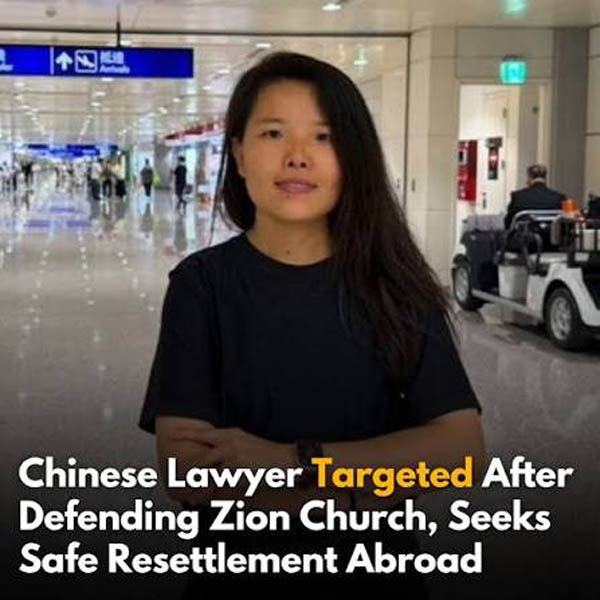
A Chinese lawyer who helped defend the Zion Christian Church as the communist regime was persecuting it has left China under pressure from government authorities.
Ruth Wang has temporarily escaped to Taiwan and is seeking resettlement in another country, hoping for help from the U.S. or Canada. She said Chinese officials ordered the VDoor Law Firm to close.
As CBN News reported last October, 18 members of the Zion Church in China, including its founder, Pastor Ezra Jin, were arrested in one of China’s largest crackdowns on a single church in decades.
Wang’s legal team represented the pastor and others in October 2025, when security officials put them in prison.
Pastor Jin was eventually released, two months ago, and is now in the United States with family after President Donald Trump brought his case to his Chinese counterpart Xi Jinping during a meeting in May.
Nine other pastors have been freed, but eight remain in jail. And Wang’s plight further exposes how China has refused to stop pressuring the church and those affiliated with it, despite Jin’s release.
Zion Church is one of the largest unregistered churches in China, with scores of worship sites and more than 5,000 members. As an underground church, they utilize apartments, restaurants, and even karaoke bars in around 40 cities across China.
The regime has previously targeted the VDoor Law Firm. The license of the firm’s founder and Wang’s mentor, Zhang Kai, was revoked, and he was barred from leaving the country; other lawyers at their firm were suspended from practicing for six months, Wang said.
Wang was already out of the country, visiting Japan on vacation last month, when Chinese officials asked her to come and meet with them in Beijing. She chose not to return, fearing for her future.
Bob Fu, founder of ChinaAid, a nonprofit human rights organization based in the U.S., said Wang’s case shows how lawyers who dare to defend persecuted Christians are then targeted by the regime.
“Attorney Wang sought to fulfill the most basic responsibility of a lawyer,” he said. “Yet because her clients include detained leaders associated with Beijing Zion Church, she came to fear that she herself could become the next target.”
Fu urged Taiwan’s government to protect Wang’s family and ensure they would not be forcibly returned to mainland China. He also called on the U.S. and other democratic governments to help find a safe solution for her.
Taiwan won’t allow her to stay, saying it can’t accept cases of political asylum from mainland China because of tensions with the Chinese government. China claims Taiwan belongs to it, and has been working for years toward taking over the island country.
“Our family is currently facing an uncertain future, and we don’t know what will happen in the future, or whether there is anywhere that can accommodate us,” Wang told AP in an exclusive interview.
She pointed to the Bible account of Ruth, and how God sent Boaz to help when she Ruth also faced an uncertain future after moving to a new place. “I also believe that God will give (me) such a person,” Wang said.
Sources:CBN News
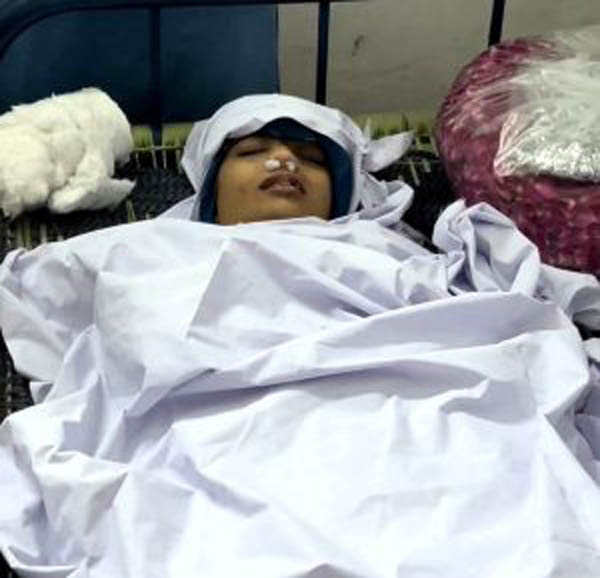
Pakistan – A married, 21-year-old Christian woman was shot dead inside her home in Rawalpindi last week by a Muslim neighbor whose advances she had rejected, reflecting an attitude among many Pakistan Muslims that crimes against Christians will go unpunished, sources said.
Saba Mehboob, who separated from her husband a year ago, was shot in the forehead at about 9 p.m. on Thursday (Sept. 3), after the alleged assailant, Adnan Butt, entered the house in Dhoke Ratta locality with a pistol, according to her brother, Joshua Mehboob. The suspect then abducted her teenage stepbrother and pressured him to falsely confess to the killing, according to the victim’s family.
Joshua Mehboob, a member of a local Full Gospel Assemblies church, said Butt accused his sister of dishonoring him before shooting her in front of her 16-year-old stepbrother, Anoosh.
“According to Anoosh, he and his paternal uncles, Michael and Nomi, were in a room when Butt suddenly entered with Saba, loudly abusing her,” Mehboob said. “He pointed his pistol at Michael and Nomi and ordered them to leave. He then slapped Saba repeatedly while shouting that she had dishonored him and been disloyal to him.”
Butt then shot Saba in the forehead, killing her instantly, Mehboob said.
Butt subsequently forced Anoosh outside at gunpoint, where another man was waiting on a motorcycle, according to Mehboob. The two men allegedly took the teenager to the home of Butt’s brother-in-law, where several other people were present.
Mehboob said the men threatened to kill Anoosh if he told police that Butt had killed his sister and pressured the adolescent to confess to the murder.
“Anoosh was kept in their custody until about 5 p.m. on Sept. 4,” Mehboob said. “Meanwhile, Butt also threatened Anoosh’s father and other family members with death if they registered a case against him.”
He said Anoosh was released after his father and uncles agreed not to file a police complaint.
After his release, Anoosh went with relatives to the district headquarters hospital to receive his sister’s body, Mehboob said. Police arrived there to record his statement and, after hearing his account, asked him to become the complainant in the case, he said. Police subsequently took Anoosh and his father into protective custody, according to Mehboob.
A First Information Report (FIR) was registered, but Butt later obtained pre-arrest bail from a court, he said.
Mehboob alleged that Butt had been harassing and threatening Saba Mehboob for some time. He said she twice had slapped him after he blocked her way in a market.
“I think Saba’s rejection fueled his anger, leading him to murder her,” he said.
Saba Mehboob’s killing prompted a protest in Dhoke Ratta, where Christian and Muslim residents reportedly called for Butt’s arrest.
Rawalpindi-based journalist Tariq Chaman said members of Saba Mehboob’s family and local residents alleged that police were pressuring Anoosh to accept responsibility for his sister’s death.
“Police have denied the allegations and said the teenage boy is being kept in custody for his protection,” Chaman said. “His father has also been kept with him because the boy is a minor.”
The family and local elders are demanding the release of Anoosh and his father and calling for the investigation to be transferred from Dhoke Ratta police station to a senior police officer, Chaman said. His sources indicated that additional circumstances surrounding the case could emerge as the investigation progresses and potentially affect the direction of the murder inquiry.
“Local sources have claimed that Butt and his family have criminal histories, and it’s possible that the victim’s family may succumb to their pressure at some stage,” Chaman said.
Human rights advocates have long raised concerns about the vulnerability of religious minorities in Pakistan, particularly in cases involving sexual violence, forced conversion and allegations of blasphemy. Rights groups have also documented cases in which victims or their families face intimidation and pressure to settle disputes outside the formal justice system.
Mehboob told Christian Daily International-Morning Star News that his sister was one of five children born to his mother from her first marriage to Mehboob Masih. After Masih died several years ago, their mother remarried Yaqoob Masih and had five more children with him, including Anoosh.
Saba Mehboob married Zeeshan Mehmood about six years ago, but she separated from him more than a year ago because of his severe drug addiction and moved back to live with their mother in Dhoke Ratta with her two daughters, Joshua Mehboob said.
Open Doors, a Christian organization that monitors persecution, ranked Pakistan eighth in its 2026 World Watch List of countries where Christians face the greatest difficulty. The organization cited systemic discrimination, mob violence, forced conversion and weaknesses in law enforcement among the factors contributing to risks faced by Christians in Pakistan.
Sources:christiannews



MTV Star Leaves Gay Lifestyle After Encounter With Jesus
Davis Mallory was once an MTV star who lived an openly gay lifestyle while simultaneously adhering to what he called...


അഞ്ചാമത് പെന്തക്കോസ്ത് മീഡിയ കോൺഫ്രൻസിന് അനുഗ്രഹീത സമാപനം.
കോട്ടയം : സത്യസന്ധതയും സമഗ്രതയുമാണ് ഒരു യഥാർത്ഥ മാധ്യമ പ്രവർത്തകൻ്റെ അടിസ്ഥാന ഗുണമെന്ന് മുൻ ചീഫ് സെക്രട്ടറിയും ഗ്രന്ഥകാരനുമായ ഡോ. ജിജി തോംസൺ ഐ എഎസ് പ്രസ്താവിച്ചു.ലോകമെങ്ങുമുള്ള...

ഇന്ത്യൻ ക്രിസ്റ്റ്യൻ ഡേ സമ്മേളനം സെപ്റ്റംബർ 19 വൈകിട്ട് 5 മണിക്ക് ഇർവിംഗ് സിറ്റിയിൽ
ഡാളസ് : ഇന്ത്യൻ ക്രിസ്റ്റ്യൻ ഡേ സമ്മേളനം ഇർവിംഗ് സിറ്റിയിൽ സെപ്റ്റംബർ19 ശനിയാഴ്വ വൈകുന്നേരം 5 മണിക്ക് ബെഥനി ഫുൾ ഗോസ്പൽ അസംബ്ളി ഹാളിലാണ് ആരംഭിയ്ക്കുന്നത്. സമ്മേളനത്തിൽ...


ഐപിസി വെമ്പായം സെൻ്റർ സണ്ടേസ്കൂൾ താലന്തു പരിശോധന സെപ്റ്റംബർ. 21-തിങ്കളാഴ്ച രാവിലെ 9 ന്
തിരുവനന്തപുരം: ഐപിസി വെമ്പായം സെൻ്റർ സൺഡേസ്കൂൾ അസോസിയേഷന്റെ ആഭിമുഖ്യത്തിൽ നടത്തുന്ന ഈ വർഷത്തെ താലന്തു പരിശോധന സെപ്റ്റംബർ. 21 തിങ്കളാഴ്ച രാവിലെ 9 മണി മുതൽ നാലാഞ്ചിറ...

കോർക്ക് ഏബേനസർ ദൈവസഭയിൽ സെപ്റ്റംബർ 19 ശനിയാഴ്ച ഏകദിന യുവജന ക്യാമ്പ്
അയർലൻഡ്: ഏകദിന യുവജന ക്യാമ്പ്: കോർക്ക് ഏബേനസർ ദൈവസഭയുടെ ആഭിമുഖ്യത്തിൽ എറൈസ് & ഇഗ്നൈറ്റ്’ എന്ന വിഷയത്തെ ആസ്പതമാക്കി ഏകദിന യുവജന ക്യാമ്പ്, 2026 സെപ്റ്റംബർ 19...


Theologian Uncovers Dangerous ‘Common Sense’ Hidden in Kids’ Movies Today
Very often, the truth is hiding in plain sight. That’s certainly the case with much of children’s entertainment. The underlying...
-

 Movie12 months ago
Forrest Frank Posts Blunt Response After Losing 30,000 Followers Over Charlie Kirk Post
-
 Sports12 months ago
‘Nothing Short of Revival’: Athletes at University of Pittsburgh Draw 600 with Gospel Outreach
-

 Movie11 months ago
Forrest Frank Says He Will No Longer Participate in Awards Shows, Shares ‘Conviction’ Behind Why
-

 us news12 months ago
‘Nothing Short of a Move of God’: Nearly 5,000 Decisions for Christ at Recent ‘Life Surge’ Events
-

 us news4 months ago
‘America Is Hungry’: Hundreds Born Again and Baptized as Jesus Tent Revival Sweeps the Nation
-

 Movie12 months ago
‘Malcolm in the Middle’ Star Frankie Muniz Declares He’s ‘Proud’ to ‘Live for Jesus’
-

 Movie10 months ago
CBN’s Superbook Launches New Free Bible App for Kids: ‘The Power of God Is Released’
-
 world news11 months ago
Nigerian Pastor Killed in Kwara State After Ransom Payments Made