
National
സ്കൂള് അധ്യാപകരായ വൈദികരും കന്യാസ്ത്രീകളും ആദായ നികുതി ഒടുക്കണമെന്ന് സുപ്രീം കോടതി


സ്കൂള് അധ്യാപകരായ കന്യാസ്ത്രീകളുടെയും വൈദികരുടെയും ശമ്പളത്തില് നിന്ന് ആദായനികുതി ഈടാക്കണമെന്ന് സുപ്രീം കോടതി. കഴിഞ്ഞ വർഷത്തെ വിധിയിൽ പുനപരിശോധന ആവശ്യപ്പെട്ട ഹർജി തള്ളികൊണ്ടാണ് കോടതിയുടെ വിധി. കഴിഞ്ഞ വര്ഷം നവംബറിലാണ് ചീഫ് ജസ്റ്റിസ് ഡി വൈ ചന്ദ്രചൂഡ് അധ്യക്ഷനായ മൂന്നംഗ ബെഞ്ച് ശമ്പളത്തില് നിന്ന് ടിഡിഎസ് ഈടാക്കാമെന്ന് വിധിച്ചത്. ഇത് ശരിവച്ചു കൊണ്ടാണ് ചീഫ് ജസ്റ്റിസ് സഞ്ജീവ് ഖന്ന അധ്യക്ഷനായ ബെഞ്ചിൻ്റെ പുതിയ വിധി വന്നിരിക്കുന്നത്. സര്ക്കാര് – എയ്ഡഡ് സ്കൂളുകളില് അധ്യാപകരായി ജോലി ചെയ്യുന്ന കന്യാസ്ത്രീകള്ക്കും വൈദികര്ക്കും നല്കുന്ന ശമ്പളത്തിന് ആദായനികുതി ബാധകമാണെന്ന മദ്രാസ് ഹൈക്കോടതി ഡിവിഷന് ബെഞ്ചിന്റെ ഉത്തരവ് കഴിഞ്ഞ വര്ഷം സുപ്രീം കോടതി ശരിവെച്ചിരുന്നു.
ശമ്പളം വാങ്ങുന്ന വ്യക്തികള് ആദായ നികുതി നല്കാന് ബാധ്യസ്ഥരാണ്. മതപരമായ കാരണങ്ങളുടെ പേരില് ഇളവ് അനുവദിക്കാൻ കഴിയില്ല. വൈദികരും കന്യാസ്ത്രീകളും ശമ്പളം വ്യക്തിപരമായ ആവശ്യങ്ങള്ക്കല്ല, മറിച്ച് സമൂഹ നന്മയ്ക്കായാണ് വിനിയോഗിക്കുന്നത് എന്ന ഹര്ജിക്കാരുടെ വാദം കോടതി അംഗീകരിച്ചില്ല. അധ്യാപകരായ കന്യാസ്ത്രീകളെയും വൈദികരെയും ആദായനികുതി അടയ്ക്കുന്നതില് നിന്ന് ഒഴിവാക്കണമെന്ന് ആവശ്യപ്പെട്ട് കേരളത്തില് നിന്നടക്കം വന്ന 93 ഹര്ജികള് തള്ളിക്കൊണ്ടായിരുന്നു കഴിഞ്ഞ വര്ഷത്തെ സുപ്രിംകോടതിയുടെ സുപ്രധാന വിധി.
വൈദികരോ കന്യാസ്ത്രീകളോ ആരായാലും ശമ്പളം വാങ്ങുന്ന ഏതൊരു വ്യക്തിയും നികുതി നല്കണമെന്ന സുപ്രീം കോടതി വിധി ആവര്ത്തിച്ചു കൊണ്ടാണ് റിവ്യൂ പെറ്റീഷന് തള്ളിക്കൊണ്ട് മൂന്നംഗ ബെഞ്ച് വ്യക്തമാക്കിയത്. നിയമം എല്ലാവര്ക്കും ഒരുപോലെയാണെന്നും കോടതി ഓര്മ്മിപ്പിച്ചു.
Sources:azchavattomonline.com
The Supreme Court of India on Thursday dismissed review petitions challenging its previous order that upheld the applicability of Tax Deducted at Source (TDS) on salaries paid to Christian nuns and priests working as teachers in government-aided institutions. A bench comprising Chief Justice Sanjiv Khanna, Justice JB Pardiwala, and Justice Manoj Misra delivered the ruling, citing no valid grounds for review. The petitions were filed by Catholic religious institutions affected by the decision.
The bench stated: “After reviewing the petitions and the enclosed documents, we find no valid reason to review the order dated 07.11.2024.” Accordingly, the Court dismissed the review petitions. The bench also noted that one of the review petitions it dismissed was marked as withdrawn. It also denied a request for oral hearings in open court.
In its earlier deliberations in November 2024, the Supreme Court—then led by Chief Justice DY Chandrachud—upheld the principle of uniform tax application. The bench asserted that all salaried individuals are subject to taxation, regardless of religious identity or post-salary disposition. CJI Chandrachud had remarked that employment income must be taxed at the source, even if the recipient donates it subsequently.
Senior Advocate Arvind Datar, representing some appellants, argued that nuns and priests effectively have no taxable income since they do not retain salaries for personal use and claimed a civil death under Canon Law.
“As per the definition of the Income Tax Act, an individual is a person who is capable of receiving money. Priests and nuns working in Church-run educational institutions are not. They are people who have virtually undergone civil death and are not capable of earning a taxable income,” Datar said. He further added that not every receipt is taxable, and for a receipt to be taxable, it should be in the form of an income, but presently, the nuns/priests were not retaining the salaries for their own use. He also referred to a CBDT circular that purportedly exempts clergy from TDS.
The Court, however, dismissed these arguments, reinforcing that the religious character of an individual does not alter statutory tax obligations.
This latest decision by the Supreme Court reaffirms its earlier endorsement of the Madras High Court’s ruling that income accrued to nuns and priests in their individual capacity is subject to TDS, regardless of their subsequent surrender of earnings to religious institutions. The High Court had overturned a single-judge bench ruling that exempted such salaries from TDS on the basis of the clergy’s vow of poverty and the canonical concept of ‘civil death’. The court emphasized that income earned individually cannot be exempt from tax merely because it is later surrendered to religious institutions. Citing the Kerala High Court’s precedent in Fr. Sabu P Thomas v. Union of India, the Division Bench ruled that the subsequent surrender of salaries does not constitute a legal diversion of income by overriding title at the source.
http://theendtimeradio.com








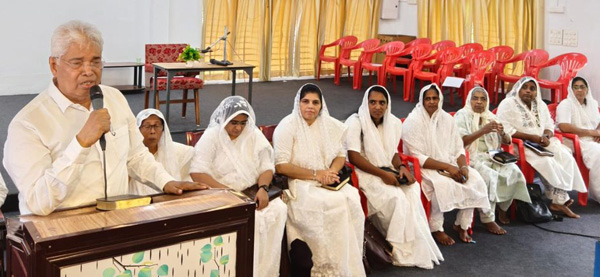
നെടുമ്പ്രം: ഐപിസി തിരുവല്ല സെന്റർ സോദരി സമാജം 2026- 29 വർഷത്തെ പ്രവർത്തനങ്ങളുടെ ഉദ്ഘാടനം സെന്റർ മിനിസ്റ്റർ പാസ്റ്റർ ഡോ. കെ.സി.ജോൺ നിർവഹിച്ചു. ദൈവശബ്ദം കേട്ട് സമൂഹത്തോടുള്ള പ്രതിബദ്ധത നിറവേറ്റണമെന്ന് അദ്ദേഹം പറഞ്ഞു. ഗോസ്പൽ സെന്റർ ഹാളിൽ നടന്ന സമ്മേളനത്തിൽ സെൻ്റർ വൈസ് പ്രസിഡൻ്റ് പാസ്റ്റർ ചാക്കോ ജോൺ അധ്യക്ഷത വഹിച്ചു.
സിസ്റ്റർ ബ്ലെസി ഷാജി മുഖ്യസന്ദേശം നൽകി. സെന്റർ സെക്രട്ടറി പാസ്റ്റർ അജു അലക്സ്, ട്രഷറർ ജോജി ഐപ്പ് മാത്യൂസ്, പാസ്റ്റർമാരായ ജോൺ മാത്യു, സൈമൺ ജോസഫ്, ഷാജി സി.സാമുവൽ, ജി.എം.ബേബികുട്ടി, സാം ടി. ഫിലിപ്പ്, രാജു ജോൺ, ബിബു ജേക്കബ്, ജിസ്മോൻ കൊച്ചുപറമ്പിൽ, സോദരി സമാജം സ്റ്റേറ്റ് പ്രസിഡൻ്റ് ജയമോൾ രാജു, സെൻ്റർ സോദരി സമാജം ഭാരവാഹികളായ കുഞ്ഞുമോൾ ചാക്കോ, ബ്ലെസി ബിനോയ്, ജോയ്സ് ഐസക്, രാജി ജിസ്മോൻ, കുഞ്ഞുമോൾ ബിജു, ജാൻസി ജോൺസൺ, പ്രെയ്സ് ജോൺ എന്നിവർ പ്രസംഗിച്ചു.
Sources:cchintha.in
National
മദ്ധ്യപ്രദേശിൽ സുവിശേഷ വിരോധികളുടെ ആക്രമണം നേരിട്ടിരുന്ന പാസ്റ്റർ എസ്.ഡി. യേശുദാസിനെ കാണാനില്ല; പോലീസിൽ പരാതി നൽകി

മധ്യപ്രദേശിലെ അന്നുപ്പൂർ ജില്ലയിലെ മലയാളി പാസ്റ്റർ എസ്.ഡി യേശുദാസിനെ ഇന്നലെ (ഒക്ടോബർ 7) രാവിലെ മുതൽ കാണാതായിരിക്കുന്നു. ഇന്നലെ രാവിലെ എട്ടരയ്ക്ക് അടുത്തുള്ള മറ്റൊരു പാസ്റ്ററുടെ ഭവനത്തിൽ പോയതാണ്. ആ ജില്ലയിലെ ലീഡർ കൂടിയായ അദ്ദേഹം ആ പ്രദേശത്തെ സുവിശേഷ വിരോധികളുടെ ഭീഷണി നേരിടുന്ന ആളാണ്.
സുൽത്താൻ ബത്തേരി സ്വദേശിയാണ്. കഴിഞ്ഞ മാസം പതിനെട്ടാം തീയതി സുവിശേഷ വിരോധികളുടെ ആക്രമണം അദ്ദേഹം നേരിട്ടിരുന്നു.
ഭാര്യ ജീന ജോർജ് കാര്യമ്പാടി സ്വദേശിയാണ്, മൂന്ന് മക്കളുമുണ്ട്. അനുപ്പൂർ ജില്ലയിലെ കോത്തു വാലി പോലീസിന് പരാതി നൽകിയിട്ടുണ്ട്.
+919479623001
Sources:cchintha.in
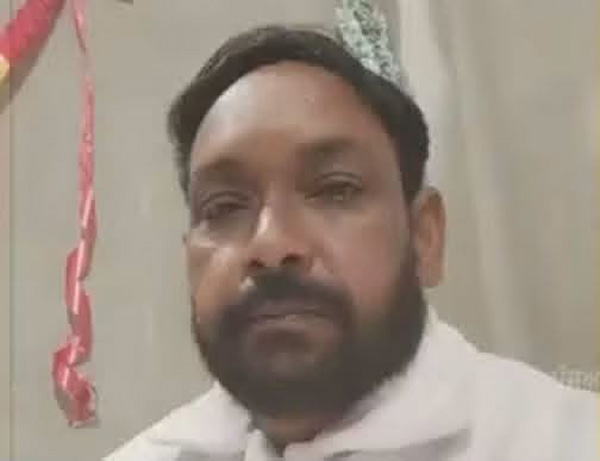
അമൃതസർ : ബറ്റാലയിലെ ഗാന്ധി ക്യാമ്പ് പ്രദേശത്ത് കർത്തൃദാസൻ പാസ്റ്റർ ബൽവിന്ദർ പാലിനെ ഒരു കൂട്ടം സുവിശേഷ വിരോധികൾ ഒക്റ്റോബർ 8 വ്യായാഴ്ച്ച രാവിലെ അദ്ദേഹത്തിന്റെ വീട്ടിൽ അതിക്രമിച്ച് കയറി കൊല്ലപ്പെടുത്തി. പാസ്റ്റർ ബൽവിന്ദർ പാൽ സ്വന്തം വീടിനുള്ളിൽ തന്നെയാണ് ചർച്ച് നടത്തിയിരുന്നത്.
രാവിലെ ചില ആളുകൾ പാസ്റ്റർ ബൽവിന്ദർ പാലിന്റെ വീട്ടിൽ അതിക്രമിച്ച് മൂർച്ചയേറിയ ആയുധങ്ങൾ ഉപയോഗിച്ച് ആക്രമിക്കുകയും അദ്ദേഹത്തെ ഗുരുതരമായി പരിക്കേൽക്കുകയും ചെയ്തു. ഉടൻ തന്നെ കുടുംബാംഗങ്ങൾ പാസ്റ്റർ ബൽവിന്ദർ പാലിനെ ഏറ്റവും അടുത്തുള്ള ഹോസ്പിറ്റലിൽ എത്തിച്ചുവെങ്കിലും ജീവൻ രക്ഷിക്കാനായില്ല.
എല്ലാ പ്രിയ ദൈവജനവും പാസ്റ്റർ ബൽവിന്ദർ പാലിന്റെ കുടുംബത്തെ ഓർത്തും, പഞ്ചാബിലെ സുവിശേഷ പ്രവർത്തനങ്ങളെയും, ദൈവ സഭകളെയും, ദൈവമക്കളെയും, ദൈവദാസന്മാരെയും അവരുടെ കുടുംബങ്ങളെയും ഓർത്തും, ഈ ക്രൂര കൃത്യം ചെയ്ത സുവിശേഷ വിരോധികളോട് കർത്താവ് ക്ഷമിക്കേണ്ടതിനും, അവർ എത്രയും വേഗം യേശുക്രിസ്തുവിന്റെ സ്നേഹം തിരിച്ചറിയേണ്ടതിനും വേണ്ടി ശക്തമായി പ്രാർത്ഥിക്കുവാൻ ദൈവ നാമത്തിൽ അപേക്ഷിക്കുന്നു.
http://theendtimeradio.com
A 46-year-old pastor was murdered inside his home-cum-church at Gandhi Camp of Batala in broad daylight on Thursday morning, triggering panic in the area.
The victim, identified as Balwinder Paul, alias Laddi, was reportedly alone at his residence when two unidentified men allegedly entered the premises around 9.30am and attacked him with a sharp-edged metal-cutting tool. He suffered a severe throat injury in the assault.
Family members and neighbours rushed Paul to the Batala civil hospital, where doctors declared him dead on arrival.
Paul lived alone and operated a church from his residence, where members of the Christian community regularly gathered for prayers.
His brother, Mohinderpal, said Paul had no known personal rivalry or enmity with anyone.
Following the incident, a police team led by the Civil Lines station house officer reached the hospital and the crime scene. Investigators examined the premises and began collecting evidence, while CCTV footage from the surrounding area was taken up for analysis.
Police have registered a murder case and are questioning witnesses as part of the investigation. A local resident, Naresh Kumar, named as a suspect based on preliminary statements provided by the family, has been booked under murder charges and a hunt has been launched to nab him.
The victim’s body has been sent for postmortem examination. The motive behind the killing remains unclear and police said several leads are being pursued to apprehend the assailants.
http://theendtimeradio.com



ന്യൂജേഴ്സിയിൽ ചരിത്രമെഴുതി നാല് വയസ്സുകാരൻ; ഏറ്റവും പ്രായം കുറഞ്ഞ പുസ്തക രചയിതാവായി അദ്വൈത് ജെയിൻ
ന്യൂജേഴ്സി: ലോക റെക്കോർഡുകളിൽ ഇടംപിടിച്ച് നാല് വയസ്സുകാരൻ അദ്വൈത് ജെയിൻ. ഏറ്റവും പ്രായം കുറഞ്ഞ പുസ്തക രചയിതാവെന്ന ഗിന്നസ് ലോക റെക്കോർഡാണ് ന്യൂജേഴ്സിയിലെ സൗത്ത് ബ്രൺസ്വിക്കിൽ നിന്നുള്ള...

ഐപിസി സോദരി സമാജം പ്രവർത്തനോദ്ഘാടനം നടത്തി
നെടുമ്പ്രം: ഐപിസി തിരുവല്ല സെന്റർ സോദരി സമാജം 2026- 29 വർഷത്തെ പ്രവർത്തനങ്ങളുടെ ഉദ്ഘാടനം സെന്റർ മിനിസ്റ്റർ പാസ്റ്റർ ഡോ. കെ.സി.ജോൺ നിർവഹിച്ചു. ദൈവശബ്ദം കേട്ട് സമൂഹത്തോടുള്ള...


മദ്ധ്യപ്രദേശിൽ സുവിശേഷ വിരോധികളുടെ ആക്രമണം നേരിട്ടിരുന്ന പാസ്റ്റർ എസ്.ഡി. യേശുദാസിനെ കാണാനില്ല; പോലീസിൽ പരാതി നൽകി
മധ്യപ്രദേശിലെ അന്നുപ്പൂർ ജില്ലയിലെ മലയാളി പാസ്റ്റർ എസ്.ഡി യേശുദാസിനെ ഇന്നലെ (ഒക്ടോബർ 7) രാവിലെ മുതൽ കാണാതായിരിക്കുന്നു. ഇന്നലെ രാവിലെ എട്ടരയ്ക്ക് അടുത്തുള്ള മറ്റൊരു പാസ്റ്ററുടെ ഭവനത്തിൽ...


പഞ്ചാബിൽ പാസ്റ്ററെ സുവിശേഷ വിരോധികൾ വീട്ടിൽ അതിക്രമിച്ച് കയറി കൊലപ്പെടുത്തി.
അമൃതസർ : ബറ്റാലയിലെ ഗാന്ധി ക്യാമ്പ് പ്രദേശത്ത് കർത്തൃദാസൻ പാസ്റ്റർ ബൽവിന്ദർ പാലിനെ ഒരു കൂട്ടം സുവിശേഷ വിരോധികൾ ഒക്റ്റോബർ 8 വ്യായാഴ്ച്ച രാവിലെ അദ്ദേഹത്തിന്റെ വീട്ടിൽ...


ഗ്രീന് കാര്ഡ് സ്പോണ്സര്ഷിപ്പ് പദ്ധതിയില് ഇന്ത്യന് ഐടി കമ്പനികള്ക്ക് തിരിച്ചടി; കോഗ്നിസന്റ്, ഇന്ഫോസിസ് ഉള്പ്പെടെ പ്രമുഖ സ്ഥാപനങ്ങള്ക്ക് യുഎസ് വിലക്ക്
വാഷിങ്ടണ്: അമേരിക്കയില് വിദേശ ജീവനക്കാര്ക്ക് ഗ്രീന് കാര്ഡ് ലഭിക്കുന്നതിനായി സ്പോണ്സര് ചെയ്യാന് കമ്പനികള്ക്ക് അനുമതി നല്കുന്ന പെര്മനന്റ് ലേബര് സര്ട്ടിഫിക്കേഷന് പ്രോഗ്രാമില് നിന്ന് പ്രമുഖ ഐടി കമ്പനികളെ...


പാക്കിസ്ഥാനിൽ ക്രൈസ്തവര്ക്കു നേരെയുള്ള അതിക്രമങ്ങള് തുടരുകയാണെന്ന് NCJP
ഇസ്ലാമാബാദ്: പാക്കിസ്ഥാനിലെ ക്രൈസ്തവര് ഉള്പ്പെടെയുള്ള മതന്യൂനപക്ഷങ്ങൾ കഴിഞ്ഞ വര്ഷവും കടുത്ത വിവേചനവും അക്രമങ്ങളും പീഡനങ്ങളും നേരിട്ടതായി കത്തോലിക്ക സഭയുടെ മനുഷ്യാവകാശ വിഭാഗത്തിന്റെ റിപ്പോർട്ട്. പാക്കിസ്ഥാൻ കാത്തലിക് ബിഷപ്പ്സ്...
-

 Movie12 months ago
Forrest Frank Says He Will No Longer Participate in Awards Shows, Shares ‘Conviction’ Behind Why
-

 Movie12 months ago
Brandon Lake sweeps 2025 Dove Awards, brings down the house alongside Jelly Roll with ‘Hard Fought Hallelujah’
-

 us news5 months ago
‘America Is Hungry’: Hundreds Born Again and Baptized as Jesus Tent Revival Sweeps the Nation
-

 us news4 months ago
Mike Winger deletes YouVersion app over ‘The Passion Translation’ controversy, urges others to ‘use caution’
-

 Movie11 months ago
CBN’s Superbook Launches New Free Bible App for Kids: ‘The Power of God Is Released’
-

 Movie8 months ago
Hollywood Actor Jen Lilley Launching New Ministry After ‘Vision’ From Holy Spirit
-

 Sports12 months ago
Jaguars Star Travis Hunter, Olympic Gold Medalist Noah Lyles Get Baptized: ‘Leaving My Old Self’
-

 Movie12 months ago
Roles Jaakko Ohtonen Played Before Taking on Jesus in Mel Gibson’s ‘The Resurrection of the Christ’