
Business
എൻആർഐ ആയവർ അക്കൗണ്ട് മാറ്റിയില്ലേ? കാത്തിരിക്കുന്നത് ലക്ഷങ്ങളുടെ പിഴ


നിങ്ങൾ വിദേശത്തേക്ക് താമസം മാറുന്നവരോ ജോലി ചെയ്യുന്നവരോ ആണോ? ഇന്ത്യയിലുള്ള നിങ്ങളുടെ സാധാരണ സേവിങ്സ് ബാങ്ക് അക്കൗണ്ടുകൾ എൻ.ആർ.ഒ (NRO) അക്കൗണ്ടുകളിലേക്ക് മാറ്റിയില്ലെങ്കിൽ കാത്തിരിക്കുന്നത് വൻ തുക പിഴയും നിയമനടപടികളുമാണ്. വിദേശനാണ്യ വിനിമയ ചട്ടപ്രകാരം (FEMA) നിങ്ങൾ ഒരു എൻ.ആർ.ഐ (NRI) ആയിക്കഴിഞ്ഞാൽ പഴയ അക്കൗണ്ട് തുടരുന്നത് കുറ്റകരമാണ്. ഇക്കാര്യത്തിൽ നിങ്ങൾ അറിഞ്ഞിരിക്കേണ്ട പ്രധാന കാര്യങ്ങൾ താഴെ നൽകുന്നു:
എപ്പോഴാണ് നിങ്ങൾ എൻ.ആർ.ഐ ആകുന്നത്?
182 ദിവസത്തെ നിയമം: ഒരു സാമ്പത്തിക വർഷത്തിൽ (ഏപ്രിൽ-മാർച്ച്) 182 ദിവസത്തിൽ കൂടുതൽ ഇന്ത്യയ്ക്ക് പുറത്ത് താമസിച്ചാൽ.
വിദേശവാസം ലക്ഷ്യമിട്ടുള്ള യാത്ര: ജോലി ലഭിച്ചോ, ഉപരിപഠനത്തിനായോ, ബിസിനസ്സ് ആവശ്യത്തിനായോ വിദേശത്തേക്ക് താമസം മാറുകയാണെങ്കിൽ പോകുന്ന ദിവസം മുതൽ തന്നെ നിങ്ങൾ എൻ.ആർ.ഐ ആയി കണക്കാക്കപ്പെടും. 182 ദിവസം തികയുന്നത് വരെ കാത്തിരിക്കേണ്ടതില്ല.
നിയമം ലംഘിച്ചാലുള്ള പിഴകൾ (FEMA Section 13)
സാധാരണ അക്കൗണ്ട് എൻ.ആർ.ഒ ആക്കി മാറ്റാതിരുന്നാൽ നേരിടേണ്ടി വരുന്ന ശിക്ഷകൾ നിസാരമല്ല:
അക്കൗണ്ടിലുള്ള ബാലൻസ് തുകയുടെ മൂന്നിരട്ടി വരെ പിഴയായി ഈടാക്കാം.
തുക കണക്കാക്കാൻ സാധിക്കാത്ത സാഹചര്യങ്ങളിൽ ₹2 ലക്ഷം രൂപ പിഴയായി നൽകേണ്ടി വരും.
നിയമലംഘനം തുടരുന്ന ഓരോ ദിവസവും ₹5,000 വീതം അധിക പിഴ ഈടാക്കും.
ബാങ്ക് അധികൃതർക്ക് വിവരങ്ങൾ ലഭ്യമായാൽ മുന്നറിയിപ്പില്ലാതെ നിങ്ങളുടെ അക്കൗണ്ട് മരവിപ്പിക്കാൻ (Freeze) സാധിക്കും
.എന്താണ് എൻ.ആർ.ഒ (NRO) അക്കൗണ്ട്?
വിദേശ മലയാളികൾക്ക് ഇന്ത്യയിലുള്ള വരുമാനങ്ങൾ (വാടക, ഡിവിഡന്റ്, പെൻഷൻ തുടങ്ങിയവ) കൈകാര്യം ചെയ്യാനുള്ള അക്കൗണ്ടാണിത്. നിങ്ങളുടെ പഴയ അക്കൗണ്ട് നമ്പർ മാറ്റാതെ തന്നെ എൻ.ആർ.ഒ അക്കൗണ്ടാക്കി പുനർവർഗ്ഗീകരിക്കാൻ (Reclassification) സാധിക്കും. സേവിങ്സ് അക്കൗണ്ടുകൾക്കൊപ്പം നിങ്ങളുടെ ഫിക്സഡ് ഡെപ്പോസിറ്റുകളും (FD) എൻ.ആർ.ഒ ആക്കി മാറ്റേണ്ടതുണ്ട്.
അക്കൗണ്ട് മാറ്റാൻ ആവശ്യമായ രേഖകൾ
നിങ്ങളുടെ ബാങ്കിന്റെ മൊബൈൽ ആപ്പ് വഴിയോ ഇന്റർനെറ്റ് ബാങ്കിങ് വഴിയോ നേരിട്ടോ താഴെ പറയുന്ന രേഖകൾ നൽകി അക്കൗണ്ട് മാറ്റാം:
പാസ്പോർട്ട്, ആധാർ കാർഡ് അല്ലെങ്കിൽ വോട്ടർ ഐഡി.
പാൻ കാർഡ് (PAN Card).
വിദേശത്തെ വിലാസം തെളിയിക്കുന്ന രേഖകൾ.
FATCA/CRS ഡിക്ലറേഷൻ ഫോം.
റീ-കെവൈസി (Re-KYC) നടപടികൾക്കായി ഫോട്ടോകൾ
തെറ്റിദ്ധാരണകൾ ഒഴിവാക്കുക
നിങ്ങൾ വിദേശത്തെത്തിയ ദിവസം മുതൽ നിയമം ബാധകമാണ്.അക്കൗണ്ടിൽ കുറഞ്ഞ തുകയേ ഉള്ളൂ എങ്കിലും പ്രതിദിന പിഴ ബാധകമായിരിക്കും. ബാങ്കുകാർ നിങ്ങളെ ഇങ്ങോട്ട് വിളിച്ചു പറയണമെന്ന് നിയമമില്ല. നിയമം പാലിക്കേണ്ട ഉത്തരവാദിത്തം അക്കൗണ്ട് ഉടമയ്ക്കാണ്.
ചെയ്യേണ്ടത്: നിങ്ങൾ വിദേശത്തേക്ക് പോകുകയാണെങ്കിൽ ഉടൻ തന്നെ ബാങ്കിനെ വിവരമറിയിച്ച് അക്കൗണ്ടുകൾ മാറ്റുക. നടപടിക്രമങ്ങൾ പൂർത്തിയായതിന്റെ രേഖകൾ കൈവശം വെക്കുന്നത് ഭാവിയിൽ നിയമപരമായ ബുദ്ധിമുട്ടുകൾ ഒഴിവാക്കാൻ സഹായിക്കും.
Sources:azchavattomonline.com
Non-Resident Indians (NRIs) often maintain strong financial, personal, and investment connections with India. Hence, they need to comply with several regulatory responsibilities under Indian laws. It includes the Income Tax Act 1961, the Foreign Exchange Management Act 1999 (FEMA), the Companies Act, and other financial regulations. Failing to comply with the requirements can lead to non-compliance penalties for NRIs in India. The most common areas where the penalties may arise are income tax filing violations, FEMA-related violations, failing to report income or assets, etc.
An NRI may face monetary penalties, legal proceedings, or even restrictions on financial transactions due to non-compliance. The penalties can be significant, such as failing to report foreign assets, which can impose a flat penalty of Rs. 10,00,000 under black money act, and even imprisonment in serious cases. These tax-compliance penalties can be avoided by keeping your legal and financial records accurately, staying updated with the rules and regulations, and remembering the important due dates. In this blog, we will learn more about the penalties for non-compliance in India for NRIs.
What is Non-Compliance Penalties for NRIs in India?
For NRIs, the compliance requirements arise under multiple legal frameworks in India. It includes the Income Tax Act, the Companies Act, the Foreign Exchange Management Act (FEMA), and various financial regulations that govern investments and banking activities.
When an NRI fails to fulfill these obligations, it may lead to penalties for non-compliance in India by the authorities. These penalties are imposed to ensure transparency and accountability in financial activities that involve overseas individuals. Some of the most common areas where the situation of non-compliance penalties for NRIs in India arises are:
Failing to report foreign income or assets
Banking and repatriation rules violations
Violation of income tax filing requlations
Not complying with business or company regulations
Violating FEMA regulations related to foreign transactions
Each regulatory framework determines specific penalties based on the nature and the seriousness of the violations.
What are the Common Scenarios Leading to Penalties for Non-Compliance?
NRIs may face penalties for non-compliance in India for various real-world situations. Understanding these situations, along with the applicable penalties, can help prevent making such costly mistakes.
Maintaining Resident Bank Accounts
Once an NRI’s residential status changes, they must convert their resident savings accounts into NRO Accounts. Continuing to hold a resident account can lead to a violation of FEMA regulations and attract the following penalties:
Up to 3 times the amount involved, or
Rs. 2,00,000 (if amount not quantifiable)
An additional penalty of Rs. 5,000 is imposed per day for continuing default.
The penalties imposed by FEMA can be severe and strictly enforced.
Failing to Declare NRI Status
It’s important for NRIs investing in Indian securities or business ventures to declare their resident status correctly. They also need to comply with the FEMA and tax reporting rules. Here are the penalties imposed under the IT Act and FEMA:
Penalties under the Income Tax Act
Rs. 10,000 or Rs. 1,00,000 (based on misreporting)
Penalties under FEMA
Up to 3 times the amount involved or Rs. 2,00,000.
Declaring the residential status incorrectly can attract both tax and FEMA penalties.
Underreporting of Income in the ITR
The following penalties may be imposed if the taxpayer fails to disclose foreign assets or income in the ITR:
Penalties for Misreporting: If non-disclosure leads to underreporting of income, a penalty equal to 200% of the tax avoided may be imposed under Section 270A.
Penalty Under Section 271: Failure to provide accurate details may attract penalties under relevant provisions of the Income Tax Act, depending on the nature of default.
Failing to Report Foreign Assets
When an NRI’s residency changes status after returning to India, they need to report foreign assets and overseas income in their ITR. Failing to report can attract the following penalties:
For Non-Disclosure: A penalty of up to Rs.10,00,000 will be levied, regardless of whether any taxable income is earned from such assets.
Imprisonment: Not disclosing foreign assets can even lead to imprisonment for 3 to 10 years, along with other fines.
Tax Liability: It will be taxed at a flat rate of 30%, without any exemptions or deductions. Moreover, an additional penalty of 3 times the tax payable may be levied if the assets are considered undisclosed under the Black Money Act.
Unintentional non-disclosure can also attract hefty penalties.
Selling Property Without Proper Tax Compliance
Property transactions in India require proper tax deduction (TDS) and reporting. Penalties may be imposed if an NRI sells a property without complying with Capital Gains tax rules or if the buyer fails to deduct TDS:
Default Penalty for TDS: Interest at 1% to 1.5% per month for delayed deduction or payment.
Penalty under Section 271C: A penalty equal to the amount of TDS not deducted.
Late filing fee under Section 234E: Rs. 200 per day, subject to the amount of TDS.
If not handled properly, this penalty can significantly increase the overall tax burden.
What are the Types of Non-Compliance Penalties NRIs May Face?
The penalties imposed on NRIs are based on the nature of the regulatory violation. Different authorities may impose various forms of penalties for non-compliance in India, which are as follows:
Monetary Penalties
The most significant consequence of non-compliance is imposing financial penalties. The authorities may impose fixed fines or percentage-based penalties depending on the nature of the violation.
For example, the tax authorities may levy penalties for late filing, failing to maintain proper documents, or even for under-reporting income.
Interest on Unpaid Taxes
If the taxes remain unpaid beyond the due date, interst charges may also apply in addition to the principal tax liability. These charges collect over time and significantly increase the financial burden on taxpayers who fail to adhere to the regulations.
Legal Proceedings
The authorities may initiate legal proceedings against the individual in serious cases that involve violations done on purpose. While mostly the cases are addressed by imposing financial penalties, repeated or intentional violations can lead to legal disputes.
Financial Transaction Restrictions
NRIs may even face restrictions on financial transactions or limitations on investment activities for certain violations. These restrictions are imposed to ensure that individuals adhere to the regulatory requirements before continuing financial operations.
How Can NRIs Avoid Non-Compliance Penalties?
Consider the following tips to avoid the risk of penalties due to non-compliance:
Operate your own compliance internal audits
Keep your legal and financial records properly
Stay updated with the government rules and regulations
Mark your calendar with the mandatory yearly submissions to avoid any important deadlines
Following these tips can help you avoid the consequences of non-compliance, along with the associated significant penalties and legal troubles.
The penalties for non-compliance can be severe, ranging from hefty financial penalties to legal action and even imprisonment in serious cases. To avoid the risk of penalties for non-compliance in India, NRIs must prioritize compliance by understanding the regulations and requirements. Additionally, taking professional guidance can help NRIs safeguard their investments and avoid these penalties.
When talking about experts, Savetaxs is the name to trust. We are a team of experts who can help you identify the compliance gaps early to ensure you don’t pay such hefty penalties. Our team can help you navigate the complexities of Indian laws and regulations. Connect with us right away and ensure clarity and long-term peace of mind.
http://theendtimeradio.com












ജെമിനിയിൽ സൗജന്യമായി ലഭിക്കുന്ന എഐ സൗകര്യങ്ങൾ ഉപയോഗിക്കുന്നവരുടെ അനുഭവത്തിൽ നിർണായക മാറ്റത്തിന് ഒരുങ്ങി ഗൂഗിൾ. ഒക്ടോബർ 9 മുതൽ സൗജന്യ ഉപയോക്താക്കൾക്ക് ലഭ്യമാകുന്ന മോഡലുകളിൽ നിയന്ത്രണം ഏർപ്പെടുത്താനാണ് കമ്പനിയുടെ തീരുമാനം. ഇതോടെ നിലവിൽ സൗജന്യമായി ഉപയോഗിക്കാനാകുന്ന കൂടുതൽ ശേഷിയുള്ള ഫ്ലാഷ്, പ്രോ മോഡലുകൾക്ക് പകരം ഫ്ലാഷ്-ലൈറ്റ് മോഡൽ മാത്രമായിരിക്കും ലഭിക്കുക.
സൗജന്യ ഉപയോക്താക്കൾക്ക് നിയന്ത്രണം
ഗൂഗിൾ പുറത്തുവിട്ട പുതിയ വിവരങ്ങൾ പ്രകാരം, ഗൂഗിൾ എഐ സബ്സ്ക്രിപ്ഷൻ ഇല്ലാത്ത ഉപയോക്താക്കൾക്ക് ഒക്ടോബർ 9 മുതൽ ‘ഫ്ലാഷ്-ലൈറ്റ്’ മോഡലിലേക്ക് മാത്രമായി പ്രവേശനം പരിമിതപ്പെടും. നിലവിൽ സൗജന്യ ശ്രേണിയിൽ ലഭിക്കുന്ന ‘ഫ്ലാഷ്’, ‘പ്രോ’ മോഡലുകൾ ഇതോടെ ഒഴിവാക്കും.
പ്രതിമാസം 4.99 ഡോളർ, ഏകദേശം 500 രൂപ, നിരക്കുള്ള എഐ പ്ലാനിലും മാറ്റമുണ്ടാകും. ഈ പ്ലാൻ ഉപയോഗിക്കുന്നവർക്ക് ‘ഫ്ലാഷ്-ലൈറ്റ്’, ‘ഫ്ലാഷ്’ മോഡലുകൾ തുടർന്നും ലഭിക്കും. എന്നാൽ ‘പ്രോ’ മോഡലിലേക്കുള്ള പ്രവേശനം ഇനി ഉണ്ടായിരിക്കില്ല. ഓരോ ഉപയോക്താവിന്റെയും അക്കൗണ്ടിൽ മാറ്റം പ്രാബല്യത്തിൽ വരുന്ന തീയതി സംബന്ധിച്ച വിവരങ്ങൾ ഗൂഗിൾ ഇമെയിൽ വഴി അറിയിക്കും.
സങ്കീർണമായ ചോദ്യങ്ങൾക്ക് കൂടുതൽ ഉപയോഗപരിധി ചെലവാകും
ജെമിനിയുടെ ഉപയോഗപരിധി കണക്കാക്കുന്ന രീതിയിലും ഗൂഗിൾ നേരത്തെ മാറ്റം വരുത്തിയിരുന്നു. ഓരോ ചോദ്യത്തിനും ആവശ്യമായി വരുന്ന കംപ്യൂട്ടിങ് ശേഷിയുടെ അടിസ്ഥാനത്തിലാണ് ഇനി ഉപയോഗം പരിഗണിക്കുന്നത്.
അതിനാൽ ലളിതമായ ചോദ്യങ്ങളെ അപേക്ഷിച്ച് സങ്കീർണമായ ചോദ്യങ്ങൾ, ദൈർഘ്യമേറിയ സംഭാഷണങ്ങൾ, കൂടുതൽ ശേഷിയുള്ള എഐ മോഡലുകളുടെ ഉപയോഗം എന്നിവ ഉപയോഗപരിധി വേഗത്തിൽ കുറയാൻ ഇടയാക്കും. കൂടുതൽ കംപ്യൂട്ടിങ് ശേഷി ആവശ്യപ്പെടുന്ന ജോലികൾ ചെയ്യുന്നവർക്ക് ഈ മാറ്റം പ്രത്യേകമായി ശ്രദ്ധിക്കേണ്ടിവരും.
പ്രോ ഉപയോക്താക്കൾക്കും ‘ഡീപ് തിങ്ക്’
അതേസമയം, ഇതുവരെ ഏറ്റവും ഉയർന്ന എഐ അൾട്രാ പ്ലാനിൽ മാത്രം ലഭ്യമായിരുന്ന ‘ഡീപ് തിങ്ക്’ ഫീച്ചർ ഇനി എഐ പ്രോ ഉപയോക്താക്കൾക്കും ലഭിക്കും. പ്രതിമാസം 19.99 ഡോളർ, ഏകദേശം 1,900 രൂപ, നിരക്കുള്ള എഐ പ്രോ പ്ലാനിലാണ് ഈ സൗകര്യം എത്തുന്നത്.
കൂടുതൽ സങ്കീർണമായ ചോദ്യങ്ങൾ പരിഹരിക്കുന്നതിനായി ഒരേസമയം ഒന്നിലധികം റീസണിങ് പ്രക്രിയകൾ ഉപയോഗിക്കുന്ന സാങ്കേതികവിദ്യയാണ് ‘ഡീപ് തിങ്ക്’. പ്രോ മോഡലിന്റെ സഹായത്തോടെയാണ് ഈ ഫീച്ചർ പ്രവർത്തിക്കുന്നത്.
എത്രത്തോളം ‘ചിന്തിക്കണം’ എന്ന് ഉപയോക്താവിനും തീരുമാനിക്കാം
ജെമിനി ആപ്പിൽ ചോദ്യങ്ങൾക്ക് മറുപടി നൽകുമ്പോൾ എത്രത്തോളം കംപ്യൂട്ടിങ് ശേഷി ഉപയോഗിക്കണമെന്ന് ഉപയോക്താവിന് തന്നെ തിരഞ്ഞെടുക്കാൻ കഴിയുന്ന പുതിയ സംവിധാനവും ഗൂഗിൾ പരീക്ഷിക്കുന്നുണ്ട്.
‘ലോ’, ‘മീഡിയം’, ‘ഹൈ’ എന്നിങ്ങനെ മൂന്ന് ചിന്താശേഷി ക്രമീകരണങ്ങൾ അവതരിപ്പിക്കാനാണ് നീക്കം. ഉയർന്ന നിലവാരത്തിലുള്ള ഓപ്ഷൻ തിരഞ്ഞെടുക്കുമ്പോൾ കൂടുതൽ കംപ്യൂട്ടിങ് ശേഷി ആവശ്യമായി വരും. അതിനാൽ ഉപയോഗപരിധിയും താരതമ്യേന വേഗത്തിൽ കുറയാനുള്ള സാധ്യതയുണ്ട്.
ജെമിനി 4 അർഗോണിലും പരീക്ഷണം
അതിനിടെ, അടുത്ത തലമുറയിലെ ജെമിനി 4 അർഗോൺ മോഡലിലും ഗൂഗിൾ പരീക്ഷണം തുടരുകയാണ്. ‘ഫെയർവിൻഡ്’ പദ്ധതിയുടെ ഭാഗമായി തിരഞ്ഞെടുത്ത സൈബർ സുരക്ഷാ വിദഗ്ധർക്കാണ് നിലവിൽ ഇത് പരീക്ഷണാടിസ്ഥാനത്തിൽ ലഭ്യമാക്കിയിരിക്കുന്നത്.
പിന്നീട് പണമടച്ച് ഉപയോഗിക്കുന്ന എപിഐ ഉപയോക്താക്കൾക്കും എഐ അൾട്രാ ഉപയോക്താക്കൾക്കും അർഗോൺ ലഭ്യമാക്കാനാണ് ഗൂഗിളിന്റെ നീക്കം. എന്നാൽ ഇത് എഐ പ്രോ പ്ലാനിന്റെ ഭാഗമാകുമോ, അതോ അതിന് മുകളിലുള്ള പുതിയ സബ്സ്ക്രിപ്ഷൻ ശ്രേണിയായി അവതരിപ്പിക്കുമോ എന്ന കാര്യത്തിൽ ഇതുവരെ വ്യക്തതയില്ല.
ജെമിനിയുടെ ഓരോ പ്ലാനിലും ലഭിക്കുന്ന എഐ മോഡലുകളും അവ ഉപയോഗിക്കാനുള്ള പരിധിയും കൂടുതൽ വ്യക്തമായി വേർതിരിക്കുന്നതിലേക്കാണ് പുതിയ മാറ്റങ്ങൾ വിരൽചൂണ്ടുന്നത്. അതിനാൽ സൗജന്യമായി ജെമിനി ഉപയോഗിക്കുന്നവർക്ക് ഇനി ലഭിക്കുന്ന മോഡൽ ഏതാണെന്നും കൂടുതൽ ശേഷിയുള്ള ഫീച്ചറുകൾ ഉപയോഗിക്കാൻ ഏത് പ്ലാൻ വേണമെന്നുമുള്ള കാര്യങ്ങൾ പ്രത്യേകം ശ്രദ്ധിക്കേണ്ടിവരും. അടുത്ത ഘട്ടത്തിൽ അർഗോൺ പോലുള്ള പുതിയ മോഡലുകൾ കൂടി എത്തുന്നതോടെ ജെമിനിയുടെ സബ്സ്ക്രിപ്ഷൻ ഘടനയിൽ ഇനിയും മാറ്റങ്ങൾ ഉണ്ടാകുമോ എന്നതും കാത്തിരുന്ന് കാണണം.
Sources:mediamangalam
Google is changing what its free and paying Gemini users can actually do with the app. From October 9, people using Gemini without a subscription will be locked out of two models they currently have access to. Those paying for AI Plus will also lose a model, even though they pay for the service.
At the same time, Google is sweetening the deal for its higher tiers. AI Pro subscribers, who pay $19.99 a month, will now get Deep Think, a feature that was earlier kept only for the priciest plans. So while the free and mid tier users are losing ground, the paid tiers above them are gaining more.
Right now, free users can access Flash-Lite, Flash and Pro models inside the Gemini app. From October 9, that changes. Free users will only be able to use Flash-Lite. AI Plus subscribers will keep Flash-Lite and Flash, but lose Pro. AI Pro and AI Ultra users are not affected on model access, and they also get Deep Think added to their plan.
Google has said AI Plus users will get an email telling them exactly when the change kicks in for their account. Free users do not get that same notice, since the change applies to everyone on October 9 itself.
What Will Free Users Miss Out On
This is the part that will sting the most for free users. Flash and Pro are the models that handle longer, more complex requests well. Pro in particular is built for tasks that need deeper reasoning, like working through a multi-tep problem or handling a long document.
Flash-Lite, the model free users are left with, is built for speed and low cost, not depth. It can still answer everyday questions, summarise short text and handle quick back and forth chat. But for anything that needs the model to think longer or handle a complicated prompt, free users will likely notice the drop in quality.
What AI Plus Users Give Up
AI Plus users are not getting cut down to the free tier, but they are losing something they had. Pro access disappears for them too. They keep Flash, which is a solid middle ground model, good for most daily tasks and reasonably quick with answers. What they will miss is Pro’s ability to work through harder, longer tasks with more care.
For 4.99 dollars a month, AI Plus users are now left with a tier that looks closer to the free plan than before, just with Flash added on top of Flash-Lite.
What AI Pro And AI Ultra Users Gain
This is where Google is clearly steering people. AI Pro and AI Ultra users keep every model, Flash-Lite, Flash and Pro, with no cuts at all. On top of that, AI Pro users now get Deep Think, a reasoning mode built for tasks that need the model to work through multiple possibilities in parallel before giving an answer.
Deep Think was earlier only available on the costlier 99.99 and 199.99 dollar a month plans. Bringing it down to the $19.99 AI Pro tier makes that plan look a lot more attractive, especially for anyone who was on the fence about upgrading from AI Plus.
What Are Effort Levels
Alongside the model changes, Google is also rolling out low, medium and high effort levels for each available model this month. Picking a higher effort level should mean a more thorough answer, but it will also eat into a user’s weekly usage limit faster. This is similar to what is already available in Google AI Studio and Antigravity, so Google seems to be bringing that same control to the regular Gemini app.
Right now, users only have a simple toggle for extended thinking. The new effort levels will let people fine tune how much reasoning they want on a case by case basis, instead of a flat on or off switch.
What Led To These Changes
These model restrictions build on a bigger shift Google made earlier this year. In May, Gemini moved to compute based usage limits that refresh every five hours, with a weekly cap on top of that. Paid users were given higher limits than free users, and features like media generation, Deep Research, the Pro model and extended thinking were flagged as the ones that use up a person’s limit fastest. Those limits were extended to users under 18 in July.
Google has also just started rolling out Gemini 4 Argon, but only for AI Ultra subscribers for now. It has not said whether Argon will be treated as a Pro level model or placed in a tier of its own, which leaves open questions about what AI Pro users will eventually get access to.
http://theendtimeradio.com
Business
ഡിജിറ്റൽ ഇടപാടുകൾക്ക് ആഘാതം: പുതിയ ഫീസിന് പിന്നാലെ യുപിഐ ഇടപാടുകളിൽ വൻ കുറവുണ്ടായേക്കുമെന്ന് മുന്നറിയിപ്പ്!
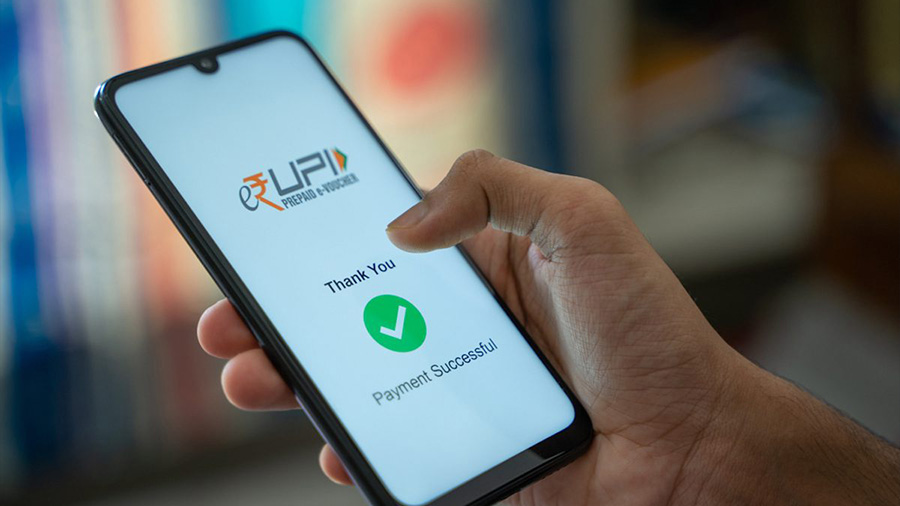
രാജ്യത്തെ ഡിജിറ്റൽ ഇടപാടുകളിൽ വിപ്ലവം സൃഷ്ടിച്ച യുപിഐ അഥവാ യൂണിഫൈഡ് പേയ്മെന്റ് ഇന്റർഫേസ് സേവനങ്ങളുടെ ഉപയോഗത്തിൽ വലിയ കുറവുണ്ടായേക്കാമെന്ന് പുതിയ പഠനങ്ങൾ വ്യക്തമാക്കുന്നു. വ്യാപാരികൾക്കുള്ള സേവന നിരക്കായ മെർച്ചന്റ് ഡിസ്കൗണ്ട് റേറ്റ് (എംഡിആർ) നടപ്പിലാക്കുന്നതോടെ പ്രതിമാസ യുപിഐ ഇടപാടുകളുടെ തുകയിൽ പത്ത് ശതമാനത്തോളം കുറവുണ്ടായേക്കുമെന്നാണ് വിലയിരുത്തൽ. ഇതോടൊപ്പം ഇടപാടുകളുടെ ആകെ എണ്ണത്തിൽ നാല് ശതമാനത്തിന്റെ ഇടിവ് ഉണ്ടാകാൻ സാധ്യതയുണ്ടെന്ന് സർവ്വേ ഫലങ്ങൾ സൂചിപ്പിക്കുന്നു.
പ്രാദേശിക സർവ്വേ ഏജൻസിയായ ലോക്കൽ സർക്കിൾസ് നടത്തിയ പുതിയ പഠനത്തിലാണ് ജനങ്ങളുടെ പേയ്മെന്റ് രീതികളിൽ വരാൻ സാധ്യതയുള്ള വലിയ മാറ്റങ്ങൾ ചൂണ്ടിക്കാണിക്കുന്നത്. രണ്ടായിരം രൂപയ്ക്ക് മുകളിലുള്ള ബിസിനസ്സ് ഇടപാടുകൾക്ക് സേവന നിരക്ക് ഈടാക്കാൻ ആരംഭിക്കുന്നതോടെ ഉപയോക്താക്കൾ മറ്റ് പേയ്മെന്റ് രീതികളിലേക്ക് മാറിയേക്കാം.
വൻകിട ഡിജിറ്റൽ ഇടപാടുകൾ നടത്തുന്നവർ പണമായോ ക്രെഡിറ്റ് അല്ലെങ്കിൽ ഡെബിറ്റ് കാർഡുകൾ വഴിയോ പണമടയ്ക്കാൻ താല്പര്യം കാണിക്കുമെന്നാണ് പഠനത്തിൽ തെളിയുന്നത്.നിലവിൽ പ്രതിമാസം കോടിക്കണക്കിന് തുകയുടെ വ്യാപാരി ഇടപാടുകളാണ് യുപിഐ സംവിധാനം വഴി രാജ്യത്ത് നടക്കുന്നത്. സേവന നിരക്കിന്റെ ഭാരം വ്യാപാരികൾ ഉപയോക്താക്കളിലേക്ക് കൈമാറിയാൽ ഭൂരിഭാഗം ആളുകളും യുപിഐ പേയ്മെന്റുകൾ ഉപേക്ഷിക്കാൻ സാധ്യതയുണ്ട്. വലിയ തുകയുടെ ഇടപാടുകളിൽ അധിക തുക നൽകാൻ വെറും പതിനാല് ശതമാനം ഉപയോക്താക്കൾ മാത്രമാണ് താല്പര്യപ്പെടുന്നത്. ഇതിലൂടെ ഡിജിറ്റൽ സമ്പദ്വ്യവസ്ഥയ്ക്ക് വലിയ തിരിച്ചടി നേരിട്ടേക്കാമെന്നാണ് സാമ്പത്തിക വിദഗ്ധരുടെ ആശങ്ക.
ഏകദേശം ഇരുപത്തിയേഴ് ശതമാനത്തോളം ആളുകൾ പഴയപോലെ കടലാസ് നോട്ടുകൾ ഉപയോഗിച്ച് നേരിട്ട് പണം നൽകാൻ തയ്യാറാകുമെന്ന് സർവ്വേയിൽ അഭിപ്രായപ്പെട്ടു. ഇരുപത്തിയാറ് ശതമാനം പേർ ക്രെഡിറ്റ് കാർഡുകൾ ഉപയോഗിക്കുമെന്നും പതിനാല് ശതമാനം പേർ ഡെബിറ്റ് കാർഡുകളിലേക്ക് മാറുമെന്നും വ്യക്തമാക്കിയിട്ടുണ്ട്. ചെറുതും വലുതുമായ പതിനായിരക്കണക്കിന് ആളുകളിൽ നിന്നാണ് ഏജൻസി ഈ വിഷയത്തിൽ അഭിപ്രായ രൂപീകരണം നടത്തിയത്.അതേസമയം സാധാരണക്കാരായ ചെറുകിട വ്യാപാരികളെയും ഉപയോക്താക്കളെയും സംരക്ഷിക്കാൻ ലക്ഷ്യമിട്ടുള്ള ഇളവുകൾ സർക്കാരിന്റെ ഭാഗത്തുനിന്നുണ്ട്.
പ്രതിമാസം ലക്ഷം രൂപ വരെ മാത്രം യുപിഐ ക്യൂആർ കോഡ് വഴി സ്വീകരിക്കുന്ന ചെറുകിട വ്യാപാരികളെ ഈ പുതിയ സേവന നിരക്കിൽ നിന്ന് പൂർണ്ണമായി ഒഴിവാക്കിയിട്ടുണ്ട്. കൂടാതെ സാധാരണക്കാർ നടത്തുന്ന ചെറിയ തുകയുടെ ദൈനംദിന ഇടപാടുകൾക്ക് യാതൊരുവിധ അധിക നിരക്കുകളും ഈടാക്കുകയുമില്ല.കൂടാതെ ഈ സേവന നിരക്കിന്റെ സാമ്പത്തിക ഭാരം ഉപയോക്താക്കളുടെ തലയിൽ അടിച്ചേൽപ്പിക്കരുതെന്ന് കേന്ദ്ര ധനകാര്യ മന്ത്രാലയം ബാങ്കുകൾക്കും വ്യാപാരികൾക്കും കർശന നിർദ്ദേശം നൽകിയിട്ടുണ്ട്. ബാങ്കുകളുമായി ചേർന്ന് ഇത് നിരീക്ഷിക്കുന്നതിനുള്ള പ്രത്യേക സംവിധാനം രൂപീകരിക്കാനാണ് സർക്കാർ പദ്ധതിയിടുന്നത്. വ്യാപാരികൾ ഉപയോക്താക്കളിൽ നിന്ന് അധിക തുക ഈടാക്കുന്നത് തടയാൻ നടപടികൾ സ്വീകരിക്കുമെന്ന് അധികൃതർ ഉറപ്പുനൽകുന്നു.
പ്രതിമാസം ബില്യൺ കണക്കിന് ഇടപാടുകൾ കൈകാര്യം ചെയ്യുന്ന യുപിഐ സംവിധാനം ആഗോളതലത്തിൽ തന്നെ വലിയ വിജയമായ ഒരു ഭാരതീയ സാങ്കേതികവിദ്യയാണ്. ഇതിലേക്ക് പുതിയ നിരക്കുകൾ കടന്നുവരുമ്പോൾ ഡിജിറ്റൽ പേയ്മെന്റുകളുടെ വേഗത കുറയുമോ എന്ന സംശയം ശക്തമാണ്. എന്നിരുന്നാലും ചെറുകിട ഡിജിറ്റൽ വ്യാപാര മേഖലയിൽ യുപിഐ തങ്ങളുടെ ആധിപത്യം തുടരുമെന്നാണ് വിപണി നിരീക്ഷകർ വിലയിരുത്തുന്നത്.ഭാവിയിൽ ഉണ്ടാകാൻ സാധ്യതയുള്ള മാറ്റങ്ങളെ അതീവ ജാഗ്രതയോടെയാണ് ധനകാര്യ സ്ഥാപനങ്ങളും എൻപിസിഐയും നിരീക്ഷിക്കുന്നത്. ഡിജിറ്റൽ ഇന്ത്യ പദ്ധതികളെ ബാധിക്കാത്ത രീതിയിൽ നയരൂപീകരണം നടത്താൻ സർക്കാർ ബാധ്യസ്ഥരാണ്. വരും ദിവസങ്ങളിൽ വിപണിയിലെ പ്രതികരണങ്ങളുടെ അടിസ്ഥാനത്തിൽ ആവശ്യമെങ്കിൽ കൂടുതൽ തീരുമാനങ്ങൾ ഉണ്ടാകാൻ സാധ്യതയുണ്ട്.
Sources:vachakam
UPI Transactions Decline In September Ahead Of New MDR Fee: RBI Data
Ahead of the implementation of new merchant discount rate (MDR) fee on high-value UPI payments for merchants, Unified Payments Interface (UPI) transactions have declined by 1.8 per cent in September compared to that in August, as per data released by the Reserve Bank on Thursday.
A total of 2,450 crore UPI transactions were recorded in August, while it dipped to 2,407 crore transactions in September.
The overall value of the transactions on the platform also declined by 1.50 per cent to Rs 29.37 lakh crore in September from Rs 29.82 lakh crore in August, the data showed.
However, industry watchers attributed the decline to the fact that August has 31 days versus 30 in September. They pointed out that the average transactions per day were higher in September at 802 million versus August’s 791 million.
The IMPS platform, also run by NPCI, witnessed 35.40 crore transactions in which 7.05 lakh crore of value was involved, the September data release by the RBI said.
The RBI-operated RTGS (real time gross settlement) platform witnessed 3.25 crore transactions with a value of Rs 235.71 lakh crore in September, while the NEFT platform saw 86.2 crore transactions in volume and Rs 46.75 lakh crore in value, the data showed.
Meanwhile, the All India Mobile Retailers Association (AIMRA) called for a nationwide ‘No UPI Day’ protest on October 2 against the proposed 0.4 per cent MDR on UPI transactions above Rs 2,000, saying the charge would put additional burden on small retailers.
As part of the protest, retailers across the country will cover UPI QR codes, sound boxes and payment scanners with black cloth to symbolically register their opposition to the proposed charge, the association said in a statement.
Ending nearly six years of fully free UPI payments, the government has introduced a 0.4 per cent fee on transfers worth over Rs 2,000 made to merchants through the UPI platform from October 15 while explicitly ring-fencing everyday person-to-person transactions and small payments from any charge.
The MDR will be capped at Rs 300 for payments of Rs 75,000 and above.
Essential and thin-margin sectors — railways, telecom, insurance, fuel and agricultural inputs — will pay a flat MDR of Rs 5 per transaction above Rs 2,000.
Payments into mutual funds, securities and through stockbrokers and dealers will attract 0.02 per cent MDR, also capped at Rs 300.
Person-to-person (P2P) transfers — which make up 37 per cent of UPI’s transaction volume and 70 per cent of its transaction value — will continue to attract zero charges, irrespective of size.
http://theendtimeradio.com

ഇന്ത്യൻ ഡിജിറ്റൽ പേമെന്റ് രംഗത്തേക്ക് നിർണായക ചുവടുവെപ്പുമായി ആപ്പിൾ. ഐഫോൺ, ഐപാഡ്, ആപ്പിൾ വാച്ച് ഉപയോക്താക്കൾക്ക് ഡിജിറ്റൽ പേമെന്റുകൾ നടത്താൻ കഴിയുന്ന ആപ്പിൾ പേ സേവനം ഇന്ത്യയിൽ ഔദ്യോഗികമായി അവതരിപ്പിച്ചു. നിലവിൽ ആക്സിസ് ബാങ്കിന്റെ വിസ, മാസ്റ്റർകാർഡ് ക്രെഡിറ്റ് കാർഡുകൾ മാത്രമാണ് ആപ്പിൾ പേയിൽ ഉപയോഗിക്കാനാകുക. മാക് ഉപകരണങ്ങളിലും വൈകാതെ ആപ്പിൾ പേ സൗകര്യം ലഭ്യമാക്കുമെന്ന് കമ്പനി അറിയിച്ചു.
പിൻ നമ്പറും ഒടിപിയും നൽകേണ്ടതില്ല
ആപ്പിൾ പേ വഴി ക്രെഡിറ്റ് കാർഡ് ഉപയോഗിച്ച് പേമെന്റ് നടത്തുമ്പോൾ ഓരോ ഇടപാടിനും കാർഡ് പിൻ നമ്പറോ ഒടിപിയോ നൽകേണ്ടതില്ല. പിഒഎസ് (POS) മെഷീനുകൾക്ക് സമീപം ഐഫോൺ കൊണ്ടുവന്ന് എൻഎഫ്സി (NFC) സാങ്കേതികവിദ്യ ഉപയോഗിച്ച് കോൺടാക്റ്റ്ലെസ് പേമെന്റ് നടത്താനും കഴിയും.
കാർഡ് വിവരങ്ങൾ സുരക്ഷിതമായി സൂക്ഷിക്കാം
പയോക്താക്കളുടെ യഥാർഥ കാർഡ് നമ്പറുകൾ ഉപകരണത്തിലോ ആപ്പിളിന്റെ സെർവറുകളിലോ സൂക്ഷിക്കില്ലെന്നാണ് കമ്പനിയുടെ വിശദീകരണം. പകരം, ഓരോ ഉപകരണത്തിനും പ്രത്യേകമായി സൃഷ്ടിക്കുന്ന യൂണീക്ക് ഡിവൈസ് അക്കൗണ്ട് നമ്പറും (Device Account Number) ഉപയോഗിച്ചാണ് പേമെന്റ് വിവരങ്ങൾ കൈകാര്യം ചെയ്യുന്നത്. എൻക്രിപ്ഷൻ ഉൾപ്പെടെയുള്ള സുരക്ഷാ സംവിധാനങ്ങളും ഇതിനൊപ്പം ഉപയോഗിക്കുന്നു.
ഉപയോക്താക്കളുടെ വ്യക്തിഗത തിരിച്ചറിയൽ വിവരങ്ങളും ആപ്പിൾ സൂക്ഷിക്കില്ലെന്നാണ് കമ്പനി പറയുന്നത്. ഐഫോൺ പോലുള്ള ഉപകരണം നഷ്ടപ്പെട്ടാലും പേമെന്റ് സൗകര്യം ദൂരത്തുനിന്ന് നിയന്ത്രിക്കാനും ആവശ്യമായ സുരക്ഷാ നടപടികൾ സ്വീകരിക്കാനും സംവിധാനമുണ്ട്.
എങ്ങനെ ആപ്പിൾ പേയിൽ കാർഡ് ചേർക്കാം?
യോഗ്യമായ ആക്സിസ് ബാങ്ക് ക്രെഡിറ്റ് കാർഡ് ആക്സിസ് ബാങ്ക് ആപ്പ് വഴിയോ ഐഫോണിലെ Apple Wallet വഴിയോ ആപ്പിൾ പേയിൽ ചേർക്കാം. കാർഡിനൊപ്പം ലഭിക്കുന്ന ആനുകൂല്യങ്ങളും റിവാർഡുകളും ആപ്പിൾ പേ വഴി നടത്തുന്ന യോഗ്യമായ പേമെന്റുകൾക്കും ലഭിക്കുമെന്ന് കമ്പനി വ്യക്തമാക്കുന്നു.
എവിടെയൊക്കെ ആപ്പിൾ പേ ഉപയോഗിക്കാം?
ഇന്ത്യയിലെ വിവിധ റീട്ടെയിലർമാരും സേവനദാതാക്കളും ആപ്പിൾ പേ പേമെന്റുകൾ സ്വീകരിക്കും. ആപ്പിൾ സ്റ്റോർ ലൊക്കേഷനുകൾക്ക് പുറമേ ബ്ലിങ്കിറ്റ്, ചായോസ്, കോമെറ്റ്, ക്രോമ, ഇന്റർഫ്ലോറ, ഇക്സിഗോ, ലെ 15 പാറ്റിസറി, റിലയൻസ് ബ്രാൻഡുകൾ, ടാറ്റ 1 എംജി, സൊമാറ്റോ തുടങ്ങിയ സ്ഥാപനങ്ങളും പട്ടികയിലുണ്ട്.
Sources:mediamangalam
Apple Pay is available for users in India across iPhone, iPad, and Apple Watch, with support for Mac coming soon.1 The launch brings Apple customers an easy, secure, and private way to pay in stores, in apps, and on the web at retailers of all sizes — all without the need to type in PINs or use OTPs at checkout. Customers with Axis Bank-issued Visa and Mastercard credit cards can add their cards to Apple Pay and use them at thousands of in-store and online merchants across India, as well as anywhere that accepts NFC transactions.
“India is home to a dynamic and digitally savvy population that continues to embrace a cashless future while expecting the highest standards of security and privacy, and we’re so excited to bring Apple Pay to users in India today,” said Jennifer Bailey, Apple’s vice president of Apple Pay and Apple Wallet. “Apple Pay makes everyday payments with a card easy, secure, and private — from simply tapping to pay in stores without an extra app, PIN, or OTP to checking out online without repeatedly entering payment information.”
“We are at a significant inflection point in payments, where technology, security and changing customer expectations are reshaping how people transact. At Axis Bank, our aspiration is to remain at the forefront of this transformation by building payment experiences that are progressive, trusted and deeply relevant to our customers,” said Amitabh Chaudhry, MD & CEO, Axis Bank. “The introduction of Apple Pay advances this ambition, bringing greater choice and flexibility to our Credit Card customers, with support across the Mastercard and Visa networks. As payments become increasingly embedded in customers’ everyday digital lives, our focus is on bringing together innovation and trust, while making every interaction more intuitive and relevant. More importantly, this reflects our vision of a more connected and sophisticated payments ecosystem, where technology enables convenience and confidence in every transaction.”
“As India’s digital economy accelerates and consumers seek seamless and secure payment experiences, the introduction of Apple Pay for our Axis Bank-issued Mastercard credit card holders ushers in a new era of contactless commerce, giving Indian consumers greater confidence and peace of mind with every transaction,” said Gautam Aggarwal, Mastercard’s president of India and South Asia. “With Mastercard’s tokenisation technology, every Apple Pay transaction is protected by a unique, cryptographically secured token, ensuring card details are never shared with merchants, safeguarding consumers against fraud.”
“The launch of Apple Pay in India marks an important milestone in the evolution of the country’s digital payments journey,” said Suresh Sethi, Visa’s group country manager of India and South Asia. “By bringing together Apple’s intuitive consumer experience with Visa’s trusted global network and tokenisation capabilities, Apple Pay brings consumers in India a simpler, safer, and more seamless way to pay. Together, we are expanding consumer choice and helping shape the next generation of commerce in India.”
Delivering a Secure and Private Payment Experience
Security and privacy are at the core of Apple Pay. When customers use a card with Apple Pay, the actual card numbers are not stored on the device or on Apple servers, nor are they shared by Apple with the merchant. Instead, a unique Device Account Number is assigned, encrypted, and securely stored in the Secure Element, an industry-standard certified chip designed to store the payment information safely on the device.
Apple does not retain transaction information that can be tied back to the user. Their transactions stay between the user, the merchant, and their bank or card issuer. If a user’s iPhone is lost or stolen, they can use the Find My app to quickly locate, lock, or suspend payments from that device.
How to Use Apple Pay
Apple Pay is easy to set up. Customers can add a card directly to Apple Wallet via the latest version of the Axis Bank app. Alternatively, simply open the Wallet app on iPhone, tap the plus sign, and follow the steps to add an eligible card. Once a user adds a card to their Apple device, they can start using Apple Pay right away.
Using Apple Pay in stores is seamless and easy. Simply double-click the side button or Home button; authenticate using Face ID, Touch ID, or a device passcode if prompted; and hold the top of the iPhone or display of the Apple Watch near the contactless reader to pay.
Users can also make purchases with Apple Pay on iPhone and iPad — with support for Mac coming soon — for faster and more convenient payments in apps or on the web without having to create accounts or repeatedly type in contact information, card details, or shipping and billing information.
When using Apple Pay, users will continue to earn the rewards and benefits offered by their cards.
At launch, Apple Pay will be accepted by millions of merchants across India, including at Apple Store locations, Blinkit, Chaayos, Comet, Croma, Interflora, Ixigo, Le15 Patisserie, Reliance brands, Tata 1mg, Zomato, and more. Apple has worked closely with payment service providers (PSPs) — like BillDesk, Cashfree, Juspay, Mswipe, Paytm, PayU, Pine Labs, Razorpay, and more — to bring Apple Pay to their merchant networks in India, with even more merchants and apps coming over time.
Today Apple Pay is available in more than 90 countries and regions, and works with more than 11,000 bank and network partners worldwide.
http://theendtimeradio.com



1,000 Christian Leaders Gather in Israel to Honor Oct 7 Victims, Stand With Survivors
More than 1,000 Christian leaders, community leaders and influencers from 117 countries are arriving in Israel to stand with Oct....


Christian Believers, Pastors, America Needs Your Biblical Voice
Father, we pray pastors would be bold this election season. Inspire these shepherds to engage politically, to encourage their congregations...


ഹൂസ്റ്റണിൽ എക്യുമെനിക്കൽ ബൈബിൾ കൺവെൻഷൻ ഒക്ടോബർ 16, 17 തീയതികളിൽ
ഹൂസ്റ്റൺ: ഇന്ത്യൻ ക്രിസ്ത്യൻ എക്യുമെനിക്കൽ കമ്മ്യൂണിറ്റി ഓഫ് ഹൂസ്റ്റണിന്റെ (ICECH) ആഭിമുഖ്യത്തിൽ 2026 ബൈബിൾ കൺവെൻഷൻ ഒക്ടോബർ 16, 17 തീയതികളിൽ (വെള്ളി, ശനി) വൈകുന്നേരം 6.30ന്...


നടൻ നാനാ പടേക്കർ അന്തരിച്ചു, ഹൃദയാഘാതത്തെ തുടർന്ന് അന്ത്യം
ചലച്ചിത്രകാരൻ നാനാ പടേക്കർ അന്തരിച്ചു. 75 വയസായിരുന്നു. ഗോവയിലെ വീട്ടിൽ വച്ച് ഹൃദയാഘാതത്തെ തുടർന്നാണ് അന്ത്യം. 3 തവണ ദേശീയ പുരസ്കാരം നേടിയ ചലച്ചിത്രകാരനാണ് നാനാ പടേക്കര്....


നൈജീരിയയിൽ ഈ വർഷം 4216 ക്രൈസ്തവര് കൊല്ലപ്പെട്ടതായി യുഎസ് സന്നദ്ധ സംഘടനയുടെ റിപ്പോര്ട്ട്
അബൂജ: നൈജീരിയയിൽ ക്രൈസ്തവ ജനവിഭാഗങ്ങൾക്ക് നേരെയുള്ള അക്രമങ്ങളും പീഡനങ്ങളും അതിരൂക്ഷമായി തുടരുന്നതായി സ്ഥിരീകരിച്ച് റിപ്പോർട്ട്. ഈ വർഷം ജനുവരി 1 മുതൽ സെപ്റ്റംബർ 8 വരെയുള്ള കാലയളവിൽ...


Jim Bakker, Televangelist and PTL Founder, Dies at 86, Wife Lori Bakker Announces
Televangelist Jim Bakker, a longtime Christian broadcaster and founder of the PTL television ministry, has died at 86, according to...
-

 Movie12 months ago
Forrest Frank Says He Will No Longer Participate in Awards Shows, Shares ‘Conviction’ Behind Why
-

 Movie12 months ago
Brandon Lake sweeps 2025 Dove Awards, brings down the house alongside Jelly Roll with ‘Hard Fought Hallelujah’
-

 us news4 months ago
‘America Is Hungry’: Hundreds Born Again and Baptized as Jesus Tent Revival Sweeps the Nation
-

 us news4 months ago
Mike Winger deletes YouVersion app over ‘The Passion Translation’ controversy, urges others to ‘use caution’
-

 Movie11 months ago
CBN’s Superbook Launches New Free Bible App for Kids: ‘The Power of God Is Released’
-

 Movie8 months ago
Hollywood Actor Jen Lilley Launching New Ministry After ‘Vision’ From Holy Spirit
-

 Sports12 months ago
Jaguars Star Travis Hunter, Olympic Gold Medalist Noah Lyles Get Baptized: ‘Leaving My Old Self’
-

 us news12 months ago
നൈജീരിയൻ ക്രൈസ്തവരെ സംരക്ഷിക്കാൻ നടപടി ആവശ്യപ്പെട്ട് യുഎസ് കോണ്ഗ്രസ് പ്രതിനിധികള്