
us news
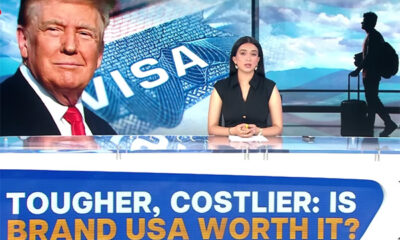
വിദ്യാർത്ഥി വിസയുടെ കാലാവധി നിശ്ചയിക്കാൻ പുതിയ നിയമം വരുന്നു.


ഡാളസ്: വിദ്യാർത്ഥി വിസയുടെ കാലാവധി നിശ്ചയിക്കാൻ പുതിയ നിയമം വരുന്നു: എഫ്-1 വിദ്യാർത്ഥികൾക്ക് ദീർഘകാല താമസം അവസാനിപ്പിക്കാൻ നിർദ്ദേശം.
നിലവിലെ നിയമം:
നിലവിൽ, എഫ്-1 വിസയിൽ പഠിക്കുന്ന വിദ്യാർത്ഥികൾക്ക് അവരുടെ ഐ-94 ഫോമിൽ “ഡി/എസ്” (Duration of Status) എന്നാണ് രേഖപ്പെടുത്താറുള്ളത്. ഇതിനർത്ഥം, അവർക്ക് അവരുടെ വിദ്യാർത്ഥി പദവി നിലനിർത്തുന്നിടത്തോളം കാലം യു.എസ്സിൽ തുടരാം. ഇതിൽ ഓപ്ഷണൽ പ്രാക്ടിക്കൽ ട്രെയിനിംഗ് (OPT) പോലെയുള്ള അംഗീകൃത പരിശീലനങ്ങളും ഉൾപ്പെടുന്നു.
പഠനം പൂർത്തിയാക്കുകയോ അല്ലെങ്കിൽ OPT കഴിയുകയോ ചെയ്താൽ, സാധാരണയായി 60 ദിവസത്തെ ഗ്രേസ് പിരീഡ് ലഭിക്കും. ഈ സമയത്തിനുള്ളിൽ അവർക്ക് രാജ്യം വിടുകയോ, വിസ മാറ്റുകയോ, നീട്ടുകയോ ചെയ്യാം.
പുതിയ നിർദ്ദേശം:
ഡിപ്പാർട്ട്മെന്റ് ഓഫ് ഹോംലാൻഡ് സെക്യൂരിറ്റി (DHS) എഫ്-1 (കൂടാതെ ജെ-1, ഐ-വിസ) വിസയിലുള്ളവർക്ക് ഡി/എസ് മോഡൽ ഒഴിവാക്കാൻ ഒരു പുതിയ നിയമം നിർദ്ദേശിച്ചിട്ടുണ്ട്.
പുതിയ നിർദ്ദേശമനുസരിച്ച്, എഫ്-1 വിസയിലുള്ളവരുടെ പ്രവേശനം ഒരു നിശ്ചിത സമയത്തേക്ക് മാത്രമായിരിക്കും. ഇത് ഐ-20 ഫോമിലെ പ്രോഗ്രാം അവസാനിക്കുന്ന തീയതിയുമായി ബന്ധിപ്പിക്കും, കൂടാതെ ഇത് പരമാവധി 4 വർഷത്തിൽ കൂടാൻ പാടില്ല. ഇതിനുശേഷം 30 ദിവസത്തെ അധിക സമയം കൂടി നൽകും.
അടുത്ത ഘട്ടങ്ങൾ:
ഈ പുതിയ നിർദ്ദേശം 2025 ഓഗസ്റ്റ് 28-ന് ഫെഡറൽ രജിസ്റ്ററിൽ ഔദ്യോഗികമായി പ്രസിദ്ധീകരിച്ചു. ഇതിനെ തുടർന്ന് 30 ദിവസത്തെ പൊതു അഭിപ്രായ ശേഖരണം ആരംഭിക്കും. ഇതോടൊപ്പം, എസ്ഇവിഐഎസ് (SEVIS) ലും ഐ-20, ഐ-539, ഐ-765 പോലുള്ള യുഎസ്സിഐഎസ് (USCIS) ഫോമുകളിലും വരുത്തേണ്ട മാറ്റങ്ങളെക്കുറിച്ച് 60 ദിവസത്തെ അഭിപ്രായ ശേഖരണവും നടത്തും.
ഈ നയം ഇപ്പോൾ വെറും നിർദ്ദേശം മാത്രമാണ്. ഇത് അന്തിമമായിട്ടില്ല. ലഭിക്കുന്ന അഭിപ്രായങ്ങളെയും രാഷ്ട്രീയപരമായ സംഭവവികാസങ്ങളെയും ആശ്രയിച്ച് ഇതിൽ മാറ്റങ്ങൾ വരുത്തുകയോ, വൈകിപ്പിക്കുകയോ, പിൻവലിക്കുകയോ ചെയ്യാം.
Sources:usmalayali
The Trump administration has proposed a new rule to limit international students to fixed periods of entry, making enrolling at U.S. universities more precarious. Educators warn that if Trump officials finalize the rule, fewer international students will come to America. The regulation represents the most recent action by the Trump administration restricting international students as part of a controversial approach to immigration reform. U.S. Customs and Border Protection’s immigration data for July 2025 showed a significant decline in the arrival of international students compared to the same period a year earlier, including a drop of almost 50% for students from India. The proposed rule will increase bureaucracy and red tape for employers by including a measure to eliminate deference to prior findings of fact in adjudications.
White House Deputy Chief of Staff Stephen Miller and U.S. Citizenship and Immigration Services Director Joseph Edlow have both indicated they do not want international students to remain and work in the United States after completing their coursework. The proposed rule has a 30-day comment period. Barring litigation blocking the rule, it is expected to become final before the fall 2026 academic year.
The New Immigration Rule Will Establish Fixed Admission Periods For Students
On August 28, the Department of Homeland Security published a proposed rule to eliminate “duration of status” for F-1 students and J-1 exchange visitors. Currently, international students can remain in lawful status as long as they are pursuing an academic program toward completion, and can, for example, transition from undergraduate to graduate studies. The new rule would replace that policy, with limited exceptions, by establishing a fixed four-year period for F-1 and J-1 visa holders. The rule also limits the period of stay for “foreign information media” on I visas. Language training students are limited to an aggregate 24-month period of stay.
The four-year limit will likely be insufficient for many international students. The National Center for Education Statistics reports a median of 52 months (4.3 years) for completing a bachelor’s degree. The National Science Foundation reports a median of 5.7 years for completing a Ph.D.
Current international students will be allowed to remain in duration of status but cannot exceed four years from the date the rule becomes final without seeking an extension of status, or EOS. The same will apply to J-1 exchange visitors. “For example, J-1 research scholars and alien physicians who have program end dates for up to 5 or 7 years respectively, would need to apply for an EOS before the 4-year maximum period of stay expires, i.e., the date that falls 4 years after the rule becomes effective,” according to the Department of Homeland Security.
“F and J nonimmigrants [temporary visa holders] who depart the United States after the rule’s effective date and before the end date reflected on their Form I-20 or DS-2019 may be admitted with a new fixed admission period, like any other newly admitted F or J nonimmigrant,” says the new DHS documentation.
Immigration lawyer Dan Berger of Green & Spiegel told me in an interview that he advises international students to keep track of their I-94 record, which includes the date of expiration of a student’s status. That will become far more significant if the rule becomes final. International students would be allowed 30 days to depart from the date they complete their coursework, authorized practical training or four-year maximum admission period, or the end date of Optional Practical Training or STEM OPT. Unlawful presence could begin accruing without such a departure.
Berger notes that, under the rule, a student’s ability to transfer to a new school in the first year of a program or to another graduation program will become limited. Under the proposed rule, “An F-1 student at any level below the graduate degree level may not change programs or educational objectives, i.e. programs, majors, or educational levels, within the first academic year of a program of study, unless an exception is authorized.”
Some of the circumstances that may be approved for exceptions include a school closure or a school’s prolonged inability to hold in-person classes due to a natural disaster or other causes, like a pandemic. Otherwise, “an F-1 student at the graduate degree level or above may not change programs at any point during a program of study,” the new DHS policy states.
According to the proposed rule, “An alien who has completed a program in the United States as an F-1 nonimmigrant at one educational level may not maintain, be admitted, or otherwise be provided F-1 status through a program at the same educational level or a lower educational level.”
Immigration Rule Will Affect OPT And STEM OPT
The proposed rule will affect how international students obtain the ability to work on Optional Practical Training and STEM OPT. “Now, OPT and STEM OPT are considered part of being in F-1 status. There is an application for a work card, but no application to extend F-1 status to participate in OPT or STEM OPT,” said Berger.
That process will change once DHS finalizes the rule. “Under the proposed rule, F-1 students will have to file for an extension of F-1 status to be eligible for OPT,” said Berger. “People on OPT would have to file an extension of F-1 status to get the STEM OPT extension. This adds more delay and expense. USCIS is already reviewing the SEVIS record and F-1 status in the work card application.”
People working on OPT or STEM OPT before the rule becomes final will not have to file for an extension of stay to remain on OPT or STEM OPT.
OPT and STEM OPT programs escaping more significant restrictions in this rule do not mean they are safe from future regulatory action. Edlow, the new director of USCIS, has said in a press statement that he hopes to end the ability of international students to work on Optional Practical Training after completing their coursework.
Immigration Officials Change Deference To Increase Requests For Evidence
During U.S. President Donald Trump’s first term, USCIS ended deference to prior findings of fact for adjudications, which contributed to a dramatic increase in Requests for Evidence and a significant rise in denials for H-1B extensions. This led to many longtime employees of companies leaving the United States when USCIS adjudicators rejected their H-1B applications. The H-1B rule finalized by the Biden administration in December 2024 codified deference and, at the time, attorneys and employers viewed it as a way to improve USCIS operations and prevent a future administration from upending business immigration. The Trump administration has other ideas.
Trump officials included in the proposed rule on duration of status a sneak attack that eliminates the deference provision by cloaking the significant change in bureaucratic language.
As New York University law professor Nancy Morowitz told me in an interview, the current 8 CFR 214.1(c)(5) with the discretion language states: “Deference to prior USCIS determinations of eligibility. When adjudicating a request filed on Form I-129 involving the same parties and the same underlying facts, USCIS gives deference to its prior determination of the petitioner’s, applicant’s, or beneficiary’s eligibility. However, USCIS need not give deference to a prior approval if: there was a material error involved with a prior approval; there has been a material change in circumstances or eligibility requirements; or there is new, material information that adversely impacts the petitioner’s, applicant’s, or beneficiary’s eligibility.”
That section would be replaced with the proposed: “(5) Decisions for extension of stay applications. Where an applicant or petitioner demonstrates eligibility for a requested extension, it may be granted at USCIS’s discretion. The denial of an application for extension of stay may not be appealed.”
The regulatory preamble in the proposed rule masks this alteration by characterizing it as a minor technical change related to forms. The preamble reads: “Like the technical updates to strike the specific form name from 8 CFR 214.1(c)(2), DHS is proposing to strike the references to Forms ‘I-129’ and ‘I-539’ in 8 CFR 214.1(c)(5), replacing those specific form numbers with the aforementioned general language. See proposed 8 CFR 214.1(c)(5). The substance of that provision, including the language that does not allow an alien to appeal an EOS denial would remain the same.”
The change may lead many employers to conclude that USCIS in the second Trump administration will look a great deal like it did in Trump’s first term.
Immigration Rule Provides Limited Exceptions To Extend Stays
The proposed rule allows international students to obtain an extension of stay. However, educators worry about the additional cost, delays and uncertainty the new policy will bring. “USCIS may grant an extension of stay to an F-1 student who has maintained his or her F-1 status, but who is unable to complete his or her program by the end of his or her authorized period of admission,” the proposed rule states.
The rule lists three valid reasons for obtaining an extension. First, “A compelling academic reason, such as a change of major or research topic or unexpected research problems.” That would include “unexpected research problems,” such as a change in a faculty advisor or funding delays. “Delays including, but not limited to, those caused by academic probation or suspension or a student’s repeated inability or unwillingness to complete his or her course of study are not acceptable reasons for an extension.”
A second reason: “A documented illness or medical condition that is a compelling medical reason, such as a serious injury, that is supported by medical documentation.” A third valid reason for an extension: “Circumstances beyond the student’s control, including a natural disaster, national health crisis, or the closure of an institution.”
Berger said he thinks the rule ignores that not all students come in with the same level of preparation, and some require more time to find their way in higher education.
“With this new proposed rule, academic probation may lead to the end of the student’s ability to gain a degree, since that is considered a valid reason to take longer to finish a degree,” according to Berger. He said American schools differ from schools in many other countries because U.S. schools give second chances.
National Security Cited To Justify An Expansive Immigration Rule
DHS cites national security benefits to justify a potential sea-change in how international students attend U.S. universities: “DHS expects this proposed rule to have qualitative benefits for national security by providing DHS additional opportunities to evaluate whether F, J, and I nonimmigrants are complying with their status requirements, or if they present a national security concern.”
In the section on the need for rulemaking, DHS cites five cases of Chinese nationals who entered on J-1 visas, whose actions, the department believes, represented national security threats. DHS places significant confidence in the extension approval process to protect against threats. “As with F nonimmigrants, setting the length of the J nonimmigrant’s specific program to not exceed a 4-year period would establish a mechanism for immigration officers to assess these nonimmigrants at defined periods (such as when applying for an EOS in the United States beyond a 4-year admission period) and determine whether they are complying with the conditions of their classification,” according to DHS. “This will increase vetting of the J nonimmigrant population, which can help to prevent and deter nefarious actors.”
Elizabeth Neumann, former assistant secretary for counterterrorism and threat prevention at the Department of Homeland Security during Donald Trump’s first term, told me in an interview that she believes there are legitimate issues with student and exchange visitor visas. However, she is unsure the proposed rule is the best way to address them. “It seems like they’re trying to focus on national security as a justification for what is really a policy preference,” Neumann told me. “If I had to characterize this action, I would say there are legitimate needs to strengthen the student visa programs to prevent fraud and protect national security, but it might be possible to do so through other, more narrow means.”
DHS has the authority to check any individual F-1 or J-1 visa holder. If there are particular concerns about visa holders from specific countries or working in certain areas, a focused and likely more effective approach would be for DHS or the FBI to increase checks on those individuals based on the information the agencies received, rather than subjecting all international students and J-1 visa holders to new restrictions.
DHS also cites longtime students to justify the rule. “DHS has identified over 2,100 aliens who first entered as F-1 students between 2000 and 2010 and remain in active F-1 status as of April 6, 2025.” A total of 2,100 aliens would equal 0.067% of the estimated 3.1 million people who may have entered the United States as F-1 students on visas between 2000 and 2010. The proportion indicates that, to the extent DHS believes it must address this group of students, it could direct resources at that population rather than impose a far-reaching policy that could negatively affect the other 99.93% of international students. DHS does not allege these 2,100 students have violated the law but rather “the spirit of the law.” (Given DHS record-keeping issues, not all these students may be in F-1 student status today.)
Educators Expect The Immigration Rule To Reduce International Student Enrollment
Education organizations oppose the proposed rule, expressing concerns about its impact on international student enrollment. “The proposed rule is yet another unnecessary and counterproductive action aimed against international students and scholars,” said Miriam Feldblum, president and CEO of the Presidents’ Alliance on Higher Education and Immigration, in a press statement. She believes that by forcing students to submit additional applications, the rule would impose significant burdens on students, colleges and universities, and USCIS, which already has extensive immigration backlogs. “If finalized, this rule would create additional uncertainty, intrude on academic decision-making, increase bureaucratic hurdles and risk deterring international students, researchers and scholars from coming to the United States.”
Some educators even view the proposed rule as an example of government overreach. “The proposal represents a dangerous overreach by government into academia, as it would give USCIS oversight over decisions that have long been the domain of academia, including changes to a student’s course of study and to their level of study,” said Fanta Aw, Executive Director and CEO of NAFSA: Association of International Educators, in a statement. “International students and exchange visitors are already rigorously tracked in the SEVIS database and are the most closely monitored nonimmigrants in the country.”
Critics of the policy believe these measures will harm the already ailing academic job market and reduce American innovation by deterring foreign researchers and students from coming to the United States. The negative impact on American competitiveness could have long-term implications.
“Government interference into the academic realm in this way introduces a wholly unnecessary and new level of uncertainty to international student experience in the United States as degree completion is now highly unpredictable,” said Aw.
http://theendtimeradio.com









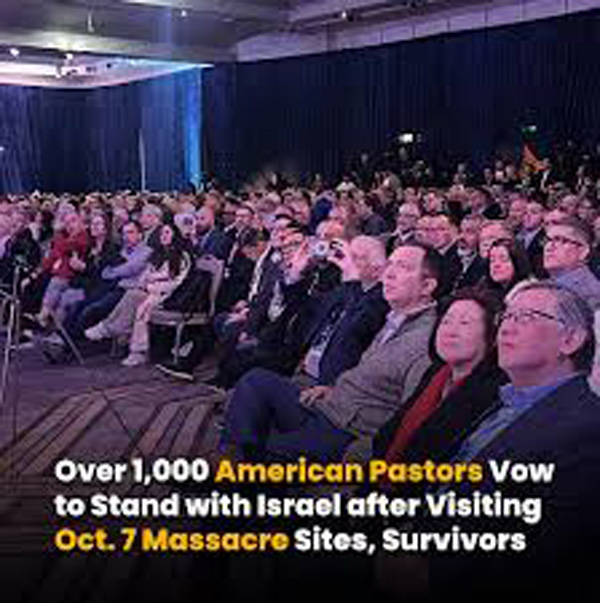
More than 1,000 Christian leaders, community leaders and influencers from 117 countries are arriving in Israel to stand with Oct. 7 survivors, visit massacre sites and carry their testimonies home, Israel365 News reported. (Screengrab image: via Charisma News /Wikimedia Commons)
The Friends of Zion Ambassador Summit, organized in cooperation with Israel’s Foreign Ministry, includes approximately 200 young adults ages 18-29. Participants will meet released hostages, bereaved families, wounded soldiers and Holocaust survivors.
“We want these young leaders to see Israel for themselves, hear directly from those whose lives were changed forever on October 7, and return home with a deeper understanding of Israel and a commitment to standing with the Jewish people,” Friends of Zion founder Mike Evans said, according to Israel365 News.
On Oct. 7, following a visit to Yad Vashem, the delegation will join approximately 2,000 participants at the Southern Wall of the Temple Mount. Released hostages will appear onstage during the anniversary gathering, which organizers say will be broadcast live on dozens of television networks.
The commemoration marks three years since Hamas terrorists killed approximately 1,200 people and took 251 hostages into Gaza.
On Oct. 8, participants will visit the Nova music festival massacre site near Re’im. Released hostages Romi Gonen, Noa Argamani and Elkana Bohbot will meet the delegation and receive the Friends of Zion “Here Am I” Award for their international advocacy.
The delegation also plans to visit ancient Shiloh, where the Tabernacle stood and Samuel heard God’s call.
“The arrival of more than 1,000 Christian leaders from 117 countries carries a powerful message: Israel does not stand alone,” said George Deek, Israel’s special envoy to the Christian world.
“They are coming to bear witness, to meet the people whose lives were shattered on October 7, and to carry their stories back to communities across the world,” Deek said.
Sources: Breaking Christian News
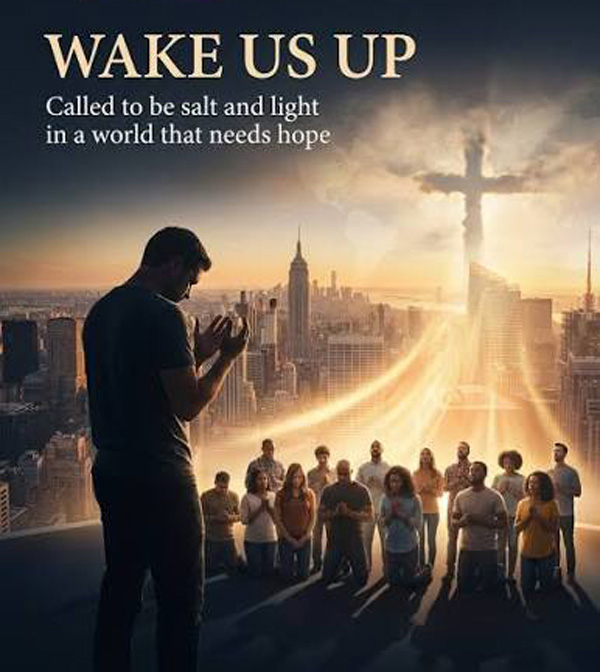
Father, we pray pastors would be bold this election season. Inspire these shepherds to engage politically, to encourage their congregations to do the same, and, most importantly, to refuse the temptation to stay silent.
There are moments when silence carries consequences. I believe the American Church is living in one of those moments right now.
For too many years, Christians were told that faithful citizenship and Biblical engagement with government were somehow outside the proper boundaries of the Church. Pastors were warned away from subjects that might be considered “political.” Congregations learned to separate what happened on Sunday morning from what happened at the ballot box.
And while much of the Church stepped away, our culture did not stand still. The government continued making decisions about human life, marriage, sexuality, children, parental authority, religious liberty, education, justice, and freedom. Policies were enacted. Institutions changed. Cultural assumptions shifted.
We should not be surprised that when Christians remove their voices from the public square, Biblical principles have less influence there. It is time to put our voices back in.
Pastor, Your Voice Matters
I am speaking especially to pastors of every-sized congregation. Whether you shepherd 75 people, 200 people, or 2,000, your voice matters. You do not need a national platform. God has already given you one: your pulpit.
Your congregation contains parents, grandparents, teachers, business owners, community leaders, young adults, and voters. They are making decisions that will help determine who writes our laws and what principles guide our communities. Equip them. Teach them what Scripture says about life, family, sexuality, justice, government, authority, freedom, and responsibility. Teach them to pray for those in authority, to understand the issues confronting our nation, and to evaluate public questions through Scripture rather than social media, political advertising, or cultural pressure.
And teach them that voting is not disconnected from their Christian lives. Our involvement in elections is important because we are citizens, but for Christians, there is something more. We carry Biblical convictions into every sphere God places us, including the public square.
Recently in Virginia, pastors were invited to add their voice to a public letter going to the Virginia legislature speaking against the liberal majority’s desire to enshrine abortion in our state Constitution. Across the state do you know how many pastors were willing to sign this letter? About 20. Only 20 pastors were willing to publicly put a stake in the ground to stand for the Constitutional protection of life to the Virginia Legislature.
We Gave Up Ground
For generations, American Christians benefited from a culture deeply influenced by Biblical principles. But somewhere along the way, many Believers began assuming those principles would remain embedded in the nation whether Christians actively defended them or not.
They did not.
We withdrew, others stepped forward, and America changed. We cannot spend decades removing Biblical voices from government, education, culture, and civic life and then wonder why those institutions increasingly reflect values contrary to Scripture. This is not a moment for Christians to retreat further. It is a moment to reengage.
The Pulpit Once Helped Shape America
This would not have seemed unusual to many pastors in America’s founding era. Clergy preached about liberty, government, moral responsibility, and the great public questions confronting their generation. Ministers served as chaplains, wrote pamphlets, participated in legislatures and constitutional conventions, and helped form the moral understanding of the people who were building a nation.
The American pulpit helped form the American conscience. We need courageous pulpits again.
Southern Baptist Convention President Willy Rice recently issued a remarkably simple challenge:
“I think the pastors need to step up.”
He is right. Many of the questions confronting America are not merely political questions. They are questions about what it means to be human, what human life is worth, what marriage is, what responsibilities parents possess, what freedom means, what government may rightfully do, and where authority ultimately comes from.
Those are profoundly Biblical questions. Pastors should not surrender them because politicians are debating them.
Prayer Must Move Us to Action
At Intercessors for America, we believe deeply in prayer. But Biblical prayer does not train us to become passive spectators. Nehemiah prayed and then approached the king. Esther fasted and then walked into the king’s presence. Daniel prayed and faithfully represented God’s truth inside the government of Babylon. The apostles prayed and then went out and spoke boldly.
Prayer prepares God’s people for obedience and action. We cannot pray for righteous government and then ignore the opportunity we have to participate in choosing those who govern. We cannot pray for the protection of children and remain uninformed about policies affecting them. We cannot pray for religious liberty and then neglect elections in which those freedoms are affected. Prayer should sharpen our discernment and move us toward faithful action.
Pastors, Lead
This is my appeal to America’s pastors: preach Biblical truth boldly and teach your congregation how Scripture applies to the issues confronting our nation. Talk about the sanctity of human life, marriage and family, children and parental responsibility, religious liberty, justice, government, and the responsibilities of citizenship.
Help people register to vote. Make sure they know when elections are taking place. Encourage them to research candidates, their records, their stated positions, and the policies they support. Urge them to pray for discernment and to carry their Biblical convictions with them when they vote. Do not assume someone else will do it. You are the shepherd God has placed before your congregation. Lead.
Christians, Show Up
And to Christians sitting in America’s pews, I would say this: we need to show up. We need to pray and then take the time to learn what is happening in our communities, our states, and our nation. We need to understand the issues, examine the records and positions of those seeking office, seek God for discernment, and vote according to Biblical conviction.
But our responsibility does not end when we leave the voting booth. Christians should be willing to speak up, contact elected officials, serve in their communities, attend school board and local government meetings, and encourage Believers with wisdom and courage to consider public service. We should teach our children and grandchildren that citizenship is a stewardship, not a spectator sport. If Christians continually surrender their place in the public square, we should not be surprised when the vacuum is filled by values radically different from our own.
The Consequences Will Outlive Us
We are making decisions today whose consequences our children and grandchildren may live with for generations. Some political decisions can be reversed in the next election. Others become embedded in law, education, government bureaucracies, institutions, and eventually the thinking of an entire generation. Once that happens, recovering what has been lost can take decades.
That is why I believe this moment demands more from the Church than concern. It demands prayer that leads to discernment, courage, engagement, and action. Our very existence as the nation we have known is at stake, and I do not believe that is an overstatement. A nation can drift so far from its foundational principles that recovering them becomes the work of generations—if they can be recovered at all.
Christians cannot control every outcome, but we are responsible for what God has placed in our hands. We have a voice and the freedom to use it. We have influence in our families, churches, communities, and government. We have the privilege of bringing our petitions before God in prayer. And in America, we have been entrusted with a vote.
It is time to use all of them.
We Have Been at a Crossroads Before
The film “A Great Awakening” offers a powerful reminder that America has faced moments before when our future seemed uncertain and human wisdom appeared insufficient. The film depicts the remarkable relationship between evangelist George Whitefield and Benjamin Franklin and ultimately brings us to an extraordinary moment in 1787, when delegates to the Constitutional Convention were struggling to agree upon the framework of our new government.
The delegates had been meeting for weeks. They were deeply divided over representation and the structure of the government they were attempting to create. Progress had slowed, frustrations were mounting, and the future of the Convention was uncertain.
It was into that atmosphere that the 81-year-old Benjamin Franklin rose to speak.
The scene portrayed in “A Great Awakening” is not simply a filmmaker’s invention. Franklin’s address was recorded in James Madison’s notes of the Constitutional Convention. Franklin reminded the delegates that during the struggle for independence, when the young nation faced seemingly impossible circumstances, they had repeatedly sought God together in prayer.
Then he asked a question that should speak to America today:
“And have we now forgotten that powerful Friend? Or do we imagine that we no longer need His assistance?”
Franklin continued:
“The longer I live, the more convincing proofs I see of this truth—that God governs in the affairs of men.”
Franklin then invoked the truth expressed in Psalm 127—that unless the Lord builds the house, those who build it labor in vain. His message to those delegates was unmistakable. They possessed extraordinary intelligence, education, political experience, and some of the greatest minds of their generation, but human wisdom alone would not be enough to secure the future of the nation they were attempting to build.
Think about that moment.
These men were wrestling with whether this unprecedented experiment in self-government could survive. Yet in the midst of their deliberations, Franklin stood before them and acknowledged their dependence upon God.
I believe America has arrived at another such crossroads.
We cannot simply look to Washington, political parties, candidates, elections, courts, or human strategies to rescue our nation. We desperately need God. But seeking God has never meant withdrawing from the responsibilities He has placed before us. Franklin called those delegates to prayer in the very room where they were actively wrestling with the practical work of building a government.
That is the combination the Church needs to recover: dependence upon God coupled with faithful action.
Pastors, this is your moment to help awaken the Church. Teach your people to pray, but also teach them to stand. Help them understand what is happening in our nation and what Scripture says about it. Equip them to examine candidates and policies through the lens of Biblical truth, to participate in government, to speak when Biblical values are threatened, and to faithfully exercise the vote entrusted to them.
And Christians, do not leave the future of this nation entirely in someone else’s hands. Seek God. Know His Word. Understand the issues. Examine those who seek authority over you. Carry your Biblical convictions into the voting booth and into every other place where God has given you influence.
Nearly 240 years ago, when America’s founders found themselves struggling to determine the future of a young nation, Franklin asked them a question that reaches across the centuries:
“And have we now forgotten that powerful Friend?”
May our answer be no.
May the Church remember its responsibility. May pastors recover their voices. May Christians recover the understanding that our citizenship is a stewardship. May we seek God fervently for our nation and then have the courage to act upon the responsibilities He has placed before us.
We have prayed. We must continue to pray. But this is also a time to stand, speak, engage, and vote.
Perhaps what America needs at this critical crossroads is exactly what the title of the film suggests: A great awakening.
Sources: Breaking Christian News

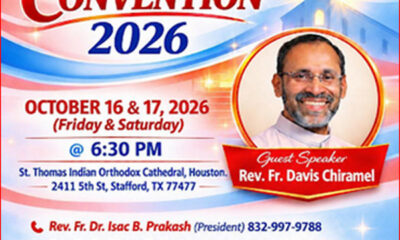
ഹൂസ്റ്റൺ: ഇന്ത്യൻ ക്രിസ്ത്യൻ എക്യുമെനിക്കൽ കമ്മ്യൂണിറ്റി ഓഫ് ഹൂസ്റ്റണിന്റെ (ICECH) ആഭിമുഖ്യത്തിൽ 2026 ബൈബിൾ കൺവെൻഷൻ ഒക്ടോബർ 16, 17 തീയതികളിൽ (വെള്ളി, ശനി) വൈകുന്നേരം 6.30ന് ഗാനശുശ്രൂഷയോടു കൂടി ആരംഭിക്കും.
കൺവെൻഷൻ ഗായകസംഘം ഗാനശുശ്രൂഷയ്ക്കു നേതൃത്വം നൽകും.
ഹൂസ്റ്റണിലെ സെന്റ് തോമസ് ഇന്ത്യൻ ഓർത്തഡോക്സ് കത്തീഡ്രലിൽ (2411 5th St., Stafford, TX 77477) നടക്കുന്ന കൺവെൻഷനിൽ പ്രസിദ്ധ കൺവെൻഷൻ പ്രസംഗകൻ റവ. ഫാ. ഡേവിസ് ചിറമേൽ മുഖ്യ പ്രഭാഷകനായിരിക്കും.
സാമൂഹിക സേവന രംഗത്തെ ശ്രദ്ധേയമായ പ്രവർത്തനങ്ങളിലൂടെ അന്തർദേശീയ തലത്തിൽ ശ്രദ്ധ നേടിയിട്ടുള്ള ഫാ. ഡേവിസ് ചിറമേൽ കിഡ്നി ഫെഡറേഷൻ ഓഫ് ഇന്ത്യയുടെയും Accident Care and Transport Service (ACTS)-ന്റെയും സ്ഥാപകനാണ്. വൃക്കരോഗികൾക്ക് ചികിത്സാ സഹായം, ഡയാലിസിസ്, വൃക്കദാന ബോധവൽക്കരണം തുടങ്ങിയ പ്രവർത്തനങ്ങൾക്കായി കിഡ്നി ഫെഡറേഷൻ ഓഫ് ഇന്ത്യ പ്രവർത്തിച്ചുവരുന്നു.
2009-ൽ അപരിചിതനായ ഒരാൾക്ക് തന്റെ ഒരു വൃക്ക ദാനം ചെയ്തതിലൂടെയാണ് ഫാ. ഡേവിസ് ചിറമേൽ വൃക്കദാന ബോധവൽക്കരണ രംഗത്ത് ശ്രദ്ധേയനായത്. തുടർന്ന് നിരവധി സാമൂഹിക ക്ഷേമ, ജീവകാരുണ്യ പദ്ധതികൾക്കും അദ്ദേഹം നേതൃത്വം നൽകി.
ICECH പ്രസിഡന്റ് റവ. ഫാ. ഡോ. ഐസക് ബി. പ്രകാശ്, വൈസ് പ്രസിഡന്റ് റവ. ഫാ. ഡോ. ബിന്നി ഫിലിപ്പ്, സെക്രട്ടറി ഷാജൻ ജോർജ്, ട്രഷറർ രാജൻ അങ്ങാടിയിൽ, പ്രോഗ്രാം കോർഡിനേറ്റർ മിൽറ്റാ മാത്യു, ഗായകസംഘം കൺവീനർ ഡോ. അന്ന. കെ ഫിലിപ്പ് തുടങ്ങിയവരുടെ നേതൃത്തിൽ വിവിധ കമ്മിറ്റികൾ കൺവെൻഷന്റെ വിജയത്തിനായി പ്രവർത്തിച്ചു വരുന്നു.
ജാതിമത ഭേദമെന്യേ കൺവെൻഷനിൽ പങ്കെടുത്ത് അനുഗ്രഹം പ്രാപിക്കുന്നതിന് ഏവരെയും സ്വാഗതം ചെയ്യുന്നുവെന്ന് സംഘാടകർ അറിയിച്ചു.
Sources:globalindiannews



1,000 Christian Leaders Gather in Israel to Honor Oct 7 Victims, Stand With Survivors
More than 1,000 Christian leaders, community leaders and influencers from 117 countries are arriving in Israel to stand with Oct....


Christian Believers, Pastors, America Needs Your Biblical Voice
Father, we pray pastors would be bold this election season. Inspire these shepherds to engage politically, to encourage their congregations...

ഹൂസ്റ്റണിൽ എക്യുമെനിക്കൽ ബൈബിൾ കൺവെൻഷൻ ഒക്ടോബർ 16, 17 തീയതികളിൽ
ഹൂസ്റ്റൺ: ഇന്ത്യൻ ക്രിസ്ത്യൻ എക്യുമെനിക്കൽ കമ്മ്യൂണിറ്റി ഓഫ് ഹൂസ്റ്റണിന്റെ (ICECH) ആഭിമുഖ്യത്തിൽ 2026 ബൈബിൾ കൺവെൻഷൻ ഒക്ടോബർ 16, 17 തീയതികളിൽ (വെള്ളി, ശനി) വൈകുന്നേരം 6.30ന്...
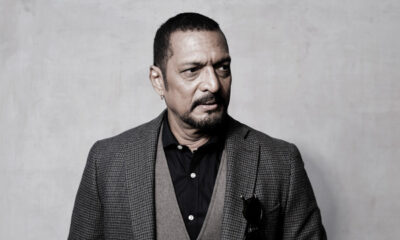

നടൻ നാനാ പടേക്കർ അന്തരിച്ചു, ഹൃദയാഘാതത്തെ തുടർന്ന് അന്ത്യം
ചലച്ചിത്രകാരൻ നാനാ പടേക്കർ അന്തരിച്ചു. 75 വയസായിരുന്നു. ഗോവയിലെ വീട്ടിൽ വച്ച് ഹൃദയാഘാതത്തെ തുടർന്നാണ് അന്ത്യം. 3 തവണ ദേശീയ പുരസ്കാരം നേടിയ ചലച്ചിത്രകാരനാണ് നാനാ പടേക്കര്....
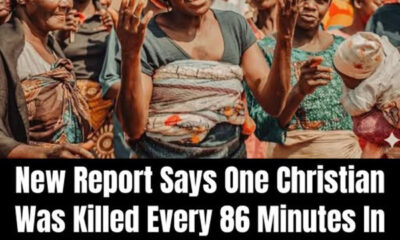

നൈജീരിയയിൽ ഈ വർഷം 4216 ക്രൈസ്തവര് കൊല്ലപ്പെട്ടതായി യുഎസ് സന്നദ്ധ സംഘടനയുടെ റിപ്പോര്ട്ട്
അബൂജ: നൈജീരിയയിൽ ക്രൈസ്തവ ജനവിഭാഗങ്ങൾക്ക് നേരെയുള്ള അക്രമങ്ങളും പീഡനങ്ങളും അതിരൂക്ഷമായി തുടരുന്നതായി സ്ഥിരീകരിച്ച് റിപ്പോർട്ട്. ഈ വർഷം ജനുവരി 1 മുതൽ സെപ്റ്റംബർ 8 വരെയുള്ള കാലയളവിൽ...


Jim Bakker, Televangelist and PTL Founder, Dies at 86, Wife Lori Bakker Announces
Televangelist Jim Bakker, a longtime Christian broadcaster and founder of the PTL television ministry, has died at 86, according to...
-

 Movie12 months ago
Forrest Frank Says He Will No Longer Participate in Awards Shows, Shares ‘Conviction’ Behind Why
-

 Movie12 months ago
Brandon Lake sweeps 2025 Dove Awards, brings down the house alongside Jelly Roll with ‘Hard Fought Hallelujah’
-

 us news4 months ago
‘America Is Hungry’: Hundreds Born Again and Baptized as Jesus Tent Revival Sweeps the Nation
-

 us news4 months ago
Mike Winger deletes YouVersion app over ‘The Passion Translation’ controversy, urges others to ‘use caution’
-

 Movie11 months ago
CBN’s Superbook Launches New Free Bible App for Kids: ‘The Power of God Is Released’
-

 Movie8 months ago
Hollywood Actor Jen Lilley Launching New Ministry After ‘Vision’ From Holy Spirit
-

 Sports12 months ago
Jaguars Star Travis Hunter, Olympic Gold Medalist Noah Lyles Get Baptized: ‘Leaving My Old Self’
-

 us news12 months ago
നൈജീരിയൻ ക്രൈസ്തവരെ സംരക്ഷിക്കാൻ നടപടി ആവശ്യപ്പെട്ട് യുഎസ് കോണ്ഗ്രസ് പ്രതിനിധികള്