
Business
Fake Facebook accounts are widespread; Money laundering is activated through fake accounts of top officials

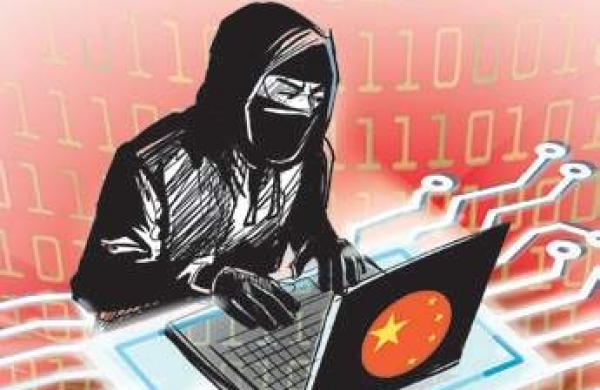
Karnataka: If you are a Facebook user and get a friend request from a person having a profile photo of him wearing a police uniform introducing themselves as a senior police officer, exercise caution before accepting the request or else you would be the next victim of this new modus operandi of cybercriminals who are siphoning off the money by creating fake accounts of police officers.
There has been an alarming increase in incidents of creation of identical Facebook accounts especially that of Karnataka State police officers by cyber crooks to seek monetary help from social media users. In recent times, at least ten such incidents have been reported in the state where accounts of top cops were impersonated and messages were sent to their friends on social media seeking money by claiming they were in a financial crisis.
The cyber thugs are resorting to this new modus operandi of creating fake accounts and they have also been successful in siphoning off money from several social media users impersonating top police officers.
The fraudsters first create a fake Facebook account of the police similar to what the real police is using, upload a similar profile picture and other details to make it look real, and then send a request to all his friends and relatives. The fraudsters would then have a casual chat via messengers after befriending them and later would request to transfer some amount of money giving any reason. They would suggest transferring the money via e-wallet.
The cyber crooks so far have created such fake Facebook accounts impersonating Ramanagar Superintendent of Police, Assistant Commissioner of Police (traffic), Mysuru- Sandesh Kumar, Lokayukta SP- Sneha, Karwar Rural sub-inspector Revannasiddappa, Sindhanur Rural Sub-inspector Raghavendra, Bantwal rural police sub-inspector Prasanna, a fake account of Cowl Bazar police inspector, Ballari, retired DCP Maheshwarappa, and many others.
The fraudsters have also not spared already dead police officers while a fake account impersonating later Coastal Security police Harsihchandra was also created recently and tried to cheat a resident of Madikeri district.
Most of the police officials have reported the fake accounts and have also lodged complaints to take action against the fraudsters, who are said to be operating from Uttar Pradesh, Jharkhand, Gujarat, and other north Indian states.
A highly placed source in the police department revealed that all cops have been instructed to not share photos of them in uniform in social media to prevent misuse of using their photos to defraud people.
A senior police officer attached to the cybercrime cell said that they are receiving such complaints of fraudsters impersonating and cloning Facebook accounts. “We have taken the issue seriously and tracing those involved in it. A person who created a similar fake profile of Bengaluru city police was arrested recently and we would take severe actions on those involved in it,” he said.
Academicians targeted: Meanwhile, cybercriminals have also started eyeing on University professors and research scholars. There have been reports of professors and Assistant professors of the University of Mysore receiving calls from cyber thugs who talk to them on the pretext of offering them insurance, loan and try to collect their card and account details and siphon off money from them.
A source revealed that a professor of the University of Mysore has lost nearly Rs 8 lakh and he learned that the fraudsters had emptied his account only after three months, following which a complaint was lodged. The professor believing that the caller was from the bank had shared the OTP that gave them free hand to get away with money in his account.
This has shaken varsity teachers as many have started getting request mails for financial assistance of a patient and many get calls asking for sharing bank details, OTPs assuring them monitory gains.
“We have been constantly creating awareness among the public to not share OTP with anyone and in most of the cases, people lose money sharing their OTP’s. We can put an end to this only when people stop giving OTP’s,” said an officer from the Cybercrime police station.




Business
വീഡിയോ പ്ലേ ചെയ്താൽ ഉടൻ വ്യൂസ് എണ്ണും; യൂട്യൂബ് വ്യൂ കൗണ്ട് നിയമങ്ങളിൽ മാറ്റം; മോണിറ്റൈസേഷൻ ലഭിക്കലും ഇനി എളുപ്പമല്ല

വാഷിംഗ്ടൺ : യൂട്യൂബ് (YouTube) വീഡിയോകളുടെ കാഴ്ചക്കാരുടെ എണ്ണം കണക്കാക്കുന്ന രീതിയിൽ വലിയ മാറ്റം വരുത്താൻ കമ്പനി തീരുമാനിച്ചു. വീഡിയോ പ്ലേ ആയിത്തുടങ്ങുന്ന നിമിഷം മുതൽ തന്നെ കാഴ്ചക്കാരുടെ എണ്ണം (View Count) രേഖപ്പെടുത്തുന്ന പുതിയ സംവിധാനം ആഗസ്റ്റ് 24 മുതൽ പ്രാബല്യത്തിൽ വരും. സ്റ്റാൻഡേർഡ് യൂട്യൂബ് വീഡിയോകൾക്ക് പുറമെ ലൈവ് ബ്രോഡ്കാസ്റ്റുകൾക്കും ഇത് ബാധകമായിരിക്കും. യൂട്യൂബ് ഷോർട്ട്സ് (YouTube Shorts), ടിക് ടോക് (TikTok), ഇൻസ്റ്റാഗ്രാം (Instagram) തുടങ്ങിയ പ്ലാറ്റ്ഫോമുകളിൽ നിലവിലുള്ള കാഴ്ചക്കാരുടെ എണ്ണം കണക്കാക്കുന്ന രീതിക്ക് തുല്യമായാണ് സ്റ്റാൻഡേർഡ് വീഡിയോകളിലും ഈ മാറ്റം വരുത്തുന്നത്.
മുമ്പ് വീഡിയോകൾ ഏകദേശം 30 സെക്കൻഡ് കണ്ടതിനുശേഷമാണ് ഒരു കാഴ്ച്ചയായി യൂട്യൂബ് കണക്കാക്കിയിരുന്നത്. എന്നാൽ വ്യത്യസ്ത ഫോർമാറ്റുകളിൽ നിലനിന്നിരുന്ന ആശയക്കുഴപ്പം ഒഴിവാക്കാനും യഥാർത്ഥ എക്സ്പോഷർ മനസ്സിലാക്കാനും കണ്ടന്റ് നിർമാതാക്കൾ ആവശ്യപ്പെട്ടതിനാലാണ് ഈ അപ്ഡേറ്റ് കൊണ്ടുവരുന്നതെന്ന് യൂട്യൂബ് അറിയിച്ചു. ഈ മാറ്റം വഴി വീഡിയോകളുടെ പബ്ലിക് വ്യൂ കൗണ്ട് വർദ്ധിച്ചേക്കാമെങ്കിലും പഴയ മെട്രിക്സ്, എൻഗേജ്ഡ് വ്യൂസ് (Engaged Views) എന്ന പേരിൽ യൂട്യൂബ് അനലിറ്റിക്സ് (YouTube Analytics) ടൂളുകളിൽ ലഭ്യമായിരിക്കും.
ഈ മാറ്റം ക്രിയേറ്റർമാരുടെ വരുമാനത്തെയോ യൂട്യൂബ് പാർട്ണർ പ്രോഗ്രാം യോഗ്യതയെയോ ബാധിക്കില്ല. എന്നാൽ അടുത്ത വർഷം മുതൽ മോണിറ്റൈസേഷൻ യോഗ്യതാ മാനദണ്ഡങ്ങളിൽ മാറ്റങ്ങൾ വരുത്തുമെന്ന് യൂട്യൂബ് വ്യക്തമാക്കിയിട്ടുണ്ട്. പുതിയ മാനദണ്ഡങ്ങൾ അനുസരിച്ച് കണ്ടന്റ് നിർമാതാക്കൾക്ക് പ്രോഗ്രാമിൽ കയറാൻ കഴിഞ്ഞ ഒരു വർഷത്തിനിടെ 8000 വാച്ച് അവറുകളും (Watch Hours) അല്ലെങ്കിൽ 90 ദിവസത്തിനുള്ളിൽ 20 മില്യൺ ഷോർട്ട്സ് വ്യൂസും ആവശ്യമാണ്. നിലവിൽ ഇത് 1000 സബ്സ്ക്രൈബർമാരും 4000 വാച്ച് അവറുകളും അല്ലെങ്കിൽ 10 മില്യൺ ഷോർട്ട്സ് വ്യൂസുമാണ്. ഈ നയം ചെറിയ ക്രിയേറ്റർമാർക്ക് വലിയ വെല്ലുവിളിയാകുമെന്ന വിമർശനവും ഉയരുന്നുണ്ട്.
Sources:sirajlive
Last year, we updated how we count public views for Shorts to better capture how viewers watch on YouTube. Now, we’re aligning all other video formats to this same standard for consistency across the platform. Beginning on 8/24/2026, a view will be counted the moment a video begins to play—from the very first frame. This standard will now apply globally across all formats.
Historically, we’ve used multiple view counting systems across different formats. However, we’ve heard that creators want to eliminate this metric confusion and accurately understand their true exposure, which is why we’re making this update!
Impact on YouTube Analytics & performance metrics:
We’ll keep the original view metric, called “Engaged views,” in YouTube Analytics > Advanced Mode so creators can see how many viewers choose to continue watching their video.
Impact on monetization:
This change will not impact creators’ earnings or how they become eligible for the YouTube Partner Program (YPP):
Creator earnings will continue to be based on ”Engaged Shorts views” and “Engaged Watch Hours,” which you can view in YouTube Analytics > Advanced Mode.
There is no change to YPP eligibility. YPP entry requirements will also now be referred to as “qualified Shorts views” and “qualified watch hours” (previously “valid public Shorts views” and “valid public watch hours”).
From 8/24 onwards, you’ll start to see the new view metric applied wherever views are shown on YouTube (which means creators will likely see their total view counts increase faster moving forward). We hope that having metric parity across all formats gives creators a clearer picture of their overall exposure and makes it easier to confidently express their true scale and value to brand partners and sponsors! Feel free to check out our Help Center article to learn more about the new views metric.
http://theendtimeradio.com
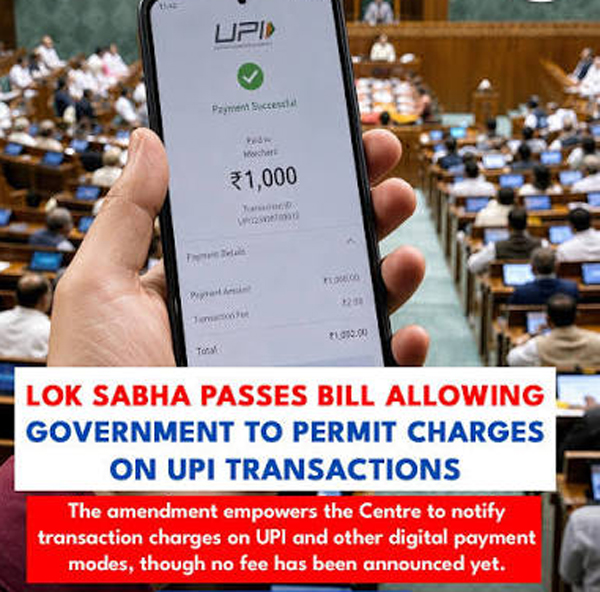
യുപിഐ ഇടപാടുകൾക്ക് ചാർജ് ഈടാക്കുമെന്ന തരത്തിലുള്ള ആശങ്കകൾക്ക് വിരാമമിട്ട് പേയ്മെന്റ് കൗൺസിൽ ഓഫ് ഇന്ത്യ (PCI). ഉപഭോക്താക്കൾക്കും ചെറുകിട വ്യാപാരികൾക്കും യുപിഐ സേവനങ്ങൾ തുടർന്നും പൂർണ്ണമായും സൗജന്യമായിരിക്കുമെന്ന് പി.സി.ഐ വ്യക്തമാക്കി.
ഇത് സംബന്ധിച്ച പ്രധാന വിവരങ്ങൾ പരിശോധിക്കുമ്പോൾ, സാധാരണക്കാർക്ക് യാതൊരുവിധ പണവും നൽകേണ്ടിവരില്ല എന്നതാണ് പ്രധാന കാര്യം. 2016-ൽ ആരംഭിച്ചതുപോലെ ഇനിയും യാതൊരുവിധ ഇടപാട് ചാർജുകളും നൽകാതെ എല്ലാ ഇന്ത്യൻ ഉപഭോക്താക്കൾക്കും യുപിഐ സേവനങ്ങൾ സുഗമമായി ഉപയോഗിക്കാൻ സാധിക്കും. അതുപോലെ തന്നെ ചെറുകിട വ്യാപാരികൾക്കും ഇത് ബാധകമല്ല. കിരാന കടകൾ ഉൾപ്പെടെയുള്ള ചെറുകിട വ്യാപാരികൾക്കും മർച്ചന്റ് ഡിസ്കൗണ്ട് നിരക്ക് (MDR) ഇല്ലാതെ തന്നെ യുപിഐ വഴി പണം സ്വീകരിക്കാം. ഭാവിയിൽ വലിയ വ്യാപാരികളിൽ നിന്ന് നിരക്കുകൾ ഈടാക്കിയാലും സാധാരണ ഉപഭോക്താക്കൾക്ക് അത് ബാധകമാകില്ലെന്ന് അധികൃതർ വ്യക്തമാക്കിയിട്ടുണ്ട്.
ഈ ബില്ലിന്റെ ലക്ഷ്യം ഡിജിറ്റൽ പേയ്മെന്റ് സംവിധാനങ്ങളുടെ സുരക്ഷയും അടിസ്ഥാന സൗകര്യങ്ങളും കൂടുതൽ മെച്ചപ്പെടുത്തുക എന്നതാണ്. പേയ്മെന്റ് ആൻഡ് സെറ്റിൽമെന്റ് സിസ്റ്റംസ് ആക്ട് ഭേദഗതി ചെയ്യുന്നതിനുള്ള ബിൽ ലോക്സഭ പാസാക്കിയതിന് പിന്നാലെയാണ് ഈ വിശദീകരണം വന്നിട്ടുള്ളത്. സാങ്കേതികവിദ്യ വികസിപ്പിക്കുന്നതിനുമുള്ള സുസ്ഥിര സാമ്പത്തിക മാതൃകയാണ് ഇതിലൂടെ ലക്ഷ്യമിടുന്നത്. ഡിജിറ്റൽ ഇടപാടുകൾ നടത്തുമ്പോൾ ഉപഭോക്താക്കൾക്ക് യാതൊരുവിധത്തിലുള്ള അധിക സാമ്പത്തിക ബാധ്യതയും ഉണ്ടാകില്ലെന്നും, രാജ്യത്തെ ഡിജിറ്റൽ പണമിടപാടുകൾ മുമ്പത്തെപ്പോലെ തടസ്സങ്ങളില്ലാതെ തുടരുമെന്നും അധികൃതർ ഉറപ്പുനൽകുന്നു.
Sources:christiansworldnews
The Payments Council of India on Friday said Unified Payments Interface (UPI) transactions will continue to remain free for consumers and that small merchants, including kirana stores, will not be charged for accepting digital payments, seeking to allay concerns over reports of possible merchant charges.
The clarification comes amid growing debate over the sustainability of India’s digital payments ecosystem and discussions around introducing merchant charges for certain categories of businesses.
“UPI will continue to remain free for consumers, and small merchants will not be charged for accepting digital payments,” the authority said in a statement.
PCI said any merchant service charges (MSC), where applicable, would be commercial arrangements between merchants and payment service providers and would not translate into consumers paying for UPI transactions.
“Banks, fintech companies, NPCI and the RBI have been investing in technology, cybersecurity, fraud prevention and innovation to maintain UPI’s reliability. Any merchant service charges, where applicable, would be commercial arrangements between merchants and payment providers and would not mean consumers have to pay for using UPI,” it said.
The council noted that UPI has remained free for consumers since its launch in 2016 and was designed to make digital payments accessible even for the smallest businesses. Protecting small merchants continues to remain central to the ecosystem’s inclusive growth, it added.
Citing recent discussions around UPI charges, the council noted that the platform has evolved into the world’s largest real-time payment system, processing billions of transactions every month. As transaction volumes continue to surge, stakeholders are exploring ways to sustainably support the infrastructure required to maintain the system while ensuring consumers and small merchants remain protected.
According to the body, banks, payment companies, fintech firms, the National Payments Corporation of India (NPCI) and the Reserve Bank of India (RBI) have collectively invested for nearly a decade in technology, cybersecurity, fraud prevention, innovation and customer support to build and maintain the payments infrastructure.
It added that the costs of operating the national payments network, including investments in security, compliance, customer support and technology, are currently borne by banks and payment service providers and further stressed that merchant service charges, where applicable for larger merchants, are a standard feature of digital payment ecosystems globally and should not be interpreted as charges on consumers using UPI.
The industry body said continued investment in infrastructure, security and innovation will be critical to ensuring that UPI, now a key national digital public infrastructure, remains reliable and resilient as usage continues to grow.
The statement comes soon after Finance Minister Nirmala Sitharaman rejected Congress’ claim that ordinary people could end up paying more for UPI transactions. She clarified that any Merchant Discount Rate (MDR) charged on digital transactions would be borne by merchants, not customers.
http://theendtimeradio.com
Business
ഗൂഗിൾ പേ, ഫോൺപേ ഉപയോക്താക്കൾക്ക് ആശ്വാസം; പണം അയക്കുമ്പോഴും സ്വീകരിക്കുമ്പോഴും ഫോൺ നമ്പർ കാണാനാകില്ല, മാറ്റം സെപ്റ്റംബർ 4 മുതൽ
രാജ്യത്ത് ഡിജിറ്റൽ പേയ്മെന്റുകളുടെ മുഖമായി മാറിയ യുപിഐ (UPI) സംവിധാനത്തിൽ ഉപയോക്താക്കളുടെ സ്വകാര്യത കൂടുതൽ ശക്തമാക്കുന്ന സുപ്രധാന മാറ്റങ്ങൾ വരുന്നു. ഇനി മുതൽ യുപിഐ വഴി പണം അയയ്ക്കുകയോ സ്വീകരിക്കുകയോ ചെയ്യുന്നവർക്ക് പരസ്പരം ഫോൺ നമ്പർ കാണാനാകില്ല. ഡിജിറ്റൽ ഇടപാടുകൾ കൂടുതൽ സുരക്ഷിതവും സ്വകാര്യവുമാക്കാൻ ലക്ഷ്യമിട്ട് നാഷണൽ പേയ്മെന്റ് കോർപ്പറേഷൻ ഓഫ് ഇന്ത്യ (NPCI) പുറത്തിറക്കിയ പുതിയ നിർദേശങ്ങൾ സെപ്റ്റംബർ 4-നകം എല്ലാ ബാങ്കുകളും യുപിഐ ആപ്പുകളും നടപ്പാക്കണം. MobilePayments & Digital Wallets
പ്രധാന മാറ്റങ്ങൾ
ഫോൺ നമ്പർ പൂർണമായി മറയ്ക്കും:
യുപിഐ ഇടപാടുകൾ നടത്തുമ്പോഴോ ട്രാൻസാക്ഷൻ ഹിസ്റ്ററിയിലോ ഇനി മൊബൈൽ നമ്പർ പൂർണമായി പ്രദർശിപ്പിക്കില്ല. പകരം അവസാന നാല് അക്കങ്ങൾ മാത്രം കാണുന്ന രീതിയിലാകും വിവരങ്ങൾ ലഭിക്കുക.
ക്യുആർ കോഡ് ഇടപാടുകളിലും സ്വകാര്യത ഉറപ്പ്:
കടകളിലോ മറ്റ് സ്ഥാപനങ്ങളിലോ ക്യുആർ കോഡ് സ്കാൻ ചെയ്ത് പണമടച്ചാലും അയച്ചയാളുടെയോ സ്വീകരിച്ചയാളുടെയോ ഫോൺ നമ്പർ ഇനി സ്ക്രീനിൽ തെളിയില്ല.
യൂസർനെയിം അടിസ്ഥാനമാക്കിയ യുപിഐ ഐഡി:
ഫോൺ നമ്പറിന് പകരം ഉപയോക്താക്കൾക്ക് ഇഷ്ടമുള്ള യൂസർനെയിം ഉപയോഗിച്ച് (ഉദാ: username@bank) യുപിഐ ഐഡി സൃഷ്ടിക്കാനുള്ള സൗകര്യം ആപ്പുകൾ ഡിഫോൾട്ടായി നൽകേണ്ടതായിരിക്കും. ഇതിലൂടെ ഫോൺ നമ്പർ പങ്കുവെക്കാതെ തന്നെ പണമിടപാടുകൾ നടത്താൻ കഴിയും.
മാറ്റത്തിന് പിന്നിലെ കാരണം
ഡിജിറ്റൽ പേഴ്സണൽ ഡാറ്റ പ്രൊട്ടക്ഷൻ (DPDP) നിയമം നിലവിൽ വന്നതോടെയാണ് വ്യക്തിഗത വിവരങ്ങളുടെ സംരക്ഷണത്തിന് കൂടുതൽ പ്രാധാന്യം ലഭിച്ചത്. നിയമപ്രകാരം, വ്യക്തികളുടെ സ്വകാര്യ വിവരങ്ങൾ അനാവശ്യമായി വെളിപ്പെടുത്തുന്നത് അനുവദനീയമല്ല.
അതേസമയം, കടകളിൽ സാധനങ്ങൾ വാങ്ങുമ്പോഴോ അപരിചിതർക്ക് പണമയയ്ക്കുമ്പോഴോ ഫോൺ നമ്പർ മറ്റുള്ളവർക്ക് ലഭിക്കുന്നത് തട്ടിപ്പുകൾക്കും അനാവശ്യ ശല്യങ്ങൾക്കും വഴിയൊരുക്കുന്നുവെന്ന പരാതി വ്യാപകമായിരുന്നു. പ്രത്യേകിച്ച് വനിതാ ഉപയോക്താക്കൾ ഉയർത്തിയ സ്വകാര്യതാ ആശങ്കകൾ പരിഗണിച്ചാണ് എൻപിസിഐ ഈ നിർണായക തീരുമാനത്തിലേക്ക് എത്തിയത്.
യുപിഐയെ കൂടുതൽ സുരക്ഷിതവും വിശ്വാസ്യതയുള്ളതുമായ ഡിജിറ്റൽ പേയ്മെന്റ് സംവിധാനമാക്കി മാറ്റാനുള്ള സുപ്രധാന ചുവടുവെപ്പായാണ് പുതിയ പരിഷ്കാരങ്ങളെ വിലയിരുത്തുന്നത്. ഫോൺ നമ്പർ മറച്ചുവെക്കുന്ന പുതിയ സംവിധാനം നിലവിൽ വരുന്നതോടെ ഉപയോക്താക്കളുടെ സ്വകാര്യത ഉറപ്പാക്കുന്നതിനൊപ്പം ഓൺലൈൻ തട്ടിപ്പുകളും അനാവശ്യ ബന്ധപ്പെടലുകളും ഗണ്യമായി കുറയുമെന്ന പ്രതീക്ഷയിലാണ് അധികൃതർ.
Sources:mediamangalam
The National Payments Corporation of India (NPCI) is reportedly pushing privacy upgrades for UPI payments and discussing plans to mask phone numbers. The government is reportedly in talks with banks and UPI apps to ensure that online payment services comply with India’s Digital Personal Data Protection (DPDP) Act on how companies collect, store, and share personal data.
User privacy upgrades on UPI apps
According to a Moneycontrol report, NPCI, which operates the UPI payment system, has already asked UPI apps and banks to start masking users’ phone numbers. The government has reportedly given banks and payment apps until September 4 to implement these changes.
Currently, phone numbers play a crucial role in making UPI payments as they help identify users and verify transactions. However, exposing users’ phone numbers is said to create a privacy concern because it will remain visible during transactions, making it easier for others to access their personal contact information.
Moneycontrol quoted a senior executive from a UPI app who said, “The DPDP implementation would mean that phone numbers or full names could be a privacy risk, and NPCI is talking to banks and UPI apps to ensure that their systems are ready to understand and fix the roles and responsibilities on each participant.”
Last month, NPCI issued a circular directing all UPI apps and partner banks to mask customers’ phone numbers. As per the directive, UPI platforms are instructed to hide customer information such as UPI IDs, mobile numbers, and bank account numbers.
The decision was taken after users filed multiple complaints on social media, saying that displaying phone numbers during UPI transactions exposed them to privacy and safety risks, including unwanted contact and identity concerns.
If not phone numbers, how will UPI payments be made?
NPCI has introduced specific privacy rules for UPI apps that hide the personal information of the users. It is suggested that only the last four digits of a user’s mobile number should be visible.
For QR code payments, the app should not display the payer’s or recipient’s mobile number once the payment is completed. Furthermore, the government has instructed UPI apps to allow users to create UPI IDs that are not based on their mobile number, and these can be used as defaults.
http://theendtimeradio.com



Prophecy isn’t the problem. Absence is
There is something about Samuel’s story that feels especially relevant for the Church right now. Scripture records that during that...

Petition Launched to Bring Home Pastor Imprisoned in China
ChinaAid, an international organization supporting persecuted Christians inside China, has launched a petition and advocacy campaign to bring Pastor John...


Pakistani Christians Remain on Edge Even as Blasphemy Cases Decline
A mob of hundreds gathered outside a Christian family’s home in Karachi last month after blasphemy allegations began to spread,...
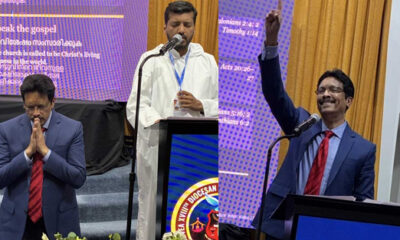

ക്രിസ്തീയ വിശ്വാസം ജീവനുള്ള ബന്ധമാണ്; വെറുമൊരു മതപരമായ അറിവല്ല: ഡോ. വിനു ജോൺ ഡാനിയേൽ
ഡാളസ്: ലോകസുഖങ്ങൾക്കും ഭൗതികനേട്ടങ്ങൾക്കുമപ്പുറം ക്രിസ്തുവിന്റെ സ്നേഹവും കൃപയും അനുഭവിച്ച് ജീവിക്കാൻ വിശ്വാസികളെ ആഹ്വാനം ചെയ്ത് പ്രശസ്ത ഭിഷ്വഗരനും വചന പണ്ഡിതനും പ്രാഭാഷകനുമായ ഡോ. വിനു ജോൺ ഡാനിയേൽ....


നൈജീരിയയിൽ തട്ടിക്കൊണ്ടുപോയ കുട്ടികൾക്കായി സമരം ചെയ്ത് മാതാപിതാക്കൾ
നൈജീരിയ: നൈജീരിയയിലെ ബോർണോ (Borno) സംസ്ഥാനത്ത് നിന്ന് തീവ്രവാദികൾ തട്ടിക്കൊണ്ടുപോയ കുട്ടികളെ മോചിപ്പിക്കാൻ നടപടി സ്വീകരിക്കണമെന്നാവശ്യപ്പെട്ട് മാതാപിതാക്കൾ തെരുവിലിറങ്ങി പ്രതിഷേധിച്ചു. കുട്ടികളെ തട്ടിക്കൊണ്ടുപോയിട്ട് നൂറ് ദിവസമായിട്ടും വിട്ടയ്ക്കുകയോ...


ഐ.പി.സി. നേര്യമംഗലം സെന്റർ യുവജന ക്യാമ്പ് പെരുമ്പാവൂർ കീഴില്ലത്ത് വച്ച് ഞാറാഴ്ച 6 pm ന് ഉദ്ഘാടനം നടത്തപ്പെടുന്നു
IPC നേര്യമംഗലം സെന്റർ PYPA യുടെ ആഭിമുഖ്യത്തിൽ ഞാറാഴ്ച 6 pm ന് കീഴില്ലം ഇവാഞ്ചലിക്കൽ റീ ട്രീറ്റ് സെന്ററിൽ വച്ച് സെന്റർ ക്യാമ്പ് സെന്റർ പാസ്റ്റർ:...
-

 us news11 months ago
San Diego pastor fatally shot in his home; congregation left in disbelief
-

 Movie12 months ago
‘Light of the World’: Animated Movie About Jesus Hits Theaters Sept. 5
-

 us news12 months ago
Erika Kirk vows to carry on Charlie’s mission: ‘The movement my husband built will not die’
-

 Movie11 months ago
Forrest Frank Posts Blunt Response After Losing 30,000 Followers Over Charlie Kirk Post
-

 us news12 months ago
Christian Comedian John Crist Gets Engaged in Nashville: ‘God’s Redemptive Plan’
-

 us news12 months ago
‘He Sat on Jesus’s Lap’: The Time God Miraculously Raised Courtney Smallbone’s Son from the Dead
-

 world news11 months ago
6 Christians Killed in Latest Fulani Militia Attack in Nigeria
-

 Travel12 months ago
പാസ്പോർട്ടോ മറ്റ് തിരിച്ചറിയൽ രേഖകളോ കാണിക്കാതെ വിമാനയാത്ര സാധ്യമാക്കുന്ന സ്മാർട്ട് കൊറിഡോർ സംവിധാനം ദുബൈയിൽ വിപുലമാക്കുന്നു